36氪

Search documents
两个二胎爸爸,做了台「学习神器」
36氪· 2025-08-27 13:35
Core Viewpoint - The article discusses the launch of the new product, the Alpha Egg Scanning Learning Machine K6, which aims to address the fragmented learning experience caused by multiple educational devices by integrating various functions into one portable device [1][5][20]. Group 1: Product Features - The K6 features a 5-inch screen, a compact design similar to a smartphone, and a battery capacity of 1900 mAh, allowing for a week of usage on a full charge [3][19]. - It combines six common functions: dictionary pen, learning machine, AI speaking treasure, audio reader, translation machine, and student camera, making it a versatile tool for various learning scenarios [5][19]. - The K6 eliminates the traditional glass window found in dictionary pens, introducing a "what you see is what you scan" feature that enhances user experience by allowing real-time scanning results [21][24]. Group 2: Market Position and Business Model - Alpha Egg has established itself as a leading player in the smart education hardware sector, achieving a revenue growth of 30 times over four years, with total revenue exceeding 1 billion yuan [9]. - The K6 supports over 119 textbook versions and 103 dictionaries, offering a comprehensive educational resource without additional charges for content updates, promoting a "hardware buyout, lifetime free" business model [25][43]. Group 3: Educational Philosophy - The founders emphasize the importance of maintaining children's interest in learning rather than focusing solely on grades, aiming to create tools that help children overcome learning obstacles and foster curiosity [35][40]. - The development of the K6 was influenced by the founders' personal experiences as parents, leading to a product designed with children's needs in mind [8][39]. Group 4: AI Integration - The K6 incorporates AI technology to enhance learning experiences, particularly in language practice, by providing interactive and engaging methods for children to practice speaking [27][28]. - The company is cautious about the potential misuse of AI, ensuring that all AI-generated content is verified by educational professionals to maintain accuracy and reliability [29][30]. Group 5: User Demographics - The primary users of Alpha Egg products are parents, predominantly office workers, who are invested in their children's education and seek reliable tools to support learning [40][43]. - The article highlights the alignment between the company's user demographics and the broader market trends in educational technology, particularly among families in first- and second-tier cities [40].


「关不掉」的免密支付,肥了平台的钱包?
36氪· 2025-08-27 13:35
Core Viewpoint - The article discusses the risks associated with the "no-password payment" feature, which has gained attention due to user complaints about unauthorized charges and the ease of accidental activation of this feature on various platforms [4][5][6]. Summary by Sections User Complaints and Risks - Many users have reported unauthorized charges after unknowingly activating the no-password payment feature, with amounts ranging from thousands to tens of thousands of yuan [5][8]. - The feature is particularly concerning for vulnerable groups such as children and the elderly, who may activate it without understanding the implications [8][10]. - A significant number of complaints (64,000) have been filed regarding no-password payments, with users describing it as a "霸王条款" (unfair clause) that is difficult to cancel [8][10]. User Experience and Activation Process - The activation process for no-password payments is often simplified to a single click, while the cancellation process can require multiple steps, making it cumbersome for users [12][15]. - Platforms like WeChat and Taobao have been criticized for not providing clear notifications about the activation of no-password payments, leading to unintentional subscriptions and charges [12][15]. Financial Impact on Businesses - Research indicates that no-password payment users tend to spend 18% more, but the return rate has increased by 40%, suggesting that while it facilitates purchases, it may also lead to impulsive buying [18]. - Some major platforms have reportedly generated over 10 billion yuan in additional revenue due to the default activation of no-password payment features [19]. Regulatory Environment - Existing regulations require businesses to clearly inform consumers about automatic renewals and no-password payments, but many platforms do not comply [21][22]. - Users face significant challenges in seeking accountability from platforms when unauthorized charges occur, as platforms often cite user consent as a defense [22][23]. Recommendations for Improvement - The article emphasizes the need for platforms to respect consumer autonomy in payment processes and to enhance risk management measures to prevent unauthorized transactions [23].

殡葬生意下滑了
36氪· 2025-08-27 13:35
Core Viewpoint - The funeral industry in China is driven more by the economic conditions of the living rather than the number of deceased individuals, highlighting a disconnect between increasing mortality rates and declining revenues for funeral companies [4][13][56]. Group 1: Industry Overview - The funeral profession, despite being considered niche, has a near 100% employment rate, with some students securing jobs before graduation [5]. - The aging population in China has reached 310 million, with an estimated 10.93 million deaths in 2024, a 10% increase from four years ago [7][16]. - Major listed funeral companies, including Fushouyuan and Fucheng Co., experienced a 19.3% decline in total revenue in 2024 [9][17]. Group 2: Business Dynamics - The funeral business is fundamentally a perception-driven industry, where collective beliefs about death create significant pricing power, leading to gross margins exceeding 80% [11][12]. - Despite the increase in the number of deaths, profits for funeral companies have halved, indicating that economic conditions, rather than mortality rates, dictate business performance [14][13]. - Fushouyuan's revenue in 2024 was 2.078 billion yuan, down 20.9%, with net profit dropping 52.8%, marking a significant break in its growth trajectory [20]. Group 3: Revenue Composition - The funeral industry consists of three main segments: funeral services, cremation, and burial plots, with burial plot sales accounting for 50%-70% of total funeral costs [21]. - Fushouyuan relies heavily on burial plot sales, which constituted 80% of its revenue in 2024, but the number of plots sold decreased by 23.2% to 12,569 [22][23]. Group 4: Market Trends - The decline in burial plot sales is attributed to alternative burial methods gaining popularity, such as eco-burials and traditional burials, which divert demand from commercial burial plots [24]. - The high prices of burial plots, averaging 121,200 yuan, are significantly higher than real estate prices in major urban areas, indicating a market driven by scarcity and emotional value [30][32]. Group 5: Future Outlook - The traditional growth strategy of price increases in the funeral industry is becoming unsustainable, as evidenced by the decline in sales volume despite rising prices [42][43]. - The average cost of funeral services has decreased from over 6,000 yuan in 2019 to around 5,200 yuan in 2024, reflecting a shift in consumer spending behavior [38]. - Companies are exploring new business avenues, such as AI technology for digital memorials, but these innovations have yet to demonstrate significant market differentiation or growth potential [54][55].

四个「小年」过去,iPhone总算迎来连续三个「大年」
36氪· 2025-08-27 11:28
Core Viewpoint - The article discusses Apple's upcoming iPhone 17 series, particularly the iPhone 17 Air, which is part of a three-year plan to innovate and revitalize the iPhone lineup after a series of incremental updates. The focus is on making the iPhone thinner and lighter while introducing new technologies and design philosophies [5][6][7]. Group 1: iPhone 17 Air Features - The iPhone 17 Air will be the thinnest iPhone ever at 5.5mm, marking a significant design shift towards lightweight devices [9]. - It serves as a testing ground for new technologies that, if successful, will be integrated into the entire iPhone family, leading to a gradual reduction in thickness across models [10]. - The device will feature a self-developed C1 baseband chip, a single camera, and a battery capacity of less than 3000mAh, which may raise concerns about performance and battery life [14]. Group 2: Design Philosophy and Innovations - Apple's design philosophy emphasizes simplicity and elegance, aiming to create devices that feel like seamless extensions of the user experience [13][25]. - The iPhone 17 Air will eliminate the physical SIM card slot in favor of eSIM technology, reflecting a broader trend towards removing unnecessary physical components [15][16]. - The device may also feature a titanium alloy frame for increased durability and a new optical module design to accommodate a compact Face ID system [21][23]. Group 3: Future Developments - The article hints at the potential for a foldable iPhone, expected to be released next year, which will adopt a large foldable design and may include advanced camera features [28][30]. - The foldable iPhone is likely to prioritize practicality over aesthetics, potentially sacrificing some features like Face ID for a more compact design [31]. - Future iterations of the iPhone, including a fully glass iPhone, are envisioned to embody a seamless design with no visible buttons or ports, aligning with Apple's long-term vision for mobile devices [62][68]. Group 4: Market Context and Challenges - The smartphone market is experiencing a decline in shipment volumes, with consumers often replacing devices due to aging rather than advancements in new models [78]. - Despite the challenges posed by emerging technologies like AI and XR, the iPhone remains a core product for Apple, with the company aiming to recapture the innovation spotlight through its three-year plan [75][81]. - The article concludes that while the narrative of smartphones may be reaching its end, Apple is not ready to let the iPhone fade quietly into the background [82].


62岁「霸总」,每周做药100小时,坐拥千亿市值|36氪专访
36氪· 2025-08-27 11:28
Core Viewpoint - The company aims to become an "entry-level multinational pharmaceutical company" within five years, focusing on innovation and global expansion [2][7][47]. Group 1: Company Background and Development - The company, founded by Zhu Yi in 1996, initially focused on generic drugs and gradually shifted towards innovative drug development, using profits from generics to fund R&D [4][5]. - In 2023, the company made headlines by licensing its innovative cancer drug BL-B01D1 to Bristol-Myers Squibb for a total deal value of $8.4 billion, marking a significant milestone in its growth [4][6]. - The company has achieved a market capitalization exceeding 100 billion RMB, becoming the third innovative drug company in A-shares to reach this milestone [6]. Group 2: Strategic Goals and Future Plans - The company aims to establish itself as a multinational corporation (MNC) by enhancing its global clinical development and commercialization capabilities, with a target to build a team of 2,000 for overseas operations by 2028 [49][50]. - The focus will be on developing a robust pipeline of innovative drugs, with 14 candidates currently in clinical stages, including BL-B01D1, which is in Phase III trials for multiple cancer types [40][36]. - The company plans to streamline its generic drug operations, reducing its sales team from over 10,000 to around 200-300, reallocating resources to support innovative drug commercialization [38]. Group 3: Operational Efficiency and Management - The company emphasizes high operational efficiency and cost control, leveraging China's relatively low-cost clinical resources to maintain a competitive edge [22][19]. - A flat organizational structure is maintained to enhance communication and decision-making speed, with a focus on hands-on management [24][25]. - The company has cultivated a culture of high performance, encouraging a merit-based system where employees are rewarded based on their contributions [28]. Group 4: Innovation and R&D Focus - The company is committed to advancing antibody-drug conjugates (ADCs) as a key area of innovation, aiming to develop effective treatments for various cancers [41]. - The R&D strategy is characterized by a closed-loop system that integrates data collection, clinical development, and manufacturing capabilities, ensuring a seamless transition from lab to market [40]. Group 5: Financial Strategy and Funding - The company has recently completed a nearly 4 billion RMB private placement to support its growth initiatives and is exploring additional funding avenues, including potential future listings [53][52]. - The anticipated costs for overseas clinical trials are significantly higher than domestic trials, necessitating strategic financial planning to secure the required capital [51].
罗永浩,九年熬出一碗泡面
36氪· 2025-08-27 11:28
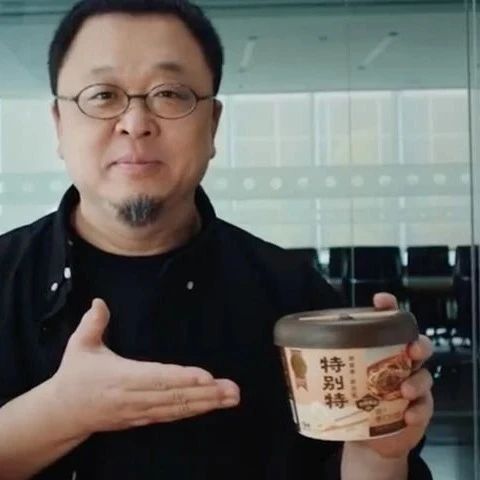
Core Viewpoint - The article discusses the recent launch of a new instant noodle product by Luo Yonghao, highlighting his marketing strategies and the challenges faced by the instant noodle industry in China. The narrative emphasizes Luo's ability to generate buzz and traffic, but questions the sustainability of his business ventures and public trust in light of past failures [4][18]. Group 1: Product Launch and Marketing - Luo Yonghao announced the launch of a new instant noodle product called "TBT" in collaboration with Kang Shifu, aiming to redefine consumer perceptions of instant noodles [5][6]. - The product is priced at 39.9 yuan for four packs, equating to 9.9 yuan per pack, which led to mixed reactions from consumers regarding its affordability [6]. - Despite selling 87,000 units by the end of the launch day, the sales figures were significantly lower than other popular products, indicating a potential challenge in market acceptance [6][7]. Group 2: Industry Challenges - The instant noodle market in China has faced a decline, with consumption dropping by 4 billion packs from its peak in 2020, and projections indicating further decreases in sales [7][8]. - Kang Shifu reported a decrease in revenue from instant noodles by 349 million yuan in the first half of the year compared to the previous year, reflecting broader industry struggles [7]. Group 3: Luo Yonghao's Business Journey - Luo Yonghao's entrepreneurial history is marked by a series of high-profile ventures, including the founding of Smartisan Technology and his transition to live-streaming sales, which initially brought him significant success [10][12]. - His recent ventures, including the AR startup and the new instant noodle product, illustrate a pattern of seeking to "disrupt" various industries, but also raise concerns about the sustainability of his business model and public trust [16][18]. - Luo's past financial struggles, including a debt of over 600 million yuan, have led to skepticism about his current and future business endeavors [11][14].

盒马NB上半年营业额达80亿,目前总门店数近300家|36氪独家
36氪· 2025-08-27 11:28
Core Viewpoint - Hema NB has achieved significant growth in revenue and store expansion, indicating a successful strategy in the competitive retail market [6][9]. Group 1: Financial Performance - In the first half of the year, Hema NB's revenue reached approximately 8 billion yuan, showing a double-digit growth compared to the same period last year [6]. - The total number of stores has nearly doubled to around 300 within just six months, primarily concentrated in core urban and suburban areas of East China [6]. Group 2: Brand Strategy and Market Positioning - Hema NB is undergoing a rebranding process, with plans to change its name to "Super Box Calculation NB," reflecting its maturity and market readiness [7]. - The brand aims to differentiate itself from Hema Fresh, targeting a different consumer segment that prefers lower-priced, community-oriented shopping experiences [7][9]. Group 3: Product Offering and Pricing Strategy - Hema NB focuses on a simplified supply chain and a high proportion of private label products, which helps maintain low prices [8]. - For example, Hema NB offers a 450g grain-fed beef roll for 19.9 yuan, significantly lower than competitors [8]. Group 4: Operational Strategy - Hema NB has opened online delivery services, with an expected online sales contribution of around 30% [7]. - The company is actively recruiting sorting staff in multiple cities to enhance its delivery capabilities [7]. Group 5: Future Growth and Expansion Plans - Hema aims to achieve a GMV of 100 billion yuan by the end of 2024, with an annual GMV of 75 billion yuan reported as of March this year [9]. - The company plans to continue expanding both Hema Fresh and Hema NB stores while ensuring a balance between the two formats to avoid competition for customer traffic [9].


90秒做拉花咖啡,「AI智慧零售机器人」融资数千万丨早起看早期
36氪· 2025-08-27 00:18
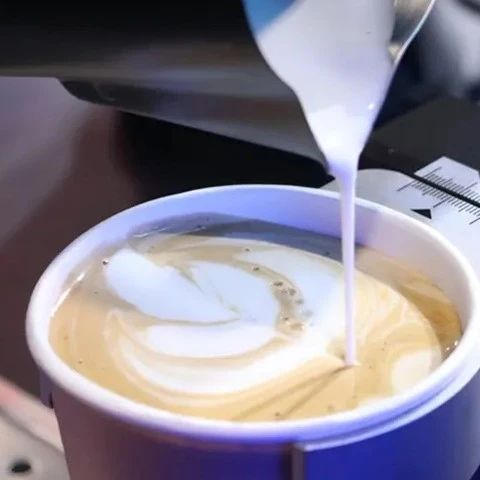
Core Viewpoint - Anno Robotics focuses on developing and selling AI-powered retail robots, including coffee, milk tea, and cocktail-making machines, with a significant market presence both domestically and internationally [3][6][10]. Group 1: Company Overview - Anno Robotics was founded by Huang Huang, a graduate in mechanical electronics, who has prior experience in various robotics and automation companies [4]. - The company has recently completed a multi-million yuan angel round of financing, exclusively invested by Tongchuang Weiye [5]. - Anno's main business revolves around AI smart retail robots, which include various types of beverage-making machines [6]. Group 2: Product Features and Capabilities - The AI coffee latte art robot can complete the entire process from ingredient recognition to cup output in 90 seconds, effectively replacing three full-time employees [9]. - The robots utilize advanced technologies such as motion capture, 3D modeling, and machine learning to ensure high precision and quality in beverage preparation [13][14]. - Anno's products support 24-hour unmanned operation and can be monitored in real-time through an IoT platform for remote fault diagnosis [7][11]. Group 3: Market Presence and Sales - Anno's products have been sold in over 100 cities in China and more than 70 countries worldwide, with a revenue distribution of 60% domestic and 40% international [10]. - The company has successfully implemented its robots in various locations, including scenic spots, schools, airports, and parks, generating significant monthly revenue [21]. Group 4: Strategic Insights and Future Directions - The company recognizes the importance of adapting to different payment habits across countries to enhance global market penetration [19]. - Anno aims to leverage its experience in the education sector to improve its retail robot offerings, creating a "data flywheel" effect that enhances product adaptability and service levels [20]. - Future developments may include personalized features through real-time voice interaction and custom beverage recipes, driven by advancements in AI technology [20].
8点1氪:罗永浩否认拉黑俞敏洪和王自如;深圳欢乐谷叫停涉嫌擦边表演;苹果发布会定档9月10日,预计发布iPhone 17系列
36氪· 2025-08-27 00:18
Group 1 - Luo Yonghao's podcast "Luo Yonghao's Crossroads" achieved over 20 million total views within 24 hours of its first episode release [4] - Luo denied blocking Yu Minhong and Wang Ziru, clarifying that he blocked two people who were causing a stir [4] - The trending topic on Weibo regarding Luo blocking Yu and Wang was a misunderstanding [4] Group 2 - Shenzhen Happy Valley has halted a controversial performance that was criticized for being inappropriate [5] - The performance involved actors in uniforms and provocative outfits, leading to public outcry [5] - The park has decided to optimize and adjust the program following visitor feedback [5] Group 3 - Apple announced a product launch event scheduled for September 10, expected to unveil the iPhone 17 series [5] Group 4 - Hema NB reported a revenue of approximately 8 billion yuan in the first half of the year, with a significant increase in store count [7] - The total number of Hema NB stores has nearly doubled to around 300, primarily in core cities of East China [7] Group 5 - Yonghui Supermarket has registered multiple "Fat Yonghui" trademarks, with plans to open more stores [8] - The number of "Fat Yonghui" stores is expected to reach around 20 in Beijing by the end of the year [8] Group 6 - YouTube threatened to remove Fox channels from its platform if an agreement is not reached [10] - The negotiation between YouTube TV and Fox is ongoing, with a deadline approaching [10] Group 7 - Korean Air has ordered 103 Boeing aircraft, with a total investment of approximately 50 billion USD [10] - The deal includes 36.2 billion USD for the aircraft and additional funds for engines and maintenance services [10] Group 8 - The former Dongfang Zhenxuan host "Dun Dun" achieved nearly 12.5 million yuan in sales during his first solo live-streaming event [10] - The event attracted over 5 million viewers, showcasing a successful transition to personal branding [10] Group 9 - The White House announced an investment of 8.9 billion USD for a 9.9% stake in Intel, primarily funded by previous subsidies [11] - This investment marks a shift in government policy towards holding stakes in private companies [11] Group 10 - NetEase Cloud Music clarified that it does not have a "visitor record" feature, emphasizing user privacy [13] - The platform reassured users that no personal information would be disclosed without authorization [13] Group 11 - Taobao plans to reduce the compensation ratio for logistics delays, effective September 5 [14] - The compensation for delayed logistics will decrease from 20% to 5% [14] Group 12 - The Starship's tenth test flight was canceled due to weather conditions, marking the second cancellation in a row [14] - The launch was initially scheduled for August 24 but was also called off due to ground system issues [14] Group 13 - Anta and Li Ning responded to rumors regarding the acquisition of Puma, stating they do not comment on market speculation [15] - Both companies emphasized their focus on their core brands and ongoing strategies [15] Group 14 - Heytea has entered the takeaway market by partnering with platforms like Taobao and Meituan, marking a significant shift in its online strategy [16] - The company aims to leverage the competitive landscape of food delivery services [16] Group 15 - Musk's xAI and social platform X have filed a lawsuit against Apple and OpenAI, alleging anti-competitive practices in the AI market [16] - The lawsuit claims that the collaboration between Apple and OpenAI stifles competition and innovation [16] Group 16 - Xiangpiaopiao reported a net loss of approximately 97.39 million yuan in the first half of the year, with revenue declining [17] - The company's performance reflects a significant increase in losses compared to the previous year [17] Group 17 - China Film announced a net loss of 110 million yuan in the first half of the year, a shift from profitability in the previous year [18] - The company's revenue also saw a decline compared to the same period last year [18] Group 18 - Nongfu Spring reported a profit of approximately 7.62 billion yuan in the first half of the year, reflecting a year-on-year growth of 22.1% [19] - The company's total revenue reached 25.62 billion yuan, marking a 15.6% increase [19] Group 19 - Nvidia launched the Thor chip for robotics and autonomous driving, priced at 3,499 USD [20] - The company aims to capitalize on the growing demand for AI-driven robotics in various industries [20]


复盘一笔耗时300天的VC涉国资S交易
36氪· 2025-08-27 00:18
Core Viewpoint - The S Fund is seen as a potential solution for revitalizing existing assets, with multiple provinces in China establishing S Funds in recent months. However, there are significant challenges in the market, particularly regarding the pricing and valuation of early-stage investments [4][5][6]. Group 1: S Fund Development - Several provinces, including Zhejiang, Fujian, Jiangxi, and Anhui, have established S Funds, reflecting a growing interest in revitalizing existing assets through these funds [4]. - The central bank and seven ministries issued guidelines to support new industrialization, emphasizing the development of secondary market funds and optimizing the transfer and pricing mechanisms for venture capital funds [4]. Group 2: Challenges in S Fund Transactions - The S Fund market faces contradictions, such as the requirement to prevent the loss of state assets while S Funds typically demand a 20-30% discount, leading to difficulties in finding market-oriented S Funds [4][5]. - A significant challenge in S transactions is the difficulty in pricing early-stage fund shares, as buyers must evaluate the underlying assets individually, which is labor-intensive [10][20]. Group 3: Market Dynamics - Approximately 70% of S Funds are state-owned, 20% are insurance funds, and less than 10% are private institutions, indicating a predominance of state capital in the market [9]. - The market favors "extreme certainty" and quick exits, making it challenging for funds with early-stage projects to find buyers [14][15]. Group 4: Successful Transaction Case Study - A notable S transaction involved Atom Venture Capital and BoXuan Capital, where Atom successfully navigated the complexities of selling early-stage fund shares to a market-oriented S Fund [16][27]. - The transaction process included extensive due diligence, negotiations on pricing, and compliance with regulatory requirements, ultimately taking ten months to complete [25][24]. Group 5: Future Outlook - The experience gained from this transaction positions Atom to better handle future S Fund transactions, as the market for S Funds is expected to grow due to the increasing number of funds needing to exit [30].