36氪

Search documents
一局打掉上百元,羽毛球怎么越吐槽越贵
36氪· 2025-08-27 00:18
Core Viewpoint - The recent price surge in badminton products, driven by material costs and supply chain issues, reflects a broader challenge regarding the accessibility of sports for the general public, as the cost of badminton has become comparable to luxury items like gold [3][39]. Price Increase Analysis - In July, several well-known brands, including Yonex and Victor, raised prices of popular badminton products by approximately 30-40 RMB per barrel [4]. - For instance, the price of Yonex's AS-05 model increased from 275 RMB to 350 RMB, marking a rise of over 20% [4]. - Consumers are reacting to these price hikes by either reducing purchases or stockpiling products in anticipation of further increases [6][7]. Market Demand and Supply Dynamics - The number of badminton participants in China exceeded 250 million in 2021, indicating a significant market potential [7]. - The supply of essential materials, such as duck and goose feathers, has decreased due to reduced production by farmers, contributing to the price increases [8]. - The demand for badminton products is outpacing supply, leading to inevitable price hikes [11]. Brand Performance and Market Trends - Li Ning reported a record high revenue in the first half of 2025, with a double-digit growth in equipment and accessories sales, indicating a strong market for badminton products [11]. - The share of badminton in Li Ning's overall revenue has increased to 7%, further driving the company's growth [11]. Consumer Behavior and Alternatives - As prices rise, many consumers are seeking more affordable alternatives, such as domestic brands or lower-cost products [19]. - Some clubs have started using cheaper, locally produced badminton products in response to the price hikes from major brands [15][19]. - The trend of "badminton ball refurbishment" has emerged, reflecting consumer dissatisfaction with rising prices and attempts to extend the life of existing products [30][36]. Future Outlook - The consensus in the industry suggests that unless more brands enter the market or significant technological advancements occur, prices for badminton products are unlikely to decrease in the near future [35]. - The potential for breakthroughs in artificial ball technology could be a key factor in addressing the current pricing challenges [35].


董宇辉分手暴富,俞敏洪还在煎熬
36氪· 2025-08-26 14:23
Core Viewpoint - Oriental Selection is actively seeking new growth strategies amidst significant challenges following the departure of key figures like Dong Yuhui, which has led to fluctuations in stock prices and operational performance [4][6][11]. Financial Summary - For the fiscal year 2025, Oriental Selection reported a revenue of 4.439 billion RMB, down 32.7% from 6.525 billion RMB in the previous year [7][11]. - The total GMV decreased from 14.3 billion RMB to 8.7 billion RMB, with paid orders on Douyin dropping from 1.81 billion to 916 million [12][11]. - Despite a net profit of only 6.19 million RMB, the company showed signs of recovery with a net profit of 135.4 million RMB when excluding the financial impact of the sale of "With Hui Together" [11][12]. Operational Changes - The company increased its self-operated product GMV share to 43.8%, launching 732 new self-operated products, a nearly 50% increase from the previous year [12][11]. - Total operating costs decreased from 4.8 billion RMB to 3 billion RMB, a reduction of over 38%, indicating effective cost control measures [12][11]. Market Reactions - The stock price experienced significant volatility, with fluctuations exceeding 40% in a short period, reflecting investor uncertainty [6][11]. - Following the financial report, CEO Yu Minhong described the situation as being in a "storm," highlighting the ongoing challenges the company faces [8][17]. Strategic Direction - Yu Minhong emphasized the need for Oriental Selection to transition from a reliance on live-streaming to establishing a robust product and supply chain management capability [32][34]. - The company aims to enhance its own app and membership system, with paid membership numbers growing to 264,300, although the growth rate has slowed [13][34]. Industry Context - The challenges faced by Oriental Selection mirror broader issues within the live-streaming e-commerce industry, particularly regarding the dependency on key influencers and the sustainability of personal brands [30][40]. - The departure of major influencers like Dong Yuhui raises questions about the future viability of the company's business model, which heavily relies on individual personalities [30][40].
为什么空姐不敢反抗白金卡?
36氪· 2025-08-26 14:23
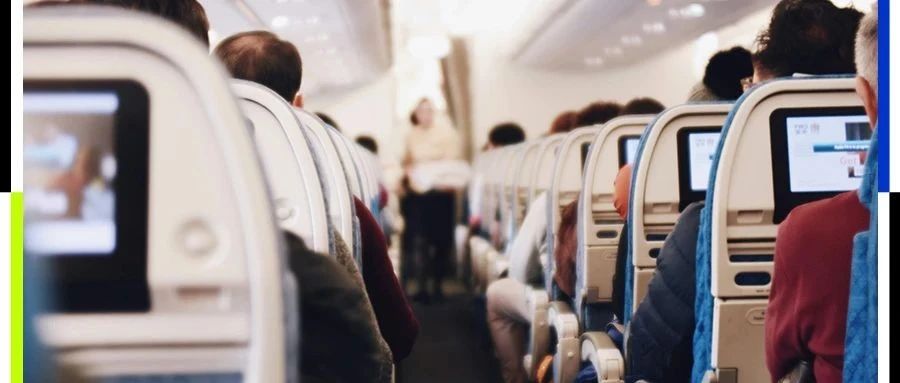
Core Viewpoint - The article highlights the challenges faced by flight attendants in the Chinese aviation industry, particularly in dealing with entitled high-tier passengers, and emphasizes the need for a balance between customer service and employee dignity [5][46]. Group 1: Incident Overview - A recent incident involving a passenger demanding a flight attendant to serve food has gone viral, showcasing the pressure on cabin crew to comply with unreasonable requests [5][10]. - The passenger, identified as a frequent flyer with a platinum card, has a history of similar disruptive behavior on flights [12][22]. - The flight attendant maintained a smile throughout the incident, reflecting the emotional toll and exhaustion faced by service staff [11][24]. Group 2: Industry Dynamics - The article discusses the concept of "three harms" in the aviation industry, referring to high-tier passengers who exploit their status to harass crew members [14][21]. - The financial struggles of major airlines are highlighted, with projected losses for the first half of 2025 ranging from 1.6 billion to 2.4 billion yuan, indicating a challenging operating environment [25][26]. - Airlines prioritize revenue from high-tier passengers, leading to a situation where cabin crew are seen as service costs rather than valued employees [25][28]. Group 3: Employee Treatment and Safety Concerns - The article points out that flight attendants often cannot retaliate against entitled passengers due to fear of repercussions and lack of support from their employers [24][34]. - The safety of all passengers is at risk when airlines prioritize the demands of high-tier customers over established protocols [44][46]. - The article contrasts the treatment of airline staff in China with that in Western countries, where employee dignity and safety are better protected [47][48]. Group 4: Broader Implications - The incident reflects a larger issue within the Chinese aviation industry, where the "customer is always right" mentality undermines the respect and rights of service employees [41][46]. - The article warns that continued neglect of employee dignity could lead to a talent drain, as young professionals may seek better working conditions abroad [48].
男人最爱的迪卡侬,失宠了
36氪· 2025-08-26 14:23
Core Viewpoint - Decathlon is facing a significant decline in consumer interest in China, attributed to rising prices and increased competition from both domestic and international brands [3][10][11]. Group 1: Decline in Consumer Interest - Decathlon's affordable products, such as a 19.9 yuan quick-dry T-shirt and a 49.9 yuan backpack, have seen a noticeable price increase, leading to a decrease in customer visits [3][7]. - The company is rumored to be considering selling approximately 30% of its Chinese subsidiary, with an estimated valuation between 10 billion to 15 billion euros (approximately 100 billion yuan) [3][4]. - The increase in prices is linked to rising supply chain costs, including raw material prices and labor costs, which have pressured Decathlon's low-cost business model [7][8]. Group 2: Competitive Landscape - The market has seen a surge in alternative brands, with consumers shifting to cheaper options from platforms like Pinduoduo and Douyin, as well as domestic brands like Anta and Li Ning [10][11]. - Decathlon's pricing strategy has led to a loss of its core customer base, as competitors offer similar products at lower prices or with more appealing designs [10][11]. - The company has struggled to maintain its low-price, high-experience model due to increased operational costs in urban areas [7][8]. Group 3: Internal Management Issues - Decathlon's internal management has been criticized for being overly centralized, leading to inefficiencies and a lack of responsiveness to market changes [17][18]. - Employee dissatisfaction due to low wages compared to competitors has contributed to talent attrition, impacting the company's operational effectiveness [14][15]. - The company's long-standing reliance on a low-margin business model has limited its ability to offer competitive salaries, further exacerbating employee turnover [15][19]. Group 4: Potential Buyers and Future Strategies - Potential buyers for Decathlon's Chinese operations include JD.com, Anta Sports, and international private equity firms like Blackstone and Carlyle, with JD.com seen as the frontrunner due to its supply chain capabilities [21][22]. - Anta Sports could leverage its existing brand portfolio to enhance Decathlon's market position, but there are concerns about whether it would maintain Decathlon's low-cost positioning [23][25]. - The future direction of Decathlon hinges on whether it can balance its high-end transformation with its original value proposition of affordability and accessibility [25][26].

25万级新能源市场的大变量来了
36氪· 2025-08-26 14:23
Core Viewpoint - The article discusses the transformation in the automotive market, particularly in the 250,000 RMB segment, where consumer preferences have shifted from basic needs to a demand for brand value, comfort, and advanced technology [2][3]. Group 1: Market Dynamics - The 250,000 RMB market is highly competitive, with consumers now seeking products that offer both functionality and brand prestige [3]. - Traditional luxury brands struggle to meet consumer expectations in terms of functionality and comfort, while budget brands often fail to resonate due to brand perception and quality issues [4][5]. Group 2: New Product Launches - The launch of the new models, R7 and S7, by the Zhijie brand, priced at 229,800 RMB and 249,800 RMB respectively, demonstrates a strong commitment to the market [7]. - The new models received over 10,000 orders within 24 hours of their launch, indicating a significant shift in market value perception [8]. Group 3: Strategic Adjustments - Zhijie has undergone a strategic overhaul, becoming an independent entity led by Huawei, which allows for more agile decision-making and product development [10][14]. - The company has invested heavily in R&D, establishing new centers and increasing its workforce to over 5,000, with a projected investment of 10 billion RMB over three years [12]. Group 4: Targeting Young Consumers - The new models are designed to appeal to younger consumers, who prioritize emotional resonance, smart experiences, and lifestyle integration over traditional status symbols [18]. - Features such as unique color options and customizable interiors reflect a deep understanding of young consumer psychology [19][20]. Group 5: Technological Advancements - The R7 and S7 models come equipped with advanced HUAWEI ADS 4 driver assistance systems, showcasing a commitment to high-tech features typically found in more expensive vehicles [21][25]. - The focus on creating a "third living space" within the vehicle, with features like zero-gravity seats and immersive sound systems, aligns with the preferences of younger consumers [26][28]. Group 6: Competitive Positioning - Zhijie's approach contrasts with traditional luxury brands that rely on brand prestige, as it seeks to redefine value through a combination of technology, experience, and emotional connection [30]. - The success of the R7 and S7 models illustrates that understanding the target audience and delivering a cohesive product experience is crucial for achieving sales success in a competitive market [27][30].

价格暴跌到1元/斤,阳光玫瑰变「阳光没贵」?
36氪· 2025-08-26 12:19
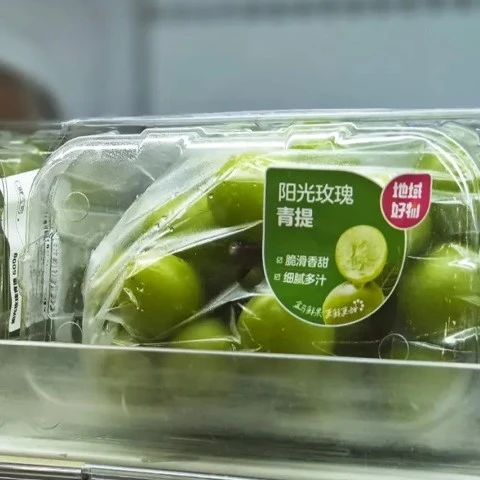
Core Viewpoint - The article discusses the significant decline in the price and market position of the "Sunshine Rose" grape, once considered a premium fruit, now being sold at very low prices due to oversupply and quality issues [4][6][24]. Summary by Sections Market Conditions - The price of Sunshine Rose grapes has dropped dramatically, with farmers selling them for as low as 1-3 yuan per pound, compared to 5-7 yuan last year [4][6]. - In various markets, wholesale prices range from 3 to 20 yuan per pound, indicating a significant decrease from previous years [9][12]. Production and Supply - The planting area for Sunshine Rose grapes has exceeded 1.5 million acres, accounting for over 40% of the total fresh grape production in China [17][24]. - The rapid increase in planting has led to oversupply, causing prices to fall sharply [24]. Quality Issues - There is a notable disparity in the quality of Sunshine Rose grapes, with many lower-quality fruits flooding the market, leading to a decline in consumer confidence [20][21]. - The lack of standardized cultivation practices has resulted in inconsistent quality, affecting the overall market perception of the fruit [20][21]. Consumer Behavior - Consumer purchasing power for Sunshine Rose grapes has decreased, with many opting for lower-priced alternatives due to quality concerns [23][27]. - The article highlights that despite the price drop, Sunshine Rose remains one of the most popular grape varieties in the market [26]. Future Outlook - Industry experts predict that the low price trend may continue in the short term, with potential for a rebound depending on production cuts and ongoing consumer demand [28][29]. - There is a belief that high-quality fruits from specific regions may see structural price increases despite the overall market decline [29].
中产家庭,会花上万元买一台陪伴机器人吗?
36氪· 2025-08-26 12:19
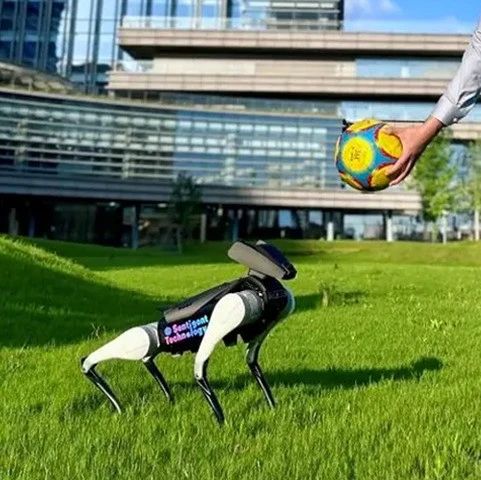
Core Viewpoint - The article discusses the rising interest in consumer-grade home robots, emphasizing the use of existing embodied intelligence technologies to create value without waiting for robots to master complex tasks like cooking or cleaning [2][15]. Group 1: Market Interest and Product Features - At the WRC (World Robot Conference), consumer interest was notably high for home robots, particularly from families and children [3]. - Products showcased included a rounded quadruped robot dog from VITADYNE and a track robot resembling WALL·E from LEJOY, both designed for consumer use with appealing aesthetics [5][6]. - These robots, while not capable of household chores, offer features like intelligent following, carrying items, and photography [5][17]. Group 2: Industry Trends and Competitive Landscape - Former executives from major companies like Xiaopeng Motors and Tesla are entering the consumer-grade robot market, with products like a robot dog from "ShenTingJi" and a humanoid robot from "MiaoDongKeJi" [6][7]. - The price range for these consumer-grade robots is generally around ten thousand yuan, making them more accessible than humanoid robots [7]. - USTech's quadruped robot currently holds a 70% market share in the global quadruped robot sector, indicating strong demand and market presence [11]. Group 3: Technological Development and Market Potential - The article highlights the maturity of quadruped robot technology, which is now being adapted for consumer use, with a focus on outdoor scenarios and user-friendly features [20][21]. - The use of advanced VLA technology allows these robots to operate without remote controls, enhancing their appeal to everyday consumers [20]. - The potential for consumer-grade robots to become mainstream is compared to the evolution of DJI drones, suggesting a future where these robots could be affordable and widely adopted [27][28].
iPhone Air不会重演mini的命运
36氪· 2025-08-26 12:19
Core Viewpoint - The article discusses the resurgence of ultra-thin smartphones in the market, highlighting their unique appeal compared to traditional models, emphasizing that weight is more critical than thickness for consumer preference [5][6][21]. Group 1: Market Trends - The ultra-thin smartphone market is experiencing a revival, with notable models like the Samsung S25 Edge and iPhone 17 Air leading the charge [6][8]. - The market is not only healthy but also features innovative products such as Transsion's SPARK Slim, which is only 5.75mm thick yet has a larger battery than the S25 Ultra [8]. - Nubia is also planning to release an ultra-thin phone, the Nubia Air, which is 6.7mm thick and includes a triple-camera setup, showcasing a commitment to quality alongside thinness [10]. Group 2: Consumer Preferences - Consumer feedback indicates a preference for lightweight devices, with many reviews highlighting the importance of weight over thickness [17][21]. - The shift in consumer sentiment is evident, as users now prioritize the comfort of holding a device over specifications like battery size or camera capabilities [24][25]. - The Samsung S25 Edge and iPhone 17 Air are seen as leading a movement to redefine the importance of weight in smartphone design [25]. Group 3: Product Positioning - Ultra-thin smartphones are positioned as flagship models, contrasting with the failed iPhone mini series, which struggled due to its small screen size rather than its lightweight design [30][33]. - The iPhone 17 Air is expected to target the large-screen market, indicating a shift in consumer demand towards lightweight yet larger devices [39]. - The emergence of ultra-thin models from major brands suggests a significant market trend, with manufacturers responding to previously overlooked consumer needs [41][44].


对话钉钉无招:用AI,打碎一个7亿用户的产品
36氪· 2025-08-26 12:19
Core Viewpoint - The article discusses the return of Wu Zhao to DingTalk and his vision of leveraging AI to redefine work processes, emphasizing the necessity of capital and technological strength in the AI era [4][5][11]. Group 1: AI Integration and Product Development - DingTalk has initiated the AI 1.0 version, which includes features like AI interaction, AI inquiry, AI note-taking, and AI forms, showcasing a significant product innovation push [6][12]. - Within four months of Wu Zhao's return, DingTalk addressed 1,850 user needs and optimized over 20 product lines, indicating a proactive approach to user feedback and product enhancement [5][6]. - The company has established over ten product innovation teams that report directly to Wu Zhao, highlighting a structured approach to innovation [5]. Group 2: Market Position and Competition - Wu Zhao does not view competitors as threats in the AI context, stating that everyone is starting from scratch with AI DingTalk 1.0 [9][111]. - The focus is on creating new solutions for the B2B market in the AI era, rather than merely competing with existing players [9][12]. - DingTalk aims to become a global representative of work processes, leveraging the opportunities presented by the AI wave [54]. Group 3: Future Vision and Strategy - The company envisions a future where AI surpasses human capabilities in understanding and decision-making, fundamentally transforming work processes [11][51]. - Wu Zhao believes that the integration of AI into work should help AI understand the physical world, rather than just enhancing human efficiency [11][45]. - DingTalk's strategy includes building its own models for various industries, enabling companies to develop their own AI capabilities [66][72]. Group 4: User Engagement and Feedback - Customer feedback has been more positive than expected, with many users appreciating the improvements made during Wu Zhao's absence [41]. - The company emphasizes the importance of understanding customer needs and ensuring that user demands are met promptly [168]. - Wu Zhao stresses that the primary goal is to enhance user experience and ensure that DingTalk effectively supports businesses [148][150]. Group 5: Organizational Culture and Team Dynamics - Wu Zhao acknowledges the challenges of aligning the team with the new AI vision, indicating a need for effective communication and shared understanding [160]. - The company aims to maintain a startup mentality within a large organization, which can be challenging but is essential for innovation [167]. - There is a recognition that different team members have varying motivations, which can impact the overall drive for innovation [86].


哈工大团队创业,玄创机器人获东方富海数千万融资,为石油化工巨头提供「特种兵」|早起看早期
36氪· 2025-08-26 00:19
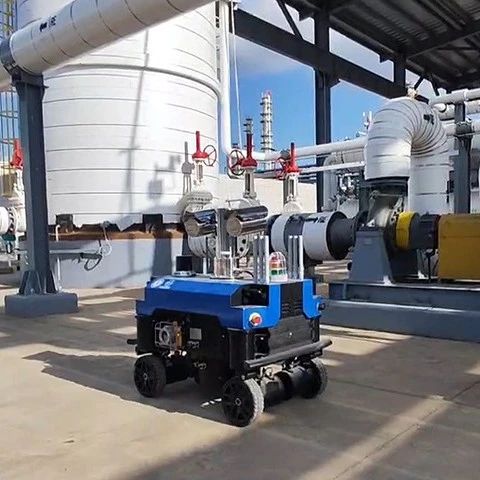
Core Viewpoint - The article highlights the significant growth potential in the special robotics sector, driven by increasing market demand and technological advancements, particularly in lightweight design, heterogeneous chassis, and core algorithms [5][6][11]. Company Overview - Xuan Chuang Robotics, established in December 2022, focuses on the development and application of special embodied intelligent robots, with products categorized into operational robots and complex operational robots [5][10]. - The company primarily serves industries such as petrochemicals, nuclear power, and new energy, with notable clients including Wanhua Chemical, Pingmei Shenma, and China National Petroleum [5][10]. Market Potential - The special robotics market in China is experiencing stable growth, with an annual compound growth rate exceeding 20%, projected to reach a market size of 30.6 billion yuan by 2025 [6][10]. - The demand for special robots is driven by the need to address hazardous and labor-intensive tasks in various industrial sectors [5][12]. Technological Trends - The core technological trends in the industry focus on lightweight design, heterogeneous chassis structures, and advanced recognition and control algorithms [6][8]. - Xuan Chuang Robotics is aligning its product design with these trends, incorporating unique lightweight hardware structures and innovative visual algorithms to enhance mechanical stability and algorithm efficiency [6][8]. Product Development - The operational robots currently generate the majority of the company's revenue, but there is significant market potential for complex operational robots in various applications, including oil fields and agricultural operations [10]. - The company is committed to continuous R&D investment to ensure product stability and efficiency in special operations and nuclear power scenarios [10]. Investment Insights - Investors express strong confidence in the growth potential of the special robotics sector, supported by national policies and urgent market needs [11][12]. - The company has demonstrated a clear profit model and explosive growth in performance within a short period, indicating its potential as an industry innovator [11][12].