半导体芯闻

Search documents
机构警告:HBM明年或将大降价
半导体芯闻· 2025-07-18 11:07
Core Viewpoint - The article discusses the potential decline in HBM (High Bandwidth Memory) prices due to increased competition and supply surplus, which may pose challenges for market leader SK Hynix by 2026 [1][2]. Group 1: HBM Market Trends - Analysts warn that HBM prices may experience a double-digit decline by 2026, driven by increased supply and competition, which could pressure SK Hynix's profit margins [1]. - Goldman Sachs has revised its growth forecast for HBM, projecting a year-on-year growth of 25%, down from a previous estimate of 45% [2]. - The total addressable market (TAM) for HBM is adjusted to $36 billion for 2025 and $45 billion for 2026, reflecting a 13% downward revision from earlier estimates [2]. Group 2: Competitive Landscape - SK Hynix faces challenges as NVIDIA's next-generation GPU, Rubin, will not significantly increase HBM capacity, limiting demand growth for SK Hynix [3]. - Analysts predict that SK Hynix's market share may shrink when HBM4 is launched in 2025, despite potential demand boosts from the lifting of export restrictions on NVIDIA's H20 chips to China [3]. - Samsung's HBM shipments are expected to grow at a rate of 20% annually by 2026, which could further pressure SK Hynix's profit margins [3]. Group 3: Emerging Competitors - Chinese memory companies are rapidly closing the technology gap with global leaders, planning to start mass production of HBM3 by the end of 2026 [4]. - Although Chinese HBM products may face export restrictions, their domestic expansion could weaken SK Hynix's position in the Chinese market [4].

三星美国晶圆厂,好起来了?
半导体芯闻· 2025-07-17 10:32
Core Viewpoint - Samsung is preparing for a significant increase in semiconductor orders, as indicated by the dispatch of skilled personnel to its Texas plant to expedite construction and production readiness [1][2]. Group 1: Investment and Development - The investment in the Taylor plant has reached $17 billion, with plans for completion by Q1 2026 [2]. - Personnel sent to the Taylor plant are experts in various fields critical to silicon manufacturing, including process, equipment, yield, and quality [2]. Group 2: Production and Technology - Samsung aims to start production in early 2026, with plans for large-scale production of 2nm GAA wafers [2]. - The initial yield estimate for the 2nm node technology is 30%, with a target of achieving a 70% yield by the end of the year [3]. - Samsung has begun prototype mass production of the Exynos 2600 on the 2nm node and has completed the basic design for its second-generation 2nm GAA process [3].

打造完整IP组合,安谋科技赋能AI“芯“时代
半导体芯闻· 2025-07-17 10:32
Core Viewpoint - The article emphasizes the transformative impact of AI on computing architecture and the increasing demand for heterogeneous computing power, particularly in the context of Arm technology's role in supporting this evolution [2][5][10]. Group 1: AI and Computing Evolution - The emergence of AI, particularly following the introduction of ChatGPT, has significantly increased the demand for computing power across various sectors, including AI cloud, automotive, robotics, and consumer electronics [2][4]. - AI is reshaping societal infrastructure and lifestyles, necessitating a shift in computing architecture from centralized to distributed systems [4][5]. Group 2: Arm Technology and Market Position - Arm technology has seen a rapid expansion in the smart computing sector, with over 310 billion chips shipped and a growing ecosystem of over 22 million software developers [7]. - By 2025, it is projected that nearly 50% of the computing power shipped to major cloud service providers will be based on Arm architecture, highlighting its increasing relevance in the cloud computing market [7]. Group 3: Self-Research and Product Development - The company is focusing on self-research and innovation, developing a comprehensive product matrix in key areas such as AI, CPU, information security, and multimedia processing [10]. - The self-developed products have achieved significant milestones, with over 230 clients and more than 9.5 billion chips shipped based on these innovations [10][11]. Group 4: Future Innovations - The company is set to unveil a new generation of AI acceleration engines, which will enhance computing power, precision, flexibility, and energy efficiency, supporting various mainstream large models [11].
EUV光刻,美国实力不容小觑
半导体芯闻· 2025-07-17 10:32
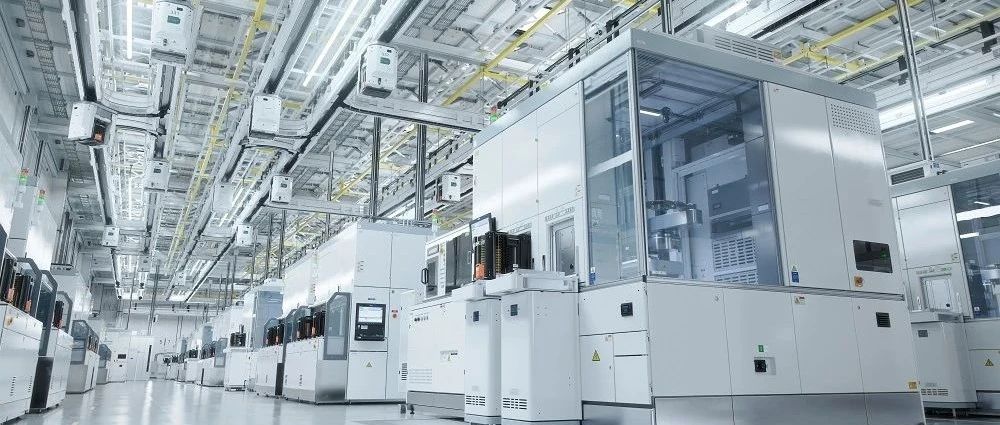
Core Viewpoint - The article discusses the advancements and investments in EUV lithography technology, highlighting the significant role of the United States in this field, particularly through collaborations and new facilities aimed at enhancing semiconductor manufacturing capabilities [1][3][5]. Group 1: US Investments in EUV Technology - The US has launched the CHIPS for America EUV accelerator, establishing a $10 billion partnership with major semiconductor companies to create a next-generation semiconductor research center in Albany, New York [3][5]. - New York State has invested $1 billion to expand the Albany NanoTech Complex, which will include a High NA EUV center, marking it as the first public High NA EUV center in North America [5][6]. - The EUV accelerator will focus on developing advanced High NA EUV technology, which is crucial for producing chips with 7nm and smaller transistors [5][6]. Group 2: Collaboration and Research Environment - The EUV accelerator aims to provide collaborative space and resources for industry, academia, and government partners to drive technological innovation [6][7]. - The facility is expected to enhance the US's technological leadership and support the semiconductor workforce ecosystem [7][8]. Group 3: Alternative Technologies to EUV - US companies are exploring alternative technologies to EUV lithography, such as xLight's particle accelerator-driven free electron lasers (FEL), which aim to produce light more efficiently than current methods [8][9]. - Inversion Semiconductor is developing a "desktop" particle accelerator to generate high-power light, potentially reducing the size of traditional accelerators significantly [11][12]. - Lace Lithography AS from Norway is working on atomic lithography technology that could surpass the resolution limits of EUV, potentially offering lower costs and energy consumption [15][16]. Group 4: Global Efforts in EUV Alternatives - Japanese researchers at KEK are investigating the use of particle accelerators to improve the efficiency and cost-effectiveness of EUV lithography systems [16][18]. - The article emphasizes that while current EUV technology is advancing, there are ongoing efforts globally to explore and develop alternative methods that could redefine semiconductor manufacturing [19].
处理器架构,走向尽头?
半导体芯闻· 2025-07-17 10:32
Core Insights - The article emphasizes the shift in processor design focus from solely performance to also include power efficiency, as performance improvements that lead to disproportionate power increases may no longer be acceptable [1][2] - Current architectures are facing challenges in achieving further performance and power efficiency improvements, necessitating a reevaluation of microarchitecture designs [1][3] Group 1: Power Efficiency and Architecture - Processor designers are re-evaluating microarchitectures to control power consumption, with many efficiency improvements still possible through better design of existing architectures [1][2] - Advancements in process technology, such as moving to smaller nodes like 12nm, continue to be a primary method for reducing power consumption [1][2] - 3D-IC technology offers a new power efficiency point, providing lower power and higher speed compared to traditional PCB connections [2][3] Group 2: Implementation Challenges - Asynchronous design presents challenges, as it can lead to unpredictable performance and increased complexity, which may negate potential power savings [3][4] - Techniques like data and clock gating can help reduce power consumption, but they require careful analysis to identify major contributors to power usage [3][4] - The article notes that the most significant power savings opportunities lie at the architecture level rather than the RTL (Register Transfer Level) implementation [3][4] Group 3: AI and Performance Trade-offs - The rise of AI computing has pushed design teams to address the memory wall, balancing execution power and data movement power [5][6] - Architectural features such as speculative execution, out-of-order execution, and limited parallelism are highlighted as complex changes made to improve performance [5][6] - The article discusses the trade-offs between the complexity of features like branch prediction and their impact on area and power consumption [9][10] Group 4: Parallelism and Programming Challenges - Parallelism is identified as a key method for improving performance, but current processors have limited parallelism capabilities [10][11] - The article highlights the challenges of explicit parallel programming, which can deter software developers from utilizing multi-core processors effectively [13][14] - The potential for accelerators to offload tasks from CPUs is discussed, emphasizing the need for efficient design to improve overall system performance [15][16] Group 5: Custom Accelerators and Future Directions - Custom accelerators, particularly NPUs (Neural Processing Units), are gaining attention for their ability to optimize power and performance for specific AI workloads [17][18] - The article suggests that creating application-specific NPUs can significantly enhance efficiency, with reported improvements in TOPS/W and utilization [18][19] - The industry may face a risk of creative stagnation, necessitating new architectural concepts to overcome existing limitations [19]

CSEAC 2025,九月与您相约无锡
半导体芯闻· 2025-07-17 10:32
Core Insights - The CSEAC 2025 will take place from September 4 to 6, 2025, at the Wuxi Taihu International Expo Center, focusing on the semiconductor equipment and core components industry in China [1][12] - The event aims to promote professionalization, industrialization, and internationalization within the semiconductor sector [12] Group 1: Event Highlights - Highlight 1: The exhibition will cover over 60,000 square meters with more than 1,000 participating companies, reflecting a 40% year-on-year increase in exhibitor numbers, indicating robust growth in China's semiconductor equipment and components industry [1][12] - Highlight 2: The event will feature over 150 overseas companies from 22 countries and regions, fostering global collaboration within the semiconductor industry [3][4] - Highlight 3: A total of 18 professional forums will be held concurrently, addressing industry challenges and innovations, including a main forum with industry leaders discussing future trends and strategic insights [5][10] Group 2: Talent and Industry Development - Highlight 4: The exhibition will focus on building a talent ecosystem in the integrated circuit industry, with nearly 30 universities participating in on-site recruitment events, where over 80 exhibitors will announce job openings [10] - Highlight 5: Wuxi is a key hub for the integrated circuit industry in China, featuring a complete industrial chain from design to manufacturing and packaging, which enhances collaboration and competitiveness among participating companies [12]

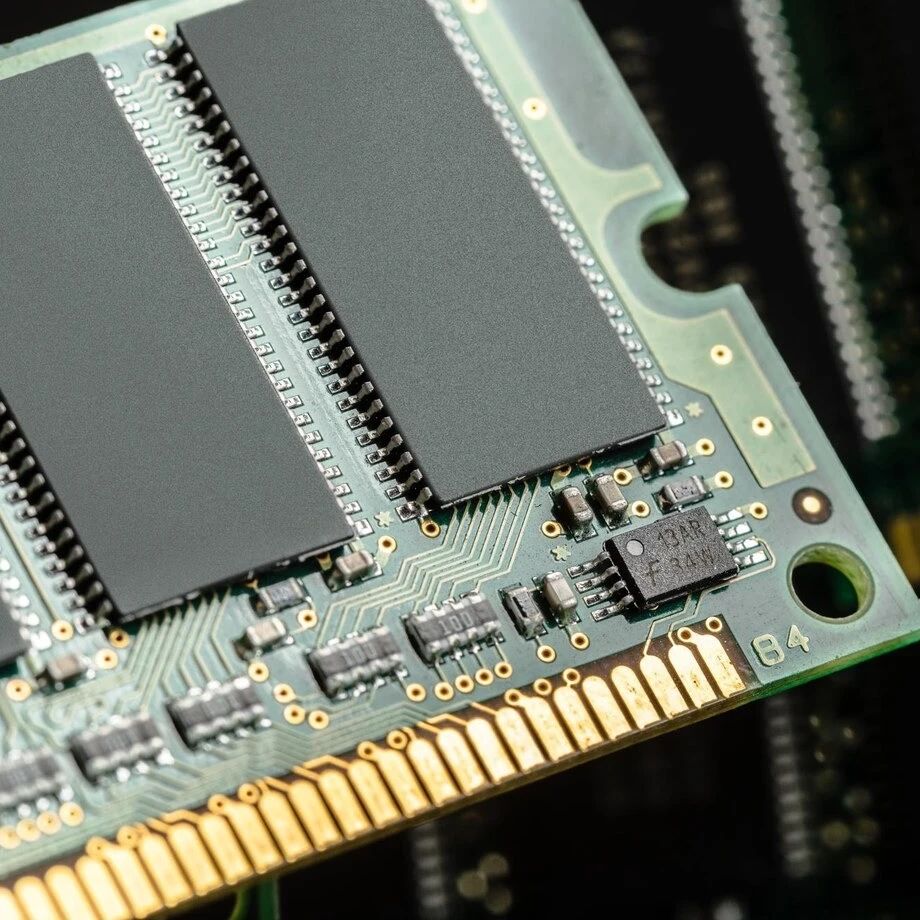
NAND Flash价格迎来上涨,预计为5%-10%
半导体芯闻· 2025-07-17 10:32
Core Viewpoint - The article discusses the anticipated increase in NAND Flash prices due to major manufacturers reducing production, leading to a supply shortage that may last until 2026 [1][2]. Group 1: NAND Price Increase - NAND Flash average contract prices are expected to rise by 5% to 10% in Q3, driven by reduced production from key manufacturers like Micron and SanDisk starting in the second half of 2024 [1]. - The price surge is particularly significant for products below 512Gb, as these lower-margin products are prioritized for production cuts [2]. Group 2: Supply Chain Dynamics - Major NAND manufacturers, including Samsung, SK Hynix, Micron, Kioxia, and Western Digital, have initiated production cuts of 10% to 15% starting in the first half of 2025, contributing to the tightening supply [1]. - The overall output of NAND Flash is declining, prompting suppliers to shift focus towards higher-margin products, which is expected to result in a price increase of 8% to 13% for 3D NAND (TLC & QLC) wafers in Q3 [2].
日本房地产公司,进军芯片业务
半导体芯闻· 2025-07-17 10:32
Core Viewpoint - The establishment of RISE-A by Mitsui Fudosan aims to create a collaborative platform for the semiconductor industry, addressing the need for innovation and cooperation among various stakeholders in Japan's semiconductor ecosystem [1][2]. Group 1: RISE-A Establishment - Mitsui Fudosan has officially launched RISE-A, a general incorporated association focused on the semiconductor sector, and is starting membership recruitment [1]. - RISE-A plans to set up an office in Nihonbashi by October 2025 to facilitate its activities [1]. Group 2: Semiconductor Industry Context - The semiconductor industry is recognized as a national strategic core in Japan, with the government planning to invest over 10 trillion yen in AI and semiconductor fields by 2030, aiming for an economic ripple effect of approximately 160 trillion yen [2]. - Japan's semiconductor market share has been declining since the 1990s, necessitating the establishment of a co-creation mechanism that includes not only suppliers but also user companies, academia, and support organizations [2]. Group 3: Goals of RISE-A - RISE-A aims to create a collaborative environment that allows various stakeholders, including user companies and academia, to share knowledge and experiences in the semiconductor field [2]. - The organization seeks to foster an innovative ecosystem that enhances Japan's global competitiveness in next-generation industries [2].
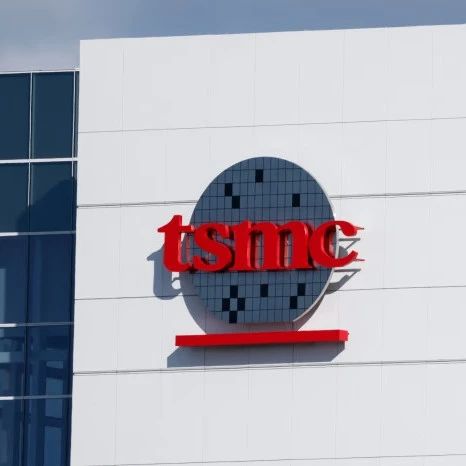
台积电再创新高,二季度利润大涨61%
半导体芯闻· 2025-07-17 10:32
Core Viewpoint - TSMC reported a nearly 61% year-on-year increase in net profit for Q2, driven by strong demand for AI chips, exceeding expectations [1][3][4]. Financial Performance - Q2 net revenue reached NT$933.8 billion (approximately $317 billion), surpassing the expected NT$931.24 billion [6]. - Net profit for Q2 was NT$398.27 billion, compared to NT$377.86 billion in the same period last year [6]. - The company forecasts Q3 revenue between $31.8 billion and $33 billion, reflecting a 38% year-on-year growth and an 8% increase from the previous quarter [1]. Market Dynamics - TSMC's growth is primarily fueled by robust demand for AI-related chips, particularly those with nodes smaller than 7nm, which accounted for 74% of total wafer revenue in the quarter [7]. - The AI demand surge is expected to remain strong in the short term as the technology is still in its early stages and expanding across various industries [7]. Challenges and Risks - TSMC faces potential challenges from U.S. trade policies, including threats of high tariffs on Taiwan and export controls affecting its business with major clients like NVIDIA and AMD [7]. - The company is also contending with the appreciation of the New Taiwan Dollar and possible declines in orders from smartphone and PC customers due to global macroeconomic conditions [8].


台积电关键技术,或延期
半导体芯闻· 2025-07-16 10:44
Core Viewpoint - Nomura indicates that TSMC's CoPoS packaging technology mass production timeline may be delayed from the original plan of 2027 to 2029-2030, potentially forcing NVIDIA to shift its chip design strategy for the Rubin Ultra GPU to an MCM architecture to avoid limitations of single-module packaging [2][3][4]. Group 1: TSMC's CoPoS Technology Delay - TSMC's CoPoS (chip-on-panel-on-substrate) technology aims to enhance area utilization through larger panel sizes (e.g., 310x310mm) to meet AI GPU demands [4]. - The delay in CoPoS mass production is attributed to technical challenges, particularly in managing panel and wafer discrepancies, warpage control, and additional redistribution layers (RDL) [4][5]. - The expected mass production timeline has shifted from 2027 to potentially late 2029 [4][5]. Group 2: Impact on NVIDIA's Product Strategy - The delay in CoPoS may compel NVIDIA to adopt an MCM architecture for the Rubin Ultra GPU, distributing four Rubin GPUs across two modules connected via a substrate [5][6]. - This adjustment is similar to Amazon's AWS Trainium 2 design, which utilizes CoWoS-R and MCM to integrate computing chips and HBM on a single substrate [6]. - While this change may help NVIDIA mitigate delays, it could also increase design complexity and costs [6]. Group 3: TSMC's Capital Expenditure Adjustments - TSMC's capital expenditure allocation may shift towards wafer-level multi-chip modules (WMCM) and system-on-chip (SoIC) technologies due to the CoPoS delay [7]. - Nomura maintains its forecast for TSMC's CoWoS capacity, expecting monthly wafer production to reach 70,000 and 90,000-100,000 by the end of 2025 and 2026, respectively [7]. - The report warns that market expectations for WMCM may be overly optimistic, while those for SoIC are more conservative [8].