半导体芯闻

Search documents
在美建厂太难?台积电出动无人机自救
半导体芯闻· 2025-07-21 10:44
Core Viewpoint - TSMC is considering the use of drones in its Arizona chip manufacturing facility to enhance operational efficiency and safety, amidst challenges faced during construction and local labor relations [1][2]. Group 1: Drone Utilization - TSMC is forming a drone team for its Arizona factory, currently in the bidding phase for drone suppliers, with a final list expected by the end of the year [1][2]. - Drones are intended for facility inspections, traffic monitoring, and disaster response, potentially reducing labor needs and risks for workers in hazardous environments [2]. Group 2: Expansion Plans - TSMC is accelerating the expansion of its Arizona facility, planning for one-third of its advanced chip production to occur there, driven by demand for AI and high-performance computing chips [4]. - The company has committed to a $100 billion investment plan in the U.S., with a reaffirmation of an additional $100 billion investment over the next five years to enhance manufacturing capabilities [4][5]. Group 3: Challenges in Japan - TSMC is slowing down the construction of its second wafer fab in Kumamoto, Japan, due to worsening traffic conditions and a lack of demand for mature process chips from automotive manufacturers [3][5]. - The start date for the Kumamoto fab has been postponed from early this year to later in the year, with further delays possible [6][7]. Group 4: Market Dynamics - The demand for AI chips from U.S. tech giants like NVIDIA and AMD is driving TSMC's investments in the U.S., while its facilities in Taiwan remain the core manufacturing sites [5]. - TSMC's cautious approach to capital expenditure is influenced by concerns over market capacity and the potential for high tariffs on imported chips, making U.S. production capacity a priority [7].


央视专访黄仁勋:没有中国,AI革命是不完整的
半导体芯闻· 2025-07-21 10:44
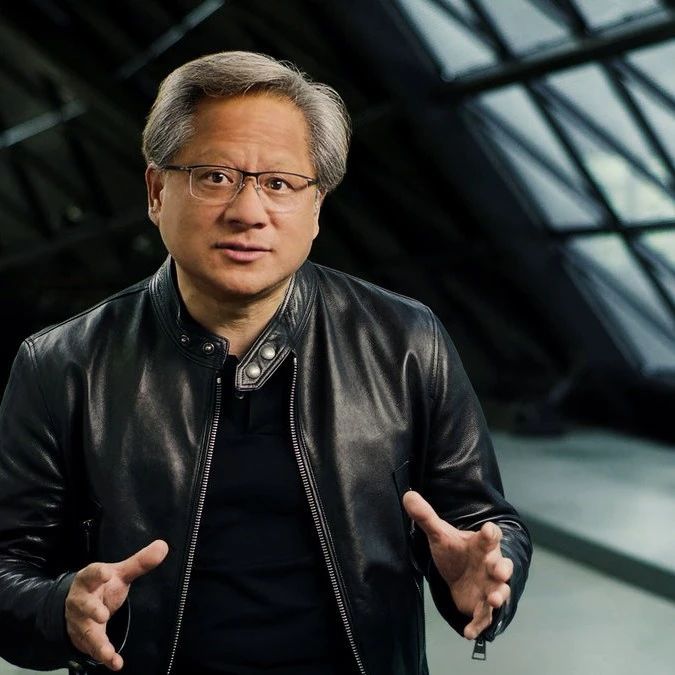
Core Viewpoint - The dialogue emphasizes the unique position of the Chinese market and its innovative capabilities in AI, highlighting the importance of competition and collaboration in the tech industry [1][12][22]. Group 1: Chinese Market and Innovation - The Chinese market is described as "one of a kind," with significant innovation and development momentum, making it a crucial area for companies like NVIDIA [1][12]. - Huang Renxun praises the innovative capabilities of Chinese companies, particularly in AI, noting that even products like H20 can lead to significant breakthroughs [1][9][10]. - The rapid development of AI technologies in China is seen as a testament to the country's resilience and creativity, with recent achievements being distinct from those in other regions [11][19]. Group 2: Supply Chain Dynamics - The complexity and scale of China's supply chain are highlighted as world-class, providing opportunities for global collaboration and technological advancement [5][6]. - Huang Renxun emphasizes the necessity of an agile supply chain to adapt to changing demands and potential disruptions, which is a significant advantage for Chinese manufacturers [7][8]. - The interdependence of global supply chains is underscored, with the assertion that complete decoupling is unrealistic due to the intricate nature of these systems [5][6]. Group 3: Competition and Collaboration - Huang Renxun expresses respect for competitors like Huawei, viewing competition as a catalyst for market prosperity rather than a conflict [22][25]. - The importance of maintaining good relationships with competitors while fostering a competitive spirit is emphasized, suggesting that collaboration can coexist with competition [22][27]. - The dialogue reflects a belief that innovation often arises from challenging environments, where pressure can lead to creative solutions [10][11]. Group 4: Future of AI and Technology - The transformative potential of AI is likened to historical technological revolutions, with the assertion that it will become a fundamental infrastructure for society [16][19]. - Huang Renxun believes that AI will democratize capabilities across various sectors, enhancing productivity and creativity for individuals regardless of their background [19][20]. - The ongoing evolution of AI and its integration into everyday life is seen as a significant opportunity for growth and development in the tech industry [19][24].

三星子公司,逃离VMware
半导体芯闻· 2025-07-21 10:44
Core Viewpoint - Samsung Group's major subsidiaries are seeking alternatives to VMware due to significant price increases and the expectation of continued cost escalation in the future [1][3]. Group 1: Samsung's Actions - Samsung Electronics, Samsung Electro-Mechanics, and Samsung Display are initiating or preparing multiple projects to reduce reliance on VMware [1]. - Samsung Electronics plans to continue using its existing VMware system temporarily while exploring various alternatives through technical validation [1]. - Samsung Electronics has completed a procurement contract for VMware solutions worth approximately 40 billion KRW [1]. Group 2: Private Cloud Initiatives - Samsung Electro-Mechanics has begun constructing a private cloud, aiming to use non-VMware products or technologies in its virtualization products [2]. - The company plans to select a team that includes internal personnel and professional vendors to build the system and aims to complete the project by the end of the year [2]. Group 3: Industry Context - The subsidiaries' actions stem from the belief that VMware's costs exceed the benefits it provides, especially after VMware's acquisition by Broadcom, which led to price hikes starting last year [3]. - There are predictions that VMware's prices could increase by up to five times over the next 2 to 3 years [3]. - The bundling sales strategy of VMware's products, such as VMware Cloud Foundation (VCF), forces companies to pay for unnecessary products, further driving the shift away from VMware [3][4].


日本2nm,重大进展
半导体芯闻· 2025-07-18 11:07
Core Viewpoint - Rapidus, a company supported by the Japanese government, has made significant progress in the trial production of 2-nanometer chips, marking a milestone in Japan's semiconductor revival efforts, although details on product quality and customer attraction remain limited [1][2]. Group 1: Company Progress and Goals - Rapidus announced the successful manufacturing of its first 2-nanometer transistor in Japan, with plans to optimize the manufacturing process further [1]. - The company aims to control the error rate of its products at 50% initially, with a future target of reducing it to 10%-20% [2]. - The trial production of 2-nanometer chips is set to begin in April 2025, with mass production expected by 2027, which would represent Japan's most advanced chip technology to date [3]. Group 2: Government Support and Financial Aspects - The Tokyo government has committed up to 1.7 trillion yen (approximately 110 billion) in support for Rapidus, exceeding the 1.2 trillion yen allocated for TSMC's factories in Kumamoto [4]. - The total project cost is estimated at 5 trillion yen (about 340 billion), raising concerns about the financial burden on taxpayers [4]. - Rapidus plans to raise 200 billion yen in new investments this year from both government and private sectors, although many companies remain cautious due to the project's high risks [4]. Group 3: Competitive Landscape and Challenges - Rapidus faces significant challenges in establishing global competitiveness, as it aims to enter the market during a technological transition and close the gap with larger international firms [4][6]. - Competitors like TSMC, Intel, and Samsung are also advancing in the semiconductor race, with TSMC planning to start mass production of 2-nanometer chips by the end of 2025 [6]. - Japan is experiencing a shortage of semiconductor engineers, with many experienced professionals nearing retirement age, prompting Rapidus to collaborate with IBM and startups like Tenstorrent to address this issue [7]. Group 4: Business Model and Customer Engagement - Rapidus is developing a new business model aimed at small and medium-sized clients, offering faster factory response times and accepting smaller custom chip orders [5]. - The company intends to create an integrated platform that combines manufacturing, packaging, and some design processes, differing from the traditional industry practice of separating these stages [5]. - Early target customers include AI chip startups like Tenstorrent, and Rapidus is in discussions with several companies, including large tech firms in the U.S. [6].
关于H20芯片,商务部答记者问
半导体芯闻· 2025-07-18 11:07
Core Viewpoint - The article discusses the recent approval by the U.S. to sell NVIDIA H20 chips to China, highlighting the ongoing economic negotiations between the two countries and the implications for the semiconductor industry [1][2]. Group 1: U.S.-China Economic Relations - The U.S. has indicated that the approval for selling NVIDIA H20 chips is part of the ongoing economic negotiations with China, emphasizing the importance of maintaining communication and cooperation [1]. - China urges the U.S. to abandon a zero-sum mindset and to continue lifting unreasonable trade restrictions, advocating for a win-win cooperation model [2]. Group 2: Semiconductor Industry Impact - The article notes that the U.S. has previously imposed stricter export controls on Chinese chip products, particularly targeting Huawei's Ascend chips, which China strongly opposes [2]. - There is a call for both countries to engage in equal negotiations to correct past mistakes and create a favorable environment for mutual cooperation in the semiconductor supply chain [2].
云巨头,大幅裁员
半导体芯闻· 2025-07-18 11:07
Group 1 - AWS is making "difficult business decisions" by laying off employees in specific teams, impacting several hundred positions [1][2] - The layoffs are part of AWS's strategy to continue investing, hiring, and optimizing resources to provide innovation for customers [1] - In Q1 2025, AWS reported sales of $29.3 billion, a 17% year-over-year increase, with a current annual revenue run rate of $117 billion [2] Group 2 - AWS holds a 29% share of the global cloud infrastructure services market, followed by Microsoft at 22% and Google Cloud at 12% [2]

湾芯奖评选火热进行中,部分报名企业风采抢先看!(一)
半导体芯闻· 2025-07-18 11:07
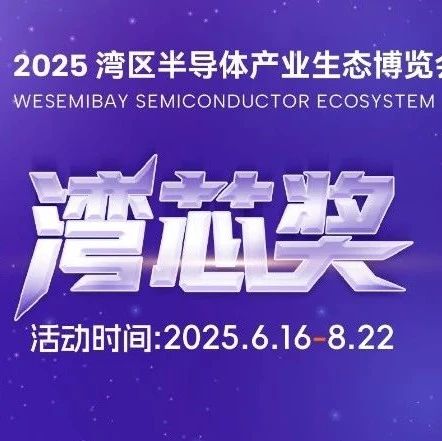
Group 1 - The Bay Chip Award has attracted 86 outstanding companies and elites from various segments of the semiconductor industry as of July 16, highlighting the industry's enthusiasm for the event [1] - The award aims to recognize exceptional contributions in technology breakthroughs, product innovation, and ecosystem development within the semiconductor industry [1] - The selection process is currently ongoing, with a list of participating companies being updated continuously [2] Group 2 - Aifake China Group specializes in vacuum technology solutions, providing high-precision micro-manufacturing equipment and comprehensive solutions for the semiconductor, flat panel display, and lithium battery sectors [3] - Xinxin Financing Leasing Co., Ltd. focuses on integrated circuits and artificial intelligence, with a registered capital of 132.09 billion and a total asset target of over 68 billion by 2025 [5] - Jiangsu Weidao Nano Technology Co., Ltd. is a high-end micro-nano equipment manufacturer, successfully applying atomic layer deposition technology in integrated circuit manufacturing [8] - Rorze Corporation's subsidiary in China specializes in semiconductor wafer transport equipment, leveraging nearly 40 years of experience in the field [10] - Anji Microelectronics Technology Co., Ltd. focuses on high-end semiconductor materials, providing solutions for chip manufacturing processes and aiming to enhance its global market share [11] - SEMILAB, established in 1989, is a leading supplier of testing equipment with applications in photovoltaics, semiconductors, and scientific research [12] - Xi'an Yiswei Material Technology Co., Ltd. is a leading provider of 12-inch electronic-grade silicon wafers, with a production capacity expected to exceed one million wafers per month [14] - China Shipbuilding (Handan) Special Gas Co., Ltd. specializes in electronic specialty gases and is a state-owned enterprise listed on the Science and Technology Innovation Board [16] - Huafeng Technology focuses on advanced packaging equipment and has established branches in multiple locations, aiming to provide cutting-edge semiconductor packaging solutions [18] - Shenzhen Aichip Semiconductor Technology Co., Ltd. is dedicated to overcoming challenges in high-end measurement equipment for semiconductors, with products already in commercial use [20] - The Chinese Academy of Sciences Shenyang Scientific Instrument Co., Ltd. has a history of innovation and focuses on high-end scientific instruments and semiconductor applications [21] - Beijing ShuoKe ZhongKe Xin Electronic Equipment Co., Ltd. is the only domestic supplier of ion implantation machines in the integrated circuit field, covering various core technologies [22] - Guangdong Huate Gas Co., Ltd. is a major private supplier of specialty gases in China, with products exported to over 50 countries [24] - Hubei Xingfu Electronic Materials Co., Ltd. is a national high-tech enterprise focusing on electronic chemicals, receiving recognition from top government officials for its development [27] - Shenzhen Qingyi Microelectronics Co., Ltd. produces semiconductor masks and has adapted its processes to meet the evolving needs of the semiconductor industry [28]


三星,面临重大考验
半导体芯闻· 2025-07-18 11:07
Core Viewpoint - The recent acquittal of Samsung Electronics Chairman Lee Jae-Yong from charges of improper mergers and accounting fraud marks a significant turning point for the company, potentially allowing it to restore normal operations after a decade of legal challenges [1][2][3]. Group 1: Leadership and Organizational Changes - Samsung Electronics has experienced a leadership vacuum since 2016, leading to a significant shift in its organizational culture and decision-making processes [2]. - The dissolution of the Future Strategy Office has resulted in a more conservative operational model, prioritizing financial stability over innovation and aggressive investment in new technologies [2][3]. - The absence of decisive leadership has fostered a bureaucratic culture, hindering the company's ability to respond swiftly to global market trends and diminishing its competitive edge [2][3]. Group 2: Strategic Challenges and Opportunities - Samsung's technological competitiveness has suffered over the past decade, particularly in the semiconductor sector, where it has fallen behind competitors like SK Hynix and Micron in the AI storage market [2][3]. - There is a growing consensus that Samsung must resume large-scale mergers and acquisitions to strengthen its core semiconductor business and adapt to the complexities of the AI semiconductor era [3]. - The company is criticized for its reliance on internal R&D and a closed strategy, which may impede its ability to form necessary partnerships and alliances in the evolving market landscape [3]. Group 3: Future Directions and Recommendations - Analysts suggest that Lee Jae-Yong's leadership will be tested as he seeks to restore the group's operational control and make bold decisions on unresolved issues [3]. - A fundamental reform of the organizational structure is recommended to overcome current crises, emphasizing the need for a culture of trust and accountability similar to that of previous leadership eras [3].

英特尔,裁员超5000人
半导体芯闻· 2025-07-18 11:07
如果您希望可以时常见面,欢迎标星收藏哦~ 来 源: 内容 编译自 manufacturingdive 。 根据最新的工人调整和再培训通知文件,英特尔公司将在四个州裁员超过5000人。大部分裁员发 生在加利福尼亚州和俄勒冈州。 根据最近的工人调整和再培训通知文件,此次裁员将于 7 月 11 日生效,将影响在加利福尼亚州、 俄勒冈州、德克萨斯州和亚利桑那州工作的数百名英特尔员工。 受影响的员工中约有一半(约855人)来自英特尔位于加州圣克拉拉和福尔瑟姆的办公室和设施。 该公司还将在俄勒冈州希尔斯伯勒及其附近的四个园区裁员529人,这些园区被认为是该公司研发 业务的核心。 此外,根据截至 7 月 11 日的 WARN 文件,英特尔最近已向亚利桑那州钱德勒的 172 名员工和德 克萨斯州奥斯汀的 110 名员工发出了裁员通知。 一位发言人拒绝透露公司哪些部门或部门将受到影响。6月底,英特尔表示将"逐步关闭"其客户端 计算集团内的汽车业务。 据以色列新闻媒体 Ynet 报道,英特尔还已开始向以色列的数百名员工发出裁员通知,英特尔在以 色列的 Kiryat Gat 园区雇佣了大约 4,000 名员工。 自今年 3 月上任 ...

机构警告:HBM明年或将大降价
半导体芯闻· 2025-07-18 11:07
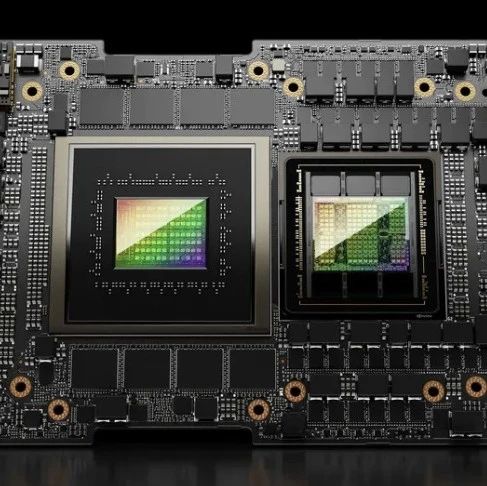
Core Viewpoint - The article discusses the potential decline in HBM (High Bandwidth Memory) prices due to increased competition and supply surplus, which may pose challenges for market leader SK Hynix by 2026 [1][2]. Group 1: HBM Market Trends - Analysts warn that HBM prices may experience a double-digit decline by 2026, driven by increased supply and competition, which could pressure SK Hynix's profit margins [1]. - Goldman Sachs has revised its growth forecast for HBM, projecting a year-on-year growth of 25%, down from a previous estimate of 45% [2]. - The total addressable market (TAM) for HBM is adjusted to $36 billion for 2025 and $45 billion for 2026, reflecting a 13% downward revision from earlier estimates [2]. Group 2: Competitive Landscape - SK Hynix faces challenges as NVIDIA's next-generation GPU, Rubin, will not significantly increase HBM capacity, limiting demand growth for SK Hynix [3]. - Analysts predict that SK Hynix's market share may shrink when HBM4 is launched in 2025, despite potential demand boosts from the lifting of export restrictions on NVIDIA's H20 chips to China [3]. - Samsung's HBM shipments are expected to grow at a rate of 20% annually by 2026, which could further pressure SK Hynix's profit margins [3]. Group 3: Emerging Competitors - Chinese memory companies are rapidly closing the technology gap with global leaders, planning to start mass production of HBM3 by the end of 2026 [4]. - Although Chinese HBM products may face export restrictions, their domestic expansion could weaken SK Hynix's position in the Chinese market [4].