半导体芯闻

Search documents
SiC大厂破产重组,瑞萨损失巨大
半导体芯闻· 2025-06-23 10:23
Core Viewpoint - Wolfspeed has signed a Restructuring Support Agreement (RSA) with major creditors to reduce its overall debt by approximately 70%, equating to a reduction of about $4.6 billion, and to decrease annual cash interest expenses by around 60% [1][2]. Group 1: Restructuring Details - The RSA involves creditors holding over 97% of the company's secured notes and over 67% of the outstanding convertible notes [1]. - The company plans to obtain $275 million in new financing through second lien convertible notes, fully supported by certain existing convertible noteholders [3]. - The RSA includes a plan to repay $250 million of secured notes at a rate of 109.875% and to modify terms to lower future cash interest and liquidity requirements [3]. Group 2: Impact on Shareholders - Existing equity will be canceled, with current shareholders receiving 3% or 5% of new common stock, subject to dilution from other equity issuances [4]. - Existing unsecured creditors are expected to be paid in the normal course of business [5]. Group 3: Future Operations - Wolfspeed plans to file for voluntary reorganization under Chapter 11 of the U.S. Bankruptcy Code and expects to complete the restructuring process by the end of Q3 2025 [5]. - The company will continue operations and provide leading silicon carbide materials and devices during the restructuring [5]. Group 4: Renesas Electronics' Involvement - Renesas Electronics has agreed to convert a $2.062 billion deposit into Wolfspeed's convertible notes, common stock, and warrants as part of the restructuring [7][10]. - Renesas anticipates recording a loss of approximately ¥250 billion (around $1.67 billion) related to this deposit in its consolidated financial statements [10].


台积电2nm,产能惊人
半导体芯闻· 2025-06-23 10:23
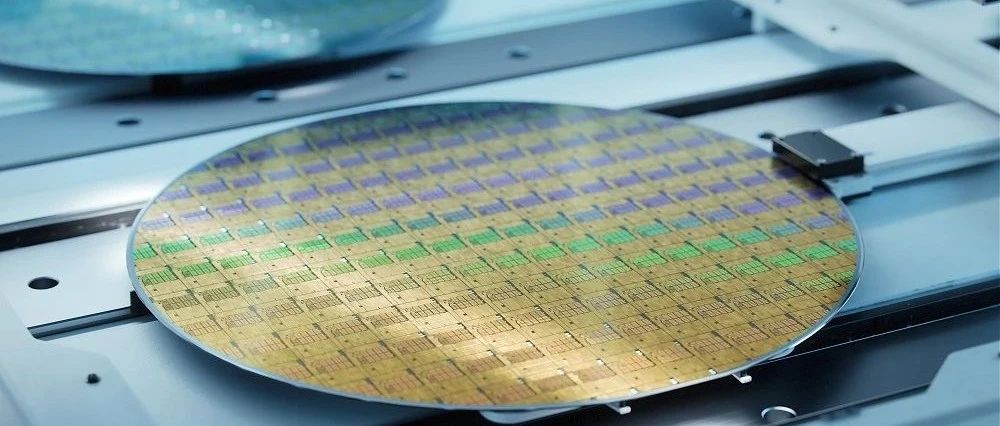
Core Viewpoint - TSMC is set to officially launch its 2nm process technology, with aggressive capacity planning indicating strong customer demand for advanced chips [1][2]. Group 1: Capacity Planning - TSMC's 2nm family (N2/N2P/A16) is projected to have a monthly capacity of approximately 5-6 million wafers at the Hsinchu Baoshan plant by Q4 2025, and the Kaohsiung plant aims to reach 145,000-150,000 wafers per month by the end of 2028, totaling around 200,000 wafers per month [1]. - The ramp-up of 2nm capacity is expected to exceed 100,000 wafers per month by the end of 2026, with a total capacity of about 200,000 wafers by 2028, potentially increasing further with future U.S. facilities [1][2]. Group 2: Technology and Performance - TSMC will utilize a Gate-All-Around (GAA) architecture for its 2nm chips, with the A16 architecture expected to enhance speed by 8-10% at the same voltage and reduce power consumption by 15-20%, while increasing chip density by 1.10 times [2]. - The initial monthly capacity for new processes has typically been around 50,000 wafers, but the 2nm process is set to directly target a capacity of approximately 200,000 wafers, reflecting careful strategic planning [2]. Group 3: Customer Demand - Major customers for TSMC's 2nm technology include AMD, which plans to use it in its EPYC processors, and Apple, which is expected to implement it in its A20 chip using advanced packaging technology [3]. - The new WMCM (Wafer-Level Multi-Chip Module) packaging technology is anticipated to enhance thermal performance for Apple's upcoming chips, representing an upgrade from existing packaging methods [3].

芯片巨头,倍感不安
半导体芯闻· 2025-06-23 10:23
Core Viewpoint - The U.S. government is considering revoking exemptions that allow South Korean chip manufacturers to import U.S. chip equipment for facility upgrades, creating uncertainty for their operations in China [1][2]. Group 1: U.S. Government Actions - The Biden administration's export control measures aim to prevent advanced chip manufacturing tools from being sent to China, but exemptions were previously granted to major manufacturers like Samsung and SK Hynix to avoid disrupting global supply chains [1]. - Jeffrey Kessler, a former deputy assistant secretary of commerce, indicated that the planned revocation of exemptions is part of a broader strategy to limit the flow of critical U.S. technology to China [1]. Group 2: Impact on South Korean Manufacturers - Samsung and SK Hynix have taken steps to mitigate potential risks from U.S. regulations, and the short-term impact is expected to be limited, although they remain vigilant due to the significant portion of their production in China [2]. - Samsung's sales are heavily reliant on China, with approximately 25% of its chip sales coming from the region, while SK Hynix produces about 40% of its DRAM and 30% of its NAND flash in China [2]. Group 3: Industry Context - The licensing system for chip equipment may resemble China's restrictions on rare earth exports, indicating a potential shift in the regulatory landscape [2]. - Industry experts believe that the U.S. regulations primarily target Chinese companies rather than multinational corporations, suggesting that there may still be exemptions available [2].
三星美国厂,即将量产
半导体芯闻· 2025-06-23 10:23
Core Viewpoint - Samsung Electronics is accelerating the preparation for mass production at its advanced wafer foundry in the U.S., with plans to introduce 2nm process production facilities as early as January or February next year [1][2]. Group 1: Production Plans - Samsung is discussing the introduction of 2nm process production facilities at the Taylor Foundry Fab, which was initially aimed at 4nm production but has shifted focus due to market conditions [1]. - The cleanroom construction at the Taylor factory has resumed, with completion expected by the end of this year, which is essential for introducing various auxiliary facilities and manufacturing equipment [1][2]. Group 2: Investment and Partnerships - The company is finalizing equipment selection for the Taylor foundry and will soon confirm detailed investment and procurement plans with partners [2]. - Some partners have already begun preparations to bring equipment to the U.S. early next year, although the initial investment scale is expected to be small [2]. Group 3: Competitive Landscape - Samsung's 2nm process (SF2) is projected to improve performance by 12%, power efficiency by 25%, and reduce area by 5% compared to the advanced 3nm process (SF3) [2]. - While Samsung has secured AI semiconductor customers from domestic and Japanese firms, it has yet to attract major global tech companies, unlike its main competitor TSMC [2]. Group 4: Market Sentiment - The Taylor foundry is seen as an attractive option for clients looking to produce advanced semiconductors in the U.S., with discussions about the production line becoming more concrete [2].
硅晶圆需求,迎来增长
半导体芯闻· 2025-06-20 10:02
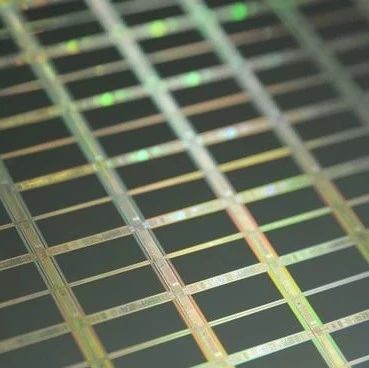
Core Insights - The semiconductor wafer market is projected to experience a revenue growth of 3.8% by 2025, reaching approximately $14 billion, driven by inventory adjustments, increased order activity, and a rebound in semiconductor production [2] - The compound annual growth rate (CAGR) for wafer revenue is expected to reach 6.4% by 2029, fueled by sustained demand for 300mm wafers and a transition to more advanced logic and packaging technologies [2] Market Trends - In 2024, the silicon wafer market is anticipated to decline, with shipment volume decreasing by 3.6% to 124 billion square inches (MSI) and revenue dropping by 5.8% to around $13.5 billion [4] - The decline is primarily attributed to weakness in the industrial and automotive chip markets, as well as oversupply in the mainstream memory market, which has limited new orders [4] - Shipment volume for 300mm wafers decreased by 1.6%, while smaller diameter wafers saw a more significant decline, particularly those under 150mm, which experienced a drop of over 20% [4] Future Outlook - The silicon wafer market is expected to benefit from growth in artificial intelligence and high-performance computing, leading to increased demands for wafer purity and defect-free production [4] - However, the industry continues to face ongoing pressures from pricing, oversupply in the small diameter wafer segment, and geopolitical risks [4] - China's push for self-sufficiency and its "buy Chinese" policy are impacting global competition and market access [4][5] Strategic Importance - The silicon wafer industry plays a strategic role in enabling next-generation semiconductors and supporting various existing devices, highlighting its long-term global significance [5]

Nordic收购,布局TinyML
半导体芯闻· 2025-06-20 10:02
Core Insights - Nordic Semiconductor has announced the acquisition of Neuton.AI's intellectual property and core technology assets, combining Nordic's nRF54 series ultra-low-power wireless SoCs with Neuton.AI's neural network framework for scalable high-performance AI at the edge [1][2] - The acquisition aims to empower developers to create new types of always-on, AI-driven devices that are faster, smaller, and more energy-efficient [1] - Neuton.AI's platform allows for the creation of machine learning models typically smaller than 5 KB, achieving up to 10 times the size and speed improvements without manual tuning or data science expertise [1][2] Market Potential - By 2030, the shipment volume of TinyML chipsets is expected to reach $5.9 billion, indicating significant growth potential in the edge AI market [2] - Nordic Semiconductor plans to provide a powerful and scalable AI/ML toolkit for applications such as predictive maintenance, smart health monitoring, process automation, gesture recognition, and next-generation consumer wearables and IoT devices [2] Integration and Operations - The transaction includes all of Neuton.AI's intellectual property and assets, along with a skilled team of 13 engineers and data scientists [2] - Neuton.AI will continue to operate during the initial integration process to ensure uninterrupted service for users [2]

从SDV到SDE:软件定义系统如何重塑工程逻辑?
半导体芯闻· 2025-06-20 10:02
Core Viewpoint - The article discusses the rise of Software-Defined Products (SDP) across various industries, emphasizing the transition from Software-Defined Vehicles (SDV) to Software-Defined Everything (SDE) as a necessary path for digital evolution [2][3]. Group 1: Expansion of Software-Defined Concepts - The concept of software-defined systems has expanded beyond automobiles to include industries such as industrial manufacturing, healthcare, aerospace, energy, and home appliances [4][6]. - Companies like KRONES and Corindus are utilizing digital twins and simulation to enhance their production and medical systems, respectively [6][10]. Group 2: Challenges in Implementing SDP - MathWorks identifies three main obstacles in the transformation to SDP: evolving customer expectations, the need for technology platform upgrades, and the necessity for new business models [10][12]. - Professional silos, complex hardware-software collaboration, and fragmented development processes hinder the transition from project delivery to product evolution [11][12]. Group 3: Model-Based Design (MBD) - MathWorks proposes Model-Based Design (MBD) as a solution to address the challenges of product complexity and multi-role collaboration, creating a unified engineering development framework [13][14]. - MBD facilitates collaboration among system engineers, software engineers, and electrical engineers by providing a common language for development [14][16]. Group 4: AI Integration in Development - MathWorks is enhancing engineering development experiences with AI, allowing large models to assist in script writing and module generation while ensuring verifiable AI functionality [19][20]. - The strategy of "common core, specialized tools" allows for industry-specific adaptations while maintaining a unified platform [20]. Group 5: Future of Software-Defined Products - The future of product development will focus on continuous updates through OTA, enhancing customer retention and reducing hardware upgrade costs [24]. - The concepts of "Shift Left" and "Stretch Right" are emerging as core principles in system engineering, emphasizing early problem detection and ongoing performance optimization [24][26]. Group 6: Conclusion - Software-defined systems require a unified, cross-domain collaborative platform to manage increasing complexity and agile development needs [26][27].

光学AI芯片,革新6G
半导体芯闻· 2025-06-20 10:02
如果您希望可以时常见面,欢迎标星收藏哦~ 来源:内容来自 scitechdaily 。 通过使深度学习以光速运行,该芯片可以让边缘设备以增强的功能执行实时数据分析。 随着越来越多的联网设备需要更大的带宽来进行远程办公和云计算等活动,管理所有用户共享的有 限无线频谱变得越来越困难。 为了解决这个问题,工程师们开始利用人工智能来动态管理无线频谱,以减少延迟并提高性能。然 而,大多数用于处理和分类无线信号的人工智能技术功耗很高,而且无法实时运行。 现在,麻省理工学院的研究人员创建了一种专门用于无线信号处理的新型AI硬件加速器。该光学 处理器以光速执行机器学习任务,可在纳秒内对无线信号进行分类。 该光子芯片的运行速度比目前最佳的数字芯片快约100倍,信号分类准确率高达95%左右。它还具 有可扩展性,可适应各种高性能计算任务。此外,与传统的数字人工智能硬件相比,该芯片体积更 小、重量更轻、价格更实惠、能效更高。 这幅图展示了艺术家对麻省理工学院研究人员开发的用于边缘设备的新型光学处理器的诠释。该处理器 能够以光速执行机器学习计算,并在纳秒级时间内对无线信号进行分类。图片来源:电子研究实验室 Sampson Wilcox ...

HBM不敌SK海力士,三星押注1c DRAM
半导体芯闻· 2025-06-20 10:02
Group 1 - Samsung aims to reverse the downturn in the HBM4 era by making significant progress in its 1c DRAM sector, achieving a yield rate of 50% to 70% in its sixth-generation 10nm DRAM wafers, up from less than 30% last year [1] - Samsung plans to increase the production of 1c DRAM at its Hwaseong and Pyeongtaek factories, with investments expected to begin by the end of the year [1] - The progress in 1c DRAM is seen as a precursor to Samsung's mass production plans for HBM4, which are set to start later this year [1] Group 2 - Samsung has redesigned its chips, accepting a delay of over a year to enhance performance, with the new DRAM to be produced at the Pyeongtaek Line 4 for mobile and server applications [3] - The production facilities related to HBM4 for the sixth-generation 10nm DRAM are located at Pyeongtaek Line 3 [3] - Samsung may reconsider its old strategy of leveraging economies of scale to cut costs and instead focus on performance in the HBM4 era [3] Group 3 - SK Hynix is taking a more cautious approach to 1c DRAM investments, planning to expand production only after the mass production of HBM4E [5] - SK Hynix completed the development of 1c DRAM by August 2024, achieving impressive test yields averaging over 80%, with a peak of 90% [6] - TrendForce predicts that HBM total shipments will exceed 30 billion gigabits by 2026, with HBM4 expected to become the mainstream solution by the second half of 2026 [6]
EUV光刻迎来大难题
半导体芯闻· 2025-06-20 10:02
Core Viewpoint - The article discusses the challenges and potential solutions related to high numerical aperture (NA) EUV lithography, particularly focusing on the need for larger reticle sizes to improve manufacturing efficiency and yield [2][11][12]. Group 1: Challenges of High NA EUV Lithography - Circuit stitching between exposure fields poses significant challenges for design, yield, and manufacturability in high NA (0.55) EUV lithography [2]. - The transition from 6×6 inch reticles to 6×11 inch reticles could eliminate the need for circuit stitching but would require nearly complete replacement of the reticle manufacturing infrastructure [2][11]. - The area limitation of modern multi-core SoCs complicates the use of 193nm immersion and EUV lithography, as the effective exposure area is reduced due to the use of deformable optics [2][3]. Group 2: Yield and Performance Issues - The process of stitching multiple masks into a single design is becoming a critical challenge across various lithography processes, particularly for high NA EUV exposure [3]. - Misalignment between stitched masks can lead to yield issues, especially for critical layers, with an estimated 2nm misalignment causing at least a 10% error in critical dimensions [3][5]. - The presence of a black border on EUV masks can introduce additional stress and distortion, complicating the printing of features near the stitching boundary [6][12]. Group 3: Design Solutions and Optimizations - To mitigate performance threats, designers are encouraged to keep circuit features away from boundary areas, which can lead to yield and performance degradation [8][9]. - Various design optimizations have been proposed to reduce the number of lines crossing stitching boundaries, with some approaches achieving a reduction in stitching area loss to below 0.5% and performance degradation to around 0.2% [9]. - The industry is prepared to tackle the challenges posed by stitching-aware design, although the impact on throughput remains a concern [9]. Group 4: Future Directions and Industry Perspectives - Increasing reticle sizes could address both stitching and throughput challenges, with estimates suggesting that yield could drop by up to 40% if exposure fields are halved [11]. - The transition to larger reticle sizes will necessitate changes across various manufacturing equipment, potentially doubling costs for some devices [11][12]. - Despite the technical advantages of larger reticles, industry skepticism remains regarding the associated costs and the need for upgrades to meet future technology nodes [12].