半导体芯闻

Search documents
蓝牙芯片市场,不能忽视的巨头
半导体芯闻· 2025-06-03 10:39
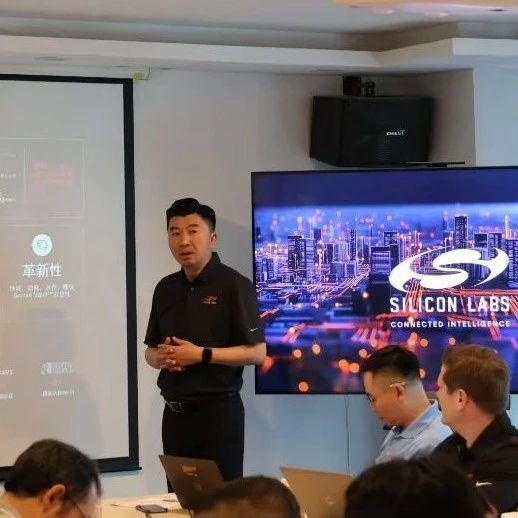
Core Viewpoint - Silicon Labs (芯科科技) has significantly increased its investment in Bluetooth technology, particularly in low-power Bluetooth (Bluetooth LE), leading to an impressive 80% year-on-year growth in its Bluetooth business this year, a feat unmatched by competitors [1][6]. Group 1: Company Strengths - Silicon Labs has a leading product portfolio that provides chips for almost all mainstream wireless protocols, excluding cellular, and collaborates with local module partners to meet domestic customer needs [6]. - The company offers high-performance RF capabilities, with Bluetooth chips supporting output power from 0 dBm to nearly 20 dBm, allowing for longer transmission distances compared to competitors [6]. - The flexible architecture of Silicon Labs' chips enables customers to switch between different protocols with minimal hardware changes, significantly shortening development time [6]. Group 2: Market Focus - Silicon Labs is focusing on four key markets for its Bluetooth products: 1. High-reliability, high-quality, and high-security data transmission markets, such as healthcare devices [8]. 2. Location services, leveraging advantages in Angle of Arrival (AoA) and Angle of Departure (AoD) technologies [8]. 3. AI-enabled connected devices, emphasizing edge-side intelligence rather than large-scale data processing [8]. 4. Audio streaming, with plans to gradually incorporate these features into future products [9]. Group 3: Channel Sounding Technology - Channel sounding, a significant feature of Bluetooth 6.0, allows for bidirectional distance measurement and minimizes multipath effects, marking a major breakthrough in Bluetooth technology [11]. - Silicon Labs was among the first to support channel sounding and Bluetooth 6.0 specifications, enabling applications in asset tracking and secure proximity sensing [11][14]. Group 4: Medical Applications - The medical application market is a major focus for Silicon Labs, with a growing demand for personalized health devices that can operate efficiently and securely [18]. - The company has developed various Bluetooth products tailored for medical applications, including BG22, BG27, and BG29, which cater to different device requirements [19][20]. - Innovations in power management and integration of AI/ML hardware accelerators in these products enhance their performance and reliability in medical settings [21].


硅光已成必争之地
半导体芯闻· 2025-06-03 10:39
Core Insights - The article discusses the slow but significant impact of silicon photonics on the optical module market, with major companies like Cisco, Huawei, and Intel accelerating its deployment. LightCounting predicts that the market share of silicon photonics will double from 30% in 2025 to 60% by 2030, driven by companies like Broadcom and NVIDIA [1][3]. Group 1: Market Trends - LightCounting estimates that the market value of optical chips used in optical modules, AOCs, LPOs, and CPOs shipped in 2024 will be approximately $1.7 billion, with silicon photonic chips accounting for about one-third of this market [5]. - The optical chip market is expected to grow twofold, exceeding $5 billion by 2030, with the market share of silicon photonic chips projected to double, indicating a sixfold growth [5]. Group 2: Technological Developments - NVIDIA is prioritizing silicon photonics technology for current and next-generation optical systems, with plans to release the Quantum-X silicon photonic switch in the second half of 2025 and the Spectrum-X system in the second half of 2026 [1][3]. - The transition from pluggable optical modules to CPOs is seen as a significant industry shift, but establishing realistic expectations for adoption is crucial [3]. Group 3: Industry Challenges - The initial products based on proprietary designs pose a barrier for large clients like Meta and Microsoft, who prefer to design their own servers and switches [3]. - To facilitate deployment, NVIDIA may offer integrated systems that include CPOs, taking full responsibility for system operation and maintenance, which could encourage customer acceptance if performance improvements are significant [3]. Group 4: Competitive Landscape - LightCounting anticipates that most CPO deployments will be used for scale-up interconnects, with a need for millions of ports due to bandwidth demands being nine times greater than scale-out networks [4]. - The article highlights the strategic importance for CMOS foundries to engage in silicon photonics technology, as missing this opportunity could be detrimental, with AMD recently acquiring Enosemi to accelerate CPO technology development for AI systems [5].


奕斯伟计算正式递表港交所,冲刺RISC-V第一股
半导体芯闻· 2025-05-30 10:08
如果您希望可以时常见面,欢迎标星收藏哦~ 北京奕斯伟计算技术股份有限公司(Beijing ESWIN Computing Technology Co., Ltd.,简称"奕 斯伟计算")今日向香港联交所递交招股书,计划在主板挂牌上市。这标志着这家以RISC-V架构为 核心的中国科技企业,正迈向资本市场新阶段,或有望成为港股RISC-V"第一股"。 奕 斯 伟 计 算 成 立 于 2019 年 , 是 奕 斯 伟 集 团 在 AI 与 计 算 架 构 领 域 的 重 要 布 局 。 公 司 聚 焦 新 一 代 RISC-V计算架构的研发与商业化,围绕智能终端与具身智能两大核心应用场景,打造高效、开 放、具竞争力的系统级软硬件平台。 根据咨询机构弗若斯特沙利文的数据,奕斯伟计算是截至2024年中国RISC-V主控量产解决方案数 量最多的提供商,亦是中国最大的RISC-V全定制解决方案供应商。 截至2024年底,公司已成功商业化超100款系统级解决方案,服务客户超百家,覆盖消费电子、汽 车、机器人等领域,客户包括多家全球头部企业。 随着AI计算、物联网与智能制造快速发展,业界对可控、开放架构的计算平台需求日益增长。 ...

AI算力秩序重建,Arm走向中心
半导体芯闻· 2025-05-30 10:08
Core Insights - The article emphasizes that Arm is transitioning from being an architecture provider to a key player in shaping the "AI computing paradigm" as major tech companies migrate their AI platform architectures to Arm [1][16]. Group 1: AI and Edge Computing - The feasibility of edge AI has been validated, with over 150 foundational models emerging in the past 18 months, enabling AI deployment on devices like smartphones and robots [3][4]. - Arm's architecture is gaining traction due to its low power consumption and high efficiency, with approximately 70% of AI workloads still relying on CPUs, highlighting the importance of Arm in AI inference processes [4][5]. Group 2: Data Center and Cloud Services - Arm predicts that by 2025, nearly half of the computing power shipped to major cloud service providers will be based on Arm architecture, reflecting its growing acceptance in the data center market [7][9]. - The energy demands of AI are reshaping data center designs, with Arm's architecture offering up to 40% energy efficiency improvements compared to other platforms, making it a preferred choice for cloud service providers [7][9]. Group 3: Hardware and Software Integration - Arm's introduction of the "Compute Subsystem" (CSS) aims to enhance performance and reduce costs across various markets, including cloud and consumer electronics [10][11]. - The Kleidi software library, with over 8 billion installations, has become a key driver for accelerating AI workloads and has integrated with major AI frameworks, fostering a positive feedback loop between hardware and software [11][12]. Group 4: Future Developments - Arm is set to release its next flagship CPU, code-named Travis, which will further enhance IPC performance and introduce scalable matrix extensions for AI workloads [12][15]. - Although Arm has not yet entered the data center GPU market, its influence in edge computing and automotive sectors is growing, positioning it as a significant player in the AI landscape [15][16].

Marvell,今年已大跌42%
半导体芯闻· 2025-05-30 10:08
Core Viewpoint - Marvell Technology Inc. reported earnings and revenue slightly above analyst expectations, but the performance outlook did not generate significant market reaction, leading to a decline in stock price during after-hours trading [1][3]. Financial Performance - The company reported a first-quarter earnings per share (excluding stock compensation and other specific costs) of $0.62, slightly above Wall Street's expectation of $0.61 [1]. - Revenue reached $1.9 billion, exceeding analyst predictions of $1.88 billion, and representing a year-over-year growth of 63% [1]. - Net profit for the quarter was $177.9 million, compared to a loss of $200.2 million in the same period last year [1]. Business Segment Performance - The data center business saw remarkable growth, with revenue increasing by 76% year-over-year to $1.44 billion, surpassing expectations [1][2]. - The operator infrastructure segment had the best performance, with sales soaring 93% to $138.4 million [2]. - The consumer segment grew by 50% to $63.1 million, while the enterprise networking segment increased by 16% to $177.5 million [2]. - The only segment to decline was the automotive and industrial business, which saw a 2% drop in sales to $75.7 million [2]. Future Outlook - For the upcoming quarter, Marvell expects revenue to be around $2 billion, slightly above Wall Street's forecast of $1.99 billion [2]. - The CEO praised the company's performance, attributing the momentum to strong AI demand in the data center end market and the rapid expansion of custom silicon projects [2]. - Marvell's custom chip business, including projects for major clients like AWS, is expected to continue strong growth in the second quarter and beyond [2]. Strategic Importance - The data center business is crucial for Marvell, accounting for 72% of total revenue in fiscal year 2025, up from 41% the previous year [3]. - Analysts noted that Marvell has demonstrated significant improvement compared to a year ago, turning a $400 million operating loss into strong profitability [3]. - The company has maintained a solid cost structure while increasing R&D spending, which is expected to encourage investor confidence [3]. Stock Performance - Despite the impressive growth in the data center business, Marvell's stock has underperformed this year, with a decline of over 3% in after-hours trading, resulting in a year-to-date drop of 42% [3].

DRAM,继续暴涨
半导体芯闻· 2025-05-30 10:08
Group 1 - The average price of PC DRAM products (DDR4 8Gb 1Gx8) increased significantly by 27.27% in May, reaching $2.1, following a 22.22% rise in April, marking two consecutive months of over 20% growth [2] - NAND flash memory prices for general products (128Gb 16Gx8 MLC) rose by 4.84% in May, with an average price of $2.92, continuing a five-month upward trend after a decline that started in September of the previous year [2] - The U.S. government's announcement of equivalent tariffs and a 90-day grace period has led PC manufacturers to increase their memory inventory, particularly boosting demand for low-cost CPUs and corresponding DDR4 DRAM [2]
HBM 4,贵死了!
半导体芯闻· 2025-05-30 10:08
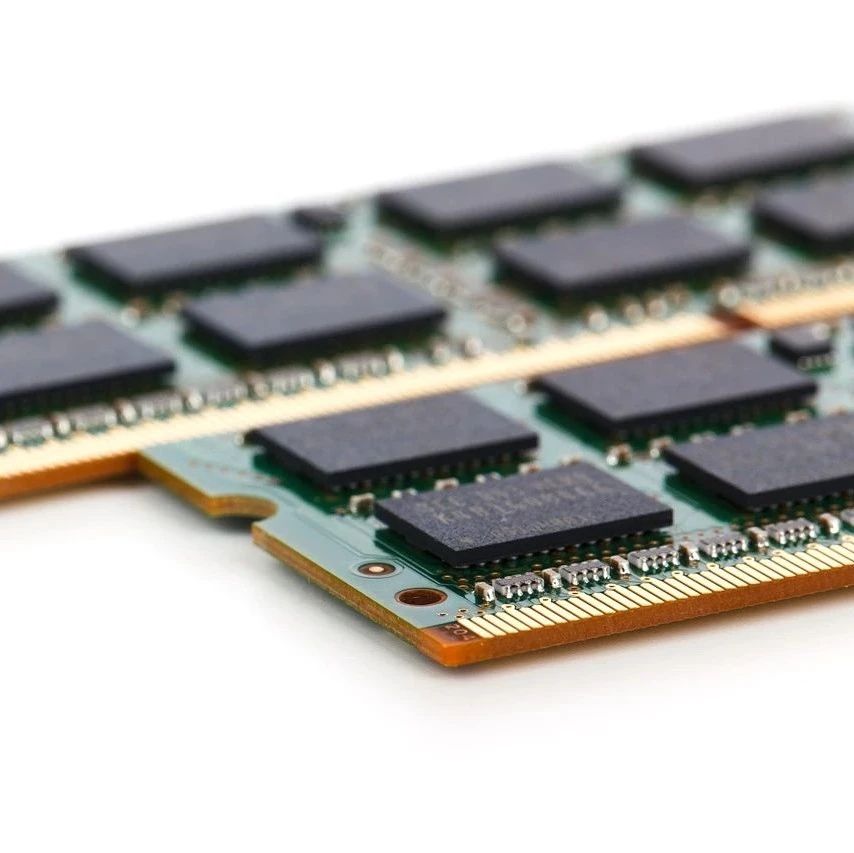
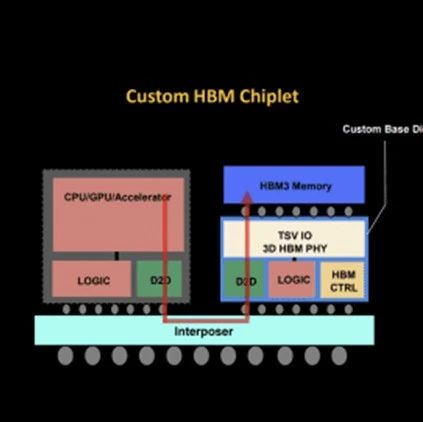
Core Viewpoint - SK Hynix is set to begin mass production of HBM4 in the second half of this year, with a significant increase in data processing speed and enhanced functionality of the base die, leading to an expected price increase of over 30% compared to previous generations [1][3]. Group 1: HBM4 Production and Cost Structure - HBM4's logic chip production has been outsourced to TSMC, which is expected to account for approximately 20% of the total unit cost of HBM4 [1][7]. - The high production costs of the logic chips from TSMC may limit SK Hynix's profitability despite the anticipated price increase of HBM4 [1][4]. - The expected price for HBM4 is around $2 per Gb, which is about 30% more expensive than the previous generation HBM3E [7]. Group 2: Market Position and Competitive Landscape - SK Hynix is currently the leading company in the HBM market and is the largest supplier of HBM to NVIDIA [3]. - The transition to HBM4 involves the addition of various functionalities to the logic chips, which are now custom-designed rather than merely connecting chips as in previous generations [7]. - Concerns have been raised that outsourcing the production of logic chips could weaken SK Hynix's profitability for the next generation of HBM due to TSMC's dominant position in advanced foundry processes [4][7]. Group 3: Future Negotiations and Supply Dynamics - SK Hynix is expected to finalize negotiations with NVIDIA regarding HBM4 supply for the next year, with the potential for price adjustments based on guaranteed supply volumes [8].
中国芯片,未雨绸缪
半导体芯闻· 2025-05-30 10:08
Core Viewpoint - The article discusses how Chinese tech companies are shifting towards domestic chip alternatives in response to tightening U.S. export controls on advanced chips, particularly from Nvidia, to support their AI development efforts [1][2][4]. Group 1: U.S. Export Controls and Chinese Response - The U.S. has tightened export controls on advanced chips to China, requiring companies like Nvidia to obtain government licenses for sales of customized chips [1]. - Chinese tech firms are accelerating their emergency plans to replace Nvidia chips with domestic alternatives due to limited existing inventory and long lead times for new orders [1][2]. - Companies like Baidu and Tencent are exploring various chip options and emphasizing the development of their own AI processors to meet growing demands [2][4]. Group 2: Domestic Chip Development - The export restrictions have sparked a wave of innovation in China's AI chip sector, with companies like Huawei promoting their Ascend chips as viable alternatives [2][4]. - Despite U.S. bans on Huawei's chips, demand for domestic alternatives is expected to rise, with more Chinese tech firms testing chips from local manufacturers like Haiguang and Cambricon [2][4]. - The shift to domestic chips may involve significant time and labor costs, leading many companies to adopt a hybrid approach, using existing Nvidia chips for training while relying on domestic processors for inference [4]. Group 3: U.S. Chip Manufacturers' Strategies - U.S. chip manufacturers like Nvidia and AMD are reportedly developing simplified AI chips that comply with U.S. export regulations for the Chinese market, with Nvidia's new chip codenamed "B20" [4][5]. - Nvidia's CEO acknowledged the challenges of launching new products in China under strict export controls, indicating that the company may be sidelined from the Chinese market [5]. - The competition between U.S. and Chinese chip manufacturers is intensifying, with the performance gap narrowing as Chinese firms ramp up production capabilities [5].

印度确认,首颗芯片要来了
半导体芯闻· 2025-05-30 10:08
Group 1 - The Indian Minister of Electronics and Information Technology, Ashwini Vaishnaw, announced that India's first semiconductor chip using 28-90 nm technology will be launched this year [1] - The minister highlighted a targeted approach in specific sectors that hold 60% market share, with six units currently under construction [1] - The 28-90 nm chips are intended for applications in automotive, telecommunications, power, and railways [1] Group 2 - Vaishnaw emphasized the importance of manufacturing alongside services for the next phase of growth, advocating for ownership of intellectual property, products, designs, and standards [1] - The minister noted the significant changes brought by artificial intelligence (AI) and its ongoing impact [1] - He mentioned the development of AI models tailored to Indian culture, languages, and social norms, with a project named Sarvam underway [2] Group 3 - Vaishnaw reported that India has become the world's second-largest freight railway, transporting 1.612 billion tons of goods, surpassing the US and Russia [2] - The minister stated that passenger capacity has also significantly increased, indicating progress in railway development [2] - A new policy has been introduced to incorporate startups into the railway sector, allowing for testing and promotion of innovative ideas [2]

美国EDA,确认禁售
半导体芯闻· 2025-05-30 10:08
Core Viewpoint - The new export restrictions imposed by the U.S. on China have created uncertainty for Synopsys in selling chip design software, leading the company to suspend its financial forecasts shortly after their release [1][2]. Group 1: Company Responses - Synopsys announced the suspension of its financial guidance for Q3 and the full fiscal year 2025 due to the new export restrictions from the U.S. Department of Commerce [2]. - Cadence Design Systems stated that they received notification from the U.S. Department of Commerce that a license is now required to export certain electronic design automation (EDA) software and technology to China [3]. - Both companies are currently assessing the potential impact of these new restrictions on their business and financial performance [2][3]. Group 2: Regulatory Context - The U.S. has ordered multiple companies to halt shipments to China without proper licenses, which includes revoking previously granted licenses [1]. - The new requirements are seen as a measure to prevent China from obtaining critical products necessary for key industries, potentially escalating tensions between the U.S. and China [2].