半导体芯闻

Search documents
软银460亿收购芯片公司,获批
半导体芯闻· 2025-11-18 10:29
如果您希望可以时常见面,欢迎标星收藏哦~ 来 源 : 内容 综合自彭博 ,谢谢 。 美国联邦贸易委员会 (FTC) 已结束对软银集团收购半导体设计公司 Ampere Computing LLC 的审 查,扫清了这笔价值 65 亿美元(约合460亿人民币)的交易的障碍。 根据 FTC 网站上的公告,FTC 已批准两家公司提前终止审查,这意味着审查程序已经结束。 软银收购Ampere之后,可将专门设计数据中心先进芯片、拥有1,000位专业半导体工程师的团队纳 入麾下。随着AI基础设施支出激增,这类芯片的需求爆炸性成长,软银设法提升实力,靠先进芯 片产品抢食AI基建商机。 软银执行长孙正义声明表示,未来超级AI需要突破性算力,Ampere的半导体专长与高效能运算技 术,有助加速实现此愿景,并深化软银在美国推展AI创新的承诺。 软银已经是 Arm Holdings Plc 的控股股东,Arm 的技术被广泛应用于电子行业,并日益成为服务 器芯片的基础。Ampere 是 Arm 基础技术授权的客户之一。 孙正义表示,凭借对 Arm、英国芯片设计部门 Graphcore Ltd. 和 Ampere 的所有权,软银将掌握 人 ...



恒坤新材上市,股价大涨300%
半导体芯闻· 2025-11-18 10:29
Core Viewpoint - Xiamen Hengkang New Materials Technology Co., Ltd. has successfully listed on the Shanghai Stock Exchange's Sci-Tech Innovation Board, with a first-day closing surge of 310%, bringing its market capitalization close to 30 billion yuan [2]. Company Overview - Established in 2004, Hengkang New Materials focuses on the research, production, and sales of key materials for integrated circuit manufacturing, specifically photoresist materials and precursor materials [2][4]. - The company has developed a unique growth path of "introduction, digestion, absorption, and re-innovation," transitioning from importing foreign products to self-production and revenue growth [2][4]. Financial Performance - The company aims to raise 1.007 billion yuan through its IPO, primarily for the construction of the "Phase II Project of Integrated Circuit Precursors" and "Advanced Materials Project for Integrated Circuits" to expand capacity and enhance technology [2]. - Revenue figures for Hengkang New Materials are as follows: 2022 - 322 million yuan, 2023 - 368 million yuan, 2024 - 548 million yuan, and 2025 (first half) - 294 million yuan. Self-produced product sales revenue has shown a compound annual growth rate of 66.89% from 2022 to 2024 [5][8]. Market Position and Growth - Hengkang New Materials ranks among the top domestic manufacturers in the 12-inch integrated circuit field, with its self-produced photoresist materials sales scale leading the domestic market for local manufacturers in 2023 [5][7]. - The domestic integrated circuit key materials market has grown from 66.47 billion yuan in 2019 to 113.93 billion yuan in 2023, with a projected compound annual growth rate of 14.4% [7]. Future Strategy - The company plans to deepen its focus on integrated circuit key materials, increase R&D investment (over 10% of revenue), and expand its product line while ensuring product quality [8]. - Hengkang New Materials aims to establish a secure and controllable supply chain, enhance brand recognition, and actively explore overseas markets to become a leading domestic and internationally advanced enterprise in integrated circuit key materials [8].

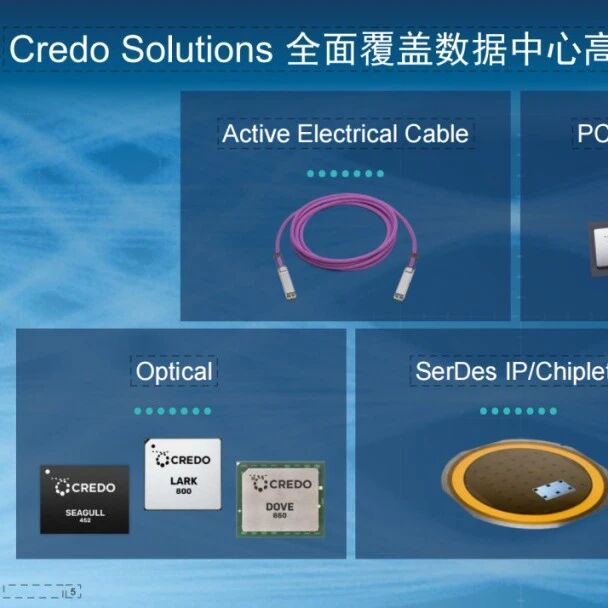
芯片引爆通胀
半导体芯闻· 2025-11-18 10:29
如果您希望可以时常见面,欢迎标星收藏哦~ 来 源 : 内容 编译自chosun ,谢谢 。 人们越来越担心成本上涨会抑制消费电子市场。市场研究公司TrendForce于17日预测,明年全球 智能手机产量将比今年下降2%,笔记本电脑产量将下降2.4%。TrendForce补充道:"预计第四季 度DRAM合约价格将上涨超过75%,DRAM和NAND闪存价格明年将持续上涨。"该公司预测,到 2026年,智能手机制造成本可能比今年上涨5%至7%。由于内存价格飙升,笔记本电脑成本预计也 将上涨10%至12%,这可能会推动智能手机和笔记本电脑的价格上涨约10%。这可能会大幅降低对 价格敏感的入门级市场的需求。 更大的担忧在于内存供应可能长期短缺。扩大产能面临挑战,内存厂商正将投资重点放在高利润产 品上,例如HBM。TrendForce估计全球DRAM库存周转期已降至3.3周。KB证券研究员金东元表 示:"DRAM市场将在2026-2027年面临严重的供应短缺,而由于减产策略,NAND闪存的产量预 计也会下降。"他补充道:"人工智能数据中心和服务器更新换代带来的同时需求将使长期供应短缺 和价格上涨不可避免。" 点这里加关注 ...

台积电美国厂,获利锐减
半导体芯闻· 2025-11-18 10:29
Group 1 - TSMC's Q3 financial report indicates that its U.S. subsidiary earned only approximately NT$40 million in a single quarter, a significant drop from NT$4.232 billion in the previous quarter, highlighting the substantial costs associated with establishing operations in the U.S. [2] - The high operational expenses in the U.S. are attributed to the underdeveloped supply chain, technical talent training, and equipment maintenance compared to Taiwan and Japan, compounded by rising costs for expatriate engineering teams and facility setup [2] - TSMC's second wafer fab in Arizona is expected to complete equipment installation by Q2 2026, leading to increased depreciation burdens, making short-term financial improvements unlikely [2] Group 2 - The key to TSMC's U.S. operations lies not in immediate profit figures but in the successful implementation of advanced processes like 3nm and 2nm, which are crucial for increasing capacity utilization [2] - The demand for advanced packaging is rising, revealing a growing inadequacy in the local supply chain in the U.S., with several Taiwanese material and equipment manufacturers responding to TSMC's expansion by investing in U.S. projects [3] - The overall market is seeing sustained demand for advanced processes driven by AI, with 3nm and 2nm technologies remaining in long-term short supply, while mature processes face pricing pressures due to oversupply and competition from Chinese foundries [3]

这家公司,想取代DRAM和SRAM
半导体芯闻· 2025-11-17 10:17
Core Viewpoint - FMC has successfully completed a €100 million (approximately $116.2 million) Series C funding round to advance its FERAM chip technology aimed at replacing DRAM and SRAM in AI data centers, following the failure of Intel's Optane in this space [2][3]. Funding and Financials - The total funding raised by FMC has now reached $141.6 million, with the latest round comprising €77 million from oversubscribed equity financing and €23 million from public funds, marking one of the largest financings in the semiconductor industry [3][4]. - Previous funding rounds included €600,000 in seed funding, €4 million in Series A, and €17.2 million in Series B [3]. Technology and Market Position - FERAM technology offers speed comparable to DRAM and SRAM but is non-volatile and consumes less power, addressing the rising power consumption issues in GPU servers within AI data centers [4][6]. - FMC's DRAM+ aims to replace DRAM with non-volatile memory that has lower power consumption and higher durability, while CACHE+ targets SRAM replacement with tenfold density and reduced standby power [6][7]. Challenges and Industry Dynamics - The successful integration of DRAM+ into x86 server architectures requires significant commitments from server manufacturers and operating system developers, which poses a challenge for FMC [7][9]. - The potential for NVIDIA to adopt this technology could significantly influence market acceptance, given its strong market position [8][9]. Future Outlook - FMC's new funding is expected to accelerate the commercialization of DRAM+ and 3D CACHE+ solutions and expand its global operations, aiming to set new industry standards in the €100 billion storage chip market [9][10].
征稿进行中 | 第十八届IEEE国际固态和集成电路技术会议(ICSICT 2026)欢迎来稿!
半导体芯闻· 2025-11-17 10:17
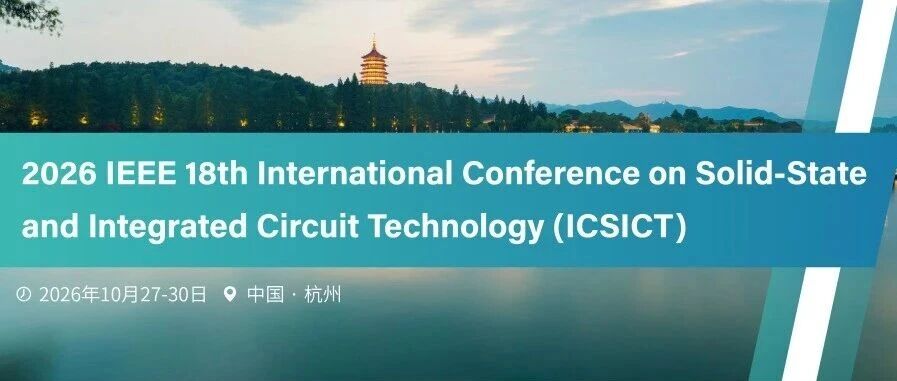
Core Viewpoint - The 2026 IEEE 18th International Conference on Solid-State and Integrated Circuit Technology (ICSICT 2026) will be held from October 27 to 30, 2026, in Hangzhou, China, focusing on advancements in solid-state devices and integrated circuits [3][4]. Conference Overview - ICSICT 2026 is co-sponsored by various academic and professional organizations, making it one of the largest and most influential international conferences in the field of solid-state devices and integrated circuits [3][5]. - The conference aims to promote technological advancements in integrated circuits and foster deep integration between academia and industry, with over 500 distinguished representatives expected to attend [4]. Themes and Tracks - The conference will cover multiple core areas including digital integrated circuits, analog circuits, device research, and process technologies, presented through various formats such as oral presentations, poster displays, and workshops [4][19]. - Specific themes include Digital & System Level IC, Analog, Devices, and Process & Technologies, each with dedicated tracks and chairs from leading universities [15][19][24]. Submission and Important Dates - Authors are required to submit a minimum of a three-page English paper by June 25, 2026, with acceptance notifications sent out by July 25, 2026 [36]. - The conference committee invites experts to organize special sessions to showcase advanced research, with proposals due by February 1, 2026 [36]. Location and Cultural Significance - Hangzhou, known for its picturesque scenery and rich cultural heritage, will host the conference, highlighting attractions such as West Lake, a UNESCO World Heritage site [38].
1.6 T DSP震撼发布,Credo走上快车道
半导体芯闻· 2025-11-17 10:17
Core Insights - The article highlights the significant market success of Credo, a lesser-known chip company that has emerged as a major player in the AI era, with stock prices soaring over 1200% since its IPO in January 2022 [1][3] - Credo's revenue for the first quarter of the 2026 fiscal year saw a year-on-year increase of 274% and a quarter-on-quarter increase of 31%, with a GAAP gross margin of 67.4% [3] Group 1: Company Overview - Credo was founded 17 years ago with a vision to redefine high-speed connectivity, emphasizing not just high bandwidth but also performance, low power consumption, reliability, and flexibility [6] - The company has developed a range of products, including Active Electrical Cables (AEC), PCI Express & CXL, optical solutions, SerDes IP/Chiplets, and Line Cards, with AEC being a proprietary product launched in 2018 [8][10] Group 2: Product Innovations - Credo's AEC cables address interconnectivity issues between servers and switches, supporting 100G, 200G, 400G, and 800G connections, with a maximum length of 7 meters while maintaining signal integrity [10] - The introduction of PCIe/CXL Retimer aims to solve interconnect issues at the Scale Up level, addressing challenges related to signal integrity as the industry transitions from PCIe Gen 5 to Gen 6 [11] Group 3: Optical Solutions - Credo's optical product line is built on advanced SerDes technology, which is crucial for high-speed interconnects, with a focus on developing a diverse range of DSP products [15][16] - The newly launched Bluebird 1.6T DSP product, based on a 3nm process, offers significant power efficiency and supports high-density 800G or high-capacity 1.6T optical transceivers [17][19] Group 4: Market Trends and Future Outlook - The demand for optical transceivers in AI networks is expected to be significantly higher than in traditional computing networks, driving growth in Credo's optical solutions [16] - Credo is also exploring opportunities in Co-packaged optics (CPO) technology, which could disrupt the market, while maintaining its focus on its current product lines and next-generation developments [20]
越南半导体,强势崛起
半导体芯闻· 2025-11-17 10:17
Core Insights - The explosion of artificial intelligence (AI) is transforming Vietnam's semiconductor industry, shifting from processing and testing to deeper involvement in the global value chain [2] - The semiconductor industry is becoming a strategic pillar for modern economies, with reliance on chip design and production capabilities across various sectors including AI, IoT, and defense technology [2] - Vietnam aims for its digital economy to account for 20% of GDP by 2025 and 30% by 2030, with investments in science, technology, and innovation reaching at least 3% of GDP [2] Government Policies - The Vietnamese government has introduced significant policies to support the semiconductor industry, including the 57th Resolution on promoting breakthroughs in science, technology, and digital transformation [3] - The new "Technology and Innovation Law" allows for a sandbox mechanism, intellectual property protection, and the development of international standards, laying a solid legal foundation for the semiconductor sector [3] - As of November, Vietnam has over 170 semiconductor projects abroad with a total investment of nearly $11.6 billion, involving around 60 design companies and over 20 production and supply firms [3] Talent Development - Vietnam has over 1.9 million IT professionals, including 7,000 semiconductor design engineers, with a government plan to train over 50,000 semiconductor engineers by 2030 [3] - Collaboration between government, enterprises, and universities is crucial for Vietnam to become a semiconductor talent hub, with training programs designed in partnership with top Japanese universities [4] Strategic Initiatives - The Ministry of Science and Technology is developing an "AI Law" and building a national cloud computing and big data center to support AI and semiconductor infrastructure [5] - Viettel, a military telecommunications group, is constructing its first chip factory to develop 5G, IoT, and cybersecurity chips, aiming to master core technologies [5]
300mm氮化镓,又一巨头宣布
半导体芯闻· 2025-11-17 10:17
Core Viewpoint - The article discusses advancements in GaN (Gallium Nitride) technology, particularly focusing on the development of 300mm GaN substrates and their implications for power electronics applications, highlighting collaborations and innovations in the semiconductor industry [2][5][6]. Group 1: GaN Technology Developments - Shin-Etsu Chemical announced the achievement of over 650V breakdown voltage using a 5μm GaN HEMT structure on a 300mm QST substrate, marking it as the highest breakdown voltage globally on such substrates [2]. - The QST substrate, developed by Qromis, is specifically designed for GaN growth, and Shin-Etsu has begun large-scale production of 300mm QST substrates after initial collaborations [3][4]. - imec has initiated a 300mm GaN project, collaborating with major industry players to develop GaN epitaxy growth technology and processes for low and high voltage applications [5][6]. Group 2: Industry Collaborations and Ecosystem - imec's 300mm GaN project includes partnerships with AIXTRON, GlobalFoundries, KLA Corporation, Synopsys, and Veeco, aiming to innovate in GaN power electronics [5][7]. - The transition to 300mm wafers is expected to enhance production scale and reduce manufacturing costs, facilitating the development of advanced GaN power devices [6][7]. - Infineon has successfully developed the first 300mm power GaN wafer technology, leveraging existing silicon wafer manufacturing infrastructure to reduce costs and increase production efficiency [7][8]. Group 3: Market Implications and Future Prospects - The larger wafer size allows for the production of double the number of power integrated circuits per wafer, significantly lowering the cost per chip, which is beneficial for applications in electric vehicles, solar inverters, and AI processors [8][9]. - Infineon plans to showcase its new 300mm GaN production capabilities at the upcoming Munich Electronics Fair, indicating a strong market push for GaN technology [8]. - The article emphasizes the importance of a robust ecosystem for the successful development of advanced GaN power electronic devices, highlighting the need for close integration between design, epitaxy, process integration, and applications [7].


玻璃基板,行了吗?
半导体芯闻· 2025-11-17 10:17
Core Viewpoint - Samsung Electronics is in early-stage discussions with Japanese substrate manufacturers, including its subsidiary Samsung Electro-Mechanics, to collaborate on next-generation semiconductor glass substrate technology, but formal sample evaluations are not yet complete [2][3]. Group 1: Collaboration and Development - Samsung Electronics is collaborating with three major substrate partners—Samsung Electro-Mechanics, Ibiden, and Shin-Etsu Chemical—for preliminary sample testing of glass core substrates, which is expected to enhance power efficiency and thermal resistance [2]. - The discussions regarding glass substrates have been ongoing for about one to two years, indicating Samsung's interest in adopting glass substrates to secure advanced packaging technology [2]. Group 2: Technical Challenges and Market Uncertainty - Industry experts believe that Samsung Electronics views glass substrates as a candidate for next-generation technology but has not established any concrete commercialization plans due to the lack of compliant samples from its partners [3]. - The samples provided by the substrate partners are still in very early stages and do not meet Samsung's size and characteristic requirements, leading to slow progress in commercialization discussions [3][4]. - There are significant technical challenges associated with glass substrates, such as the risk of cracks during manufacturing processes like single-crystal formation and through-silicon vias (TSVs), which raises concerns among engineers regarding the necessity of this investment [4].