半导体芯闻

Search documents
2.5D先进封装散热挑战与创新解决方案
半导体芯闻· 2025-11-03 10:37
Core Viewpoint - The article emphasizes the critical role of thermal interface materials (TIMs) in addressing the heat dissipation challenges posed by 2.5D packaging in high-performance computing, highlighting the need for innovative solutions to enhance thermal management efficiency [2][4]. Group 1: Challenges in 2.5D Packaging - The 2.5D packaging architecture presents unprecedented complexity in heat transfer paths and thermal stress distribution, facing three main challenges: increased heat flow density, interface material pump-out due to height differences, and warping of chips leading to poor interface contact [3]. - Thermal interface materials are pivotal in the heat dissipation chain, accounting for over 60% of interface thermal resistance, making them a key element in solving thermal management issues [4]. Group 2: Requirements for Thermal Interface Materials - TIMs must possess ultra-high thermal conductivity to handle significant temperature rises and exceptional compliance to compensate for chip warping and height differences among multiple chips [6]. - Traditional high-performance materials like silicone grease and indium foils struggle to meet both reliability and compatibility requirements for larger sizes [6]. Group 3: Innovations by Hongfucheng - Hongfucheng has developed graphene thermal pads that address the core pain points of TIMs for 2.5D packaging, offering a solution characterized by high thermal conductivity (130 W/mK), low thermal resistance (as low as 0.04 °C・cm²/W), excellent compressibility (up to 70%), and long-term reliability due to the chemical inertness of graphene [7]. - The application of Hongfucheng's graphene thermal pads directly on the back of core chips like GPUs and HBM provides three key benefits: effective heat conduction across height differences, suppression of warping effects, and simplification of manufacturing processes by eliminating the need for gold plating and reflow soldering, thus significantly reducing production costs and time [9].

Keysight Design Forum 2025 China | 主旨演讲与分会场议程全览,好礼等你来~
半导体芯闻· 2025-11-03 10:37
Core Insights - Keysight Design Forum 2025 is a significant annual event in the EDA industry, scheduled for November 18 in Shanghai, focusing on various advanced technologies including AI innovation, RF design, and multi-physics simulation [2][3]. Agenda Highlights - The morning session will emphasize strategic insights and cutting-edge innovations, featuring keynote speeches and the launch of new products centered around AI and next-generation simulation technologies [3][5]. - The afternoon will consist of four technical sub-sessions that delve into core application areas, showcasing the latest technological achievements and engineering practices from Keysight and its partners [8][9]. Product Launch - Keysight will unveil two flagship products, Nexus and Photonic Designer, which promise to redefine RF and photonic design with groundbreaking simulation performance and design accuracy [5]. Technical Focus Areas - The event will cover advanced topics such as signal integrity, power integrity, and the challenges of high-speed interface design, including Chiplet, PCIe, and Ethernet technologies [11][13]. - AI and machine learning will be highlighted as key enablers for design innovation, particularly in RF and communication systems [14][16]. Interactive Experience - Attendees will have opportunities to engage in interactive sessions, accumulate points for prizes, and participate in various activities, enhancing the overall experience at the forum [21][24][25].

安世中国,郑重声明
半导体芯闻· 2025-11-02 01:39
Core Viewpoint - Nexperia Netherlands has unilaterally decided to suspend wafer supply to its Dongguan assembly and test site (ATGD) starting October 26, 2025, citing alleged non-compliance with contractual payment terms by local management, which Nexperia China strongly refutes as misleading and defamatory [1][4][5]. Group 1: Allegations and Responses - Nexperia China asserts that the claims made by Nexperia Netherlands regarding local management's failure to meet payment terms are entirely fabricated and constitute malicious defamation, emphasizing that Nexperia China has not breached any contracts [5][6]. - Nexperia Netherlands is reported to owe Nexperia China over RMB 1 billion in outstanding payments, contradicting their claims of non-compliance [5][6]. - The management team at Nexperia Netherlands is accused of severe dereliction of duty, prioritizing personal interests over the company's overall interests, which violates professional ethics and corporate governance [6][7]. Group 2: Supply Chain and Customer Assurance - Nexperia China has established sufficient inventories of finished goods and work-in-progress to meet customer orders through year-end and beyond, ensuring a secure and reliable supply chain [8][9]. - The company has initiated multiple contingency plans to ensure long-term supply resilience and is accelerating the qualification of new wafer supply sources, expressing confidence in meeting all customer demands starting next year [8][9]. - Nexperia China emphasizes its commitment to product quality and fulfilling customer promises, stating that the unilateral supply suspension by Nexperia Netherlands will not alter this commitment [9][10].

以RISC-V为矛,隼瞻科技的攻城之道
半导体芯闻· 2025-11-02 01:39
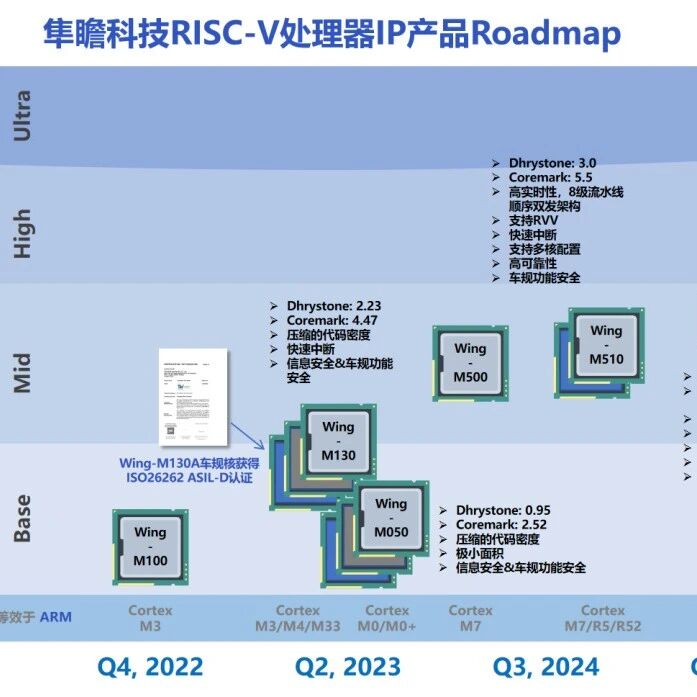
Core Insights - RISC-V is predicted to capture 25% of the semiconductor market by 2030, with chip shipments reaching 17 billion units, showcasing remarkable growth for an architecture that has been in development for just over a decade [1] - Sunzhang Technology is emerging as a significant player in the RISC-V space, offering unique services that combine IP and EDA to provide comprehensive processor solutions [1][4] RISC-V and Market Trends - The chip industry is evolving, with a distinction between general-purpose and domain-specific chips. The limitations of general-purpose architectures are becoming apparent as industry demands diversify [3] - Sunzhang Technology focuses on refining RISC-V IP to create a robust product family that meets diverse application needs, recognizing the inefficiencies of general architectures in specialized scenarios [3][4] DSA Methodology - The DSA (Domain Specific Architecture) approach is built on validated RISC-V IP, allowing for deep optimization tailored to specific client needs, enhancing processor performance for targeted applications [4] - Sunzhang Technology has developed tools that enable clients to design processors suited to their unique scenarios, facilitating the implementation of the DSA methodology [4][6] Product Offerings - Sunzhang Technology has established a comprehensive RISC-V IP product line, including M050, M100, M130, M500, and M510 series, which have been commercially validated and outperform competitors in benchmarks [6] - The products are utilized across various sectors, including communications, automotive electronics, and IoT, with some achieving ISO 26262 ASIL-D certification for automotive reliability [6] EDA Development Platform - The ArchitStudio platform accelerates the design and implementation of DSA processors, allowing developers to focus on architecture and instruction set design rather than complex RTL-level tasks [7] - This platform significantly reduces the development workload and costs associated with processor design, streamlining the process for clients [7] Tailored Solutions - Sunzhang Technology has created solutions like the "Zhiying" series for edge AI devices, addressing the demand for low power, small size, and high performance [10] - The combination of ArchitStudio and customizable NPU modules enables precise matching of AI models to various scenarios, tackling challenges in real-time response, energy consumption, and cost optimization [10] Strategic Vision - In a competitive market, RISC-V DSA is seen as a strategic choice for building technological barriers and helping clients differentiate themselves [12] - Sunzhang Technology aims to unify tools and frameworks to address potential fragmentation issues in compiler and SDK development, aspiring to become a leading provider of processor solutions globally [12]
新国标"洗牌"充电宝?智融科技以高集成电源管理芯片抢滩全场景市场
半导体芯闻· 2025-11-02 01:39
Core Viewpoint - The new national standard for power banks, effective from August 15, 2025, marks a critical transition for the industry from "wild growth" to "high-quality development," creating strategic opportunities for companies with core technology [2][12]. Group 1: New National Standard - The new standard raises requirements for battery quality, circuit safety, heat control, and durability, aligning industry standards with international advanced levels [2]. - The implementation of this policy will eliminate many manufacturers lacking core technology and compliance, fostering a fairer competitive environment for capable chip design companies [2][12]. Group 2: Zhuhai Zhirong Technology's Product Line - Zhuhai Zhirong Technology has developed a comprehensive product matrix for mobile power SoC, addressing various market segments from entry-level to flagship products [3][5]. - The classic model SW6236 supports 22.5W fast charging and complies with new battery standards, ensuring safety and performance [3][4]. - The mid-range model SW6306 supports 30W to 100W and integrates a bidirectional boost and buck controller, catering to mainstream consumer needs [4]. - The high-end model SW6309 and flagship models SW7201/SW7226 offer advanced features like multi-port output and high power levels, targeting high-demand users [5][6]. Group 3: Competitive Advantages - Zhuhai Zhirong Technology's high integration SoC technology simplifies power bank design while meeting new safety and compatibility standards [6]. - The company has evolved its core competitiveness from pure technical advantages to a comprehensive strength combining R&D, market, and ecosystem [6][12]. Group 4: Future Outlook - The company is expanding its market presence into AI hardware, with successful applications of its chips in various AI devices [9]. - Zhuhai Zhirong Technology is also broadening its technology advantages to various applications, including vehicle chargers and outdoor energy storage [10]. - Continuous investment in R&D will enhance the integration, efficiency, and intelligence of SoC chips, positioning the company as a leader in setting industry standards [11][12].
第三大硅片厂,不卖了?
半导体芯闻· 2025-10-31 10:18
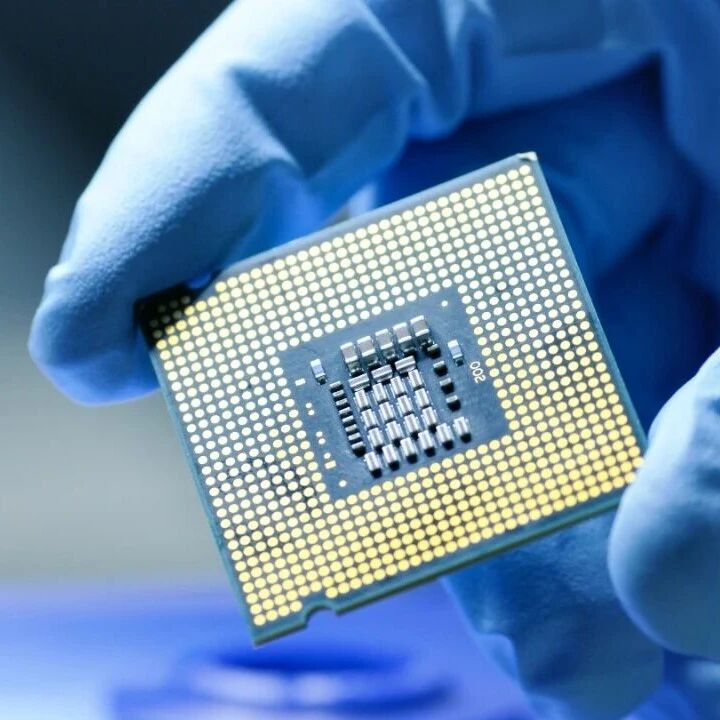
Group 1 - SK Group has slowed down the sale of its semiconductor wafer expert SK Siltron, commissioning a consulting firm to assess its enterprise value [2] - The chairman of SK Group, Choi Tae-won, has a deep emotional connection to SK Siltron, leading analysts to believe that the group may reconsider the sale [2][3] - SK Group initially planned to sell 70.6% of its management stake in SK Siltron as part of a business restructuring plan, while the chairman's 29.4% stake was not included in the sale [2] Group 2 - The enterprise value (EV) of SK Siltron is estimated to be over 4 trillion KRW, with equity valued between 1 trillion to 2 trillion KRW after deducting 3 trillion KRW in debt [3] - The chairman believes that selling SK Siltron just before a potential semiconductor supercycle would be a missed opportunity [3] - SK Siltron's U.S. subsidiary, SK Siltron CSS, has been expanding its silicon carbide (SiC) factory in Bay City, Michigan, which received a conditional loan of 544 million USD (approximately 770 billion KRW) from the U.S. government in 2022 [3]

ABB顶级芯片专家,离开瑞典回国
半导体芯闻· 2025-10-31 10:18
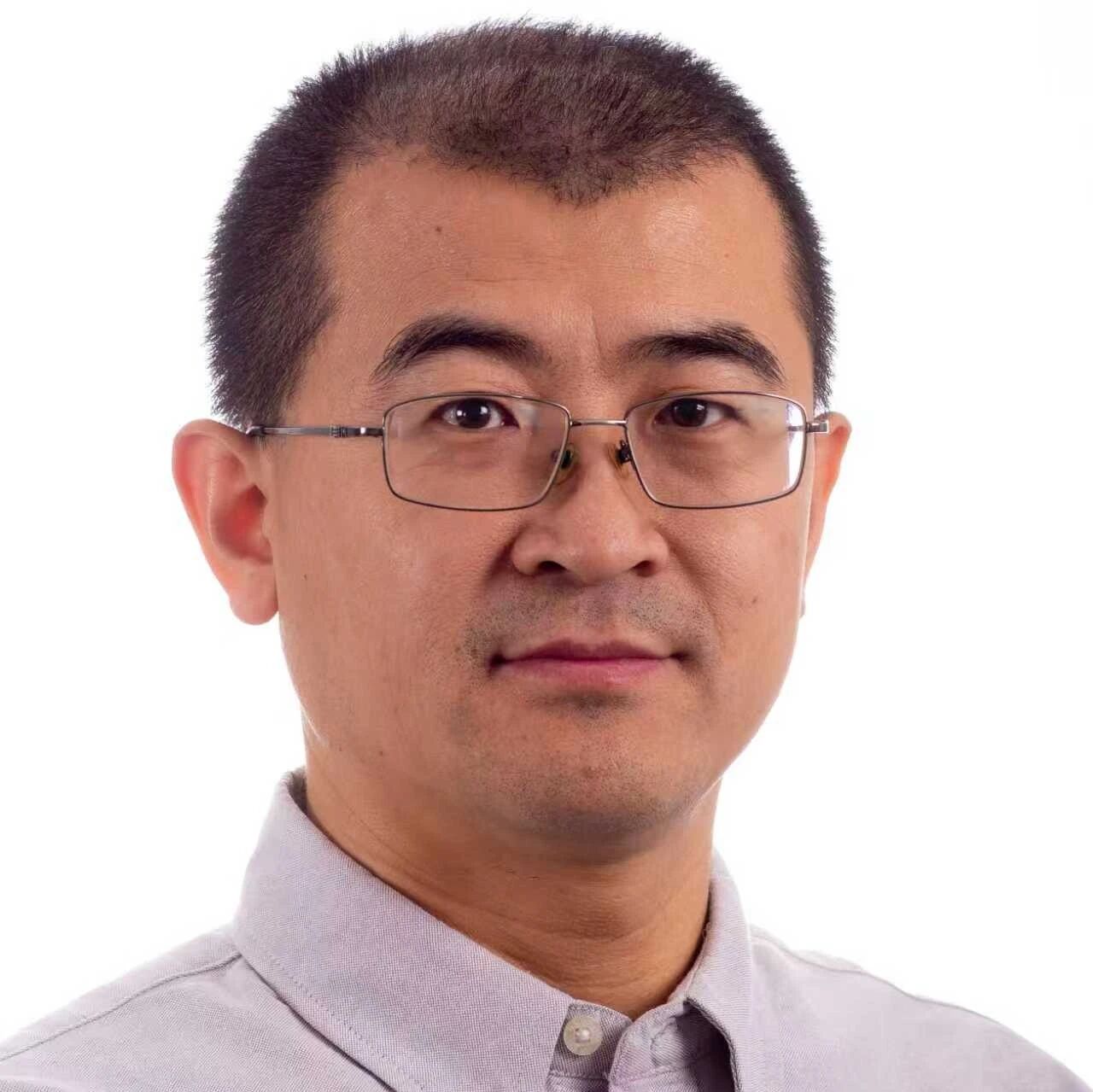
Core Viewpoint - The article highlights the return of Pang Zhibo, a leading expert in industrial chips and robotics from ABB, to China to join Peking University as a tenured professor, emphasizing his significant contributions to the field and the potential impact on China's advanced manufacturing and robotics sectors [2][4]. Group 1: Background and Achievements - Pang Zhibo has been a senior principal scientist at ABB, overseeing over 800 developers and 80 technology products globally [2]. - He has made significant contributions to interdisciplinary research in intelligent robotics and autonomous systems, including the development of the "Cloud-Fog Automation" paradigm and integrated design methods [4]. - His work has led to the application of numerous advanced technologies in leading products, resulting in hundreds of thousands of installations and generating hundreds of millions of euros in revenue for companies [4]. Group 2: Research and Publications - Pang holds 25 patents in Europe and the United States, has published over 200 international journal and conference papers, and has been a keynote or invited speaker at more than 50 international conferences [5]. - He serves in leadership roles within IEEE, including as an executive committee member and associate editor for several IEEE journals [5]. Group 3: Academic and Professional Timeline - Pang Zhibo's academic career includes positions at Peking University as a full professor, KTH Royal Institute of Technology as an adjunct professor, and a senior principal scientist at ABB [6]. - He obtained his PhD from KTH in July 2013 and his bachelor's degree in engineering from Zhejiang University in June 2002 [7].
英伟达一口气卖了26万颗GPU
半导体芯闻· 2025-10-31 10:18
Core Viewpoint - Nvidia's CEO Jensen Huang announced the supply of 260,000 GPUs to South Korea, enhancing the AI alliance between Nvidia and the South Korean government and companies, which is expected to accelerate AI development in the country [2][3]. Group 1: Nvidia's GPU Supply - Nvidia plans to supply 260,000 GPUs to the South Korean government and major companies, including Samsung, SK Group, Hyundai, and Naver, significantly increasing the current GPU stock in South Korea [2][3]. - The total value of this GPU supply is estimated to be between $7.8 billion and $10.4 billion, considering the price range of the latest GPU model, Blackwell B200, which is between $30,000 and $40,000 [2]. Group 2: AI Development in South Korea - The GPUs will be utilized to integrate AI technology into various sectors, including semiconductors, automotive, robotics, and autonomous driving, aiming to create "AI factories" [3]. - South Korea aims to focus on vertical AI capabilities in manufacturing rather than general-purpose AI models like ChatGPT, to catch up with the US and China in the AI field [3]. Group 3: Impact on Local Companies - Samsung plans to introduce over 50,000 Nvidia GPUs in the coming years to enhance its semiconductor manufacturing processes, aiming to create the world's largest and most advanced "semiconductor AI factory" [5][6]. - SK Group is developing a "manufacturing AI cloud" and is working on a 100 MW AI data center project, while SK Hynix is applying AI in semiconductor design and digital twin technology [6]. - Hyundai Motor Group is investing approximately $3 billion to develop AI models for vehicles and autonomous driving, collaborating with Nvidia and the South Korean government [7]. Group 4: AI Infrastructure and Collaboration - The South Korean government will use 50,000 GPUs to develop independent AI models and establish a national AI computing center, enabling access for universities, research institutions, and startups [5][9]. - Naver is expanding its AI infrastructure to develop a Korean language-specific large language model and is collaborating with Nvidia to create a next-generation "physical AI" platform [7]. - LG Electronics is also partnering with Nvidia to innovate in physical AI and digital twin technologies, aiming to develop smart factory solutions [7]. Group 5: HBM Supply and Future Prospects - The increase in GPU shipments is expected to benefit local HBM (High Bandwidth Memory) suppliers, with SK Hynix and Samsung being key players in the HBM market [9]. - Nvidia is collaborating with Samsung on HBM3E and HBM4, with expectations of Samsung playing a crucial role in the HBM4 supply chain [9].


EUV光刻机,正在被颠覆?
半导体芯闻· 2025-10-31 10:18
Core Viewpoint - The chip manufacturing industry is highly susceptible to disruptive changes, with existing companies often hindered by inertia and fear of technological regression. This creates opportunities for bold innovators like Substrate, which aims to significantly reduce the cost of advanced logic wafers through new technologies like X-ray lithography (XRL) [2][4][12]. Group 1: Substrate's Innovations - Substrate has developed a new X-ray lithography tool that aims to drive the next generation of wafer foundries, significantly lowering production costs for advanced logic wafers by 50% compared to existing methods [6][7][11]. - The XRL technology has shown impressive performance metrics, including single-exposure capabilities at 2nm and 1nm nodes, with a resolution comparable to high numerical aperture extreme ultraviolet (EUV) lithography [7][9]. - Substrate's tool can achieve a critical dimension uniformity (CDU) of 0.25nm and a line edge roughness (LER) of 1nm, which are superior to current industry standards [10][11]. Group 2: Market Implications - If Substrate's claims about its XRL technology are validated, it could revolutionize lithography by drastically reducing costs and increasing design flexibility for process nodes, potentially disrupting the market currently dominated by ASML [13][21]. - The potential market for advanced lithography tools could reach $50 billion by 2030, with Substrate positioned to capture significant market share if it successfully transitions from laboratory-scale tools to mass production [21][28]. - Substrate's ambition extends beyond just XRL; the company aims to establish a new American foundry that integrates its technologies into a complete end-to-end chip manufacturing process [12][30]. Group 3: Challenges and Considerations - Despite the promising developments, Substrate faces significant challenges in scaling its technology from laboratory to industrial levels, which historically has a low success rate [12][30]. - The semiconductor industry must also contend with various fundamental challenges in lithography, including process control, random defects, and the limitations of high aspect ratio etching [23][24][25]. - The competitive landscape is evolving, with other players, including Chinese firms, also pursuing advanced lithography technologies, which could further complicate Substrate's market entry [30][32].

超97%!这家AI算力领头羊硬核新品深圳发布
半导体芯闻· 2025-10-31 10:18
Core Viewpoint - The article highlights the rapid growth and potential of the AI computing market, particularly focusing on the advancements in reconfigurable chips led by the domestic company Qingwei Intelligent, which aims to drive the fourth industrial revolution with its innovative technology [2][4][9]. Industry Overview - The global AI computing market is witnessing significant growth, with the edge AI market expected to reach $27.01 billion in 2024 and nearly $270 billion by 2032, reflecting a compound annual growth rate (CAGR) of 33.3% during the forecast period [2]. - Nvidia has emerged as a leader in the AI chip sector, becoming the first company to surpass a market value of $50 billion, showcasing the immense potential of AI computing [2]. Company Insights - Qingwei Intelligent has focused on developing reconfigurable architecture (RPU) technology, differentiating itself from traditional ASIC and GPU solutions, and aims to create a domestically controlled computing ecosystem [4][6]. - The company has successfully launched multiple chip series, including the TX5 and TX8, with the TX5 series being particularly noted for its cost-effectiveness and high energy efficiency, achieving a cost that is one-fifth of similar foreign products and an energy efficiency ratio of 200% [6][7]. - Qingwei Intelligent has shipped over 30 million reconfigurable chips and completed orders for 20,000 AI computing cards this year, indicating strong market demand and production capabilities [6][7]. Product Innovations - At the recent AICC 2025 conference, Qingwei Intelligent introduced its first edge AI 2.0 algorithm training platform, which boasts high accuracy, security, and flexibility, designed to cater to various fragmented application scenarios [7][8]. - The company also unveiled the TX5326, a new visual ultra-high-definition AI SoC product, which integrates advanced AI technologies and supports the deployment of large AI models at the edge [8]. Future Outlook - Qingwei Intelligent is committed to a technology strategy of "developing one generation, reserving one generation, and releasing one generation," focusing on commercializing existing technologies while preparing for future advancements in reconfigurable computing [8][9]. - The company aims to establish a unique Chinese solution in the context of the fourth industrial revolution, leveraging its technological advantages in the reconfigurable chip domain [9].