半导体芯闻

Search documents
韩版英伟达,获Arm投资
半导体芯闻· 2025-09-30 10:24
Group 1 - Rebellions Inc. raised $250 million in Series C funding, achieving a valuation of $1.4 billion, to mass-produce chips and accelerate product development in the competitive AI market [1][2] - The funding round included participation from strategic partner Arm Holdings, Samsung Ventures, Pegatron Corp. VC, and Lion X Ventures Pte, with continued support from existing investors like Korea Development Bank and Korelya Capital [1][2] - Rebellions aims to prepare for mass production of its flagship product "RebelQuark" and accelerate the development of new product lines, including "RebelIO," while also expanding recruitment and overseas operations [2] Group 2 - Groq Inc. completed a $750 million funding round, achieving a valuation of $6.9 billion, indicating strong investor interest in companies addressing AI computing and chip shortages [2] - Local competitor FuriosaAI is preparing for a potential Pre-IPO funding round exceeding $300 million [2] - Rebellions' CFO expressed confidence that this funding demonstrates the capability of the Korean capital market to nurture AI semiconductor companies globally, aiming to position Korea among the top three in the global AI landscape [2]

碳化硅巨头,终于逆转
半导体芯闻· 2025-09-30 10:24
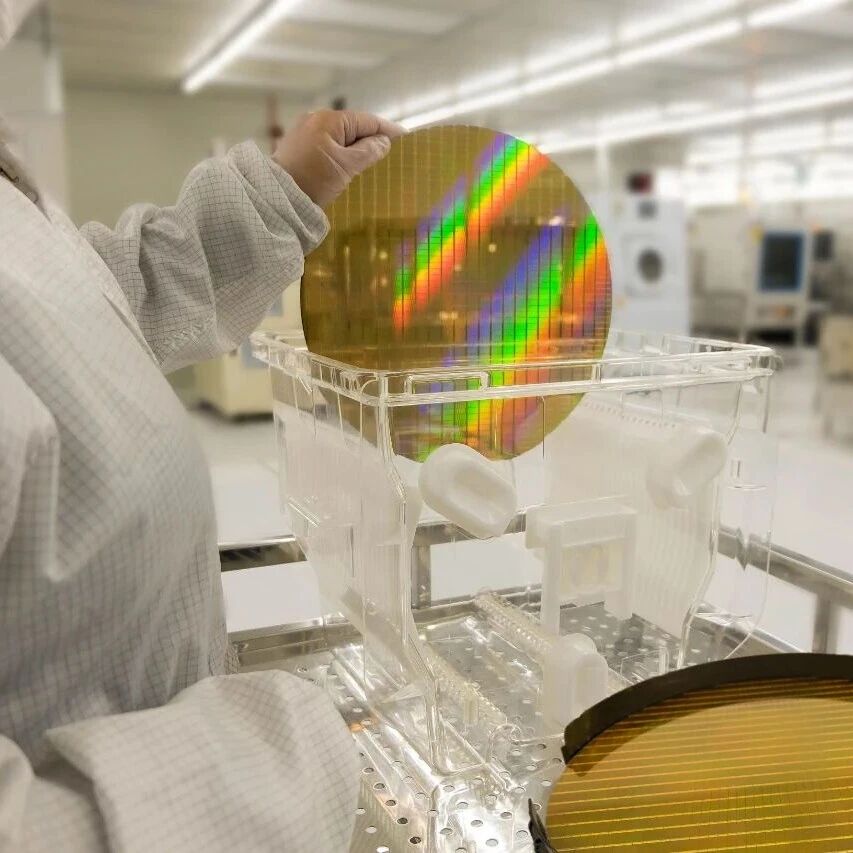
Core Viewpoint - Wolfspeed has successfully exited Chapter 11 bankruptcy protection, significantly reducing its total debt by nearly 70% and annual cash interest expenses by approximately 60% [1][2]. Group 1: Bankruptcy Background and Impact - Wolfspeed, formerly known as Cree Inc., has been a pioneer in silicon carbide (SiC) materials and power devices, facing financial challenges due to increased capital expenditures for capacity expansion amid rapid growth in the electric vehicle and renewable energy markets [2]. - The company filed for Chapter 11 bankruptcy protection in June 2023, driven by uncertainties in U.S. trade policies, global economic fluctuations, and a slowdown in downstream demand, which led to cash flow constraints and debt pressure [2]. - The bankruptcy raised concerns about Wolfspeed's ability to fulfill its expansion plans for the "world's largest silicon carbide wafer factory" in Mohawk Valley, New York [2]. Group 2: Current Developments - Following the restructuring, Wolfspeed has announced the addition of five new board members, including Mike Bokan, former Senior Vice President of Global Sales at Micron, and Eric Musser, who is retiring as President of Corning this year [1]. - The company is now focusing on its core business and aims to leverage strong demand from AI, photovoltaics, and electric vehicles to regain its competitive position in the silicon carbide industry [2].
又一汽车巨头,自研芯片
半导体芯闻· 2025-09-30 10:24
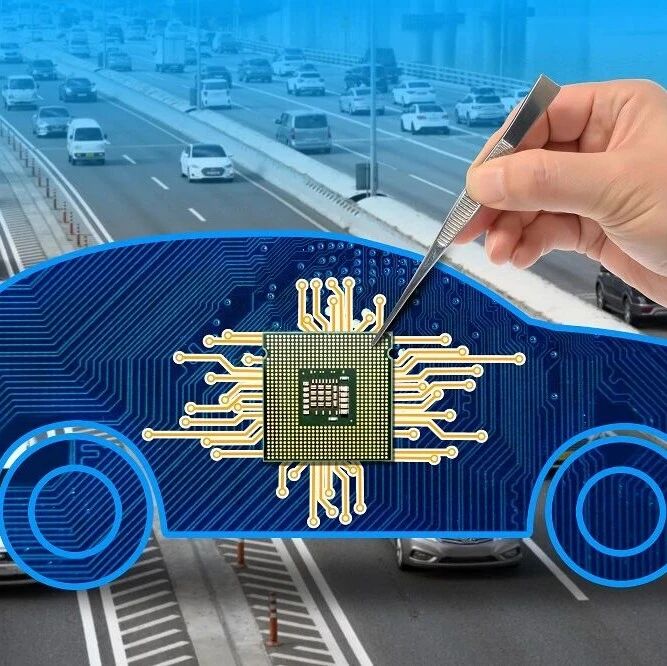
Core Insights - Hyundai Mobis is set to produce new automotive chips in collaboration with domestic companies like Samsung and LX Semicon to reduce reliance on imports [1][2] - The company aims to launch over 10 different types of chips in the next two to three years [1] - The automotive industry faced challenges from 2021 to 2023 due to semiconductor shortages, prompting the need for a fundamental response to prevent future issues [1] Group 1 - Hyundai Mobis has developed 16 types of system semiconductors and currently produces 20 million units annually [2] - The company plans to manufacture power management ICs (PMIC) and aims to produce Si-IGBT by 2026 [2] - Hyundai Mobis is working on an integrated body control unit (IBU) chip, which combines five functions and is expected to launch in 2026 [2] Group 2 - The company collaborates with various partners, including Anatech, DB Hitek, and ASE Korea, for wafer design, manufacturing, and packaging [2] - Hyundai Mobis is developing a smart LED product that integrates LED with driver IC in partnership with Global Technology, SK Key Foundry, and East LED [2] - The company is also working on a network SoC in collaboration with Samsung Foundry, LX Semicon, Cadence, Synopsys, and ADT [2]
2025 I.S.E.S. 中国峰会圆满举行:以创新与协作,共绘半导体产业新蓝图 (首日)
半导体芯闻· 2025-09-30 10:24
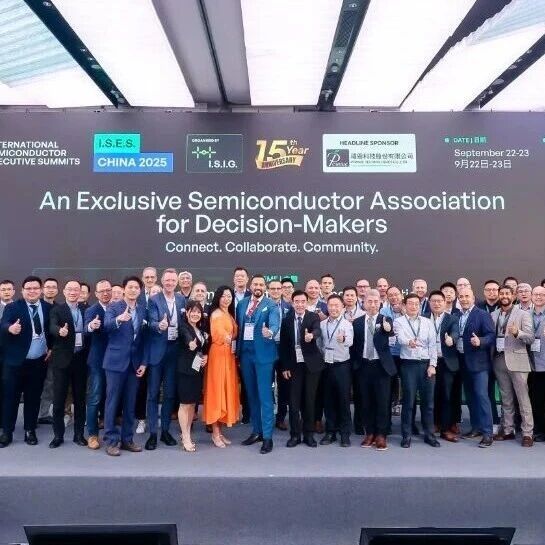
Core Insights - The International Semiconductor Executive Summit (I.S.E.S. China 2025) held in Shanghai gathered global semiconductor leaders and Chinese industry elites to discuss the future of the semiconductor industry and foster collaboration [1][2]. Group 1: Industry Trends and Challenges - The summit emphasized the importance of building a global communication bridge in the semiconductor industry, especially amidst complex geopolitical challenges [2][4]. - The rise of China's semiconductor equipment industry was highlighted, showcasing local achievements and future goals [6]. - The global semiconductor industry faces fragmentation risks due to geopolitical tensions, which could lead to increased costs and challenges in maintaining a cooperative global supply chain [7]. Group 2: Opportunities in AI and Market Expansion - AI's rapid adoption presents both opportunities and challenges for China, which could become a significant player in the AI field, despite current dependencies on U.S. technology [7]. - The summit discussed the potential for Chinese semiconductor companies to expand into the Middle East markets, which are characterized by ample funding and strong development intentions [4]. Group 3: Automotive Semiconductor Innovations - The summit featured discussions on the transformation of the automotive industry through semiconductor technology, focusing on trends in electric and intelligent vehicles [11][13]. - Bosch's advancements in silicon carbide (SiC) technology were showcased, with over 42 million SiC MOSFETs delivered to leading Chinese automakers, indicating a strong push for green energy solutions in the automotive sector [15]. - The importance of reliability and quality standards for automotive-grade chips was a key topic, with various experts discussing strategies to overcome challenges in this area [19]. Group 4: Future Directions and Innovations - The summit explored the evolution of power semiconductor technologies, including SiC and gallium nitride (GaN), and their implications for electric vehicles and industrial systems [21][22]. - The market outlook for semiconductors was optimistic, with projections indicating that the semiconductor market could reach $1 trillion by 2030, driven by innovations in GaN technology [34]. Group 5: I.S.I.G. and Industry Collaboration - I.S.I.G. aims to create a global collaboration platform for the semiconductor industry, facilitating connections among industry leaders, government agencies, and academic experts to address challenges and seize opportunities [43][44]. - The organization has gathered over 230 member companies, forming a robust ecosystem that spans the semiconductor supply chain [44].
英特尔,永远不能停下来
半导体芯闻· 2025-09-30 10:24
Core Viewpoint - The article reflects on Andy Grove's leadership at Intel, highlighting his relentless pursuit of innovation and market dominance in the semiconductor industry, particularly in the personal computer (PC) sector [2][3][4]. Group 1: Andy Grove's Leadership and Vision - Andy Grove's tenure as CEO of Intel saw the company's revenue grow nearly sixfold since 1987, reaching $11.5 billion, and becoming the leading chip manufacturer [3][4]. - Grove's strategic vision included making PCs the central hub for entertainment and communication, competing directly with television for consumer attention [5][6]. - He believed that the future of computing lay in integrating multimedia capabilities directly into PCs, reducing reliance on additional hardware [6][12]. Group 2: Market Dynamics and Competitive Strategy - Grove's strategy aimed to standardize PC designs, which could potentially alienate some of Intel's best customers and partners [7]. - He criticized Microsoft for not keeping pace with the evolving needs of consumer PCs, asserting that Intel needed to push for improvements in software to fully utilize its processors [7][12]. - Grove's initiatives included the Native Signal Processing (NSP) strategy, which sought to enhance multimedia capabilities directly through Intel's processors, bypassing traditional hardware limitations [13][14]. Group 3: Technological Innovations and Future Outlook - Intel was developing technologies like ProShare for desktop video conferencing and cable modems to enhance PC functionality and interactivity [16][17]. - Grove's focus on digital video and communications was seen as a way to make PCs more appealing and practical for consumers [15][16]. - The article discusses the potential for Intel to dominate not just the PC hardware market but also to influence the development of related products, such as gaming consoles and set-top boxes [6][12]. Group 4: Organizational Structure and Management - Grove's management style involved empowering younger engineers and delegating daily operations to COO Craig Barrett, allowing him to focus on strategic vision [19][20]. - Despite his intense focus on innovation, Grove maintained a hands-on approach to marketing strategies, emphasizing the importance of product positioning in the market [20].

高通芯片,放弃三星代工?
半导体芯闻· 2025-09-29 09:45
Core Viewpoint - Qualcomm is transitioning to TSMC's advanced 2nm N2P process for its Snapdragon 8 Elite Gen 6 and Gen 7 chipsets, moving away from the 3nm process, which indicates a significant investment in manufacturing technology [1][2]. Group 1: Technology Transition - Snapdragon 8 Elite Gen 5 is the last flagship chipset made using the 3nm process, with future models adopting the 2nm N2P process [1]. - TSMC's 2nm N2P architecture offers a 5% performance boost or a 5% reduction in power consumption at the same clock speed compared to the previous generation [2]. Group 2: Strategic Partnerships - There is uncertainty regarding Qualcomm's potential collaboration with Samsung for utilizing its 2nm GAA process, which could provide Qualcomm with better negotiation leverage for wafer pricing [2]. - Qualcomm and MediaTek reportedly paid up to 24% more for 3nm wafers, highlighting the need for a dual-sourcing strategy to mitigate rising costs as TSMC is expected to increase prices for 2nm wafers by 50% [2]. Group 3: Future Outlook - Qualcomm's strategy appears to focus on maximizing performance through increased core frequency while maintaining efficiency with the new N2P process [2]. - Samsung has completed the foundational design for its second-generation 2nm GAA process, indicating potential future opportunities for Qualcomm to collaborate with Samsung [2].



芯片法案2.0,已来?
半导体芯闻· 2025-09-29 09:45
Group 1 - The European Union (EU) member states have joined the "Semicon Coalition" led by the Netherlands to push for revisions to the EU Chips Act, emphasizing the need for a strategic adaptation to global geopolitical tensions [1] - The coalition aims to shift the focus of the Chips Act from a broad goal of achieving a 20% global market share by 2030 to more targeted objectives, including securing critical technologies, expediting approval processes, and enhancing investment in talent and funding within the semiconductor supply chain [1] - European lawmakers have called for urgent action from the EU Commission to initiate "Chips Act 2.0," stressing the need for increased investment in AI chips and other semiconductor technologies amid geopolitical tensions affecting supply chains [1][2] Group 2 - Currently, Europe produces only about 10% of the world's chips, significantly lagging behind the United States and Asian countries, which raises concerns about losing influence in the global semiconductor industry [2] - New legislation should focus on expanding R&D funding and attracting new investments to strengthen Europe's position in advanced semiconductor technologies [2]
AMD,盯上了互联
半导体芯闻· 2025-09-29 09:45
Core Insights - AMD is planning significant improvements in its Zen 6 processors through the implementation of D2D (die-to-die) interconnect technology, which has already been observed in the Strix Halo APU [1][4] - The current D2D communication method relies on SERDES PHYs, which convert parallel data streams into serial bit streams, leading to inefficiencies in energy consumption and increased latency [3][6] - The Strix Halo APU introduces a new communication method that utilizes TSMC's InFO-oS and a re-distribution layer (RDL) to enhance bandwidth and reduce power consumption and latency [5][7] Existing Interconnect Mechanism - AMD employs SERDES PHYs at the edges of CCDs for die-to-die communication, allowing high-speed serial channels to communicate across organic substrates [3] - The SERDES method incurs overhead due to serialization/deserialization processes, consuming energy and adding latency to D2D communication [3] New Method in Strix Halo - The Strix Halo APU features a redesigned communication approach for Zen 6 chiplets, utilizing short parallel wires in the RDL to eliminate the overhead associated with data flow conversion [5] - High Yield discovered a rectangular array of small solder pads in Strix Halo, indicating the implementation of Fan-Out technology and the removal of large SERDES modules [5] Improvements and Challenges of the New Method - The new Fan-Out method reduces power and latency requirements by eliminating the need for serialization/deserialization, while overall bandwidth can be increased by adding more ports on the CPU Fabric [7] - However, the complexity of multi-layer RDL design increases the difficulty of implementation, and the space occupied by Fan-Out wiring necessitates adjustments in wiring priorities [7]


英伟达下一代GPU,巨幅升级!
半导体芯闻· 2025-09-29 09:45
Core Insights - NVIDIA and AMD are competing to develop superior AI architectures, with significant upgrades planned for their next-generation products in terms of power consumption, memory bandwidth, and process node utilization [1][2] - AMD's Instinct MI450 AI series is expected to be highly competitive against NVIDIA's Vera Rubin, with both companies making substantial modifications to their designs [1][5] Group 1: AMD's Optimism and Product Comparison - AMD executive Forrest Norrod expressed optimism about the MI450 product line, likening it to AMD's transformative "Milan moment" with the EPYC 7003 series [2] - Norrod stated that MI450 will be more competitive than NVIDIA's Vera Rubin and will utilize AMD's technology stack [3] - The MI450X's TGP has increased by 200W, while Rubin's TGP has risen by 500W to 2300W, indicating a significant enhancement in performance [5] Group 2: Specifications and Technological Advancements - The MI450 is rumored to launch in 2026 with HBM4 memory, offering up to 432 GB per GPU and a memory bandwidth of approximately 19.6 TB/s, while Vera Rubin is expected to have around 288 GB per GPU and a bandwidth of ~20 TB/s [6] - AMD's dense compute performance is estimated at ~40 PFLOPS, compared to ~50 PFLOPS for NVIDIA's offering [6] - Both companies are expected to narrow the technological gap as they adopt similar technologies, including HBM4 and TSMC's N3P node [6] Group 3: D2D Interconnect Technology - AMD plans to significantly enhance its D2D interconnect technology with the upcoming Zen 6 processors, as evidenced by developments in the Strix Halo APU [7][8] - The current D2D communication method using SERDES has limitations in efficiency and latency, which AMD aims to address with new designs [10][12] - The Strix Halo utilizes TSMC's InFO-oS and redistribution layer (RDL) to improve communication between chips, reducing power consumption and latency [12][14]

苹果也要搞玻璃基板?
半导体芯闻· 2025-09-29 09:45
Group 1 - The article discusses the growing interest of Tesla and Apple in glass substrates for semiconductors, which are believed to enhance performance in AI and data centers [1][2] - Both companies recently met with manufacturers preparing glass substrate technology, indicating a potential collaboration, although no specific contracts have been established yet [1][2] - Glass substrates are seen as a key technology for improving data processing speed and significantly enhancing semiconductor and AI performance, which is why major companies like Intel, AMD, Samsung, Amazon (AWS), and Broadcom are pushing for their adoption [1] Group 2 - Tesla is focusing on high-performance semiconductors for its autonomous driving and humanoid robot initiatives, viewing glass substrates as crucial for the next generation of semiconductors [2] - There are predictions that Tesla's Full Self-Driving (FSD) chips may utilize glass substrates in the future [2] - Apple is reportedly interested in glass substrates to bolster its AI capabilities, especially in response to criticisms regarding its AI strategies [2] - Apple is collaborating with Broadcom to develop custom chips (ASICs), which may potentially incorporate glass substrates, as Broadcom is actively promoting their adoption [2]