半导体行业观察

Search documents
HBM之争,升级
半导体行业观察· 2025-10-17 01:12
Core Viewpoint - The article emphasizes the critical role of High Bandwidth Memory (HBM4) in the AI revolution, highlighting that memory bandwidth is the new bottleneck in AI data centers, rather than processing speed [1][2]. Summary by Sections HBM4 Introduction - HBM4 is a 3D stacked memory technology that promises unprecedented single-chip bandwidth, crucial for determining which companies will dominate the AI sector [2]. - The new HBM4 standard aims for a transmission speed of 8 Gbps per pin on a 2,048-bit interface, achieving a bandwidth of 2 TB/s, which is approximately double that of the current HBM3 [2]. Performance and Efficiency - HBM4 is designed with energy efficiency in mind, allowing for lower I/O and core voltages, which is essential for handling the massive data transfers required by large AI models [3]. - The ability to stack up to 16 layers with densities of 24 Gb or 32 Gb per chip means a single HBM4 module can hold data equivalent to the entire memory capacity of high-end GPUs [2][3]. Market Leaders - SK Hynix is positioned as the leader in HBM4, with a projected market share of 62% by Q2 2025, benefiting from a close partnership with Nvidia [3][4]. - The company has already delivered the first HBM4 samples and is prepared for mass production, with speeds reaching 10 GT/s, surpassing the baseline of 8 GT/s [4][7]. Competitors - Micron has made significant strides in the HBM market, achieving a 21% market share and reporting nearly $2 billion in HBM revenue by Q3 2025, driven by demand from generative AI [9][10]. - Samsung, while historically strong, has faced challenges in HBM production, particularly with HBM3E, but is now working to catch up and plans to start mass production of HBM4 in mid-2026 [11][12]. Future Outlook - The competition for HBM4 supply is not a zero-sum game; all three suppliers aim to provide high-performance memory modules for generative AI [14]. - The year 2026 is anticipated to be decisive in this memory race, with the first company to achieve mass production likely to emerge as the winner [14].



台积电惊人财报:暗藏玄机
半导体行业观察· 2025-10-17 01:12
Core Viewpoint - TSMC, the world's largest semiconductor foundry, reported that its AI-related business sales exceeded expectations, driven by the growth of Generative AI (GenAI) [1][3]. Financial Performance - For the third quarter ending in September, TSMC reported revenue of $33.1 billion, a year-over-year increase of 40.8% and a quarter-over-quarter increase of 10.1% [3]. - Net profit for the quarter reached $15.1 billion, with a quarter-over-quarter growth of 50.2% and an 18% increase from the second quarter [3]. Business Growth Drivers - TSMC's growth is attributed to two main factors: increased functionality on wafers allowing for higher fees and a recovery in wafer production following a downturn during the pandemic [5]. - The company achieved a record production of 4.085 million good wafers, with an average revenue per wafer of $8,102, a 59.2% increase from September 2022 [5]. Chip Sales Breakdown - Sales of 5nm chips grew by 62.8% to $12.25 billion, accounting for 37% of total chip revenue, while 3nm chip revenue reached $7.61 billion, a 61.9% increase, making up 23% of sales [7]. - AI inference and training chips contributed 6% to TSMC's revenue, with high-performance computing (HPC) sales reaching $18.87 billion, a 57.4% year-over-year increase [9]. Future Projections - TSMC forecasts a compound annual growth rate (CAGR) of approximately 40% for revenue driven by AI accelerators from 2024 to 2029 [9][11]. - The company estimates AI-related chip sales could reach $8.55 billion by 2029, growing at a CAGR of 45% [11]. Expansion Plans - TSMC is accelerating capacity expansion in Arizona, with plans for a second large site to support production of 2nm or more advanced processes [15]. - The company is also investing in advanced packaging facilities in the U.S. to meet local demand, collaborating with a major outsourcing partner [19].

初创公司指责苹果英伟达窃取芯片技术
半导体行业观察· 2025-10-17 01:12
公众号记得加星标⭐️,第一时间看推送不会错过。 来 源: 内 容 编译自 lightreading 。 洛佩兹先生的手指悬停在他那台高速运转的笔记本电脑的键盘上方,如同致命武器。只需轻轻一按, 他就能禁用一项最近被嵌入数百万台设备芯片的通信技术。洛佩兹是SpectralDSP的首席执行官,也 是该公司的拥有者和开发者。他声称,这项技术被一些全球知名的科技公司窃取并嵌入到他们的产品 中,这起案件将是有史以来最大的刑事盗用案之一。 牵强附会?这是洛佩兹本人在针对苹果和英伟达的知识产权 (IP) 执法程序启动后接受采访时使用的 术语。苹果和英伟达是两家巨头公司,而洛佩兹现在指控其他公司窃取知识产权。即使这就像大卫对 抗多个歌利亚,如果不是 SpectralDSP 声称拥有的"终止开关",这篇关于知识产权滥用指控和例行 诉讼的文章也不会那么引人注目。洛佩兹知道这听起来令人难以置信。 在社交媒体时代,洛佩兹和他的公司在网上几乎找不到任何踪迹。SpectralDSP 甚至没有维护自己的 网站。 幻想或许是解释之一,但细节值得认真分析。尽管鲜为人知,但洛佩兹于2018年创立的这家初创公司 却有着令人印象深刻的血统。其最著名 ...


安世被禁,欧洲车厂预警
半导体行业观察· 2025-10-17 01:12
公众号记得加星标⭐️,第一时间看推送不会错过。 来 源: 内容来自半导体行业观察综合 。 一家鲜为人知的芯片供应商威胁要引发连锁反应,可能导致全球汽车生产线停止。 上周,汽车制造商及其供应商收到芯片制造商 Nexperia 的通知,由于中国和荷兰政府之间的争端, 该公司无法再保证芯片的交付。 代表通用汽车、丰田、大众、现代和几乎所有其他主要汽车制造商的汽车创新联盟警告称,芯片供应 中断可能会迅速扰乱美国汽车生产。 该组织首席执行官约翰·博泽拉表示:"如果汽车芯片的出货不能迅速恢复,美国和许多其他国家的汽 车生产将会受到干扰,并对其他行业产生溢出效应。" 与此同时,据知情人士透露,欧洲汽车制造商正在召开紧急会议,以应对可能在一个月内发生的潜在 停产。 德国电气和数字行业协会 ZVEI 主席沃尔夫冈·韦伯表示:"如果政治层面的局势不能迅速得到解决, 全球大部分汽车生产和许多其他工业部门都有可能陷入停滞。" 中国"坚决反对"荷兰接管 荷兰政府援引冷战时期的一项法律,以国家安全为由接管了这家总部位于荷兰的电子元件公司。 这一不同寻常的决定在半导体这一地缘政治敏感领域引发了质疑。 中国商务部发言人何咏前周四回应称:"中 ...

垂直GaN,迎来新玩家
半导体行业观察· 2025-10-16 01:00
Core Insights - Vertical Semiconductor Inc. has completed a $11 million seed funding round to address power delivery bottlenecks in AI data centers [1] - The company, a spinoff from MIT's Palacios Group, focuses on developing vertical GaN transistors that outperform traditional silicon chips [1][2] Funding and Company Background - The funding round was led by Playground Global, with participation from Jimco Technology Ventures, Milemark-Capital, and Shinetsu [1] - Vertical Semiconductor aims to enhance the efficiency and performance of AI workloads in data centers by utilizing vertical GaN technology [2] Technology and Innovation - Vertical GaN transistors offer superior thermal management and can handle higher densities compared to lateral designs, improving heat dissipation and surge protection [2] - The technology allows for more transistors to be packed into a single chip, supporting higher voltages and enhancing performance [1][2] Market Need and Impact - AI data centers face power delivery challenges that hinder their ability to support advanced workloads, which Vertical aims to resolve [2] - The company's technology could potentially increase data center efficiency by up to 30% while halving power consumption [2] Development and Future Plans - Vertical has demonstrated its technology using standard CMOS manufacturing methods on eight-inch wafers, indicating compatibility with existing data centers [3] - The company plans to provide packaged device samples to early customers by the end of this year and aims to launch fully integrated solutions by the end of 2026 [3]
斥资9.5亿,芯原宣布收购
半导体行业观察· 2025-10-16 01:00
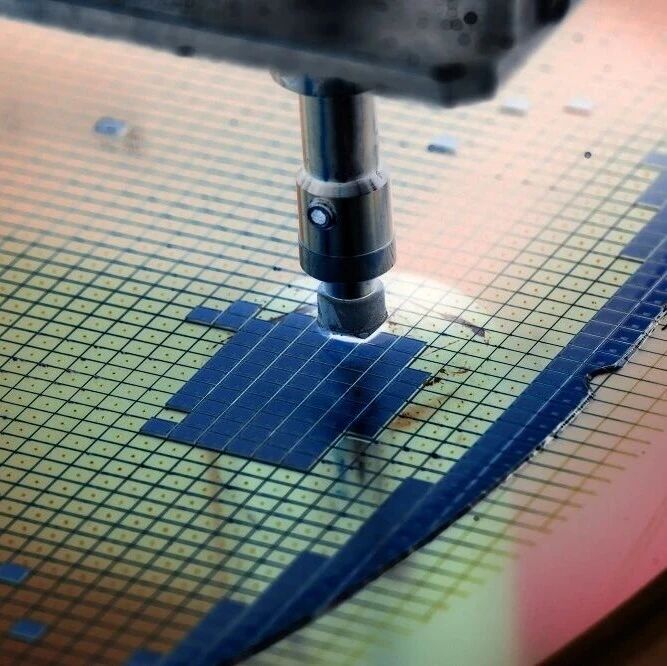
Core Viewpoint - Chip Original intends to acquire 100% equity of Zhudian Semiconductor for a transaction price not exceeding 950 million yuan, which will enhance its competitive edge in the AI ASIC market [2][5][9]. Group 1: Transaction Details - The acquisition will be conducted through a special purpose company, Tian Sui Xin Yuan, with Chip Original holding a 40% stake, funded by a combination of its own funds and external financing [7][9]. - Zhudian Semiconductor is a subsidiary of Pixelworks, which holds 78.14% of its shares, and the acquisition is expected to be completed by the end of 2025 [5][8][9]. - The market value of Zhudian Semiconductor's 100% equity is estimated between 1.01 billion to 1.04 billion yuan, with the agreed transaction value set at 950 million yuan [8]. Group 2: Strategic Impact - The acquisition is expected to create synergies that will strengthen Chip Original's technological advantages in visual processing, enhancing its competitiveness in both edge and cloud AI ASIC markets [5][15]. - The combination of Chip Original's image pre-processing IP and Zhudian Semiconductor's image post-processing IP will provide a comprehensive image processing solution for mobile clients [15][16]. - Zhudian Semiconductor's advanced technologies in image quality optimization and AI image enhancement will complement Chip Original's existing capabilities, particularly in the fields of AI smartphones and other AI-enabled devices [13][15]. Group 3: Market Position and Technology - Zhudian Semiconductor has successfully entered the supply chains of major global smartphone brands and holds over 80% market share in the 3LCD projector chip sector [12][16]. - The company is recognized for its advanced circuit design and image processing algorithms, which are critical for enhancing visual quality in mobile devices [13]. - The recent launch of a spatial media technology platform by Zhudian Semiconductor integrates AI with 3D reconstruction algorithms, aiming for applications in data centers, cloud gaming, and more [17].


国产EDA的AI进程究竟到哪一步了
半导体行业观察· 2025-10-16 01:00
Core Insights - The article emphasizes that AI will be a core driving force of the fourth industrial revolution, aiming for over 70% penetration of smart terminals and intelligent systems by 2027 [1] - The semiconductor industry is highlighted as a primary beneficiary, with a need for advancements in computing power, storage, networking, and power supply [1] Group 1: AI and Semiconductor Industry - AI hardware development has led to a trend towards system-level solutions, with Chiplet advanced packaging and heterogeneous integration becoming essential for sustaining computing power growth [3] - Major companies like NVIDIA, AMD, and Broadcom are adopting Chiplet technology, while systems like NVIDIA's NVL72 and Huawei's Ascend 384 are pushing performance boundaries through advanced interconnect technologies [3] Group 2: EDA (Electronic Design Automation) Transformation - EDA companies are expanding their capabilities beyond traditional chip design to include multi-physics simulation and system analysis, indicating a shift towards integrated design processes [4] - Recent acquisitions by major EDA firms aim to create a complete design chain from chip to system, addressing the challenges posed by AI hardware design [4] Group 3: Domestic EDA Developments - Domestic EDA companies like Chip and Semiconductor are recognized for their expertise in Chiplet, packaging, and multi-physics simulation, positioning them advantageously in the market [5] - Chip has received accolades for its achievements in PCB design simulation, serving numerous high-speed system design clients over the past decade [5] Group 4: AI Integration in EDA - The introduction of AI into EDA processes is transforming traditional design methodologies, enhancing design efficiency and reducing validation cycles [8] - Collaborations between EDA firms and AI companies, such as Cadence and NVIDIA, are leading to significant improvements in chip design and simulation efficiency [8] Group 5: Upcoming Events and Industry Collaboration - The upcoming Chip and Semiconductor User Conference on October 31 will focus on the integration of AI and EDA, featuring discussions on key technological breakthroughs [10] - The conference aims to foster collaboration among various stakeholders in the semiconductor industry, emphasizing the importance of AI in driving innovation and self-reliance in technology [10]
台积电2nm大涨价,客户转向三星?
半导体行业观察· 2025-10-16 01:00
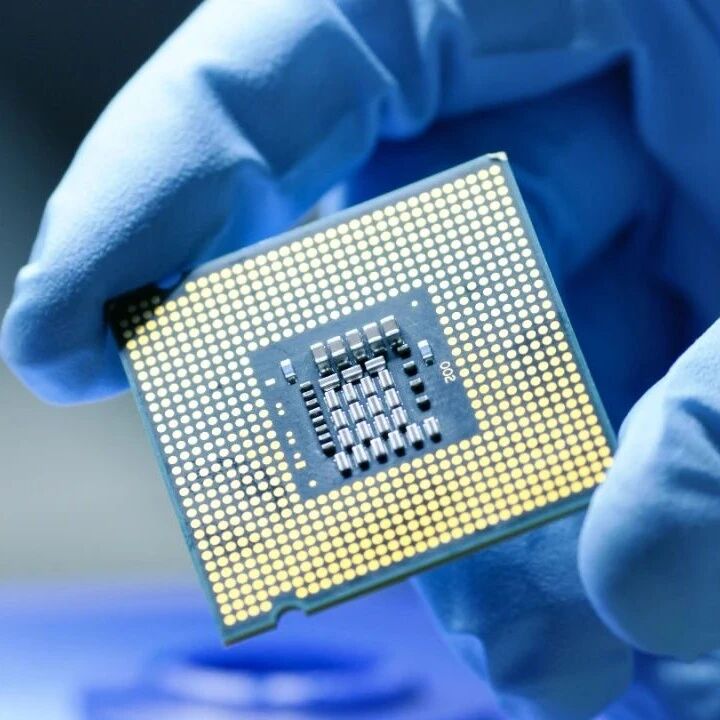
Core Viewpoint - TSMC plans to increase the production price of its next-generation 2nm semiconductor process by approximately 50% compared to the previous generation, leading to resistance from major clients like Qualcomm and MediaTek [1][2] Group 1: Pricing Strategy and Client Reactions - Qualcomm's profitability has improved due to TSMC's price increase for its existing 3nm chip foundry services, prompting Qualcomm to consider diversifying its production to Samsung Electronics [1] - MediaTek anticipates a 24% increase in chip prices due to rising production costs associated with TSMC's 3nm process, directly impacting the profitability of both Qualcomm and MediaTek [1] - Qualcomm's CEO has indicated that the company is exploring multiple foundry partnerships, hinting at Samsung as a potential secondary partner due to TSMC's pricing strategy [2] Group 2: Production Challenges and Cost Disparities - TSMC's factory in Arizona faces challenges in personnel and equipment optimization, resulting in production costs that are higher than those at its Taiwan facilities, with estimates suggesting a cost difference of at least 30% for the 4nm process and potentially up to 50% for the 2nm process [2] - The production cost inefficiencies at TSMC's U.S. facility could undermine its traditional competitive advantage in cost efficiency [2] - Samsung's established operations in Texas provide it with a lower risk profile compared to TSMC, as Samsung has been operating foundries in the U.S. for over 20 years and has built a cooperative ecosystem with local companies [3]
苹果iPhone Air拆解:值得买吗?
半导体行业观察· 2025-10-16 01:00
Core Viewpoint - The article discusses the launch of Apple's new iPhone Air, highlighting its design choices aimed at achieving a balance between thinness and battery life, while also noting the trade-offs made in terms of features and increased production costs [2][10][20]. Design and Specifications - The iPhone Air is the thinnest iPhone to date at 5.6 mm, with a 7% reduction in area, 28% reduction in thickness, and 17% reduction in weight compared to the iPhone 16 Plus, while maintaining similar battery life [4][10]. - The battery design has changed to an irregular shape to maximize surface area, and it uses silicon for the anode instead of traditional graphite, allowing for efficient power supply in a smaller size [8][10]. Battery and Cost Analysis - The battery cost for the iPhone Air is estimated at $22, which is 2.8 times higher than that of the iPhone 16 Plus, reflecting the increased complexity of its design [10][16]. - The estimated cost of the base model (256GB) of the iPhone Air is approximately $539, with a cost ratio of 54%, similar to the iPhone 16 Plus [16]. Feature Reductions and Integration - To accommodate the larger battery and reduce power consumption, several features were removed, including reducing the rear camera from two to one and eliminating the physical SIM card slot [12][14]. - The layout of components has been altered, with electronic parts consolidated to the top of the device, and improvements made to Apple's semiconductor designs to reduce overall power consumption [14][16]. Market Strategy - Apple has increased the base storage of the iPhone Air to 256GB, priced at $999, effectively discontinuing the lower-margin 128GB model to secure higher profits [17]. - The article notes that while the iPhone's performance has improved, the physical size has generally increased over the past five years, with the new Air model catering to consumer demand for a lighter and thinner device [20]. Technological Innovation - The article suggests that the iPhone Air represents limited technological innovation in hardware, with Apple lagging in software advancements, particularly in the integration of generative AI [20].

突然,三星或解散1c DRAM工作组
半导体行业观察· 2025-10-16 01:00
Core Viewpoint - Samsung Electronics is considering disbanding its special task force aimed at improving the yield of its 10nm sixth-generation (1c) DRAM to prioritize mass production of HBM4 for NVIDIA within the year [1][2][3] Group 1: Samsung's Strategy and Market Position - Samsung aims to enter NVIDIA's supply chain quickly, even if the yield of 1c DRAM is not immediately achieved, to secure market share [1][3] - The task force, consisting of 400 to 500 core members from the memory department, was established to enhance the yield of the next-generation DRAM [1][2] - Samsung's decision to focus on HBM4 production comes as it seeks to recover from a market position where it ranks third behind SK Hynix and Micron in HBM market share [3][4] Group 2: Technical Challenges and Yield Issues - The development of 1c DRAM faces significant challenges, with reports indicating that it failed to achieve a 50% yield in cold testing, which is below the typical mass production standard of 60% [2][3] - Although 1c DRAM for mobile applications achieved an 80% yield in cold testing, the demand in that sector is lower compared to HBM [2][3] Group 3: Future Product Development - Samsung has set a target bandwidth of over 3TB/s for its seventh-generation HBM4E, with plans for mass production by 2027 [5][6] - The company aims to increase the pin speed to over 13Gbps, which is 2.5 times that of the current fifth-generation memory (HBM3E) [5][6] - Samsung's HBM4E is expected to have energy efficiency more than double that of HBM3E, which currently stands at 3.9 picojoules/bit [5] Group 4: Competitive Landscape - SK Hynix currently holds a 62% share of the HBM market, while Micron has 21% and Samsung has dropped to 17% [3] - The competitive landscape is intensifying as NVIDIA demands higher bandwidth for HBM4, pushing Samsung to enhance its product specifications [6][7]