半导体行业观察

Search documents
英伟达“误伤”一颗芯片
半导体行业观察· 2025-09-26 01:11
Core Viewpoint - The strategic alliance between NVIDIA and Intel aims to integrate AI-accelerated computing with the advantages of the x86 ecosystem, focusing on the NVLink technology architecture, which poses a significant challenge to the long-dominant PCIe standard [2][3] Group 1: NVLink vs PCIe - NVLink offers several times the bandwidth and lower latency compared to PCIe, making it superior for AI training and large-scale computing, thus threatening the PCIe technology route [2][3] - Intel's embrace of NVLink is symbolically significant, indicating a potential restructuring of CPU and GPU interconnect paradigms, which may impact the Retimer chip market that relies on PCIe [2][3] Group 2: Retimer Chips - Retimer chips are essential for addressing signal integrity issues in PCIe connections, especially as data transfer rates increase with newer PCIe versions [5][6] - The demand for Retimer chips is expected to rise significantly due to the expansion of cloud computing and AI servers, where multiple GPUs are used, necessitating 8 to 16 Retimer chips per AI server [10][11] Group 3: Market Dynamics - The Retimer chip market is characterized by a "duopoly" led by AsteraLabs and Lanqi Technology, with competition from traditional analog giants and other players [12][13] - The global PCIe Retimer chip market is projected to reach $1.8 billion by 2025, driven by the increasing need for high-speed interconnects in AI and server applications [15] Group 4: Impact of NVIDIA and Intel Alliance - The collaboration between NVIDIA and Intel may disrupt the Retimer chip market, as NVLink's superior bandwidth and lower latency could reduce the need for signal compensation chips [17][19] - If Intel's CPUs begin to support NVLink, it could accelerate the adoption of NVLink as a standard, further diminishing the role of Retimer chips in the ecosystem [19][20] Group 5: Future Outlook - Despite the potential challenges posed by NVLink, Retimer chips may still hold value in scenarios where long-distance transmission and complex topologies are involved, ensuring data integrity in non-GPU device interconnections [23]


汽车芯片,增长速度惊人
半导体行业观察· 2025-09-26 01:11
Core Viewpoint - The automotive semiconductor market is projected to grow from $68 billion in 2024 to $132 billion by 2030, with a compound annual growth rate (CAGR) of 10%, significantly outpacing the automotive market's growth rate of 2% during the same period [2][6]. Group 1: Market Dynamics - The top five companies control half of the automotive semiconductor market, with Infineon expected to exceed $8 billion in automotive revenue in 2024, followed by NXP and STMicroelectronics [2]. - U.S. companies dominate advanced computing, analog, and storage sectors, holding a 36% market share [2]. - Chinese suppliers are rapidly advancing in cockpit, ADAS, and power SiC sectors, supported by national policies [2]. Group 2: Industry Trends - Original Equipment Manufacturers (OEMs) like Tesla, BYD, and NIO are vertically integrating, disrupting traditional supply chains [2][6]. - TSMC and Samsung maintain control over automotive nodes below 16nm and will fully allocate capacity by 2027 [2]. - The shift towards software-defined electronic platforms in vehicles is accelerating, as evidenced by the disparity in growth rates between the automotive and automotive chip markets [2]. Group 3: Competitive Landscape - The global competitive landscape is shifting, with U.S. and European firms leveraging scale, intellectual property depth, and established OEM relationships to maintain leadership [6]. - Chinese companies are actively building capabilities to ensure a self-sufficient semiconductor ecosystem, driven by national support [6]. - Challenges such as geopolitical risks, AI-driven computing demands, and the transition to centralized vehicle platform architectures will test supply chain resilience [6].




互联技术扛起大旗,国产化闭环近了?
半导体行业观察· 2025-09-26 01:11
Core Viewpoint - The event "Networking for AI" highlighted the progress of the domestic AI computing power industry chain and emphasized the importance of collaboration among industry players to achieve a closed-loop ecosystem for AI computing power in China [1][3][6]. Group 1: Event Overview - The "Networking for AI" ecosystem salon was successfully held in Shanghai, focusing on the theme of achieving a closed-loop in the domestic AI computing power industry chain [1]. - Key industry players and technical experts from companies like China Mobile, Tencent Cloud, and others participated, showcasing advancements from computing chips to algorithm models and computing services [1][3]. Group 2: Industry Insights - The East China Branch of the China Academy of Information and Communications Technology emphasized the need for technological innovation, improved computing power scheduling systems, and deeper application integration to enhance the quality of the AI computing power industry in Shanghai [3]. - The shift from hardware procurement to ecosystem adaptation and co-construction in intelligent computing centers is crucial for overcoming domestic computing power bottlenecks [4][6]. Group 3: Technological Developments - The article discusses the significance of interconnect technology in AI infrastructure, highlighting its role in enhancing model performance and reducing costs [6][7]. - NVIDIA's advancements in interconnect technology, such as NVLink, are noted as strategic pillars for GPU communication, with high bandwidth capabilities [7][10]. Group 4: Collaborative Initiatives - The OISA (Open Intelligent Sensing Architecture) initiative aims to break traditional bandwidth and latency bottlenecks, facilitating large-scale deployment of AI computing clusters [14][15]. - Major companies like China Mobile and Xinhua San are collaborating to promote the integration of computing power and interconnect technology, with the OISA 2.0 protocol supporting up to 1024 AI chips and achieving TB/s bandwidth [14][15]. Group 5: Future Outlook - The demand for AI computing power is shifting from individual intelligence to collective intelligence, making interconnect technology increasingly vital for enhancing computing density and performance [18]. - The article concludes that the ability to effectively interconnect domestic computing power will be a key factor in winning the AI infrastructure competition in the coming years [18].
中国大陆疯抢芯片设备
半导体行业观察· 2025-09-26 01:11
Group 1 - The global semiconductor manufacturing equipment spending is projected to reach $33.07 billion in Q2 2025, representing a 23% increase compared to Q2 2024 [2] - Mainland China's spending is the highest at $11.36 billion, accounting for 34% of total spending, but it has decreased by 7% compared to the previous year [2] - Taiwan's spending is the second highest at $8.77 billion, with a significant growth of 125% year-over-year, driven mainly by TSMC's capital expenditure increase of 62% in the first half of 2025 [2] - South Korea ranks third with spending of $5.91 billion, showing a year-over-year growth of 31% [2] Group 2 - North America experienced the fastest growth in semiconductor equipment spending in 2024, with Q4 spending reaching $4.98 billion, a 163% increase from Q1 2024 [4] - However, North America's spending is projected to decline to $2.93 billion in Q1 2025, a 41% decrease from Q4 2024, and further drop to $2.76 billion in Q2 2025 [5] - The decline in spending is attributed to delays in planned wafer fabrication plant constructions, including Intel's Ohio facility completion pushed from 2025 to 2031 [5] Group 3 - Japan's semiconductor equipment spending in Q2 2025 is projected to be $2.68 billion, reflecting a 66% increase compared to the same period in 2024 [5] - Europe is expected to see a decline in spending to $0.72 billion, down 23% year-over-year, while the rest of the world (ROW) is projected to decrease by 28% to $0.87 billion [5] Group 4 - The total semiconductor capital expenditure (CapEx) for 2025 is forecasted to be $160 billion, a 3% increase from $155 billion in 2024 [6] - Intel anticipates its 2026 CapEx to be lower than the expected $18 billion for 2025, while Micron plans to increase its spending in the 2026 fiscal year [6] - TSMC's CapEx for 2025 is estimated to be between $38 billion and $42 billion, with projections for 2026 to rise to $45 billion and $50 billion in 2027 [6] Group 5 - The CHIPS Act, passed in 2022, aims to promote the development of the U.S. semiconductor manufacturing industry, with $30 billion in funding expected to be allocated soon [7] - The U.S. government has invested $8.9 billion in Intel, acquiring a 9.9% stake, with part of the funding coming from the CHIPS Act [7] - There are considerations for the U.S. government to take equity stakes in other companies receiving funds from the CHIPS Act, indicating potential modifications to the original legislation [7]


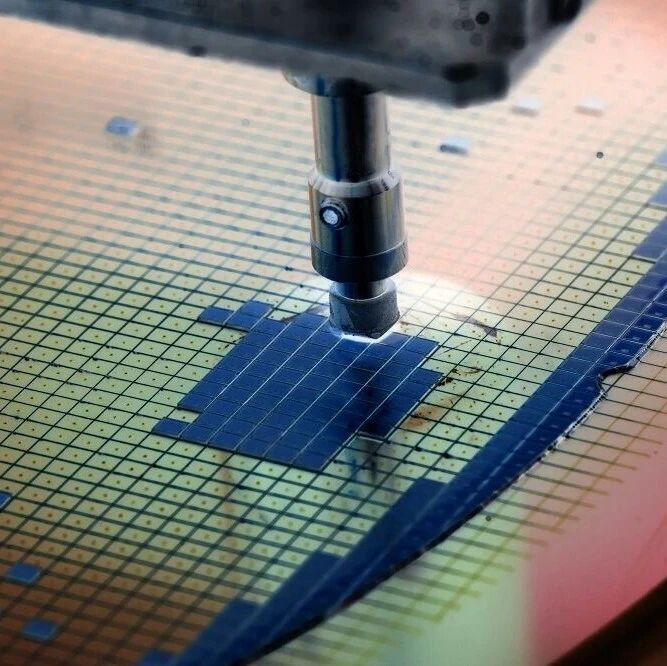
台积电分享在封装的创新
半导体行业观察· 2025-09-26 01:11
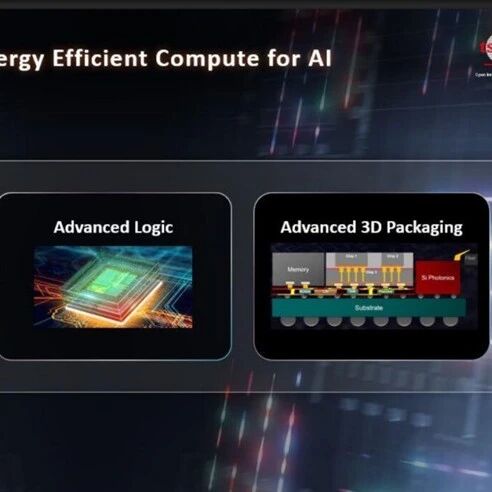
Core Insights - The proliferation of artificial intelligence (AI) is driving exponential growth in power demand across various sectors, from large-scale data centers to edge devices, injecting new vitality into everyday applications [2] - Energy efficiency is crucial for the sustainable growth of AI, as the power consumption of AI accelerators has tripled in five years, and deployment scale has increased eightfold in three years [4] Group 1: TSMC's Strategic Focus - TSMC is prioritizing advanced logic and 3D packaging innovations to address the challenges posed by increasing power demands [6] - The roadmap for TSMC's logic scaling is robust, with N2 expected to enter mass production in the second half of 2025, and N2P planned for next year [6] - Enhancements from N3 and N5 continue to increase value, with speed improvements of 1.8 times and power efficiency improvements of 4.2 times from N7 to A14, while power consumption decreases by approximately 30% per node [6] Group 2: Technological Innovations - N2 Nanoflex DTCO has optimized high-speed, low-power dual-unit designs, achieving a 15% speed increase or a 25-30% reduction in power consumption [8] - Dual-rail SRAM combined with Turbo/Nomin mode has improved efficiency by 10%, while memory computing (CIM) technology offers 4.5 times TOPS/W and 7.8 times TOPS/mm² performance compared to traditional 4nm DLA [9] - AI-driven design tools, such as Synopsys' DSO.AI, enhance power efficiency by 7% in the APR process and 20% in analog design integration with TSMC's API [9] Group 3: Packaging and Integration Advances - TSMC's 3D Fabric technology has shifted towards 3D packaging, including SoIC for die stacking and InFO for mobile/HPC chipsets [9] - The efficiency of 2.5D CoWoS has improved by 1.6 times with a reduction in micro-bump pitch from 45µm to 25µm, while 3D SoIC shows a 6.7 times efficiency improvement [10] - HBM integration technology has advanced, with TSMC's N12 logic substrate providing 1.5 times the bandwidth and efficiency of HBM3e DRAM substrates [12] Group 4: Overall Efficiency Gains - The effectiveness of Moore's Law remains evident, with logic scaling from N7 to A14 achieving a 4.2 times efficiency increase, and CIM technology improving by 4.5 times [17] - Packaging efficiency has improved by 6.7 times from 2.5D to 3D, while photonic technology has enhanced efficiency by 5-10 times [17] - AI has significantly boosted production efficiency, with improvements ranging from 10 to 100 times in various processes [17]
一颗芯片的3万公里之旅
半导体行业观察· 2025-09-26 01:11
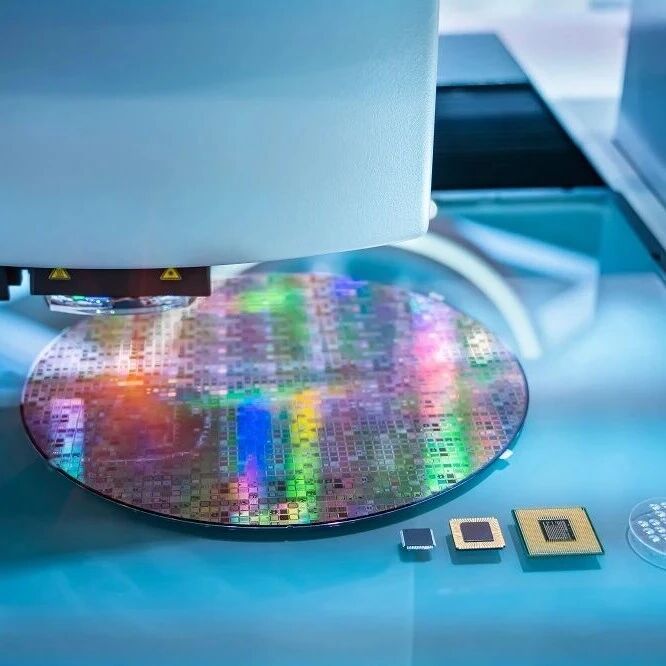
Core Insights - The article outlines the complex journey of smartphone processors from raw materials to finished products, highlighting the intricate processes involved in the semiconductor industry [2][4][6][8][10][12][13][15]. Group 1: Raw Material Extraction and Initial Processing - The journey begins at the Mina Serrabal quartz mine in Spain, where quartz is extracted and sorted by size before being transported to a processing facility [4]. - At the Sabón factory in La Coruña, Spain, quartz is mixed with dehydrated wood chips and heated in electric arc furnaces to produce metallurgical silicon [6]. Group 2: Purification and Crystal Growth - The metallurgical silicon, initially 98% pure, is sent to Wacker Chemie in Germany for further purification, achieving a purity of 99.9999999% through a series of chemical reactions [8]. - The purified silicon is then transported to GlobalWafers in Texas, where it undergoes the Czochralski process to create single-crystal silicon ingots [10]. Group 3: Wafer Fabrication - The silicon wafers are sent to TSMC's Fab 18 in Taiwan, where they are processed into advanced smartphone processors using cutting-edge equipment, including EUV lithography systems [12]. - The fabrication process involves multiple steps, including etching, chemical reactions, and metal deposition, resulting in wafers populated with identical processors [12]. Group 4: Packaging and Assembly - The processed wafers are then sent to ASE in Penang, Malaysia, for packaging, which provides mechanical protection and thermal management for the chips [13]. - Finally, the packaged chips are transported to a new Foxconn assembly plant in Bangalore, India, where they are integrated with other components to produce iPhones, with an expected annual output of 25 million units [15].


英特尔还在探求台积电的投资
半导体行业观察· 2025-09-26 01:11
来源 : 内容 编译自wsj 。 英特尔首席执行官陈立武(Lip-Bu Tan)一直在努力争取芯片制造商复苏所需的投资和客户承诺。英特 尔就投资或制造合作事宜进行过接触的公司包括苹果和台积电。 据知情人士透露,在特朗普总统上个月对该公司表现出兴趣之前,这些努力就已经在进行中,但自从 美国收购了该公司 10% 的股份后,这些努力就加速了。 特朗普政府一直在利用其影响力帮助英特尔重振颓势。几个月来,美国商务部长霍华德·卢特尼克 (Howard Lutnick)和其他政府官员一直在敦促科技公司与英特尔加强合作。英特尔曾长期保持全 球最大半导体公司的头衔,后来被台积电等公司抢占。 公众号记得加星标⭐️,第一时间看推送不会错过。 尔董事长弗兰克·耶里(Frank Yeary)就曾敦促公司剥离芯片制造业务。英特尔表示,正在设计和制 造业务之间建立一道防火墙,以鼓励那些自行设计芯片的客户委托英特尔代工。 一系列头条新闻已经让投资者和科技界同行们越来越觉得,在人们普遍渴望更多元化、更强劲的芯片 供应的推动下,英特尔可能会摆脱昔日的辉煌,重回市场。英特尔股价周四上涨8.9%,收于一年多 以来的最高水平。但围绕英特尔能否满足客户 ...

雷军:芯片是小米走向成功的必由之路
半导体行业观察· 2025-09-25 11:59
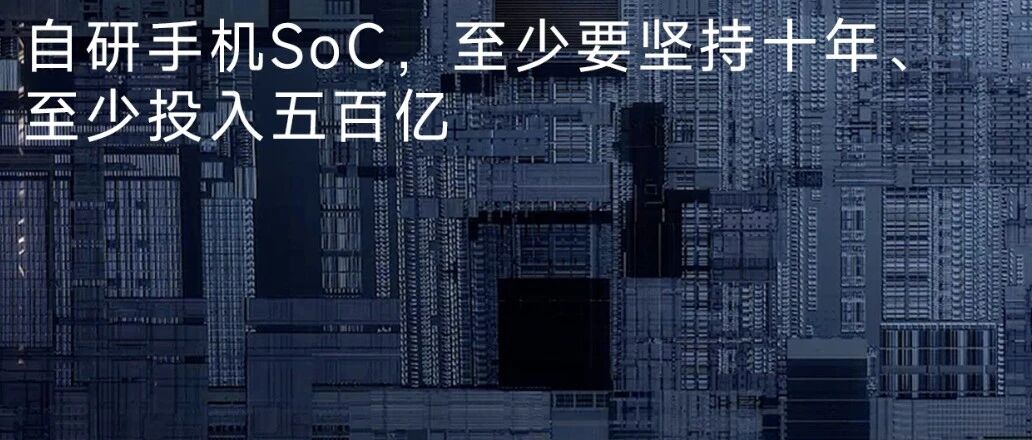
Core Viewpoint - Xiaomi's journey in chip development has been marked by both ambition and challenges, with a renewed commitment to self-developed chips being crucial for the company's future success [1][2][4]. Group 1: Chip Development History - Xiaomi began its chip development journey in 2014, launching its first self-developed SoC, Surge S1, in 2017, which sold over 600,000 units [1]. - In 2018, Xiaomi made the difficult decision to halt SoC development and focus on smaller chips due to the challenges faced [1]. - The failure of the Surge project led to reflections on the need to target high-end markets for self-developed chips, as seen with competitors like Huawei and Apple [1]. Group 2: Strategic Decisions and Challenges - The complexity and cost of chip development have significantly increased, with estimates of requiring ten years and $50 billion for a successful SoC [2]. - In early 2021, Xiaomi restarted its chip journey by establishing the "Xuanjie" team, but faced significant revenue challenges shortly after [2][3]. - A critical meeting in May 2022 led to a consensus to continue chip development despite financial pressures, emphasizing the long-term vision over short-term gains [3]. Group 3: Commitment to Chip Development - Xiaomi's leadership expressed strong support for continuing chip development, viewing the investment as essential for building a robust R&D team, regardless of the outcome [4]. - By early 2024, the self-developed chip "Xuanjie O1" was successfully taped out using advanced 3nm technology, boosting confidence within the team [4]. - The success of the Xuanjie O1 is seen as just the beginning, with the company acknowledging the long road ahead in achieving ultimate success in chip development [5].

长存集团,完成股改
半导体行业观察· 2025-09-25 03:35
Core Viewpoint - The establishment of Changjiang Storage Technology Holding Co., Ltd. marks the completion of its shareholding reform and an upgrade in corporate governance structure [2] Group 1: Investment and Financing - In April 2025, Yangyuan Beverage announced an investment of 1.6 billion in Changjiang Storage through its subsidiary, with 15 other institutions participating in the financing [2] - The total financing amount for Changjiang Storage has exceeded 10 billion, indicating strong institutional interest and a diversified shareholder base [2] Group 2: Business Ecosystem and Technical Strength - Changjiang Storage has developed a collaborative industrial ecosystem encompassing flash memory manufacturing, wafer foundry, packaging and testing, industrial investment, park operations, and innovation incubation [3] - The company has become a significant driving force in China's semiconductor industry, with its subsidiary Changjiang Storage being the only domestic 3D NAND manufacturer [3] Group 3: Product Innovations - The first product based on the Xtacking 4.0 architecture is a single-die 512Gb TLC product, set to be mass-produced in the first half of 2024, featuring a 50% increase in IO speed and over 48% improvement in storage density [4] - The second product, a 1Tb single-die TLC, also achieves a 50% increase in IO speed and a 36% improvement in storage density compared to the previous generation [4] - The third product is a 2Tb QLC storage solution, with a 42% increase in density and a throughput improvement of 147% [5] Group 4: Market Position and Future Outlook - Changjiang Storage has entered the Hurun Research Institute's "2025 Global Unicorn List" with a valuation of 160 billion, ranking 9th in China and 21st globally [5] - The company plans to continue leveraging its Xtacking architecture and collaborate with global partners to drive advancements in storage technology [6]
2nm涨价50%?台积电回应
半导体行业观察· 2025-09-25 03:35
Core Viewpoint - TSMC's upcoming 2nm process may see a price increase of 50% due to "semiconductor inflation," but industry experts question the validity of this claim, suggesting it may be misinformation [2][3] Group 1: Price Increase Speculation - TSMC has not confirmed any price increase for the 2nm process, stating that its pricing strategy is based on value rather than opportunism [2] - The report from Wccftech indicates that TSMC's significant capital expenditures for advanced processes may necessitate strong pricing to maintain investment returns amid semiconductor inflation [2] - Following the news, TSMC's ADR rose over 3% on the 23rd, but faced selling pressure the next day, reflecting market skepticism about the price hike [2] Group 2: Technical Advancements - TSMC's 2nm technology is expected to outperform previous nodes, with a projected 10% to 15% speed increase at the same power level, or a 25% to 30% reduction in power consumption at the same speed [3] - The company anticipates that the number of product designs using 2nm technology in the first two years will exceed that of 3nm and 5nm processes [3] - TSMC plans to begin mass production of the 2nm process in the second half of 2025, with a production curve similar to that of the 3nm process [3]