半导体行业观察

Search documents
攻破CUDA护城河,英伟达挑战者融资18亿
半导体行业观察· 2025-09-25 03:35
公众号记得加星标⭐️,第一时间看推送不会错过。 来源 : 内容来自半导体行业观察综合 。 人 工 智 能 初 创 公 司 Modular Inc. 今 天 表 示 , 其 在 第 三 轮 融 资 中 筹 集 了 2.5 亿 美 元 ( 约 18 亿 人 民 币),公司估值达到 16 亿美元。 此轮融资由 Thomas Tull 的美国创新科技基金领投,DFJ Growth 跟投。所有现有投资者均参与了此 轮融资,包括 Google Ventures、General Catalyst 和 Greylock Ventures。此轮融资使该公司的融 资总额达到 3.8 亿美元。 Modular 成立于 2022 年,它提供了一个平台,允许开发人员在不同的计算机芯片(包括中央处理 器、图形处理单元、专用集成电路和定制硅片)上运行 AI 应用程序,而无需重写或迁移代码。 在过去三年中,该公司构建了一个软件基础设施层和一种专门的编程语言,旨在让企业能够在多种芯 片和服务器上部署人工智能模型。 Modular 认为,通过赋予企业更多硬件选择自由,可以打破供应商锁定,从而有机会打破这种锁定。 其平台已经支持 Nvidia、A ...



传苹果也将投资英特尔
半导体行业观察· 2025-09-25 03:35
Core Insights - Intel is in discussions with Apple for potential investment to revitalize the struggling chip manufacturer, which is partially owned by the U.S. government [2] - Intel's stock rose by 6.4% to $31.22 following news of the discussions, while Apple's stock fell slightly by less than 1% to $252.31 [2] - Nvidia recently announced a $5 billion investment in Intel, and SoftBank also invested $2 billion, indicating growing interest in Intel's recovery [2] - Despite being a long-term customer, Apple has shifted towards in-house chip development, making it unlikely to revert to using Intel processors [2] Investment and Market Dynamics - Intel's CEO is attempting to revive the company with federal support, as the U.S. government acquired about 10% of Intel's shares [3] - The company faces significant challenges, having lost its technological edge and market share to competitors like AMD, and struggling to capitalize on the AI boom [3] - Since receiving government funding, Intel's stock has increased by over 60% since early August [3] Strategic Direction - Under CEO Pat Gelsinger, Intel aims to transform into a foundry service for external clients, but has struggled to attract enough customers to support its expansion plans [3] - Intel is cautiously pursuing a new advanced manufacturing technology, contingent on customer agreements [4] - Apple's historical relationship with Intel has been complex, with Apple gradually moving away from Intel chips since 2020 as part of a broader strategy to use more in-house components [4] Broader Industry Context - Apple announced plans to invest $600 billion in domestic projects over four years, up from a previous commitment of $500 billion, which includes a $2.5 billion investment in Corning [4] - Apple's CEO expressed that increased competition in the chip foundry sector, including Intel's resurgence, would be beneficial [4]



涨疯了的芯片,还能持续吗?
半导体行业观察· 2025-09-25 03:35
Core Viewpoint - The semiconductor industry is poised for another prosperous year driven by a surge in artificial intelligence (AI) technology spending, with the Morningstar Global Semiconductor Index up 34% year-to-date, significantly outperforming the broader U.S. stock market [2][5][6]. Group 1: AI Demand and Semiconductor Growth - The semiconductor sector has seen substantial price increases over the past two years, primarily due to the critical role of advanced chips in AI processes, which are data-intensive and require significant power and resources [5][6]. - Companies like Microsoft, Alphabet, Amazon, Meta Platforms, and Oracle are expected to double their annual investments in AI from $150 billion in 2023 to $450 billion by 2027, indicating robust demand from "hyperscale" companies [6][10]. - AI chip revenue has surged, with Broadcom reporting a 63% year-over-year increase, contributing to a nearly 50% return for the company this year [10][12]. Group 2: Market Performance and Stock Rebounds - After a significant downturn in early 2023, the semiconductor stocks rebounded strongly, with major players like Nvidia, Broadcom, TSMC, and AMD achieving returns of 30% or more [7][12]. - Nvidia's collaboration with OpenAI, valued at $100 billion, and its $5 billion investment in Intel to develop data centers and chips have further boosted investor confidence [11][12]. Group 3: Future Projections and Industry Dynamics - Analysts predict that AI chip revenue will grow approximately fourfold in the coming years, establishing AI as the primary growth driver for the semiconductor industry [12][15]. - The capital expenditure growth from hyperscale cloud companies is unprecedented and shows no signs of slowing down, with expectations of a 40% compound annual growth rate for AI chip revenue by 2028 [15][16]. - Despite the optimistic outlook, analysts caution about the "base effect," which may hinder sustained high growth rates in AI spending, potentially leading to slower earnings growth for semiconductor stocks [17][18]. Group 4: Cyclicality of the Semiconductor Industry - The semiconductor industry is inherently cyclical, with boom and bust cycles lasting about four years, influenced by supply shortages and demand fluctuations [19]. - While AI is expected to drive significant growth, analysts do not believe it will smooth out the industry's cyclical nature, indicating that volatility in earnings and stock prices will persist [19].



芯智慧 新未来|第七届浦东新区长三角集成电路技能竞赛圆满落幕
半导体行业观察· 2025-09-25 03:35
Group 1 - The competition focused on the theme "Chip Intelligence, New Future," aiming to promote high-skilled talent exchange and cooperation in the integrated circuit industry [3][5] - The event attracted over a hundred companies and professionals from the Yangtze River Delta region, with several elite teams advancing to the finals [3][5] - The competition featured two main tracks: a team competition on "Security Encryption Chip Design based on National Secret Standards" and an individual competition on "Integrated Circuit CAD Programming using AI Tools," aligning closely with real industry needs [5][11] Group 2 - Shanghai Chip Color Intelligent Technology Co., Ltd. won the first prize in the corporate group, while other companies received second and third prizes [7] - East China Normal University team won the first prize in the university group, with Fudan University and Shanghai University teams following [9] - A total of six individual winners were recognized in the personal group, highlighting the competition's success in fostering talent [11] Group 3 - The event emphasized three main support areas: open industrial innovation scenarios, customized talent growth paths, and the establishment of a cross-regional collaborative network [11] - Zhangjiang Science City is recognized as one of the most complete integrated circuit industry chains in China, focusing on talent development and innovation [11]


亚洲生产了全球75%的芯片
半导体行业观察· 2025-09-25 03:35
Group 1 - The article highlights that geopolitical tensions and economic uncertainties are driving Asian semiconductor companies to diversify their regional layouts, with Asia expected to maintain its leading position in global semiconductor manufacturing over the next five years due to cost advantages, a mature industrial ecosystem, and deep technical expertise [2] - According to Moody's report, Asia currently holds over 75% of global chip manufacturing capacity, covering logic chips, memory chips, and discrete, analog, optoelectronic, and sensor chips, as well as key materials supply chains [2] - The assembly, testing, and packaging market is primarily concentrated in North Asia, but Southeast Asia is steadily expanding its capacity, projected to account for about 24% of global capacity by 2032 [2] Group 2 - The semiconductor sector has become a crucial engine for export and manufacturing growth in Southeast Asia, with semiconductors accounting for 26% of Malaysia's total exports and 32% for the Philippines last year, while Vietnam's semiconductor export share has risen to approximately 6% in 2023 [3] - Southeast Asia is well-positioned to capitalize on the growing demand for semiconductors driven by artificial intelligence, high-performance computing, and 5G technology, although short-term risks exist due to potential U.S. tariffs that could undermine the region's attractiveness as an export base [3] - Despite the rise of South and Southeast Asian economies as backend hubs, technological gaps limit their ability to capture greater economic value, with the region's innovation ecosystem still underdeveloped outside of Singapore [3] Group 3 - The pandemic exposed the vulnerabilities of overly concentrated regional supply chains, while ongoing geopolitical tensions between the U.S. and China have heightened global attention on supply chain diversification [4] - Although the U.S. maintains a lead in semiconductor design, core intellectual property, and electronic design automation, actual manufacturing supply chains remain predominantly concentrated in Asia [4] - Asia's competitive advantages include lower costs, a highly integrated ecosystem, and skilled labor resources, with U.S. labor costs being approximately two to four times higher than those in Asia [4] Group 4 - Establishing a fully capable local supply chain outside of Asia would require an additional investment of $1 trillion, potentially leading to a 35% to 65% increase in chip prices, which would ultimately be passed on to consumers [4]
HBM成为印钞机
半导体行业观察· 2025-09-25 03:35
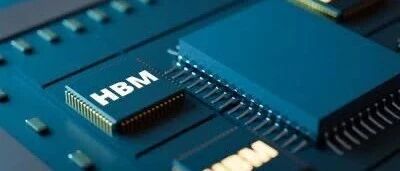
Core Insights - Micron Technology reported impressive earnings with quarterly revenue of $11.32 billion, up from $9.3 billion in the previous quarter, and annual revenue increasing from $25.11 billion to $37.38 billion, driven by a fivefold increase in revenue from HBM, high-capacity DIMM, and LP server DRAM, largely due to AI demand [2][3][5] - The company's stock price has surged approximately 31% since the last earnings report, reflecting strong market confidence in its HBM business [2][3] - Micron's entry into the HBM market was late, but it has rapidly advanced its HBM3E offerings, becoming the sole supplier of HBM3E memory for Nvidia's upgraded H200 GPU, significantly boosting its HBM revenue [3][4] Micron's HBM Strategy - Micron has skipped HBM3 and focused on HBM3E, achieving nearly $2 billion in revenue from HBM, with an annualized run rate close to $8 billion [3][4] - The company has already delivered HBM4 samples to customers, achieving industry-leading speeds of 11 Gbps, and is negotiating pricing agreements for HBM3E supplies through 2026 [3][4] - Micron's market share in DRAM is approximately 22.5%, and it aims to maintain this share as it expands its HBM offerings [4][5] Market Outlook - The HBM market is projected to reach $50 to $60 billion by 2026, with Micron targeting a 22.5% market share, equating to approximately $12.58 billion in revenue, or $3.1 billion per quarter [5] - By 2030, the potential total market for HBM is expected to reach $100 billion [5] Competitor Analysis: Samsung - Samsung has faced challenges in the HBM market, with its market share dropping to 17% in Q2 2025, while Micron has risen to 21% [7][9] - Despite setbacks, Samsung is expected to rebound as it enters Nvidia's supply chain and launches next-generation HBM chips [7][10] - Samsung's HBM3E products are anticipated to be certified for use in Nvidia's DGX B300 graphics cards, which could enhance its market position [10][11] Competitor Analysis: SK Hynix - SK Hynix leads the HBM market with a 62% share, significantly benefiting from its HBM offerings [14] - The company plans to acquire additional EUV lithography machines to enhance its production capacity for next-generation DRAM and HBM [14][15] - SK Hynix has completed internal validation for HBM4 and is preparing for mass production, positioning itself as a key supplier for AI infrastructure [15][16] Industry Trends - The overall memory market is expected to see price increases due to supply constraints, with DRAM prices projected to rise by 8% to 13% in Q4 2025 [17] - J.P. Morgan forecasts that HBM will account for 43% of the DRAM market by 2027, which could stabilize prices and enhance profitability for major suppliers [17]

英伟达携手英特尔背后
半导体行业观察· 2025-09-24 02:54
Core Viewpoint - The partnership between Intel and NVIDIA solidifies NVIDIA's market dominance and marks a milestone in the transition to the next computing era, expanding the total addressable market (TAM) significantly for both companies [1][6][20]. Partnership Overview - The collaboration is a system-level bet rather than a single product cooperation, focusing on standardizing a CUDA-first architecture compatible with x86, covering both data center and client devices [6][7]. - NVIDIA's $5 billion investment in Intel signals alignment and aims to create a combined market opportunity of $25 billion to $50 billion annually across data centers and PCs [7][20]. Economic Impact - The partnership is expected to inject approximately $1 trillion into NVIDIA's TAM and $100 billion into Intel's TAM, driven by the growing demand for AI and accelerated computing [12][20]. - The integration of NVIDIA GPUs into Intel's SoCs is anticipated to enhance Intel's manufacturing throughput and create a replicable model for x86-centric enterprises [8][12]. Market Dynamics - The x86 market is projected to shift from a declining business to one that can be expanded through CUDA, with the potential for significant growth in the PC market as well [13][20]. - The collaboration is expected to streamline procurement processes, allowing enterprises to adopt pre-validated CPU-GPU systems, thus reducing production time for AI workloads [17][39]. Strategic Implications - Intel's access to CUDA will enable it to regain relevance in the accelerated computing space, while NVIDIA will leverage this partnership to expand its reach into the x86 market [24][27]. - AMD faces challenges as the market shifts towards CUDA-compatible architectures, potentially limiting its growth unless it secures access to CUDA [30][31]. Future Outlook - The agreement is seen as a pivotal moment that transitions the industry from an x86-centric design to a CUDA-centered system, enhancing both companies' market influence [39][40]. - The execution risks remain focused on operational aspects, with Intel needing to deliver timely and coordinated efforts while NVIDIA balances openness with platform integrity [40].
这类芯片,需求激增
半导体行业观察· 2025-09-24 02:54
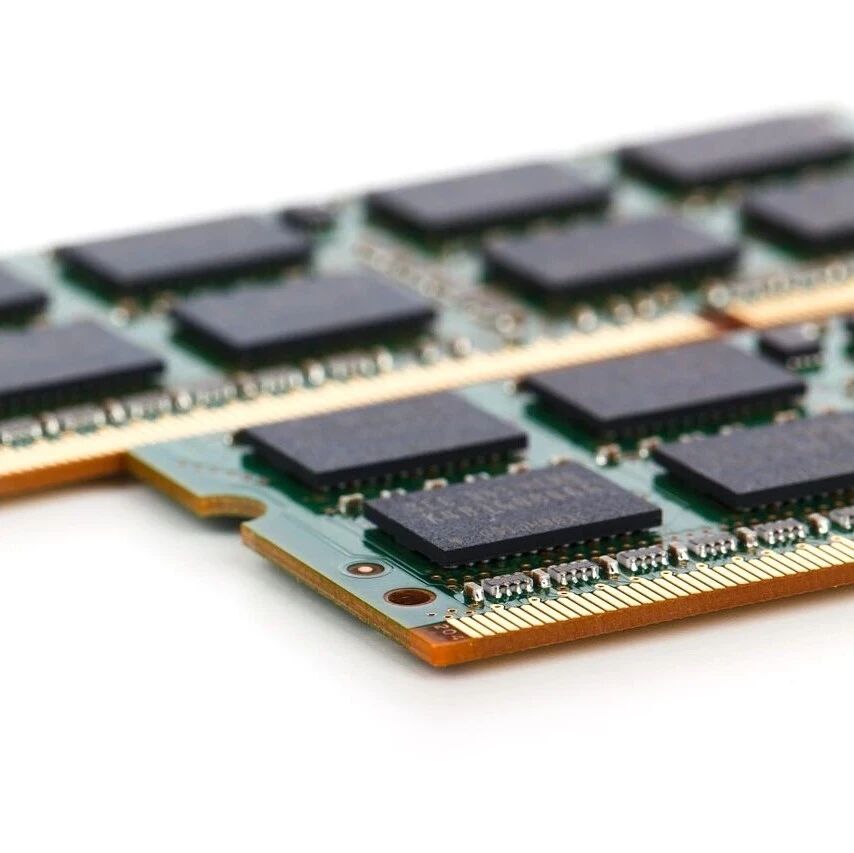
Core Viewpoint - The rise of artificial intelligence (AI) is driving a "super cycle" in the memory chip industry, with expectations for increased demand and price hikes for DRAM and NAND memory products, particularly in the context of enterprise solid-state drives (eSSD) [2][3][4]. Group 1: Market Dynamics - Morgan Stanley predicts that the memory industry will experience upward momentum extending into the second half of next year, benefiting South Korean chip manufacturers [2]. - Samsung Electronics is reportedly increasing prices for DRAM and NAND flash memory by 15%-30% and 5%-10%, respectively, in the fourth quarter [3]. - UBS forecasts that NAND prices will rise for three consecutive quarters, with increases of 3% in Q3, 5% in Q4, and another 3% in Q1 of next year [2][3]. Group 2: Demand and Supply - The demand for eSSD is expected to surge, with order volumes for eSSD matching this year's total, leading to a projected NAND supply shortage of up to 8% next year [2]. - Analysts note that the demand for high-bandwidth memory (HBM) chips, essential for AI applications, is expanding to include more commonly used memory types like DDR, LPDDR, and NAND flash [5][6]. Group 3: Company Performance - Samsung Electronics' market capitalization surpassed 500 trillion KRW (approximately 359 billion USD), while SK Hynix's stock reached a record high of 361,000 KRW [5]. - Morgan Stanley has upgraded the investment ratings for South Korean semiconductor companies, raising Samsung's target price by 12% to 96,000 KRW and SK Hynix's rating to "overweight" with a target price of 410,000 KRW [4][5]. Group 4: Competitive Landscape - Samsung and SK Hynix hold over 60% of the global NAND market share, positioning them favorably to capitalize on the AI-driven demand surge [3][6]. - Competitors like Micron and Longsys face capacity constraints, limiting their ability to increase production significantly before new facilities come online [7]. Group 5: Future Outlook - Analysts expect memory chip prices to continue rising over the next three to four quarters, driven by sustained demand from AI data centers [11]. - Micron's strong quarterly earnings and optimistic guidance indicate robust growth potential, particularly in the AI sector, despite challenges in other business areas [9][10].
创造历史,首家获得工博会CIIF大奖的国产EDA诞生
半导体行业观察· 2025-09-24 02:54
Core Viewpoint - The 25th China International Industry Fair (CIIF 2025) opened in Shanghai, where Chip and Semiconductor won the CIIF Award for its advanced packaging simulation platform, Metis, marking the first time a domestic EDA company has received this honor [1][4]. Group 1: CIIF Award and Evaluation Process - The CIIF Award is the highest accolade at the China Industry Fair, established by the State Council, aiming to create the "Oscar" of China's industrial sector, with a maximum of 11 awards given [4]. - The evaluation process involves a team of academicians, scholars, and industry experts who assess projects based on core technology, patents, and economic benefits, requiring international leading standards [4]. Group 2: Chiplet Technology and EDA Challenges - With the explosion of AI model training demands, traditional SoC single-chip performance improvements are nearing their limits, and Chiplet advanced packaging is emerging as a core path for continued computational growth [4]. - This architectural innovation presents unprecedented challenges for EDA, necessitating tools to expand from single-chip design to packaging-level collaborative optimization, covering interconnect, power, thermal, and stress analyses [4]. Group 3: Metis Platform and Its Impact - The Metis platform utilizes proprietary high-precision 3D electromagnetic field simulation technology and adaptive mesh partitioning, providing a comprehensive solution for multi-chip heterogeneous integration [6]. - It addresses simulation challenges in signal, power, and multi-physical fields, enhancing design iteration efficiency and is widely adopted by leading international and domestic AI chip design companies [6]. Group 4: Future Outlook and Company Vision - The founder of Chip and Semiconductor expressed encouragement at winning the CIIF Award, highlighting that Chiplet advanced packaging is now the preferred architecture for mainstream AI chips, driving the domestic AI industry towards a trillion-level scale [8]. - The company aims to leverage its EDA platform to collaborate with the domestic Chiplet industry chain, contributing to the secure and stable operation of China's AI infrastructure [8]. Group 5: Company Background - Chip and Semiconductor Technology (Shanghai) Co., Ltd. is a high-tech enterprise focused on EDA software tool development, providing comprehensive EDA solutions across various fields including 5G, AI, and data centers [11]. - The company has received numerous accolades, including the National Science and Technology Progress Award, and has established R&D centers in multiple cities across China [11].

苹果自研一颗关键芯片
半导体行业观察· 2025-09-24 02:54
Core Viewpoint - Apple is developing a new global shutter technology for mobile cameras that allows for capturing clearer motion images and reducing flicker, enhancing video quality [2][3]. Summary by Sections Patent Overview - Apple has introduced a patent for a "stacked pixel image sensor with high dynamic range and low noise," which lays the groundwork for a camera capable of capturing entire scenes instantaneously [2][3]. Technical Explanation - The global shutter technology captures each pixel simultaneously, avoiding the distortion caused by rolling shutters that read images line by line [3][5]. - Each pixel in the proposed design consists of three layers: a light-collecting layer, a small buffer layer, and a micro-meter that converts light into numerical values [5][7]. Unique Features - Apple's design stacks components vertically rather than horizontally, optimizing space and light collection, which is a departure from existing designs that place buffers next to light sources [9]. - The patent includes protective structures for the buffer layer, ensuring clearer captured images with less stray light [9][12]. Functionality and Applications - The image sensor can operate in both rolling shutter and global shutter modes, with the global shutter preferred for high-speed photography to avoid color and tone variations [15][16]. - The technology is applicable across various electronic devices, including smartphones, tablets, and security systems, enhancing their imaging capabilities [13][14]. Advantages - The design reduces the number of components needed for the image sensor, potentially increasing pixel density and reducing space requirements [17]. - The internal charge storage area allows for temporary storage of pixel charges, facilitating global shutter operation without additional external storage components [16][17].