半导体行业观察

Search documents
没有台积电,就没有他们
半导体行业观察· 2026-01-26 01:42
Core Viewpoint - The choice of TSMC as a foundry partner by Nvidia and AMD has proven to be a significant investment, especially in the context of the current AI industry where chip supply is a major bottleneck [1][2][3]. Group 1: Importance of TSMC - TSMC is recognized as the largest foundry in the AI supply chain, playing a crucial role alongside manufacturers like Nvidia and AMD [4]. - The strong relationships TSMC maintains with its partners are a key reason why companies prefer TSMC over alternatives, even when faced with attractive options from competitors like Intel [4]. Group 2: Nvidia's Commitment - Nvidia's CEO Jensen Huang expressed confidence in becoming TSMC's largest customer, a promise he made despite initial setbacks in technology [2]. - Nvidia's success, with a market valuation of $5 trillion, is attributed to its close relationship with TSMC, which has granted Nvidia exclusive access to certain technologies and a steady supply of chips [2]. Group 3: AMD's Strategic Decision - AMD's CEO Lisa Su highlighted the decision to trust TSMC as a major strategic move, which has led to significant gains in market share in both client and server segments [3]. - AMD's shift from GlobalFoundries to TSMC as its primary manufacturing partner has been pivotal in its success, contrasting with Intel's struggles in its internal foundry operations [3].



Chiplet革命,西门子EDA如何赋能商业化落地?
半导体行业观察· 2026-01-26 01:42
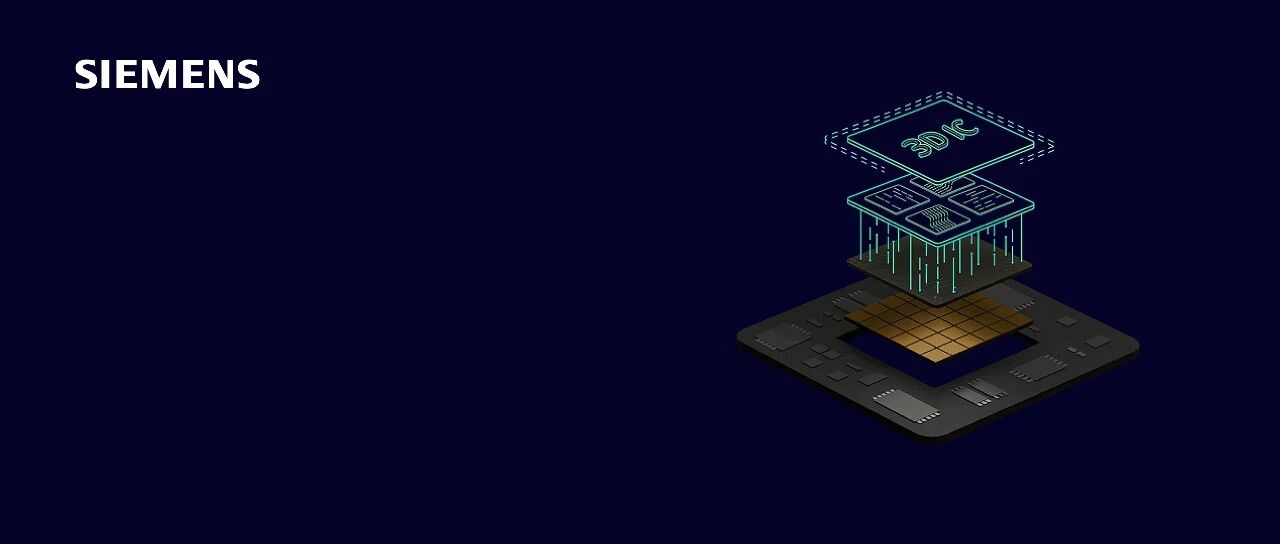
Core Viewpoint - The semiconductor industry is shifting from a prolonged race to a new paradigm centered on innovation, with Chiplet technology emerging as a key focus for enhancing performance density through modular integration [4]. Group 1: Chiplet Technology and EDA Software - Chiplet technology advocates for breaking down complex systems into modular small chips, requiring deep collaboration among EDA software, IP suppliers, foundries, and packaging companies to achieve system-level optimization [4]. - The traditional design process follows a linear approach that limits early cross-domain trade-offs, necessitating a shift to a holistic view to fully leverage Chiplet potential [5]. - Siemens EDA's design process is based on System Technology Collaborative Optimization (STCO), aiming for overall system-level optimization throughout the 3D IC design, verification, and manufacturing processes [6]. Group 2: Comprehensive Solutions for Chiplet Design - Siemens EDA provides a full-process solution for Chiplet design, including architecture planning, logic verification, physical design, physical verification, and physical testing [8][9][10][11][12]. - The Innovator3D IC Integrator (i3DI) enables early architectural exploration and pre-simulation assessments by creating a 3D digital twin of the design [8]. - The Calibre platform extends single-chip verification standards to multi-chip and 3D stacked designs, ensuring comprehensive validation [11]. Group 3: Advanced Packaging and Collaboration - Advanced packaging technology is crucial for the realization of Chiplet concepts, with EDA tools needing to respond proactively to manufacturing demands [19]. - Siemens EDA collaborates closely with foundries and packaging companies to ensure that the tools delivered to chip design companies are synchronized with target manufacturing processes [19]. - As a founding member of TSMC's 3D Fabric Alliance, Siemens EDA participates in establishing design processes and standards, adapting tools to TSMC's advanced packaging technologies [19][20]. Group 4: Ecosystem Development and Industry Standards - Siemens EDA actively participates in the development of Chiplet industry standards through the Open Compute Project (OCP), promoting efficient and orderly industry growth [23]. - The company maintains regular technical exchanges with leading IC design firms to understand future tool requirements and address design challenges [25]. - Collaboration with academic institutions and research organizations is emphasized to stay ahead of future technology trends and ensure tools can meet upcoming challenges [25]. Group 5: Strategic Support for Chiplet Commercialization - Siemens EDA's multi-dimensional strategy, focusing on system-level collaboration, manufacturing empowerment, and ecosystem building, provides robust support for the commercialization of Chiplet technology [26]. - This approach reflects the company's foresight as an industry leader, ensuring that its toolchain effectively supports the semiconductor industry's transition to heterogeneous integration [26].
Marvell,有戏吗?
半导体行业观察· 2026-01-25 03:52
Core Viewpoint - Marvell Technology's stock performance has lagged behind the broader semiconductor market during the AI boom, but this may change as the focus shifts towards inference and energy efficiency, areas where Marvell excels [1][2]. Group 1: AI Transition - The AI industry is expected to transition from "brute-force training" to Agentic AI and inference by 2026, which requires lower latency and significantly higher energy efficiency compared to training [1]. - Marvell's custom XPU (AI accelerator) is designed for these specific workloads, optimizing for "tokens per watt," making it crucial for cloud giants aiming to scale services to billions of users [2]. Group 2: Interconnect Innovations - A critical infrastructure change by 2026 is the limitation of copper interconnects, which face challenges in heat, power consumption, and signal degradation as AI data centers expand [2]. - Marvell is investing heavily in Co-Packaged Optics (CPO) and has acquired Celestial AI for $3.25 billion to integrate optical interconnects directly into chip packaging, addressing data transfer bottlenecks without excessive power and heat [2][3]. Group 3: Customer Diversification - Marvell has historically been criticized for its reliance on Amazon Web Services (AWS), which increased earnings volatility and limited market recognition of its AI potential [3]. - The company is diversifying its customer base, having secured custom chip design orders from three of the four major U.S. cloud providers, with new projects expected to accelerate in 2026 [3][4]. Group 4: Financial Outlook - Marvell's trading valuation is significantly lower than peers, with an expected revenue growth of 42% in 2026 and 22% in 2027, despite a current operating margin of about 15% [4]. - The rationale for a re-rating lies in improving this margin structure, as increasing data center revenue and customer diversification could transform Marvell from a cyclical component supplier to a structural AI infrastructure platform [4].

大芯片,再度崛起?
半导体行业观察· 2026-01-25 03:52
Core Insights - The article discusses significant developments in the AI chip sector, highlighting Tesla's revival of the Dojo 3 supercomputer project and Cerebras Systems' multi-billion dollar agreement with OpenAI for AI computing power [1][10]. Group 1: AI Chip Developments - Tesla's Dojo 3 project aims to position the company as a leading AI chip manufacturer, with a focus on "space artificial intelligence computing" rather than traditional training models [6][8]. - Cerebras Systems has secured a contract with OpenAI worth over $10 billion, promising to deliver 750 megawatts of computing power by 2028, emphasizing the growing demand for low-latency inference capabilities [10][11]. Group 2: Chip Architecture and Performance - The distinction between two types of large chips is made: Cerebras' wafer-scale integration and Tesla's wafer-scale system, each addressing the "memory wall" and "interconnect bottleneck" challenges differently [2][4]. - Cerebras' WSE-3 chip boasts 40 trillion transistors and 900,000 AI cores, achieving a memory bandwidth of 21 PB/s, significantly outperforming NVIDIA's H100 [3][11]. Group 3: Strategic Shifts - Tesla's shift in strategy reflects a recalibration of resources, moving away from competing directly with NVIDIA's GPU clusters to focusing on specialized applications in space computing [7][8]. - Cerebras' approach to positioning itself as a provider of dedicated inference machines allows it to capitalize on the emerging demand for low-latency processing, differentiating itself from traditional training platforms [15][19]. Group 4: Market Dynamics and Competition - The AI chip market is becoming increasingly crowded, with competitors like AMD and NVIDIA rapidly advancing their offerings, which poses challenges for alternative architectures like those from Cerebras and Tesla [15][19]. - The collaboration between OpenAI and Cerebras is seen as a strategic move to secure a foothold in the burgeoning inference market, which is expected to dominate AI computing needs in the future [10][19]. Group 5: Future Outlook - The advancements in packaging technology, such as TSMC's CoWoS, are expected to blur the lines between large and small chip architectures, potentially reshaping the competitive landscape [16][19]. - The article concludes that both Tesla and Cerebras are not merely trying to replicate NVIDIA's success but are instead seeking to find value in niches overlooked by general solutions, indicating a long-term battle for survival and innovation in the AI chip market [20].

台积电削减12英寸成熟制程产能
半导体行业观察· 2026-01-25 03:52
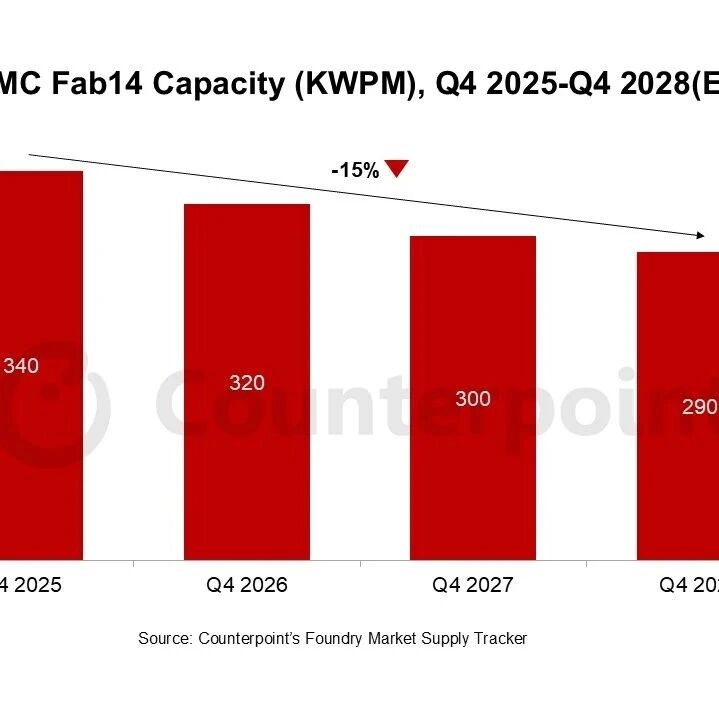
公众号记得加星标⭐️,第一时间看推送不会错过。 研调机构Counterpoint发布报告指出,台积电预计在2028年前将晶圆14厂12英寸成熟制程产能削减 15%至20%。主要目的是解决传统工艺节点产能利用率低下的问题,同时释放资源以支持先进封装技 术的拓展。 根据目前的形势,台积电预计到 2028 年将逐步淘汰 Fab14 工厂约 50KWPM 的产能,通过多元化的 制造渠道提高运营灵活性和盈利能力,同时维持客户供应。 台积电表示,经与客户讨论,让资源运用更具弹性,也就是优化资源以支持客户。台积电会一如既往 地支持客户,即使是在8英寸晶圆业务方面,只要客户有好的业务发展,台积电都会持续提供支援。 参考链接 htt ps://mone y.udn. c om/mone y/st or y/ 5612/ 92847 84 htt ps:// c ount e r poi ntr e s e a r c h. c om/ e n/i nsi ghts/TSMC-t o-Cut-Fa b1 4-Ma t ur e -Node -Ca pa c it y-t o-Re fl e c t-Cha ngi ng- Dem ...
8英寸晶圆代工,大有可为!
半导体行业观察· 2026-01-25 03:52
Core Viewpoint - The demand for AI is driving a potential price increase in global wafer foundries, affecting even non-mainstream 8-inch wafers [1][2]. Supply Side Summary - TSMC and Samsung are gradually reducing 8-inch wafer production, with TSMC aiming for partial plant shutdowns by 2027. This reduction is expected to lead to a 0.3% decline in global 8-inch wafer capacity in 2025, entering negative growth. In 2026, despite some Chinese manufacturers planning slight capacity expansions, the overall capacity is projected to decrease by 2.4% due to the larger reductions from TSMC and Samsung [1][2]. Demand Side Summary - The increase in power IC orders for AI servers and the trend of IC localization in China are boosting demand for local wafer foundries, leading to a significant rise in capacity utilization rates for some Chinese manufacturers starting mid-2025. This has prompted these manufacturers to initiate price increases for foundry services, effective in the second half of 2025. The overall average capacity utilization for global 8-inch wafers is expected to rise to 85-90% in 2026, up from 75-80% in 2025, with some foundries planning to raise prices by 5-20% across all customers and process platforms [2][3]. Price Increase Considerations - Despite the anticipated price increases, actual price hikes for 8-inch wafers may be moderated due to concerns in consumer electronics and rising costs from memory and advanced processes impacting surrounding IC costs [3].
三星闪存,涨价100%
半导体行业观察· 2026-01-25 03:52
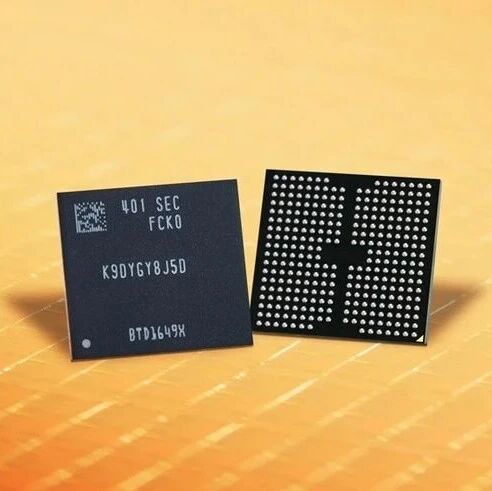
Core Viewpoint - Samsung Electronics has increased the price of NAND flash memory by over 100% in the first quarter due to a surge in demand driven by the proliferation of artificial intelligence (AI), while supply has not significantly increased [1][3]. Group 1: Price Increase and Market Dynamics - The price of NAND flash memory has more than doubled, with Samsung executing price adjustments from January after signing supply contracts with major clients at the end of last year [1][3]. - NAND prices have been on an upward trend since the fourth quarter of last year, with a quarter-on-quarter increase of approximately 33-38% reported by TrendForce [3]. - Other major players in the NAND market, such as SK Hynix and SanDisk, are also expected to follow suit with similar price increases [3][4]. Group 2: Supply Constraints - The supply of NAND flash memory has not seen significant increases due to limited production expansion and factors such as process transitions [4]. - Samsung has maintained a conservative approach to NAND investment, leading to limited growth in shipment volumes [4]. Group 3: Impact on the Market - The rising prices of NAND and DRAM are significantly impacting the market, with increased costs for building AI infrastructure and inevitable price hikes for smartphones and PCs that utilize these memory components [4]. - Manufacturers of AI data centers, smartphones, and PCs are planning to raise final product prices due to the pressure from memory costs, and this trend is expected to continue in the short term [4].
英特尔谈先进封装的机遇
半导体行业观察· 2026-01-25 03:52
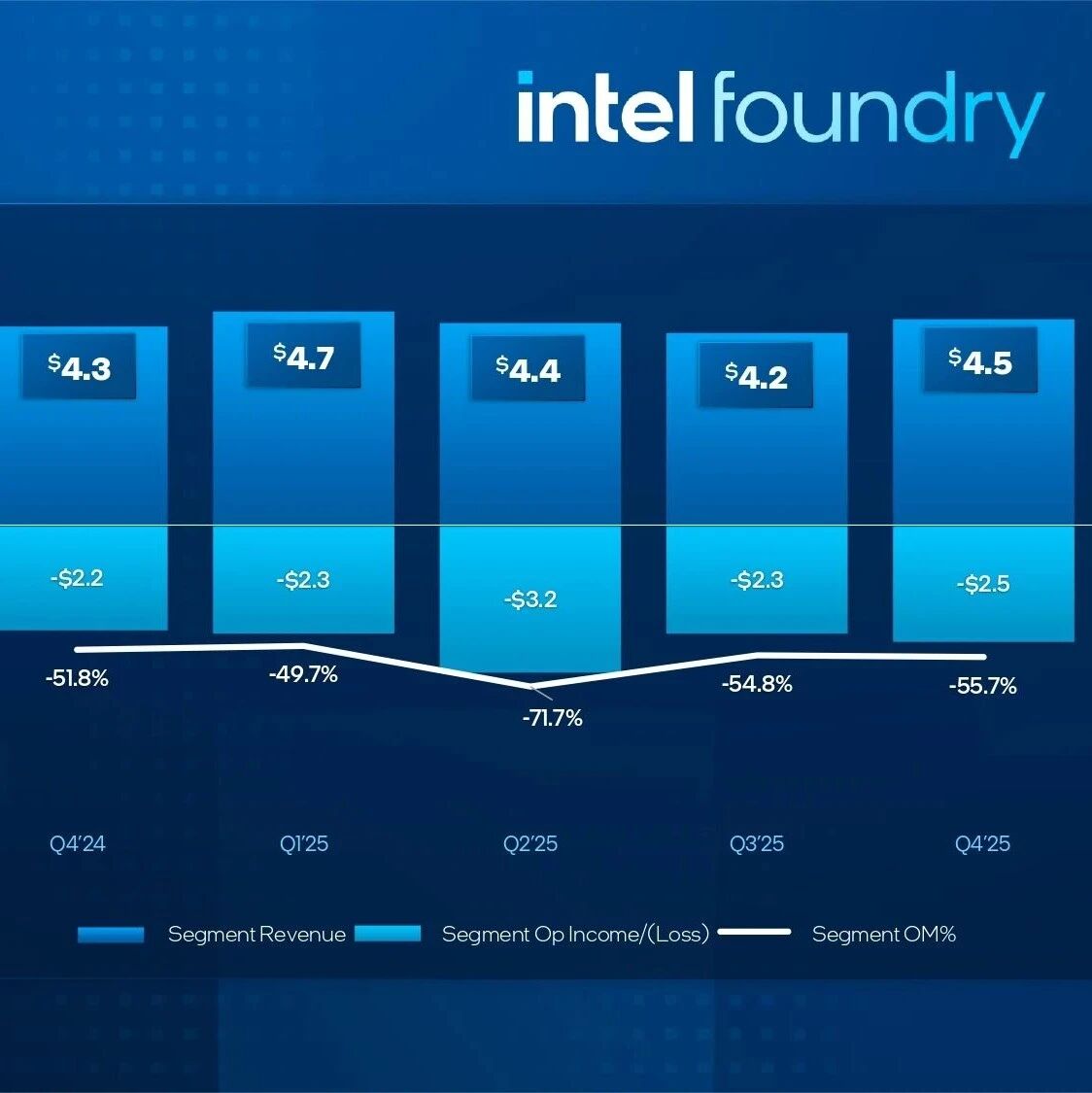
Core Viewpoint - Intel's foundry business is progressing steadily, with expectations of generating "billions of dollars" in revenue from chip and advanced packaging orders, despite slow progress in balancing consumer and data center/AI segments [2][5]. Group 1: Foundry Business Progress - CEO Lip-Bu Tan highlighted advancements in process nodes and customer sampling, particularly with the 18A process, which is now shipping initial products based on Intel's most advanced semiconductor technology developed and manufactured in the U.S. [2] - Intel is competing with TSMC's N3 process, with potential customers like Apple showing interest in Intel's foundry services, although Intel's ability to scale production depends on securing sufficient capital expenditure [2][5]. - CFO David Zinsner indicated that capital spending for the 14A process will be unlocked once customer commitments are confirmed, with expected order commitments likely in the second half of this year and the first half of next year [2][5]. Group 2: Advanced Packaging Developments - Intel's advanced packaging business is seen as a significant growth area, with EMIB and Foveros technologies being recognized as promising solutions by high-performance computing customers [5][6]. - Orders for advanced packaging are projected to exceed "1 billion dollars," which is crucial for reducing operational losses in the foundry business and achieving breakeven [8]. - The willingness of customers to prepay production costs indicates strong demand for Intel's EMIB and EMIB-T technologies, showcasing a commitment to collaboration [6][8].

10GbE迎来普及拐点
半导体行业观察· 2026-01-25 03:52
Core Insights - The cost of 10GbE (10 Gigabit Ethernet) has significantly decreased, and integration has become much easier, indicating that the industry is on the verge of a breakthrough [1] Group 1: 10GbE Controller Market - A notable change in 2026 is the rising demand for 10Gbase-T controllers, which face challenges due to higher link noise requiring more signal processing capabilities [2] - Realtek's RTL8127 is a new low-cost 10Gbase-T controller with a single-chip cost slightly above $10, targeting high-performance products rather than low-end options [3] - The RTL8127 can connect using PCIe Gen4 x1 channels, allowing efficient integration into low-cost platforms, enabling 10GbE speeds at a minimal additional cost [5][7] Group 2: Competitive Landscape - Marvell's AQC113/AQC113C, acquired from Aquantia, is a long-standing choice for low-cost 10Gbase-T adapters, supporting multiple speeds and providing affordable 10GbE network solutions [8][10] - Intel's E610, released in 2025, is positioned as a server-grade adapter, but its higher cost and initial bugs have led some manufacturers to opt for Realtek solutions instead [11][13][15] - Intel's X710-T4L and X710-T2L series support multi-gig speeds, making them a reliable choice for users needing versatile network cards [16][18] Group 3: 10GbE Switches and Gateways - The introduction of low-cost 10GbE switches and gateways is a significant trend in 2026, with prices dropping to less than a third of previous models [19][20] - There is an increasing presence of 10GbE gateways in the market, despite the dominance of lower-end 1GbE options [21] - Major manufacturers are updating their product lines to include SFP+ and 10Gbase-T versions, reflecting the growing adoption of 10GbE technology [26][28] Group 4: Challenges in 10GbE Adoption - One of the main challenges for 10GbE in 2026 is the efficient use of PCIe channels, especially as the industry transitions to PCIe Gen5, which can support higher bandwidths [29][31] - The competition for silicon supply between low-cost 10GbE devices and higher-end data center chips poses a significant challenge for manufacturers [36] Group 5: Testing and Measurement - The industry is evolving its testing methodologies for 10GbE devices, with advancements in hardware and testing capabilities allowing for more accurate assessments [37][40] - The ability to generate high traffic volumes and conduct detailed latency tests is improving, which is crucial for evaluating the performance of new 10GbE products [54][55] Conclusion - The ecosystem for 10GbE is finally catching up to its initial promises, with a wave of new products entering the market and a series of tests planned for 2026 to further explore 10GbE and beyond [56][58]
印度芯片,再增新筹码
半导体行业观察· 2026-01-25 03:52
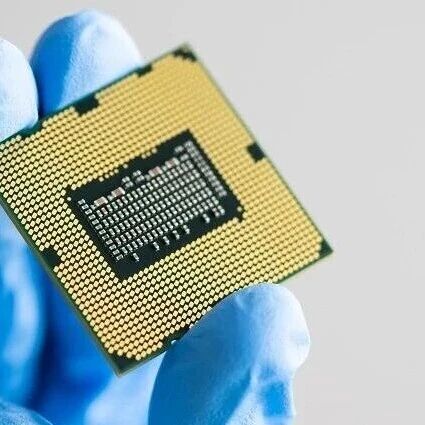
Core Viewpoint - India has initiated a new semiconductor industry, focusing on advanced lithography processes essential for chip manufacturing [1][3] Group 1: Semiconductor Industry Development - The Indian government has announced the establishment of a semiconductor industry, with a focus on lithography technology, which is the most complex and precise part of the semiconductor manufacturing chain [1] - Minister Ashwini Vaishnaw highlighted that ASML, a leading global supplier of lithography equipment, will play a crucial role in India's semiconductor manufacturing [3] - The entry of ASML into India is seen as a significant opportunity for development in the semiconductor sector [3] Group 2: Manufacturing and Production Plans - Several approved semiconductor factories have begun trial production, with commercial production expected to start soon [3] - One of the four semiconductor factories that have started trial production is set to begin commercial operations in February [3] - This development is viewed as a major milestone after 60 years of efforts, reflecting Prime Minister Narendra Modi's commitment to building foundational technologies [3] Group 3: Ecosystem and Market Potential - India is currently establishing a strong and mature electronic ecosystem, making it an opportune time to develop indigenous mobile phone brands [3] - The minister anticipates that local mobile phone brands will emerge within the next 12 to 18 months [3]