半导体行业观察

Search documents
光芯片,卷土重来
半导体行业观察· 2025-12-19 01:40
Core Viewpoint - Q.ANT has launched its second-generation Native Processing Unit (NPU), which aims to accelerate AI workloads and rethink the underlying mathematical and energy models, showcasing significant advancements in photonic computing technology [1][7]. Group 1: Product Development - The second-generation NPU introduces native nonlinear optical processing, allowing it to perform neural network functions that typically require deep digital computation, thus improving accuracy and reducing the number of parameters and training depth [1][2]. - The NPU 2 is integrated into a 19-inch server, featuring multiple NPUs, an x86 host, and standard PCIe interfaces, making it compatible with existing high-performance computing (HPC) and data center workflows [1][2]. Group 2: Performance Improvements - Q.ANT claims that the NPU's performance has advanced to match the performance improvements of standard digital processors over the past 30 years within just two years [4]. - The second-generation NPU can reduce energy consumption by up to 30 times and enhance performance for specific AI and HPC workloads by up to 50 times, addressing the physical limits of GPU power consumption, heat dissipation, and memory transfer [6]. Group 3: Application Potential - The NPU 2 is expected to benefit visual systems in quality inspection, robotics, and logistics, enabling real-time performance with significantly lower power consumption [6]. - Scientific computing workloads, such as materials research, climate modeling, and drug development, will also benefit from the NPU's ability to perform nonlinear steps optically rather than digitally [6]. Group 4: Market Impact - Q.ANT's advancements in photonic computing are set to transform the landscape of AI and HPC, potentially opening new avenues for development that surpass traditional CMOS architectures [7].


芯片巨头,开辟新战线
半导体行业观察· 2025-12-19 01:40
Core Viewpoint - The competition in the low-power server memory sector is intensifying as Samsung Electronics and SK Hynix collaborate with major U.S. chip companies Nvidia and Intel, driven by the surge in memory demand due to the rise of artificial intelligence [1][2]. Group 1: SK Hynix Developments - SK Hynix has launched a new high-capacity, high-performance DRAM product, specifically a 256GB DDR5 RDIMM based on 32Gb fifth-generation 10nm DRAM, which has been certified for compatibility and performance by Intel [1][2]. - The new RDIMM is designed to maintain system stability even with multiple DRAM chips installed and is primarily targeted at enterprise data centers [1]. - SK Hynix claims that servers using this new RDIMM can achieve a 16% improvement in AI inference performance while reducing power consumption by 18% [2]. Group 2: Samsung Electronics Developments - Samsung has developed a new memory product optimized for AI data centers, called the Small Compression Additional Memory Module (Socamm2), which has been provided as samples to Nvidia [2][3]. - Socamm2 is a server memory module made of stacked low-power double data rate DRAM, offering more than double the bandwidth and a 55% reduction in power consumption compared to conventional RDIMMs [3]. - Samsung is collaborating with global partners to establish international standards for Socamm2, which is not yet commercialized due to unresolved standardization and platform compatibility issues [3]. Group 3: Market Dynamics - Despite Intel lagging behind Nvidia in the GPU sector, it still holds over 70% of the data center CPU market share, which is crucial for the adoption of new memory products [2]. - The competition among major memory chip manufacturers, including Micron, Samsung, and SK Hynix, is intensifying as they all aim to supply Socamm2 to Nvidia for its next-generation AI platform, Vera Rubin, expected to launch in the second half of next year [3].


2.5D封装的下一步
半导体行业观察· 2025-12-19 01:40
Core Viewpoint - The article discusses the fundamental changes in the construction and assembly of intermediary layers and bridge technologies in advanced packaging, highlighting the increasing complexity and thickness of intermediary layers and the cost-reduction efforts associated with bridge technology [1]. Intermediary Layers - Intermediary layers are evolving to become thicker and more complex, primarily made of silicon, which is costly even at older process nodes [1]. - The typical intermediary layer currently has up to four layers, with some reaching ten layers due to the emergence of new HBM memory generations [7]. - The balance between intermediary layer thickness and mechanical strength is crucial, as increased thickness can lead to warping issues [7]. - Active intermediary layers are gaining traction, particularly in AI and HPC applications, but face challenges in cost, yield, and thermal management [8][9]. Bridge Technology - Silicon bridge technology is designed to achieve high-density interconnections at a lower cost compared to silicon intermediary layers [1][17]. - The integration of bridge structures into organic materials can provide high-density interconnections and shorter delays, but alignment issues pose significant challenges [17][18]. - Current bridge technology has not fully realized its cost-reduction potential due to low yield rates, which need to be addressed for broader adoption [24]. Material Considerations - Organic intermediary layers are emerging as a cost-effective alternative to silicon, as they can be manufactured on panels rather than wafers, reducing production costs [15]. - Glass is also being considered for intermediary layers due to its lower signal loss, especially for photonic applications, but is still years away from mass production [16]. - The industry is likely to see a coexistence of silicon and organic intermediary layers, with organic materials gradually gaining market share [23]. Testing and Quality Control - Active intermediary layers require more extensive testing beyond simple open/short tests, including functional testing and electrical isolation, complicating the production process [11]. - Yield rates are critical for the success of active intermediary layers, as they introduce new challenges related to electrical performance and testing requirements [9][10].

GaN,生变
半导体行业观察· 2025-12-19 01:40
Core Viewpoint - The GaN market is experiencing a dramatic shift, with major players like NXP and TSMC withdrawing from GaN-related businesses, while other companies continue to invest heavily in GaN technology, indicating a complex interplay of market demand, business logic, and technological evolution [2][4][15]. Group 1: Major Players' Withdrawal - NXP has decided to close its ECHO wafer fab in Arizona, marking its exit from the GaN-based 5G power amplifier market due to disappointing market demand and low investment returns from 5G base station deployments [6][8]. - TSMC announced plans to gradually exit the GaN foundry business by 2027, citing low profitability and intense competition from lower-cost manufacturers [9][10]. - Wolfspeed sold its GaN RF business for $125 million, focusing instead on its SiC business due to declining market share and demand in the SiC sector [12][13]. Group 2: Market Dynamics and Opportunities - Despite the withdrawal of major players, companies like Infineon, Texas Instruments, and domestic firms such as Innoscience and Sanan continue to expand their investments in GaN technology, indicating a bifurcated market landscape [2][15][20]. - The GaN market is shifting from a focus on technological advancement to a competition based on market potential, engineering capabilities, and profitable business models [15][26]. - The power GaN market is projected to grow significantly, with a compound annual growth rate of 42%, reaching approximately $3.0 billion by 2030, driven by demand in sectors like electric vehicles and data centers [26][28]. Group 3: IDM vs. Foundry Models - The competition between IDM (Integrated Device Manufacturer) and foundry models is intensifying, with IDM firms like Infineon leveraging their vertical integration to optimize product performance and reliability [31][32]. - Foundry models, while allowing for rapid market entry and lower initial capital investment, face challenges in customization and supply chain stability, especially with the exit of key players like TSMC [31][32]. - The future of GaN technology may favor the IDM model due to its advantages in cost control and supply chain stability, although foundry models will still play a role in niche markets [33][34]. Group 4: Future Pathways for GaN - The industry is undergoing a profound restructuring, moving away from blind expansion towards a focus on specific market applications and sustainable business models [36][38]. - Cost efficiency is becoming a critical competitive factor, with Chinese manufacturers adopting strategies to lower production costs through large-scale production [37]. - The GaN industry is expected to see increased consolidation, with smaller firms facing challenges in a market that favors those with scale and technological advantages [39].





英特尔晶圆代工,初露曙光
半导体行业观察· 2025-12-19 01:40
Core Insights - The article discusses the increasing interest of major design companies like NVIDIA, AMD, Apple, and Broadcom in Intel's wafer fabrication and packaging technologies, particularly the 14A process node and EMIB packaging technology, due to capacity constraints from other suppliers like TSMC [1][2]. Group 1: Intel's Technological Developments - Intel's 14A process node is critical for its wafer fabrication success, promising improvements in performance per watt and chip density, and utilizing advanced packaging technologies like EMIB and Foveros [2]. - The EMIB technology, which has been in mass production since 2017, offers cost-effectiveness and design flexibility, making it suitable for custom ASICs and AI processors [6][7]. - Intel is expanding its EMIB product line to enhance power delivery capabilities, integrating new technologies like MIM capacitors and TSV for improved performance [6]. Group 2: Market Dynamics and Competitive Landscape - The supply chain challenges faced by TSMC, particularly in advanced packaging capacity, are driving companies to consider Intel as a viable alternative for packaging solutions [5][6]. - Major chip design companies, including AWS and MediaTek, are reportedly choosing Intel's wafer fabrication services, indicating a shift in supplier preferences due to capacity constraints in the industry [5]. - The demand for advanced packaging solutions is surging, particularly in AI and high-performance computing sectors, leading to a bottleneck in supply from major providers [5]. Group 3: Strategic Implications for Intel - Securing design commitments from companies like NVIDIA and AMD could solidify Intel's position in the wafer fabrication market and justify ongoing investments in its technology roadmap [2]. - Intel's focus on advanced packaging solutions is seen as a strategic move to regain market share and enhance its competitive edge against dominant players like TSMC [4][5]. - The potential collaboration with companies for downstream packaging using TSMC-manufactured chips highlights Intel's ambition to expand its role in the foundry market [4].

这桩收购后,英伟达打造最强闭环
半导体行业观察· 2025-12-19 01:40
Core Insights - The article discusses the dynamics of open-source projects and the necessity of commercial support for their sustainability, highlighting that companies often back these projects to ensure they can monetize them [1][2]. Group 1: Open Source and Commercial Support - Open-source projects like the Linux kernel often receive support from commercial entities to enhance and maintain them, as companies are typically unwilling to provide self-maintenance for these projects [2]. - Examples of commercially supported Linux distributions include Red Hat Enterprise Linux, SUSE Linux, and Canonical Ubuntu, which integrate open-source projects into their products [2]. Group 2: NVIDIA's Strategic Moves - NVIDIA has shifted its focus towards managing system clusters rather than specific operating systems, leading to its acquisition of Bright Computing in January 2022, which was known for its Bright Cluster Manager [3]. - Bright Computing had raised $16.5 million in funding and had over 700 users globally, with its tools initially designed for traditional high-performance computing (HPC) systems [3]. - After the acquisition, NVIDIA rebranded Bright Cluster Manager as Base Command Manager and integrated it into its AI Enterprise software stack, which includes a licensing fee of $4,500 per GPU annually [3][5]. Group 3: Mission Control and Workload Management - NVIDIA introduced a layer called Mission Control on top of BCM, which automates the deployment of frameworks, tools, and models for its "AI factory" [6]. - Mission Control includes Kubernetes for container orchestration and Docker for running computations within containers, optimizing power consumption based on workload [6]. Group 4: Slurm Workload Manager - For managing bare-metal workloads in HPC and AI, NVIDIA relies on Slurm, which has become the default workload manager for Base Command Manager [7][9]. - Slurm, developed by SchedMD, has been widely adopted in the HPC community, with approximately 60% of the Top500 supercomputers using it [11]. - NVIDIA and SchedMD have collaborated on Slurm for over a decade, with NVIDIA committing to continue its development as an open-source, vendor-neutral software [11][12]. Group 5: Future Considerations - The article raises questions about how NVIDIA will integrate Run.ai and Slurm functionalities with Base Command Manager to provide comprehensive management tools for both AI and traditional CPU-based clusters [12]. - There is speculation on whether NVIDIA will commercialize its Kubernetes integration within the AI enterprise stack, following the example of Mirantis, which has successfully containerized OpenStack [13].

美国芯片法案,再遭重创
半导体行业观察· 2025-12-19 01:40
Core Viewpoint - The U.S. Department of Commerce has terminated a $285 million contract with SMART USA, a center focused on semiconductor manufacturing digital twin technology, despite the organization meeting all performance goals [1][2][3]. Group 1: Contract Termination - SMART USA, part of the Manufacturing USA network, was established to create virtual manufacturing models aimed at reducing R&D and manufacturing costs by over 35%, shortening R&D time by 30%, and improving manufacturing yield by 40% [1]. - The termination of the contract is the second instance of federal funding withdrawal related to the CHIPS Act since the beginning of the Trump administration in January 2025 [1]. - The Department of Commerce cited "convenience" as the reason for the funding withdrawal, a common clause in federal contracts [2]. Group 2: Organizational Response - SMART USA's executive director, Todd Younkin, emphasized that the organization had achieved its performance targets and expressed disappointment over the government's decision not to support R&D and workforce development [2][3]. - The organization plans to hold a Q&A webinar on December 17 to address member concerns regarding the contract termination [2]. - Younkin reassured that SRC will continue to fund related research through other projects despite the setback [3]. Group 3: Industry Implications - Concerns have been raised by members of Congress regarding the long-term impact of the funding withdrawal on the National Institute of Standards and Technology (NIST), which is responsible for executing the CHIPS Act [6][7]. - The reputation of NIST as a neutral and reliable partner is at risk, potentially affecting future collaborations with industry and academia [7]. - The letter from Congress members criticized NIST's shift towards a venture capital model for funding semiconductor R&D, which they argue contradicts the intentions of the CHIPS Act [7].
干掉铜缆,又一家公司横空出世
半导体行业观察· 2025-12-19 01:40
Core Viewpoint - Enlightra has raised $15 million to address the bottleneck in AI infrastructure related to fast and energy-efficient data transmission through the development of chip-level multi-wavelength lasers [1][4]. Group 1: Company Overview - Enlightra, founded in 2022 and headquartered in Lausanne, Switzerland, focuses on the intersection of photonics, semiconductor manufacturing, and AI infrastructure [3][4]. - The company has a team of 25 and has designed 8-channel and 16-channel lasers that meet AI chip interconnect specifications, with trial production planned to start in 2027 [3]. Group 2: Technology and Innovation - Enlightra's laser technology replaces copper wires with compact, high-bandwidth optical links, significantly reducing power consumption while enhancing data transmission speeds [1][2]. - The multi-color laser technology integrates multiple data channels into a single light source, allowing for efficient scaling of AI clusters and data centers [2][3]. - The lasers are manufactured using industry-standard silicon photonics processes, enabling mass production and deployment of millions of lasers annually in global data centers [2][3]. Group 3: Market Potential - McKinsey predicts that the market for energy-efficient interconnect technology will reach $24 billion by 2030, highlighting the growing demand for such solutions in AI infrastructure [1]. - Industry leaders like NVIDIA, Broadcom, Google, and META are investing heavily in optical interconnects to keep pace with the exponential growth of data [2]. Group 4: Future Applications - Enlightra's technology has potential applications beyond AI clusters, including support for entire data centers, submarine cables, and chip-to-memory interconnects, as well as in quantum and space communications [3][4]. - The company's multi-wavelength lasers are seen as foundational technology for high-performance computing in the next decade, addressing the urgent need for efficiency and scalability in the industry [3].
SiC供过于求,中国加速设备国产化
半导体行业观察· 2025-12-18 01:02
Core Insights - The power SiC market is undergoing a transformation, entering an adjustment period after unprecedented investment from 2019 to 2024, with a slowdown in the automotive market reducing demand and altering the supply chain [1] - Despite the market slowdown, SiC remains central to electrification, with device revenue expected to approach $10 billion by 2030 [1] - The first major investment cycle, driven by a surge in capital expenditure from 2019 to 2024, has led to significant overcapacity in upstream production, with utilization rates dropping to around 50% for upstream processes and 70% for device production lines by 2025 [1] - New capital expenditures are primarily concentrated in mainland China, which is expected to account for about 40% of SiC wafer and epitaxial wafer capacity by 2024 [1] Market Dynamics - The SiC device market is projected to grow at a compound annual growth rate (CAGR) of 23.9% from 2024 to 2030, driven by increased capacity and demand from electric vehicles and industrial applications [5] - Despite the economic downturn, IDM manufacturers continue to invest strategically in 200mm SiC capacity and advanced MOSFET architectures, maintaining global leadership [4] - The global landscape of SiC wafer and device production is shifting, with over 50% of wafer capacity expected to be located in China by 2025, while device capacity remains largely controlled by Western companies operating in Southeast Asia [8] Equipment and Supply Chain - The SiC value chain presents both challenges and opportunities for equipment suppliers, as most device processes can utilize silicon equipment, limiting demand for pure SiC equipment [12] - However, the unique properties of SiC maintain strong demand for upgrades and new systems, with significant revenue contributions from HTCVD and ion implantation equipment suppliers [12] - The transition of production capacity to Asia is reshaping the equipment ecosystem, with local suppliers rapidly expanding while international suppliers establish manufacturing and sales operations in Southeast Asia [8][7]
英特尔豪赌下一代晶体管
半导体行业观察· 2025-12-18 01:02
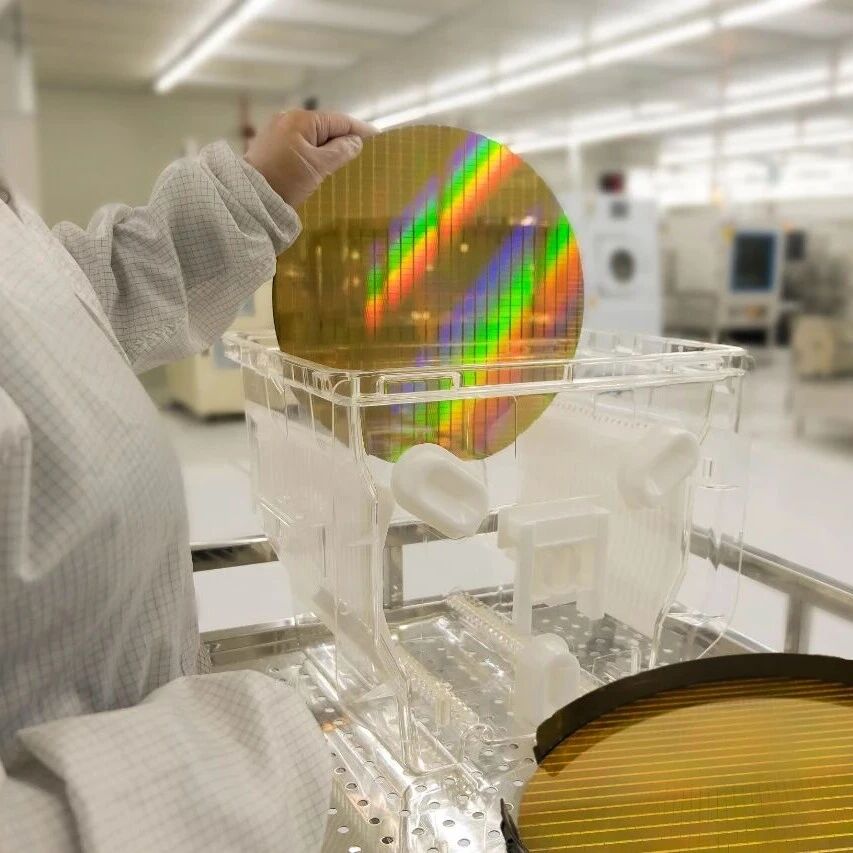
Core Viewpoint - The collaboration between Intel and imec marks a significant step towards the practical application of two-dimensional field-effect transistors (2DFET) by demonstrating a process compatible with 300mm wafers, indicating progress in integrating two-dimensional materials into large-scale semiconductor manufacturing [1][2][3] Group 1: Technological Advancements - Intel and imec have developed a contact and gate stack integration scheme that is compatible with wafer fabrication, addressing the challenge of integrating transition metal dichalcogenides (TMDs) into the manufacturing process without damaging the sensitive channels [2] - The use of high-quality two-dimensional layers, combined with a multi-layer stack of AlOx, HfO₂, and SiO₂, allows for the formation of embedded top contacts that protect the underlying two-dimensional channels from contamination and physical damage [2] Group 2: Industry Implications - The work done by Intel and imec is not expected to lead to immediate product commercialization but is valuable in reducing risks associated with the development and eventual production of chips based on two-dimensional materials [3] - Intel's strategy positions two-dimensional materials as a future option to be evaluated before silicon reaches its physical limits, aiming to address manufacturing challenges early in the development process [3] Group 3: Long-term Vision - The announcement from Intel's foundry conveys two key messages: the ongoing commitment to long-term technology R&D that will be critical for the semiconductor industry in the coming decades, and the necessity for new transistor concepts to consider manufacturability even in the research phase [3]