日经中文网

Search documents
中国消费通缩“日本化”?
日经中文网· 2025-08-25 08:00
Group 1 - The GDP deflator in China decreased by 1.3% from April to June compared to the same period last year, marking the longest decline in history for nine consecutive quarters, indicating significant deflationary pressure [2][5][7] - The phenomenon of excessive price reductions is becoming increasingly evident, with free products being offered on food delivery apps and luxury goods experiencing price drops [2][4] - The competitive landscape in the food delivery industry is intensifying, with major players like Meituan and Alibaba's Ele.me engaged in aggressive price wars, leading to substantial investments in discounting strategies [4][5] Group 2 - The Chinese government is responding to the crisis by addressing the issue of excessive price competition, with the State Administration for Market Regulation holding discussions with major companies to correct their pricing strategies [4][5] - The overall revenue growth in the restaurant industry was only 1.1% year-on-year in July, reflecting a broader trend of consumer frugality impacting various sectors [5][6] - The decline in demand is also affecting luxury goods, with high-end products being sold at significant discounts, as the government has implemented regulations to promote frugality among officials [5][6]



佳能副社长:2025年在中国相机销量力争增长10%
日经中文网· 2025-08-25 08:00
Core Viewpoint - Canon aims to achieve over 10% year-on-year growth in digital camera sales in China by 2025, targeting a return to the high growth era of the late 2000s to early 2010s, when annual growth rates exceeded 50% [2][4]. Group 1: Sales and Market Trends - In the first half of 2025, Canon's camera shipments in China increased by 16% year-on-year in terms of value, although this is a slowdown compared to the 28% growth rate in 2024 [4]. - The demand for cameras is recovering due to a surge in travel and the need for clear images and videos on social networks, with the camera market in China expected to exceed its 2019 size in 2024, reaching a historical high post-pandemic [4]. - The Z generation in China is shifting from smartphones to cameras for clearer photos and videos, prompting Canon to design models priced around 6,000 yuan that enhance video shooting convenience [4]. Group 2: Business Strategy - Canon plans to reverse the revenue decline in its enterprise business in 2024 and aims for overall revenue and profit growth in Canon China by 2025 [2][4]. - The company will leverage social networks, anime, and gaming to target student demographics in its marketing efforts [4].

无印良品在中国商标诉讼确定败诉
日经中文网· 2025-08-25 08:00
Core Viewpoint - The company Ryohin Keikaku, which operates the MUJI brand, has lost a legal battle in China regarding the use of the "MUJI" trademark for certain products, specifically those classified under "Class 24" such as towels and bed covers [2][4]. Group 1 - The Chinese local enterprise registered the "MUJI" trademark first, leading to Ryohin Keikaku's unsuccessful attempt to invalidate this registration [2][4]. - The Supreme People's Court rejected Ryohin Keikaku's request for retrial in June, confirming the company's defeat in the trademark dispute [4]. - Ryohin Keikaku had filed for the invalidation of the trademark in 2019, but their claims were not recognized in subsequent legal proceedings, including a lawsuit initiated in 2020 [4]. Group 2 - Ryohin Keikaku can still use the "MUJI" trademark for products outside of Class 24, but for Class 24 products, they will continue to use the "MUJI" brand [4]. - The company stated that the impact on sales is minimal due to the continued use of the "MUJI" trademark for these products [4].

高达迷集合!万代在静冈开了塑料模型博物馆
日经中文网· 2025-08-25 03:08
Core Viewpoint - Bandai has opened a plastic model museum in Shizuoka, showcasing its extensive collection and celebrating the culture of model building [2] Group 1 - The museum features a variety of plastic models, including popular franchises like Gundam, which is expected to attract both enthusiasts and tourists [2] - The initiative aims to enhance the brand's visibility and strengthen its connection with fans, potentially leading to increased sales in the model segment [2] - The museum is part of a broader strategy to promote Japanese pop culture and the hobby of model building on a global scale [2]

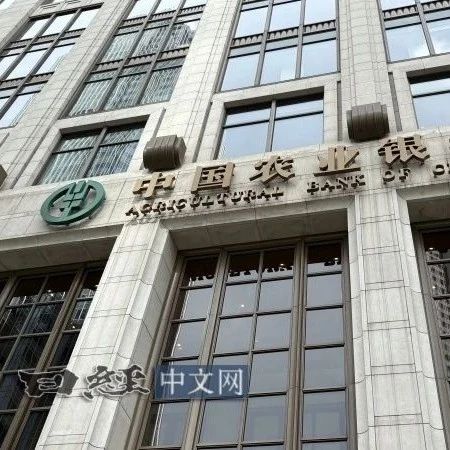
沪市TOP10榜单的反常,农行登顶
日经中文网· 2025-08-25 03:08
Core Viewpoint - The article highlights the unusual rise of Agricultural Bank of China to the top of the Shanghai Stock Exchange market capitalization rankings, reflecting changes in the Chinese economy and potential overheating in the stock market [2][4]. Group 1: Agricultural Bank of China - Agricultural Bank of China has seen a significant stock price increase of 32% from the beginning of the year to August 20, outperforming other major banks like Industrial and Commercial Bank of China (9%), China Construction Bank (4%), and Bank of China (2%) [6]. - The bank's revenue from rural areas accounts for nearly half of its total operating income for the fiscal year ending December 2024, benefiting from government policies aimed at food security and addressing rural poverty [6][7]. - Despite past concerns over high non-performing loans, which peaked at around 30%, Agricultural Bank of China has managed to grow its net interest income in the first half of the year, unlike its peers [6][7]. Group 2: Industrial Internet and Market Dynamics - Industrial Internet, a subsidiary of Foxconn Technology Group, has disrupted the dominance of state-owned enterprises in the market, with its stock price increasing 2.2 times since the beginning of the year [8]. - The company's net profit for the first half of 2025 is expected to grow nearly 40% year-on-year, driven by its AI-related data center server business [9]. - Industrial Internet's market capitalization has surpassed that of its parent company, Foxconn, by 40%, indicating strong investor interest despite its high valuation, with a price-to-earnings ratio of around 29 compared to its peers [9].

日韩举行首脑会谈,在逆境下相互接近
日经中文网· 2025-08-25 03:08
Group 1 - The core viewpoint of the article is that the recent meeting between Japanese Prime Minister Kishida Fumio and South Korean President Lee Jae-myung marks a significant step towards stabilizing and developing relations between Japan and South Korea, particularly in the context of shared diplomatic, trade, and security challenges [1][5]. - The meeting, which took place on August 23, is the first time a South Korean president has visited Japan before a trip to the United States, highlighting a shift in diplomatic priorities [1][5]. - Both leaders emphasized the importance of cooperation in addressing regional security issues, particularly concerning North Korea's nuclear development and the evolving geopolitical landscape in Asia [6]. Group 2 - The discussions included agreements on mutual "Working Holiday" visas, allowing young people to reside in each other's countries while working, which reflects a commitment to enhancing people-to-people exchanges [5]. - The leaders acknowledged the necessity of strategic communication between Japan and South Korea in light of changing regional strategic environments and new economic and trade orders [5][6]. - The article notes that the current South Korean administration under Lee Jae-myung has a different approach to Japan compared to the previous administration, focusing on mutual benefits and cooperation rather than historical grievances [5].

中国AI半导体要“脱美”
日经中文网· 2025-08-25 03:08
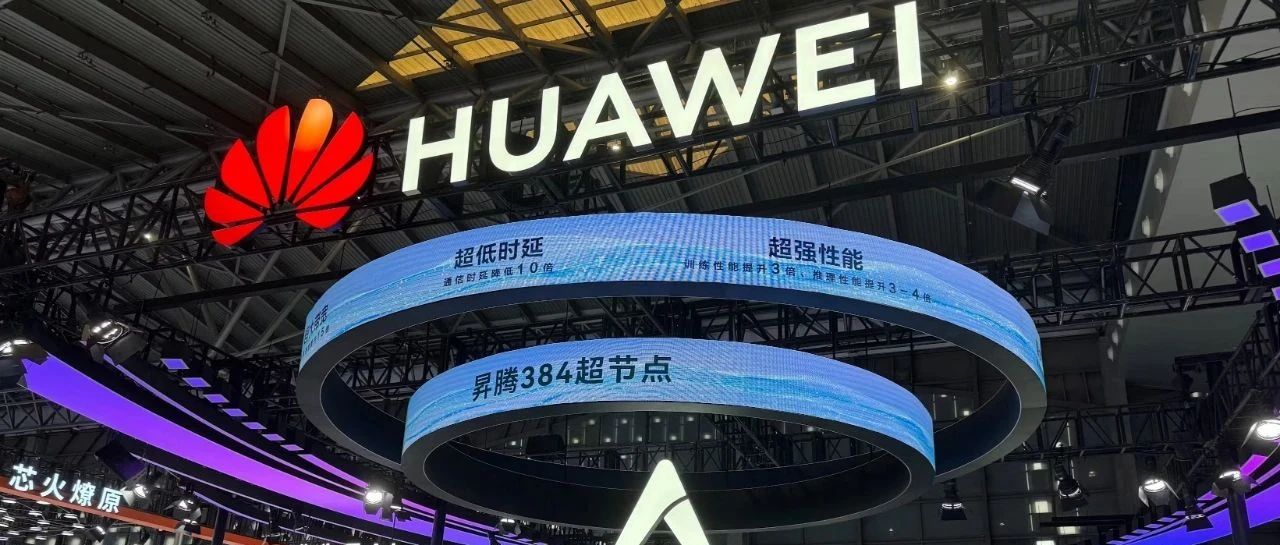
Core Viewpoint - China aims to increase the domestic self-sufficiency rate of semiconductors used in AI data centers to over 70% by 2027, with Beijing targeting 100% self-sufficiency, reducing reliance on US products like Nvidia [2][4]. Group 1: Government Plans and Policies - Shanghai plans to achieve over 70% self-sufficiency in semiconductors for AI data centers by 2027, while Beijing aims for 100% [4]. - Guizhou province's Gui'an New Area mandates that approximately 90% of semiconductors for AI-focused data centers be sourced from Chinese manufacturers [4]. - The Chinese Communist Party emphasizes the importance of self-reliance in AI semiconductor development, following a collective study session on AI technologies [4]. Group 2: Market Dynamics and Competitors - Nvidia currently holds an 80% market share in China's AI semiconductor sector as of early 2024 [4]. - Huawei's Ascend 910 series aims to replace Nvidia's H20 products, with the current 910B model achieving about 85% of H20's computing power [5]. - Market predictions suggest Nvidia's share may drop to 50-60% in the next five years, while Chinese companies could increase their share to 40-50% [5]. Group 3: Adoption of Domestic Products - The Chinese government encourages major tech companies to switch to domestic products, with ByteDance reportedly considering Huawei's offerings [7]. - There are strong recommendations against using Nvidia's H20 in government-related projects, promoting the use of domestic alternatives even if they are less performant [7]. Group 4: Challenges and Balancing Act - Despite efforts to reduce dependence on US technology, challenges remain, such as slow progress in AI model development due to reliance on Huawei products [7]. - Experts suggest that China may seek a balance between importing Nvidia products and developing its own technology to enhance AI capabilities [8].

FT中文网精选:牛市未央
日经中文网· 2025-08-25 03:08
Group 1 - The Chinese government is supporting the listing of emerging companies related to AI and chips on the Shanghai Stock Exchange's "Science and Technology Innovation Board" [5] - The A-share market is expected to shift from a rapid rotation and small-cap dominance to a broad rally favoring core assets [6] - The A-share market has reached a historical high in market capitalization, with the Shanghai Composite Index projected to exceed 3700 points by August 2025 [6] Group 2 - Factors driving the continuation of the bull market include the easing of Trump tariffs, the approaching Fed rate cuts, and improved expectations for domestic policies and fundamentals [6] - Long-term asset allocation trends indicate a shift towards increasing financial asset allocations, with the current price ratio effects among stocks, bonds, and real estate influencing the equity market [6] - Both institutional and individual investors have room for further accumulation under policy guidance and improving sentiment, creating a positive feedback loop with market performance [6]

百度自动驾驶出租车要借中国经验开拓海外市场
日经中文网· 2025-08-24 00:34
Core Viewpoint - Baidu is expanding its autonomous taxi service "Apollo Go" into overseas markets, leveraging its experience in China to target higher-priced markets in Asia, the Middle East, and Europe by 2026 [2][4]. Group 1: Business Expansion - Baidu's autonomous taxi service is currently operational in over 10 cities in China, including Wuhan and Beijing, with plans to enter Asian and Middle Eastern markets in the second half of 2025 and Europe in 2026 [2][4]. - The company has partnered with Uber to facilitate rides in Asia and the Middle East, and with Lyft to enter the European market, starting services in the UK and Germany in 2026 [5]. - Baidu aims to establish a strategic partnership with Autogo in the UAE, planning to deploy over 1,000 autonomous vehicles in Dubai by 2028 [7]. Group 2: Financial Performance - In Q2 2024, Baidu's autonomous driving business saw a 34% year-on-year increase in revenue, reaching 10 billion yuan, with operational rides increasing to 2.2 million, 2.5 times that of the same period in 2023 [4]. - The company anticipates that its operations in Wuhan will break even by 2024 and become profitable by 2025, as the local taxi fares are significantly lower than in major cities like Beijing and Shanghai [7]. Group 3: Market Dynamics - The autonomous taxi market in China is projected to reach $11.7 billion by 2030, indicating substantial growth potential [9]. - Baidu's sixth-generation autonomous vehicle "RT6" is priced at 200,000 yuan, which is less than half the cost of vehicles used by competitors like Waymo, enhancing its competitive edge [7][8]. Group 4: Challenges and Considerations - Baidu faces challenges in expanding overseas due to increasing concerns in Europe and the US regarding data privacy and security related to Chinese companies [9]. - Strategies to mitigate consumer resistance may include partnerships with local ride-hailing services and allowing local companies to own data [9].


矿石短缺担忧让铜价持续高位运行
日经中文网· 2025-08-24 00:34
Group 1 - The core issue in the copper market is the increasing difficulty in obtaining high-grade copper ore, leading to a supply shortage that is not keeping pace with rising demand [5][6]. - Copper prices have remained high, with the London Metal Exchange (LME) three-month futures hovering around $9,773.5 per ton as of August 15, reflecting a more than 20% increase from the low point following the announcement of tariffs by the Trump administration in April [4]. - The demand for copper is expected to rise due to the growth of electric vehicles (EVs) and data centers, which could further exacerbate the supply issues if smelting companies reduce production due to unprofitable conditions [9]. Group 2 - The mining industry is facing significant challenges, highlighted by the tunnel collapse at the El Teniente copper mine in Chile, which has raised concerns about copper ore supply shortages [6]. - The closure of the Cobre Panama mine in Panama, which accounted for over 1% of global copper production, due to environmental protests, indicates a trend of supply constraints that may persist until at least 2025 [8]. - Japanese smelting companies, such as JX Metals and Mitsubishi Materials, are considering production cuts due to deteriorating conditions for purchasing ore, which has led to a significant compression of processing fees [8].