虎嗅APP

Search documents
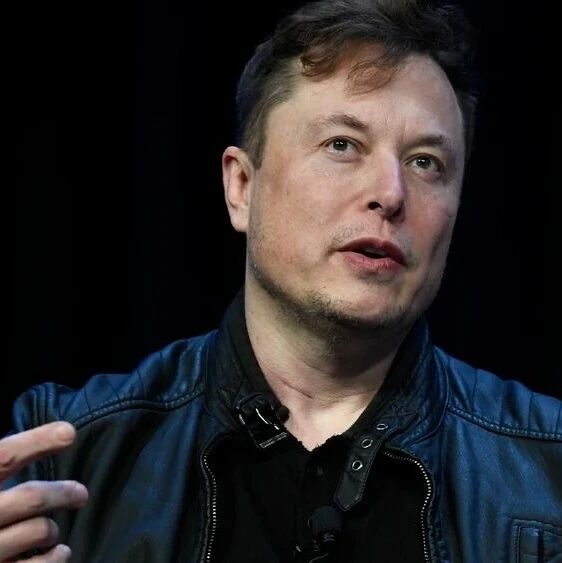
“工作狂”乔治·阿玛尼,百亿遗产无子女继承
虎嗅APP· 2025-09-05 11:27
Core Viewpoint - The passing of Giorgio Armani, the legendary Italian fashion designer and founder of the luxury brand, marks a significant moment in the fashion industry, raising questions about the future of the brand and its leadership succession [4][5]. Group 1: Biography and Career - Giorgio Armani was born in 1934 in Piacenza, Italy, and grew up in a modest family during World War II, which shaped his unique understanding of fashion and elegance [7]. - He entered the fashion industry at the age of 40 after working as a medical student and later as a fashion buyer, gaining recognition for designing a men's collection for Nino Cerruti in 1964 [7][8]. - The Giorgio Armani brand was officially established in 1975, and by the late 1970s, it had gained significant acclaim, including designing outfits for high-profile events and films [8]. Group 2: Work Ethic and Leadership - Armani was known as a workaholic, dedicating himself fully to his company and projects until his last days, emphasizing the importance of hard work instilled by his upbringing [10]. - He had plans to gradually transfer his responsibilities to close associates, indicating a structured approach to succession planning [12][13]. Group 3: Company Structure and Succession Planning - The Armani brand was one of the first luxury brands to diversify its offerings, expanding into various sectors including food, furniture, and hotels [11]. - Before his passing, Armani was the sole actual shareholder and had not publicly named a successor, leading to speculation about the brand's future in a competitive luxury market [12]. - A succession plan drafted in 2016 revealed that shares would be distributed among family members and a charitable foundation, aiming to ensure the brand's legacy [14][15]. Group 4: Financial Performance and Market Challenges - The Armani Group faced a decline in sales, with a 5.2% drop in 2016, and continued struggles in subsequent years, including a reported revenue of 2.3 billion euros in 2024, down 5% from the previous year [18]. - The brand's performance in the Chinese market has also been affected, with a decrease in its share of total revenue from 21% to 19% due to a challenging consumer environment [18][19]. - The overall luxury goods industry is facing challenges, and the future direction of the Giorgio Armani brand post-Armani's death remains uncertain [20].

哪些公司真把人当人?即便下行仍追求“清洁”?
虎嗅APP· 2025-09-05 11:27
Core Viewpoint - The article emphasizes the importance of integrating ESG (Environmental, Social, Governance) principles into business practices, highlighting that true commercial success involves creating shared value for all stakeholders rather than merely maximizing short-term profits [3][5][9]. Group 1: ESG Principles - ESG is not a complex concept; it is already embedded in daily life and affects everyone's interests [6]. - Environmental performance is crucial, with poor performers externalizing costs and good performers viewing sustainable practices as core competitive advantages [7]. - Social responsibility includes respecting labor rights and consumer privacy, with successful companies valuing trust and collaboration with suppliers [8]. - Governance involves effective management and transparency, with ethical companies ensuring fair treatment of shareholders and robust decision-making processes [9]. Group 2: Current Landscape and Future Outlook - The past year has seen significant fluctuations in sustainable issues, with ESG transitioning from a global narrative focus to a critical necessity for businesses [9]. - Companies aiming for long-term profitability must first address social, environmental, and human concerns, as climate risks and social inequalities become fundamental business considerations [9]. - The article announces the launch of the 2025 "Sustainable Brand Model" selection, aiming to identify companies that genuinely incorporate ESG principles into their operations [10][11]. Group 3: Evaluation and Accountability - The selection process will cover all outstanding companies operating in China, regardless of their origin or listing status, ensuring a comprehensive evaluation [15]. - The evaluation will be supported by authoritative data institutions, providing a broad and authentic ESG information base [15]. - An independent observation group will oversee the selection process to enhance transparency and professionalism [15].
折叠之界,破于鸿蒙
虎嗅APP· 2025-09-05 11:27
Core Viewpoint - The article discusses the evolution of mobile technology, highlighting Huawei's introduction of the HarmonyOS and the Mate XTs, which aim to break down device barriers and enhance user experience by integrating PC-level applications into mobile devices [2][3][12]. Group 1: Industry Context - The smartphone industry has evolved from the limitations of early devices, such as the iPhone, which initially restricted user applications, leading to the creation of a more open ecosystem with the introduction of the App Store [2][6]. - The current mobile technology landscape is characterized by a reliance on multiple devices (smartphones, tablets, laptops) for productivity, which creates inefficiencies due to the lack of seamless integration between different operating systems [6][10]. Group 2: Huawei's Strategy - Huawei initiated the development of its own operating system, HarmonyOS, in response to the need for a more integrated and versatile ecosystem that connects various devices, including smartphones, tablets, and IoT devices [13][14]. - The launch of HarmonyOS 5 and the Mate XTs represents a significant step towards achieving a multi-device ecosystem, allowing users to switch between mobile, tablet, and PC modes seamlessly [17][18]. Group 3: Technological Advancements - HarmonyOS 5 introduces distributed technology that enables automatic adaptation of applications and interfaces across different device forms, enhancing user experience and productivity [18][20]. - The integration of PC-level applications into mobile devices, such as the Mate XTs, allows for a more powerful mobile productivity experience, breaking the traditional limitations of mobile applications [24][27]. Group 4: Market Trends - The trend towards breaking device boundaries is not unique to Huawei; other tech giants like Apple and Samsung are also moving towards unified ecosystems that allow for seamless transitions between devices [30][32]. - The demand for efficient multi-device collaboration is growing, indicating a shift in the industry towards a more integrated approach to technology that prioritizes user experience and productivity [32].

早报|阿玛尼创始人离世终年91岁;特朗普签令实施美日贸易协议;普京称将回应中国对俄试行免签;北京杜莎夫人蜡像馆10月1日永久关闭
虎嗅APP· 2025-09-05 00:08
Group 1 - The U.S. President Trump signed an executive order to implement the U.S.-Japan trade agreement, which includes tariff adjustments for Japanese imports [2][3] - Japan is committed to increasing its procurement of U.S. rice by 75% as part of the trade agreement [3] Group 2 - OpenAI announced plans to launch an AI-driven recruitment platform in 2024, aiming to connect employers with job seekers skilled in AI, and to train 10 million Americans by 2030 [7] - Walmart will provide free certification for its 1.6 million U.S. employees as part of this initiative [7] Group 3 - Germany's beer sales fell by 6.3% year-on-year in the first half of the year, dropping to 3.9 billion liters, marking the first time sales fell below 4 billion liters since 1993 [8][9] - The decline in beer consumption among the younger generation is attributed to a cultural shift towards non-alcoholic beverages [9] Group 4 - The Afghan earthquake resulted in over 2,200 deaths and 3,640 injuries, with significant damage to infrastructure and ongoing rescue efforts [10] Group 5 - Nasdaq proposed changes to its listing rules, including raising the minimum public float for new companies to $15 million and expediting delisting processes for companies with market values below $5 million [13] Group 6 - The Chinese government announced anti-dumping measures against U.S. optical fiber products, marking the first anti-circumvention investigation in China [19][21] Group 7 - NIO aims to achieve a quarterly delivery target of 150,000 vehicles, with a goal of 50,000 monthly deliveries by Q4, leveraging its three brand strategy and extensive battery swap station network [32]

日薪208万的明星,开始收割打工人399的学费了
虎嗅APP· 2025-09-05 00:08
Core Viewpoint - The article discusses the trend of celebrities, particularly in the entertainment industry, selling online courses aimed at personal development and success, highlighting the financial success and market dynamics of this phenomenon [5][19][20]. Group 1: Celebrity Course Selling - Chen Lan, known as "Xiang Tai," launched a course titled "Xiang Tai's Upward Social Circle," priced at 399 yuan, which has generated nearly 2 million yuan in sales across multiple platforms within a few days [5][9]. - The course consists of recorded and live sessions, focusing on themes of personal success and happiness, appealing to young workers seeking guidance [9][10]. - The trend of celebrities selling courses is becoming crowded, with many stars leveraging their fame and life experiences to attract buyers, despite criticisms regarding the depth and authenticity of the content [14][18]. Group 2: Market Dynamics - The knowledge payment industry in China has seen significant growth, with market size increasing from 2.65 billion yuan in 2016 to 112.65 billion yuan in 2022, and projected to reach 280.88 billion yuan by 2025 [21]. - The low cost of entry for celebrities to enter the course-selling market, combined with their built-in audience, makes it an attractive avenue for monetization [20][21]. - The article notes that the emotional value of these courses often outweighs their practical value, as many consumers are drawn to the perceived wisdom and life experiences shared by celebrities [18][24]. Group 3: Consumer Behavior - Consumers, often feeling lost or overwhelmed, are willing to invest in these courses for psychological comfort, as the price point of 399 yuan is seen as accessible [23][24]. - The courses are marketed as a way to connect with high-quality social networks and gain insights into personal development, appealing to individuals seeking to improve their lives [10][12]. - The phenomenon reflects a broader societal trend where individuals look to external sources for guidance in navigating personal and professional challenges [23].

“不及预期”的比亚迪,隐形的“另一半”
虎嗅APP· 2025-09-05 00:08
Core Viewpoint - BYD's performance in H1 2025 shows revenue growth but faces challenges from price wars and regulatory pressures, leading to a decline in stock prices and negative market sentiment [5][6][9]. Group 1: Financial Performance - In H1 2025, BYD reported revenue of 371.28 billion, a year-on-year increase of 23.3%, and a net profit of 15.51 billion, up 13.8% [5]. - Operating cash flow reached 31.83 billion, reflecting a significant year-on-year growth of 124.5% [5][16]. - BYD's gross profit from vehicle sales surpassed Tesla's, with a gross profit of 61.6 billion in H1 2025, compared to Tesla's 26.7 billion, marking a 231% increase in the profit ratio compared to Tesla [14]. Group 2: Sales and Market Dynamics - BYD's dual strategy of pure electric and plug-in hybrid vehicles has been crucial for maintaining its position as a global leader in new energy vehicle sales [9]. - In 2023, pure electric and plug-in hybrid sales reached 1.575 million and 1.438 million respectively, with pure electric contributing 57% to the growth of passenger vehicle sales [7]. - The sales dynamics shifted in 2024, with plug-in hybrids contributing 83.9% to the growth, indicating a potential resurgence in their popularity [7]. Group 3: Technological Advancements - BYD's fifth-generation DM hybrid technology has significantly reduced fuel consumption, making plug-in hybrids more appealing in urban settings [9]. - The introduction of the "Megawatt Charging" technology aims to revolutionize the charging ecosystem, allowing for rapid charging and addressing the "occupancy" issue at charging stations [41][43]. - BYD's R&D investment in H1 2025 was 30.88 billion, significantly higher than Tesla's 21.5 billion, showcasing its commitment to innovation [28]. Group 4: Financial Health and Debt Management - BYD's asset-liability ratio stood at 71.1% as of June 2025, a decrease of 3.6 percentage points from the end of 2024, indicating improved financial stability [18]. - The company has effectively managed its interest-bearing debt, which constituted only 3.6% of total liabilities as of mid-2025 [19]. - Financial expenses for H1 2025 were reported at 3.25 billion, reflecting a strategic focus on cost management [20].



楼市低迷情绪什么时候能消失?
虎嗅APP· 2025-09-04 13:46
Core Viewpoint - The real estate market's trajectory is influenced by both fundamental and emotional factors, with current pessimism partly driven by sentiment rather than reality [5][6]. Group 1: Industry Confidence - The shift in industry confidence needs to move from price-based confidence to product-based confidence, emphasizing the value and quality of real estate products rather than just their prices [6][8]. - The focus on product quality can lead to a more robust confidence system in the real estate market, similar to the consumer behavior seen in the electric vehicle market [10]. Group 2: Policy Support - There is a need to transition from a narrative of policy relaxation to one of policy support, which can positively influence public sentiment and confidence in the real estate sector [11][12]. - Stable and supportive policies are crucial for fostering a sense of security among potential buyers, which can enhance market confidence [15]. Group 3: Targeted Audience for Confidence Building - Confidence should be cultivated among three key groups: industry practitioners, wealthy individuals, and media influencers, as their sentiments can significantly impact broader market perceptions [16][18]. - Real estate professionals need to feel optimistic about the industry's future, which can be achieved through mechanisms that highlight profitability and innovation [18]. Group 4: Signs of Market Recovery - Indicators of potential market recovery include increased participation from small and private developers, accelerated product iteration by developers, and a more flexible pricing environment [24][25][26]. - The emergence of a more inclusive attitude towards all buyers, regardless of their purchasing power, can also signal a shift towards a more active market [27]. Group 5: Conclusion - The current state of the real estate industry is weak and requires more attention and nurturing to foster recovery and confidence [32][33].

看,真实的美国
虎嗅APP· 2025-09-04 13:46
Core Viewpoint - The article discusses the complex state of the U.S. economy, highlighting the coexistence of technological prosperity and significant national debt, and emphasizes the "iron triangle" of consumption, capital, and technology that underpins the economy [4][10]. Economic Status: The Backbone of the World's Largest Economy - As of Q2 2025, the U.S. GDP grew by 3.3%, a significant recovery from previous quarters, with AI investments contributing 0.5% to this growth [8][9]. - The national debt surpassed $37 trillion, with interest payments exceeding $1 trillion, projected to reach $1.4 trillion in 2025, surpassing defense spending [9][10]. The "Iron Triangle" of the U.S. Economy First Pillar: The Global "Consumption Beast" - Personal consumption expenditures (PCE) account for 70% of GDP, with U.S. consumers projected to spend $20 trillion by 2025, representing 32.7% of global personal consumption [11][12]. - E-commerce in the U.S. is expected to reach $1.34 trillion by 2025, capturing 19% of the global market [12]. Second Pillar: The Global "Capital Black Hole" - The total market capitalization of the "Big Seven" tech companies exceeds $16 trillion, more than three times the GDP of any country other than the U.S. and China [13][14]. - In 2024, U.S. venture capital reached $180 billion, accounting for 58% of global venture capital [14][15]. Third Pillar: The Technology "Printing Press" - U.S. companies hold 75% of the global AI chip market and 60% of the cloud services market, supported by substantial government investments [18][19][20]. - The U.S. government invested $8.9 billion in Intel, becoming its largest single shareholder, demonstrating a strong policy push to maintain technological dominance [20]. Consumption Market: Segmentation and Downgrading Consumption Segmentation - The U.S. consumption landscape features three tiers: survival consumption, contradictory consumption, and emotional consumption [26][27]. - Lower-tier consumers focus on extreme cost-effectiveness, while middle-tier consumers exhibit mixed spending behaviors, balancing values and practicality [31][33][36]. Consumption Downgrading - The average replacement cycle for iPhones has extended from 2.3 years in 2021 to 3 years, indicating a decline in consumer purchasing power [39]. - The rise of "Buy Now, Pay Later" (BNPL) schemes reflects a hidden layer of consumption downgrading, as consumers accumulate debt through seemingly manageable payments [40][42]. Why the U.S. Remains a Top Destination for Entrepreneurs - The U.S. accounts for nearly one-third of global final consumption with only 5% of the world's population, highlighting its market density and consumer willingness [43]. - Companies are encouraged to engage with the U.S. market, leveraging its vast consumer base and high disposable income [45]. Strategic Recommendations for Chinese Enterprises - Companies should focus on three key strategies: engaging in U.S. business, learning from U.S. operational efficiencies, and deepening local market penetration [59]. - Targeting specific growth areas such as the "Sun Belt" states and high-demand sectors like health and pet care can yield significant opportunities [49][50]. Conclusion: Capturing Real Business Opportunities - The resilience of the U.S. economy is attributed to a well-integrated system of consumption, capital, and technology, creating a powerful economic "magnet" [56]. - Understanding the segmentation of the market provides insights into emerging opportunities for businesses [57].

“满屏满地铁的AI广告,差点把我吓出心脏病”
虎嗅APP· 2025-09-04 13:46
Core Viewpoint - The article discusses the pervasive influence of AI in advertising and consumer experiences, highlighting the disconnect between brand perceptions and consumer realities, leading to a decline in brand trust and authenticity [5][32][35]. Group 1: AI in Advertising - AI-generated content is increasingly replacing traditional advertising methods, with costs reduced to about one-fourth of traditional production processes [32]. - Brands are adopting AI for marketing, with examples like VOGUE and H&M using AI models to create content without human involvement, aiming for efficiency and cost savings [23]. - Despite the cost savings, the effectiveness of AI-generated ads is questioned, as consumers perceive them as lower quality, impacting brand image negatively [35]. Group 2: Consumer Experience and Perception - Consumers are becoming wary of AI-generated images and advertisements, leading to a demand for authenticity in marketing [24][25]. - The article highlights instances where AI misrepresents products, such as the "peanut tree" advertisement by a brand, which led to public ridicule and a subsequent apology [8][11]. - The rise of AI in consumer interactions, such as in KTVs where AI judges singing performances, adds to the frustration of consumers who feel overwhelmed by AI's presence in leisure activities [28]. Group 3: The Impact of AI on Employment and Creativity - The article notes that while AI can enhance efficiency, it also raises concerns about job displacement and the quality of creative work, as artists fear being overshadowed by AI-generated content [41]. - There is a growing sentiment that human creativity and expertise are essential in leveraging AI effectively, as the nuances of human experience cannot be replicated by AI [40]. - The introduction of regulations requiring AI-generated content to be clearly labeled reflects the industry's recognition of the need for transparency and accountability [41].

特斯拉的Master Plan,没有了特斯拉,也没有了Plan
虎嗅APP· 2025-09-04 13:46
Core Viewpoint - The article discusses Tesla's Master Plan Part IV, highlighting its lack of concrete business goals and data compared to previous plans, suggesting a shift in Musk's focus from practical innovation to broader, less defined aspirations in AI and robotics [14][16][22]. Summary by Sections Introduction - Tesla's Master Plan IV aims to create a sustainable and prosperous world through the integration of AI and robotics, building on two decades of foundational work in electric vehicles and energy products [29][30]. Guiding Principles - Growth is infinite: The article emphasizes that growth in one area does not necessitate decline in another, advocating for technological advancements to create more opportunities [32]. - Technology solves real problems: Products developed during the transition to sustainable prosperity are expected to address real-world issues, enhancing efficiency and sustainability [36]. - Autonomous technology must benefit humanity: Tesla's mission is to develop tools that improve human conditions through autonomous technology [38]. - Broader accessibility drives greater growth: The article argues that a prosperous society requires advanced technologies to be affordable and scalable for everyone [39]. - Accelerating the transition to sustainable prosperity: The article acknowledges the challenges ahead but emphasizes the importance of perseverance in overcoming obstacles [41]. Conclusion - The article concludes that Tesla is on the brink of a revolutionary era that will redefine work, mobility, and energy systems, aiming for a world of sustainable abundance that benefits all [42].