虎嗅APP

Search documents
早报 | 上海发布楼市新政;特朗普:希望今年与金正恩会面;英特尔警告:美政府入股恐构成风险;鲁迅故里回应鲁迅夹烟误导青少年
虎嗅APP· 2025-08-25 23:58
Group 1: Political Developments - President Trump expressed a desire to meet with North Korean leader Kim Jong-un this year, highlighting their previously positive relationship and past meetings [2][3] - The Trump administration is reportedly considering sanctions against EU officials responsible for the Digital Services Act, which has led to a nearly 1% drop in the euro against the dollar [6][7] - Trump announced that the U.S. government now holds a 10% stake in Intel, which could rise to 15%, raising concerns about potential risks to the company's international sales [8][9][25] Group 2: Legal and Competitive Issues - Elon Musk's companies, xAI and X, filed a lawsuit against Apple and OpenAI, accusing them of anti-competitive behavior aimed at maintaining their market dominance in AI and smartphones [4][5] - Intel warned that the government's stake could lead to legal challenges and opposition from foreign governments and business partners, as international sales account for 76% of its revenue [8][9] Group 3: Corporate Performance - Haidilao reported a 13.7% decline in net profit for the first half of 2025, attributing the drop to decreased table turnover rates and initial adjustments in product and service innovation [14][15] - Nvidia announced the launch of its Jetson AGX Thor robot chip module, priced at $3,499, which will be available for global customers, including those in China [10][11] Group 4: Market and Policy Changes - Shanghai's new real estate policy allows families to purchase unlimited properties outside the outer ring, and single individuals are treated as families for purchasing purposes [12][13] - The upcoming issuance of satellite internet licenses in China marks a significant step towards commercial operations in the satellite internet sector [17]



马斯克救不了特斯拉
虎嗅APP· 2025-08-25 23:58
Core Viewpoint - Tesla is facing significant challenges in its business performance, with declining revenues, profits, and vehicle sales, raising concerns about its future growth and valuation [4][5][52]. Group 1: Financial Performance - In H1 2025, Tesla reported revenue of $41.83 billion, a year-on-year decline of 10.6%, with net profit dropping 42.9% to $1.61 billion [4]. - Vehicle sales in H1 2025 reached 721,000 units, down 13.2% year-on-year, with a notable decline in sales of its main models [10][8]. - The contribution of carbon credit sales to net profit was significant, accounting for 64.2% of Q2 2025's net profit, highlighting the reliance on this revenue stream [47]. Group 2: Product and Market Challenges - Tesla's Full Self-Driving (FSD) revenue fell by 11.2% to $428 million in H1 2025, indicating struggles in this key technology area [6]. - The anticipated Model 2/Q has faced delays, with its launch pushed to mid-2025, which is critical for reviving sales [20][21]. - Tesla's vehicle models, particularly the Model 3 and Model Y, have not seen significant upgrades since their launches in 2016 and 2019, leading to consumer fatigue [11][12]. Group 3: Competitive Landscape - Tesla's battery technology is lagging behind competitors, with its 4680 battery facing production and performance issues, while competitors are advancing with higher voltage architectures [16][18]. - The company is struggling to maintain its market position as it faces increasing competition from Chinese automakers offering lower-priced models with better specifications [22][23]. Group 4: Future Outlook - The cancellation of federal tax incentives and weakening of carbon credit policies in the U.S. could severely impact Tesla's revenue from carbon credits, which have been a significant profit driver [50][46]. - The overall market for electric vehicles is becoming more competitive, with many new entrants offering compelling alternatives, which could further pressure Tesla's market share and profitability [52].


让东北老铁人人都能当周杰伦
虎嗅APP· 2025-08-25 13:34
Core Viewpoint - The article discusses the evolution and potential of AI in the music industry, highlighting the journey of a company focused on AI music generation and the belief in democratizing music creation for everyone [6][10]. Group 1: Historical Context of AI in Music - The first electronic speech synthesizer, Voder, was built in 1938, marking the initial connection between AI and audio [7]. - In 1957, the first computer-generated music piece, "Illiac Suite," was created, but progress in AI music was slow for decades [7]. - The introduction of Google's Magenta project in 2016 showcased the capabilities of AI in music generation, leading to significant advancements in the field [8]. Group 2: Personal Journey and Company Development - The CEO of the company, who has a background in AI algorithms, experienced a pivotal moment in 2016 when he successfully separated vocals from accompaniment using deep learning techniques [8][9]. - The company was founded in 2021, aiming to create a platform where everyone can compose music, similar to how short videos democratized content creation [10][11]. - The CEO believes that music creation can also achieve equality, allowing diverse voices and stories to be expressed through music [10][11]. Group 3: Technological Innovations and Challenges - The emergence of large models based on the Transformer architecture in 2021 led to significant advancements in AI music generation, culminating in the launch of a product referred to as the "ChatGPT of music" [9][10]. - The company is focused on rapid product iterations, aiming to enhance user engagement and creativity through innovative features [39][48]. - The challenge lies in stimulating user creativity and finding effective ways to shorten the music creation process [45][46]. Group 4: Business Model and Market Positioning - The company plans to offer a freemium model, allowing users to create a limited number of songs for free, with monetization options based on song popularity [52][53]. - A significant effort has been made to build a comprehensive music data labeling database, which serves as a competitive advantage in the AI music space [54]. - The company aims to differentiate itself from competitors by focusing on user-generated content and providing a platform for music creation that emphasizes user ownership of their work [55][61].

谁是2025年中国造车第一城?
虎嗅APP· 2025-08-25 13:34
Core Viewpoint - The article discusses the changing landscape of China's automotive industry, highlighting the competition among various provinces and cities in vehicle production, with a focus on the rise of new players and the decline of traditional powerhouses. Group 1: Provincial Rankings - Anhui has overtaken Guangdong to become the top province in automotive production, with a total output of 149.95 million vehicles, surpassing Guangdong by 18 million [6][7] - Chongqing ranks third with 121.85 million vehicles, showing a slight year-on-year increase of 0.4% [14] - Other notable provinces include Shandong (120.06 million), Jiangsu (116.10 million), and Shaanxi (94.32 million) [6][7] Group 2: City Competitions - The article emphasizes the competition among cities, with Chongqing leading in vehicle production among cities, followed by Guangzhou and Shanghai [9][10] - In 2023, Chongqing's production reached 231.8 million vehicles, surpassing Guangzhou [17] - Beijing's production has rebounded to 71.3 million vehicles, driven by the growth of new energy vehicles [27][28] Group 3: Emerging Automotive Cities - The article identifies several emerging automotive cities, such as Xi'an, which produced 175.35 million vehicles last year, and Hefei, which is expected to produce over 80 million vehicles in the first half of the year [31][36] - The automotive production in Xi'an is bolstered by brands like BYD and Geely, contributing to significant growth [31] - Hefei's automotive industry is supported by major brands like NIO and BYD, indicating its potential to rank among the top automotive cities [36][39] Group 4: Decline of Traditional Powerhouses - Shenzhen and Guangzhou have seen significant declines in production due to changes in statistical methods, with Shenzhen's output expected to drop by over 200 million vehicles [40][41] - The shift in production statistics has impacted traditional leaders, highlighting the need for adaptation in the evolving automotive landscape [40][41] Group 5: Future Outlook - The article predicts a reshuffling of the automotive landscape by the end of the year, with potential new leaders emerging in the industry [11][60] - The rise of new energy vehicles and technological advancements are reshaping competition, with cities like Chongqing and Hefei establishing competitive advantages [60][61]
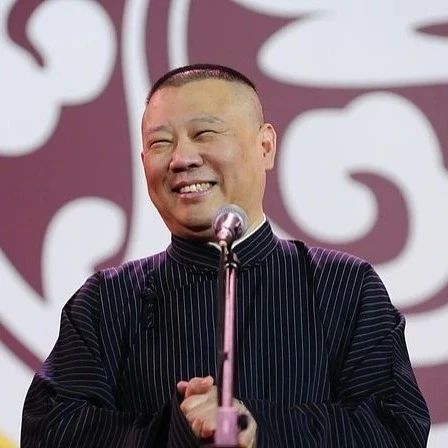
为什么说没有人比郭德纲更懂《赛博朋克2077》?
虎嗅APP· 2025-08-25 13:34
Core Viewpoint - The article discusses the innovative use of AI to create a version of Guo Degang, a famous Chinese comedian, who narrates popular video games and films, blending traditional storytelling with modern technology, thus creating a unique cultural phenomenon [4][32][36]. Summary by Sections AI and Cultural Integration - AI Guo Degang has evolved from simple voice replication to a sophisticated storyteller, capable of narrating complex narratives from games like "Cyberpunk 2077" and "Death Stranding" in a way that resonates with audiences [26][32]. - The integration of AI in storytelling reflects a demand for familiar cultural references in a rapidly changing technological landscape, allowing audiences to connect with both nostalgia and modernity [42][49]. Game Narration and Audience Engagement - The narration of "Cyberpunk 2077" by AI Guo Degang captures the essence of the game's themes, making them accessible and engaging for listeners [13][34]. - The AI's ability to incorporate humor and traditional storytelling techniques enhances the experience, drawing in audiences who may not be familiar with the original content [30][40]. Nostalgia and Retro-Futurism - The phenomenon of AI Guo Degang represents a blend of retro and futuristic elements, termed "retro-futurism," where past cultural forms are reimagined through modern technology [43][48]. - This trend highlights a collective memory and cultural identity, as audiences find comfort in familiar narratives amidst the uncertainties of the future [38][51]. Broader Implications - The success of AI Guo Degang in narrating various media indicates a broader cultural shift towards the acceptance and integration of AI in traditional art forms [36][49]. - The article suggests that as technology advances, there will be an increasing desire for content that bridges the gap between the past and the future, allowing for a deeper connection with cultural heritage [50][51].
失落的三十年,日本女性如何一步步走向贫困
虎嗅APP· 2025-08-25 13:34
Core Viewpoint - The article discusses the changing dynamics of marriage and singlehood among women in Japan, highlighting the economic and social factors that influence their choices and the resulting implications for their lives and well-being [4][5][6]. Group 1: Economic Context - Japan's prolonged economic stagnation has led to a significant shift in women's life choices, with the lifetime unmarried rate for women projected to approach 30% by 2035 [6]. - The traditional view of marriage as a safety net has transformed into a perception of risk, as many women weigh the costs and benefits of marriage against their economic stability [7]. - The employment landscape has changed drastically since the 1990s, with women often relegated to non-regular employment, resulting in lower average salaries and job security compared to men [9][10]. Group 2: Changing Marriage Dynamics - The historical norm of "marriage followed by resignation" has shifted to a reluctance to resign from jobs due to the fear of losing economic independence [11]. - Many women cite the lack of a financially stable partner as a primary reason for remaining unmarried, with 46.2% of unmarried women aged 30-34 identifying this as a key factor [11]. - The burden of household responsibilities remains disproportionately on women, leading to a "double shift" where they manage both professional and domestic duties [16]. Group 3: Social Security and Support Systems - Japan's social security system is primarily designed around the family unit, leaving single women at a disadvantage in terms of tax benefits and pension entitlements [20][21]. - The concept of a "single tax" emerges, where unmarried women face higher tax burdens and lower social security benefits compared to their married counterparts [21]. - The increasing number of elderly single women is projected to face higher poverty rates, exacerbated by their longer life expectancy and lower lifetime earnings [21][22]. Group 4: Implications of Freedom and Autonomy - While women in Japan have gained more choices regarding marriage and career, this newfound freedom does not come with adequate support or security [25]. - The article emphasizes that the autonomy women experience is often a forced choice, leading to increased risks and uncertainties in their lives [26]. - The narrative of older women living in poverty highlights the systemic failures in providing adequate support for those who choose or are forced into singlehood [27][28].

别再为了下一代,牺牲这一代
虎嗅APP· 2025-08-25 10:41
Core Viewpoint - The article discusses the dilemma faced by Chinese families regarding housing and education, highlighting the sacrifices made for better educational opportunities, often resulting in a decline in living conditions [2][3][4]. Group 1: Housing and Education Dilemma - Many families are forced to live in cramped, older homes near prestigious schools, leading to a significant compromise in their quality of life [2][4]. - The phenomenon of "residential downgrade" is prevalent, where families move from spacious homes to smaller, less desirable living spaces to access better educational resources [4][5]. Group 2: Dimensions of Downgrade - The downgrade manifests in three dimensions: 1. Functional downgrade, where homes serve only as spaces for sleeping and studying, lacking areas for exploration and relaxation [6]. 2. Experiential downgrade, with reduced quality in lighting, ventilation, and overall living conditions, turning daily life into a struggle [6]. 3. Relational downgrade, where crowded living conditions lead to increased tension among family members and diminished communication quality [6]. Group 3: Changing Parental Perspectives - A new generation of parents is recognizing the importance of a nurturing home environment for their children's growth, advocating for homes that support exploration and comfort rather than mere functionality [7][8]. Group 4: The Concept of "Growth-Oriented Living" - The article introduces the idea of "growth-oriented living," where homes are seen as partners in education, adapting to the evolving needs of children and families [9][10]. - This concept emphasizes the need for flexible living spaces that can evolve with the family's changing requirements, promoting a more enriching living experience [17][21]. Group 5: Market Response and Solutions - Professional housing rental institutions, like Ziroom, are emerging as providers of "growth-oriented living" solutions, addressing the pain points of traditional school district rentals [11][13]. - These institutions offer comprehensive living solutions that prioritize quality of life and educational support, moving beyond mere property transactions [23][24]. Group 6: Future of Living - The future of residential living is shifting from ownership to experience, focusing on quality interactions and educational environments rather than just property rights [26][27]. - The article concludes that when homes become true partners in education, families can reclaim the quality of life that has been compromised in the pursuit of better educational opportunities [27].

带编制的中国神仙,在境外大杀四方
虎嗅APP· 2025-08-25 10:41
以下文章来源于环行星球 ,作者环行星球 环行星球 . 旅行+多元文化+人生体验,看遍这个五彩斑斓的世界。合作请联系:xiaobaibai_9999(注明品牌和需 求) 本文来自微信公众号: 环行星球 ,作者:环行星球,题图来自:虎嗅(张一然拍摄) 近几年,民间神仙文化备受瞩目,甚至与电音、激光等结合形成了"赛博游神"奇观。老百姓一手提着 鸡,两脚蹦着迪,在"世子天团"身后虔诚地跟随,场面十分壮观,堪称互联网流量吸铁石。 而在海外,中国神仙也并非无人问津,甚至有的还吸纳了大量忠实信徒,日子"滋润"得多。比如越南 的村社,每当"礼会"之日,全村的人都会聚集在一起祭祀城隍,从献祭到恭读、焚烧祭文,每个流程 都十分讲究。 而每个月的朔望,人们也会例行拜神,这种频率在国内大部分地区已经非常少见。 为什么会出现这样的情况?中国有哪些神仙出了海?他们又过得怎么样? 热门编制神仙,中外通吃 想搞清楚这些,就需要初步了解中国神仙体系。从周代起,官方祭祀就将"超自然"的存在分为"天 神、地祇、祖鬼、物魅"的等级,其中天地日月、黄河与长江、泰山等自然神,一直地位尊崇,而精 魅则地位较为低下。 经过长时间的细化与丰富,再加上道教的出 ...

钉钉无招:做AI要拒绝傲慢
虎嗅APP· 2025-08-25 10:41
Core Viewpoint - The article discusses the return of DingTalk CEO Wu Zhao to Alibaba and his vision for transforming DingTalk in the AI era, emphasizing the need for innovation and a user-centric approach in product development [4][5][6]. Group 1: Leadership and Organizational Changes - Wu Zhao returned to DingTalk after five years, focusing on product and organizational issues, finding the platform to be cumbersome and inefficient [5]. - He initiated a flat organizational structure, allowing all employees, including interns, to directly communicate with him about product ideas and innovation projects [6]. - Over ten innovation teams have been established within DingTalk, each responsible for specific AI scenarios or tools, promoting a culture of rapid iteration and user feedback [6][7]. Group 2: Innovation and AI Integration - Wu Zhao emphasizes the importance of a user-centric approach, encouraging teams to gather real user feedback and avoid arrogance in product development [7][8]. - The first major release under his leadership is the DingTalk 8.0 version, which includes AI features like AI forms and AI listening, along with the launch of the DingTalk A1 AI hardware product [8][9]. - The innovation teams are assessed based on their commitment and ability to meet user needs, with a focus on customer satisfaction before scaling [25][24]. Group 3: Personal Insights and Future Vision - Wu Zhao's insights on AI stem from his previous entrepreneurial experiences, where he realized the importance of humans assisting AI in understanding the physical world [12][15]. - He believes that the future of work can be redefined globally through AI, positioning DingTalk as a leader in this transformation [8][12]. - The approach to innovation is rooted in a "co-creation trilogy," which involves idea generation, understanding customer needs, and iterative testing with real users [21][6].


本科毕业读大专,年轻人开始“本升专”了?
虎嗅APP· 2025-08-25 10:41
Core Viewpoint - The article discusses the emerging trend among young people in China to pursue vocational education (specifically, transitioning from a bachelor's degree to a specialized diploma) as a practical solution to employment challenges, highlighting a shift in perception regarding the value of different educational paths [4][6][21]. Summary by Sections Educational Trends - Many young graduates are considering enrolling in vocational colleges after obtaining their bachelor's degrees, a phenomenon referred to as "reverse升学" (reverse education) [4][6]. - Zhengzhou Railway Vocational and Technical College has gained attention for accepting undergraduate students, with 135 students already enrolled in its specialized programs [6]. Employment Perspectives - There is a growing belief that practical skills can outweigh academic qualifications in the job market, with reports suggesting that some vocational graduates earn more than their undergraduate counterparts [8][9]. - Various vocational colleges across China are beginning to offer programs specifically designed for undergraduate students, indicating a broader acceptance of this educational shift [8][9]. Job Market Realities - The job market increasingly demands both academic credentials and practical experience, leading many graduates to consider vocational training as a viable alternative [12][26]. - Students express that vocational education can provide direct pathways to employment, especially in fields with high demand for skilled labor [18][24]. Changing Attitudes - The stigma associated with vocational education is diminishing, as more young people recognize the value of acquiring practical skills over merely holding a degree [21][32]. - The article notes that some students view vocational training as a strategic move to enhance their employability, rather than a fallback option [19][32].