虎嗅APP

Search documents
航旅纵横,成不了12306
虎嗅APP· 2025-08-18 09:47
Core Viewpoint - The article discusses the launch of the "official direct sales platform" by Hanglv Zongheng, which integrates resources from 38 airlines to sell tickets directly, aiming for transparency and eliminating hidden fees, but faces skepticism regarding its pricing strategy and potential competition with existing OTA platforms [5][6][16]. Group 1: Launch and Support - Hanglv Zongheng announced the integration of 38 airlines to create a direct sales platform for tickets, promising "0 markup, 0 bundling, 0 tricks" [6]. - Major airlines like Air China, China Southern Airlines, and China Eastern Airlines have expressed support for this initiative, positioning it as a significant direct sales channel [16][17]. - The platform is compared to "the civil aviation version of 12306," indicating its official backing and potential to reshape the ticketing landscape [6][8]. Group 2: Pricing and Market Position - Despite the promise of "source tickets," prices on Hanglv Zongheng are often higher than those on OTA platforms like Ctrip, with differences ranging from 50 to 100 yuan for certain routes [8][10]. - The pricing structure in the airline industry is complex, with airlines setting base fares influenced by various factors, and the final price often includes additional fees from OTAs or agents [10][12]. - Hanglv Zongheng's "source tickets" are not necessarily cheaper, as the platform aims to build trust through transparency rather than competing solely on price [12][14]. Group 3: Industry Dynamics - The relationship between airlines and OTAs has been historically contentious, with airlines seeking to reduce dependency on OTAs and increase direct sales [19][22]. - The introduction of Hanglv Zongheng is seen as a strategic move to balance the power dynamics between airlines and OTAs, allowing airlines to gain more control over pricing and distribution [22][23]. - The push for direct sales is further supported by regulatory changes aimed at increasing the proportion of direct sales by airlines [20][21]. Group 4: Challenges and Future Outlook - Hanglv Zongheng faces significant challenges in competing with established OTAs, particularly in user experience, customer service, and comprehensive travel solutions [26][27]. - The platform's ability to attract price-sensitive customers may be limited, as many users prioritize price over transparency, making it difficult to disrupt the existing OTA market [29][30]. - While Hanglv Zongheng may capture a niche market of users seeking transparency, it is unlikely to significantly alter the competitive landscape in the short term [30].



英伟达的“狙击者”
虎嗅APP· 2025-08-18 09:47
Core Viewpoint - The article discusses the explosive growth of the AI inference market, highlighting the competition between established tech giants and emerging startups, particularly focusing on the strategies to challenge NVIDIA's dominance in the AI chip sector. Group 1: AI Inference Market Growth - The AI inference chip market is experiencing explosive growth, with a market size of $15.8 billion in 2023, projected to reach $90.6 billion by 2030 [7] - The demand for inference is driving a positive cycle of market growth and revenue generation, with NVIDIA's data center revenue being 40% derived from inference business [7] - The significant reduction in inference costs is a primary driver of market growth, with costs dropping from $20 per million tokens to $0.07 in just 18 months, a decrease of 280 times [7] Group 2: Profitability and Competition - AI inference factories show average profit margins exceeding 50%, with NVIDIA's GB200 achieving a remarkable profit margin of 77.6% [10] - The article notes that while NVIDIA has a stronghold on the training side, the inference market presents opportunities for competitors due to lower dependency on NVIDIA's CUDA ecosystem [11][12] - Companies like AWS and OpenAI are exploring alternatives to reduce reliance on NVIDIA by promoting their own inference chips and utilizing Google’s TPU, respectively [12][13] Group 3: Emergence of Startups - Startups are increasingly entering the AI inference market, with companies like Rivos and Groq gaining attention for their innovative approaches to chip design [15][16] - Rivos is developing software to translate NVIDIA's CUDA code for its chips, potentially lowering user migration costs and increasing competitiveness [16] - Groq, founded by former Google TPU team members, has raised over $1 billion and is focusing on providing cost-effective solutions for AI inference tasks [17] Group 4: Market Dynamics and Future Trends - The article emphasizes the diversification of computing needs in AI inference, with specialized AI chips (ASICs) becoming a viable alternative to general-purpose GPUs [16] - The emergence of edge computing and the growing demand for AI in smart devices are creating new opportunities for inference applications [18] - The ongoing debate about the effectiveness of NVIDIA's "more power is better" narrative raises questions about the future of AI chip development and market dynamics [18]


“经济上行的美”,是真繁荣还是怀旧幻象?
虎嗅APP· 2025-08-18 09:47
Core Viewpoint - The article discusses the evolving dynamics of the women's fashion market, highlighting the tension between traditional feminine aesthetics and modern minimalist styles, while critiquing the societal pressures and standards imposed on women's bodies through fashion and advertising [4][5][6]. Group 1: Fashion Trends and Societal Pressures - The women's fashion market is experiencing a split between soft, feminine elements and rational, minimalist styles, which often impose new standards on body types [4]. - Advertising in the lingerie sector emphasizes the "no trace" concept, reinforcing the idea that women's bodies should not leave any "marks," thus promoting products that "correct" perceived body flaws [5]. - Language surrounding women's bodies has become more derogatory, with terms like "camel toe" and "pork belly line" demonizing natural body contours, often through voyeuristic perspectives [5]. Group 2: Cultural Reflections in Media - The film "Barbie" serves as a counter-narrative to the unrealistic standards of femininity, portraying a character that embodies the complexities of real women's experiences rather than an idealized version [5][6]. - The conclusion of "Barbie" resonates with contemporary women's anxieties about conforming to a compressed and modified standard of beauty, questioning the allowance for authentic bodily experiences [5]. Group 3: Shifts in Fashion Meaning - The role of clothing has fundamentally shifted from merely aesthetic to a powerful symbol of identity and moral judgment, reflecting broader societal changes [6][7]. - The red MAGA hat is cited as a prime example of how clothing can convey political messages and reinforce tribal identities, showcasing the intersection of fashion and ideology [7]. Group 4: The Impact of Social Media - Social media has transformed personal expression, with private details of life becoming public, thus reshaping individual identity and self-perception [22][23]. - The phenomenon of "everyone being a blogger" highlights the pressure to curate a public persona, often leading to fragmented identities across different platforms [24]. Group 5: Labor and Ethical Considerations in Fashion - The fast fashion industry is critiqued for its exploitative labor practices, particularly affecting women workers in developing countries, who face long hours and low wages [31][32]. - The systemic undervaluation of labor in the fashion supply chain raises ethical questions about consumer choices and the true cost of "freedom of choice" in fashion [31][33].

早报 | 多地辟谣房东税;特朗普:在俄罗斯问题上取得重大进展;与辉同行回应董宇辉年入二三十亿;OpenAI 考虑收购Chrome
虎嗅APP· 2025-08-18 00:00
Group 1 - The Chinese men's basketball team finished as runners-up in the 2025 Asian Cup, losing to Australia by a narrow margin of 89 to 90, marking their return to the finals after a decade [2] - The incident involving the collapse of a ceiling at a popular milk tea shop in Shanghai resulted in the death of an employee, with the store currently closed and under investigation [4][5] - A tragic flash flood in Inner Mongolia has led to the deaths of 10 individuals, with ongoing search efforts for the missing [5] Group 2 - The milk tea brand Mixue Ice City faced backlash after a cockroach was found in an unopened drink, leading to an apology and a compensation of 1,000 yuan to the affected consumer [11] - Xiaomi's car owner was involved in a severe traffic accident, resulting in four fatalities and one serious injury, with the driver facing full responsibility for the incident due to excessive speed [9][10] - The semiconductor giant Huahong Group announced a significant acquisition plan to purchase Huahong Five Factory, aiming to enhance its 12-inch wafer foundry capacity [19]


慢牛真来了
虎嗅APP· 2025-08-18 00:00
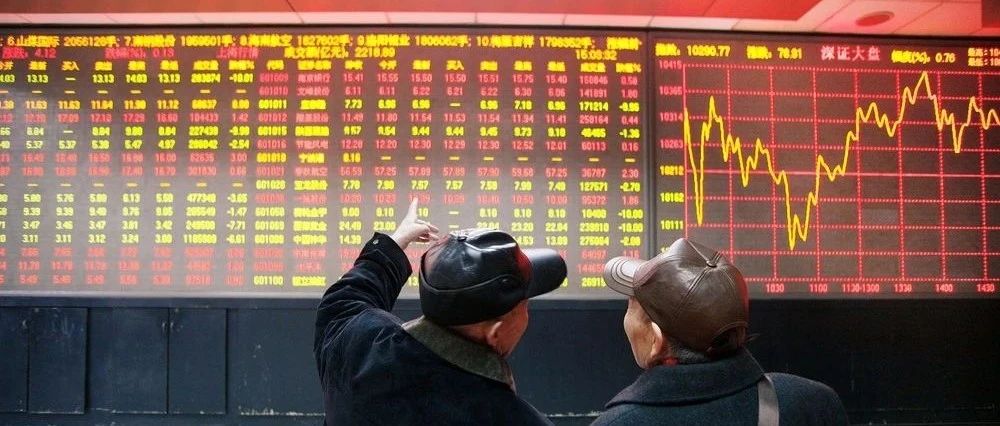
Core Viewpoint - The article discusses the current state of the A-share market, indicating a clear upward trend characterized by a "slow bull" market, with structural improvements in various sectors and a gradual recovery in investor sentiment [5][6]. Group 1: Market Trends - The A-share market has shown a significant rebound since October 2024, with the Shanghai Composite Index reaching a high of 3688 points on August 13, 2025, surpassing the previous peak [5]. - The market is currently in the third wave of an upward trend, despite mixed investor sentiment, with some feeling pressured to sell and others hesitant to enter the market [6][12]. - The economic fundamentals are expected to improve gradually, with GDP growth rates stabilizing and corporate profit growth showing signs of recovery, as evidenced by a 3.51% year-on-year increase in net profit for Q1 2025 [7][9]. Group 2: Economic Fundamentals - The article emphasizes that the improvement in economic fundamentals is not just about corporate earnings but also includes macroeconomic indicators like GDP and industrial output [7]. - The current economic environment is characterized by a "bottoming out" phase, with GDP growth showing signs of stabilization, which is crucial for sustaining the slow bull market [9][10]. - Recent developments, such as the delay in tariff implementation by the U.S., have reduced short-term risks associated with trade tensions, further supporting the market's upward trajectory [10][12]. Group 3: Investment Strategies - To capitalize on the current bull market, investors are advised to focus on leading companies that can achieve significant market value growth, particularly in sectors aligned with current trends [19][20]. - Avoiding mediocre stocks that do not align with market themes is crucial, as these tend to underperform relative to the overall market [19][20]. - Investors should prioritize sectors with high elasticity, such as technology and non-bank financials, which have historically been key drivers in bull markets [20][23]. Group 4: Market Behavior and Investor Psychology - The article highlights the importance of maintaining a long-term investment perspective and avoiding emotional trading behaviors, such as chasing high-performing stocks or frequently switching positions [21][22]. - It notes that even in a bull market, many investors may still experience losses due to poor stock selection and market timing [19][22]. - The need for patience and a disciplined approach to investing is emphasized, as market corrections are common in bull markets, and maintaining composure is essential for long-term success [25][26].
60天账期到了,仍有供应商没能拿到钱
虎嗅APP· 2025-08-18 00:00
Core Viewpoint - The article discusses the ongoing challenges faced by suppliers in the Chinese automotive industry, particularly regarding delayed payments from car manufacturers despite recent commitments to shorten payment terms to 60 days. Group 1: Payment Delays and Supplier Struggles - Many suppliers are still not receiving payments on time, with some relying on personal relationships with purchasing staff to expedite payments rather than legal or governmental channels [8][9][10]. - The new regulations mandating payment within 60 days for large enterprises purchasing from small and medium-sized enterprises (SMEs) have not been effectively implemented, leading to continued issues with delayed payments [6][7][14]. - Suppliers report that while some car manufacturers have improved payment speeds, others, particularly in the new energy vehicle sector, continue to delay payments despite previous commitments [12][16]. Group 2: Payment Practices and Industry Dynamics - The practice of using acceptance bills (承兑汇票) remains prevalent, allowing manufacturers to extend payment periods beyond the agreed terms, particularly affecting secondary suppliers [15][20]. - The competitive nature of the automotive industry leads to a culture where suppliers feel pressured to maintain business relationships, often at the expense of timely payments [28][29]. - Some suppliers, especially those with monopolistic positions in niche markets or those supplying foreign joint ventures, experience fewer payment issues compared to others [25][27]. Group 3: Regulatory and Market Responses - The article highlights the gap between policy and practice, noting that while regulations exist to protect suppliers, enforcement and adherence are lacking [24][33]. - The Ministry of Industry and Information Technology has opened a platform for reporting issues related to payment delays, but suppliers are hesitant to utilize it due to fear of damaging business relationships [29][30]. - The overall sentiment among suppliers is one of resignation, prioritizing business continuity over legal recourse for payment disputes [29][32].

物业费,全国大跳水
虎嗅APP· 2025-08-17 13:40
Core Viewpoint - The property management industry is experiencing a significant shift, with a nationwide trend of property fee reductions driven by government policies, owner awareness, and changes in supply-demand dynamics in the real estate market [5][6][7]. Group 1: Property Fee Reductions - A wave of property fee reductions has swept across various cities, with reductions ranging from 20% to 35% in places like Chongqing, Yinchuan, Qingdao, and Wuhan [5][8]. - Some cities have introduced policies to reduce fees for vacant properties, with discounts reaching as high as 50% in certain areas [7]. - Notably, Vanke Property announced its exit from property management in a community due to a more than 40% reduction in fees, stating that such drastic cuts made operations unsustainable [7][10]. Group 2: Owner-Property Management Conflicts - Conflicts between property management companies and owners are becoming increasingly common, with owners demanding better services for the fees they pay [11][12]. - Many owners are dissatisfied with the quality of services provided, leading to a growing number of complaints and calls for fee reductions [15][16]. - The relationship between property management companies and developers is often tightly bound, leading to financial strains on property management firms during market downturns [12][14]. Group 3: Market Dynamics and Future Outlook - The property management sector is facing challenges as the number of property management companies continues to grow while new housing starts decline, leading to increased competition [26][29]. - Despite some companies successfully reducing fees, others are struggling to maintain service levels, resulting in a phenomenon of "property management vacuum" where companies withdraw from managing certain properties [30][33]. - The overall satisfaction with property services has been declining, indicating a need for improved service quality and a reevaluation of pricing structures to align with service levels [39][41].

“日本茅台”的崛起之路,对中国白酒有何启示?
虎嗅APP· 2025-08-17 13:40
Core Viewpoint - The article discusses the challenges faced by the Chinese liquor industry, particularly the white liquor sector, drawing parallels with the historical decline of Japanese sake. It emphasizes the need for innovation and adaptation to regain market share and attract younger consumers. Group 1: Industry Challenges - The Chinese white liquor industry is facing a crisis with inventory values exceeding 1 trillion yuan, including 760.947 billion yuan from 19 listed companies and over 300 billion yuan from unlisted companies and distributors [5][6]. - Key issues include an aging consumer base, with projections indicating that by 2024, 22% of China's population will be over 65 years old, mirroring Japan's demographic challenges [9][10]. - The younger generation, particularly those born after 1995, is increasingly rejecting white liquor, with 64% of Gen Z viewing it as a drink for older generations [8][10]. Group 2: Historical Parallels with Japanese Sake - Japanese sake experienced a similar decline from the 1970s to the 1990s, with 70% of young people never having consumed sake during that period [6][8]. - The production of Japanese sake has decreased significantly, from 14 billion liters in 1973 to just 4 billion liters in 2020, reflecting a 40-year decline [12]. - The consumption scenarios for both Japanese sake and Chinese white liquor are primarily centered around formal occasions, which are shrinking due to changing social norms and regulations [18][19]. Group 3: Successful Strategies from Japanese Sake - Despite the overall decline, certain segments of Japanese sake, such as high-end brands like Dassai, have thrived, capturing 32% of the market by 2024 [21][32]. - Dassai's success is attributed to its focus on premium sake, leveraging national cultural trends and government support for traditional beverages [27][28]. - The article outlines Dassai's strategic moves, including product differentiation through purity and quality, which could serve as a model for Chinese white liquor brands [36][46]. Group 4: Recommendations for Chinese White Liquor - The Chinese white liquor industry must innovate and adapt to changing consumer preferences, similar to how Dassai repositioned itself in the market [74]. - There is a need for a cultural revival that aligns the product with modern consumer values, potentially creating a brand that embodies Chinese liquor culture [74]. - The article suggests that the success of brands like Dassai can inspire Chinese white liquor companies to explore high-end markets and redefine their brand identities [75].

住进车里的年轻人:不租房不买房,5平米最自由
虎嗅APP· 2025-08-17 13:40
Core Viewpoint - The article explores the emerging trend of individuals choosing to live in their cars instead of renting apartments, driven by factors such as cost-effectiveness, flexibility, and a desire for personal space and comfort [7][8][17]. Group 1: Reasons for Living in Cars - High cost-effectiveness is a primary reason for many individuals opting for car living, as it significantly reduces monthly expenses compared to renting [8][14]. - Individuals like Ma Shu and Yin Meng have found that living in their cars allows them to save on rent while still enjoying a comfortable living environment [12][17]. - The ability to adapt to a mobile lifestyle and the freedom it provides are also significant factors influencing this choice [15][19]. Group 2: Lifestyle Changes and Adaptations - Living in a car has led to a reorganization of daily routines and a sense of belonging for individuals who previously felt transient in their living situations [20][22]. - The limited space in cars has prompted individuals to creatively enhance their living conditions, such as setting up kitchens and bathrooms in outdoor spaces [23][24]. - Social interactions have increased for some, as living in communal or public spaces has led to unexpected connections with others [27][29]. Group 3: Challenges and Considerations - Despite the perceived freedom, living in cars presents challenges such as noise, lack of privacy, and the need for adaptability to various living conditions [34][39]. - Family concerns about safety and comfort in such living arrangements often arise, although many individuals have managed to alleviate these worries over time [39][41]. - The lifestyle is not seen as a long-term solution, with many individuals acknowledging the need for a more stable living situation in the future [42][45].

萨洛蒙的线下野心,不止一个小白楼|消费现场
虎嗅APP· 2025-08-17 10:23
Core Viewpoint - Salomon has transformed from a discount brand to a trendy outdoor brand, significantly increasing its market presence and sales through strategic offline expansion and a focus on experiential retail [4][5]. Group 1: Financial Performance - In Q1 2025, Salomon's outdoor equipment revenue surged by 25% year-on-year to $502 million, marking a return to double-digit growth after a year [5]. - The sales of Salomon's footwear products exceeded $1 billion annually, indicating strong market demand and brand positioning [5][15]. Group 2: Strategic Expansion - Salomon's store count in Greater China increased from 13 in 2019 to 196 by the end of 2024, with an additional 22 stores opened in Q1 2025, reaching a total of 218 [5][15]. - The brand aims to develop hundreds of stores in first- and second-tier cities, with flagship stores in key urban areas [15]. Group 3: Retail Experience - The newly opened Salomon store in Shanghai emphasizes an immersive outdoor experience, featuring distinct thematic areas designed to enhance customer engagement and prolong visit duration [7][14]. - The store's design encourages a flow from product display to experiential zones, effectively doubling the average customer stay time compared to traditional outdoor stores [14]. Group 4: Target Demographics - Salomon is increasingly appealing to young women, with female customers now making up 50% of its Chinese clientele, particularly in first- and second-tier cities [20]. - The brand's marketing strategy includes collaborations with fashion designers and influencers to attract younger demographics, particularly Gen Z [19][21]. Group 5: Competitive Landscape - The outdoor apparel and equipment market is becoming more competitive, with brands like HOKA and On running gaining traction, necessitating Salomon to differentiate through unique retail experiences [18]. - Salomon's growth is challenged by a slowdown in overall revenue growth in its segment, dropping from 31% to 28% [18].