虎嗅APP

Search documents
奥特曼的人设,塌在GPT-5
虎嗅APP· 2025-08-17 10:23
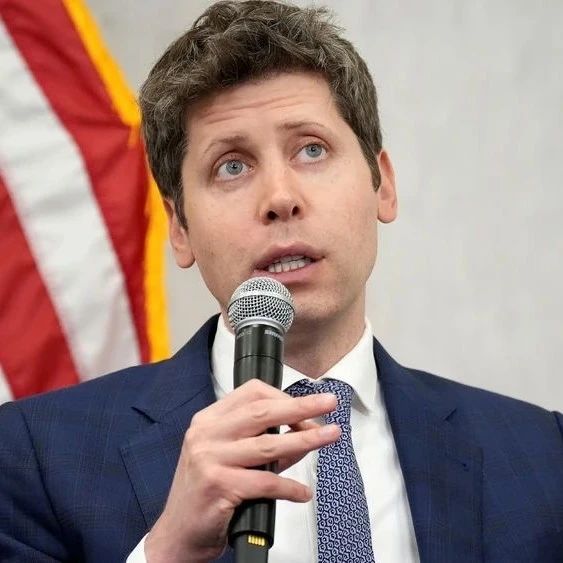
以下文章来源于APPSO ,作者发现明日产品的 APPSO . AI 第一新媒体,「超级个体」的灵感指南。 #AIGC #智能设备 #独特应用 #Generative AI 本文来自微信公众号: APPSO (ID:appsolution) ,作者:发现明日产品的,原文标题:《硅谷 画饼王"塌房":奥特曼撒谎微表情被扒光,网友集体喊下台》,题图来自:视觉中国 AGI 即将到来。 我们现在有信心知道如何构建传统意义上的 AGI。 GPT-5 是一次重大升级……是通往 AGI 的重要一步。 其实 AGI 这个词没什么用。 短短半年时间内,OpenAI CEO山姆·奥特曼 (Sam Altman) 先后抛出了这个观点,第一句让全世界 振奋,第二、三句让用户和投资人躁动,第四句却又几乎否定了前面的一切。 关于AGI的定义,在他嘴里已经变成了薛定谔的猫,既存在又不存在,既重要又无关紧要。 奥特曼的人设,塌在GPT-5 尽管大家对奥特曼"营销大师"的人设早有心理预期,但GPT-5这次翻车,还是让人大跌眼镜。网友们 在对产品失望之余,还扒出了一个关于奥特曼有趣的细节。 知名学者加里·马库斯 (Gary Marcus) 在X ...

星巴克中国“卖身”,现在是最好的时机
虎嗅APP· 2025-08-17 10:23
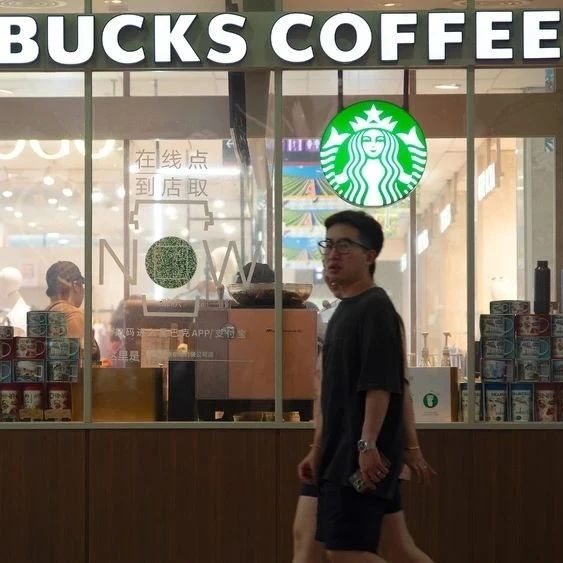
Core Viewpoint - Starbucks China is reportedly in talks to sell its business, with a valuation between $5 billion to $10 billion, amid increasing competition and declining price competitiveness in the market [5][14]. Group 1: Current Challenges - Starbucks China faces a significant crisis due to low product cost-performance, which has become increasingly evident over the past two years [6]. - The rise of competitors like Luckin Coffee and Kudi, which have engaged in aggressive price wars, has made Starbucks' pricing appear unreasonable [7][10]. - The introduction of lower-priced options by competitors has shifted consumer price expectations, making it difficult for Starbucks to maintain its premium pricing strategy [10][11]. Group 2: Self-Rescue Strategies - Starbucks has initiated its first official price reduction in 25 years, lowering prices on several non-coffee beverages by 2 to 6 yuan [9]. - The company has also focused on launching new products, particularly in the non-coffee category, to attract consumers [12]. - Despite these efforts, the new product offerings have not matched the popularity of competitors' successful launches, indicating a struggle to innovate effectively [12][13]. Group 3: Value Proposition - Despite current challenges, Starbucks China still possesses significant value, including approximately 8,000 stores, which are considered high-quality assets [15][16]. - The company reported a net revenue of $730 million for Q2 of fiscal year 2025, with a year-on-year growth of 5%, although the average transaction value per order has decreased by 4% [16][17]. - Starbucks maintains a strong presence in social and business gathering spaces, which continues to provide it with a competitive edge [18]. Group 4: Market Position and Future Outlook - Starbucks retains significant bargaining power with shopping malls, having established favorable lease agreements in the past [21][22]. - The brand's presence is still seen as a marker of quality for shopping centers, although this could change with the rise of new domestic brands [23][24]. - The timing of the potential sale is viewed as optimal, as the company still holds considerable value, but future market conditions remain uncertain [14][24].

300岁老年团播,是“顶流”还是“牛马”?
虎嗅APP· 2025-08-17 03:43
Core Viewpoint - The article discusses the rapid growth and potential of the elderly live streaming market in China, highlighting how older individuals are increasingly participating in live broadcasts, transforming their roles from passive viewers to active content creators and influencers [4][30]. Group 1: Elderly Participation in Live Streaming - The short video penetration rate among the elderly (50 years and above) is projected to reach 33.9% in 2024, indicating significant engagement from this demographic [6]. - A variety of content is being produced by elderly groups, including performances, sales, and educational content, showcasing their diverse interests and capabilities [7][10]. - The phenomenon of elderly live streaming is characterized by high viewer engagement, with one event attracting 19.29 million viewers and 35.29 million likes [4]. Group 2: Changing Perceptions and Employment Opportunities - A significant portion of elderly viewers (58.0%) have engaged with silver-haired content, leading to a shift in perceptions about older individuals, with many expressing a desire to learn new skills [17]. - The desire for re-employment among retirees is strong, with 68% indicating a willingness to work post-retirement, driven by personal value and financial needs [17]. - As of December 2023, over 15.08 million people have taken up live streaming as a primary occupation, with a notable 25% being from the 60s and 70s age groups [18]. Group 3: Economic Potential and Market Dynamics - The elderly consumer market is showing remarkable growth, with online transactions increasing by 238% in terms of order volume and 105% in monetary value compared to 2019 [22]. - Elderly live streaming serves as a strategic tool to tap into this burgeoning market, appealing to both older consumers and younger audiences seeking emotional connections [23][24]. - The content produced is often relatable and affordable, catering to the needs of a broader audience while maintaining a low entry barrier for participation [24]. Group 4: Challenges and Concerns - Despite the apparent success, elderly streamers often face low profit margins, with earnings typically ranging from 10% to 25% of total revenue, raising concerns about fair compensation [26]. - The demanding nature of live streaming can lead to physical strain, with reports of elderly streamers suffering from health issues due to long hours of work [28]. - The article emphasizes the need for a more equitable distribution of profits and better working conditions for elderly streamers, questioning the sustainability of the current model [30][31].

此次异常低调的对华谈判,为何成关税战的真正拐点?
虎嗅APP· 2025-08-17 03:43
Core Viewpoint - The article discusses the fragility of trade agreements made by the Trump administration, highlighting the potential for these agreements to be more about political posturing than actual economic benefits. It emphasizes that the agreements may not lead to the expected outcomes and could result in a shift in global trade dynamics away from U.S. dominance [5][7][27]. Group 1: Trade Agreements and Their Viability - The U.S. and China have agreed to pause the implementation of 24% tariffs for 90 days, indicating a potential thaw in trade tensions, but the effectiveness of these agreements remains questionable [5]. - Many of the trade agreements, such as those with the EU and Japan, lack concrete details and written records, leading to skepticism about their enforceability and actual economic impact [11][19]. - The commitments made by countries to purchase U.S. goods, such as the EU's promise to buy $750 billion in energy products, are viewed as unrealistic given the current export levels from the U.S. [13][14]. Group 2: Economic Impact and Criticism - The Trump administration's trade policies have resulted in the highest tariffs in nearly a century, costing American households an average of $2,400 annually [8]. - Job losses in the manufacturing sector have continued, with 11,000 jobs lost in July alone, contradicting the administration's claims of job creation through these policies [8]. - The article argues that the focus on tariffs has led to increased costs for consumers and has not effectively brought manufacturing jobs back to the U.S. [25]. Group 3: Global Trade Dynamics - The article suggests that the aggressive trade policies have led to a shift in alliances, with traditional U.S. allies like the EU and Japan seeking closer ties with China and reducing their dependence on the U.S. [25][27]. - The potential for a "anti-U.S. alliance" is highlighted, as countries look to diversify their trade relationships in response to U.S. policies [25]. - The article concludes that the Trump administration's approach may lead to the decline of the existing international trade system, with new rules potentially being established without U.S. leadership [27].
女人一张嘴,脱口秀战火纷飞
虎嗅APP· 2025-08-17 03:43
Core Viewpoint - The article discusses the ongoing controversy surrounding stand-up comedy in China, particularly focusing on gender issues and the impact of prominent figures like Luo Yonghao on public discourse and audience reactions [5][18][28]. Group 1: Gender Issues in Stand-Up Comedy - The current landscape of stand-up comedy in China has transformed into a battleground for gender issues, with audiences divided over the portrayal of women and the relevance of gender topics in comedic performances [7][18]. - Many comedians are criticized for prioritizing social messages over humor, leading to a perception that comedy has become less entertaining and more didactic [19][50]. - The article highlights that while female perspectives are essential, the execution often lacks comedic skill, resulting in performances that feel more like lectures than entertainment [50][51]. Group 2: Audience Reactions and Social Media Dynamics - The audience's response to gender-related jokes has become polarized, with heated debates erupting on social media platforms about the appropriateness and effectiveness of certain comedic content [13][48]. - Luo Yonghao's controversial remarks have sparked significant backlash, leading to calls for his replacement in comedy shows and a broader discussion about the role of male comedians in addressing female issues [28][35]. - The article notes that the discourse surrounding comedy has shifted, with many viewers expressing discomfort when confronted with jokes that challenge traditional gender norms [91][92]. Group 3: The Evolution of Stand-Up Comedy - The article argues that the evolution of stand-up comedy in China reflects broader societal changes, with female comedians bringing new narratives and experiences to the forefront [58][119]. - It emphasizes the importance of allowing female comedians to share their stories and perspectives, which have historically been marginalized in the comedy scene [114][116]. - The piece concludes that the future of stand-up comedy will depend on the ability of comedians to balance humor with meaningful commentary, ensuring that both elements coexist effectively [117][120].

“反对的义务”,为什么在中国企业中落地这么难?
虎嗅APP· 2025-08-16 13:54
Core Viewpoint - The article discusses the challenges of implementing the "obligation to dissent" value in Chinese enterprises, highlighting cultural, environmental, and systemic barriers that hinder its adoption [5][10]. Group 1: Cultural Factors - The deeply rooted cultural factors in Chinese enterprises, particularly Confucian influences, pose significant obstacles to the "obligation to dissent" [11]. - Hierarchical views dominate, where leaders are seen as embodiments of wisdom, and subordinates are expected to show respect and obedience, limiting critical feedback [11][12]. - The pursuit of harmony leads to indirect communication, where concerns are expressed subtly rather than openly, further suppressing constructive dissent [12]. Group 2: Environmental and Psychological Safety - Many Chinese enterprises lack the psychological safety necessary for genuine dissent, where employees fear negative repercussions for voicing concerns [13]. - Leaders may verbally welcome dissent but react defensively when it occurs, creating a culture of silence [13][14]. - Psychological safety is crucial for higher performance and employee engagement, promoting "contributory dissent" [14]. Group 3: Decision-Making Mechanisms and Leadership Styles - The prevalent decision-making mechanisms in Chinese enterprises are often rigid and top-down, discouraging subordinate input [15]. - Authoritarian leadership styles further suppress initiative and challenge, as employees may view unsolicited actions as disobedience [15]. - A broader societal context reinforces caution in challenging established authority within enterprises [15]. Group 4: Conflicts Between "Obligation to Dissent" and Traditional Culture - The article outlines key conflicts between the "obligation to dissent" and traditional Chinese corporate culture, including differences in core values, communication styles, hierarchical relationships, and responsibility attribution [16][17]. Group 5: Management of Dissent - The article emphasizes the need for structured mechanisms to manage dissent effectively, balancing decision costs and efficiency [20]. - The "disagree and commit" principle is proposed to ensure that after thorough discussion, all team members support the final decision [21]. - Techniques like "red teaming" and "premortems" can institutionalize dissent as part of the decision-making process, reducing personal risk and promoting objective problem-solving [23]. Group 6: Conditions for Successful Implementation - Successful implementation of the "obligation to dissent" in Chinese enterprises requires a pragmatic, gradual approach that respects cultural sensitivities [25]. - Leaders must exhibit an open mindset and actively seek dissent, fostering psychological safety within teams [26][27]. - Teams need to develop critical thinking and effective communication skills, ensuring that dissent is viewed as a constructive contribution rather than a threat [28]. Group 7: Gradual Strategies for Implementation - A phased strategy is recommended for introducing the "obligation to dissent," starting with private feedback and gradually building trust [30]. - Emphasizing future-oriented feedback rather than past criticism can facilitate acceptance and reduce the risk of "losing face" [30]. - Establishing strong interpersonal relationships is crucial for ensuring team members are receptive to feedback [30]. Group 8: Summary of Key Conditions and Strategies - The article summarizes key conditions and practical strategies for promoting the "obligation to dissent," including leadership openness, team psychological safety, structured debate processes, and a culture of continuous learning [32].

京东重新估量了外卖这件武器?
虎嗅APP· 2025-08-16 13:54
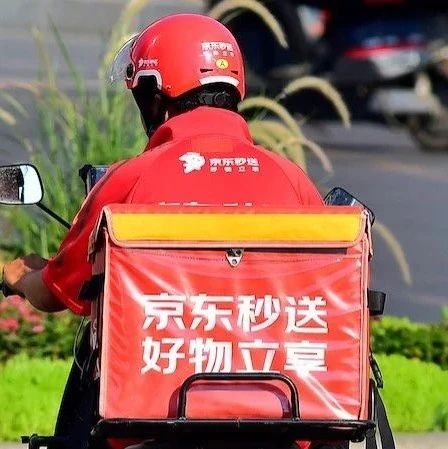
Core Viewpoint - JD.com is reassessing the significance and strategy of its food delivery business, particularly in light of recent financial performance and competitive pressures in the market [4][5]. Financial Performance - In Q2 2025, JD.com reported revenues of 356.7 billion yuan, a year-on-year increase of 22.4%, but net profit attributable to ordinary shareholders fell by 51% to 6.2 billion yuan, primarily due to investments in new businesses, including food delivery [6]. - The overall loss from new businesses reached 14.8 billion yuan, with marketing expenses increasing by over 127% to 27 billion yuan, largely driven by promotions for food delivery and other new initiatives [6][7]. Business Strategy - JD.com’s CEO emphasized viewing the food delivery business through an ecological lens, integrating it with core retail operations to create synergies and cross-selling opportunities [5][6]. - The company aims to maintain strategic focus and efficient investment in the dynamic food delivery market, acknowledging the need for a long-term commitment despite potential short-term losses [5][8]. User Growth and Cross-Selling - The food delivery segment is expected to drive user growth, with new users increasingly engaging in cross-purchases across various categories, including supermarkets and digital accessories [7][9]. - JD.com is developing capabilities to enhance cross-shopping, with plans to launch related tools in Q3 [7][9]. Market Position and Competition - JD.com holds approximately 10% market share in the food delivery sector, ranking third behind competitors Meituan and Alibaba, which have more established user conversion strategies [8][9]. - The company is exploring additional new business directions beyond food delivery, aiming for a sustainable business model over the next 5 to 20 years rather than focusing solely on short-term results [10].

第一批买AI眼镜的人,已退货
虎嗅APP· 2025-08-16 13:54
Core Viewpoint - The rapid rise and subsequent decline of AI glasses in the market highlight the gap between consumer expectations and actual product performance, leading to significant return rates and negative feedback from users [5][12][28]. Group 1: Market Performance - Xiaomi AI glasses sold nearly 50,000 units within three days of launch, indicating strong initial demand [14]. - The overall market for smart glasses in China is projected to reach 2.907 million units in 2023, with multiple brands entering the competition [14]. - Despite the initial sales success, a wave of returns has emerged due to poor user experiences, with some estimates suggesting return rates could be as high as 40% to 50% [28][30]. Group 2: User Experience Issues - Users reported significant issues with the AI glasses, including connectivity problems, subpar audio and video quality, and heavy weight, leading to discomfort [8][14][15]. - Specific complaints included delayed translation features, poor photo quality, and awkward design that caused discomfort during extended use [10][11][15]. - The AI glasses' functionality, such as smart recognition and translation, often failed to meet user expectations, resulting in frustration and dissatisfaction [11][15]. Group 3: Competitive Landscape - Major tech companies like Huawei, Alibaba, and Baidu are entering the AI glasses market, intensifying competition [12][22]. - The market has seen a surge in new products, with over ten new models launched in the first half of the year, but many have faced similar criticism regarding performance [12][14]. - The entry of companies like Flash Technology, which offered a lower-priced model, did not prevent negative feedback regarding product quality and functionality [22][23]. Group 4: Historical Context - The history of smart glasses dates back to Google's launch of Google Glass in 2012, which ultimately failed due to high costs and privacy concerns [18][20]. - The market saw a resurgence in 2023 with Meta's collaboration with Ray-Ban, which successfully integrated AI features while focusing on style and comfort [21][22]. - The current landscape is characterized by a rush of companies attempting to capitalize on the AI glasses trend, but many are struggling with product quality and consumer acceptance [28].


全民骑手时代,外卖不够送了
虎嗅APP· 2025-08-16 09:52
Core Viewpoint - The article discusses the rising trend of part-time food delivery jobs in China, highlighting the experiences of various individuals who have taken up this work as a means of financial relief and personal fulfillment [4][8]. Group 1: Industry Overview - The number of food delivery riders in China has surpassed 13 million, with a significant increase in riders during the summer, reaching 3.5 times the previous year's figures [8]. - The article notes that food delivery has become a popular choice among various demographics, including students and working professionals, reflecting a cultural shift in how such jobs are perceived [6][8]. Group 2: Personal Experiences - One individual, who previously worked in graphic design, found the job of a food delivery rider to be less stressful compared to their office job, allowing them to escape the frustrations of corporate life [12][14]. - Another rider, burdened by significant debt from stock market investments, turned to food delivery as a means to earn immediate income and alleviate financial stress, finding satisfaction in the simplicity of the work [16][21]. - A third individual, who struggled with mental health issues, discovered a renewed sense of purpose and connection to the world through food delivery, which helped improve their physical and mental well-being [22][25]. Group 3: Economic Implications - The article suggests that the influx of part-time riders has created a competitive environment, leading to challenges for long-time riders who may feel threatened by the increasing number of new entrants [33]. - The experiences shared indicate that food delivery work is not only a source of income but also a means of personal growth and social interaction, which may contribute to the overall economic landscape of gig work in China [20][30].

别太相信DeepSeek
虎嗅APP· 2025-08-16 09:52
Core Viewpoint - The article discusses the emerging concept of Generative Engine Optimization (GEO), which aims to enhance brand visibility in AI-generated responses, highlighting its potential as a lucrative business opportunity in the AI search landscape [6][8]. Group 1: GEO Concept and Market Dynamics - GEO is defined as a strategy to improve the presence of brand information in AI-generated answers, with studies indicating that optimization can increase content visibility by up to 40% [6]. - The global GEO market is projected to exceed 42 billion yuan by 2025, with a compound annual growth rate of 87% [8]. - Companies like Profound, which focus on AI search optimization, have gained significant investment interest, with Profound's valuation surpassing 100 million USD after multiple funding rounds [7][8]. Group 2: Business Models and Strategies - The typical GEO process involves matching brand keywords to user queries, allowing for targeted advertising in AI responses [10]. - The cost of keyword placement in GEO is relatively affordable, ranging from 150 to 300 yuan per month for domestic platforms and 300 to 500 USD for overseas platforms [12]. - New entrants in the GEO space are capitalizing on existing marketing budgets, with many businesses eager to leverage AI for brand visibility [12][13]. Group 3: Impact of AI on Consumer Behavior - As AI becomes a primary source of information, brands must adapt their strategies from traditional SEO to optimizing AI training data and knowledge graphs [18]. - Currently, about 10% of recommendation traffic comes from AI dialogues, with predictions suggesting this could exceed 50% by 2027, potentially driving 2.5 trillion USD in online commerce through AI interactions [18]. - The shift towards AI-driven recommendations necessitates a focus on high-quality content generation to remain competitive in the evolving landscape [21]. Group 4: Challenges and Future Outlook - The GEO market is characterized by a mix of traditional SEO companies, content marketing firms transitioning to GEO, and startups specializing in AI search [20]. - There are concerns about low-quality content and "gray market" practices that could undermine the integrity of GEO efforts [20][21]. - The future of marketing in the AI era may see a consolidation of players, with a stronger emphasis on content quality and the potential for new advertising models to emerge [23].