虎嗅APP

Search documents
保时捷的中国困境
虎嗅APP· 2025-08-16 09:52
Core Viewpoint - Porsche's recent struggles in the Chinese market highlight the challenges faced by traditional automakers during the transition to electric vehicles, despite their aggressive investment and innovative technologies [6][21][22]. Group 1: Sales Performance and Market Dynamics - In 2021, Porsche achieved a peak sales figure of 95,000 units in China, contributing to one-third of its total sales [6][11]. - However, by 2024, overall sales are projected to decline to 56,000 units, marking a significant downturn [7][21]. - The brand's sales in China have dropped by 28% year-on-year, leading to a loss of its status as the largest single market [21][22]. Group 2: Electric Vehicle Strategy - Porsche has been proactive in its electric vehicle (EV) strategy, launching the Taycan, which received 30,000 pre-orders and became the best-selling model in 2021, surpassing the iconic 911 [32]. - The company aims for electric and plug-in hybrid vehicles to account for 50% of total sales by 2025 and over 80% by 2030 [32]. - Significant investments have been made in battery technology and partnerships, including the establishment of a joint venture for battery production [31]. Group 3: Challenges in Transition - Porsche's transition to electric vehicles has been hampered by reliance on Volkswagen's software and electronic architecture, which has faced delays and difficulties [35][40]. - The development of the E3 electronic architecture has been problematic, causing delays in the launch of new models like the Macan EV [40]. - The competitive landscape has shifted, with electric vehicles becoming more affordable and offering superior configurations, challenging Porsche's traditional pricing strategy [43][44]. Group 4: Brand Positioning and Market Perception - Porsche occupies a unique position between luxury and premium segments, which complicates its pricing strategy amid increasing competition from electric vehicle manufacturers [47][50]. - The average sales price of Porsche vehicles in China has decreased from 1.06 million to 930,000 RMB, reflecting the pressures of the evolving market [51]. - The brand's identity as a luxury automaker is at risk as it navigates the challenges posed by the electric vehicle market and changing consumer preferences [48][52].


辍学的00后,正在扎堆改变世界
虎嗅APP· 2025-08-16 03:34
Core Viewpoint - The article highlights the emergence of a new generation of entrepreneurs born in the 2000s, who are leveraging the AI wave to create innovative solutions and redefine industries, showcasing their unique perspectives and experiences in the entrepreneurial landscape [4][10][61]. Group 1: Entrepreneurial Insights - The article features four young founders: Fu Zhi from Gongji Technology, Chen Chunyu from Jiqun Technology, Chi Guangyao from Yuhuo Technology, and Zhang Yuno from Skyris, emphasizing their journeys and the impact of AI on their entrepreneurial decisions [4][10]. - The launch of ChatGPT marked a pivotal moment for many young entrepreneurs, serving as an "Aha moment" that inspired them to pursue their ventures in AI [6][7][11]. - The founders faced challenges in commercializing their ideas, with some initially struggling to find product-market fit (PMF) and needing to pivot their strategies [17][49][50]. Group 2: Market Trends and Investment - In 2023, global AI investment reached $68 billion, slightly down from 2022, indicating a competitive landscape where many entrepreneurs are still exploring viable business models [19]. - The article notes a significant increase in AI investment projected for 2024, expected to double to $110 billion, highlighting a growing demand for AI applications and services [20]. - The founders' ventures reflect a shift in investment focus from model companies to AI applications, suggesting a maturation of the AI market [20][40]. Group 3: Product Development and Challenges - Chi Guangyao's Yuhuo Technology developed a GPT client prototype that simplifies user interaction with AI, demonstrating the importance of lowering barriers to entry for AI technology [15][16]. - Gongji Technology's model focuses on providing elastic computing power by utilizing idle computing resources, achieving a gross margin of 50% and generating over 20 million yuan in revenue in the first half of 2023 [35][36]. - The article discusses the challenges faced by these young entrepreneurs in balancing idealism with the need for sustainable business practices, as seen in Chi Guangyao's initial free usage model that led to low conversion rates [40][41]. Group 4: Management and Team Dynamics - The article describes the management styles of the young founders, emphasizing a culture of open communication and continuous improvement within their teams [52][56]. - Fu Zhi's approach includes rigorous questioning sessions to foster critical thinking and innovation among team members, reflecting a proactive management philosophy [53][54]. - The founders' experiences highlight the importance of adaptability and resilience in navigating the fast-paced and uncertain landscape of AI entrepreneurship [66].

电力人民币,怎样终结美元霸权?
虎嗅APP· 2025-08-16 03:34
Core Viewpoint - The article discusses the potential of the "Electricity Renminbi" strategy, which aims to establish the Renminbi as a new global currency anchor through electricity trade, particularly in developing countries that are currently dependent on the US dollar for energy transactions [5][7][17]. Group 1: Electricity Generation and Export - China has initiated the world's largest hydropower project, the Yarlung Tsangpo River cascade power station, which is expected to generate over 300 billion kilowatt-hours annually, surpassing the Three Gorges Dam [6]. - In 2024, China's new electricity export capacity is projected to reach 24 GW, with 52% coming from renewable sources, marking a historical record [6]. - China is establishing a new energy cooperation model in Belt and Road countries, using Renminbi for pricing and settlement, as seen in a 500 MW wind power agreement with Uzbekistan [6][12]. Group 2: Historical Context and Currency Anchoring - The concept of anchoring the Renminbi to electricity is compared to historical instances where currencies were backed by essential commodities like salt during the early years of the People's Republic of China [7]. - The article suggests that if China can create a stable electricity pricing system tied to the Renminbi, it could provide a cash flow-backed anchor for the currency, making it more reliable than gold or oil [7][12]. Group 3: Global Demand for Electricity - The International Energy Agency (IEA) reports that global electric vehicle sales are expected to exceed 17 million units in 2024, a 25% increase year-on-year, indicating a growing demand for electricity [8]. - AI technologies, such as GPT-5, are also significant consumers of electricity, further driving the demand for stable and affordable energy sources [9][10]. Group 4: Advantages of the "Electricity Renminbi" Strategy - The "Electricity Renminbi" strategy is appealing to countries that wish to avoid the complexities and costs associated with dollar transactions, as it simplifies the payment process and reduces currency exchange risks [17][19]. - Countries like Laos and Kazakhstan are already adopting Renminbi for electricity transactions, which helps them avoid the volatility and high costs associated with the US dollar [15][19]. Group 5: Challenges and Competition - The article acknowledges that the US is already responding to China's initiatives with protective measures, such as tariffs on Chinese renewable energy products and incentives for domestic production [30][31]. - Despite these challenges, China's competitive advantages lie in its lower costs for renewable energy projects and its ability to deliver comprehensive energy solutions, including infrastructure and training [32][34]. Group 6: Future Implications - If the "Electricity Renminbi" becomes a viable alternative to the dollar, it could significantly alter the global financial landscape, reducing the dominance of the dollar and allowing countries to transact in a more stable currency [37][44]. - The shift towards using the Renminbi for energy transactions could empower Chinese manufacturers and workers, allowing them to benefit more directly from their labor without the constraints imposed by dollar fluctuations [46][48].

多地闭店,“中产白月光”也卖不动了?
虎嗅APP· 2025-08-16 03:34
Core Viewpoint - MUJI is experiencing a significant contraction in its retail presence in China, with multiple store closures in major cities, indicating challenges in maintaining profitability and market relevance [4][5][12]. Group 1: Store Closures - MUJI has announced the closure of several stores, including the Beijing Shimao Gong 3 store, which will cease operations on August 31, 2025, and has already closed locations in other cities such as Shanghai and Changsha [6][8]. - The company has stated that these closures are part of a normal adjustment to improve operational efficiency in response to declining foot traffic in certain shopping districts [12]. - Despite the closures, MUJI plans to continue opening approximately 40 new stores annually, having opened 15 new locations since March 1 of the current year [12]. Group 2: Pricing and Quality Issues - MUJI's pricing strategy has come under scrutiny, with consumers questioning the high prices of products that are often manufactured in China, leading to a perception of poor value [16][19][22]. - Quality concerns have also been raised, with customers sharing negative experiences regarding product durability and customer service, which has led to administrative penalties for the company related to product quality issues [30][33]. - The brand's shift from a "plain brand" to a mid-to-high-end positioning in China has not resonated as strongly with consumers in recent years, leading to a decline in sales growth [22][35]. Group 3: Market Competition - Since 2015, MUJI has faced slowing same-store sales growth in China, with the first negative growth recorded in the second quarter of 2018 [35]. - The company has attempted to adapt by implementing price reductions and localizing its product offerings, which has resulted in a notable increase in sales, with a 19.2% year-on-year growth reported for the nine months ending May 31, 2025 [38]. - However, competition from local brands offering similar styles at lower prices, such as Miniso and NǒME, poses a significant challenge to MUJI's market share [39][42].

计算机变成“天坑”专业了吗?
虎嗅APP· 2025-08-15 13:56
Core Viewpoint - The article discusses the challenging job market for computer science graduates in the U.S., highlighting a significant increase in unemployment rates and underemployment compared to other fields, exacerbated by the rise of AI technologies that reduce demand for entry-level positions [4][15][21]. Group 1: Employment Statistics - Among graduates aged 22-27, computer science and computer engineering majors face some of the highest unemployment rates at 6.1% and 7.5%, respectively [7]. - In contrast, biology and art history graduates have unemployment rates of only 3%, indicating that computer science graduates are experiencing more than double the unemployment rate of these fields [8]. - The median early career wage for computer science graduates is $80,000, while mid-career wages reach $122,000, but these figures are overshadowed by the high unemployment rates [9]. Group 2: Job Market Challenges - The article highlights individual stories of graduates like Manasi Mishra and Zach Taylor, who faced significant difficulties in securing job offers despite applying to thousands of positions [21][19]. - Taylor applied for 5,762 tech-related jobs, receiving only 13 interview invitations and ultimately no job offers, leading him to seek employment at McDonald's, where he was rejected due to lack of experience [21]. - The proliferation of AI programming tools has led to a decrease in demand for junior software engineers, contributing to the employment challenges faced by computer science graduates [15][21]. Group 3: AI's Impact on Job Applications - Graduates are increasingly using AI tools to enhance their resumes and automate job applications, but this has created a "doom loop" where AI systems also filter out candidates, leading to frustration among job seekers [25]. - Some graduates, like Audrey Roller, have chosen to avoid using AI in their applications, but still face rejection due to algorithmic decision-making processes [25]. - The article notes that the job market is becoming increasingly competitive, with many graduates feeling trapped in a cycle where they must rely on AI to apply for jobs while being rejected by AI systems [25]. Group 4: Comparison with Domestic Job Market - In contrast to the U.S., the job market for computer science graduates in China appears more optimistic, with companies like ByteDance and Tencent ramping up recruitment efforts, particularly in AI-related positions [26][29]. - ByteDance has announced over 5,000 job openings, with a 23% increase in demand for R&D roles, while Tencent's recruitment efforts emphasize AI as a key focus [29][30]. - Despite the positive outlook in China, the competition remains fierce due to the increasing number of graduates in the field [35].

苦电鸡久矣的路人,正在悄悄给电动车放气
虎嗅APP· 2025-08-15 13:56
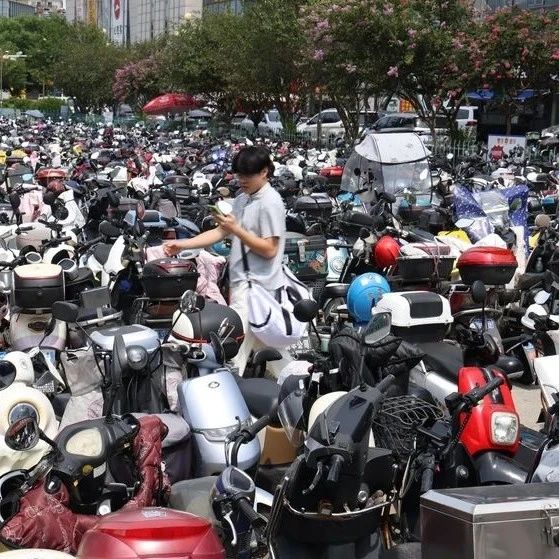
Core Viewpoint - The article discusses the challenges and societal implications of electric scooters (referred to as "电鸡") in urban environments, particularly in Guangzhou, highlighting the tension between pedestrians and scooter riders due to safety and parking issues [5][10][71]. Group 1: Electric Scooter Prevalence - As of the end of 2024, the social ownership of electric two-wheelers in China is approximately 425 million, surpassing the number of cars at 353 million, making them the most common short-distance travel tool [56]. - In 2023, China accounted for nearly 6 million electric two-wheeler sales, representing 78% of global sales, establishing it as the largest market for electric scooters [56]. - The rapid urbanization and the lack of efficient public transport options have created a significant demand for electric scooters as a cost-effective and efficient means of transportation [58][60]. Group 2: Urban Planning and Policy Impact - The ban on motorcycles in cities has led to a policy vacuum, where electric scooters have filled the gap, but without designated lanes, leading to conflicts with pedestrians and vehicles [60][67]. - Guangzhou's infrastructure is particularly inadequate for electric scooters, with only 32% of main and secondary roads having non-motorized vehicle lanes, compared to 90% in cities like Beijing and Shanghai [64][67]. - The historical context of urban planning in Guangzhou, which prioritized public transport over two-wheeled vehicles, has contributed to the current challenges faced by electric scooter users [67][70]. Group 3: Safety and Social Dynamics - Electric scooters are involved in a significant percentage of traffic injuries, with data indicating they account for 60%-80% of trauma cases in major hospitals in Guangzhou [72]. - The article notes a growing resentment towards electric scooters, with some advocating for their outright ban, reflecting a societal struggle to balance convenience and safety [73][75]. - The dynamics between pedestrians, scooter riders, and vehicle drivers create a competitive environment for road space, leading to a cycle of frustration and conflict among all parties involved [80][81].
英伟达学徒遍地,他偏要另起炉灶
虎嗅APP· 2025-08-15 13:56
Core Viewpoint - The article discusses the emergence of reconfigurable chips as a potential disruptor in the AI chip market, contrasting them with traditional GPU architectures dominated by companies like NVIDIA. It highlights the innovative approach taken by Qingwei Intelligent, led by founder Wang Bo, in developing reconfigurable chips that can dynamically allocate computing resources, thus offering a competitive edge in performance and cost efficiency [4][5][6]. Group 1: Reconfigurable Chip Technology - Reconfigurable chips represent a fundamentally different computing paradigm compared to traditional GPUs, characterized by instruction-driven shared storage versus instructionless configuration and data flow-driven processing [7][9]. - Wang Bo's analogy compares GPUs to a straight railway track, while reconfigurable chips allow for multiple "switches" to adapt to various tasks dynamically [6][8]. - The technology aims to address the limitations of existing architectures, particularly in the context of AI's growing computational demands, as traditional architectures struggle to keep pace with the required performance [10][11]. Group 2: Market Position and Strategy - Qingwei Intelligent's first commercial product, the TX81 chip, achieved significant market traction, with over 20,000 orders and deployment in various intelligent computing centers within six months of launch [17][18]. - Wang Bo emphasizes the need for a "5x cost-performance advantage" to compete effectively against established players like NVIDIA, which includes superior performance and lower operational costs [18][29]. - The company plans to leverage 3D storage technology in its next-generation TX8 series chips to enhance performance and achieve the targeted cost-performance ratio [19][30]. Group 3: Competitive Landscape - The reconfigurable chip technology is not unique to Qingwei Intelligent, as other companies like Google with its TPU and emerging startups are also exploring similar architectures, indicating a growing trend towards alternative chip designs outside the traditional GPU ecosystem [20][34]. - Wang Bo acknowledges the competitive challenge posed by established companies and the necessity for innovative approaches to carve out market share [26][28]. - The article highlights the importance of building an ecosystem around the new architecture, including compatibility with existing frameworks like CUDA and open-source initiatives, to facilitate user adoption [32][33].


茅台最大的难题,是年轻人不会在小红书上晒茅台
虎嗅APP· 2025-08-15 13:56
Core Viewpoint - The article discusses the decline of the Chinese liquor industry, particularly the white liquor segment, highlighting the shift in consumer preferences among the younger generation, which is leading to a significant drop in white liquor consumption and production [5][8][37]. Industry Overview - In the first half of 2023, the production of white liquor in China decreased by 5.8% year-on-year, totaling 1.916 million kiloliters, with June's production down 6.5% compared to the previous year [5][6]. - This marks the ninth consecutive year of production decline in the white liquor industry, with projections indicating that total annual production may not exceed 4 million kiloliters, a level not seen in nearly 20 years [6][8]. Company Performance - Kweichow Moutai reported a 9.1% increase in revenue for the first half of 2023, but this is the first time in a decade that its growth rate has fallen to single digits [9]. - Moutai's contract liabilities dropped to 5.507 billion yuan, a decrease of 42.59%, indicating reduced willingness from distributors to prepay for products due to declining sales [9][10]. - Other leading companies like Wuliangye and Shanxi Fenjiu also experienced slowed growth, while smaller companies faced severe profit declines, with some reporting net profit halving or even losses [11][12]. Consumer Behavior - The younger generation, particularly those aged 18-30, is showing a preference for lower-alcohol beverages and is less inclined to consume traditional white liquor, which is often associated with formal dining and business settings [14][15][23]. - Research indicates that 83% of young consumers prefer beverages with an alcohol content below 20%, with beer, fruit wine, and cocktails being more popular than white liquor [25][30]. Market Trends - The market for low-alcohol beverages is projected to grow significantly, with a compound annual growth rate of 25%, while traditional white liquor is experiencing a contraction [26][30]. - New brands targeting younger consumers are emerging, offering products that align with their preferences for lower prices and more casual consumption experiences [30][31]. Strategic Shifts - Traditional liquor companies are attempting to adapt by introducing lower-alcohol products and modern packaging, but these efforts often fail to resonate with younger consumers who seek authentic and relatable brands [28][29]. - The article emphasizes that the liquor industry is undergoing a structural adjustment, with traditional white liquor's market share declining as new beverage categories gain traction among younger consumers [37][38].


吉利用比亚迪的方式打比亚迪
虎嗅APP· 2025-08-15 10:18
Core Viewpoint - The Chinese electric vehicle market is experiencing rapid growth, with Geely emerging as a strong competitor to BYD, significantly increasing its market share and sales figures in the first half of the year [2][4]. Group 1: Sales Performance - Geely's sales reached 1.409 million units in the first half of the year, a year-on-year increase of 47%, with revenue of 150.28 billion yuan, up 27% [2][6]. - Geely's market share in the new energy vehicle sector has risen to 11.44%, narrowing the gap with BYD to less than 18 percentage points [2][4]. - Geely has revised its annual sales target from 2.71 million to 3 million units, indicating confidence in its growth trajectory [2][6]. Group 2: Product Strategy - The Geely Galaxy brand has been pivotal in driving growth, selling 548,400 vehicles in the first half, accounting for over 70% of Geely's new energy sales, with a staggering 232% year-on-year increase [4][5]. - Geely's strategy involves targeting various vehicle segments, with new models like the Galaxy L7, L6, and E8 launched to compete directly with BYD [5][8]. - The Galaxy A7 has entered the market at competitive prices, undercutting BYD's models, which has helped Geely capture market share rapidly [7][8]. Group 3: Future Plans and Challenges - Geely aims to fill market gaps in the new energy sector, with plans for additional model launches in the second half of the year [8][12]. - Despite current successes, Geely faces challenges in surpassing BYD, particularly in cost control and high-end market positioning [10][11]. - Geely's global expansion is crucial, with plans to enter multiple international markets, although its export volume has seen a decline [12][13]. Group 4: Technological Advancements - Geely is focusing on enhancing its smart driving capabilities by integrating various teams and resources to improve its technological edge [15][17]. - The competition in the electric vehicle market is shifting towards high-end products, global reach, and advanced technology, necessitating Geely to innovate beyond just cost-effectiveness [17].



我在横店拍短剧
虎嗅APP· 2025-08-15 10:18
Core Viewpoint - The article provides an in-depth exploration of the short drama industry in China, highlighting its rapid growth, evolving production standards, and the experiences of various industry participants, including actors and production teams [5][101]. Group 1: Industry Overview - The short drama industry has seen significant changes, with production costs rising from 10,000 to 20,000 yuan to over 50,000 yuan, and even reaching 200,000 yuan for some productions [106]. - The emergence of platforms like "Hongguo Short Drama" has transformed the industry, shifting it from a "fast food culture" to a more structured and industrialized product [61][106]. - The competition has intensified, with only 1 or 2 out of 10 short dramas being profitable, indicating a low success rate [106]. Group 2: Production Insights - The production cycle for a typical short drama ranges from 70 to 100 episodes, with each episode lasting about 90 seconds and a shooting period of approximately seven days [12]. - The industry has transitioned from low-budget productions to more elaborate setups, with actors' daily wages increasing from 500 yuan to as high as 30,000 yuan for top-tier talent [106]. - The focus on content quality has become paramount, as the industry recognizes that compelling scripts are crucial for success [107]. Group 3: Participant Experiences - Actors in the industry express gratitude for the opportunities provided by the short drama boom, with many noting the increased demand for their skills [17][41]. - The experiences shared by various actors reveal a mix of challenges and rewards, with some actors transitioning from traditional media to short dramas, highlighting the evolving nature of their careers [39][45]. - The article captures the camaraderie and shared struggles among actors and crew members, emphasizing the passion and dedication required to succeed in this fast-paced environment [28][92]. Group 4: Future Outlook - The industry is expected to undergo significant changes by the end of 2023, with many smaller companies likely to exit the market due to rising costs and competition [108]. - There is a growing interest in international markets, with companies looking to adapt their content for overseas audiences, indicating a potential expansion of the short drama genre [109]. - The article concludes with a reflection on the importance of maintaining curiosity and adaptability in the face of rapid industry changes, suggesting that these qualities will be essential for future success [118].