高工锂电

Search documents
独供首款电动固定翼飞机,正力新能航空动力电池批量交付
高工锂电· 2025-08-19 11:33
Core Viewpoint - Zhengli New Energy has officially launched mass production and delivery of its aviation power battery system, marking a significant step in the commercialization of electric aircraft in China [3][4][5]. Group 1: Company Developments - Zhengli New Energy is the exclusive battery supplier for China's first dual-seat electric fixed-wing aircraft, RX1E, which has received airworthiness certification from the Civil Aviation Administration of China [4]. - The company aims to contribute to the "zero-carbon journey" and emphasizes its commitment to leading low-carbon futures through technological innovation [5]. - The RX1E electric fixed-wing aircraft has achieved over 25,000 safe flight hours, showcasing the reliability of its fully domestically produced core components [13]. Group 2: Market Potential - The electric aviation market is projected to be a trillion-yuan industry, with significant potential for low-altitude economic development due to the low operational costs and high safety redundancy of electric aircraft [9]. - There is a forecast of over 2,000 aviation camps across the country by 2035, which could drive demand for more than 40,000 electric aircraft and subsequently increase the need for aviation power batteries [11]. Group 3: Technological Innovations - Zhengli New Energy has introduced the "Three Highs and One Fast" concept—high energy density, high discharge rate, high safety, and fast charging—setting a new standard for aviation power batteries [12][13]. - The second-generation products incorporate dual semi-solid technology, enhancing thermal stability, lifespan, and fast charging capabilities, which are crucial for the commercial application of the RX1E [15][17]. - The company is also developing battery systems for the RX4E electric aircraft, which has achieved airworthiness certification, further solidifying its position in the aviation battery market [19].

每日速递 | 华友钴业H1营收超370亿,净利润27亿
高工锂电· 2025-08-19 11:33
Group 1 - Hubei Tianmen City government signed a cooperation agreement with Henan Lithium Environmental Technology Co., Ltd. for a comprehensive utilization project of lithium-ion batteries, with a total investment of 300 million yuan [2] - Zhonghuan Electric officially entered the global supplier system of CATL, receiving its first order for commercial vehicle battery swap station equipment [3] - The construction of a 5GWh battery cell production line in Yunnan, with a total investment of 1.5 billion yuan, has commenced [4] Group 2 - Fengshan Quanluo announced that its semi-solid battery electrolyte is currently in testing or cooperative development with at least three clients [7] - Leap Motor reported a revenue of 24.25 billion yuan for the first half of 2025, a year-on-year increase of 174%, and achieved a net profit of 30 million yuan, marking its first half-year profit [9] Group 3 - Huayou Cobalt released its 2025 semi-annual report, showing a revenue of 37.197 billion yuan, a year-on-year increase of 23.78%, and a net profit of 2.711 billion yuan, a year-on-year increase of 62.26% [11] - Chuangneng New Energy signed a long-term strategic cooperation agreement with New Zobang to develop high-safety, long-life, low-resistance green electrolyte solutions [13] Group 4 - The U.S. Department of Energy announced plans to release nearly $1 billion in funding opportunities, with over half allocated for domestic battery materials recycling [15] - POSCO Future M and Zhongwei New Materials signed a cooperation agreement to advance the business of lithium iron phosphate cathode materials [17] - The Norwegian Automobile Importers Association established a new company for the recycling and processing of high-energy batteries, ensuring the recycling of valuable metals [19]

去印尼造锂电池,先自建港口与机场?
高工锂电· 2025-08-19 11:33
Core Viewpoint - Indonesia's nickel industry is experiencing a profound internal contradiction, with nickel exports surpassing coal for the first time, marking a peak in the country's mineral downstream integration strategy initiated in 2014. However, the world's largest nickel producer, Tsingshan Holding, has paused some nickel smelting lines due to global oversupply and profit pressure, indicating structural risks in Indonesia's nickel-centric industrial strategy [2][3][4][5]. Group 1: Nickel Industry Dynamics - In H1 2025, Indonesia's nickel export value reached $16.5 billion, exceeding coal's $14.4 billion, making nickel the largest export commodity [3]. - The success of Indonesia's nickel industry, driven by a decade-long integration strategy, has led to a saturation point in value growth, prompting the government to accelerate a complex industrial transformation towards a complete new energy industry chain [4][6]. - The government plans to reduce nickel ore production quotas from 272 million tons to 150 million tons by 2025 to stabilize prices and encourage investment in high-value products like nickel hydroxide and nickel sulfate [16]. Group 2: Manufacturing and Economic Transition - Indonesia's manufacturing sector has been underperforming, contributing only 19% to employment in 2023, significantly lower than manufacturing-led countries like Vietnam, raising concerns about falling into a "middle-income trap" [9][10]. - The "Making Indonesia 4.0" strategy aims to increase manufacturing's GDP contribution from under 20% to 25% by 2030, focusing on automotive, electronics, chemicals, textiles, and food and beverage sectors [11]. - The strategy seeks to replicate and upgrade the successful model established in the nickel industry, leveraging Indonesia's resource advantages to attract foreign investment in downstream processing [12][14]. Group 3: Electric Vehicle Market Growth - The electric vehicle market in Indonesia is experiencing explosive growth, with domestic EV sales soaring by 215.2% in H1 2025, and BYD leading with a market share of nearly 39% [23][24]. - The government aims to have 1.3 million electric two-wheelers on the road by 2030, contributing 5-8 GWh of battery demand annually [28]. - The RUPTL plan outlines a target of adding 10.3 GW of battery storage capacity, creating a significant market for energy storage solutions [29]. Group 4: Infrastructure and Investment Challenges - Indonesia's aging infrastructure poses significant challenges, with the national grid unable to effectively absorb renewable energy from remote areas, necessitating the construction of nearly 48,000 kilometers of new transmission lines [37]. - The unique "Indonesian model" requires companies bringing foreign capital to also build infrastructure, leading to high upfront capital expenditures and creating barriers for smaller participants [38]. - The establishment of the INA sovereign wealth fund is seen as a key player in reducing project risks for foreign investments, signaling a shift towards a more favorable financing environment for emerging industries [39]. Group 5: ESG Considerations and Future Outlook - Indonesia's green energy transition heavily relies on high-carbon coal power, raising significant ESG risks that could impact product marketability in regions with strict carbon footprint regulations [46]. - Collaborative projects, such as the one between Greeenme and Vale, aim to establish environmentally friendly nickel processing facilities, aligning with global ESG standards [47]. - Despite challenges, Indonesia is on track to create a complete lithium battery ecosystem, encompassing upstream resource extraction, midstream material refining, and downstream battery manufacturing, positioning itself as a critical player in the global battery industry [40][49].



轻型动力“铅改锂”需求爆发,渠道建设成新赛点?
高工锂电· 2025-08-18 10:51
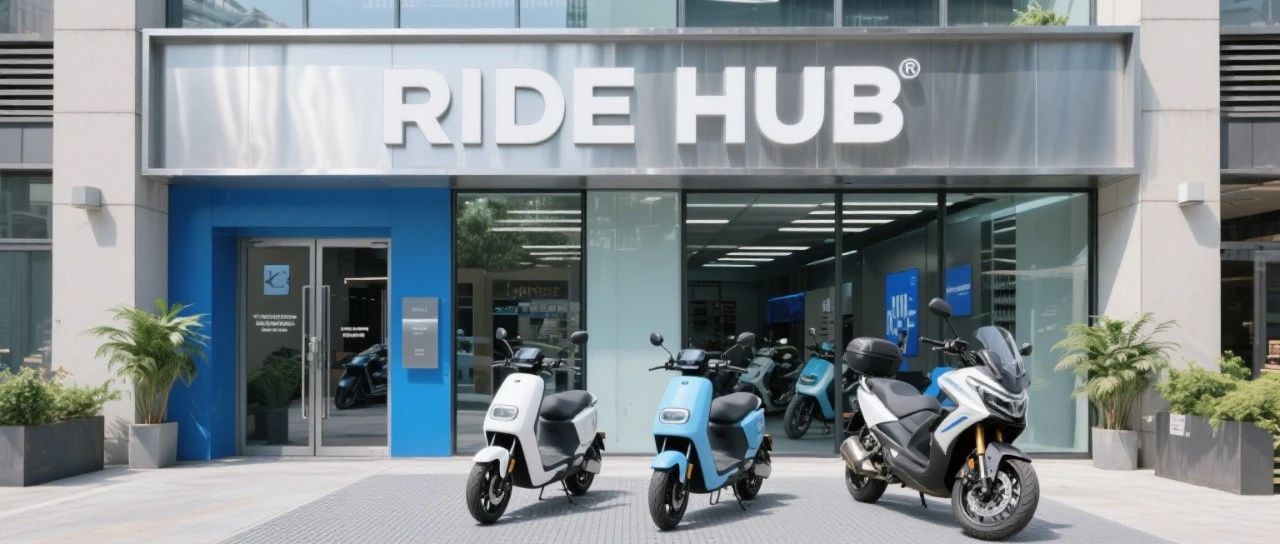
Core Viewpoint - The demand for lithium batteries in the two-wheeler market is expected to grow significantly, driven by the implementation of new national standards for electric bicycles and the ongoing shift from lead-acid to lithium batteries [2][6]. Market Growth and Trends - In the first half of this year, domestic lithium battery sales for two-wheelers increased by 40% year-on-year [2] - The new national standard, effective from September 1, limits the battery voltage for electric bicycles to a maximum of 48V, which may further boost demand for small power batteries [2] - The total number of electric two-wheelers in China has reached nearly 400 million, with a potential replacement demand for over 110 million lithium battery packs [6] Company Strategies - Companies like Guoxuan High-Tech and BYD are entering the small power battery market, viewing it as a new growth area following power batteries and energy storage [2] - Other battery manufacturers, including Xingheng Power and Xineng An, are also establishing their own dealer and service networks to capture market share [4][12] Channel Development - The success of lithium battery companies in the two-wheeler market heavily relies on effective channel development, with a focus on building a robust network of dealers and service providers [3][5] - Xingheng Power has over 2,600 service points nationwide, collaborating with major two-wheeler brands to enhance market penetration [4] - Companies are also exploring online channels, with partnerships like Xingheng Power's collaboration with JD.com for battery installation and maintenance services [14] Product Features and Safety - Lithium batteries offer advantages such as longer lifespan (2000-4000 cycles) and higher energy density compared to lead-acid batteries, making them more appealing despite higher initial costs [7][11] - Safety concerns regarding lithium batteries are primarily linked to non-compliant modifications by small workshops, prompting leading companies to adopt stringent safety standards and certifications [9][10] Economic Considerations - While lithium batteries have a higher upfront cost, their longevity and reduced replacement frequency can offset the initial investment, making them economically viable over time [11] - The existing profit model for traditional electric vehicle dealers, which relies heavily on lead-acid battery replacement services, may be disrupted by the introduction of lithium batteries [12] Conclusion - The lithium battery industry is poised for growth in the two-wheeler market, with companies needing to focus on product development and channel strategies that align with consumer needs and market dynamics [15]

碳酸锂价格“上探”至9万元/吨
高工锂电· 2025-08-18 10:51
Group 1 - The core viewpoint of the article highlights the recent surge in lithium carbonate futures prices, driven by supply disruptions and strong demand in the energy storage sector [2][3] - As of August 18, the lithium carbonate futures contract for September reached a peak of 90,000 yuan/ton, marking a 4.86% increase from the previous week [2] - The price increase is attributed to production halts in key mining areas, particularly by major player CATL, leading to heightened market speculation and bullish sentiment [2][4] Group 2 - The demand for lithium iron phosphate materials has surged due to the upcoming peak season for energy storage, with prices for both power-type and energy storage-type lithium iron phosphate rising significantly [4] - From August 11 to August 17, the average price of power-type lithium iron phosphate increased from 33,250 yuan/ton to 35,350 yuan/ton, while energy storage-type rose from 30,900 yuan/ton to 32,900 yuan/ton, reflecting a weekly increase of 2,100 yuan/ton and 2,000 yuan/ton respectively [4] - Despite the rising costs of raw materials, the overall price increase for ternary materials has been limited due to weak downstream demand [5] Group 3 - The article notes that while lithium carbonate prices have risen, the profitability of material companies remains under pressure due to simultaneous increases in raw and intermediate material costs [6] - Companies with inventory advantages or price-locking mechanisms are better positioned to withstand short-term impacts, while those closely collaborating with resource providers maintain relative stability [8] - For instance, companies like Deyang Nano and Fulim Precision have been actively securing upstream lithium sources to mitigate raw material cost fluctuations [8][9] Group 4 - In the short term, midstream companies are expected to face profit pressures, particularly those with low inventory or weak cost transfer capabilities [7] - The overall market sentiment is cautious, with expectations that lithium carbonate prices may peak and then decline after the current speculative surge [10] - As of mid-August, lithium ore inventories at trading ports increased to 27.8 million tons, indicating a potential supply cap on further price increases [12][13] Group 5 - The article also mentions that despite the recent price increases, there are concerns about a potential decline in lithium ore arrivals in August, which could further impact supply dynamics [15] - The domestic lithium salt factory operating rate increased by 1.55% week-on-week, with lithium carbonate production rising by 2.27% [17] - Overall, the market anticipates a supply-demand gap of -222 tons for lithium carbonate in August, indicating a tightening market [17]
每日速递 | 楚能下发百亿采购大单,国轩10GWh产能投产
高工锂电· 2025-08-18 10:51
Group 1: Battery Production and Development - Yichun Guoxuan Battery Co., Ltd. has accelerated the construction of its second-phase project, with a total investment of 5.15 billion yuan, aiming to achieve a production capacity of 20GWh for power batteries by January 2024. The first 10GWh cell production workshop has already been put into operation, with an expected annual output value of 11 billion yuan upon full production [2] - Zhengli New Energy has successfully obtained airworthiness certification for its aviation power battery system, which will be supplied exclusively for the RX1E, China's first dual-seat electric fixed-wing aircraft, marking the start of mass delivery [3] - A new laboratory for battery recycling has been established in Wuhan, focusing on digital recycling processes and aiming to assist in carbon reduction by 1 million tons [4] Group 2: Battery Material and Technology Innovations - The first batch of 20 tons of recycled black powder for lithium-ion batteries has successfully passed customs clearance in Ningbo, marking the first import of this material under new regulations aimed at promoting resource recycling [6] - A new project in Kashgar is set to produce 60 million cylindrical power batteries annually, with a total investment of 15 million yuan [8] - Tianjin University has published research on a new electrolyte design for lithium metal batteries, achieving energy densities exceeding 600 Wh/kg, significantly enhancing performance [10] Group 3: Strategic Partnerships and Market Movements - Heisitong New Energy has signed a project agreement for solid-state battery production, with an investment of 200 million yuan and an expected annual output value of 1.5 billion yuan [11] - Rongbai Technology has received authorization for a patent related to cathode materials for solid-state batteries, showcasing its technological leadership in this field [13] - Chuangneng New Energy has entered into a strategic cooperation agreement with Sanyan Technology for the procurement of negative electrode materials, with a total value exceeding 10 billion yuan [15] Group 4: Project Updates and Future Prospects - Daoshi Technology has decided to postpone the implementation of two lithium battery projects, including a 100,000-ton ternary precursor project, after board approval [16] - The 450,000-ton high-pressure lithium iron phosphate project in Yichang is nearing completion, representing a significant investment by CATL in the region [19]
宁波富理投产300吨硅碳负极,联手头部电池企业加速商业化
高工锂电· 2025-08-18 10:51
Core Viewpoint - Ningbo Fuli Battery Material Technology Co., Ltd. has officially launched a pilot production line for 300 tons of graphene composite silicon-carbon anode materials, marking a significant step in the industrialization of next-generation high-energy-density lithium battery anode materials and accelerating the market entry of power batteries with energy densities exceeding 400Wh/kg [3][5][14] Group 1: Industrial Collaboration and Market Positioning - The pilot line project is a collaborative achievement between Ningbo Fuli, the National Graphene Innovation Center, and the Ningbo Institute of Materials Technology and Engineering, aimed at addressing production process and cost control challenges for silicon-carbon anode materials [5] - Ningbo Fuli has established strategic cooperation agreements with leading domestic power battery manufacturers, including Wanxiang Qianchao, Jiangxi Huaki Power, and Hunan Luhua New Energy, indicating that its silicon-carbon anode materials have entered validation and cooperation channels with top downstream battery clients [6] - The company has also signed supply assurance agreements with key raw material suppliers to ensure stable supply chains for large-scale production [8] Group 2: Technological Advancements and Product Features - Ningbo Fuli aims to lead breakthroughs in lithium battery energy density by matching its lithium-rich manganese-based cathode materials with silicon-carbon anode materials to achieve battery energy densities of 400Wh/kg and above [10] - The NGC series of silicon-carbon anode materials features approximately 48% silicon content, addressing the industry's core pain points while providing targeted solutions through differentiated design [10][11] - The NGC-1900A model optimizes first charge-discharge efficiency to 85.5%±0.5%, while the NGC-1900B model focuses on controlling volume expansion to below 42%, crucial for battery structural stability and cycle life [11][12] Group 3: Future Market Demand and Strategic Timing - Ningbo Fuli has successfully developed a lithium battery cell with an energy density of 460Wh/kg and aims to achieve over 450Wh/kg energy density by enhancing silicon-carbon anode capacity to 1500mAh/g combined with solid-state electrolyte technology [14] - Starting from 2025, the demand for new silicon-carbon anode materials is expected to accelerate, with leading power battery companies initiating large-scale material validation and applications in consumer electronics and power tools [14]
铜箔加工费涨价信号浮现
高工锂电· 2025-08-17 08:19
Group 1 - The core viewpoint of the article highlights the rising prices in the copper foil industry, driven by increased demand for high-end HVLP copper foil used in AI servers and data centers [3][4] - Mitsui Mining and Smelting has raised its profit forecast for FY2025 by 30 billion yen to 170 billion yen, with operating profit adjusted to 440 billion yen, primarily due to the strong performance of its VSP series HVLP copper foil [3] - Taiwanese copper foil manufacturer Jincheng has announced a price increase for RTF copper foil products by 3,000 to 4,000 yuan per ton, reflecting a 14% rise, as the supply of mid-range RTF products is squeezed by Mitsui's increased production of HVLP copper foil [3][4] Group 2 - The market for mid-range RTF copper foil is being further compressed, leading to an expanded supply-demand gap, as evidenced by Jincheng's price increase [4] - Domestic manufacturers are accelerating their layout in the HVLP copper foil segment, with Nord Technology announcing that its new generation HVLP copper foil has been certified by several leading PCB companies [4] - Defoe Technology is entering the global high-end market through the acquisition of a Luxembourg copper foil supplier, designated as an HVLP3 supplier by AI chip manufacturers [5] Group 3 - Copper Crown Copper Foil is leveraging its bulk supply capabilities to benefit directly from the anticipated price increase of RTF products in 2025 [6] - Longyang Electronics is developing the fifth generation of HVLP copper foil using vacuum magnetron sputtering technology, with a surface roughness controlled below 0.2 microns, and is currently sending samples to global chip manufacturers [7] Group 4 - The overall demand for electronic circuit copper foil remains weak despite the demand gap in the PCB sector driven by AI, with no signs of recovery in end consumption [8] - The lithium battery copper foil market is experiencing a weak recovery, with processing fees rebounding from 15,000 yuan per ton in September 2024 to 18,000 yuan per ton in Q2 2025, returning to the levels of the same period in 2023 [8] - However, future price increases in the lithium battery copper foil market are limited due to the rapid release of new production capacity outpacing demand growth, and the strong bargaining power of downstream battery manufacturers [8]
5GWh储能大单落地,中印新能源合作回温信号渐显
高工锂电· 2025-08-17 08:19
Core Viewpoint - The recent collaboration between China and India in the renewable energy sector, particularly in energy storage, signifies a warming of economic relations between the two countries, despite past tensions and challenges in cooperation [2][3][11]. Group 1: Recent Developments in China-India Cooperation - A memorandum of understanding has been signed between China’s Zhongqi New Energy and India’s IndiGrid for a 5GWh energy storage system, following a previous 1GWh order [2]. - The two countries are focusing on renewable energy cooperation, including solar, wind, and energy storage, as part of India's ambitious goal to achieve carbon neutrality by 2070 [3][11]. - High-level interactions and trade discussions have resumed, including the reopening of border trade routes that were disrupted during the pandemic [5][6]. Group 2: Challenges in Cooperation - Despite the positive developments, there are still significant barriers, including India's protectionist policies and a complex regulatory environment that may hinder foreign investment [3][20][26]. - India's ambitious renewable energy targets, such as achieving 500GW of renewable capacity by 2030, face skepticism due to the country's heavy reliance on coal, which currently accounts for about 70% of its power generation [13][15]. - The instability and unreliability of renewable energy sources in India, along with a significant energy storage gap, pose additional challenges to achieving these targets [15][17]. Group 3: Market Dynamics and Opportunities - The Indian market presents significant opportunities for Chinese companies, particularly in battery manufacturing, where Chinese firms dominate the supply chain [29]. - Despite a decline in solar exports from China to India, Chinese energy storage systems maintain a 90% market share in India due to their cost-effectiveness [30][31]. - The Indian government is actively promoting electric vehicle manufacturing and infrastructure investment, creating a favorable environment for collaboration in the electric mobility sector [32]. Group 4: Strategic Considerations - The need for a balanced approach that combines technology, capital, and localization is crucial for successful collaboration between Chinese and Indian companies [32]. - The Indian government's focus on domestic manufacturing and the "Make in India" initiative may create both opportunities and challenges for foreign investors [20][36]. - The evolving geopolitical landscape, including the recent downturn in US-India relations, may influence India's strategic priorities and its approach to international partnerships [36][37].

“湿法涂布”承压升级:固态电池直面GWh交付挑战
高工锂电· 2025-08-16 08:40
Core Viewpoint - The commercialization of solid-state batteries is beginning to take shape with the emergence of GWh-level orders, but the current delivery relies on the modification and innovation of traditional lithium-ion battery wet coating equipment rather than a revolutionary new production model [2][3]. Group 1: Challenges in Manufacturing - The transition from liquid electrolyte to solid electrolyte in batteries is a fundamental step towards solid-state technology, which involves significant changes in the physical properties of the slurry system [4][6]. - The ideal battery slurry must exhibit "shear-thinning" rheological properties, allowing for low viscosity during pumping while maintaining structural integrity during drying [5]. - The introduction of solid electrolytes transforms the slurry into a "rich solid phase," leading to increased viscosity and the formation of hard agglomerates that can cause defects in the coating process [6][7]. - The complexity of the slurry system increases as it evolves from a simple "bimodal particle" system to a "multimodal particle" blend, complicating the mixing of different solid particles with distinct physical and chemical properties [8]. Group 2: Material and Process Divergence - Different solid electrolyte chemical systems present unique challenges for wet coating processes, particularly with oxide-based electrolytes that are hard and brittle, leading to wear on equipment [10][12]. - Companies like QuantumScape focus on achieving fundamental breakthroughs in material performance, which may conflict with modern battery manufacturing's efficiency goals [12]. - In contrast, companies like Penghui Energy prioritize process compatibility and commercial efficiency, aiming for high energy density while maintaining cost parity with traditional lithium batteries [14][15]. Group 3: Sulfide Route Challenges - The sulfide route faces a series of interconnected technical constraints, with wet coating emerging as the mainstream method for producing sulfide solid electrolyte membranes [17][18]. - The chemical instability of sulfide materials poses challenges in solvent selection and binder compatibility, leading to difficulties in achieving both solubility and adhesion [19][20]. - The industry is exploring various coating methods, with high-precision slot die coating seen as essential for large-scale safe production [22]. Group 4: Equipment and Industry Response - The manufacturing challenges in battery technology are creating commercial opportunities for upstream equipment manufacturers, who are actively deploying solutions to meet customer demands [23]. - Companies like Mannesmann have introduced high-temperature coating systems to address issues related to high solid content slurries [24]. - Other leading equipment manufacturers are also developing parallel dry and wet solid coating systems to enhance production capabilities [26][27]. Group 5: Integration of Materials and Processes - The successful commercialization of solid-state batteries requires a deep integration of materials, processes, and final product forms, leading to new manufacturing challenges [30][31]. - The current wet coating methods struggle to balance high ionic conductivity and flexibility in electrolyte membranes, highlighting the need for suitable binder selection [31]. Conclusion - The path to solid-state battery commercialization is not linear but involves navigating multiple contradictions and constraints while seeking localized optimal solutions [32]. - Future success in solid-state battery manufacturing will depend on the ability to integrate cross-disciplinary knowledge effectively [33].