材料汇

Search documents
军工材料:碳纤维应用与市场分析报告(150页PPT)
材料汇· 2025-07-04 15:38
Core Viewpoint - Carbon fiber is recognized as a strategic new material in modern high-tech fields, known for its high performance and cost-effectiveness, making it the preferred material for high-end manufacturing [4][27]. Group 1: Carbon Fiber Characteristics - Carbon fiber has excellent mechanical, thermal, and electromagnetic properties, enabling long-term reliable service in extreme conditions [4]. - The production process of carbon fiber is complex, with multiple critical control points, making mastery of the preparation technology essential for producing high-performance carbon fiber [5]. - The cost-effectiveness of carbon fiber is the key factor for its expansion into downstream market applications, with innovations in production processes aimed at reducing costs [6]. Group 2: Market Demand and Supply - The global demand for carbon fiber reached 118,000 tons in 2021, a year-on-year increase of 10.4%, with China's demand at 62,379 tons, growing by 27.7% [8]. - China has become the largest producer of carbon fiber globally, with a supply rate of 58.1%, despite having started later than Western countries [8]. - The carbon fiber market is driven by multiple sectors, including aerospace, wind energy, automotive, hydrogen energy, and construction, indicating a robust demand landscape [8]. Group 3: Investment Recommendations - Given the high growth potential in sectors such as defense, automotive, wind energy, and hydrogen energy, it is recommended to pay attention to companies like Guangwei Composites, Zhongjian Technology, and others involved in carbon fiber production [9].


半导体材料:CMP抛光材料中国突出重围,自主可控不断提升(附46页PPT)
材料汇· 2025-07-04 15:38
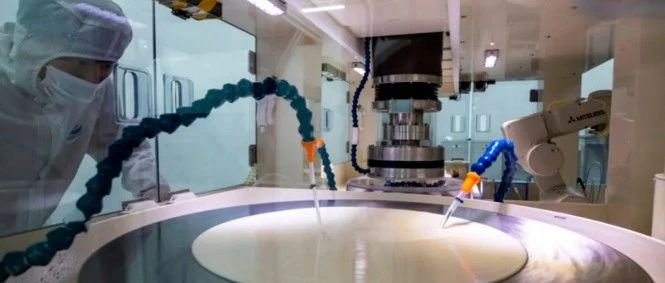
Core Viewpoint - CMP (Chemical Mechanical Polishing) technology is essential for the development of integrated circuits, playing a critical role in achieving surface flatness during chip manufacturing, which is increasingly important as technology nodes shrink and the number of layers in chips increases [6][38]. Group I: CMP Technology and Market Overview - CMP technology is a necessary process in wafer manufacturing, which includes multiple steps such as diffusion, lithography, etching, ion implantation, thin film growth, and CMP itself [9]. - The global CMP materials market is experiencing continuous growth, driven by advancements in semiconductor technology and increasing demand from various sectors, including 5G and AI [32][49]. - The CMP materials market is characterized by a high degree of technical, talent, and patent barriers, with significant market share held by leading companies from the US and Japan [54]. Group II: Market Size and Growth - The global CMP polishing pad market size increased from $650 million in 2016 to $1.13 billion in 2021, with a CAGR of 11.69% [49]. - The CMP polishing liquid market also saw growth, rising from $1.1 billion in 2016 to $1.43 billion in 2021, with a CAGR of 5.39% [50]. - China's CMP polishing liquid market grew significantly, from 1.23 billion yuan in 2016 to 2.2 billion yuan in 2021, achieving a CAGR of 12.28%, indicating a faster growth rate compared to the global market [50]. Group III: Domestic Industry Dynamics - Chinese companies are increasingly entering the CMP materials market, with government policies supporting the development of the semiconductor industry and promoting domestic alternatives to imported materials [39][41]. - The domestic semiconductor materials market is expected to continue growing at a rate higher than the global average, driven by technological advancements and increasing local demand [32][39]. - The shift towards domestic production of CMP materials is seen as a strategic move to reduce reliance on foreign suppliers, especially in light of export controls from the US and Japan [39][54]. Group IV: Product Segmentation and Applications - CMP materials are primarily categorized into polishing liquids, polishing pads, and cleaning agents, with polishing liquids accounting for 49% and polishing pads for 33% of the market share [18]. - Various types of polishing liquids are used for different applications, including copper CMP, tungsten CMP, and dielectric CMP, each tailored for specific manufacturing processes [19][21]. - Polishing pads are typically made from polyurethane and are designed to maintain a stable polishing environment while effectively distributing polishing liquids [20][22].



46页PPT详解化工新材料产业发展方向
材料汇· 2025-07-03 14:54
Core Viewpoint - The article discusses the current state and future prospects of China's chemical new materials industry, highlighting the continuous expansion of production capacity, technological innovations, and the emergence of specialized chemical parks, while also addressing structural challenges and the need for high-quality development. Group 1: Industry Overview - In 2023, China's chemical new materials capacity reached approximately 49 million tons per year, with an output exceeding 36 million tons and a production value of over 1.37 trillion yuan, remaining stable compared to 2022, although lithium battery materials saw a decline from 540 billion yuan to 480 billion yuan [5][20]. - The chemical industry is experiencing a transition from high-speed growth to high-quality development, with total revenue of 15.95 trillion yuan in 2023, a decrease of 1.1% year-on-year, and total profits of 873.4 billion yuan, down 20.7% [20][21]. Group 2: Technological Innovations - Since the 13th Five-Year Plan, the chemical new materials sector has seen significant technological advancements, with breakthroughs in key technologies such as photovoltaic-grade EVA, optical-grade PMMA, and high-strength carbon fibers [7][8]. - A number of critical products have broken foreign monopolies and achieved industrialization, including HDI, PC, PPS, and electronic-grade chemicals [8][10]. Group 3: Key Players and Market Dynamics - Major companies in the sector include Sinopec, PetroChina, and China National Chemical Corporation, focusing on high-end polyolefins, synthetic rubber, and carbon fibers [11]. - Private enterprises are also making strides in specialized fields such as EVA, fluorinated chemicals, and nylon, contributing to the development of China's new materials industry [11]. Group 4: Specialized Chemical Parks - Several specialized chemical parks have emerged, such as the Shanghai Chemical Park and Ningbo Petrochemical Economic Development Zone, which are becoming core drivers for the development of new materials [11][12]. Group 5: Investment Trends and Policy Guidance - Under the guidance of industrial policies, there is a high investment enthusiasm in the chemical new materials sector, focusing on high-end polyolefins, engineering plastics, and functional films [17][23]. - The industry is urged to prioritize the import of high-potential products to address supply shortages and enhance domestic production capabilities [23][24]. Group 6: Challenges and Future Directions - The industry faces structural contradictions, including insufficient high-end supply and bottlenecks in key raw materials and technologies [18][20]. - The focus is shifting towards high-quality development, with an emphasis on enhancing product quality and meeting the growing domestic demand for high-performance materials [21][22].




新材料投资:化工新材料投资逻辑分析(附PPT)
材料汇· 2025-07-03 14:54
Core Viewpoint - The article emphasizes the potential for domestic substitution in high-performance materials, particularly in the semiconductor and renewable energy sectors, driven by technological advancements and policy support in China [7][14]. Group 1: Electronic Chemicals - The semiconductor industry is experiencing a shift towards domestic production of electronic chemicals, particularly photoresists and specialty gases, due to high technical barriers and the need for self-sufficiency amid international restrictions [8][14]. - The global semiconductor market is projected to reach $632.8 billion in 2024, with a year-on-year growth of 20.2%, indicating a recovery phase for the industry [14]. - China's semiconductor materials market is expected to grow significantly, with a market size of 102.4 billion RMB in 2023, reflecting a year-on-year increase of 12.02% [20]. Group 2: OLED Materials - The global OLED market reached $45.5 billion in 2022 and is expected to grow to $54.7 billion by 2025, driven by increased penetration of flexible OLED technology [17]. - The penetration rate of OLED in smartphones is projected to reach 50.8% in 2023 and exceed 60% by 2026, indicating strong demand for OLED materials [17]. - Domestic companies are actively expanding their production capacities for OLED materials, benefiting from the construction of new production lines [24]. Group 3: Specialty Gases - The electronic specialty gas market in China is expected to grow from 21.6 billion RMB in 2021 to over 43.5 billion RMB by 2025, with a compound annual growth rate (CAGR) of 19.13% [34]. - Major global players dominate the electronic specialty gas market, but domestic companies are beginning to capture market share through local production [35]. - Companies like Huate Gas and Jinhong Gas are leading the domestic market, focusing on high-purity specialty gases for semiconductor applications [35]. Group 4: Wet Electronic Chemicals - The wet electronic chemicals market in China reached 13.1 billion RMB in 2021, with a compound annual growth rate of 14.21%, significantly outpacing global growth [44]. - The domestic market is characterized by a high dependency on foreign technology, with major players from Japan and the US holding significant market shares [44]. - Companies such as Jianghua Micro and Glinda are positioned to benefit from the increasing demand for high-purity wet electronic chemicals as the semiconductor industry expands [42]. Group 5: Polishing Materials - The global polishing pad market is experiencing continuous growth, with demand for polishing liquids in China growing at a rate higher than the global average [45].

军工材料盘点:国防领域6大前沿新材料和关键技术(13311字)
材料汇· 2025-07-02 15:29
Group 1: Carbon Fiber - Carbon fiber is a crucial material in modern warfare, enhancing the performance of military equipment due to its high strength, low density, and excellent thermal and electrical properties [4][6][10] - The development of carbon fiber began in the 1860s, and it is often referred to as "black gold" due to its high practical value and manufacturing complexity [6][7] - The use of carbon fiber composite materials has significantly improved the performance of advanced military aircraft like the F-35, where it constitutes up to 35% of the aircraft's structure [9][10] Group 2: Metamaterials - Metamaterials are engineered to have properties not found in naturally occurring materials, offering revolutionary applications in military technology, particularly in stealth and radar evasion [14][18] - Recent advancements in metamaterials have led to significant developments in stealth technology, enabling military assets to avoid detection by radar and other sensors [18][19] - The research and application of metamaterials are expected to transform future combat scenarios by enhancing the capabilities of various military platforms [24][25] Group 3: Graphene - Graphene is recognized as the strongest and thinnest known material, with exceptional electrical and thermal conductivity, making it highly valuable in military applications [28][30] - The U.S. and other developed nations are investing heavily in graphene research for its potential use in advanced military technologies, including high-performance sensors and lightweight armor [31][32] - Graphene's unique properties could lead to significant improvements in military computing and sensor technologies, enhancing operational capabilities [30][33] Group 4: Armor Protection Materials - The demand for advanced armor protection materials has increased due to the evolving nature of modern warfare, necessitating improvements in military vehicle protection [36][37] - Various materials, including ballistic glass, steel, ceramics, and high-strength fibers, are utilized in military armor systems to enhance protection against modern threats [38][41] - The development of composite armor systems that integrate multiple materials is becoming a standard practice to achieve optimal protection while minimizing weight [41][42] Group 5: Stealth Coatings - Stealth coatings are critical for reducing the detectability of military assets by controlling their observable characteristics across various detection methods [47][49] - These coatings can be classified into several types, including radar-absorbing, infrared, and visible light stealth coatings, each designed to mitigate specific detection risks [51][52] - The ongoing development of multi-functional stealth materials is essential for enhancing the survivability of military platforms in increasingly complex combat environments [58][63] Group 6: 3D Printing in Defense - 3D printing technology is emerging as a transformative force in the defense sector, enabling rapid prototyping and production of complex military components [66][67] - The U.S. military is integrating 3D printing into its supply chain to improve maintenance and operational efficiency for aircraft and other military equipment [71][74] - This technology allows for the production of parts on-demand, reducing lead times and costs associated with traditional manufacturing methods [67][71]

台积电“2025年中国技术论坛”介绍了什么?
材料汇· 2025-07-02 15:29
Core Viewpoint - TSMC's recent technology forum in Shanghai highlighted the company's advancements in semiconductor technology and its market outlook, particularly focusing on the growth of the semiconductor market driven by high-performance computing (HPC) and AI integration, despite limitations in advanced process offerings to Chinese clients [3][4][5]. Market Outlook - The global semiconductor market is projected to exceed $1 trillion by 2030, with HPC accounting for 45%, smartphones for 25%, automotive for 15%, and IoT for 10% [5][6]. Advanced Process Technology - TSMC's 3nm family continues to evolve, with N3P expected to enter mass production in Q4 2024, enhancing performance by 5% or reducing power consumption by 5-10% compared to N3E [6][9]. - N2P is anticipated to begin production in H2 2026, offering an 18% performance increase at the same power level and a 36% reduction in power at the same performance level [11][13]. - The A16 process, set for mass production in H2 2026, integrates three innovative technologies, promising an 8-10% performance boost or a 15-20% reduction in power consumption compared to N2P [14][19][22]. - The A14 process, based on second-generation GAA technology, is expected to start production in 2028, with significant improvements in speed and energy efficiency [20][22]. Advanced Packaging Technology - TSMC's 3DFabric® technology includes SoIC platforms for 3D silicon stacking, with N3-on-N4 stacking expected to enter mass production in 2025 [23][25]. - The SoW-X platform, set for 2027, aims to enhance computational capabilities significantly, integrating essential components for AI training [30]. Special Process Technologies - TSMC is advancing automotive technology with its latest logic technologies, which enhance performance by approximately 20% per generation while reducing power consumption by 30-40% [32]. - The company is also focusing on IoT applications, with developments in ultra-low leakage SRAM and logic circuits to extend battery life [38]. Manufacturing Excellence - TSMC anticipates a twelvefold increase in wafer shipments for AI-related products by 2025 compared to 2021 [44]. - The company plans to add nine new facilities by 2025 to expand capacity, including six wafer fabs in Taiwan and two overseas [45]. - TSMC is committed to sustainable manufacturing, aiming for net-zero emissions by 2050 and a 98% resource recovery rate by 2030 [46][48].

全球CMP抛光液大厂突发断供?附CMP抛光材料企业盘点与投资逻辑(21361字)
材料汇· 2025-07-01 15:39
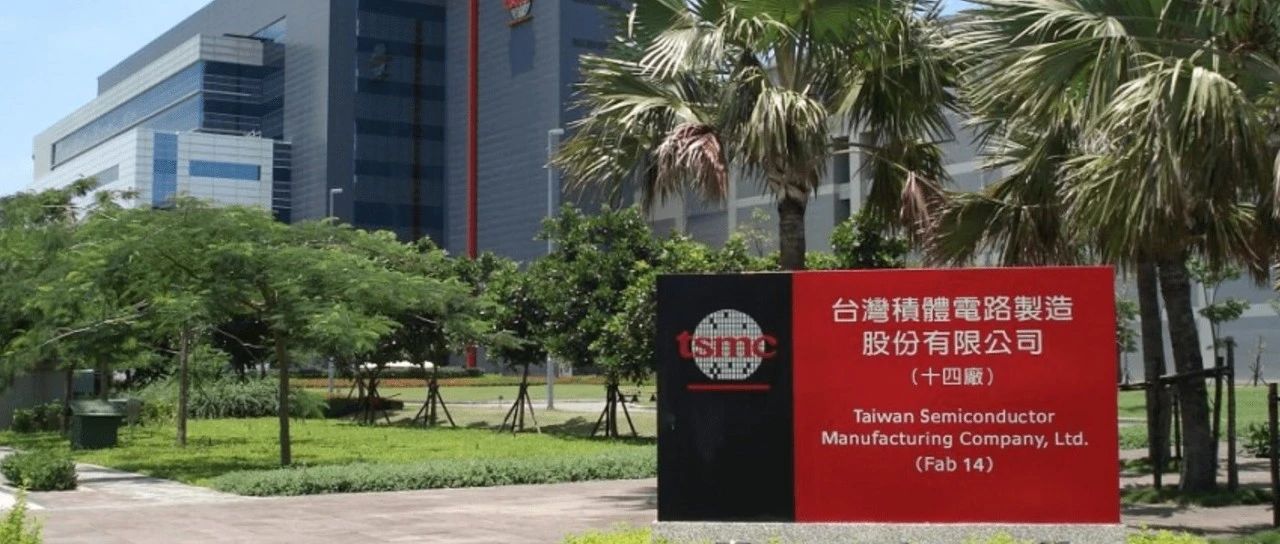
Core Viewpoint - The article discusses the supply chain issues and investment opportunities in the semiconductor chemical mechanical polishing (CMP) materials market, particularly focusing on the impact of Taiwan's export controls on the supply of DSTl slurry and the growth potential of CMP materials in the semiconductor industry. Group 1: CMP Slurry Supply Issues - DSTl slurry supply has been suspended due to Taiwan's export control restrictions, with only five months of inventory remaining (267 barrels) [2] - DSTl slurry is critical for the CMP process in semiconductor manufacturing, enhancing wafer flatness and surface quality [2] Group 2: Investment Logic in CMP Materials - The demand for CMP materials is expected to grow rapidly due to advancements in process nodes, increased wiring density, and the transition from 2D NAND to 3D NAND technology [4] - CMP materials account for 7% of the semiconductor manufacturing material costs, with CMP slurry and pads making up 49% and 33% of CMP material costs, respectively [4] - The global CMP materials market is projected to grow from $3.3 billion in 2023 to over $4.2 billion by 2027 [4] Group 3: CMP Pad Market Overview - The global CMP pad market grew from $650 million in 2016 to $1.13 billion in 2021, with a CAGR of 11.69% [5] - In China, the CMP pad market increased from 810 million yuan in 2016 to 1.31 billion yuan in 2021, with a CAGR of 10.09% [5] - Dow DuPont dominates the global CMP pad market with a 79% share, while domestic company Dinglong has become a key player in China [6] Group 4: CMP Slurry Market Overview - The global CMP slurry market expanded from $1.1 billion in 2016 to $1.43 billion in 2021, with a CAGR of 5.39% [7] - The Chinese CMP slurry market grew significantly, from 1.23 billion yuan in 2016 to 2.2 billion yuan in 2021, with a CAGR of 12.28% [7] - Major global players in the CMP slurry market include Cabot, Versum Materials, and Dow, with China being the largest demand region [7] Group 5: Domestic Companies in CMP Materials - Dinglong has established itself as the only domestic supplier mastering the entire CMP pad production process, achieving significant breakthroughs in the field [6][12] - Anji Technology, a leading domestic CMP slurry company, reported revenues of 1.075 billion yuan in 2023, capturing a significant market share [22][23] - Shanghai Xinyang and Jiangfeng Electronics are also notable players in the CMP materials sector, focusing on various CMP products [36][37] Group 6: Future Trends and Opportunities - The future of CMP materials is expected to trend towards specialization and customization, providing opportunities for new entrants in the market [8] - Companies focusing on new technologies for polishing liquids, such as those related to SiC, and those mastering upstream particle development are recommended for investment [8]

钨合金:钨产业变局中的出海机遇(附20页PPT)
材料汇· 2025-07-01 15:39
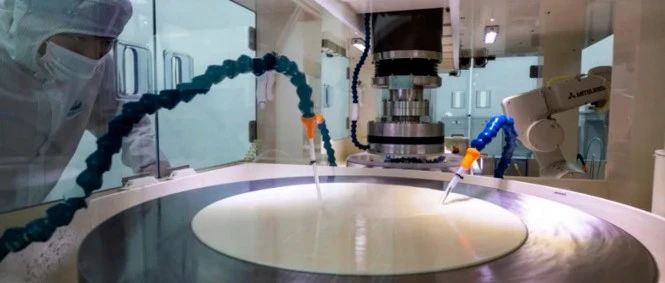
Group 1 - The core viewpoint of the article highlights the ongoing competition between China's resource advantages in tungsten and the West's efforts to protect domestic industries, leading to a restructuring of the global supply chain [2][3][6] - The global tungsten industry is characterized by a simultaneous struggle for resource control and technological upgrades, reflecting the broader industrial competition among developed nations [3][7][9] Group 2 - China's tungsten industry policy aims for transformation and upgrading, with a focus on controlling exports and enhancing technological capabilities [10][12][14] - The U.S. seeks to reduce dependency on Chinese tungsten through tariffs and by rebuilding critical industry nodes, facing challenges in cost, technology, and coordination with allies [17][21][23] Group 3 - The overall export volume of tungsten from China is declining, with a shift towards high-value-added products [33][34] - The concentration of tungsten resource flows is high, with differentiated export demands across markets [48][49] Group 4 - The article emphasizes the strategic significance of hard alloy tools in the tungsten industry, with a focus on emerging markets like Russia and ASEAN countries, as well as the impact of geopolitical factors on regional procurement [61][62][71] - The demand for cutting tools, particularly hard alloy tools, is expected to grow due to their essential role in high-end manufacturing sectors [61][62]

新材料投资:AI及其产业链投资的新范式(附130页PPT)
材料汇· 2025-06-30 13:59
Core Insights - The article emphasizes the ongoing evolution of AI terminals, highlighting the need for improvements in mobile AI functionalities while noting structural innovations in hardware such as optical, foldable screens, and fingerprint recognition. The recent surge in smart glasses sales is also mentioned, with a focus on the successful transition from AI glasses to AR glasses, as exemplified by Meta & Rayban AI glasses [3][4]. AI Terminal Development - AI glasses currently have limited interaction modes and functionalities, but the integration of AR features can significantly enhance user experience. The optical display module is expected to become a major component in AR glasses, with MicroLED and diffractive waveguides being the leading technologies [3]. Investment Opportunities - The long-term narrative for the AI industry remains strong, with companies like NVIDIA continuing to perform well. The rise of cloud vendors and breakthroughs in domestic computing power are expected to create diverse investment opportunities. Key sectors to focus on include servers, PCB, CPO, copper cables, power supplies, and liquid cooling, where domestic companies have established advantages [3][4]. Recommended Companies - Suggested companies for investment include: 1. Servers: Industrial Fulian, Huqin Technology 2. Computing Chips: Chipone, Cambricon, Haiguang Information 3. PCB: Huitian Technology, Shenghong Technology, Guanghe Technology, Shengyi Technology, Jingwang Electronics, Weier High 4. Copper/Optical Interconnect: Ruikeda, Bochuang Technology, Taicheng Light, Dongshan Precision 5. Power and Temperature Control: Hewei Electric, Zhongheng Electric, Magmi Tech, Shenxian Environment, Jianghai Co. 6. Brands and OEMs: Xiaomi Group, Yingshi Innovation, Goer Technology, Guoguang Electric 7. SOC: Lexin Technology, Hengxuan Technology, Xingchen Technology 8. Storage: Zhaoyi Innovation, Purang Co. 9. Distributors: Doctor Glasses, Kid King, Mingyue Lenses [4]. Market Trends - The article notes that the AI hardware and software sectors have seen significant stock price increases, with NVIDIA's stock rising by 45% and CoreWeave's by 195% since April 7. This reflects a broader trend of optimism in the AI market following NVIDIA's strong earnings report [17][18]. AI Chip Market Dynamics - The article discusses the increasing demand for ASICs as a key growth area in the AI chip market, with major cloud service providers like Google and Amazon ramping up their self-developed ASIC production. The global ASIC market is projected to grow from $6.5 billion in 2024 to $15.2 billion by 2033, with a compound annual growth rate of 12.8% [26][60]. Cloud Vendor Developments - Major cloud vendors are increasingly focusing on self-developed ASICs, with Google and Amazon leading the way. The article highlights that the market is shifting from NVIDIA's dominance to a more competitive landscape with multiple strong players emerging [60][61].

固态电池:固态电池技术与设备产业化分析(附48页PPT)
材料汇· 2025-06-30 13:59
点击 最 下方 关注《材料汇》 , 点击"❤"和" "并分享 添加 小编微信 ,寻 志同道合 的你 正文 目 录 1、半固态电池工艺兼容传统液态, 地的"最后一公里" 3 1、半固态电池工艺兼容传统液态,中段是量产落地的"最后一公里" 1.1 半固态电池制备工艺与传统锂电池生产工艺兼容 1.2 半固态电池设备的新增原位固化设备,登片机需要重点关注 2、固态电池前段干法电极技术是产业化的"咽喉",中段等静压设备为核心 2.1 固态电池设备价值量为2-3亿元/GWh,是液态的2-3倍 2.2 干法电极工艺助力全固态电池降本增效 2.3 中段等静压设备有效解决固固界面的核心问题 2.4 后段铝塑壳封装,适配固态材料特性 3、金属锂处理和高精度镀膜设备,固态电池驱动下的设备赛道新机遇 3.1 固态电池推动金属锂和硅碳负极处理设备 3.2 高精度镀膜设备长期有望重塑产业链格局 4、相关标的 5、固态行业Q3重要会议梳理 半固态电池:中段工艺是量产落地的"最后一公里" | 图表:半固态电池三段工艺对比 | | | | | | | --- | --- | --- | --- | --- | --- | | 环节 | 核心设 ...