材料汇

Search documents
深度报告:高性能膜材料产业分析报告(附57页PPT)
材料汇· 2025-06-29 14:09
Group 1: Overview of High-Performance Membrane Materials - High-performance membrane materials are core materials for new separation technologies, characterized by energy savings and environmental friendliness, playing a strategic role in addressing water resources, energy, and environmental issues [4][6] - Membrane materials can be categorized into thick membranes (thickness > 1 micron) and thin membranes (thickness < 1 micron), with applications in water treatment, special separation, gas separation, biomedical, and battery membranes [4][5] Group 2: Classification of High-Performance Membrane Materials - Membrane materials can be classified based on preparation materials into organic and inorganic membranes, with organic membranes including cellulose derivatives, polyamide, and polyimide, while inorganic membranes include ceramic and metal membranes [7] - Functional classification includes separation membranes, recognition membranes, reaction membranes, energy conversion membranes, and electronic functional membranes, with separation membranes being the most widely used [7][11] Group 3: Current Development Status of the High-Performance Membrane Industry - The membrane industry is growing at an annual rate of approximately 15%, with water treatment membranes reaching a mature stage, while special separation membranes are in a rapid development phase [7][16] - By 2019, the membrane industry scale in China approached 200 billion yuan, with significant advancements in water treatment, special separation, and gas separation membranes, narrowing the gap with international standards [7][16] Group 4: Market Situation of High-Performance Separation Membranes - In 2022, the total output value of China's membrane industry is expected to exceed 860 billion yuan, with a compound annual growth rate of about 10% from 2022 to 2027 [16] - The market structure shows that reverse osmosis and nanofiltration membranes account for 50% of sales, while ultrafiltration and microfiltration membranes each account for 10% [16] Group 5: Competitive Landscape of the High-Performance Membrane Industry - Major global players in the high-performance membrane sector include companies from the USA, Japan, and Europe, with significant market shares held by companies like Dow and Toray [23] - In China, the membrane industry comprises over 2000 enterprises, with a concentration in regions such as Beijing, Jiangsu, and Guangdong [23] Group 6: Optical Membranes - Optical membranes are widely used in various applications, including precision optical devices, displays, and anti-counterfeiting technologies [20][24] - The optical membrane market is expected to continue growing, driven by increasing demand from downstream markets and technological upgrades by domestic companies [33] Group 7: Lithium Battery Separators - The lithium battery separator market is rapidly expanding, with China accounting for over 80% of global shipments in 2022, driven by the growth of electric vehicles and consumer electronics [42][43] - Major players in the lithium battery separator market include Shanghai Thinker and Xingyuan Material, with significant market shares [43]





1000+深度报告:半导体材料/显示材料/新材料能源/新材料等
材料汇· 2025-06-28 15:26
Investment - The article discusses various investment opportunities in new materials, semiconductors, and renewable energy sectors, highlighting the importance of understanding market trends and technological advancements [1][4]. Semiconductor - It covers a wide range of semiconductor materials and technologies, including photolithography, electronic specialty gases, and advanced packaging materials, emphasizing the growth potential in these areas [1][3]. - The article mentions the significance of third and fourth generation semiconductors, such as silicon carbide and gallium nitride, which are crucial for future electronic applications [1][3]. New Energy - The focus is on the growth of new energy technologies, particularly lithium batteries, solid-state batteries, and hydrogen energy, which are expected to drive significant market changes [1][3]. - It highlights the importance of materials like silicon-based anodes and composite current collectors in enhancing battery performance [1][3]. Photovoltaics - The article outlines the advancements in photovoltaic materials, including solar glass and back sheets, and the role of perovskite materials in improving solar cell efficiency [1][3]. New Display Technologies - It discusses the evolution of display technologies such as OLED, MiniLED, and MicroLED, along with the materials used in these displays, indicating a shift towards more efficient and high-quality visual experiences [3]. Fibers and Composites - The article emphasizes the development of advanced fiber materials, including carbon fiber and aramid fiber, which are essential for lightweight and high-strength applications in various industries [3]. New Materials - It covers a broad spectrum of new chemical materials, including adhesives, silicones, and engineering plastics, which are critical for various industrial applications [3]. Notable Companies - The article lists key players in the industry, such as ASML, TSMC, and Tesla, highlighting their contributions to technological advancements and market leadership [4].

光刻胶:半导体制造的“卡脖子”难题,国产替代之路在何方?(8000字)
材料汇· 2025-06-28 15:26
Core Viewpoint - The article discusses the challenges and investment opportunities in the photoresist industry, emphasizing the high technical barriers, material supply issues, and market monopolization faced by domestic companies in China [2][4]. Group 1: Challenges in Photoresist Production - **Technical Barriers**: Photoresist involves complex chemical formulations that require precise ratios of various components, making it difficult for domestic companies to develop competitive products [5][7]. - **Purity Requirements**: The purity of photoresist directly impacts chip yield and performance, necessitating stringent quality control to meet ppb and ppt levels, which increases production costs [8][9]. - **Advanced Production Equipment**: The production of photoresist requires high-precision equipment that is often monopolized by foreign companies, posing a significant challenge for domestic manufacturers [9]. Group 2: Material Supply Issues - **Resin as Core Material**: Resin constitutes 10%-40% of photoresist and is crucial for its mechanical and chemical stability. High-end resins are primarily imported due to their complex synthesis requirements [11][12]. - **Light Initiators**: These are essential for initiating photochemical reactions in photoresist. High-end light initiators are mainly supplied by foreign firms, creating a gap in domestic capabilities [14]. - **Solvents**: Solvents play a vital role in the formulation of photoresist, and while domestic companies can produce some solvents, the purity and quality for high-end applications still need improvement [15][16]. Group 3: Market Dynamics - **Market Monopolization**: The global photoresist market is dominated by a few international giants, with the top five companies holding over 85% market share, making it difficult for new entrants to compete [17]. - **High Customer Certification Barriers**: New suppliers face a lengthy certification process that can take 2-3 years, creating significant entry barriers for domestic companies [20]. Group 4: Market Opportunities - **Growing Market Size**: The global photoresist market is projected to reach $4.74 billion in 2024, driven by the rapid growth of the semiconductor industry and increasing demand for advanced technologies [28]. - **Domestic Market Growth**: China's photoresist market is expected to exceed 20 billion yuan by 2029, with a compound annual growth rate of about 10% from 2024 to 2029 [29]. - **Potential for Domestic Substitution**: There is significant potential for domestic companies to replace imported products, particularly in the mid-to-low-end segments of the market [42]. Group 5: Investment Strategies - **Focus on Strong Technical Capabilities**: Investors should prioritize companies with robust R&D teams and advanced production technologies to ensure competitive advantage [49]. - **Monitor Industry Trends**: Keeping an eye on technological advancements and market demand shifts is crucial for making informed investment decisions [52][54]. - **Long-term Investment Perspective**: The photoresist industry requires sustained investment and patience, as companies work through the lengthy development and market entry processes [56].
半导体零部件:先进陶瓷核心零部件核心与珂玛科技(附51页PPT)
材料汇· 2025-06-27 14:12
Core Viewpoint - The company focuses on advanced ceramic materials and semiconductor equipment surface treatment services, with a significant growth trajectory in revenue and profitability driven by technological advancements and market demand [4][6][24]. Group 1: Business Overview - The company's main business includes the research, manufacturing, sales, and service of advanced ceramic materials and surface treatment services for semiconductor equipment, achieving a CAGR of approximately 28.61% from 2019 to 2023 [4][5]. - In the first three quarters of 2024, the company reported revenue of 620 million yuan, with 550 million yuan from ceramic components, of which 36% came from newly mass-produced modular products [4][6]. - The company has established a diversified product line, including advanced ceramic components, precision cleaning, anodizing, and thermal spraying services [4][6][24]. Group 2: Financial Performance - The company achieved a net profit of 226 million yuan in the first three quarters of 2024, marking a significant increase due to the domestic replacement of key components in semiconductor equipment [6][10]. - The gross profit margin has improved significantly, primarily due to the ramp-up of ceramic heater production [10][12]. - The gross profit margin for advanced ceramic components in the semiconductor field remained stable, while the overall gross margin for ceramic components has been affected by fluctuations in the powder grinding and classification sector [13][24]. Group 3: Market Position and Customer Base - The company has a well-diversified customer base, with no single customer accounting for more than 50% of total revenue from 2021 to 2023, indicating a stable revenue stream [17][18]. - Major clients include North China Innovation, Guangdong Hongkai, and TCL Huaxing Optoelectronics, contributing to a total of 48.07% of revenue in 2023 [18][19]. - The company maintains strong relationships with suppliers, ensuring a stable supply of raw materials necessary for production [20][21]. Group 4: Future Development and Strategy - The company plans to enhance its product offerings in advanced ceramics, focusing on key components for the semiconductor industry, including 12-inch electrostatic chucks and ultra-high purity silicon carbide kits [24][27]. - There is an ongoing effort to expand production capacity and improve efficiency through new projects, including a research center and advanced material production bases [23][24]. - The company aims to strengthen its surface treatment capabilities and expand into new markets such as medical devices, electronic communications, and renewable energy [24][27].
先进封装:100页PPT详解传统工艺升级&先进封装技术
材料汇· 2025-06-27 14:12
Core Viewpoint - The demand for advanced packaging continues to grow, driven primarily by AI-related applications and high-performance computing [3][30]. Group 1: Advanced Packaging Demand - The advanced packaging market is expected to grow from $39 billion in 2023 to $80 billion by 2029, with a compound annual growth rate (CAGR) of 12.7% [12]. - The 2.5D/3D packaging segment is projected to grow at a remarkable rate of 20.9% over the next five years, becoming a key driver for overall market growth [12]. - Advanced packaging shipments are anticipated to rise from 70.9 billion units in 2023 to 97.6 billion units by 2029, with a CAGR of 5.5% [15]. Group 2: Technology and Equipment - Four main advanced packaging technologies—FC, WLP, 2.5D, and 3D—are facilitating the evolution of packaging technology [5][7]. - The global advanced packaging equipment market is projected to reach $3.1 billion in 2024, marking a historical high [5]. - The demand for etching, thin film deposition, and plating equipment is expected to increase rapidly due to advancements in packaging technology [5]. Group 3: Market Dynamics - The semiconductor industry is experiencing a downturn in 2023, impacting the advanced packaging market, which saw a year-on-year decline of 3.5% [12]. - The recovery in specific end markets, along with the continuous application of advanced packaging technology, is expected to sustain healthy growth in the coming years [15]. - The integration of AI applications in various sectors, including automotive and consumer electronics, is driving the demand for advanced packaging solutions [30]. Group 4: Investment Opportunities - Companies such as ASMPT, North Huachuang, and Zhongwei are highlighted as key players benefiting from the local supply chain advantages in the advanced packaging sector [5]. - Significant investments in packaging projects are underway, with total planned investments amounting to approximately $100 billion [29]. - The ongoing demand for advanced packaging solutions is expected to lead to sustained revenue growth for companies involved in this sector [30].



新材料投资:国际形式严峻,国产半导体材料行业如何发展(附35页PPT)
材料汇· 2025-06-26 15:26
点击 最 下方 关注《材料汇》 , 点击"❤"和" "并分享 添加 小编微信 ,寻 志同道合 的你 正文 珍惜有限 创造无限 1.1 半导体产业在全球经济中发挥关键作用,计算和存储、汽车、无线通信是主要增量 图表1:全球半导体产业链的倒金字塔结构 年产值 娱乐、软件、网络、电商、传媒、大数据等数字经济产业, 几十万亿美元 电子系统 万亿美元 千亿美元 材料(1%) 500亿美元+ 封装(5%) EDA 190亿美元+ n *括号内百分数表示2024年YoY 资料来源:ESD Al l iance,SEM , Yol e,TrendForce,Wind,弗若斯特沙利文,江 苏半导体行业协会,五矿证券研究所 图表2:全球半导体市场规模周期性波动上升(亿美元) 2021-2030 - 10000 2021-2030 CAGR 7% 8000 智诗西献 -5% 育线电 960 消费电子 -10% 工业电力 1310 ~10% 6000 1470 上 -20% 12 370 4000 线遇信 200 25% 6 1720 2000 3610 -25% 计算和存储 2240 0 2025E 2030E 1990年 199 ...
新能源材料:绝缘耐温云母行业深度报告
材料汇· 2025-06-26 15:26
Core Viewpoint - The article discusses the growth potential and market dynamics of the mica industry, particularly focusing on the insulation and high-temperature applications of mica materials, with significant growth expected in the new energy sector and home appliances. Group 1: Market Overview - Mica is a major rock-forming mineral widely used in insulation, high-temperature, and pearlescent materials, with 80.8% of its application in the refractory insulation sector in 2022 [2] - The global market for new energy mica is projected to exceed 10 billion by 2027, with a CAGR of 40.5% from 2023 to 2027, driven by the increasing demand for safety in new energy vehicle batteries [4] - The home appliance mica market is expected to grow at a CAGR of 20.2% from 2020 to 2025, with the market size reaching 1.341 billion by 2025 [6] - The global high-temperature refractory mica market is expected to reach 5.73 billion by 2025 [8] Group 2: Competitive Landscape - The industry has high barriers to entry due to customer, technical, financial, and product certification barriers, creating a strong moat for existing players [12][17] - Leading companies like Zhejiang Rongtai and Ping An Electric have revenues approaching those of international leaders, while most domestic firms remain small and varied in technical capabilities [18] - The market is characterized by a fragmented structure with leading firms holding significant market shares, particularly in the new energy sector where Zhejiang Rongtai had a market share of 27.14% in 2022 [20] Group 3: Industry Trends - The domestic mica market is expanding, driven by increasing demand from the new energy vehicle sector and energy storage applications, with a market size of 5.6 billion in 2022 [26] - The trend towards integrated solutions in new energy vehicles is expected to enhance the value proposition of mica manufacturers, as they shift from providing single products to comprehensive thermal runaway protection solutions [31][32] - The performance of mica products is moving towards high-end applications, with synthetic mica showing significant potential due to its superior properties compared to natural mica [35]

半导体零部件:先进陶瓷核心零部件核心与珂玛科技(附51页PPT)
材料汇· 2025-06-25 15:14
Core Viewpoint - The company focuses on the research, manufacturing, and sales of advanced ceramic materials and surface treatment services for semiconductor equipment, with a significant growth trajectory in revenue and profitability driven by domestic demand and technological advancements [4][6][24]. Group 1: Business Overview - The company's main business includes advanced ceramic components and surface treatment services, achieving a revenue CAGR of approximately 28.61% from 2019 to 2023 [4]. - In the first three quarters of 2024, the company reported revenue of 620 million yuan, with ceramic components contributing 550 million yuan, of which the latest mass-produced module products accounted for 36% [4][5]. - The company has evolved its product offerings from basic ceramic materials to advanced components for semiconductor equipment, including ceramic heaters and static chucks [3][24]. Group 2: Financial Performance - The company achieved a net profit of 226 million yuan in the first three quarters of 2024, marking a significant increase due to the successful domestic replacement of key components in semiconductor equipment [6][10]. - The gross profit margin has improved significantly, particularly due to the ramp-up of ceramic heater production [10][12]. Group 3: Market Position and Customer Base - The company has established a diverse customer base without heavy reliance on any single client, with the top five customers accounting for 48.07% of total revenue in 2023 [17][18]. - Key clients include major players in the semiconductor and display panel industries, such as North Huachuang and TCL Huaxing [18][19]. Group 4: Supply Chain and Procurement - The company maintains stable relationships with suppliers, ensuring a diversified procurement strategy without dependence on any single supplier for over 50% of total purchases [20][21]. - The procurement mainly involves high-quality raw materials for advanced ceramics, with ongoing efforts to enhance domestic sourcing capabilities [20]. Group 5: Future Development and R&D - The company plans to invest in expanding production capacity for advanced ceramics and semiconductor components, with a focus on R&D for new materials and technologies [23][24]. - Future projects include the establishment of a research center and the development of new products such as ultra-high purity silicon carbide and advanced ceramic heaters [23][24].
专家报告:工业领域降碳与氢能应用(附25页PPT)
材料汇· 2025-06-25 15:14
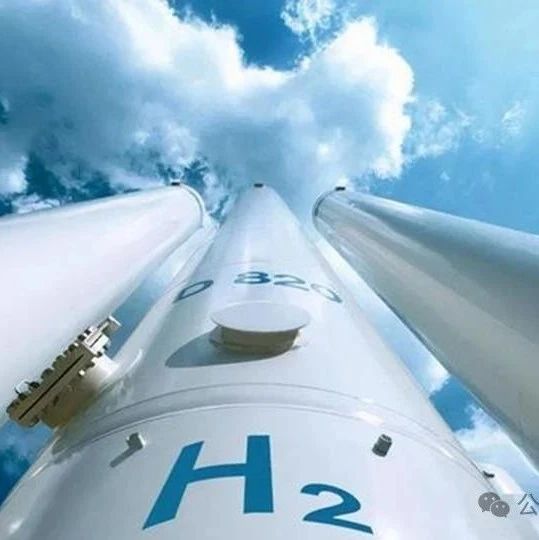
点击 最 下方 关注《材料汇》 , 点击"❤"和" "并分享 添加 小编微信 ,寻 志同道合 的你 正文 /01 氢能在工业领域应用的定位和格局 双碳目标下发展氢能产业的两大初心和使命 储能调峰手段 氢储能发电 碳的问题 I 能源生产侧 I l 氢热电联产 l I 灵活的能源媒介 I 绿氢化工 I l I I َ 氢冶્ 电的问题 I 高效低碳二次能源 I l 工业燃料 H2 l l I I 交通运输燃料 I 绿色清洁工业原料 I 能源消费侧 民用燃料 氢能应用: 基于必要性和可行性两个维度的分析 可行性 绿氢合成氨 绿氢甲醇 绿氢炼化 备用电源 氢能船舶 氢能重 家用执由联 储能发电等 氢能炼钢 纯氢燃料 ● 其他交通 式基化 al ne = 其他工业 必要性 传统工业领域 工业新领域 交通领域 建筑领域 能源领域 各应用领域的定位和特征 氢应用 交运 化工 工业 电力 F 13 93% > 31% <1% > 19% 6% > 19% 1% > 31% -g f 1 陆上运输 冶金 供电 炼化 रे · 氢基竖炉 · 分布式氢燃料电池 氢燃料电池车 棒氧燃气轮机 高炉富氨 甲醇燃料车 · 合成美 . .6 ...
未来产业:可控核聚变发展加速,助力能源转型(附36页PPT)
材料汇· 2025-06-24 15:16
Core Viewpoint - The article emphasizes the rapid advancements in nuclear fusion projects both domestically and internationally, highlighting significant investments and technological breakthroughs that could lead to commercial viability in the near future [2][6][21]. Group 1: Recent Developments in Domestic Fusion Projects - The "BEST" project has commenced assembly ahead of schedule, with the goal of completing construction by 2027 [4]. - Various tenders related to the "BEST" and "Xinghuo No. 1" projects have been launched, indicating a robust pipeline of activities and investments [4][6]. - The "Chinese Circulation No. 3" project achieved a significant milestone with a fusion triple product reaching 10^20, marking a critical advancement in plasma performance [4]. Group 2: Investment and Financing Trends - TAE Technologies, a leading U.S. fusion company, raised over $150 million in its latest funding round, bringing its total funding to $1.35 billion, with participation from major investors like Chevron and Google [6]. - Japan announced an additional investment of 10 billion yen (approximately $69 million) into its three major fusion research institutions, aiming for commercialization in the 2030s [6]. - The UK government plans to invest £2.5 billion over the next five years to advance its fusion energy initiatives, including the STEP project [6]. Group 3: Technological Innovations Driving Progress - Innovative magnetic field structures, such as spherical tokamaks, are expected to enhance confinement performance and increase fusion power output in smaller volumes [8]. - The application of high-temperature superconductors is anticipated to significantly improve fusion output power by allowing for higher current densities and stronger magnetic fields [12][14]. - The integration of AI and supercomputing technologies is facilitating real-time predictions and optimizations in plasma behavior, thereby accelerating research and development processes [16]. Group 4: Global Competition and Market Dynamics - The U.S. and China are the largest investors in nuclear fusion, with China's investment growth outpacing that of the U.S. in recent years [18][23]. - As of 2024, the U.S. has invested $5.63 billion in fusion, while China has invested $2.49 billion, indicating a competitive landscape [23]. - The article outlines the potential for fusion energy to meet global energy demands sustainably, with significant advantages over traditional energy sources [21][24]. Group 5: Future Outlook and Application Scenarios - The most optimistic projections suggest that the first fusion power plant could connect to the grid between 2025 and 2030, while a more conservative estimate places this timeline between 2031 and 2035 [48]. - The potential applications of nuclear fusion include electricity generation, industrial heating, and propulsion for spacecraft, with key developments expected around 2030 [53][55]. - The article highlights a "three-step" strategy for China's fusion energy application, progressing from experimental validation to commercial demonstration [42].