材料汇

Search documents
可控核聚变展望:材料与设备攻关(附37页PPT)
材料汇· 2025-06-18 15:25
Group 1 - The article discusses the two main technical routes for nuclear fusion: magnetic confinement and inertial confinement [5][8] - Magnetic confinement fusion primarily utilizes devices such as Tokamaks, stellarators, and magnetic mirrors, while inertial confinement relies on lasers and Z-pinch methods [8][9] - The D-T fusion reaction is highlighted for its high energy yield and relatively low ignition temperature of approximately 150 million °C, making it a favorable choice for fusion energy [5][8] Group 2 - The article emphasizes the collaborative development of the nuclear fusion industry chain, focusing on materials and equipment breakthroughs [7][35] - Key components of fusion reactors include superconducting magnet systems, vacuum chambers, and heating systems, with significant cost allocations for each [35][37] - The article outlines the investment plans of various countries and companies in nuclear fusion research, indicating a trend towards increased funding and technological advancements [25][27] Group 3 - The article notes that policy support and capital investment are crucial for the future expansion of the nuclear fusion sector [7][25] - China plans to invest over 50 billion yuan in key fusion technology research and experimental reactor construction over the next five years, with a focus on magnetic confinement fusion [25][29] - The expected return on investment (IRR) for commercial fusion projects is projected to exceed 15% in the long term, driven by technological innovations [31][32] Group 4 - The article identifies key companies benefiting from the nuclear fusion industry, emphasizing those with long-term growth potential [7][28] - Companies like CFS, Helion Energy, and TAE Technologies are highlighted for their advancements in fusion technology and significant investment plans [28][29] - The article also discusses the financing status of domestic fusion projects in China, indicating a robust pipeline of funding and development [29][30]


国产替代:160页PPT详解19种“补链强链”国产新材料(附下载)
材料汇· 2025-06-17 15:51
Overview - The new materials industry in China is transitioning from self-sufficiency in low-end products to independent research and development of mid-to-high-end products, currently ranking in the second tier globally, with a total output value of 5.3 trillion yuan in 2020, a 15% increase from the previous year, and expected to reach 10 trillion yuan by 2025, with a compound annual growth rate of approximately 13.5% [4][11]. New Material Directions Lightweight Materials - Carbon fiber is widely used in aerospace, wind power, sports, and automotive industries, making it the most marketable material in the new materials sector, with China becoming the second-largest producer globally. However, challenges remain in production capacity utilization and high-end product development, leading to significant reliance on imported carbon fiber [29][30]. Aerospace Materials - Polyimide and silicon carbide fibers are key materials in the aerospace sector, with increasing demand driven by advancements in technology and applications [3]. Semiconductor Materials - Silicon wafers, silicon carbide (SiC), and high-purity metal sputtering targets are critical for the semiconductor industry, which is experiencing rapid growth due to the demand for advanced electronic devices [3]. New Plastics - New types of plastics such as polyamide (PA), polyphenylene sulfide (PPS), and polylactic acid (PLA) are being developed to meet the needs of various industries, including automotive and electronics [3]. Electronic and Electrical Capacitor Materials - Electronic pastes, electronic ceramics, and polybutylene terephthalate (PBT) are essential for the electronics industry, which is expanding rapidly due to the rise of smart devices [3]. Multi-purpose New Materials - Materials like polyphenylene oxide (PPO), para-aramid, and superabsorbent polymers (SAP) are being explored for their diverse applications across multiple sectors [3]. Optical and Electronic Chemicals - Optical films, photoresists, and OLED materials are crucial for the display and lighting industries, with ongoing innovations to enhance performance and reduce costs [3]. Conclusion and Recommendations - The "14th Five-Year Plan" emphasizes the importance of the new materials industry as a strategic emerging industry, aiming for high-quality development and increased self-sufficiency. The plan addresses the need for improved innovation and collaboration within the industry to enhance competitiveness on a global scale [22][24].

如何挖掘新材料进口替代机会?100大新材料国产化详解(附100+行研报告)
材料汇· 2025-06-17 15:51
Semiconductor Wafer Manufacturing Materials - The global photoresist market is projected to reach approximately $9 billion in 2023, with the domestic market around 12 billion RMB. By 2030, the global market is expected to exceed $15 billion, and the domestic market may grow to 30 billion RMB [4]. - The domestic photoresist localization rate is about 10%, with g/i line photoresist at approximately 20%, KrF photoresist below 2%, ArF photoresist below 1%, and EUV photoresist currently non-existent [4]. - Major foreign companies in the global g/i line photoresist market include Tokyo Ohka Kogyo, Dow Chemical, and Sumitomo Chemical, holding a combined market share of 60% [5]. - Domestic companies such as Beijing Kehua and Suzhou Ruihong are making strides in g/i line and KrF photoresist production, with varying levels of success in ArF and EUV photoresist [6]. Silicon Wafers - The global silicon wafer market is estimated to be around $13 billion in 2023, with the domestic market at approximately 20 billion RMB. By 2030, the global market is expected to exceed $20 billion, and the domestic market may reach 50 billion RMB [10]. - The domestic silicon wafer localization rate is about 15%, with larger wafers having lower localization levels [11]. - Key foreign players include Shin-Etsu Chemical and SUMCO, with significant market shares [11]. Electronic Specialty Gases - The global electronic specialty gas market is projected to be around $7 billion in 2023, with the domestic market at approximately 15 billion RMB. By 2030, the global market is expected to reach $12 billion, and the domestic market may grow to 35 billion RMB [12]. - The localization rate for electronic specialty gases is about 20%, with some specialty gases still requiring imports [13]. - Major foreign companies include Air Products, Linde, and Air Liquide, which dominate the market [13]. Target Materials - The global target materials market is estimated to be around $15 billion in 2023, with the domestic market at approximately 20 billion RMB. By 2030, the global market is expected to exceed $20 billion, and the domestic market may reach 40 billion RMB [15]. - The localization rate for target materials is about 30%, with mid-to-low-end products being more localized [16]. - Major foreign companies include JX Nippon Mining & Metals and Honeywell, which hold a significant market share [16]. Chemical Mechanical Polishing (CMP) Materials - The global CMP materials market is projected to be around $2.5 billion in 2023, with the domestic market at approximately 4 billion RMB. By 2030, the global market is expected to reach $4 billion, and the domestic market may grow to 7 billion RMB [21]. - The localization rate for CMP materials is about 15%, with high-end products still largely imported [22]. - Key foreign suppliers include Cabot and Hitachi, which dominate the market [23]. Wet Electronic Chemicals - The global wet electronic chemicals market is estimated to be around $6 billion in 2023, with the domestic market at approximately 10 billion RMB. By 2030, the global market is expected to reach $9 billion, and the domestic market may grow to 20 billion RMB [24]. - The localization rate for wet electronic chemicals is about 35%, with better localization in mid-to-low-end products [25]. - Major foreign companies include BASF and Merck, which hold significant market shares in China [25]. Photomasks - The global photomask market is projected to reach approximately $5 billion in 2023, with the domestic market around 8 billion RMB. By 2030, the global market is expected to exceed $7 billion, and the domestic market may grow to over 12 billion RMB [28]. - The localization rate for photomasks is about 20%, with high-end products still heavily reliant on imports [28]. - Major foreign players include Toppan and Photronics, which dominate the market [27]. Gallium Nitride (GaN) Materials - The global GaN materials market is estimated to be around $2 billion in 2023, with the domestic market at approximately 3 billion RMB. By 2030, the global market is expected to reach $5 billion, and the domestic market may grow to 8 billion RMB [30]. - The localization rate for GaN materials is about 30%, with progress in power device applications but high-end RF devices still relying on imports [30]. - Key foreign companies include Cree and Sumitomo Electric, which hold significant market shares [30]. Silicon Carbide (SiC) Materials - The global SiC materials market is projected to be around $1.5 billion in 2023, with the domestic market at approximately 2.5 billion RMB. By 2030, the global market is expected to reach $3.5 billion, and the domestic market may grow to 6 billion RMB [31]. - The localization rate for SiC materials is about 25%, with high-end products still dependent on imports [31]. - Major foreign players include Cree and II-VI, which dominate the market [31]. Semiconductor ALD/CVD Precursors - The global semiconductor ALD/CVD precursors market is estimated to be around $2 billion in 2023, with the domestic market at approximately 3 billion RMB. By 2030, the global market is expected to exceed $3 billion, and the domestic market may reach 6 billion RMB [32]. - The localization rate for ALD/CVD precursors is about 10%, with high-end products largely dominated by foreign companies [32]. - Key foreign companies include SK Materials and Merck, which hold significant market shares [32]. Advanced Packaging Materials - The global high-performance epoxy molding compound market is projected to reach approximately $2.5 billion in 2023, with the domestic market around 4 billion RMB. By 2030, the global market is expected to grow to $3.5 billion, and the domestic market may exceed 6 billion RMB [35]. - The localization rate for epoxy molding compounds is about 30%, with mid-to-low-end products being more localized [35]. - Major foreign companies include Sumitomo Bakelite and Henkel, which dominate the market [35]. Semiconductor Components - The global electrostatic chucks market is estimated to be around $1.5 billion in 2023, with the domestic market at approximately 2 billion RMB. By 2030, the global market is expected to reach $2.5 billion, and the domestic market may grow to 4 billion RMB [53]. - The localization rate for electrostatic chucks is about 10%, with high-end products being largely imported [54]. - Major foreign players include Applied Materials and Lam Research, which dominate the market [54]. Display Materials - The global OLED materials market is projected to reach approximately $6 billion in 2023, with the domestic market around 8 billion RMB. By 2030, the global market is expected to exceed $10 billion, and the domestic market may reach 20 billion RMB [61]. - The localization rate for OLED materials is about 20%, with high-end materials still reliant on imports [61]. - Key foreign companies include Universal Display Corporation and Merck, which hold significant market shares [61].

导热材料报告:产业链、市场与趋势、竞争格局
材料汇· 2025-06-15 15:41
Core Viewpoint - The Chinese thermal conductive materials industry is experiencing rapid growth driven by the commercialization of 5G technology and the increasing demand for efficient heat dissipation in electronic devices and communication equipment [7][28]. Industry Overview - Thermal conductive materials are essential for solving heat dissipation issues in various sectors, including communication, consumer electronics, new energy vehicles, and data centers [7]. - The industry has seen a market size increase from 74.1 billion RMB in 2015 to 156.2 billion RMB in 2021, with projections to reach 186.3 billion RMB by 2024 [28][29]. Market Size - The market size of thermal conductive materials in China was 156.2 billion RMB in 2021, with a compound annual growth rate (CAGR) of 18.2% from 2015 to 2021 [28][29]. - The market is expected to grow significantly due to the 5G commercialization, with a forecasted size of 186.3 billion RMB by 2024 [28]. Industry Chain Analysis - The industry chain consists of upstream raw material suppliers, midstream thermal conductive material manufacturers, and downstream application sectors, primarily in communication and consumer electronics [12][13]. - Upstream materials include chemical raw materials like graphite, PI film, silicone rubber, and plastic particles, with a significant portion being imported for high-end products [12][14]. Upstream Analysis - The upstream supply of raw materials is stable, with silicone rubber and plastic particles being the primary materials. However, high-end products like PI film are heavily reliant on imports, with overseas suppliers controlling 90% of the market [17][21]. - China has abundant natural graphite resources, which are crucial for thermal conductive materials, and the supply is sufficient to meet domestic demand [17][20]. Midstream Analysis - Midstream manufacturers have strong bargaining power over upstream suppliers due to the availability of many raw materials, except for high-end products like PI film [22][23]. - The industry faces high competition, especially in the low-end market, while the high-end market is dominated by foreign companies [22][23]. Downstream Analysis - The primary applications of thermal conductive materials are in the communication and consumer electronics sectors, which together account for over 80% of the market [26]. - The demand for thermal conductive materials is expected to increase with the growth of 5G technology and the diversification of consumer electronic products [26][28]. Industry Trends - The industry is moving towards more diverse applications beyond communication and consumer electronics, including new energy vehicles and data centers [28]. - The rapid development of 5G technology is expected to drive innovation and increase the demand for advanced thermal management solutions [28].



先进封装:10000字详解热界面材料及其未来发展趋势
材料汇· 2025-06-15 15:41
Core Viewpoint - The article discusses the increasing importance of thermal management in electronic components due to rising power densities and heat generation, emphasizing the role of thermal interface materials (TIMs) in enhancing heat dissipation and reliability of integrated circuits [2][3][6]. Group 1: Thermal Management and Its Importance - The performance stability, safety, and lifespan of electronic components are adversely affected by high temperatures, necessitating effective heat dissipation strategies [2]. - Thermal management has emerged as a critical field of study, focusing on safe heat dissipation methods and materials for various electronic devices [2][3]. Group 2: Thermal Interface Materials (TIMs) - TIMs are essential in reducing thermal contact resistance between electronic components and heat sinks, thereby improving heat transfer efficiency [3][9]. - TIMs can be categorized into TIM1 (primary TIM) and TIM2 (secondary TIM), with TIM1 being in direct contact with heat-generating chips and requiring high thermal conductivity and low thermal resistance [9][10]. Group 3: Types and Characteristics of TIMs - Different types of TIMs include thermal grease, thermal pads, phase change materials, thermal gels, thermal adhesive tapes, and thermal potting compounds, each with unique properties and applications [18][22]. - The selection of TIMs is influenced by factors such as thermal conductivity, adhesion, and the ability to fill microscopic surface irregularities [12][19]. Group 4: Market Dynamics and Key Players - The thermal interface materials market is primarily dominated by major companies like Henkel and Parker-Chomerics, which together hold about half of the market share [16]. - Domestic suppliers in China, such as Yantai Debang Technology and Shenzhen Aochuan Technology, are still in the early stages of development, focusing on lower-end products [17]. Group 5: Future Trends and Challenges - The demand for higher thermal conductivity and stability in TIMs is expected to grow, with future developments likely focusing on nanotechnology and advanced filler materials [51][53]. - The industry faces challenges in standardizing testing methods and performance metrics for TIMs, which is crucial for effective selection and application in integrated circuit designs [52].

投资笔记:气凝胶投资逻辑分析(附重点企业)(14722字)
材料汇· 2025-06-14 13:49
Industry Overview - Aerogel is a new generation of highly efficient thermal insulation material, characterized by its nano-porous network structure and being the lightest solid in the world. Its commercial applications mainly focus on its excellent thermal insulation capabilities across various sectors including petrochemicals, thermal pipelines, lithium batteries, construction materials, outdoor clothing, aerospace, and military [4][41]. - The thermal insulation principle of aerogel is based on its unique structure, which leads to effects such as no convection, infinite blocking, and long path effects. The thermal conductivity of aerogel ranges from 0.012 to 0.024 W/(m·K), which is 2 to 3 orders of magnitude lower than traditional insulation materials [5][24]. Aerogel Classification - Aerogels can be classified into several categories based on their precursors, including oxides, carbides, polymers, biomass, semiconductors, non-oxides, and metals. Among these, SiO2 aerogel has the most mature commercial application, accounting for 69% of the global market share in 2019 [13][19]. Aerogel Composite Materials - Commercial aerogels are often composite materials to enhance strength and toughness. Common forms include aerogel blankets, papers, fabrics, boards, powders, slurries, and coatings. The most widely used is SiO2 aerogel blanket, which improves mechanical properties through fiber reinforcement [19][20]. Aerogel Performance - Aerogel composite materials exhibit several advantages, including: - Ultra-long service life with a hydrophobic rate of 99%, making them waterproof and easy to store - Superior thermal insulation performance, with thickness 1/4 to 1/2 that of traditional materials for the same insulation effect - Excellent fire resistance, classified as A-level safety, protecting pipelines and equipment during fires - Outstanding mechanical properties, including flexibility, toughness, and compressive strength [21][24]. Market Analysis - The largest application field for aerogel is petrochemicals, accounting for 56% of consumption, followed by industrial insulation at 18% [41][58]. - The market for aerogel insulation sheets is expected to grow at a rate of 1.5 times annually, driven primarily by the expansion of ternary battery production [72]. Policy Support - The government has introduced multiple policies to encourage the development of the aerogel industry, recognizing its strategic importance in reducing carbon emissions and achieving "dual carbon" goals [55][56]. Aerogel Industry Chain - The upstream of the aerogel industry includes silicon sources, which can be categorized into inorganic and organic types. Organic silicon sources like TMOS and TEOS are more expensive but purer, while inorganic sources like water glass are cheaper but contain more impurities [60][61]. - The midstream involves the production of aerogel products, which are often reinforced with organic polymers or fiber materials to enhance their insulation properties [62][64]. - The downstream applications are diverse, with significant involvement from major companies in the oil and gas pipeline insulation sector, as well as in the battery industry [66][68].

不起火、不爆炸,详解隔热材料数千亿级大赛道(附22页PPT)
材料汇· 2025-06-14 13:49
Core Viewpoint - Insulation materials play a crucial role in achieving China's "dual carbon" goals by significantly reducing energy consumption and carbon emissions through effective thermal management in various applications [1][9]. Group 1: Types of Insulation Materials - Insulation materials can be categorized into four main types: organic insulation materials, inorganic insulation materials, new materials, and composite materials [1][14]. - Organic insulation materials are characterized by their porous structure and low density, making them widely applicable in construction and industrial fields, although they often require modification to enhance high-temperature performance [1][16]. - Inorganic insulation materials feature high porosity and nano-scale pore structures, effectively reducing thermal conduction [1][20]. - New materials focus on optimizing thermal conduction pathways, radiation suppression, and structural stability to lower overall thermal conductivity [1][23]. - Composite materials combine two or more materials to enhance overall performance [1][24]. Group 2: Market Opportunities - The market for insulation materials is projected to exceed 1 trillion yuan, with new insulation materials rapidly penetrating various sectors [2][30]. - In the power battery sector, the demand for thermal management and flame-retardant insulation materials is expected to surpass 90 million square meters by 2025, corresponding to a market size of approximately 6.3 billion yuan [2][47]. - The building insulation market is anticipated to reach 248.5 billion yuan by 2025, with a year-on-year growth of 13.8%, and is expected to grow to 423.3 billion yuan by 2031 [2][61]. - The oil and gas pipeline insulation materials market is projected to reach 10.96 billion yuan by 2025, driven by the expansion of the national oil and gas pipeline network [2][3]. Group 3: Innovations in Insulation Materials - The emergence of super insulation materials, such as aerogels, presents significant industrialization prospects, with companies like Zhite New Materials collaborating with research institutions to develop advanced insulation solutions [3][30]. - Super insulation materials have thermal conductivity coefficients lower than that of "still air," with room temperature thermal conductivity typically below 0.04 W·m⁻¹·K⁻¹, offering performance improvements over traditional materials [3][30]. - The integration of AI and robotics in the development of new materials has accelerated the research and production of super insulation materials, significantly reducing costs while enhancing performance [3][30].

未来产业:可控核聚变新阶段,迈向终极能源第一步(附46页PPT)
材料汇· 2025-06-13 15:14
点击 最 下方 关注《材料汇》 , 点击"❤"和" "并分享 添加 小编微信 ,寻 志同道合 的你 正文 可控核聚变是终极能源解决方案,但实现难度高,当前技术路径多样 可控核聚变因能量密度高、燃料储量丰富、安全性优越,被视为终极能源解决方案。当前主流技术路径包括 磁约束(托卡马克装置)、惯性约束(NIF装置)及磁 惯性约束(直线型装置) ,国内外多个装置在建, 处于劳森判据Q>1的验证阶段 。 为什么当下是可控核聚变的新阶段? 一、政策与资本双轮驱动产业化。 1)政策上 ,中国通过多项财政支持、央企协同、研发创新及安全监管等政策举措推动核聚变产业发展;海外竞相锁定30-40年代商用时间窗口,通过资金注入、机 制优化和国际合作加速技术转化。 2)投资上 ,24年全球聚变企业达50家,80%为私营,美国占半数, 国内以聚变新能和中国聚变能领衔,分别布局低温超导和高温超导托卡马克,聚焦25-30年的Q 值验证和30-40年的商业电站落地目标。 二、多种技术路径百花齐放,实验&工程有望突破。 1)高温超导磁体 将托卡马克体积缩小至传统装置的1/40, 成本降低、迭代加速,是未来发展方向 ; 2)直线型磁惯性装置 He ...

轻量化报告:镁合金&PEEK材料在机器人中的应用(附40页PPT)
材料汇· 2025-06-13 15:14
点击 最 下方 关注《材料汇》 , 点击"❤"和" "并分享 添加 小编微信 ,寻 志同道合 的你 正文 1. 人形机器人为何需要实现轻量化? 轻量化设计就是在满足机器人功能和性能要求的前提下,通过优化结构、选用轻质材料、改进制造工艺等手段,尽可能地减轻机器人的重量。通过轻量化减重,人 形机器人可以实现更长的续航以及更高的运动动态响应速度。 当前人形机器人主机厂普遍将"轻量化"作为迭代核心之一,通过 自研高扭矩密度电机、拓扑优化结构、一体化伺服模组、碳纤维及复合材料等 手段持续降低整机质 量,头部人形机器人厂商的机器人产品迭代大多伴随着整体重量的减轻。 目前机器人轻量化主要采用 铝合金、镁合金(或铝镁合金)、碳纤维和高性能工程塑料PEEK等材料 ,但单一材料难以兼顾强度、刚性、成本与加工工艺。我们判 断 未来趋势是镁合金、碳纤维、PEEK等多材料协同应用,按功能分区优化设计 。 2.镁合金:成本下探&压铸工艺渐近成熟,镁合金渗透率有望逐步提升 镁合金密度仅为铝合金的2/3,却在比强度、减震性、电磁屏蔽性和加工性能等方面展现出综合优势。尤其适用于对轻量化、吸能性和成型效率要求较高的结构件。 过去镁合金 高成本、 ...

半导体设备:光刻机及三大核心部件分析报告
材料汇· 2025-06-12 12:58
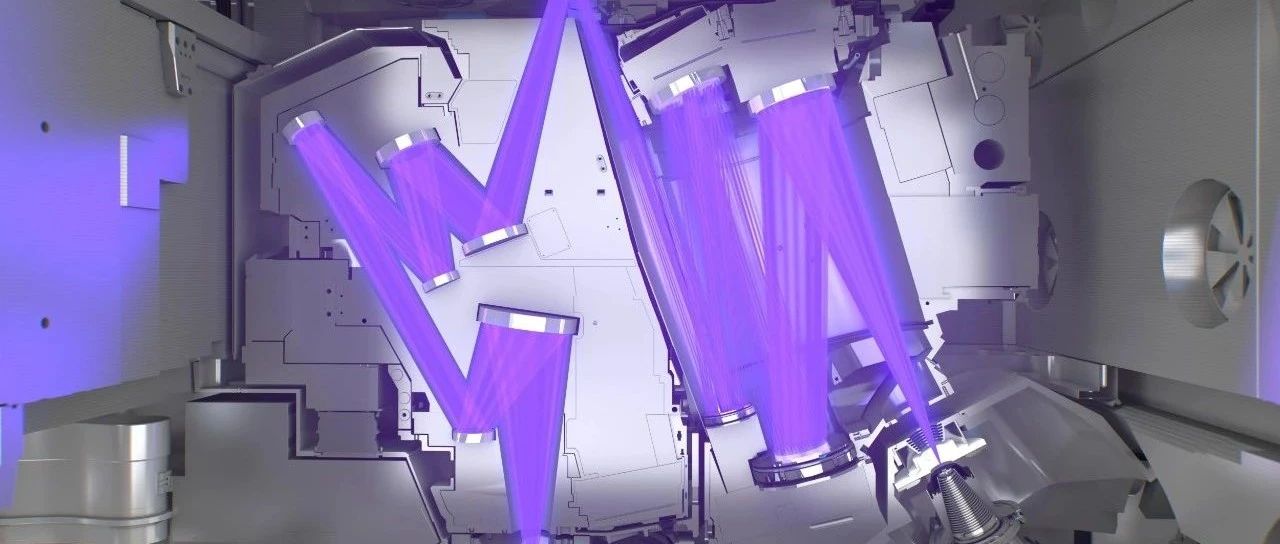
Group 1 - The core viewpoint of the article emphasizes that lithography machines are the most critical equipment in wafer manufacturing, with the highest technical difficulty and currently the lowest domestic production rate [2][7][31] - Lithography machines are the cornerstone for sustaining the "Moore's Law" in the semiconductor industry, with advancements in lithography technology being essential for increasing chip integration and performance [7][11] - The global lithography machine market is dominated by a few players, with ASML holding a 61.2% market share in 2024, particularly as the sole supplier of EUV lithography machines [19][22][27] Group 2 - The optical system is identified as the most critical component of lithography machines, with Carl Zeiss being the exclusive supplier of optical components for ASML [36][40] - The global market for lithography optical components is estimated to be $3.5 billion, with Zeiss holding a dominant position [36][44] - Domestic production of optical components has made progress, but significant gaps remain compared to Zeiss, particularly in terms of surface accuracy and quality [58][60] Group 3 - The light source and dual-stage systems are also crucial components that significantly impact the efficiency of lithography machines, with the wavelength of the light source being a key determinant of the machine's processing capability [4][60] - The main light sources have evolved from g-line (436nm) and i-line (365nm) to KrF (248nm), ArF (193nm), and now to EUV (13.5nm) [60][61] Group 4 - Domestic supply chain companies are making efforts to overcome challenges, with significant advancements expected in the high-end lithography machine sector [4][32] - The Chinese market has a high demand for lithography machines, with ASML being the largest customer, and the revenue from China is projected to grow from 29% in 2023 to 41% in 2024 due to increased production capacity [27][30]