经济观察报

Search documents
盒马老将挂帅,高鑫零售战略转型进入新阶段
经济观察报· 2025-12-02 11:29
Core Viewpoint - The appointment of Li Weiping as the new CEO of Gao Xin Retail marks a significant management change and strategic transformation under new controlling shareholder Dehong Capital, aiming to address recent performance challenges and enhance operational efficiency [2][3][8]. Group 1: Management Change - Li Weiping, known for her strong execution style and extensive experience in regional operations, has taken over as CEO from Shen Hui, who resigned due to family matters [2][5]. - Li Weiping has over 20 years of experience in the retail industry, having held various positions at Huarun Supermarket and Lotte Supermarket before joining Hema in 2018 [5]. - The new CEO has signed a three-year service agreement with Gao Xin Retail, receiving a fixed annual salary of 3.36 million yuan, along with annual management bonuses [5]. Group 2: Strategic Transformation - Gao Xin Retail is undergoing a strategic transformation, focusing on a three-year plan that emphasizes "healthy products + joyful experiences + thoughtful services" through a multi-format approach [6][9]. - The company aims to enhance its operational efficiency by integrating online and offline channels, improving product quality, and differentiating offerings [5][6]. - Recent financial reports indicate that Gao Xin Retail has faced significant revenue declines, with a net loss of 1.23 billion yuan for the six months ending September 30, 2025, attributed to intensified market competition and consumer fatigue [9][10]. Group 3: Operational Adjustments - Gao Xin Retail has initiated a front warehouse project to improve delivery efficiency and increase online sales, with plans to raise online performance to 40-50% over the next three years [10]. - The company is also actively promoting its private label products and has launched a "private label festival" across nearly 500 stores [10][11]. - A significant store renovation plan is in place, with over 30 stores targeted for complete renovations this fiscal year and an expectation to complete over 200 by the next fiscal year [11].


鸿蒙六问
经济观察报· 2025-12-02 11:29
Core Viewpoint - The essence of ecological construction is commercial logic, where mutual benefits and value sharing are crucial for the ecosystem to thrive, rather than mere emotional appeal [1] Group 1: The Challenge of Ecosystem Construction - Huawei's HarmonyOS 6.0 represents not just a technical upgrade but a deeper challenge of reshaping the digital ecosystem dominated by iOS and Android [2] - The competition is not merely about technology but about creating a collaborative ecosystem involving diverse developers, manufacturers, and users [2][4] - The success of HarmonyOS hinges on its ability to foster a shared ecosystem rather than relying solely on Huawei's capabilities [2][13] Group 2: The Importance of Ecosystems in the Digital Age - The competition in the digital age has shifted from linear value chains to networked value ecosystems, where a mature digital ecosystem is a value co-creation community [3] - Successful ecosystems like iOS and Android have established strong "lock-in effects," making it difficult for new entrants to compete [3] Group 3: The Role of Operating Systems - Operating systems are foundational to the digital economy, representing both "hard" and "soft" strengths of a nation's digital capabilities [5] - The risks of relying on non-autonomous operating systems have become more pronounced, especially in the context of geopolitical tensions [5] Group 4: Lessons from Past Failures - Previous attempts at creating domestic operating systems faced three main challenges: ecological awareness, strategic determination, and timing mismatches [8] - The failures were rooted in the misunderstanding that operating system competition is fundamentally about ecosystem competition [8] Group 5: HarmonyOS's Differentiation Strategy - HarmonyOS has shifted its focus from merely replacing existing systems to reconstructing the ecosystem, targeting the "Internet of Everything" trend [9] - The innovative architecture of HarmonyOS allows seamless interaction across multiple devices, providing a unique advantage over competitors [9][10] Group 6: Current Shortcomings of HarmonyOS - Despite improvements, HarmonyOS still faces challenges in application adaptation depth and system stability compared to iOS and Android [11][12] - The need for a more robust developer ecosystem and better support for application adaptation is critical for HarmonyOS's growth [11] Group 7: The Need for Collaborative Ecosystem Development - The future success of HarmonyOS depends on evolving from a solo performance by Huawei to a collaborative "chorus" involving various stakeholders [13][14] - Establishing a thriving ecosystem requires transparent rules, shared technology tools, and fair profit-sharing models to attract developers and manufacturers [14][15]

《疯狂动物城2》救市,然后呢?
经济观察报· 2025-12-02 11:29
Core Viewpoint - The success of "Zootopia 2" at the box office is attributed to a surge in pent-up viewing demand, signaling a strong preference from younger audiences and reflecting the ongoing quest for innovation in global cinema [1][5]. Box Office Performance - As of December 1, "Zootopia 2" has surpassed 2 billion yuan in box office revenue in China, breaking the previous record of 1.54 billion yuan set by its predecessor in 2016. The film is projected to exceed 4.2 billion yuan in total box office [2]. - The film achieved a single-day box office of 730 million yuan, with nearly 90% of its revenue coming from the Chinese market, which has become the largest box office contributor globally [2][3]. Audience Insights - The film has attracted a significant young audience, with 59% of viewers aged 29 and below, indicating a shift in production focus towards younger demographics [3]. - The success of "Zootopia 2" suggests that the audience is willing to return to theaters if compelling content is available, challenging the notion that viewers have lost interest in cinema [3]. Market Dynamics - The popularity of "Zootopia 2" indicates that the dominance of domestic films in the Chinese market is not guaranteed, as there remains potential for imported films to regain market share if they address issues of repetitive themes and lack of innovation [4]. - The increasing success of animated films poses a growing challenge to live-action movies, with animated films projected to capture a significant portion of the box office in 2025 [4]. Industry Implications - The film's success serves as a wake-up call for the Chinese film industry to innovate and produce competitive content that resonates with audiences, particularly the youth [5]. - The industry is encouraged to adapt its production strategies to align with audience preferences, emphasizing the need for creativity and relevance in storytelling [5].

前瞻“十五五”:智能经济发展的四大趋势
经济观察报· 2025-12-02 11:29
Core Viewpoint - The article emphasizes the emergence of the "smart economy" as a new economic form driven by artificial intelligence and other intelligent technologies, which enhances personalized customization and proactive responses, elevating economic and social development to a higher level [1][6]. Development of Smart Economy - The "14th Five-Year Plan" has established high-quality development as the main theme for economic and social development, proposing the comprehensive implementation of the "Artificial Intelligence +" initiative to integrate AI with various sectors [2][3]. - The smart economy is characterized by a transition from digitalization to intelligent transformation, with AI technologies driving comprehensive upgrades across production methods and living scenarios [8][10]. Historical Context of AI Development - The development of AI can be divided into three stages: rule-based programming (1950s-1970s), expert systems and knowledge engineering (1970s-1980s), and data-driven learning (1980s-present) [5][6]. - The modern concept of AI involves using computer technology to enable machines to learn and act autonomously, marking a significant shift from traditional automation and mechanization [5][6]. Trends in Smart Economy - The transition from generative AI to intelligent agents is underway, with the number of generative AI services expected to grow from 8 in August 2023 to 439 by June 2025, reflecting a 54-fold increase [8][9]. - The smart economy will evolve from a focus on virtual services to a core emphasis on intelligent manufacturing, indicating a shift in economic development models [9][10]. Industry Development and Ecosystem - By 2024, China's AI industry is projected to exceed 700 billion yuan, with a comprehensive industrial chain covering chips, computing power, data, platforms, and applications [10][11]. - The emergence of AI-native enterprises specializing in AI programming, customer service, and robotics is expected to drive the development of a complete smart industry ecosystem [10][11]. Recommendations for AI Development - To promote high-quality AI development, it is essential to expand investment, accelerate the scale production of AI products, and enhance the quality of digital infrastructure [13][14]. - Building a robust AI industry ecosystem requires integrating market forces, supporting leading enterprises, and encouraging participation from small and micro enterprises [14][15]. - Establishing new regulatory frameworks that balance development and safety is crucial for the sustainable growth of the smart economy, ensuring it benefits the entire population [15].

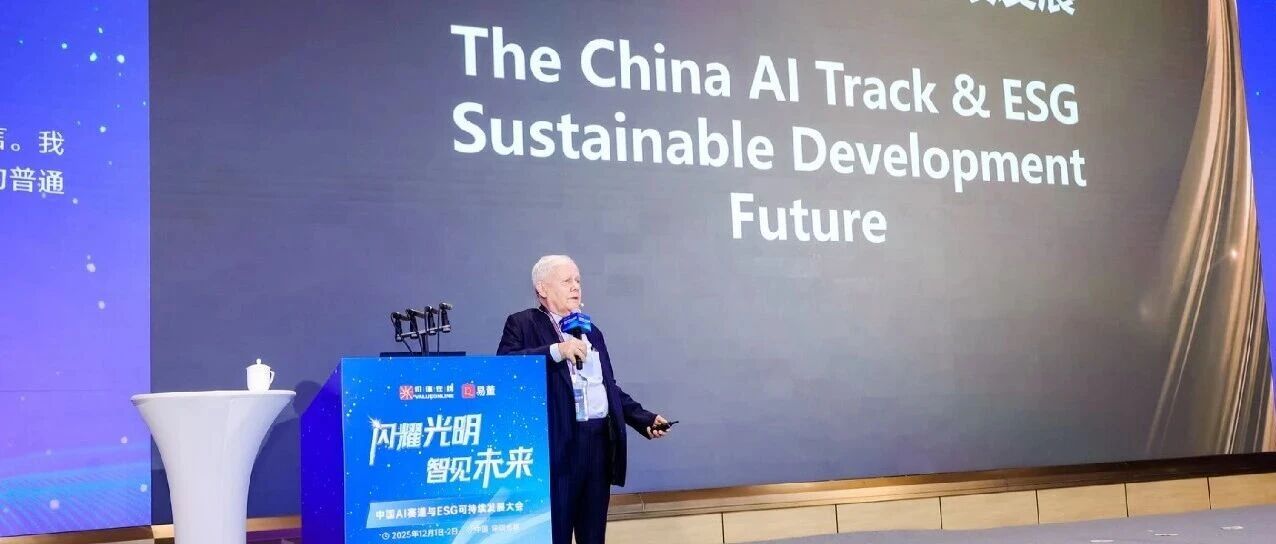
吉姆·罗杰斯:AI还不是泡沫,深圳可以是下一个硅谷
经济观察报· 2025-12-02 08:21
吉姆・罗杰斯表示,他是在1984年第一次来到中国的,那时候的深圳还是一个渔村,但现在窗外 的繁华景象,已印证着中国正再次崛起。"历史上,有很多地方都曾有过一时的辉煌,比如罗马帝 国、埃及等等,但唯有中国这个国家可以多次登上世界之巅。它曾辉煌过三四次,也曾衰落过三四 次。如今,它再次崛起,必将取代美国成为下一个世界强国,这就是我目前对世界格局的看法。" 吉姆·罗杰斯表示,当时针拨回到1925年,当时英国是世界上最伟大、最富有的国家,但同时也 积累了很多债务,因此开始衰落;如今的2025年,美国是世界上最重要、最富有的国家,但现在 的状况和当年的英国如出一辙:负债累累且债务每天都在增加。 "所以,二十年或者三十年后,美国这个世界强国的地位将不复存在,取而代之的很可能是中国。 作为一名美国人,我不喜欢这样的结论,但美国巨额债务缠身却是铁一般的事实,从历史上其他国 家的经历,我们可以推测它将会发生什么。与此同时,中国虽然也有一些债务,但不是巨额债务, 而且中国还有很多有利的因素。"吉姆·罗杰斯表示,这正是他想在中国加大投资的原因之一。 他强调称,到目前为止,虽然他卖掉了很多国家的股票,但仍然持有中国的股票,并没有卖出 ...
王不见王,俄乌和平进程正紧张推进中
经济观察报· 2025-12-01 11:08
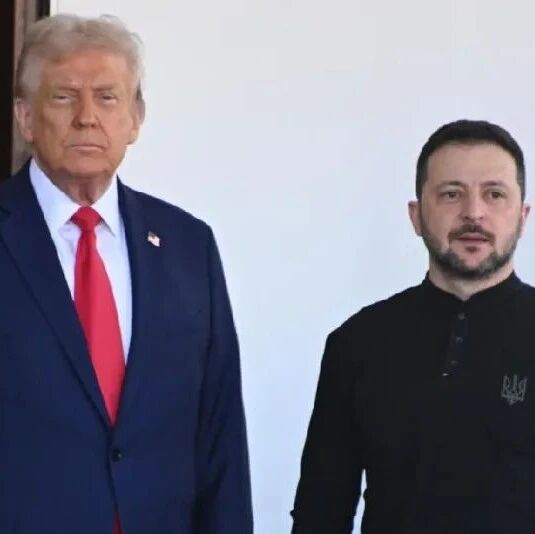
Group 1 - The core viewpoint of the article suggests that Ukraine's commitment to "not reclaim its occupied sovereign territory by military means" is a strategic maneuver by Europe (EU) to continue sanctions and isolate Russia, pressuring it to return the occupied territories [1][7]. - The recent developments in the Russia-Ukraine peace process include the announcement of a 28-point plan by the U.S. on November 19, which was later modified to a 19-point plan during discussions in Geneva involving representatives from the U.S., EU, and Ukraine [2][3]. - The discussions have been characterized by a tight schedule, with significant information being leaked, leading to a lack of transparency regarding the specific contents of the 19-point plan [3][4]. Group 2 - There is a consensus among the U.S. and Ukraine that any future agreement must fully uphold Ukraine's sovereignty, indicating that territorial issues may either be omitted from the final agreement or expressed in a way that allows both sides to maintain their positions [6][7]. - The proposal for a "reassurance force" led by the UK and France aims to establish a multi-national force post-peace agreement, although its feasibility remains uncertain [6][8]. - The dynamics between U.S. and Ukrainian leadership suggest a reluctance from both sides to engage directly, particularly regarding contentious issues that could have significant historical implications for Ukraine's leadership [9].
电池安全新范式:华为巨鲸电池平台如何重塑行业信任?
经济观察报· 2025-12-01 11:08
Core Viewpoint - The article emphasizes that battery safety in electric vehicles (EVs) is a critical concern, and Huawei's Whale Battery Platform aims to provide comprehensive safety solutions throughout the vehicle's lifecycle, moving beyond traditional single-point safety measures [2][6][27]. Group 1: Battery Safety Challenges - Battery safety remains a significant concern for EV users, with everyday scenarios like high temperatures and water exposure posing risks [5][2]. - The upcoming 2025 national standards for electric vehicle battery safety are expected to reshape the industry, focusing on technology and user trust [2][27]. Group 2: Huawei's Whale Battery Platform - Huawei's Whale Battery Platform incorporates a multi-dimensional safety system, integrating battery cell materials, vehicle structure, and cloud intelligence [6][19]. - The platform has undergone over 150 rigorous tests, exceeding current national standards in several areas, such as waterproofing [5][9]. Group 3: Proactive and Reactive Safety Measures - The platform features a cloud-based monitoring system with nearly 200 smart sensing nodes to track battery conditions in real-time, significantly reducing false alarms [8][9]. - Huawei's design includes a fifteen-layer protective structure to mitigate risks from short circuits, punctures, and thermal events [9][11]. Group 4: Longevity and Cost Efficiency - The Whale Battery Platform employs intelligent charging strategies to slow battery aging, ultimately reducing maintenance and replacement costs for users [12][24]. - The platform's design ensures that safety does not compromise battery performance, allowing for rapid charging without sacrificing reliability [11][22]. Group 5: Industry Collaboration and Standards - Huawei's approach differs from traditional supplier integration models by deeply involving itself in the entire battery development process, enhancing safety and manufacturing standards across the supply chain [16][18]. - The platform aims to create a collaborative ecosystem where safety standards are elevated across the industry, similar to the Android ecosystem in smartphones [19][20]. Group 6: Safety as a Value Proposition - Huawei views safety as a fundamental value rather than a cost, investing significantly in safety features that exceed industry standards [22][25]. - The company’s commitment to safety is reflected in its proactive measures to meet future regulations ahead of time, demonstrating a long-term responsibility to users [24][26].

多省盘家底,政府到底有多少资产
经济观察报· 2025-12-01 11:08
Core Viewpoint - The phenomenon of revitalizing "three assets" (assets, resources, funds) reflects the current difficulties in local finance, necessitating urgent fiscal supply-side structural reforms [1][4]. Group 1: Revitalization of "Three Assets" - Hunan Province has successfully revitalized state-owned "three assets," generating a cumulative income of 350 billion yuan, with experiences promoted nationwide [2]. - The revitalization efforts in Hunan are seen as a model for optimizing the allocation of "three assets," contributing positively to economic development and addressing livelihood issues [2][15]. - The revitalization of "three assets" is a response to the tightening of local fiscal revenues due to slowing tax growth and declining land transfer income [4][12]. Group 2: Challenges and Strategies - Local governments face challenges in managing and understanding the extent of their state-owned assets, leading to difficulties in asset revitalization [8][10]. - The need for a top-level design and strict operational guidelines is emphasized to prevent irrational asset revitalization that could lead to secondary risks [10]. - The core goals of revitalizing "three assets" include increasing operational income from state-owned enterprises, generating non-tax revenue, and promoting social benefits such as employment and industry clustering [13]. Group 3: Actions Taken by Various Regions - Hunan has initiated a comprehensive action plan for the management and revitalization of state-owned assets, covering various sectors and establishing a coordinated working mechanism [15][16]. - Other provinces, including Anhui, Hubei, and Yunnan, have also launched initiatives to comprehensively revitalize state-owned "three assets," focusing on asset inventory and management reform [17][19]. - Specific local actions include the issuance of asset-backed securities and the establishment of investment funds to support revitalization efforts and mitigate debt risks [19][20].

ETF 浪潮下的价值领航:南方基金以平台、团队、科技赋能指数投资新生态
经济观察报· 2025-12-01 11:08
Core Viewpoint - The article emphasizes that Southern Fund has become a leader in the ETF market due to its comprehensive product layout, top-tier research team, and intelligent technology empowerment, amidst increasing complexity in ETF choices for investors [1][2]. Comprehensive Product Layout - Southern Fund has developed a comprehensive product matrix since launching its first deep ETF in 2009, including flagship products like Southern CSI 500 ETF (510500) and Southern CSI 1000 ETF (512100), covering various market segments and asset classes [3][4]. - The total number of funds managed by Southern Fund has reached 126, with a total scale exceeding 402.2 billion yuan, maintaining a leading position in the industry [4]. - The Southern CSI 500 ETF (510500) is noted for being the largest and most liquid equity ETF in the market, with a scale of 136.9 billion yuan [4]. Focus on Technology and New Industries - Southern Fund is strategically focused on new industries and technologies, including artificial intelligence, semiconductors, and green finance, aligning with national strategies and providing investors with opportunities in economic transformation [5]. - The fund has launched various ETFs that reflect shareholder returns, such as the Dividend Low Volatility 50 ETF and Cash Flow ETF, responding to the growing demand for high-quality, stable assets [5]. Top-tier Research Team - The passive index funds managed by Southern Fund are characterized by high tracking precision, supported by a professional research team of 33 members with strong academic backgrounds and international experience [6]. - The core fund manager team has an average research experience of 10 years, covering a complete process from index product development to quantitative research and fund management [6]. Intelligent Technology Empowerment - Southern Fund has integrated AI and expert intelligence (EI) into its investment strategy, enhancing the precision of index investment management and providing a comprehensive risk monitoring system [8][9]. - The fund's intelligent investment management platform allows for automated risk intervention and improved investor service through diversified ETF solutions [8][9]. Service and Support System - Southern Fund has established a robust strategy service system that includes asset allocation, industry rotation, and tactical trading, along with various research reports and direct communication with fund managers [9]. - The company aims to enhance its core competitiveness in the ETF sector by continuously improving its product offerings, management expertise, and intelligent services, thereby supporting investors in seizing long-term opportunities in the capital market [9].
新氧又上“黑名单”,医美再现定价权之争
经济观察报· 2025-12-01 07:36
Core Viewpoint - The conflict between medical beauty institutions and the upstream company Puli Yan is fundamentally rooted in pricing discrepancies, with institutions selling Puli Yan's products at significantly lower prices than the official guidance, disrupting the pricing structure [1][2][6]. Pricing Dispute - The dispute escalated as Puli Yan announced a blacklist of 79 non-official cooperating medical institutions, including 46 clinics under Xinyang, labeling them as non-cooperative [2]. - Xinyang's pricing strategy exemplifies the issue, with its clinics selling Puli Yan's products at 5999 yuan per unit, approximately 60% lower than the official guidance price [3][6]. Market Dynamics - The conflict highlights a broader challenge in the medical beauty industry regarding the redistribution of interests between upstream manufacturers and downstream institutions [3]. - Puli Yan's concerns include the lack of formal cooperation and training for medical staff at these institutions, which it claims undermines product integrity [5]. New Pricing Strategies - Xinyang has introduced products like "Miracle Youth 3.0" at 2999 yuan per unit, significantly undercutting market prices, which typically exceed 10,000 yuan [8]. - The high profit margins in the medical beauty industry, with some products having gross margins as high as 90%, provide room for Xinyang to implement its low-price strategy [8][9]. Industry Challenges - The prevalence of counterfeit and substandard products in the market, with nearly two-thirds being non-compliant, has created a demand for more affordable options [9]. - Xinyang aims to democratize medical beauty consumption by reducing costs through direct partnerships with manufacturers and streamlining operations [9]. Competitive Landscape - Xinyang's approach has faced criticism from other manufacturers, who argue that its pricing undermines the market and raises concerns about product authenticity and safety [11][12]. - Despite the challenges, Xinyang continues to assert its right to set prices independently, likening its product usage to a restaurant's choice of ingredients [12]. Financial Performance - Xinyang has reported ongoing financial losses, particularly in its brand medical center expansion, indicating the difficulties of transitioning to a self-operated model while maintaining profitability [12].