财富FORTUNE

Search documents
2025年《财富》榜单上的23家大健康企业
财富FORTUNE· 2025-11-10 13:21
Core Viewpoint - The pursuit of "health and longevity" is becoming a central goal in modern society, moving beyond mere longevity to maintaining quality of life over an extended lifespan. This shift is supported by a collaborative ecosystem of scientists, pharmaceutical and medical device companies, healthcare providers, and health service payers, driving the "big health" industry forward [1][2][7]. Group 1: Overview of the Big Health Industry - Well Equity Partners focuses on the health and longevity sector, backed by Walgreens Boots Alliance, a long-standing member of the Fortune Global 500 list [2]. - The collaboration between Fortune magazine and Well Equity Partners has identified 23 noteworthy companies in the big health sector, showcasing both established giants and emerging startups [2][3]. - The selected companies share a common trait: their business strategies and core operations align with the goals of promoting health and longevity [3][7]. Group 2: Key Companies in the Big Health Sector - Notable companies include UnitedHealth Group, Elevance Health, Johnson & Johnson, Roche, HCA Healthcare, Bayer, Eli Lilly, Novo Nordisk, China National Pharmaceutical Group, and others, all of which are recognized in the Fortune Global 500 [5][6]. - Emerging companies such as Shanghai Ladder Medical Technology and Quantum Life Limited are also highlighted for their innovative contributions to the health and longevity landscape [6][7]. Group 3: Innovations in Disease Management - The focus on transforming severe diseases into manageable chronic conditions is crucial for achieving health and longevity. Companies are innovating in drug development and medical devices to address high-prevalence diseases like metabolic and neurodegenerative disorders [14][24]. - Novo Nordisk and Eli Lilly are leading in the diabetes treatment space with their GLP-1 drugs, which have opened new avenues for managing metabolic diseases [16][17]. - Bayer is pioneering cell and gene therapies for neurodegenerative diseases, particularly Parkinson's disease, showcasing advancements in treatment methodologies [19][20]. Group 4: Preventive Health and Early Diagnosis - The emphasis on early detection and diagnosis is vital for intercepting health issues before they escalate. Companies are developing portable and efficient diagnostic tools to enhance accessibility and accuracy in healthcare [26][27]. - Innovations in functional foods and lifestyle management are gaining traction, aligning with the "Food as Medicine" philosophy to prevent diseases through dietary interventions [31][32]. Group 5: Health Services and Insurance Models - Companies like UnitedHealth Group and Elevance Health are creating integrated ecosystems that encompass health insurance, medical services, and health information technology, optimizing patient care and cost efficiency [39][40]. - In China, Taikang Insurance Group is building a comprehensive health ecosystem that connects insurance, asset management, and healthcare services, addressing the needs of various demographics [40]. Group 6: Future Directions and Ecosystem Development - The evolution of the health and longevity sector is marked by a shift towards a more integrated approach, where scientific research, innovative products, and supportive payment mechanisms converge to enhance public health outcomes [44][46]. - The ongoing development of technologies and services aims to make health and longevity accessible to a broader population, moving from niche offerings to mainstream solutions [43][46].





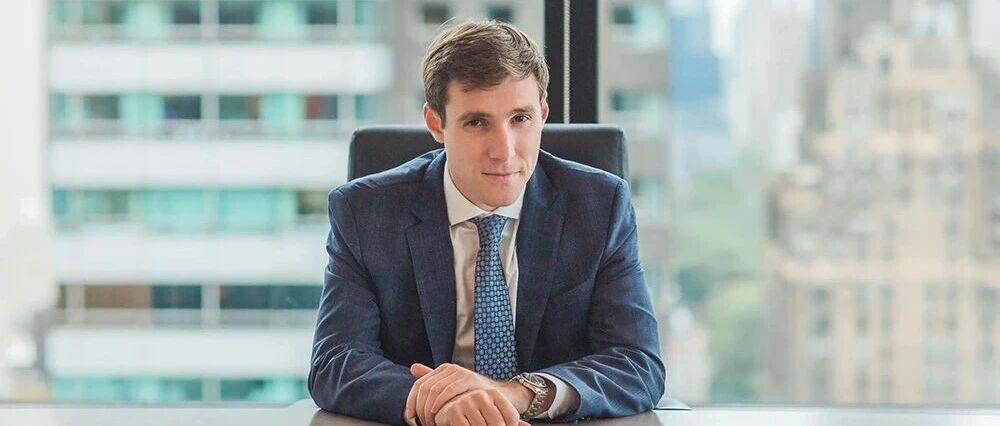
30岁社交达人引领华尔街高利润细分领域——“直接交易”
财富FORTUNE· 2025-11-09 13:19
Core Insights - The article discusses the rise of Matt Swain as the CEO of Triago and his successful navigation of the private equity sector, particularly in the niche of "direct transactions" that connect family offices with stable businesses for acquisition opportunities [1][2][3]. Group 1: Company Overview - Matt Swain recently became the CEO of Triago and received five acquisition offers shortly after his appointment [1]. - Triago has built a profitable business model focused on matching family offices with stable companies looking to sell, a sector that has seen increased interest from various financial institutions [1][3]. - The "direct transaction" model, which allows investors to select individual deals rather than investing in pooled funds, has gained traction and is projected to reach approximately $200 billion in value this year [3][4]. Group 2: Competitive Landscape - Despite the growth of direct transactions, traditional private equity firms remain dominant, with large institutional investors still favoring pooled funds for their ability to deploy capital quickly [4]. - The increasing competition in the direct transaction space may lead to higher prices and compressed profit margins for investors [4]. - Swain has established a vast network of connections, including influential families and investment groups, which enhances his ability to identify and execute lucrative deals [4][5]. Group 3: Business Model and Strategy - Swain's approach to direct transactions emphasizes speed and efficiency, with his team able to secure funding for deals within 8 to 9 weeks, significantly faster than traditional private equity fundraising [9]. - The direct transaction model offers a unique fee structure where sponsors do not charge fees unless they achieve significant returns, which can lead to higher profit-sharing for successful deals [7][8]. - Swain's strategy includes expanding into new areas such as "continuation funds" and "co-investments," which are seen as lucrative opportunities for raising capital and enhancing investor returns [10][11]. Group 4: Future Outlook - Swain predicts that institutional investors will increasingly adopt direct transaction strategies, mirroring the stock-picking approach of selecting individual companies for investment [19]. - The anticipated growth in direct transactions could lead to a significant increase in liquidity in private markets, making them more comparable to public markets [19]. - Major pension funds are beginning to allocate capital to direct transactions, indicating a shift in investment strategies towards smaller management firms that promise higher returns [19].

OpenAI创始人叫板唱衰者,并回应上市传闻
财富FORTUNE· 2025-11-08 13:07
Core Viewpoint - OpenAI's CEO Sam Altman expresses frustration with critics and suggests that going public could allow them to back their claims with real investments, highlighting the company's significant revenue potential and growth trajectory [2][4][6]. Revenue and Valuation - OpenAI reportedly achieved $13 billion in revenue, comparable to Dick's Sporting Goods, but this is modest compared to the $1.4 trillion the company has committed to its computing infrastructure [2]. - Altman claims that actual revenue is higher than reported and indicates a strong belief in rapid revenue growth and user expansion for ChatGPT [2][3]. - Following a secondary share sale for employees, OpenAI's valuation has risen to $500 billion, up from $157 billion after a $6.6 billion funding round [3]. IPO Considerations - Although Altman does not frequently advocate for an IPO, he acknowledges that going public could counteract negative narratives about the company [4][6]. - OpenAI has transitioned from a non-profit to a profit-driven public benefit corporation (PBC), which may facilitate future fundraising and an eventual IPO [5]. - Altman remains vague about the timeline for an IPO, despite reports suggesting a potential valuation of up to $1 trillion in 2026 or 2027 [5][7].

倒计时3天!2025年《财富》中国500强峰会即将举办
财富FORTUNE· 2025-11-07 13:54
Core Insights - The next 25 years will be more challenging for developing economies compared to the past 25 years, with high debt burdens, weak investment and productivity growth, and rising climate change costs being significant obstacles [1] - The upcoming Fortune China 500 Summit on November 11 in Shanghai will focus on how leading companies can build sustainable competitive advantages and leverage disruptive technological changes to drive growth [1][2] Group 1: Summit Themes - The summit will explore how companies can navigate through cycles with a long-term vision and establish lasting competitive advantages [1] - Discussions will include how to harness disruptive technological changes to become leaders in the industry [1] - The event will also address the integration of intelligence, resilience, and sustainability in shaping the future [1] Group 2: Special Events - The MPW Breakfast will focus on the theme "Breaking Involution, Seeking Increment" where female leaders will discuss the roots of involution and share experiences in overcoming challenges [2] - The 40U40 Luncheon will gather young leaders recognized for their innovation and industry impact across key sectors such as AI, green technology, and new consumption [2] Group 3: Summit Agenda - Key topics include CEO vision dialogues, globalization vs. localization, sustainable growth towards a green and intelligent industrial future, and the impact of AI on organizational efficiency and long-term growth [1][113]
小马智行、文远知行双重上市,它们如何驶向未来?
财富FORTUNE· 2025-11-07 13:54
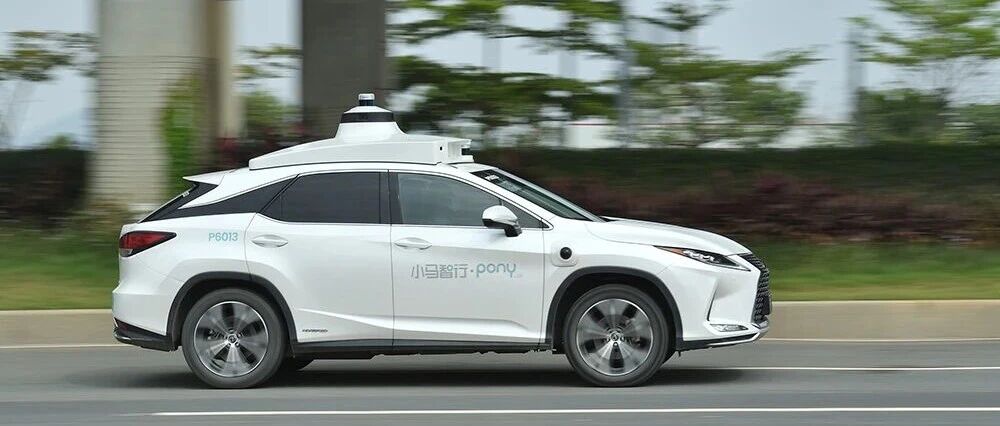
Core Insights - The dual listing of Xiaoma Zhixing and WeRide on November 6 marks a significant milestone for China's Robotaxi industry, reflecting both capital market feedback and real-world validation of their business models [2][3] - The narrative of Robotaxi has evolved beyond mere concepts, indicating a shift towards practical implementation and commercialization [3] Company Developments - Xiaoma Zhixing, founded in 2016, has become one of the most valuable autonomous driving companies globally, focusing on Level 4 autonomous driving and deep partnerships with automotive manufacturers [6][11] - WeRide has developed a comprehensive product matrix that includes Robotaxi, Robobus, and other autonomous vehicle solutions, showcasing its ambition in the autonomous driving space [7] Market Potential - The global mobility market is projected to reach $4.5 trillion by 2025, with Robotaxi services expected to commercialize around 2026, and China anticipated to dominate this market by 2030 with an estimated $39 billion share [8][9] - The transition from demo to commercial operation presents challenges, with Xiaoma focusing on major cities for foundational testing, while WeRide aims for broader geographical coverage [9] Technological and Operational Challenges - Cost reduction and operational efficiency are critical for the success of Robotaxi commercialization, with WeRide's manufacturing cost for an autonomous vehicle slightly above $40,000, significantly lower than competitors like Tesla [10] - Xiaoma's "Kunlun Plan" aims for mass production of Robotaxi vehicles by 2025, with a focus on scaling from hundreds to thousands of units [11][12] Financial and Market Response - Xiaoma Zhixing's IPO on Nasdaq raised approximately $452 million, marking the largest IPO in the autonomous driving sector for the year, with significant backing from top investment firms [12][13] - Both companies have received multiple "buy" ratings from investment institutions, indicating strong market confidence in their future prospects [13]
达利欧投资了这家“农产品独角兽”
财富FORTUNE· 2025-11-07 13:54
Core Insights - Fruitist is revolutionizing the blueberry market by offering consistently high-quality blueberries, aiming to eliminate the unpredictability often associated with berry purchases [3][4] - The company has achieved a valuation of $1 billion, supported by significant investments from notable financial entities, including Ray Dalio's family office and J.P. Morgan Asset Management [1][5] - Fruitist's innovative approach includes a complete value chain from patented varieties to global farms, utilizing data-driven logistics to ensure year-round supply [4][5] Company Strategy - The company focuses on redesigning blueberries to ensure quality stability, addressing the common issue of inconsistent fruit quality in the market [3][4] - Fruitist operates farms in eight countries, including Peru, Oregon, Morocco, Egypt, and Yunnan, China, to provide a seamless supply chain [4][5] - The company has developed algorithms to predict optimal quality and yield, showcasing a blend of technology and agriculture [5] Market Position - Fruitist's blueberries are positioned as a healthier snack option in a global snack market projected to reach $800 billion, with the healthy snack segment potentially hitting $100 billion [6][7] - The introduction of grab-and-go "snack cups" reflects the company's strategy to cater to the growing demand for convenient, nutritious snacks [7] - The pricing strategy for Fruitist's blueberries ranges from $5 to $12, with a focus on consumer loyalty driven by quality rather than luxury [8][9] Consumer Trends - The rise of GLP-1 medications, which reduce overall food intake except for fruits and vegetables, is seen as beneficial for Fruitist, aligning with health-conscious consumer trends [8] - The company aims to provide a reliable product that consumers can trust year-round, enhancing customer loyalty through consistent quality [9]

高盛CEO驳斥“人工智能将取代人类”的恐慌言论
财富FORTUNE· 2025-11-07 13:54
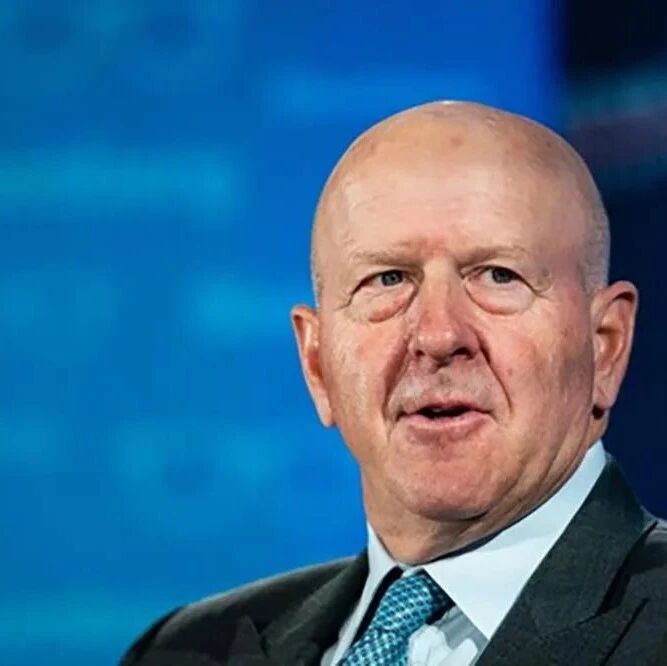
Core Viewpoint - Goldman Sachs CEO David Solomon challenges the notion that artificial intelligence (AI) will lead to widespread job loss, asserting that the economy is adaptable and will create new jobs despite technological disruptions [2][5]. Group 1: AI and Job Market - Recent layoffs related to AI include Amazon cutting 14,000 jobs, although CEO Andy Jassy clarified that these layoffs are not directly driven by AI at this time [2]. - Other companies like Meta and Salesforce have also made significant layoffs in their AI departments, with Microsoft laying off 9,000 employees earlier this year [3]. - Despite the headlines, a Goldman Sachs survey revealed that only 11% of clients have proactively laid off employees due to AI, while 37% are already using AI in their core business processes [4]. Group 2: Future of AI in Business - The trend of adopting AI tools in core business processes is expected to grow, with predictions that over half of the clients will adopt AI within the next year, and 74% within three years [4]. - Solomon acknowledges that while AI may reduce white-collar jobs, these positions will be compensated by job creation in other sectors of the economy [5]. - He warns that the enthusiasm for AI could be a double-edged sword, as not all participants in the technological wave will emerge as winners [5].

微软计划向阿联酋提供英伟达顶级人工智能芯片
财富FORTUNE· 2025-11-06 13:05
Core Insights - Microsoft announced the shipment of over 60,000 advanced NVIDIA AI chips to the UAE, with approval from the U.S. Department of Commerce, despite conflicting statements from former President Donald Trump regarding chip exports [2] - The UAE's commitment to invest $1.4 trillion in U.S. energy and AI projects is linked to its ability to acquire these chips, which is significant given the country's GDP of approximately $540 billion [2] - This arrangement is part of Microsoft's broader $15.2 billion technology investment plan in the UAE, which is noted for having one of the highest per capita AI usage rates [4] Group 1 - Microsoft received a license to export advanced NVIDIA chips to the UAE, including the GB300 Grace Blackwell chip for local data centers [2] - Trump's comments on chip exports to countries outside the U.S. seem contradictory to the approved shipment to the UAE [2] - The UAE's investment in AI and energy projects is substantial, amounting to $1.4 trillion, which is a significant commitment relative to its GDP [2] Group 2 - The UAE's ambassador to the U.S. stated that this arrangement sets a new "gold standard" for securing AI models, chips, data, and access [3] - Microsoft has previously deployed over 21,000 NVIDIA GPUs in the UAE under approved licenses during President Biden's administration [4] - The deployment of these GPUs is aimed at providing users access to advanced AI models from various sources, including OpenAI and Anthropic [4]



一家中国科创企业如何在八年时间内领军全球?
财富FORTUNE· 2025-11-06 13:05
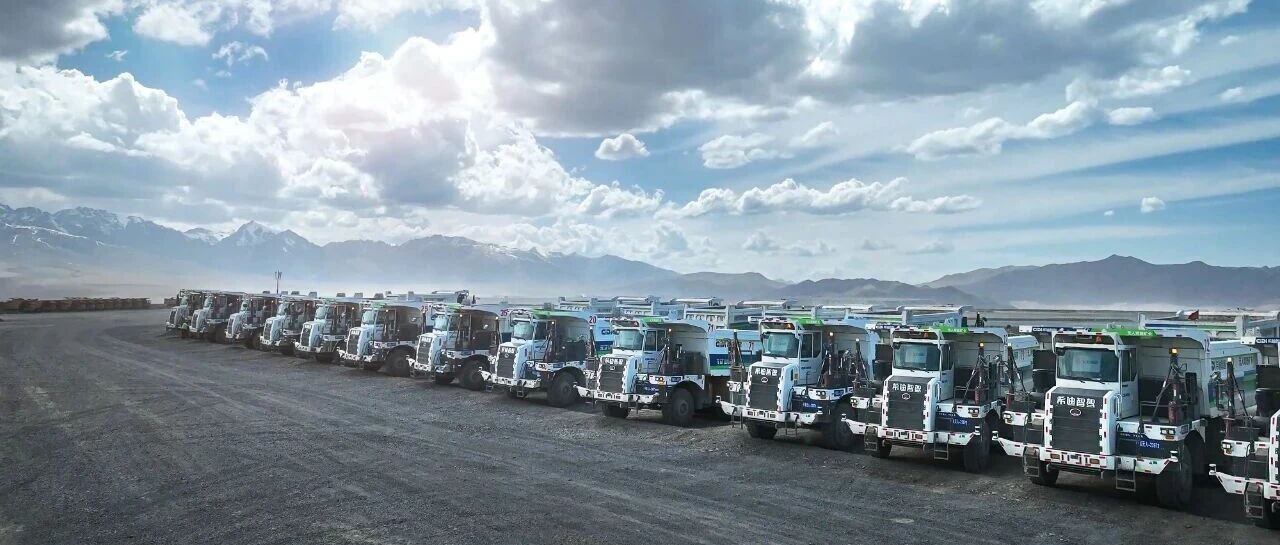
Core Insights - The article discusses the rise of Xidi Intelligent Driving, a company that has rapidly grown in the commercial vehicle autonomous driving sector, contrasting its journey with that of Tesla's Semi truck, which faced significant delays and challenges [4][26]. Group 1: Company Background and Development - Xidi Intelligent Driving was founded in December 2017 in Changsha, China, by Dr. Ma Wei and Professor Li Zexiang, leveraging China's robust infrastructure and talent pool [4][6]. - The company initially focused on vehicle-to-everything (V2X) technology, which is crucial for autonomous driving, but faced challenges due to the COVID-19 pandemic affecting infrastructure development [9][10]. Group 2: Market Strategy and Product Focus - Xidi chose to enter the heavy-duty commercial vehicle market, specifically targeting unmanned mining trucks, due to the high demand for safety and efficiency in hazardous environments [10][11]. - The company successfully implemented its first unmanned mining truck project in 2019, leading to significant operational efficiency improvements and cost reductions [11][13]. Group 3: Technological Innovation and R&D - Xidi emphasizes a strong focus on technology as its competitive advantage, with over 50% of its team dedicated to research and development [17][19]. - The company employs a unique iterative methodology in its R&D process, allowing for flexibility and timely adjustments based on market needs [19][20]. Group 4: Global Expansion and Market Opportunities - Xidi is expanding its operations internationally, particularly targeting the Middle East, where infrastructure development and mining opportunities are abundant [22][25]. - The company has signed strategic partnerships to introduce its intelligent driving technology in the Middle East, aligning with local development goals [24][25]. Group 5: Future Outlook - The article concludes that Xidi Intelligent Driving is poised to become a leading player in the intelligent driving sector, focusing on enhancing productivity through its innovative solutions [26][27].
告别“饿了么”?阿里即时零售进入新阶段
财富FORTUNE· 2025-11-06 13:05
Core Viewpoint - Alibaba is accelerating the integration of its instant retail business, which has seen significant growth in order volume, particularly during the "Double 11" shopping festival, with over 100 million orders generated by Taobao Flash Purchase [2][3]. Group 1: Instant Retail Business Growth - As of November 5, Taobao Flash Purchase has surpassed 100 million orders during the "Double 11" period, with nearly 20,000 restaurant brands and 863 non-restaurant brands seeing over 100% growth in transaction volume compared to pre-"Double 11" levels [2]. - The rebranding of Ele.me to Taobao Flash Purchase indicates a strategic shift to enhance brand recognition and integrate services, with delivery capabilities now fully supporting Taobao Flash Purchase orders [3][4]. Group 2: Infrastructure and Investment - Alibaba is investing 2 billion yuan to establish a new convenience store brand, "Taobao Convenience Store," which will focus on flash warehouses rather than traditional retail, aiming to provide 24-hour service with delivery within 30 minutes [5]. - The company plans to open 2,000 stores in 200 major cities over the next year, collaborating with quality merchants under a brand authorization model, thus maintaining a light asset approach to rapidly expand its business [5][6]. Group 3: Competitive Landscape - The competition in instant retail is intensifying, with Meituan also launching initiatives to build brand-specific flash warehouses, indicating a shift towards localized service delivery and quality standards [6].