财富FORTUNE

Search documents
贝莱德CEO:正向英国注入巨额资金
财富FORTUNE· 2025-05-07 13:35
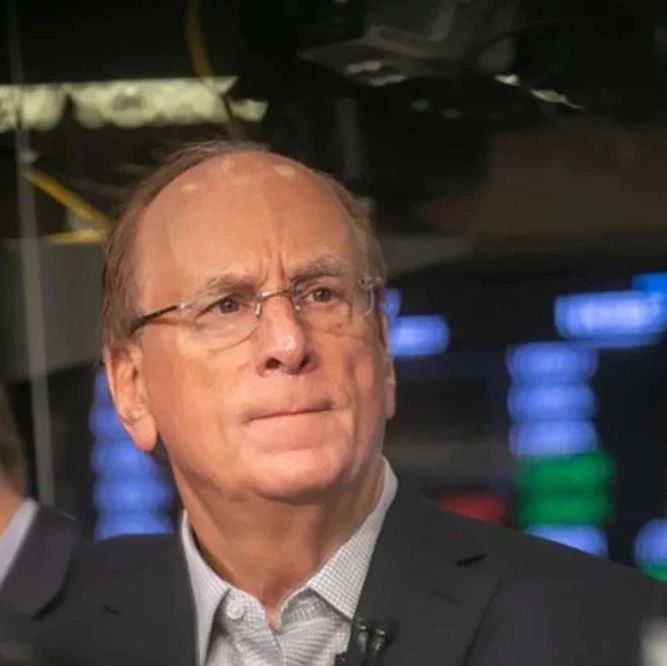
图片来源:Michael Nagle—Bloomberg/Getty Images 投资巨头贝莱德(BlackRock,管理规模达11.6万亿美元)首席执行官拉里·芬克素以逆向投资著称。过 去一年饱受非议的英国经济,或许会成为他的最新投资标的。 芬克表示,基于对英国工党政府"促增长"议程的信心,贝莱德正"全面"加码英国资产配置,并补充称, 英国和欧洲在触及"投降点"后,正进入反弹期。 这位72岁的贝莱德集团掌舵人捕捉到英国的投资机遇,提及国民西敏寺银行(NatWest)、劳埃德银行 (Lloyds)及圣詹姆斯广场(St. James's Place)等金融股,认为这些股票因市场负面情绪而遭到低估, 在他看来,此类负面情绪"可能缺乏事实依据"。 在接受《泰晤士报》采访时,芬克以数项公众行为转变为例,表明他对英国发掘新增长机遇充满信心, 并认为基尔·斯塔默(Keir Starmer)领导的政府专注于解决"棘手问题"。 他坦言:"英国与欧洲本就具备诸多根本性优势,却长期受到过度监管和过多管控的束缚,这让我深有 感触。在我看来,当时的情况已触及投降点。" 贝莱德进军英国可能会遇到的一大障碍是办公空间短缺。 芬克迫切希 ...


7-Eleven新任CEO:顾客挑剔带给他灵感
财富FORTUNE· 2025-05-07 13:35
例如,达克斯表示,通过优化供应链并借助连锁品牌的全球覆盖优势可以降低成本,而单纯降低食品价 格只会导致顾客流失。 他说道:"日本市场的业务根基在于创新。" 图片来源:Kiyoshi Ota/Bloomberg via Getty Images 上周五,7-Eleven首位外籍候任首席执行官斯蒂芬·海耶斯·达克斯表达了对公司的信心,他认为即使经 济放缓,这家日本连锁便利店仍将继续吸引精打细算的顾客。 但达克斯拒绝对当前正在研究的各项投资计划细节置评,包括加拿大Alimentation Couche-Tard公司提出 的收购计划。达克斯是美国人,其母亲是日本人。 他表示,公司有一个特别委员会正在"完全客观地"研究各种选择,但他并非该特别委员会的成员。 目前担任董事的达克斯在7-Eleven母公司柒和伊控股(Seven & i Holdings Co.)的东京总部对少数记者 表示:"整个进程正朝着非常积极的方向推进。" 他出任首席执行官的任命,仍需在5月获得股东批准。过去一年,柒和伊控股的股价累计上涨逾2%。 达克斯精通日语和英语。他表示,他决心借鉴在沃尔玛(Walmart)、优衣库(Uniqlo)及其他零售商 的 ...
美国关税战只会加快中国科技界自给自足的步伐
财富FORTUNE· 2025-05-07 13:35
Core Viewpoint - The article discusses the impact of Donald Trump's tariff policies on the global market and specifically on China's technology industry, highlighting the ongoing trade tensions and the strategic responses from China [1][2]. Group 1: Impact of Tariff Policies - Trump's "liberation day" tariff policies have raised concerns about a prolonged trade war, despite signals of potential agreements [1]. - Since the initiation of the first round of tariffs in 2018, China has been preparing for further trade conflicts, focusing on building a robust technology supply chain [1][2]. - The U.S. bipartisan consensus on technology restrictions against China, including chip export controls, is expected to persist regardless of tariff adjustments [2]. Group 2: China's Technological Advancements - China's self-sufficiency in the semiconductor industry has significantly improved compared to five years ago, despite still lagging behind in cutting-edge technology [2]. - The success of the DeepSeek AI model has lowered the barriers for applying large language models, showcasing China's growing tech capabilities [2]. - Chinese companies are shifting their focus from reliance on controversial foreign chips, such as Nvidia's H20, to domestic alternatives like Huawei's AI systems, which may lead to substantial revenue growth for Huawei [2]. Group 3: Supply Chain Dynamics - Since 2018, many companies have relocated manufacturing to countries like Vietnam and Bangladesh, but they still cannot completely abandon the Chinese market due to its scale and infrastructure advantages [3]. - Trump's punitive tariffs are expected to increase consumer costs and force U.S. tech giants to reassess their long-standing supply chain strategies [3]. - Chinese firms are adopting a cautious approach by pausing U.S. operations and focusing on non-U.S. markets to mitigate risks [3]. Group 4: AI Ecosystem and Future Outlook - Tariffs indirectly affect China's AI planning, as executives reassess AI initiatives, impacting the startup ecosystem [4]. - The development of AI, cloud computing, and semiconductors relies on international collaboration, despite the emphasis on strategic autonomy [4]. - The U.S. may attempt to maintain its tech leadership through tariffs and export controls, but these actions could accelerate China's self-sufficiency in technology [5]. - Future cooperation in areas like climate technology and healthcare remains a possibility, despite competitive tensions [5].
孙正义的九次重大人生转折
财富FORTUNE· 2025-05-07 13:35
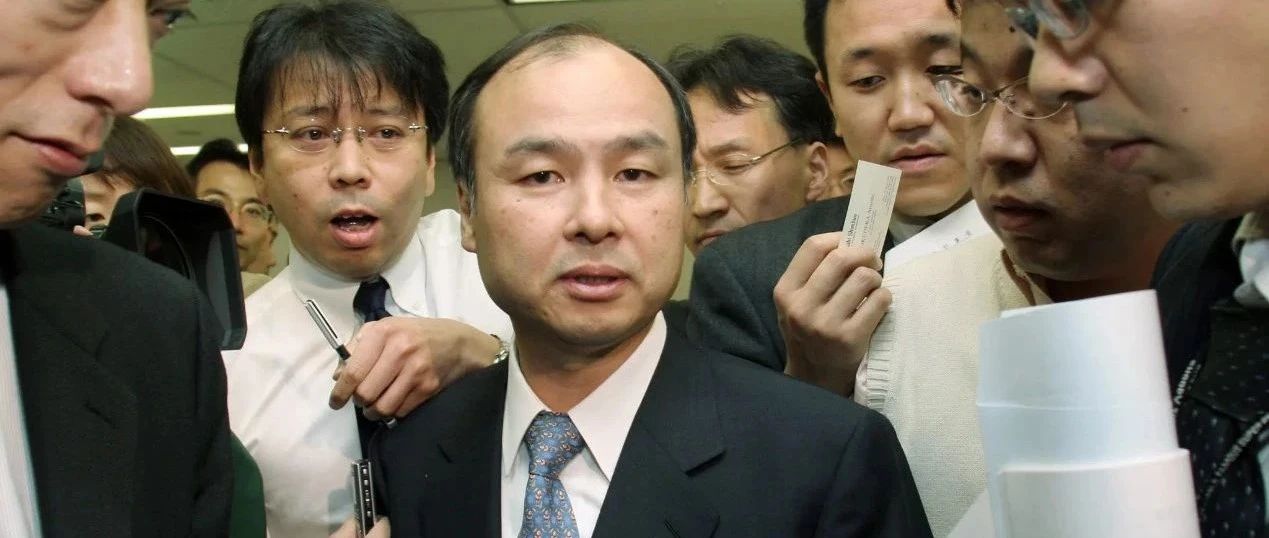
孙正义的职业生涯,处处 彰 显出他勇于豪赌、出手不凡的特质。图片来源:Haruyoshi Yamaguchi—Bloomberg/Getty Images 在唐纳德·特朗普的第二任期之初,这位新任美国总统迎来了一次与部分核心盟友共同亮相的机会。在出席活动的领导人里,有些是意料 之中的,例如内阁提名人选、国会领导人、超级捐赠者埃隆·马斯克,不过,至少有一位嘉宾的现身令人颇感意外:日本亿万富翁、科技 领域投资者孙正义(Masayoshi Son)。 今年1月21日,孙正义在白宫罗斯福厅(White House Roosevelt Room)成为焦点,他宣布软银集团(SoftBank Group,孙正义旗下总部位 于日本东京的大型企业集团)将为"星际之门"(Stargate)项目提供大部分资金。该项目是软银携手OpenAI和甲骨文(Oracle)达成的一 项雄心勃勃的合作项目,旨在全力助推美国巩固在人工智能领域里的领先地位。孙正义为了可以在讲台上被众人看见,特意站在一个箱 子上,他的身旁是甲骨文的董事长拉里·埃里森和OpenAI的首席执行官萨姆·奥尔特曼。孙正义向特朗普承诺,"星际之门"项目将投入高 达5,000亿 ...

阿波罗首席经济学家:中美贸易战将重创美国小企业
财富FORTUNE· 2025-05-06 12:34
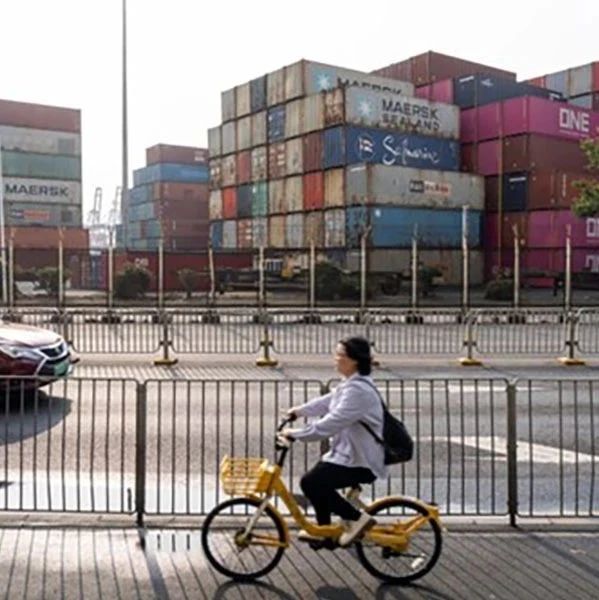
Core Viewpoint - The trade between China and the United States is experiencing a sharp decline, leading to potential shortages in U.S. stores and a dual crisis of rising prices and unemployment [1][4]. Group 1: Trade Dynamics - The shipping volume from China surged in late March and early April as companies rushed to transport goods before tariffs took effect, but it sharply declined after the tariffs were implemented on April 9 [1]. - The U.S. has imposed tariffs as high as 145% on most Chinese goods, while China has responded with 125% tariffs on many U.S. imports, although some exemptions have been introduced for specific industries [1][5]. Group 2: Economic Impact - The decline in demand is impacting revenue across the shipping and logistics industry, leading to significant layoffs that could further drag down the economy [3][4]. - Small businesses, which rely heavily on affordable imported goods, are particularly vulnerable due to their limited financial reserves compared to larger corporations [4][5]. - In 2023, small businesses employed approximately 62 million Americans, accounting for over 46% of private sector employment, highlighting their critical role in the economy [4]. Group 3: Consumer Behavior and Business Sentiment - Recent surveys from regional Federal Reserve banks indicate a sharp decline in new orders and stagnation in capital expenditure plans, reflecting growing anxiety among businesses [5]. - Companies like Southwest Airlines, Chipotle, and PepsiCo have expressed concerns in their earnings calls about consumers reducing spending amid economic uncertainty [5].
拉夫·劳伦CEO:员工有时候需要“当头棒喝”,才能听得进去建议
财富FORTUNE· 2025-05-06 12:34
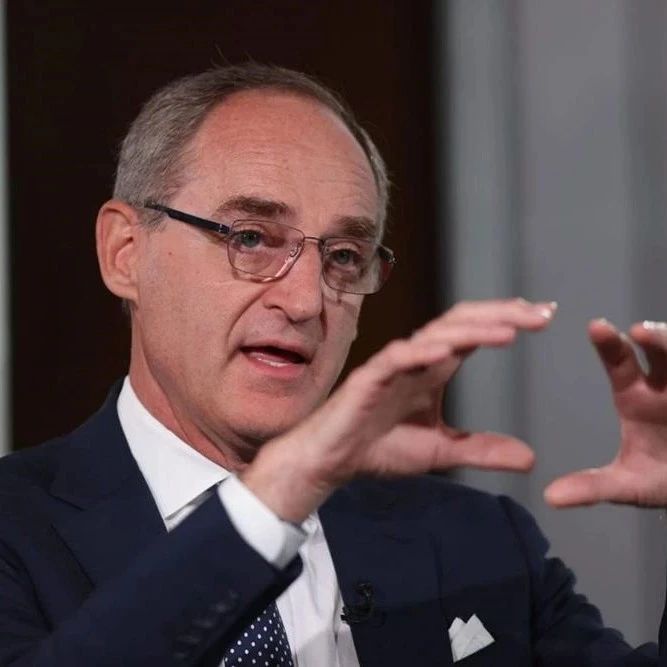
Core Viewpoint - The article emphasizes the importance of providing direct and constructive feedback in the workplace for employee development, as articulated by Patrice Louvet, CEO of Ralph Lauren [1][2]. Group 1: Feedback Strategies - Louvet advocates for a straightforward approach when addressing significant issues with employees, suggesting that sometimes a blunt approach is necessary to awaken individuals to their shortcomings [2]. - For non-critical issues, Louvet recommends starting with positive reinforcement before offering suggestions for improvement, focusing on creating development opportunities [2]. - A recent survey indicates that approximately 75% of employees desire more recognition of their value at work, particularly among the Z generation, who benefit from clear identification of their skill gaps [2]. Group 2: Challenges in Feedback Delivery - Many managers struggle to balance positive and negative feedback, with only 14% of executives from Fortune 500 companies acknowledging their ability to accurately identify high and low performers [3]. - Some leaders adopt unique methods for delivering feedback, such as Binance's former CEO, Changpeng Zhao, who prefers public feedback to benefit others and avoid redundancy [4]. - Boeing's CEO, David Calhoun, is known for his directness, urging employees to focus on tasks rather than gossip [5].

【申报入口】2025年《财富》中国40位40岁以下的商界精英
财富FORTUNE· 2025-05-06 12:34
为了寻找这批中国商业的年轻领袖,自2011年以来,《财富》(中文版)开始推出"中国40位40岁以下 的商界精英"榜单。 现在"40under40"已经成为有超过500位上榜者的年轻商业精英社区,这些年轻才俊在各自的领域里取得 了令人瞩目的成就,展现了卓越的创新能力和领先的领导力,下一个商业巨星就蕴藏其中。 与此同时,《财富》(中文版)在去年首度推出中国40岁以下最具潜力的商界精英榜。这份榜单成功挖 掘了诸多人工智能、绿色科技、新消费以及医疗健康及生命科学领域的年轻领导者,今年我们会继续挖 掘这些潜力商界精英。 中国年轻的商界精英们持续着他们的创新步伐。他们既是科技变革的受益者,也是创新风险的承担者。 在财富Plus,网友们对这篇文章发表了许多有深度和思想的观点。一起来看看吧。也欢迎你加入我们,谈谈你的 想法。今日其他热议话题: 查看《中方和欧洲议会决定同步全面取消对相互交往的限制》的精彩观点 查看《许昌对胖东来开展检查,结果公布》的精彩观点 往期榜单 ● 2024年《财富》中国40位40岁以下的商界精英 ► 点击阅读 ● 2023年《财富》中国40位40岁以下的商界精英 ► 点击阅读 ● 2022年《财富》中 ...
更下沉的“蜜雪冰城”寻求突围
财富FORTUNE· 2025-05-05 13:00
Core Viewpoint - The article discusses the growth and expansion strategy of the new tea beverage brand TIANLALA, highlighting its rapid store openings and plans for international expansion, while noting its lower brand recognition compared to competitors like MIXUE BINGCHENG and TEA BAIDAO [1][4]. Group 1: Domestic Expansion - TIANLALA has over 8,000 signed stores across 31 provinces, with more than 40% located in towns and schools [1]. - The brand has a significant presence in lower-tier cities, with 81.15% of its stores in third-tier cities and below, compared to MIXUE BINGCHENG's 57.13% [1]. - The average customer spending at TIANLALA is around 10 yuan, with a popular product priced at 8 yuan achieving sales of over 20 million cups within five months [1][2]. Group 2: Business Model and Supply Chain - TIANLALA's founder, Wang Wei, initially drew inspiration from MIXUE BINGCHENG, particularly in product offerings and supply chain management [2]. - The company began building its own orchards and factories in its third year to ensure low-cost raw material supply, which is crucial for its pricing strategy [2]. - TIANLALA's product gross margin is approximately 55%, lower than the 60%+ margins of other brands, leading to a preference for smaller store formats to reduce costs [2]. Group 3: International Expansion - TIANLALA has opened 60 stores in Indonesia and has plans to expand to Cambodia, the Philippines, and Uzbekistan, with a goal of adding over 200 new stores in Southeast Asia, Europe, North America, and the Middle East by 2025 [3][4]. - The company aims to achieve over 10 billion yuan in revenue by 2025, supported by significant investment in building a centralized system for overseas operations [4]. Group 4: Brand Development and Market Position - TIANLALA plans to invest 20% of its revenue in brand building by 2025, a significant increase from less than 5% in 2024, to enhance its brand image and recognition [4]. - The company is currently behind competitors in terms of brand awareness despite having a comparable number of stores [4]. - TIANLALA's IPO plans have been delayed, with a focus on improving supply chain, information technology, and brand recognition before going public [5].
“抛售美国”交易:谁是美元贬值的幕后推手?
财富FORTUNE· 2025-05-04 13:12
Core Viewpoint - The article discusses the recent fluctuations in the US dollar's value, attributing the decline to global investor sentiment and the impact of Trump's economic policies rather than direct actions from major foreign holders like Japan and China [1][2]. Group 1: Dollar Depreciation Factors - The US dollar index (DXY) has decreased by 9% this year, raising questions about who is selling dollars and the underlying motivations [1]. - Initial speculation pointed to Japan and China as potential culprits for the dollar's decline, but there is insufficient evidence to support this claim [1][2]. - Analysts suggest that the uncertainty stemming from Trump's inconsistent economic policies has led to a broad withdrawal of investors from the US market [2]. Group 2: Foreign Bond Sales - Japan has reportedly sold $20 billion worth of foreign bonds recently, but it remains unclear if this is linked to the volatility in the US bond market [2][3]. - There is no substantial evidence that hedge funds are behind the dollar's decline, as recent reports from the CFTC show no significant liquidation of leveraged positions [3][4]. - Both China and Japan lack a strong incentive to sell US bonds, as doing so would likely lead to currency appreciation and negatively impact their export markets [4]. Group 3: Global Investment Trends - A broader trend of investors seeking to distance themselves from the US market is evident, with many now viewing it as a risk asset rather than a safe haven [5][8]. - The shipping industry reflects this trend, with a significant increase in "blank sailings" to the US, indicating reduced trade activity due to tariff policies [5][8]. - Analysts from Goldman Sachs predict that as long as the trade war continues, the depreciation of the dollar is likely to persist, with ongoing reassessment of risk and return associated with dollar assets [8].