美股IPO

Search documents
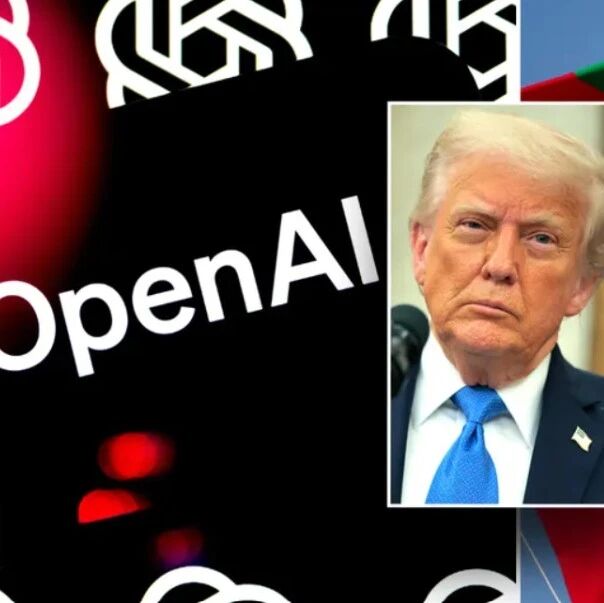
OpenAI欲求美国政府担保融资!特朗普顾问放话:AI公司倒了就倒了,美国政府不会救
美股IPO· 2025-11-07 00:50
Core Viewpoint - The ongoing debate regarding the role of the U.S. government in supporting AI companies' financing has intensified, particularly after OpenAI's CFO suggested government backing for data center financing, which was met with strong rebuttals from industry figures like David Sacks and OpenAI's CEO Sam Altman [1][3][6]. Group 1: Government Involvement and Industry Response - OpenAI's CFO Sarah Friar indicated at a tech conference that the company is seeking a financing ecosystem involving banks and private equity, hinting at potential government guarantees for data center financing [3][8]. - David Sacks, an AI advisor under the Trump administration, responded by asserting that the AI sector would not receive government bailouts, emphasizing that if one major AI company fails, others would take its place [4][5]. - Altman clarified that OpenAI does not require or desire government guarantees for its data centers, reinforcing the belief that market forces should determine the success or failure of companies [6][9]. Group 2: OpenAI's Financial Strategy and Growth Projections - Altman projected that OpenAI could achieve over $20 billion in annual revenue by the end of the year, with expectations to grow to hundreds of billions by 2030, highlighting the necessity for substantial investments to build infrastructure for an AI-driven economy [11][12]. - OpenAI has committed to investing over $1.4 trillion in AI infrastructure, while its current annual revenue is only in the tens of billions, raising concerns about its financial sustainability [13][15]. - The company faces scrutiny over its business model, with critics suggesting that some of its financial arrangements may involve "circular financing," complicating the assessment of true risks [15][17]. Group 3: Clarifications and Misunderstandings - Following the backlash, Friar softened her stance, stating that her use of the term "backstop" was misleading and clarified that her comments were meant to reflect the entire AI industry rather than OpenAI specifically [8][7]. - Altman emphasized that taxpayer money should not be used to rescue companies from poor business decisions, asserting that the market should handle the consequences of failures [9][10].

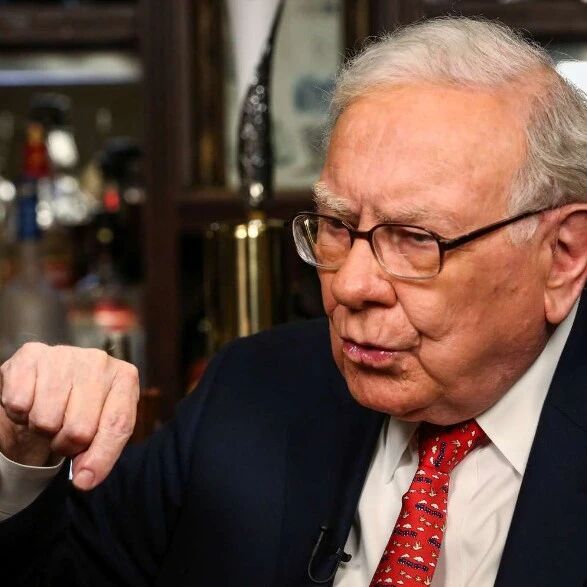
巴菲特、巴克莱指标双双亮“红灯”,美股已形成史无前例的泡沫!
美股IPO· 2025-11-07 00:50
Group 1 - The "Buffett Indicator" shows that the market capitalization of U.S. stocks, currently around $72 trillion, exceeds the GDP by more than two times, surpassing the historical record set during the pandemic [1][3][5] - Barclays' market euphoria indicator indicates that the proportion of euphoric stocks is at 11%, a level previously seen only during the 1999 internet bubble and the 2021 meme stock frenzy [4][6] - Despite high valuation warnings, strong corporate earnings are providing support for stock price increases, with over 70% of S&P 500 companies reporting a nearly 13% year-on-year profit surge [7] Group 2 - The current valuation metrics raise concerns about potential market bubbles, echoing fears of overvaluation similar to past market peaks [4][5] - The strong earnings growth is alleviating concerns about excessive concentration in a few large tech companies, with profit growth being more widespread across various sectors [7] - Market sentiment is shifting, with increasing anxiety about market corrections, as exemplified by significant stock price drops despite positive earnings forecasts [7]
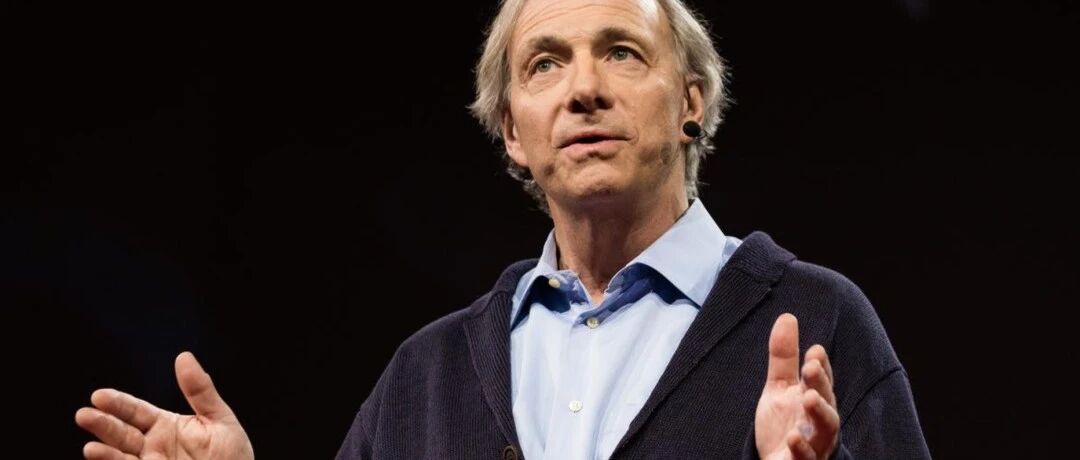
达利欧发出警告:美联储结束QT=在泡沫中刺激经济,美国“大债务周期”已进入最危险阶段!
美股IPO· 2025-11-07 00:50
Core Viewpoint - The current environment of quantitative easing (QE) is significantly different from previous instances, as it is being implemented during a time of high asset valuations and economic strength, potentially leading to a larger bubble rather than addressing a recession [3][8][12]. Group 1: Economic Context - Ray Dalio warns that the U.S. is in a dangerous phase of the "big debt cycle," where the supply of U.S. Treasury bonds exceeds demand, prompting the Federal Reserve to "print money" to purchase bonds [4][10]. - The current economic indicators show a relatively strong economy with a real GDP growth rate averaging 2% over the past year and an unemployment rate of 4.3% [8][9]. Group 2: Market Dynamics - Dalio emphasizes that QE creates liquidity and lowers real interest rates, which can inflate asset prices and widen the wealth gap between asset holders and non-holders [6][12]. - The transmission mechanism of QE is driven by relative attractiveness rather than absolute returns, influencing investor choices based on expected total returns [5][6]. Group 3: Risks and Implications - The implementation of QE in a high-valuation environment poses significant policy risks, as it may lead to a "liquidity melt-up" similar to the pre-burst of the 1999 internet bubble [11][12]. - Dalio predicts that the current policy mix of fiscal deficit expansion, renewed monetary easing, and regulatory relaxation will create a "super loose" environment that could exacerbate inflation and deepen risk accumulation [12][13].
股价暴跌超25%!多邻国指引不及预期!CEO:先不赚钱,先把课教好
美股IPO· 2025-11-07 00:50
Core Viewpoint - Duolingo's stock price dropped over 25% due to fourth-quarter guidance falling short of expectations, with the company prioritizing long-term projects and teaching quality over short-term monetization [1][4]. Financial Performance - Duolingo reported a 41% increase in third-quarter revenue, reaching $272 million, exceeding analyst expectations of $260 million [5]. - Total bookings rose 33% year-over-year to approximately $282 million, also surpassing forecasts [6]. - Net profit for the third quarter increased to $292.2 million, compared to $23.4 million in the same period last year, with earnings per share at $5.95, up from $0.49, boosted by a one-time tax benefit of $222.7 million [7]. - The number of paid subscribers grew to 11.5 million, exceeding analyst expectations of 11.38 million [8]. User Engagement Metrics - Daily active users (DAUs) for the third quarter were 50.5 million, below the expected 51.2 million, while monthly active users (MAUs) were 135.3 million, also short of the anticipated 137.4 million [9]. Future Guidance - For the fourth quarter, Duolingo expects total bookings between $329.5 million and $335.5 million, lower than the analyst estimate of $344.3 million [9]. - Adjusted EBITDA for the fourth quarter is projected to be between $75.4 million and $78.8 million, below the market expectation of $80.5 million [9]. - The company raised its full-year revenue guidance to between $1.0275 billion and $1.0315 billion, up from the previous range of $1.01 billion to $1.02 billion [9]. Strategic Focus - The CEO indicated a shift towards prioritizing user growth over short-term monetization, with increased investment in long-term projects and teaching quality [11]. - Duolingo has launched new AI tools and features to attract more paid users, including interactive video calls and a record number of new language courses [11]. - The company employs a freemium model to convert free users into paid subscribers, offering ad-free experiences and generative AI features [11]. Market Position and Analyst Sentiment - Duolingo is noted as one of the few companies finding profitable ways to leverage AI, with significant financial benefits expected to materialize over several quarters [12][13]. - Analyst sentiment has shifted, with KeyBanc downgrading the stock rating from "overweight" to "sector weight" due to concerns that the focus on long-term product development may impact short-term growth and valuation [12].

特斯拉股东投票批准马斯克“万亿薪酬包”,十年持股或增至25%
美股IPO· 2025-11-07 00:50
Core Viewpoint - Tesla's shareholders approved a historic $1 trillion compensation package for CEO Elon Musk, with over 75% of voting shareholders in favor, despite prior opposition from significant shareholders [1][4][8]. Group 1: Compensation Package Details - The approved compensation plan allows Musk to potentially increase his stake in Tesla from 15% to approximately 25% over ten years, contingent on achieving significant market and performance targets [2][6]. - To receive the full compensation, Musk must elevate Tesla's market value from $1.5 trillion to $8.5 trillion, sell 12 million vehicles, deploy 1 million Robotaxi vehicles, achieve 10 million subscriptions for the Full Self-Driving (FSD) service, and deliver 1 million robots [6][10]. Group 2: Market Reactions - Following the approval of the compensation plan, Tesla's stock initially dropped 3.5% but later rose over 3% before ultimately declining again [3][4]. - Morgan Stanley warned that a rejection of Musk's compensation plan could lead to a more than 10% drop in Tesla's stock price, as it would be perceived as a lack of confidence in Musk's leadership [7]. Group 3: Shareholder Opposition - Significant shareholders, including the California Public Employees' Retirement System (CalPERS) and the Norwegian Oil Fund, expressed opposition to the compensation plan, citing concerns over excessive pay and potential dilution of shareholder value [8][9]. - Shareholder advisory firms Glass Lewis and ISS recommended that investors reject the proposal linking Musk's pay to stock price and operational performance [9]. Group 4: Governance Concerns - Experts criticized the compensation plan for violating governance principles, arguing that it places too much power in the hands of a single leader with potential conflicts of interest [10][11]. - Some governance specialists noted that the board appears to be under pressure from Musk, labeling him a "superstar CEO" who may be leveraging his position [11].

摩根大通:不止AI有“闭环”,美股也“闭环”了!企业裁员推高股价,股市走高刺激消费,消费强劲支撑业绩
美股IPO· 2025-11-06 12:27
Core Viewpoint - The U.S. economy is trapped in a "reflexive" loop where cost-cutting by companies boosts stock prices, which in turn stimulates consumer spending, thereby supporting corporate performance. However, JPMorgan warns that this asset price-driven resilience is unsustainable, as declining savings rates and weak income expectations weaken consumer momentum. A stock market downturn could quickly turn the current "buffer" into an amplifier of economic decline [1][3][19]. Group 1: Economic Dynamics - Companies are cutting costs through layoffs to enhance efficiency, which in turn raises stock prices. This stock price increase stimulates consumer spending, creating a cycle that supports corporate performance and economic resilience [3][17]. - JPMorgan's analysis highlights a "strange decoupling" where a deteriorating labor market coexists with strong household wealth growth, particularly in the U.S. [3][4]. - The wealth effect, driven by rising stock prices, temporarily compensates for the slowdown in labor income growth, but this consumption resilience is unlikely to last [3][10]. Group 2: Wealth and Consumption - Household wealth in developed markets has surged, with U.S. household wealth increasing at an annualized rate of 14.8% over the past two quarters, driven by stock market gains [7][10]. - The wealth effect is crucial for supporting consumer spending; for every dollar increase in wealth, households tend to spend an additional 3.5 cents [10]. Group 3: Consumer Confidence and Savings - Consumer savings rates have dropped to unsustainable levels, with a decline of about one percentage point since the first half of 2024, indicating that consumers are depleting savings to maintain spending [13]. - Consumer confidence is low, with median expectations for nominal income growth falling below 2.5%, and 68% of surveyed households believe their income growth will not keep pace with inflation, marking the most pessimistic outlook since 1975 [13][16]. Group 4: Risks and Future Outlook - The current economic balance is fragile; if the wealth effect diminishes and companies begin layoffs, the stock market could shift from being a buffer to an amplifier of downward pressure on the economy [19]. - JPMorgan's basic scenario anticipates a gradual recovery in the labor market, which would validate the current consumption model, but acknowledges the increasing risk of sustained labor market weakness [18].


谷歌云的高增长才开始!大摩:保守算,明年增速也可能超过50%
美股IPO· 2025-11-06 12:27
大摩认为,通过对谷歌云收入结构的拆解,即"积压订单"和"即时需求"两部分业务的协同增长。即便在相对保守的假设下,谷歌云在2026年的营收增长 率极有可能超过50%。云业务的持续超预期表现,将成为驱动公司估值倍数扩张和AI驱动下股价跑赢大盘的关键催化剂。 大摩的敏感性分析表明, 只要2026年净新增积压订单达到约500亿美元以上(远低于2025年预计的1060亿美元),同时按需业务保持15%以上增长, 谷歌云收入增速就能突破50%。即便按需业务维持25%的同比增长,新增积压订单仅为200亿美元,也能实现50%以上的收入增速。 具体来看, 每额外增加200亿美元的2026年净积压订单增长,就能为谷歌云收入增速带来约340个基点的额外提升。 同样,按需业务收入增速每提高 10个百分点,就能为整体谷歌云收入增速贡献约5个百分点。 大摩认为,通过对谷歌云收入结构的拆解,即便在相对保守的假设下,谷歌云在2026年的营收增长率极有可能超过50%,这一预测比市场普遍预期高 出约15%。 大摩在11月5日的报告中表示,市场的普遍共识可能严重低估了谷歌云(Google Cloud)的增长潜力。 通过对谷歌云收入结构的拆解,即"积 ...

重磅!彭博:高盛称做空小米已经成为对冲基金共识
美股IPO· 2025-11-06 12:27
Core Viewpoint - Goldman Sachs' market team identifies Xiaomi as a consensus short/sell target in the short term due to a lack of catalysts and various operational challenges [1][5][9] Group 1: Market Sentiment and Short Selling - Hedge funds have increased their short positions on Xiaomi by 53% in the past week, indicating a shift in investor sentiment towards caution ahead of the upcoming Q3 earnings report [3][9] - The overall selling pressure is dominated by pension funds and hedge funds, reflecting a bearish outlook on Xiaomi's stock [3][9] Group 2: Financial Performance and Forecasts - Goldman Sachs has lowered Xiaomi's 12-month target price from HKD 66 to HKD 56.5, a decrease of over 10%, citing rising storage chip prices, slowing AIoT growth, and delays in electric vehicle factory construction as key reasons [5][19] - The report predicts that Xiaomi's smartphone gross margin will decline to approximately 10% by 2026, with a cautious forecast of 1.73 million units shipped, reflecting only a 1% year-on-year growth [13][20] Group 3: AIoT and Electric Vehicle Business - AIoT growth is expected to slow down significantly, with projected revenue growth rates of 6% and 0% in Q3 and Q4 of 2025, respectively, primarily due to high base effects in the Chinese market [14] - Xiaomi's electric vehicle business is seen as a core growth story, with expected deliveries of 390,000 units in 2025 and 800,000 units in 2026, despite the financial impact of vehicle purchase subsidies [16][17] Group 4: Long-term Outlook and Valuation - Despite the challenges, Goldman Sachs maintains a "buy" rating on Xiaomi, highlighting the attractive risk-reward profile at current stock prices [21] - The long-term valuation model has been updated, with a bull case price of HKD 67.4, representing a 56% upside, and a bear case price of HKD 39.0, indicating a 10% downside [22]

盘前暴涨近20%!Coherent Q1营收同比超预期,产品订单破纪录(附电话会议全文)
美股IPO· 2025-11-06 12:27
Core Viewpoint - The company reported strong quarterly performance with revenue of $1.58 billion, a 17% year-over-year increase, exceeding market expectations of $1.54 billion, driven by robust demand in AI data centers and communications [1][3]. Financial Performance - Revenue reached $1.58 billion, up 17% year-over-year and 3% quarter-over-quarter, surpassing market expectations [3][6]. - Earnings per share (EPS) were $1.16, exceeding Wall Street's average estimate of $1.04, marking the fourth consecutive quarter of surpassing earnings expectations [3][5]. - Non-GAAP gross margin improved to 38.7%, up 70 basis points quarter-over-quarter and 200 basis points year-over-year [6][8]. - Non-GAAP operating profit margin increased to 19.5%, up from 18% in the previous quarter [9]. Demand and Supply Dynamics - The company experienced record order levels in optical network products, driven by surging demand from AI data centers [3][10]. - Despite strong demand, the company faced supply constraints due to limitations in indium phosphide laser production, impacting its ability to fully meet market needs [12][14]. - The company plans to double its indium phosphide production capacity within the next 12 months to address ongoing demand [10][17]. Cost Management and Profitability - The improvement in profit margins is attributed to pricing optimization, cost reductions, and yield enhancements [8][9]. - The company successfully reduced its debt leverage ratio to 1.7 times, down from 2.4 times a year ago, by repaying $400 million in debt [6][13]. Future Outlook - For the second quarter of 2026, the company expects revenue to be between $1.56 billion and $1.7 billion, with a non-GAAP gross margin forecasted between 38% and 40% [5][6]. - The company anticipates continued strong demand in both data center and telecommunications sectors, with expectations for ongoing growth in the communication business [16][32].

德银:AI眼中的2025年市场,人类投资者太悲观,自认为已进化,但行为模式依旧
美股IPO· 2025-11-06 08:43
Core Insights - The core conclusion of the Deutsche Bank report is that human investors are overly pessimistic and their investment behaviors are driven by irrationality, emotional responses, and cognitive biases, despite their belief in having evolved into a new investment era [2][6]. Group 1: Market Sentiment Analysis - The AI system dbLumina identified that investors exhibited extreme irrationality during market lows, particularly in April 2025, where fear dominated their actions [3][4]. - A significant finding was that "euphoria" was only detected during the peak of fear in April and May, serving as a perfect buy signal as investors rushed to cover positions after panic selling [5][9]. - Throughout 2025, the prevailing emotion among investors was "anxiety," which persisted regardless of market fluctuations [4][9]. Group 2: Cognitive Biases and Behavioral Patterns - The report highlights that investors are still influenced by outdated cognitive biases such as "recency bias" and "availability heuristic," indicating that their decision-making is based on recent news and emotions rather than rational analysis [6][11]. - The emotional index generated by AI was consistently more optimistic than that of human investors, particularly during market downturns, suggesting that AI can see through short-term panic [7][13]. - The analysis categorized investor psychology into three phases throughout the year, revealing a reactive behavior driven by short-term events rather than a strategic approach [11]. Group 3: Investment Strategies and Recommendations - The report emphasizes that selling during short-term market declines was a detrimental strategy for investors in 2025, advocating for a more composed approach to market fluctuations [15]. - The findings suggest that the best buying opportunities arise during periods of extreme fear, as indicated by the "euphoria" signal detected by AI [5][9].