GEELY AUTO(00175)

Search documents
吉利控股集团入选新华社品牌工程
Zhong Guo Jin Rong Xin Xi Wang· 2025-12-05 11:48
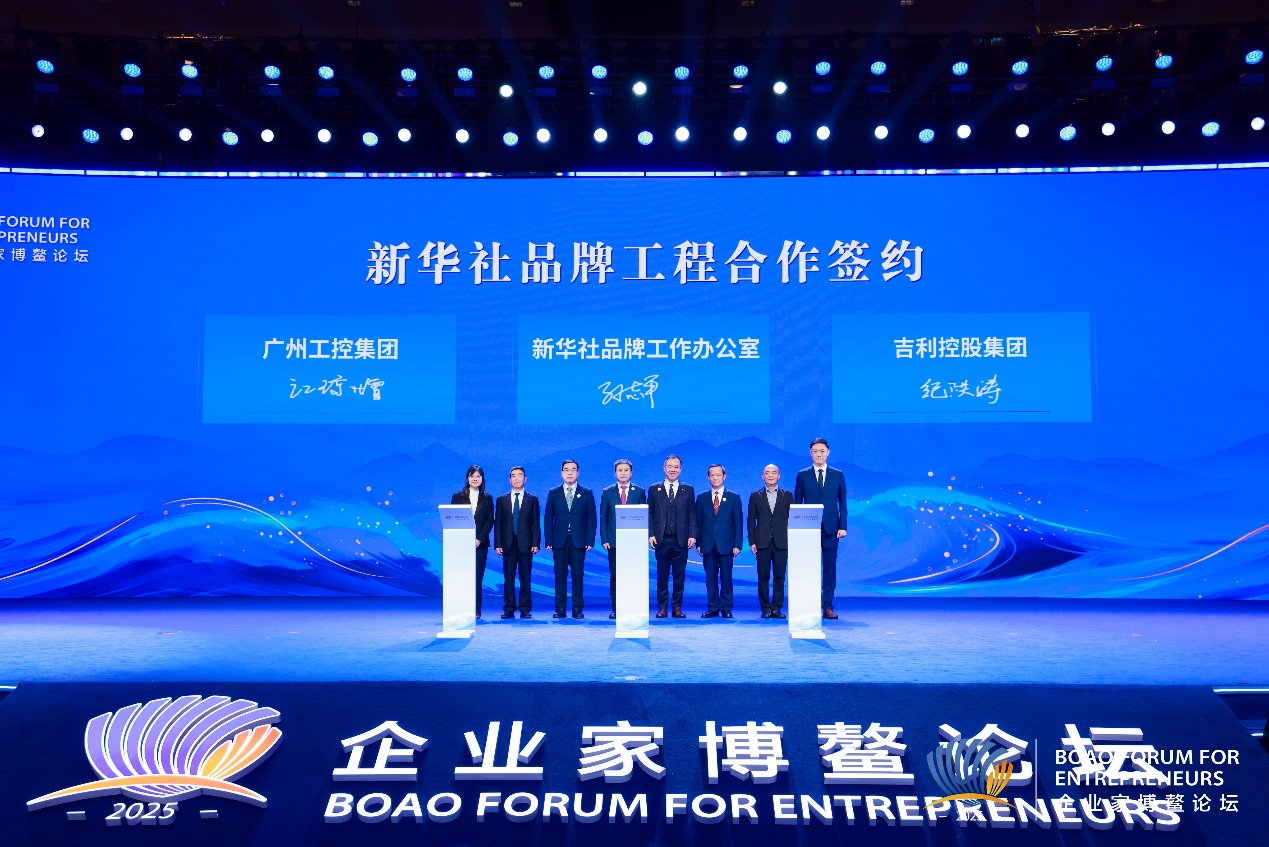
Group 1 - The core viewpoint of the article highlights the successful signing of a partnership between Geely Holding Group and Xinhua News Agency, marking Geely's inclusion in the Xinhua Brand Project [1][4] - Geely Holding Group, founded in 1986 and entering the automotive industry in 1997, aims to lead in green and intelligent transportation ecosystems, focusing on industrial and technological innovation while advancing its global strategy [3] - In 2024, Geely's global sales reached 3.337 million units, a 22% year-on-year increase, with electric vehicle sales at 1.488 million units, reflecting a 52% growth and a penetration rate of 45% [3] Group 2 - Geely has established a diverse brand matrix ranging from mass-market to luxury vehicles, and from passenger to commercial vehicles, showcasing its strong market competitiveness and adaptability [3] - The company has developed multiple technological routes, including pure electric, hybrid, and hydrogen fuel technologies, with its core technologies in electric hybrid systems and batteries leading the industry [3] - Geely's overseas sales in 2024 reached 1.2218 million units, a 21% increase year-on-year, with products covering over 100 countries and regions through localized R&D, production, and channel development [3] Group 3 - The Xinhua Brand Project aims to provide comprehensive services, including integrated communication, high-end think tank support, global promotion, creative planning, professional imaging, publishing, and capital market services to government departments and well-known enterprises [4] - Geely's participation in the Boao Forum is expected to leverage Xinhua's authoritative communication and think tank advantages, enhancing the company's brand development and contributing to the growth of the Chinese automotive industry [4][5] - The 2025 Entrepreneurs Boao Forum, held from December 2 to 5, gathered global leaders, including Fortune 500 and industry-leading entrepreneurs, to discuss new opportunities and paths for development under the "14th Five-Year Plan" [5]


吉利汽车李传海:银河V900首搭全新一代超级AI增程技术
Bei Ke Cai Jing· 2025-12-05 11:36
Core Viewpoint - Geely Auto Group is launching the Galaxy V900, an AI-powered MPV designed to meet the needs of high-net-worth families, featuring a new generation of super AI range extension technology [1][2]. Group 1 - The Galaxy V900 is positioned as a flagship MPV for family and business use, aiming to fulfill all-scenario travel needs [1]. - The target market for the Galaxy V900 includes high-net-worth families, with a focus on spacious interiors, strong four-wheel drive performance, high overall energy efficiency, and advanced AI capabilities [1]. - The engineering team at Geely analyzed multiple technical solutions and concluded that range extension technology is the optimal choice to meet user demands [1]. Group 2 - The Galaxy V900 was unveiled at the 23rd Guangzhou Auto Show on November 21, marking the first flagship product in the Geely Galaxy V series [2]. - The introduction of the Galaxy V900 fills a gap in the high-end MPV segment for Geely Galaxy [2].
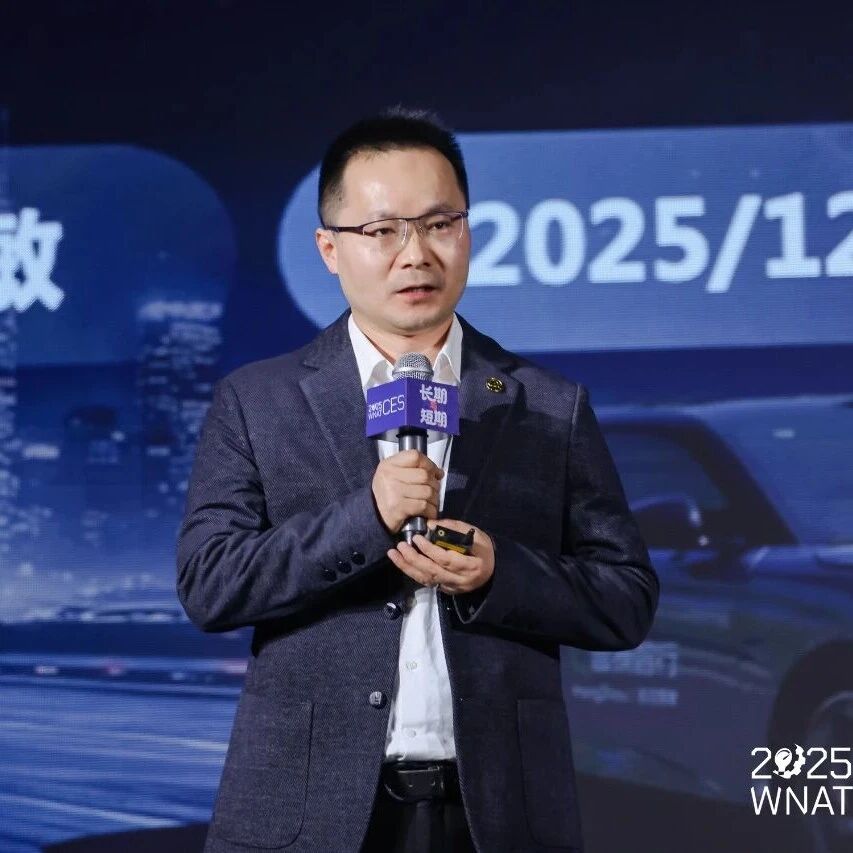
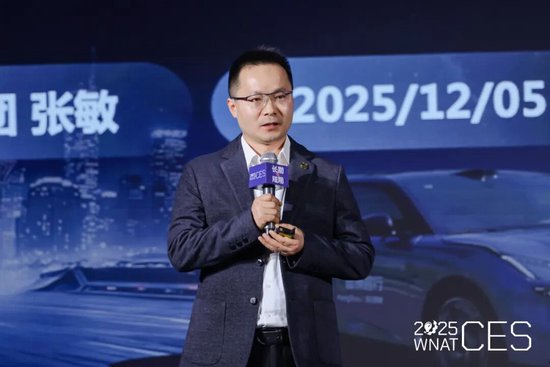
新汽车CES上,吉利供应链副总经理发出三大行业倡议
Xin Lang Cai Jing· 2025-12-05 11:18
Core Viewpoint - The Chinese automotive industry is transitioning from a follower to a leader, driven by technological innovation and supply chain restructuring [3][25]. Industry Trends and Responses - The automotive industry in China has developed significant advantages in industrial density, value density, and talent density, forming a complete supply chain from raw materials to finished vehicles [6][30]. - The industry is experiencing a shift from low-cost competition to high-value creation, with features like smart cockpits and intelligent driving becoming standard in vehicles priced around 100,000 yuan [7][30]. - The rise in talent density over the past decade has supported the rapid development of numerous automotive brands in China, providing a solid foundation for industry growth [7][30]. - The supply chain's role is evolving from a supporting function to a central position in the global automotive industry, with an increasing proportion of global vehicles using Chinese components [31][30]. - The industry faces intense competition, with profit margins still lagging behind the average for large enterprises, which may limit R&D investment and sustainable development [32][30]. Strategic Initiatives - Three major initiatives were proposed: 1. Common sharing and individual autonomy to build a deeply collaborative industrial ecosystem 2. Strengthening density and enhancing health for sustainable development of the Chinese automotive industry 3. Collaborating internationally to build a global supply chain ecosystem and enhance the reputation of Chinese automotive brands [3][25][19]. - The company aims to establish a comprehensive, empowered supply chain that spans various vehicle segments and core components, ensuring robust support for its brands [33][30]. Supply Chain Construction Strategies - The company emphasizes long-term cooperation, strategic trust, and mutual empowerment in its supply chain management [37][30]. - A market-driven pricing system will be implemented to replace traditional cost-plus models, fostering a collaborative transformation among suppliers [37][30]. - A 5A evaluation system will be established to assess suppliers based on their operational management capabilities and sustainability [39][30]. - The logistics model will shift from a traditional fragmented approach to a fully integrated collaborative model, enhancing efficiency across the supply chain [39][30]. Future Expectations - The company advocates for a collaborative approach to address common challenges in technology standards, basic research, and supply chain resilience [43][30]. - It aims to enhance the resilience and value creation of the Chinese automotive industry while maintaining a competitive environment that fosters innovation and service upgrades [43][30]. - The company is committed to global collaboration in R&D, localization, and cross-border logistics to reduce dependency on single markets and enhance global resilience [43][30].
冲击“十年百城千亿”战略目标 曹操出行加速Robotaxi商业化落地
Zhong Guo Jing Ying Bao· 2025-12-05 11:12
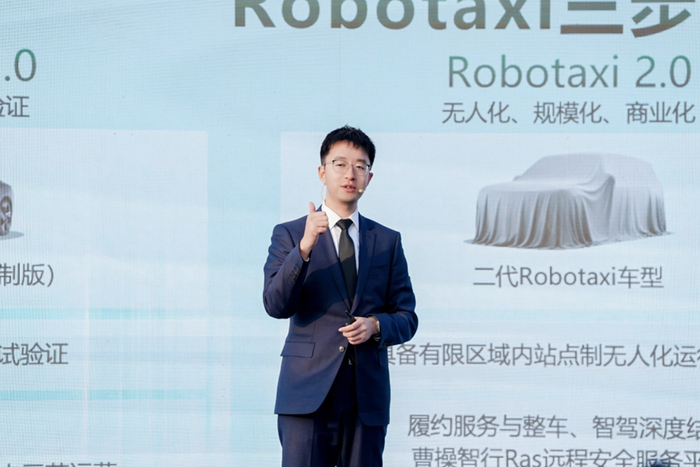
Core Insights - The competition in the Robotaxi sector is intensifying, with major players like Tesla and Waymo launching services in key markets, while domestic companies like Cao Cao Mobility are also ramping up their efforts [1][2][4] Group 1: Industry Developments - Tesla has officially launched its Robotaxi service in Austin, the San Francisco Bay Area, and Arizona, currently available only on iOS [1] - Waymo has opened paid operations on highways in San Francisco, Los Angeles, and Phoenix [1] - Cao Cao Mobility has announced a "Ten Years, One Hundred Cities, One Hundred Billion" strategic goal, aiming to establish Robotaxi services in 100 cities and achieve a total transaction value of 100 billion RMB over the next decade [5][6] Group 2: Strategic Initiatives - Cao Cao Mobility's "three-step" strategy for Robotaxi includes initial technology validation and small-scale testing, transitioning to mixed operations of human and autonomous driving, and eventually launching fully customized Robotaxi models globally [5][7] - The company has introduced the "Green Intelligent Transit Island," which integrates various automated functions and aims to create a foundational infrastructure for future urban mobility [6] Group 3: Market Potential - The Robotaxi market in China is projected to exceed 709.6 billion RMB by 2035, with a potential for long-term growth reaching several trillion RMB [2] - The competition in the Robotaxi space is evolving beyond just algorithms and hardware to include a comprehensive ecosystem involving smart vehicles, driving technology, and operational platforms [7][8] Group 4: Collaborations and Global Expansion - Cao Cao Mobility has signed strategic partnerships with Yujiang Technology and Qianli Zhijia to enhance the application of robotics and accelerate the commercialization of smart driving technology [8] - The company has also announced its first overseas Robotaxi deployment in Abu Dhabi, marking a significant step in its global expansion strategy [9]
销量、营收、核心市场份额占比不断提升,海外市场成新增长极
Zhong Guo Qi Che Bao Wang· 2025-12-05 09:57
Core Viewpoint - The Chinese automotive industry is transitioning from incremental competition to stock competition, with overseas markets becoming a new growth driver as domestic competition intensifies [4][8]. Export Growth - In October, China's automotive exports reached 666,000 units, a month-on-month increase of 2.1% and a year-on-year increase of 22.9%. From January to October, exports totaled 5.616 million units, up 15.7% year-on-year [4]. - The export growth rate is outpacing domestic production and sales growth, indicating a shift in focus for Chinese automakers towards international markets [4]. Company Performance - Chery's overseas sales for January to October reached 1.06 million units, accounting for 46% of total sales, with a year-on-year growth of 13% [5]. - BYD's overseas sales for the same period were 780,000 units, a significant increase of 130%, raising its export share to 21% [5]. - Great Wall Motors reported overseas sales of 454,100 units, making up nearly 37% of total sales, with a 44.61% increase compared to 2023 [5]. - Geely's overseas sales reached nearly 300,000 units, with a remarkable 214% increase in exports of new energy vehicles [6]. Market Expansion - GAC's overseas terminal sales grew by 36.5%, covering 85 countries and regions, with over 570 sales outlets [7]. - Chinese automotive brands are increasingly penetrating mature markets like the EU, with a record 7.4% market share in the European passenger car market as of September 2025, doubling from 3.3% year-on-year [14]. Revenue Contribution - Chery's revenue for the first three quarters of 2025 was 214.83 billion yuan, a 17.9% increase year-on-year, with exports contributing significantly to this growth [10]. - BYD's overseas revenue share increased from 28% in 2024 to 36.5% in the third quarter of 2025, with a net profit margin of 4.2% [11]. - Great Wall Motors' overseas revenue surged to 80.3 billion yuan, accounting for 39.69% of total revenue [12]. Strategic Insights - Chinese automakers are focusing on localizing products to meet diverse market needs, which is essential for integrating into local markets [9][20]. - The shift from product export to ecological output is becoming a key strategy for Chinese car manufacturers, enhancing their competitiveness in international markets [13][19]. - The global market share of Chinese automobiles is expected to exceed 38% by 2025, with significant growth in emerging markets like Southeast Asia and Africa [14][16]. Future Projections - By 2030, it is anticipated that Chinese automotive brands will achieve over 12% market share in overseas markets, with sales reaching nearly 10 million units [18]. - The global expansion of Chinese car manufacturers is accelerating, with strategies focusing on building a global vehicle that meets diverse market demands [19].




吉利取得车载空调节能模式调节相关专利
Sou Hu Cai Jing· 2025-12-05 09:55
国家知识产权局信息显示,浙江吉利控股集团有限公司取得一项名为"车载空调的节能模式调节方法、 装置、设备及介质"的专利,授权公告号CN119283580B,申请日期为2024年11月。 天眼查资料显示,浙江吉利控股集团有限公司,成立于2003年,位于杭州市,是一家以从事汽车制造业 为主的企业。企业注册资本103000万人民币。通过天眼查大数据分析,浙江吉利控股集团有限公司共对 外投资了38家企业,参与招投标项目523次,财产线索方面有商标信息5000条,专利信息5000条,此外 企业还拥有行政许可274个。 声明:市场有风险,投资需谨慎。本文为AI基于第三方数据生成,仅供参考,不构成个人投资建议。 来源:市场资讯 吉利汽车研究院(宁波)有限公司,成立于2016年,位于宁波市,是一家以从事专用设备制造业为主的 企业。企业注册资本3000万人民币。通过天眼查大数据分析,吉利汽车研究院(宁波)有限公司共对外 投资了8家企业,参与招投标项目316次,专利信息5000条,此外企业还拥有行政许可19个。 ...
吉利汽车李程峻:未来智能座舱可通过一句话完成用户指令
Xin Lang Cai Jing· 2025-12-05 09:29
责任编辑:王翔 专题:2025新汽车合作生态交流会 2025新汽车合作生态交流会于12月5日-6日在苏州举行。吉利汽车研究院智能座舱分院副院长李程峻出 席并演讲。 专题:2025新汽车合作生态交流会 2025新汽车合作生态交流会于12月5日-6日在苏州举行。吉利汽车研究院智能座舱分院副院长李程峻出 席并演讲。 李程峻认为,现阶段已基本完成弱人工智能阶段的工作和使命。下一阶段,到2027年将开始普及全能型 人工智能。 "AI不再是一个单一功能工具,而是与人类协作的伙伴。它能自动拆分和解析人类下达的指令,用所有 能连接的工具和系统完成用户交给的工作。"李程峻说,下一阶段各行各业都要面向全能型人工智能, 将其融合到产品中。 李程峻表示,未来借助车内算力、生态和策略应用,很可能通过一句话,通过智能座舱的AI能力,将 所有碎片化生态应用信息数据结合,实现机器与人交互,快速完整完成用户一句话指令。 他认为未来智能座舱其技术亮点是长期和短期记忆,记忆不再是数据库里的字段或配置文件里的数据, 而是沉淀在端侧AI网络中的核心参数。学习和决策也将通过AI连接和完成,真正实现AI和车的融合。 新浪声明:所有会议实录均为现场速记整理 ...
2025国际汽车设计论坛圆满举办 中国汽车设计话语体系研究再升维
Zheng Quan Ri Bao Wang· 2025-12-05 09:01
Core Viewpoint - The "2025 International Automotive Design Forum" held in Shanghai focuses on the development of "Chinese Design, Global Aesthetics" and the release of the "Research White Paper on Chinese Automotive Design Discourse System (Third Edition)" [1] Group 1: Event Overview - The forum gathered influential figures from various sectors including production, academia, research, media, and enterprises to discuss automotive design [1] - The event highlighted the importance of integrating global perspectives with local insights in automotive design [1] Group 2: Company Contributions - Geely shared its "Nine Principles of Design" and various research initiatives such as "Chinese Color Geely Blue," "Chinese R-Corner," and "Chinese Comfortable Cabin Experience Research" [1] - These contributions aim to transition Chinese automotive original design from broad exploration to precise focus, solidifying theoretical foundations [1] Group 3: Global Design Strategy - Geely has established five global design centers located in Shanghai, Ningbo, Milan, Gothenburg, and Coventry, effectively merging global vision with Eastern wisdom [1] - This strategic approach enhances the brand's design capabilities and creates a robust design moat for upward brand development [1]
吉利取得车辆隐私数据处理方法及相关装置专利
Sou Hu Cai Jing· 2025-12-05 08:11
国家知识产权局信息显示,浙江吉利控股集团有限公司、吉利汽车研究院(宁波)有限公司取得一项名 为"一种车辆隐私数据处理方法、装置、电子设备及存储介质"的专利,授权公告号CN119397586B,申 请日期为2024年9月。 天眼查资料显示,浙江吉利控股集团有限公司,成立于2003年,位于杭州市,是一家以从事汽车制造业 为主的企业。企业注册资本103000万人民币。通过天眼查大数据分析,浙江吉利控股集团有限公司共对 外投资了38家企业,参与招投标项目523次,财产线索方面有商标信息5000条,专利信息5000条,此外 企业还拥有行政许可274个。 吉利汽车研究院(宁波)有限公司,成立于2016年,位于宁波市,是一家以从事专用设备制造业为主的 企业。企业注册资本3000万人民币。通过天眼查大数据分析,吉利汽车研究院(宁波)有限公司共对外 投资了8家企业,参与招投标项目316次,专利信息5000条,此外企业还拥有行政许可19个。 声明:市场有风险,投资需谨慎。本文为AI基于第三方数据生成,仅供参考,不构成个人投资建议。 来源:市场资讯 ...
新汽车CES上,吉利供应链副总裁发出三大行业倡议
汽车商业评论· 2025-12-05 07:31
Core Viewpoint - The Chinese automotive industry is transitioning from a follower to a leader, driven by technological innovation and the restructuring of supply chains [4][12]. Industry Status and Trends - The Chinese automotive industry has developed significant advantages in industrial density, value density, and talent density, leading to rapid growth and becoming a focal point globally [10]. - The supply chain is evolving from a supporting role to a more prominent position, with an increasing proportion of global vehicles utilizing Chinese components [12]. - The industry is experiencing fierce competition, with profit margins still lagging behind the average for large enterprises, which may limit R&D investments [13]. Key Initiatives and Strategies - Three major initiatives were proposed: 1. Build a deeply collaborative industrial ecosystem while allowing for individual autonomy 2. Strengthen density and promote sustainable development 3. Collaborate internationally to enhance the global supply chain and the reputation of Chinese automotive brands [5]. - The company aims to establish a comprehensive, integrated supply chain that spans various vehicle types and components, ensuring robust support across its brands [15][16]. Supply Chain Management - The company is focusing on long-term cooperation, strategic trust, and mutual empowerment among partners, emphasizing a market-driven pricing model [19][20]. - A 5A evaluation system for suppliers has been established, focusing on quality, sustainability, and management capabilities [24]. - The logistics strategy is shifting towards an integrated model, enhancing collaboration across the supply chain [24][26]. Future Expectations - The automotive industry requires collaborative efforts for high-quality development, focusing on shared technology standards, basic research, and supply chain resilience [29]. - The company is committed to enhancing the resilience and value creation of the Chinese automotive industry while fostering a competitive environment that drives innovation [29][31].