
SMIC(00981)

Search documents
中芯国际等巨头集体提价,8英寸芯片最高涨20%
2 1 Shi Ji Jing Ji Bao Dao· 2026-01-21 00:59
Core Viewpoint - The global demand for 8-inch wafers is experiencing a structural imbalance due to the strategic capacity reductions by major players like TSMC and Samsung, alongside a surge in demand for AI-related power management chips, leading to increased prices and utilization rates in the industry [1][3][4]. Group 1: Market Dynamics - The global supply of 8-inch wafers is entering a period of imbalance, with a projected 2.4% decline in total capacity by 2026 due to TSMC and Samsung's strategic capacity cuts [3][4]. - The average utilization rate in the wafer foundry industry is expected to rise to 90% by Q4 2025, reflecting a year-on-year increase of approximately 7 percentage points, driven by AI applications and the recovery of automotive and industrial control sectors [4][6]. Group 2: Impact on Chinese Foundries - Chinese mainland wafer foundries are emerging as key players to fill the global capacity void, with companies like SMIC and Hua Hong Semiconductor benefiting from the increased demand for 8-inch chips [6][7]. - SMIC's monthly production capacity for logic chips has reached 1.023 million 8-inch equivalent wafers, with a utilization rate of 95.8%, marking a significant recovery since Q2 2022 [7]. - Price increases for 8-inch chips have been implemented, with some orders seeing price hikes of up to 20%, as foundries respond to tightening supply and demand conditions [8]. Group 3: Long-term Trends - Despite the current boom in 8-inch wafer production, there is an ongoing trend of migrating power management and display driver chips to 12-inch nodes, indicating a need for Chinese manufacturers to accelerate their 12-inch technology development [8]. - The global semiconductor manufacturing sector is expected to increase 12-inch wafer production capacity to a historical high of 9.6 million wafers per month by 2026, driven by strong long-term demand [8].


中芯国际等巨头集体提价,8英寸芯片最高涨20%
21世纪经济报道· 2026-01-21 00:52
Core Viewpoint - The article discusses the structural shift in the 8-inch wafer market due to the increasing demand for AI-related chips and the strategic reduction of production capacity by major players like TSMC and Samsung, leading to a supply-demand imbalance and price increases in the industry [1][4]. Group 1: 8-inch Wafer Supply and Demand Dynamics - The global supply of 8-inch wafers is entering a period of imbalance, with a projected 2.4% decline in total production capacity by 2026 due to strategic capacity reductions by TSMC and Samsung [1][3]. - The demand for power management chips driven by AI applications is robust, pushing the average capacity utilization rate in the industry back up to 90% [1][4]. - The shift from overcapacity to price increases is evident, with wafer foundries expected to raise prices by 5% to 20% [1][4]. Group 2: Impact on Chinese Wafer Foundries - Chinese wafer foundries are emerging as key players to fill the global capacity void, benefiting from the structural changes in the market [5][6]. - Major Chinese companies like SMIC have reported significant increases in production capacity, with SMIC's monthly capacity reaching 1.023 million 8-inch equivalent wafers and a utilization rate of 95.8% [7]. - The price of 8-inch chips has increased by approximately 10%, with some orders seeing price hikes of up to 20% due to the tightening supply-demand situation [8]. Group 3: Long-term Trends and Future Outlook - Despite the current boom in 8-inch wafer production, there is a long-term trend of migrating power management and display driver chips to 12-inch nodes, which necessitates that Chinese manufacturers also accelerate their 12-inch specialty process layouts [8][9]. - The global semiconductor industry is expected to increase 12-inch wafer production capacity to a historical high of 9.6 million wafers per month by 2026, driven by strong demand [8][9].

智通港股通资金流向统计(T+2)|1月21日





智通财经网· 2026-01-20 23:33
Group 1 - The top three companies with net inflow of southbound funds are SMIC (10.84 billion), Xiaomi Group (8.70 billion), and Hua Hong Semiconductor (5.82 billion) [1] - The top three companies with net outflow of southbound funds are China Mobile (-11.60 billion), Alibaba Health (-4.83 billion), and Kuaishou-W (-4.55 billion) [1] - In terms of net inflow ratio, Qinhuangdao Port (82.38%), 361 Degrees (76.04%), and Southern Hong Kong Stock Connect (62.50%) lead the market [1] Group 2 - The top ten companies with the highest net inflow include SMIC (10.84 billion, 15.56%), Xiaomi Group (8.70 billion, 11.77%), and Hua Hong Semiconductor (5.82 billion, 15.18%) [2] - The top ten companies with the highest net outflow include China Mobile (-11.60 billion, -39.71%), Alibaba Health (-4.83 billion, -20.48%), and Kuaishou-W (-4.55 billion, -15.50%) [2] - The top three companies with the highest net inflow ratio are Qinhuangdao Port (82.38%), 361 Degrees (76.04%), and Southern Hong Kong Stock Connect (62.50%) [2][3] Group 3 - The top three companies with the highest net outflow ratio are Jiangnan Buyi (-60.89%), Yancoal Australia (-60.02%), and Standard Chartered Group (-56.28%) [3] - Other notable companies with significant net outflow include Tianli International Holdings (-55.78%) and China Shenhua Energy (-48.70%) [3]
南向资金今日净买入36.63亿港元,腾讯控股净买入6.63亿港元
Zheng Quan Shi Bao Wang· 2026-01-20 15:44
Core Viewpoint - The Hang Seng Index fell by 0.29% on January 20, with southbound capital transactions totaling HKD 97.283 billion, resulting in a net inflow of HKD 36.63 billion [1] Group 1: Southbound Capital Transactions - Total southbound capital transactions amounted to HKD 97.283 billion, with buy transactions at HKD 50.473 billion and sell transactions at HKD 46.810 billion, leading to a net buy of HKD 36.63 billion [1] - The Hong Kong Stock Connect (Shenzhen) recorded a total transaction amount of HKD 37.804 billion, with net buying of HKD 2.18 billion, while the Hong Kong Stock Connect (Shanghai) had a total transaction amount of HKD 59.479 billion, with net buying of HKD 34.44 billion [1] Group 2: Active Stocks - Tencent Holdings had the highest transaction amount among active stocks, totaling HKD 63.88 billion, with a net buy of HKD 6.63 billion, despite a closing price drop of 1.48% [1][2] - Other notable stocks included Alibaba-W and Xiaomi Group-W, with transaction amounts of HKD 48.94 billion and HKD 46.53 billion, respectively [1] - The most significant net sell was recorded for SMIC, with a net sell of HKD 7.18 billion and a closing price drop of 3.25% [1][2] Group 3: Continuous Net Buying - Five stocks experienced continuous net buying for more than three days, with Tencent Holdings leading at 10 days, followed by Alibaba-W at 7 days and Huahong Semiconductor at 4 days [2] - The total net buying amounts during this period were HKD 106.21 billion for Tencent Holdings, HKD 47.56 billion for Alibaba-W, and HKD 14.29 billion for Xiaomi Group-W [2]



港股通(深)净买入2.18亿港元
Zheng Quan Shi Bao Wang· 2026-01-20 15:44
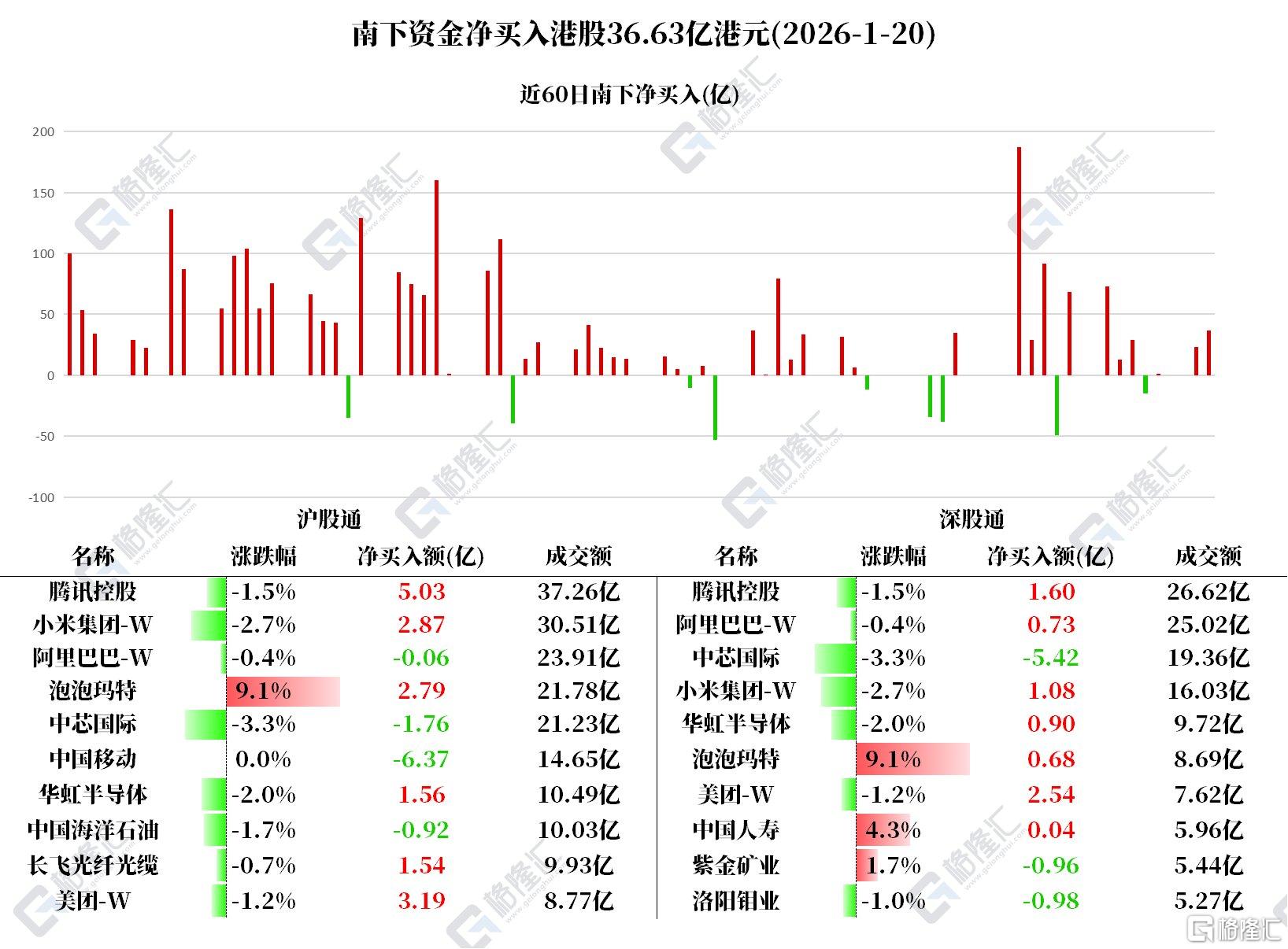
Core Viewpoint - On January 20, the Hang Seng Index fell by 0.29%, closing at 26,487.51 points, while southbound funds through the Stock Connect recorded a net buy of HKD 36.63 billion [1]. Group 1: Market Activity - The total trading volume for the Stock Connect on January 20 was HKD 972.83 billion, with a net buy of HKD 36.63 billion [1]. - The Shanghai Stock Connect accounted for HKD 594.79 billion in trading volume with a net buy of HKD 34.44 billion, while the Shenzhen Stock Connect had a trading volume of HKD 378.04 billion and a net buy of HKD 2.18 billion [1]. Group 2: Active Stocks - In the Shanghai Stock Connect, Tencent Holdings was the most actively traded stock with a transaction amount of HKD 37.26 billion, followed by Xiaomi Group-W and Alibaba-W with transaction amounts of HKD 30.51 billion and HKD 23.91 billion, respectively [1]. - Tencent Holdings had a net buy of HKD 5.03 billion, despite its closing price dropping by 1.48% [1]. - China Mobile recorded the highest net sell amount of HKD 6.37 billion, closing flat [1]. Group 3: Shenzhen Stock Connect Activity - In the Shenzhen Stock Connect, Tencent Holdings also led with a transaction amount of HKD 26.62 billion, followed by Alibaba-W and SMIC with transaction amounts of HKD 25.02 billion and HKD 19.36 billion, respectively [2]. - Meituan-W had the highest net buy amount of HKD 2.54 billion, although it closed down by 1.17% [2]. - SMIC experienced the largest net sell amount of HKD 5.42 billion, closing down by 3.25% [2].


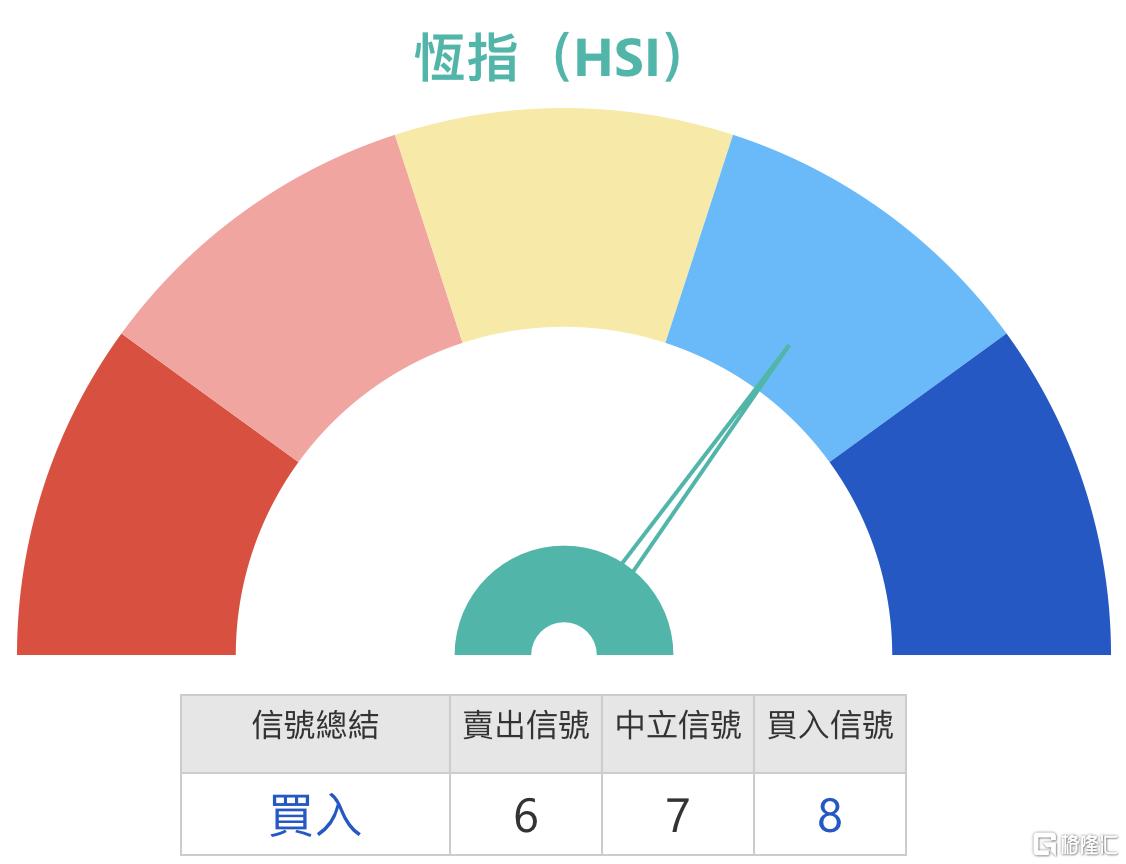
1月20日【中銀做客】恆指、小米、中芯、泡泡瑪特、紫金礦業、李寧、美的
Ge Long Hui· 2026-01-20 12:43
Market Overview - The Hong Kong stock market has been experiencing a downward trend, with the index dropping to around 26,300 points after reaching 27,000 points [1][2] - The market sentiment remains cautious, and the index needs to stabilize around 26,400 points to avoid further declines, with a potential drop to 25,800 points if it fails to hold [2][3] Investment Strategies - Investors are advised to monitor the distribution of warrants, particularly the heavy positions around 25,800 points, which is a critical support level [2][4] - The current trading range for the index is suggested to be between 25,800 and 27,500 points for investment deployment [2] Stock Analysis: Xiaomi Group (01810) - Xiaomi's stock has shown weakness, dropping to a low of 35.6 HKD, with concerns about its automotive safety impacting investor sentiment [6][7] - Despite previous strong performance, the stock has fallen below key support levels, leading to cautious investor behavior regarding long-term entry points [8] - Investors are considering options like call warrants with lower entry costs to mitigate risks while betting on potential rebounds [8][9] Stock Analysis: Semiconductor Industry (SMIC 00981) - SMIC has seen a decline in stock price, currently around 34 HKD, after a peak of 94 HKD, but investor interest remains strong for rebound opportunities [10][11] - New high-leverage products have been introduced to attract investors looking for higher returns in the semiconductor sector [11][13] Stock Analysis: Pop Mart (09992) - Pop Mart's stock has shown signs of recovery after management's first buyback in two years, indicating confidence in the company's future [15][16] - Investors are encouraged to consider call warrants as a way to capitalize on potential rebounds, with specific products highlighted for their favorable terms [16][24] Resource Sector Insights - The resource sector, particularly gold and silver, is gaining attention as prices reach historical highs, with recommendations for investing in related stocks or ETFs [19][20] - Investors are advised to consider leveraged products in the resource sector to maximize returns while managing capital [20] Domestic Consumption Sector - The domestic consumption sector is expected to benefit from ongoing policies promoting local brands, with companies like Li Ning and Midea being highlighted for potential investment [23][24] - Specific warrants for these companies are suggested as viable options for investors looking to capitalize on the domestic consumption trend [24][25]


中国大陆晶圆代工厂,抓住8英寸代工机会
2 1 Shi Ji Jing Ji Bao Dao· 2026-01-20 12:37
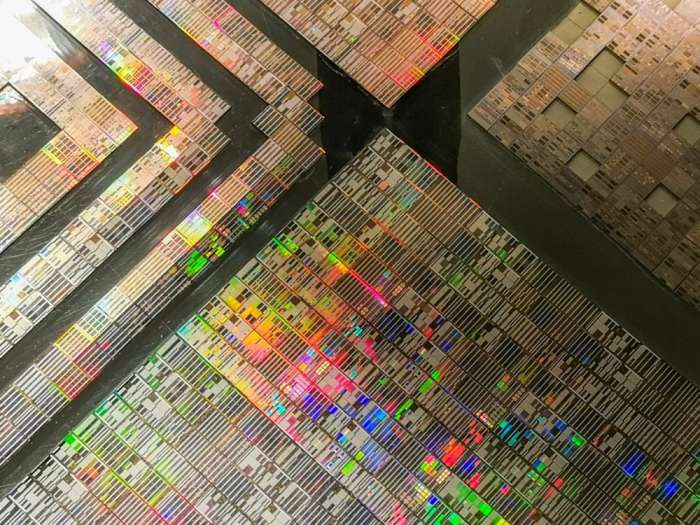
Core Insights - The rise of China's wafer foundries is addressing the demand for 8-inch chips as global giants shift focus to 12-inch wafers and AI-related chip needs increase [1][6] - A structural reversal in the 8-inch wafer market is occurring due to a combination of reduced capacity from major players and strong demand for power management chips driven by AI [4][5] Group 1: Market Dynamics - The global supply and demand for 8-inch wafers is entering a state of imbalance, with a projected 2.4% decline in total global 8-inch foundry capacity by 2026 due to strategic capacity reductions by TSMC and Samsung [4][6] - The average capacity utilization rate in the industry is expected to rise to 90% by Q4 2025, reflecting a year-on-year increase of approximately 7 percentage points, driven by AI applications and recovery in automotive and industrial control sectors [4][6] Group 2: Chinese Foundries' Position - Chinese wafer foundries are positioned to fill the global capacity vacuum left by TSMC and Samsung, with companies like SMIC and Hua Hong Semiconductor showing strong performance in 8-inch production [6][7] - SMIC's monthly production capacity for logic chips (equivalent to 8-inch) has reached a historic high of 1.023 million wafers, with a capacity utilization rate of 95.8% as of Q3 2025 [7] - Hua Hong Semiconductor's 8-inch production lines are nearing full capacity, benefiting from orders redirected from international power semiconductor giants [7] Group 3: Pricing Trends - Due to the surge in demand, Chinese wafer foundries have raised prices for 8-inch chip processes by approximately 10%, with some orders seeing increases of up to 20% [8][9] - The price increase trend is expected to continue into 2026, as the supply-demand tightness persists [9] Group 4: Long-term Outlook - Despite the current boom in 8-inch wafer production, the long-term trend indicates a migration of power management and display driver chips towards 12-inch nodes, necessitating Chinese manufacturers to accelerate their 12-inch specialty process development [9] - The global semiconductor manufacturing sector anticipates an increase in 12-inch wafer production capacity to a historical high of 9.6 million wafers per month by 2026, driven by sustained strong demand [9]
资金动向 | 北水连续10日加仓腾讯,抛售中芯国际超7亿港元
Ge Long Hui A P P· 2026-01-20 12:11
Group 1: Market Activity - Southbound funds net bought Hong Kong stocks worth 36.63 billion HKD on January 20, with notable purchases in Tencent Holdings (6.63 billion HKD), Meituan-W (5.73 billion HKD), and Xiaomi Group-W (3.95 billion HKD) [1] - Southbound funds have continuously net bought Tencent for 10 days, totaling 106.2116 billion HKD, and Alibaba for 7 days, totaling 47.5655 billion HKD [3] Group 2: Company Performance - Tencent Holdings is expected to see a 13% year-on-year revenue growth in Q4 2025, with adjusted net profit projected to increase by 16% to 643 billion HKD, driven by growth in gaming, advertising, and fintech revenues [4] - Meituan reported a significant increase in flight bookings for "reverse Spring Festival" travel, with a year-on-year growth of approximately 35% in January, indicating a trend of movement from midwestern cities to first-tier and new first-tier cities [4] Group 3: Stock Buybacks - Xiaomi Group repurchased approximately 5.5 million B shares for about 1.96 billion HKD, with a repurchase price ranging from 35.46 HKD to 35.86 HKD per share [5] - Pop Mart announced a share buyback of 140,000 shares for 2.51 billion HKD, marking its first buyback since early 2024, which is expected to attract more investor attention [5] Group 4: Industry Insights - TSMC raised its capital expenditure guidance for 2026 to 52-56 billion USD, reflecting strong long-term demand driven by AI, while DRAM prices continue to rise, with certain DDR4 models seeing weekly increases of over 12% [5] - The humanoid robot market is projected to see an annual installation of approximately 16,000 units by 2025, driven by advancements in data collection, logistics, manufacturing, and the automotive industry [5]
北水动向|北水成交净买入36.63亿 泡泡玛特时隔两年回购 北水抢筹超3亿港元
智通财经网· 2026-01-20 11:07
Group 1 - The core point of the news is that the Hong Kong stock market saw significant net buying from northbound capital, totaling HKD 36.63 billion, with Tencent, Meituan, and Xiaomi being the most purchased stocks [2][6] - Tencent Holdings (00700) had a net inflow of HKD 5.03 billion, with total buy and sell amounts of HKD 21.15 billion and HKD 16.12 billion respectively [3][5] - Meituan (03690) recorded a net inflow of HKD 3.19 billion, with total buy and sell amounts of HKD 5.98 billion and HKD 2.79 billion respectively [3][6] Group 2 - Semiconductor stocks showed divergence, with Hua Hong Semiconductor (01347) receiving a net inflow of HKD 2.45 billion, while SMIC (00981) faced a net outflow of HKD 7.17 billion [7] - The report from Open Source Securities indicated that TSMC raised its capital expenditure forecast significantly, reflecting strong long-term demand driven by AI [7] - Long-distance fiber optic cable stocks like Changfei Optical Fiber (06869) saw a net inflow of HKD 1.54 billion, supported by rising prices in the G.652.D fiber market [7] Group 3 - Xiaomi Group-W (01810) received a net inflow of HKD 3.95 billion, while China Mobile (00941) faced a net outflow of HKD 6.37 billion [8] - The report from Bank of America noted that the growth in metal demand is no longer cyclical, as economies are restructuring their energy infrastructure [8] - The sentiment around resource competition is affecting copper prices, which may remain volatile in the short term [8]
智通港股通活跃成交|1月20日
智通财经网· 2026-01-20 11:01
Core Insights - On January 20, 2026, Tencent Holdings (00700), Xiaomi Group-W (01810), and Alibaba-W (09988) were the top three companies by trading volume in the Southbound Stock Connect, with trading amounts of 3.726 billion, 3.051 billion, and 2.391 billion respectively [1] - In the Shenzhen-Hong Kong Stock Connect, Tencent Holdings (00700), Alibaba-W (09988), and SMIC (00981) led the trading volume, with amounts of 2.662 billion, 2.502 billion, and 1.936 billion respectively [1] Southbound Stock Connect Trading Activity - The top active companies in the Southbound Stock Connect included: - Tencent Holdings (00700) with a trading amount of 3.726 billion and a net buying amount of +0.503 billion [2] - Xiaomi Group-W (01810) with a trading amount of 3.051 billion and a net buying amount of +0.287 billion [2] - Alibaba-W (09988) with a trading amount of 2.391 billion and a net selling amount of -5.778 million [2] - Other notable companies included Pop Mart (09992) and SMIC (00981) with trading amounts of 2.178 billion and 2.123 billion respectively [2] Shenzhen-Hong Kong Stock Connect Trading Activity - The top active companies in the Shenzhen-Hong Kong Stock Connect included: - Tencent Holdings (00700) with a trading amount of 2.662 billion and a net buying amount of +0.160 billion [2] - Alibaba-W (09988) with a trading amount of 2.502 billion and a net buying amount of +7.257 million [2] - SMIC (00981) with a trading amount of 1.936 billion and a net selling amount of -5.420 billion [2] - Other notable companies included Xiaomi Group-W (01810) with a trading amount of 1.603 billion and a net buying amount of +0.108 billion [2]
