
BYD(01211)

Search documents
首批625亿元国补到位,车市火爆,有车型价格6万送2万权益
21世纪经济报道· 2026-02-16 12:00
Core Viewpoint - The article highlights the significant boost in the automotive market, particularly in the electric vehicle (EV) sector, driven by government subsidies and the traditional consumption peak during the Spring Festival, showcasing the growing potential in lower-tier cities and rural areas [1][9]. Group 1: Government Initiatives and Market Response - The "Lego New Year" special event launched by the Ministry of Commerce and nine other departments has allocated 625 billion yuan in national subsidies, with local consumer red envelopes and corporate discounts being actively distributed [1]. - The continuation of national subsidies has led to increased foot traffic and sales in automotive showrooms, particularly for vehicles priced between 60,000 to 100,000 yuan [1]. Group 2: Competitive Landscape - Automotive brands are increasingly opening stores in prime locations such as shopping malls, indicating heightened competition and a strategic shift to capture consumer attention [4]. - Price remains the decisive factor for consumers in lower-tier cities, with brands like Extreme Fox promoting models under 100,000 yuan and offering significant incentives [5]. Group 3: Consumer Preferences and Trends - There is a growing acceptance of EVs in rural areas, with sales of EVs in these markets expected to outpace urban areas, driven by government initiatives and consumer demand [9]. - Consumers express a preference for EVs, particularly in the 100,000 to 200,000 yuan range, while also showing concerns about battery range and charging infrastructure [6][10]. Group 4: Charging Infrastructure Development - The construction of charging facilities is rapidly increasing, with projections indicating that by the end of 2025, there will be approximately 20.09 million charging points in China, marking a 49.7% year-on-year growth [11]. - The government of Henan province plans to build 29,000 new public charging points by 2025, significantly enhancing the charging network and alleviating range anxiety for EV owners [11]. Group 5: Future Market Outlook - The Chinese automotive market is expected to peak at around 40 million units, with future growth primarily occurring in lower-tier cities and rural areas, driven by favorable policies and infrastructure improvements [12].



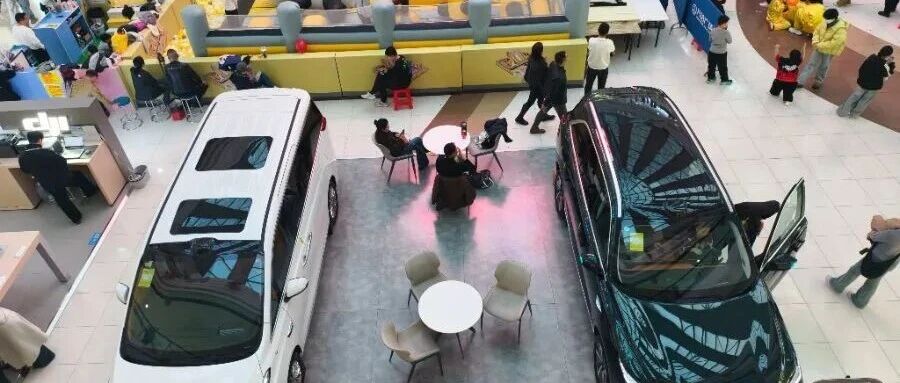
新春走基层|政策暖风频吹,新能源车加速“下沉”
2 1 Shi Ji Jing Ji Bao Dao· 2026-02-16 07:35
Core Insights - The Chinese automotive market is experiencing a surge in consumer interest, particularly in the context of the Spring Festival and the implementation of new national subsidy policies for electric vehicles [1][5][9] - There is a notable shift in the location of car dealerships, with brands moving into shopping malls to enhance visibility and compete more effectively for consumer attention [3][4] - The acceptance of electric vehicles (EVs) is increasing in rural areas, driven by government initiatives and the growing availability of charging infrastructure [7][8][9] Group 1: Market Trends - The implementation of the new national subsidy policy has led to increased foot traffic and sales in car dealerships, especially for models priced between 60,000 to 100,000 yuan [1] - The competition among automotive brands is intensifying, with companies like Li Auto and BYD adopting innovative marketing strategies, including the use of social media to reach younger consumers [3][4] - The demand for electric vehicles is rising, particularly in lower-tier cities, as evidenced by the increasing presence of brands like BYD and Wuling in these markets [7][9] Group 2: Consumer Behavior - Price remains a decisive factor for consumers in third and fourth-tier cities, with dealerships focusing on highlighting discounts and pricing to attract buyers [3][5] - There is a growing trend of consumers upgrading to electric vehicles, with many expressing interest in models that offer spacious interiors and advanced features [5][8] - Concerns about charging infrastructure persist, with consumers indicating a preference for electric vehicles if charging facilities are adequate; otherwise, they may opt for hybrid models [8] Group 3: Infrastructure Development - The construction of charging facilities is accelerating, with projections indicating that by the end of 2025, there will be approximately 20.09 million charging points in China, marking a 49.7% year-on-year increase [8][9] - The government of Henan province plans to build 29,000 new public charging stations by 2025, significantly exceeding its annual target and addressing range anxiety for EV owners [9] - The market for electric vehicles in rural areas is expected to grow substantially, with predictions indicating that by 2030, the number of vehicles per thousand people in rural regions could reach 160, resulting in a market size of approximately 500 billion yuan [7][9]

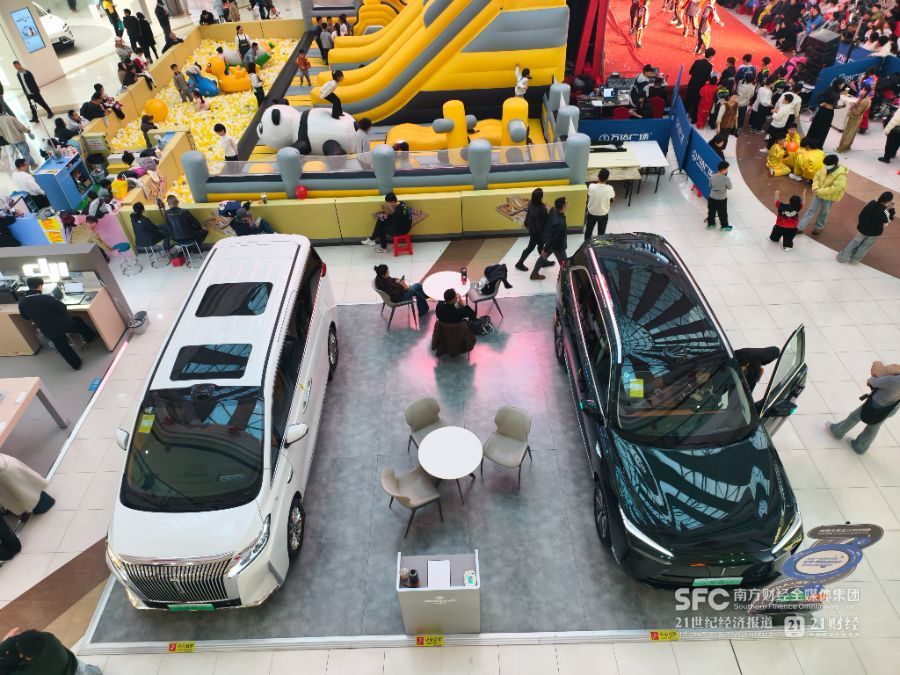
比亚迪公布国际专利申请:“隔热组件、电池模组及用电设备”
Sou Hu Cai Jing· 2026-02-16 06:23
Core Viewpoint - BYD has filed an international patent application for a heat-insulating component, battery module, and electrical equipment, indicating its ongoing innovation efforts in the electric vehicle and battery sectors [1] Group 1: Patent Application - The patent application number is PCT/CN2025/112855, with an international publication date set for February 12, 2026 [1] - This marks a significant step in BYD's intellectual property strategy, reflecting its commitment to technological advancement [1] Group 2: R&D Investment - In 2025, BYD has announced a total of 323 international patent applications, representing a 546% increase compared to the same period last year [1] - The company invested 29.596 billion yuan in research and development in the first half of 2025, which is a year-on-year increase of 50.84% [1]

EU Banking M&A Hits Post-Crisis High as US Automakers Brace for Chinese Competition
Stock Market News· 2026-02-16 05:38
Banking Industry - The European financial landscape is experiencing its most rapid consolidation in nearly two decades, highlighted by Nuveen's £9.9 billion takeover of Schroders, marking the end of the British firm's 222 years of independence [2] - Analysts at RBC Capital downgraded Schroders to Sector Perform from Outperform, raising the target price to 610p, indicating limited remaining upside as shares trade near the implied deal value [2] - EU banking M&A has surged to its highest level since the 2008 financial crisis, with February 2026 deal volume surpassing $60 billion [9] Automotive Industry - American automotive giants, including Ford and General Motors, are concerned about the rapid expansion of Chinese EV manufacturers like BYD and Geely, which are exploring joint ventures to produce cars domestically in the U.S. [4] - Ford CEO Jim Farley expressed mixed feelings about the efficiency of Chinese manufacturing, particularly after Xiaomi's EV success, warning that U.S. manufacturers must adopt similar techniques or face potential bankruptcies [5] Gold Market - The price of gold has reached unprecedented heights, recently exceeding $5,066 per ounce, driven by a "flight to safety" amid geopolitical instability [6] - The surge in gold prices has created challenges for the security industry, as the total value of bullion in vaults now exceeds the maximum limits of their insurance policies [7] Defense Industry - Germany is shifting its €108 billion defense budget towards high-tech autonomous systems and AI, responding to internal pressure to move away from traditional military investments [10] - The German government has approved a record €82.7 billion regular defense budget for 2026, with a focus on increasing funding for defense technology, including AI-powered drones [10] Legal and Regulatory Issues - The founders of Turkish delivery firm Getir have filed a $700 million lawsuit against Mubadala, alleging a breach of agreement during the restructuring of the company's assets [11] - The UK government is advancing plans to ban social media for teenagers under 16, aiming to address mental health concerns, which has drawn criticism from tech platforms [12]



比亚迪公布国际专利申请:“电压泄放控制方法、电子设备、存储介质和储能系统”
Sou Hu Cai Jing· 2026-02-16 05:17
以上内容为证券之星据公开信息整理,由AI算法生成(网信算备310104345710301240019号),不构成 投资建议。 图片来源:世界知识产权组织(WIPO) 今年以来比亚迪已公布的国际专利申请323个,较去年同期增加了546%。结合公司2025年中报财务数 据,2025上半年公司在研发方面投入了295.96亿元,同比增50.84%。 数据来源:企查查 证券之星消息,根据企查查数据显示比亚迪(002594)公布了一项国际专利申请,专利名为"电压泄放 控制方法、电子设备、存储介质和储能系统",专利申请号为PCT/CN2025/113163,国际公布日为2026 年2月12日。 专利详情如下: ...
比亚迪公布国际专利申请:“电池壳体、电池、电池包和用电设备”
Sou Hu Cai Jing· 2026-02-16 05:00
Group 1 - The core point of the article is that BYD has filed an international patent application for a battery-related technology, indicating its ongoing innovation efforts in the battery sector [1] - The patent application is titled "Battery Housing, Battery, Battery Pack, and Electric Equipment" with the application number PCT/CN2025/112287, and it is set to be published internationally on February 12, 2026 [1] - In 2023, BYD has announced a total of 323 international patent applications, which represents a 546% increase compared to the same period last year [1] Group 2 - In the first half of 2025, BYD invested 29.596 billion yuan in research and development, reflecting a year-on-year increase of 50.84% [1]
1月轻卡市场同比增8% 福田摘冠 江淮前二 远程/东风领涨
第一商用车网· 2026-02-16 04:05
Core Viewpoint - In January 2026, China's commercial vehicle industry experienced a 23% year-on-year growth in overall sales, with the truck market growing by 28%, indicating a strong start to the year [1][3]. Group 1: Truck Market Performance - The truck market sold a total of 323,500 units in January 2026, showing a 10% decrease from December 2025 but a 28% increase year-on-year [3]. - The light truck market, which includes light trucks, small trucks, and pickups, sold 159,500 units in January 2026, reflecting a 20% month-on-month decline and an 8% year-on-year growth [3][5]. - The light truck market's 8% year-on-year growth is significantly lower than the overall truck market's growth, making it the only segment to underperform compared to the market average [5]. Group 2: Historical Context and Market Dynamics - The January 2026 light truck sales of 159,500 units rank as the fourth highest in the past decade, with the average sales for January typically around this figure [5]. - The performance in January 2026 is considered moderate, attributed to the absence of the Spring Festival impact that affected January 2025 sales [5][16]. Group 3: Company Performance and Market Share - Five companies sold over 10,000 light trucks in January 2026, with Foton leading at 36,300 units, followed by JAC, Dongfeng, Great Wall, and Jiangling [8][9]. - The top ten companies in the light truck market accounted for 88.4% of total sales, with the top five companies alone holding 62.7% of the market share [8]. - Among the top ten companies, eight experienced sales growth compared to the previous year, with Dongfeng and Farizon showing significant increases of 61% and 91%, respectively [12][14]. Group 4: Market Outlook - The light truck market in 2026 is expected to be competitive, with various companies vying for market share and performance improvements [16].



3.8亿辆电车战春运,充电再迎“大考”
创业邦· 2026-02-16 01:15
Core Viewpoint - The 2026 Spring Festival travel rush is expected to see a record 9.5 billion people moving across regions, with 299 million daily cross-regional movements during the holiday, highlighting the significant role of new energy vehicles (NEVs) in this surge [5][6]. Charging Dilemma - The rapid increase in NEV usage, with a total of 43.97 million vehicles by December 2025, has exposed shortcomings in charging infrastructure, leading to long queues at charging stations and "charging panic" among users [5][7][8]. - Despite having the world's largest electric vehicle charging network with over 20.09 million charging facilities, the supply is insufficient to meet the concentrated demand during peak travel times, particularly in low-temperature conditions that affect battery performance [7][10][11]. Solutions to Charging Issues - To address the charging dilemma, the industry needs to enhance the layout of charging stations along major highways, focusing on high-power fast charging stations to improve supply capacity [13][15]. - There is a need to eliminate charging blind spots in rural and remote areas, with plans to add at least 14,000 direct current charging guns in towns lacking public charging stations by the end of 2027 [16]. - The development of advanced battery technologies, such as solid-state and sodium batteries, is essential to improve performance in low temperatures and enhance charging efficiency [17]. - A multi-faceted energy supplement system, including battery swapping and mobile charging, is crucial to meet the concentrated energy needs during peak travel periods [17]. Industry Collaboration - Major industry players like CATL, NIO, and BYD are actively investing in charging infrastructure, with CATL planning to establish over 3,000 battery swap stations by 2026 and NIO aiming for 4,600 stations by the end of the same year [19][20][21]. - The collaboration among battery manufacturers and vehicle companies is vital for optimizing the energy supplement system and addressing the challenges faced during the Spring Festival travel rush [21].


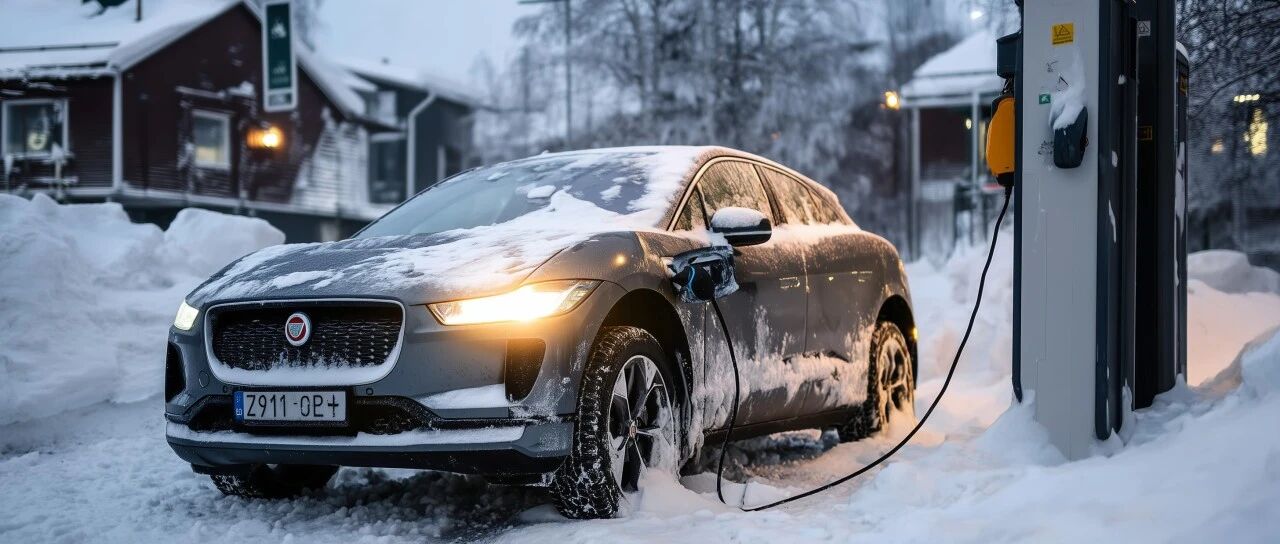
智通港股沽空统计|2月16日
Xin Lang Cai Jing· 2026-02-16 00:32
Core Insights - The article highlights the top short-selling stocks in the market, with BYD Company Limited (81211) leading with a short-selling ratio of 100.00% [1][2]. Group 1: Short-Selling Ratios - BYD Company Limited (81211) has a short-selling ratio of 100.00% [2][3]. - JD.com (89618) follows with a short-selling ratio of 97.67% [2][3]. - Kuaishou Technology (81024) has a short-selling ratio of 80.79% [2][3]. Group 2: Short-Selling Amounts - Meituan (03690) has the highest short-selling amount at 2.11 billion [2]. - Alibaba Group (09988) follows with a short-selling amount of 1.673 billion [2]. - Xiaomi Corporation (01810) has a short-selling amount of 1.482 billion [2]. Group 3: Deviation Values - BYD Company Limited (81211) has the highest deviation value at 44.67% [3]. - Jinfang Pharmaceutical (02595) has a deviation value of 35.39% [3]. - Kuaishou Technology (81024) has a deviation value of 34.76% [3].




比亚迪申请集成模块和具有其的热管理系统、车辆专利,结构紧凑、集成度更高
Jin Rong Jie· 2026-02-16 00:32
Group 1 - BYD Company Limited has applied for a patent titled "Integrated Module and Thermal Management System for Vehicles," with publication number CN121515666A, filed on September 2022. The patent describes a compact integrated module for vehicle thermal management systems, which includes a first valve seat, a second valve seat, and a heat exchanger [1] - The integrated module features a heat exchanger with two heat exchange flow paths, where the first flow path connects to the first and second interfaces of the heat exchanger, and the second flow path connects to the third and fourth interfaces. The design aims for a more compact structure and higher integration [1] Group 2 - BYD Company Limited, established in 1995 and located in Shenzhen, primarily engages in the automotive manufacturing industry. The company has a registered capital of 911,719.7565 million RMB [2] - According to data analysis, BYD has invested in 107 companies, participated in 1,015 bidding projects, holds 1,801 trademark records, and has 5,000 patent records, along with 154 administrative licenses [2]