INNOVENT BIO(01801)

Search documents
港股午评|恒生指数早盘涨1.42% 阿里巴巴涨超4%
智通财经网· 2025-11-24 04:06
Group 1 - Hong Kong's Hang Seng Index rose by 1.42%, gaining 358 points to close at 25,578 points, while the Hang Seng Tech Index increased by 1.65% [1] - Alibaba-W (09988) surged over 4%, with its Qianwen App surpassing 10 million downloads in its first week of public testing [1] - Sinopharm (01801) rose over 3%, with plans to officially go blue starting December 8 [1] - Hengrui Medicine (01276) increased by over 5%, as nine drugs including SHR-9839 received approval for clinical trials [1] - Beijing Automotive (01958) gained over 3%, planning to sell 51% of its stake in Beiqi International for approximately 1.608 billion yuan to accelerate its international strategy [1] - WeRide (00800) jumped over 6%, having obtained Switzerland's first pure driverless license, with Q3 earnings report upcoming [1] - Rusal (00486) saw an intraday increase of over 4%, announcing plans to cease operations at the Krymni silicon plant by 2026 [1] - GAC Group (02238) surged over 12%, with its all-solid-state battery pilot production line officially completed and put into production [1] - Sino Biopharmaceutical-B (02591) rose over 20%, being included in the Hang Seng Composite Index effective December 8 [1] - 3SBio (01530) increased by over 4%, planning to spin off its subsidiary Mandi International for independent listing [1] Group 2 - Oil stocks continued to decline, with CNOOC (00883) dropping by 2.4% amid easing tensions in the Russia-Ukraine situation [2] - Semiconductor stocks faced significant declines, with Hua Hong Semiconductor (01347) falling over 9% and SMIC (00981) down over 5%, as reports indicated the Trump administration is considering approving exports of Nvidia's H200 AI chips to China [2] - Ganfeng Lithium (01772) dropped over 7%, facing potential downward risks in lithium spot prices, leading Goldman Sachs to downgrade the company to a "sell" rating [2]

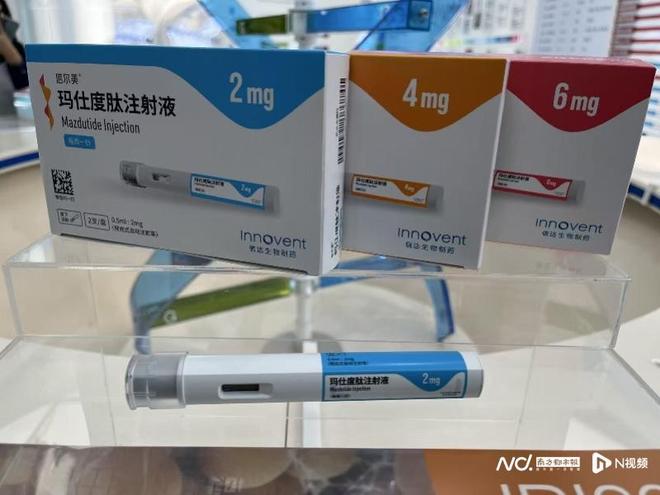
大基数减重三期临床数据喜人,信达拟推大剂量规格玛仕度肽
Nan Fang Du Shi Bao· 2025-11-24 02:57
Core Viewpoint - Innovent Biologics announced that its self-developed dual receptor agonist, Ma Shidu Te, has achieved primary and all key secondary endpoints in the Phase III clinical study GLORY-2 for patients with severe obesity (BMI ≥ 30 kg/m²) in China [1] Group 1: Clinical Study Results - The GLORY-2 study included 462 participants, with a baseline average weight of 94.0 kg and average BMI of 34.3 kg/m², and showed significant weight loss with Ma Shidu Te 9 mg compared to placebo [4] - At week 60, the average weight reduction in the Ma Shidu Te 9 mg group was 18.55%, while the placebo group saw only 3.02% [4] - Among participants without type 2 diabetes, the average weight loss in the Ma Shidu Te 9 mg group was 20.08%, compared to 2.81% in the placebo group [4] Group 2: Safety and Tolerability - The safety and tolerability of Ma Shidu Te 9 mg were consistent with the GLORY-1 trial, with no new safety signals identified; gastrointestinal adverse reactions were mostly mild or moderate and transient [5] - The proportion of participants who discontinued treatment due to adverse events was 2.9% in the Ma Shidu Te group and 0% in the placebo group [5] Group 3: Market Implications - Innovent plans to submit a marketing application for Ma Shidu Te 9 mg for adult weight management to the National Medical Products Administration (NMPA) [6] - The development of Ma Shidu Te 9 mg targets the significant obesity burden in China, particularly for patients with a BMI over 32.5 kg/m², who often rely on metabolic surgery for effective weight management [6][7] - The drug aims to provide a new treatment option for the severe obesity population, which has previously had limited non-surgical options [7]

港股创新药概念股集体走强,三生制药涨超6%
Mei Ri Jing Ji Xin Wen· 2025-11-24 02:14
Group 1 - The core viewpoint of the article highlights a significant rally in Hong Kong's innovative drug concept stocks on November 24, with notable gains among several companies [1] Group 2 - Three-Sixty Pharmaceutical (01530.HK) experienced an increase of over 6% [1] - Hengrui Medicine (01276.HK) saw a rise of more than 5% [1] - Innovent Biologics (01801.HK) and Hansoh Pharmaceutical (03692.HK) both rose by over 3% [1]

信达生物获纳恒指,港股市场对优质中国创新药企或愈加重视
Mei Ri Jing Ji Xin Wen· 2025-11-24 02:03
Core Insights - The Hong Kong stock market opened positively on November 24, with the Hang Seng Index rising by 0.92%, the Hang Seng Tech Index by 1.13%, and the Hang Seng China Enterprises Index by 0.81% [1] - Notable sectors included technology stocks, gold stocks, innovative drug concepts, lithium battery stocks, and automotive stocks, indicating active market participation and strong capital interest [1] - The inclusion of Innovent Biologics, a significant biotech company, into the Hang Seng Index reflects the growing recognition and importance of quality Chinese innovative drug companies in the mainstream capital market [1] Market Performance - The Hang Seng Index and related ETFs, such as the Hang Seng ETF (159920) and Hang Seng China Enterprises ETF (159850), experienced a strong opening and continued to rise throughout the trading session [1] - The market showed active trading with significant attention from investors, highlighting a positive sentiment towards the Hong Kong stock market [1] Company Developments - Innovent Biologics has become the fourth innovative drug company to be included in the Hang Seng Index, joining other companies that have transitioned from traditional pharmaceuticals to innovative drug enterprises [1] - This inclusion signifies a benchmark status for Innovent Biologics and underscores the increasing focus on high-quality Chinese biotech firms in the international market [1]
信达生物(01801.HK)一度涨近5%
Mei Ri Jing Ji Xin Wen· 2025-11-24 02:00
每经AI快讯,信达生物(01801.HK)一度涨近5%,截至发稿,涨3.9%,报90.65港元,成交额1.77亿港 元。 ...
信达生物一度涨近5% 将于12月8日起正式染蓝
Zhi Tong Cai Jing· 2025-11-24 01:46
消息面上,11月21日,恒生指数系列季度检讨结果出炉,所有变动将于2025年12月8日起生效。其中, 信达生物将被纳入恒生指数成份股,成份股数目将由88只增加至89只。 信达生物(01801)一度涨近5%,截至发稿,涨3.9%,报90.65港元,成交额1.77亿港元。 值得一提的是,11月20日,信达生物宣布,玛仕度肽注射液(胰高血糖素[GCG]/胰高血糖素样肽-1[GLP- 1]双受体激动剂,研发代号:IBI362)在中国中重度肥胖人群中开展的III期临床研究(GLORY-2)达成主要 终点和所有关键次要终点,信达生物将于近期向监管机构递交玛仕度肽9mg用于成人体重控制的新药上 市申请。 ...
创新药及产业链26年展望
2025-11-24 01:46
Summary of Key Points from Conference Call Records Industry Overview - The conference call discusses the **innovative drug industry** in China, focusing on the **2026 outlook** and the ongoing **internationalization** of Chinese pharmaceutical companies [1][3][5][8]. Core Insights and Arguments - **Healthcare Negotiations**: Ongoing negotiations in healthcare are emphasizing tumor drugs, with innovative drugs receiving support but at potentially lower price reductions. The average price reduction for drugs is stabilizing around **60%** [2][4]. - **Commercial Insurance Directory**: The establishment of a commercial insurance directory for innovative drugs provides a second payment pathway for high-value drugs, benefiting CAR-T and ADC therapies [1][2]. - **Internationalization Phase 2.0**: Chinese pharmaceutical companies are entering the **2.0 phase** of internationalization, with a **60%** year-on-year increase in business development transactions, totaling **$88.26 billion** [3][5]. - **Focus on Innovative Technologies**: Key areas of focus include **ADC**, **I/O (immunotherapy)**, and **small nucleic acids**. Notable products and data releases are anticipated in these fields [1][6][7]. - **GLP-1 Market Potential**: The GLP-1 market is expected to grow significantly, with major companies like Eli Lilly, Roche, and AstraZeneca set to release critical clinical data in cardiovascular, diabetes, and obesity sectors [1][7]. Additional Important Content - **Collective Procurement Policies**: The latest round of collective procurement has introduced new focus areas such as maintaining clinical stability and ensuring quality, with price reductions stabilizing [4]. - **CRO Industry Recovery**: The CRO industry is experiencing a recovery, with significant growth in biopharmaceutical investments, particularly in the CDMO sector, which is benefiting from strong commercial demand [9][10]. - **Upstream Supply Chain and Equipment**: The domestic upstream supply chain and pharmaceutical equipment sectors are seeing improvements in profitability due to increased localization and technological upgrades [13]. - **Research Reagents Market**: The demand for research reagents is strong, driven by increased funding for research, with domestic brands improving in quality and responsiveness [14]. - **Impact of Global Expansion**: Local companies are leveraging global expansion strategies to alleviate domestic price pressures and enhance their competitive positioning in the international market [15]. This summary encapsulates the key points discussed in the conference call, providing insights into the current state and future outlook of the innovative drug industry in China.


港股异动 | 信达生物(01801)一度涨近5% 将于12月8日起正式染蓝
智通财经网· 2025-11-24 01:44
智通财经APP获悉,信达生物(01801)一度涨近5%,截至发稿,涨3.9%,报90.65港元,成交额1.77亿港 元。 消息面上,11月21日,恒生指数系列季度检讨结果出炉,所有变动将于2025年12月8日起生效。其中, 信达生物将被纳入恒生指数成份股,成份股数目将由 88 只增加至 89 只。 值得一提的是,11月20日,信达生物宣布,玛仕度肽注射液(胰高血糖素[GCG] /胰高血糖素样 肽-1[GLP-1] 双受体激动剂,研发代号:IBI362)在中国中重度肥胖人群中开展的III期临床研究 (GLORY-2)达成主要终点和所有关键次要终点,信达生物将于近期向监管机构递交玛仕度肽9mg用于 成人体重控制的新药上市申请。 ...
智通决策参考︱市场已经反映了负面预期 本周利好因素颇多
Zhi Tong Cai Jing· 2025-11-24 01:24
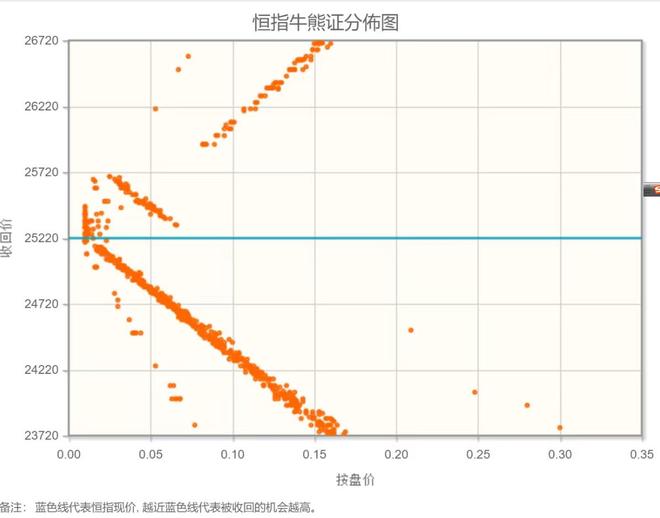
Group 1: Market Overview - Global stock markets experienced a downward trend last week, with the Hang Seng Index falling below its six-month support level [1] - The relationship between China and Japan is a significant variable for the market, with potential economic uncertainties arising from diplomatic tensions [1] - Positive developments include a dovish speech from a key Federal Reserve official, raising expectations for a rate cut in December [1] Group 2: AI and Technology Developments - Ant Group's AI assistant "Lingguang" quickly rose to the top of the iOS free tools chart, indicating strong market interest in AI applications [2] - NVIDIA is considering exporting advanced H200 chips to China, which could benefit related computing stocks [1] Group 3: Company Performance - Innovent Biologics reported a total revenue of 5.953 billion yuan for the first half of 2025, a year-on-year increase of over 50%, and achieved a net profit of 1.213 billion yuan [3] - Innovent's core product, Tyvyt (sintilimab), showed steady growth, while its dual-target weight loss drug, Ma Shidu, is a key driver of revenue growth [3][4] Group 4: Industry Insights - The number of breeding sows in China has fallen below 40 million, with a 1% month-on-month decrease in October, indicating ongoing challenges in the livestock sector [5] - The current cycle of pig prices has reached a new low, with some regions seeing prices drop below 10 yuan per kilogram, leading to deepening industry losses [6] - The market anticipates a prolonged period of industry losses, with expectations of 16 months of low profitability in the pig farming sector [6] Group 5: Stock Market Data - The Hang Seng Index is positioned at 25,220 points, with a potential for rebound as the market shows bullish sentiment [7] - The total number of open contracts for the Hang Seng Index futures is 117,319, with a net open interest of 46,187 contracts [7]

创新药10年冰火淬炼:千亿BD交易背后的繁荣和挑战(上)丨2025·大复盘
Tai Mei Ti A P P· 2025-11-24 00:06
Core Insights - The Chinese innovative pharmaceutical industry is experiencing significant transformation, marked by substantial licensing deals and a shift towards global leadership in quality over quantity [2][3][6] - The total amount of License-out upfront payments has surpassed that of the primary market for the first time, indicating a shift in funding dynamics within the industry [13][31] - Despite the growth, there are underlying challenges such as a lack of clinical development capabilities and the undervaluation of early-stage pipelines, leading to a phenomenon of "selling seedlings at a discount" [16][20][24] Group 1: Industry Growth and Transactions - In 2025, the total amount of License-out transactions in China is expected to exceed that of the U.S. by 3.2 times, reflecting a rapid acceleration in drug approvals and a surge in innovative drug development [3][6] - The total amount of BD transactions in the Chinese pharmaceutical sector has surpassed $100 billion, with a significant increase in both the number of deals and transaction values [8][11] - Major transactions include a $125 billion collaboration between Hengrui Medicine and GSK, a $114 billion partnership between Innovent Biologics and Takeda, and a $61.5 billion deal between 3SBio and Pfizer, positioning these deals among the largest in global innovative drug licensing [9][10] Group 2: Challenges and Market Dynamics - The industry faces a stark divide, with leading companies achieving profitability while smaller biotech firms struggle with funding and development risks, leading to a survival of the fittest scenario [28][31] - The proportion of License-out transactions for late-stage clinical projects has only slightly increased, indicating ongoing challenges in clinical development capabilities [16][20] - The gap in clinical trial design and execution between Chinese companies and multinational corporations (MNCs) remains significant, impacting the ability of domestic firms to retain control over late-stage assets [19][21][24] Group 3: Financial Performance and Market Reactions - Innovative drug companies in China reported a revenue increase of 22.1% year-on-year in the first three quarters of 2025, with a notable reduction in net losses [28][31] - The market is becoming more discerning, focusing on clinical value and commercialization potential rather than short-term trading excitement, leading to a more cautious approach to BD transactions [32][33] - The capital market's response to BD transactions has been mixed, with significant deals not necessarily translating into sustained stock price increases, highlighting the need for long-term value realization [32][33]