HAIDILAO(06862)

Search documents
海底捞多款儿童套餐标注部分预加工?客服回应
第一财经· 2025-09-17 10:42
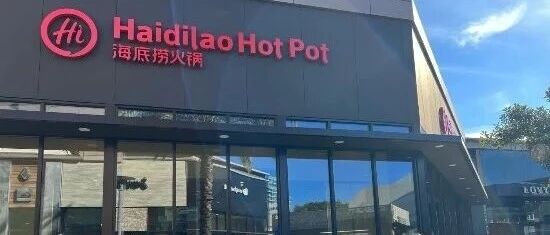
Core Viewpoint - The article discusses the recent revelation regarding the labeling of certain children's meal products at Haidilao restaurants, indicating that some items are "partially pre-processed" [2][4]. Group 1: Company Response - Haidilao's customer service confirmed that the menu does indicate which products are partially pre-processed, and this labeling is consistent across their locations [4]. - A representative from a Wuhan Haidilao location explained that the partially pre-processed items are produced by a central kitchen and then delivered to the restaurant for final preparation, ensuring safety and quality consistency [4]. Group 2: Product Offerings - Currently, Haidilao offers three types of children's meal sets, with two of them marked as partially pre-processed on the menu [4]. - For customers seeking options suitable for infants on a no-salt diet, the staff recommended fresh ingredients available at the restaurant, such as sliced beef, corn, and spinach [4].


“再平衡”信号:谁是下一个魏家?
Sou Hu Cai Jing· 2025-09-17 10:12
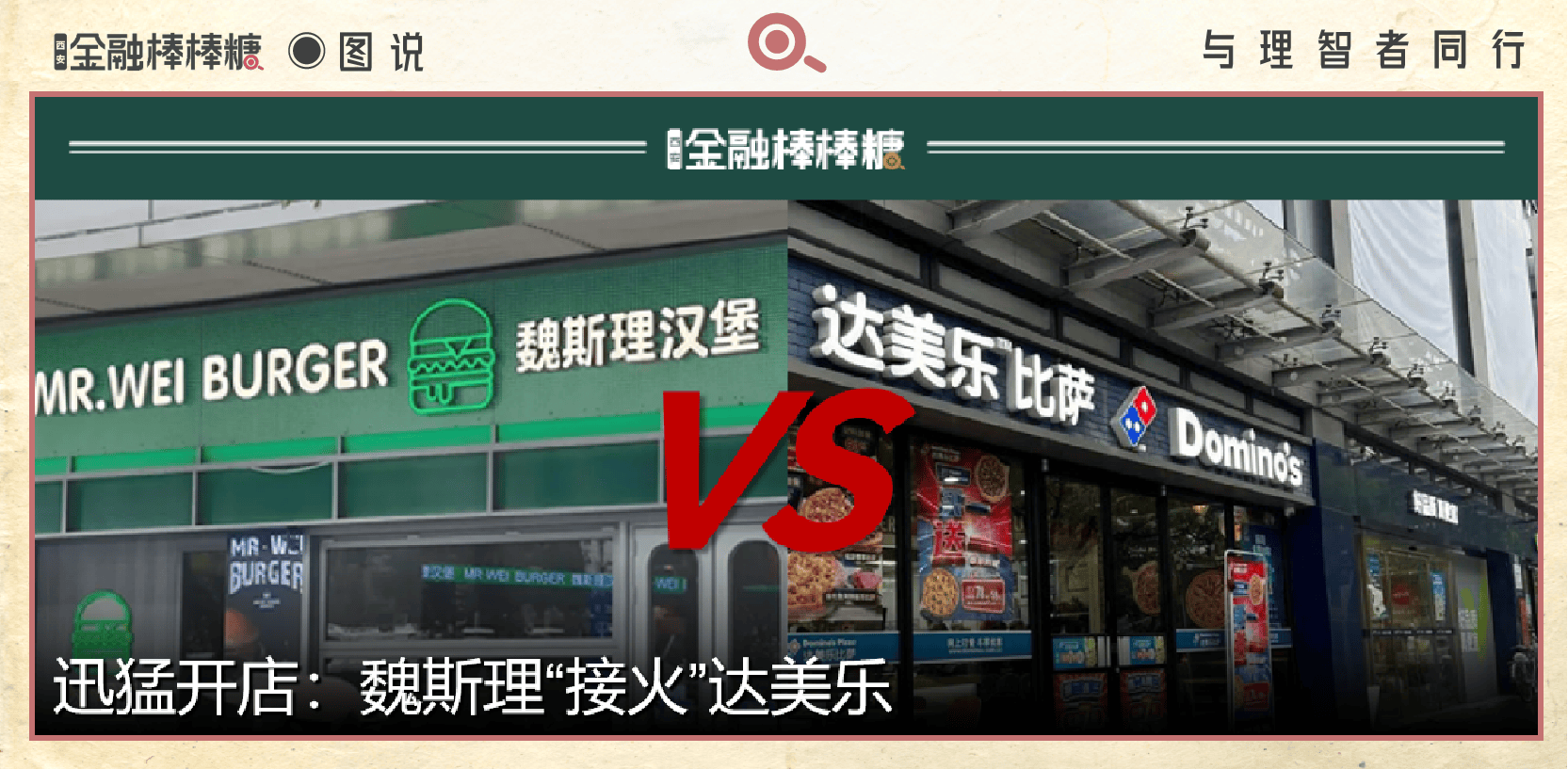
Core Viewpoint - The exit of Wei Family Restaurant Group from the Ele.me platform signals a significant shift in the platform economy, as it emphasizes a focus on physical store expansion while other major players like Haidilao and Xiaocaiyuan continue to invest in delivery services [1][7]. Company Summary - Wei Family has confirmed its withdrawal from the Ele.me platform, stating that it may return in the future but has not set a specific timeline [1]. - The company is experiencing high customer traffic, with occupancy rates around 70% in various locations, indicating strong demand for its offerings [3]. - Wei Family's pricing strategy remains competitive, with menu items priced affordably even in high-cost cities like Shanghai, where the average rent is significantly higher than in other cities [5]. - The company has successfully opened new locations in major cities, with initial customer responses showing long wait times and high demand [6]. Industry Summary - The overall restaurant industry is facing challenges, with several listed companies reporting losses or declining revenues. For instance, three out of twelve companies reported losses in the first half of the year [7]. - Companies like Haidilao and Xiaocaiyuan are increasingly relying on delivery services, with Haidilao's delivery revenue growing nearly 60% in the first half of the year [11]. - The competitive landscape is intensifying, with large restaurant chains leveraging their bargaining power to minimize delivery platform fees, thus maintaining profitability [14]. - The shift towards online delivery services is becoming a critical growth avenue for both struggling and profitable companies, contrasting with the challenges faced by smaller restaurants [10][23].
海底捞都入局,小火锅凭啥火
2 1 Shi Ji Jing Ji Bao Dao· 2025-09-17 07:54
Core Insights - The self-service hot pot industry is experiencing significant growth, with major players like Haidilao and Yang Guofu entering the market with offerings priced at 59.9 yuan, which, despite being higher than the previous average of 20-30 yuan, has successfully captured a substantial market share [1][2] - The overall hot pot market is projected to grow at a rate of only 5.6% in 2024, with per capita consumption dropping to around 70 yuan, while over 300,000 hot pot restaurants have closed in the past year [1] - The number of small hot pot outlets has exceeded 50,000 nationwide, accounting for over 10% of the entire hot pot market, indicating a strong performance in a challenging environment [1] Market Dynamics - The average spending at large hot pot restaurants has surged to 150 yuan, positioning small hot pots as a cost-effective alternative, with prices as low as 9.9 yuan for broth and ingredients [1] - The social dynamics of dining are shifting, with large hot pots requiring group participation and cost-sharing, while small hot pots cater to individual preferences, allowing for solitary or light social dining experiences [1][2] Entrepreneurial Opportunities - The low entry barrier for small hot pot establishments has made it an attractive option for young entrepreneurs, as it does not require professional chefs and can be set up with basic equipment and a selection of ingredients [2]
现炒美味,藏在那些不做外卖的餐厅?
Hu Xiu· 2025-09-17 01:09
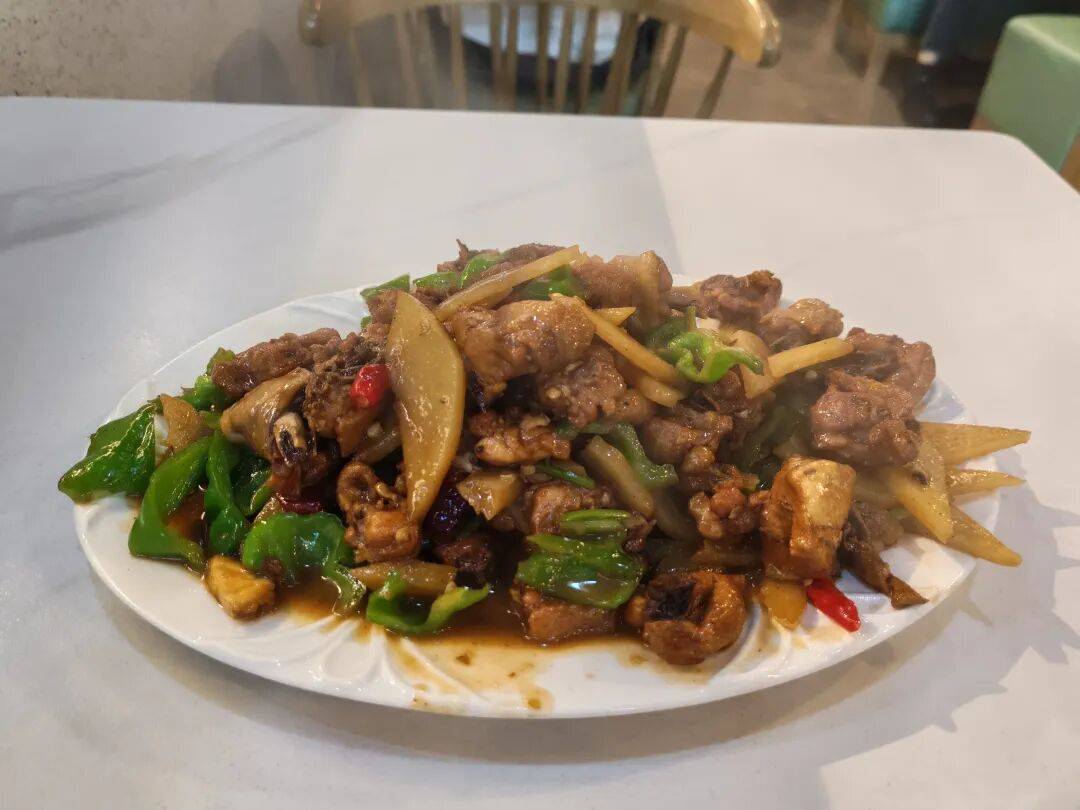
Core Viewpoint - The article discusses the evolving landscape of the restaurant industry in China, particularly focusing on the shift from dine-in only to incorporating delivery services, highlighting the reasons behind this trend and the varying approaches among different types of restaurants [5][6][29]. Group 1: Shift to Delivery Services - Many restaurants that previously only offered dine-in services are now adopting delivery options to supplement their revenue streams, especially in light of changing consumer behaviors post-pandemic [5][9]. - A notable example is Haidilao, which expanded its delivery offerings to include single-serving meals, resulting in a significant increase in its delivery revenue, which grew by 59.72% while dine-in revenue declined by 6.89% [8][9]. - Statistics show that 80.65% of restaurants in a specific area have adopted delivery services, with even high-end restaurants increasingly participating in this trend [10][11]. Group 2: High-End Restaurants and Delivery - High-end restaurants are also entering the delivery market, with 7.87% of the "Black Pearl" restaurants offering delivery services, indicating a shift in consumer expectations for quality dining options at home [11][14]. - The article notes that the penetration rate of delivery services is higher among higher-rated restaurants, with 40% of three-diamond restaurants offering delivery compared to lower rates for two and one-diamond restaurants [13][20]. - Examples include high-end restaurants like Da Dong, which have tailored their delivery menus to include single-serving meals while maintaining a focus on quality [14][15]. Group 3: Reasons for Not Offering Delivery - Some restaurants, particularly those with a strong local customer base, choose not to offer delivery due to stable dine-in business and concerns over maintaining food quality during delivery [25][28]. - The article identifies three main categories of restaurants that do not offer delivery: the highest-priced establishments, casual dining spots with low margins, and those whose menu items are not suitable for delivery [18][25][29]. - The decision to forgo delivery is often based on the belief that it is unnecessary due to sufficient dine-in demand or the inability to maintain profitability through delivery channels [29][30][33]. Group 4: Market Dynamics and Future Outlook - The article suggests that as competition intensifies, restaurants with strong value propositions may continue to thrive without delivery services, while others may adapt to meet online demand [36][37]. - The evolving market presents opportunities for platforms to help consumers discover quality dining options, particularly in the mid to high-end segments where delivery penetration remains low [39][40].
海底捞低调收购人均60的平价小火锅“举高高”,优化“红石榴计划”,要顺应消费者追求极致性价比
3 6 Ke· 2025-09-16 01:13
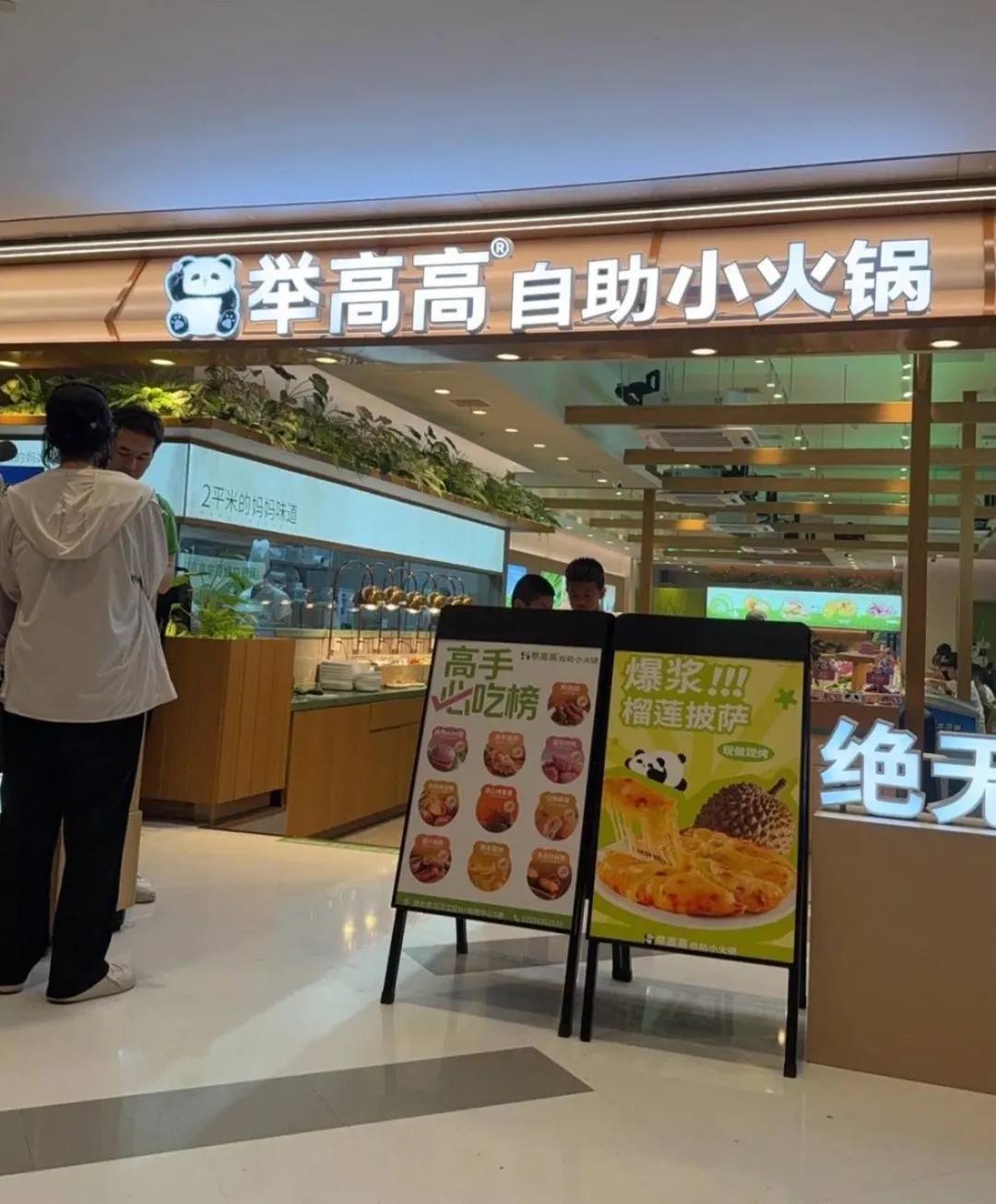
Core Insights - Haidilao, with an annual revenue exceeding 42.7 billion, has launched a new budget hotpot brand called "Jugaogao," which was acquired from former employees [1][4] - The introduction of "Jugaogao" aligns with the trend of consumers seeking high cost-performance in dining, indicating a strategic shift in Haidilao's approach to brand expansion [1][4] - The "Red Pomegranate Plan," aimed at fostering entrepreneurship within and outside the company, has been optimized to include acquisitions as a means to expand the brand matrix [1][4] Company Strategy - The new brand "Jugaogao" offers a self-service hotpot experience at an average cost of approximately 60 yuan per person, significantly lower than Haidilao's nearly 100 yuan pricing [4][10] - "Jugaogao" features a unique dining setup with individual pots and a wide variety of food options, including pizza and fried chicken, differentiating it from Haidilao's traditional large-table format [4][10] - The acquisition of "Jugaogao" is seen as a response to consumer demand for better value, with the brand reportedly showing stable revenue and good profit margins [4][12] Market Context - The overall dining market in China is experiencing a decline in per capita spending, with the average dropping from 86.7 yuan in 2022 to 77.4 yuan in 2024 for hotpot [12] - Haidilao's other brands generated 597 million yuan in revenue in the first half of the year, accounting for only 2.9% of total revenue, indicating that new brands have yet to significantly impact overall performance [10][12] - The competitive landscape is intensifying, with consumers increasingly favoring brands that offer high cost-performance, which poses challenges for Haidilao's traditional dining model [12][13] Acquisition Insights - The acquisition of "Jugaogao" marks Haidilao's return to a strategy of diversification through mergers and acquisitions after several years of focusing on internal brand development [9][12] - The operational integration of acquired brands presents challenges, including team management and resource allocation, which will be critical for maximizing the success of the acquisition [12][13] - Industry experts suggest that acquiring established brands can provide quicker market entry and validation compared to internal incubation, which often involves higher costs and longer timelines [12]
社会服务行业双周报(第114期):预制菜国标草案通过审查,港股高教板块行情强势-20250915
Guoxin Securities· 2025-09-15 11:53
Investment Rating - The report maintains an "Outperform the Market" rating for the social services sector [4][27]. Core Views - The pre-prepared food national standard draft has passed review, marking a significant regulatory shift in the industry, which is expected to enhance competitive advantages for companies with robust supply chains and quality management systems [3][17]. - The consumer services sector outperformed the market during the reporting period, with a 0.69% increase, surpassing the Shanghai and Shenzhen 300 Index's 0.56% rise by 0.13 percentage points [2][13]. Summary by Sections Market Performance - The consumer services sector saw notable stock performances, with top gainers including Yuhua Education (up 43.14%), New Higher Education Group (up 23.85%), and Zhongjiao Holdings (up 22.81%) [2][15][16]. - Conversely, stocks like Dongfang Zhenxuan and Naixue's Tea experienced significant declines, with losses of -16.65% and -16.33% respectively [2][15][16]. Industry and Company Dynamics - The introduction of the pre-prepared food safety national standard is expected to standardize the industry and increase entry barriers, benefiting compliant companies [3][17]. - High-frequency updates from Gaode Map's "Street Ranking" feature indicate a strong consumer engagement, with over 40 million users on the first day [3][18]. - Haier's launch of its Robotaxi strategy and the HR1 model aims for large-scale autonomous driving operations within two years, indicating a shift towards advanced mobility solutions [3][19]. - The rapid expansion of Lucky Coffee, surpassing 8,000 stores, reflects strong market penetration and sales performance, with average monthly sales per store reaching 500,000 CNY [3][22]. Investment Recommendations - The report suggests focusing on companies such as Atour, Ctrip Group-S, Xiaocaiyuan, BOSS Zhipin, and others, indicating a favorable outlook for these stocks in the current economic environment [4][27]. - Mid-term recommendations include China Duty Free, Meituan-W, and others, highlighting a diverse range of investment opportunities within the sector [4][27]. Stock Ownership Changes - Notable changes in stock ownership during the reporting period include an increase in holdings for key companies like Haidilao (up 1.49% to 24.48%) and Mijia Group (up 2.53% to 14.36%) [3][26].
罗永浩“手撕”华与华:其营销建议“纯属扯淡”,客户包括蜜雪冰城、海底捞等!以后别的企业再用华与华
Sou Hu Cai Jing· 2025-09-15 03:09
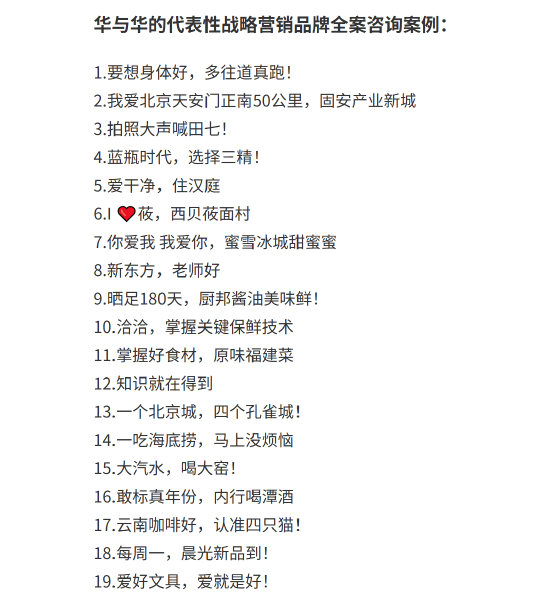
Group 1 - The core viewpoint of the article is that Luo Yonghao criticized the marketing consulting firm Hua Yu Hua for its ineffective strategies in helping the restaurant chain Xibei, suggesting that their advice could lead to doubts about the intelligence of the brands they work with [1][3] - Luo Yonghao's comments were made during a live broadcast, where he directly named Hua Yu Hua and questioned their credibility as a marketing consultant [1] - Hua Yu Hua was founded in 2002 by brothers Hua Shan and Hua Nan, and has worked with various clients across the food and beverage industry, including well-known brands like Haidilao and Alibaba [1][3] Group 2 - Hua Yu Hua claims to provide only comprehensive marketing consulting services for clients and does not engage in project-based services [3] - The firm does not participate in bidding or competitive proposals and prefers clients to fully understand their services before entering into a partnership [3]
中信里昂:有信心海底捞维持95%派息比率 评级“跑赢大市”
Zhi Tong Cai Jing· 2025-09-15 02:56
Core Viewpoint - Citic Lyon has issued a report rating Haidilao (06862) as "outperform," highlighting the company's focus on improving table turnover rates and renovating existing stores to incorporate local characteristics, which deviates from the conventional standardization approach of chain restaurants [1] Group 1 - The company is prioritizing the enhancement of table turnover rates [1] - Renovations of existing Haidilao outlets are being undertaken to integrate local features [1] - The approach taken by the company is considered bold as it goes against the typical practices of chain restaurants [1] Group 2 - Citic Lyon believes that Haidilao's supply chain capabilities are sufficient to ensure the success of these changes [1] - The firm requires more progress to gain confidence in non-Haidilao brands [1] - There is confidence that the company will maintain a 95% dividend payout ratio [1]
中信里昂:有信心海底捞(06862)维持95%派息比率 评级“跑赢大市”
智通财经网· 2025-09-15 02:51
Core Viewpoint - Citic Securities has given Haidilao (06862) an "outperform" rating, highlighting the company's focus on improving table turnover rates and renovating existing stores to incorporate local characteristics, which deviates from the standardization practices typical in chain restaurants [1] Group 1 - The company is prioritizing the enhancement of table turnover rates [1] - Haidilao is undertaking renovations of its existing stores to reflect local characteristics [1] - This approach is considered bold as it goes against the conventional practices of chain restaurants that emphasize standardization [1] Group 2 - Citic Securities believes that Haidilao's supply chain capabilities are sufficient to ensure the success of these changes [1] - The firm requires more progress to gain confidence in non-Haidilao brands [1] - There is confidence that the company will maintain a 95% dividend payout ratio [1]
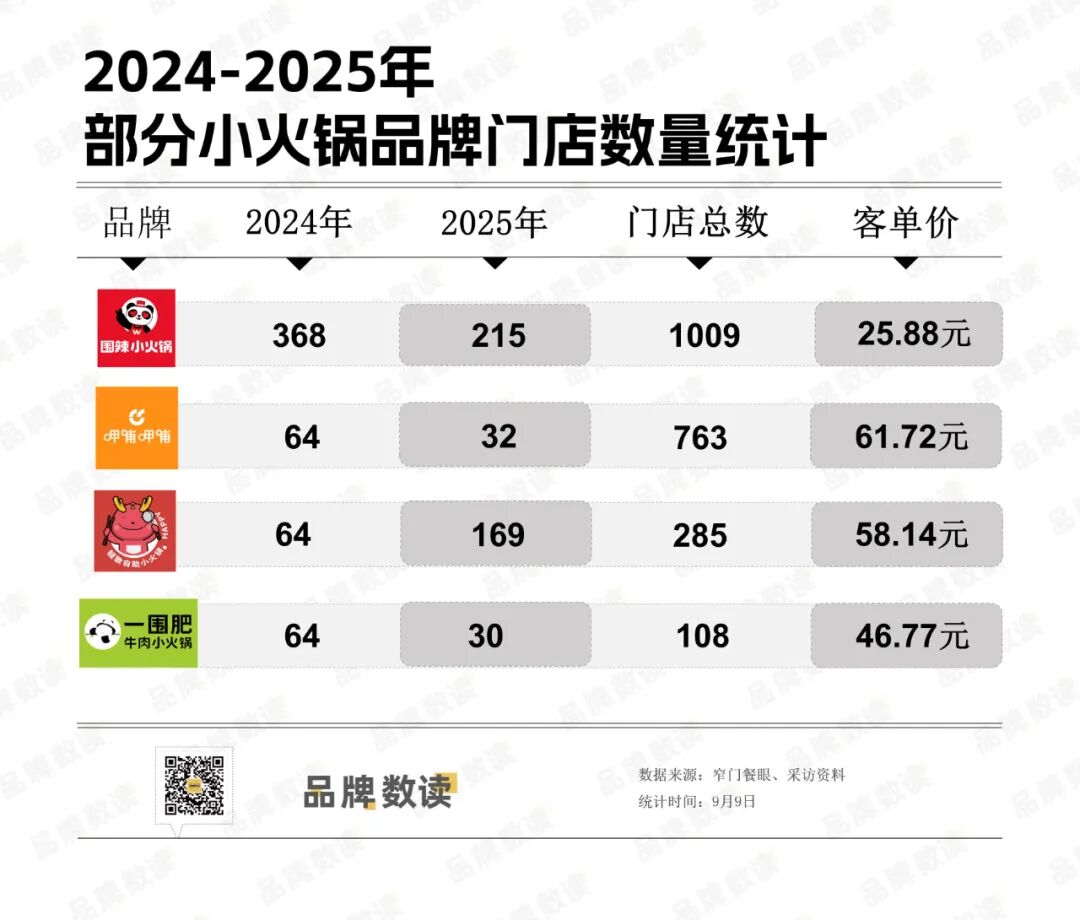
呷哺呷哺“失速”之后,谁在围猎百亿小火锅市场?
3 6 Ke· 2025-09-15 02:16
Group 1 - The small hot pot market is experiencing a resurgence, with Haidilao's sub-brand "Jugaogao" achieving a record of "thousand tables per day" in Wuhan and planning to open over 30 new stores [1][2] - The market size of China's small hot pot is expected to approach 65 billion yuan by 2025, with a 3.26% year-on-year increase in the number of related enterprises, reaching 22,200 as of September 8 this year [1][2] - Major brands are accelerating their market presence, with Haidilao's "Jugaogao" utilizing a self-service model and a competitive price point of 59.9 yuan per person, leveraging its mature supply chain for cost advantages [1][2] Group 2 - Yang Guofu, primarily known for its spicy hot pot, has also entered the market with a similar self-service model and pricing strategy, differentiating itself by incorporating seafood into its offerings [2][4] - The entry of large chain brands into the small hot pot sector is seen as a structural adjustment rather than a market-wide increase, with emerging brands like Weilai and Longge also expanding rapidly [2][4] - The competition is shifting towards high-end shopping centers, with brands like Weilai focusing on high-line cities, while traditional players like Xiaobai Xiaobai are facing challenges in maintaining their market share [6][8] Group 3 - The small hot pot industry is facing structural challenges, particularly in balancing quality and price, as evidenced by Xiaobai Xiaobai's declining performance attributed to consumer downgrade trends [9][10] - Concerns about quality degradation due to price competition are prevalent, with industry experts emphasizing the importance of establishing reliable quality control systems [9][10] - The competition is intensifying, with brands needing to differentiate themselves while managing supply chain capabilities to maintain quality at lower costs [10]