BABA(09988)

Search documents
中银国际:市场专家料阿里巴巴-W今年云收入增长超过33%
Zhi Tong Cai Jing· 2026-02-05 08:27
Group 1 - The core viewpoint of the report is that the domestic cloud computing market in China is expected to grow significantly by 20-30% to reach a scale of 450-500 billion RMB by 2026, with AI cloud contributing the largest incremental growth [1] - The AI cloud market is projected to double in size by 2026, reaching approximately 100 billion RMB [1] - Alibaba is anticipated to capture 80% of the incremental growth in the AI cloud market due to its comprehensive AI capabilities and existing customer base [1] Group 2 - Alibaba's cloud revenue for the calendar year 2026 is expected to exceed a year-on-year growth of 33%, reaching around 200 billion RMB [1] - The growth rate of external and overseas cloud revenue is expected to surpass that of internal and domestic cloud revenue [1] - The long-term profit margin for cloud business is projected to improve due to the increasing share of high-priced AI cloud services, particularly AIPaaS, and fragmented sales [1] Group 3 - For capital expenditure, Alibaba is estimated to invest between 160-180 billion RMB in 2026, with 70% of the budget allocated for the procurement of AI servers, including AI chips [1]

中银国际:市场专家料阿里巴巴-W(09988)今年云收入增长超过33%
智通财经网· 2026-02-05 08:27
Group 1 - The core viewpoint of the article is that the Chinese cloud computing market is expected to grow significantly by 2026, with a focus on AI integration and Alibaba's market position [1] - Experts predict that the domestic cloud computing market size will reach between 450 billion to 500 billion RMB by 2026, with an annual growth rate of 20-30% [1] - The AI cloud segment is expected to double in size by 2026, reaching approximately 100 billion RMB, contributing the most to the overall market growth [1] Group 2 - Alibaba is anticipated to capture 80% of the AI cloud market increment due to its comprehensive AI capabilities and existing customer base [1] - The forecasted cloud revenue for Alibaba in 2026 is expected to exceed 200 billion RMB, reflecting a year-on-year growth of over 33% [1] - External and overseas cloud revenue growth is projected to outpace that of internal and domestic cloud revenue [1] Group 3 - Long-term profit margins for cloud services are expected to improve due to the rising proportion of high-priced AI cloud services, particularly AIPaaS [1] - Alibaba's capital expenditure for 2026 is estimated to be between 160 billion to 180 billion RMB, with 70% of the budget allocated for the procurement of AI servers, including AI chips [1]
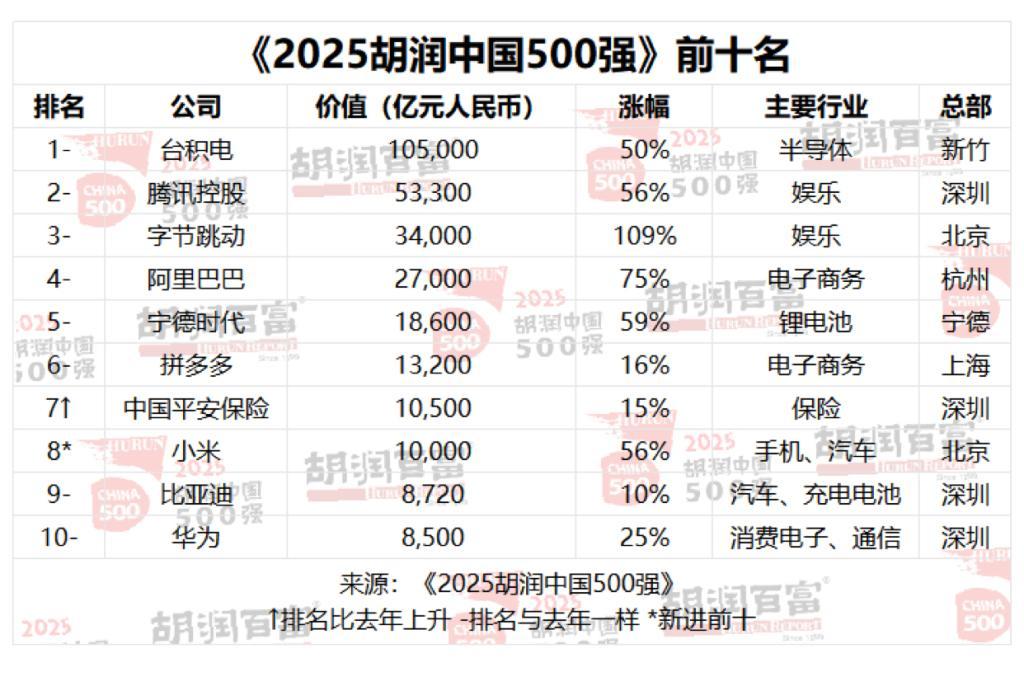
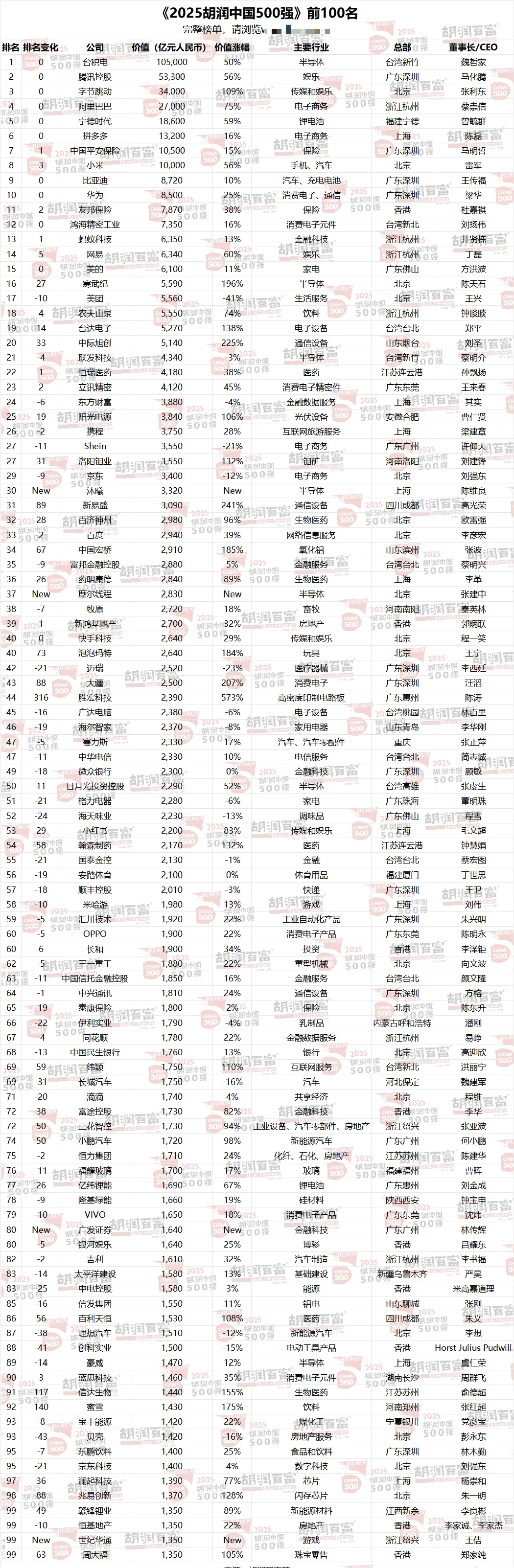
2025胡润中国500强榜单发布,小米超越华为排第八
Qi Lu Wan Bao· 2026-02-05 08:22
Core Insights - The "2025 Hurun China 500" list ranks the top 500 non-state-owned enterprises in China based on their value, with TSMC, Tencent, and ByteDance leading the rankings [1][2] Group 1: Company Rankings - TSMC retains its position as the highest-valued private enterprise in China, with a value of 10.5 trillion RMB, an increase of 3.5 trillion RMB [1][2] - Tencent follows in second place with a value of 5.3 trillion RMB, up by 1.9 trillion RMB [1][2] - ByteDance ranks third with a value of 3.4 trillion RMB, increasing by 1.8 trillion RMB [1][2] Group 2: Overall Market Trends - The threshold for entering the top 500 increased by 7.5 billion RMB to 34 billion RMB, reflecting a growth rate of 28% [2] - The total value of the top 500 companies grew by 21 trillion RMB, a 38% increase, reaching a total of 77 trillion RMB [2] - Among the 500 companies, 386 saw an increase in value, including 95 new entrants, while 102 experienced a decline [2] Group 3: Industry Distribution - 75% of the companies provide physical products, while 25% offer software or services [2] - The semiconductor, media and entertainment, industrial products, and consumer goods sectors account for half of the total value of the Hurun China 500 [2] Group 4: Geographic Distribution - Beijing, Shanghai, and Shenzhen are the top three cities with the most companies in the Hurun China 500, with 59, 57, and 49 companies respectively [5][6] - The Yangtze River Delta region has 161 companies in the list, making up 32% of the total, while the Guangdong-Hong Kong-Macau Greater Bay Area has 108 companies, accounting for 22% [7]





大厂AI的春节焦虑:除了撒钱,别无新招?
3 6 Ke· 2026-02-05 08:21
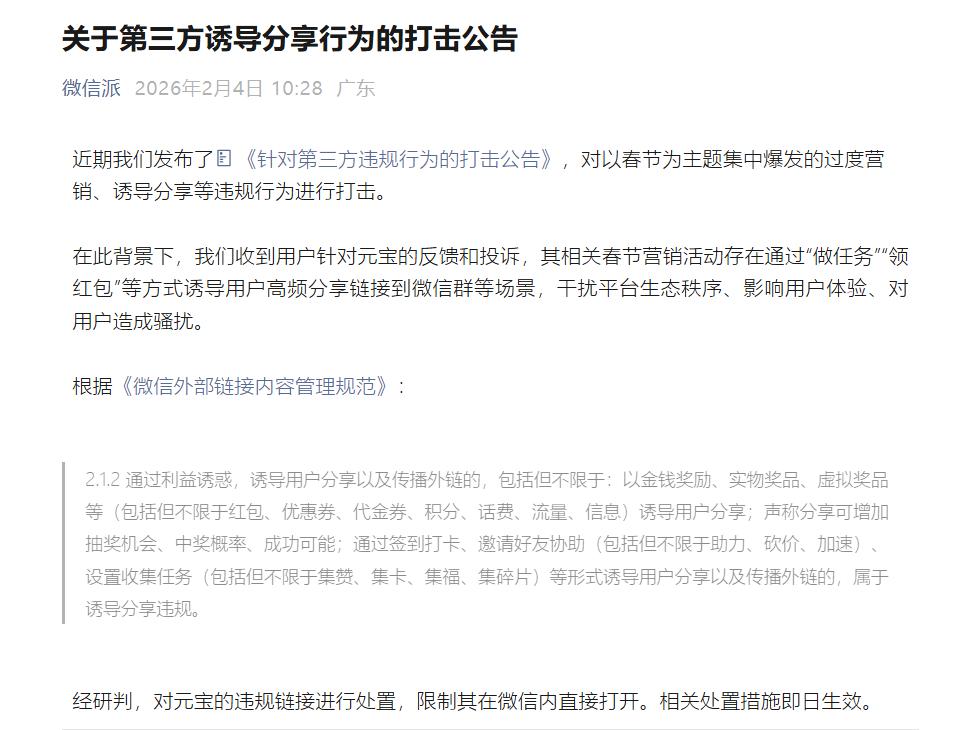
Core Insights - Major tech companies are leveraging traditional methods to alleviate current anxieties during the Spring Festival, with Tencent's cash red envelope initiative being a prominent example [1][6][30] Group 1: Tencent's Red Envelope Strategy - Tencent launched a 1 billion yuan cash red envelope activity through its "Yuanbao" platform, resulting in a rapid increase in daily active users (DAU) and achieving the top spot on the App Store's free chart in China [2][11] - The internal response from Tencent's CEO, Ma Huateng, indicated a desire to replicate the success of the WeChat red envelope phenomenon from 11 years ago [3][6] - The red envelope sharing mechanism was modified to a "password red envelope" format due to system restrictions on sharing links that contained inducements [5][29] Group 2: Competitive Landscape - Other major players like Baidu and Alibaba also launched their own red envelope campaigns for AI applications, each with different strategies and engagement methods [7][16] - Tencent's approach focused on immediate downloads and DAU, while Baidu aimed for prolonged user engagement through multiple interaction scenarios [17][19] - Alibaba's strategy was more conservative, emphasizing ecosystem presence rather than aggressive user acquisition [16][19] Group 3: Industry Implications - The collective use of red envelopes by multiple companies indicates a lack of innovative solutions in the industry, as all major firms resort to similar tactics to capture user attention [30][31] - The reliance on cash incentives highlights a broader issue within the AI sector, where despite technological advancements, a stable and frequent usage rationale for users remains elusive [33][34] - The emergence of restrictions on red envelope sharing by platforms like WeChat suggests a need for managing the external effects of such promotional strategies [27][29]

小米首进中国500强前十,台积电腾讯稳居前二
Bei Ke Cai Jing· 2026-02-05 07:49
Core Insights - Xiaomi has entered the top ten of the "2025 Hurun China 500" list for the first time, ranking eighth with a valuation of 1 trillion RMB, reflecting a growth of 357 billion RMB [1] Group 1: Company Rankings - TSMC retains its position as the highest-valued private enterprise in China with a valuation of 10.5 trillion RMB, an increase of 3.5 trillion RMB [1] - Tencent ranks second with a valuation of 5.3 trillion RMB, growing by 1.9 trillion RMB [1] - ByteDance holds the third position with a valuation of 3.4 trillion RMB, increasing by 1.8 trillion RMB [1] - Alibaba is fourth with a valuation of 2.7 trillion RMB, reflecting a growth of 75% [1] - Xiaomi's valuation growth of 56% places it eighth among the top ten companies [1] Group 2: Industry Insights - The top ten companies are primarily from the semiconductor, entertainment, e-commerce, and battery industries, indicating a diverse range of sectors driving growth in the Chinese market [1] - The significant valuation increases across these companies suggest a robust recovery and expansion within the Chinese economy [1]

《2025胡润中国500强》发布,小米、比亚迪、华为进入前十
Jin Rong Jie· 2026-02-05 07:07
Core Insights - TSMC retains the top position in the "2025 Hurun China 500" list with a value of 10.5 trillion RMB, marking a 50% increase [1][4] - Tencent, ByteDance, Alibaba, and CATL follow in the rankings with values of 5.33 trillion, 3.4 trillion, 2.7 trillion, and 1.86 trillion RMB respectively [1][4] - The total value of the top 500 companies reached 77 trillion RMB, an increase of 21 trillion RMB, representing a growth rate of 38% [4] Company Rankings - TSMC: 10.5 trillion RMB, 50% increase [1][4] - Tencent: 5.33 trillion RMB, 56% increase [2][4] - ByteDance: 3.4 trillion RMB, 109% decrease [2][4] - Alibaba: 2.7 trillion RMB, 75% increase [2][4] - CATL: 1.86 trillion RMB, 59% increase [2][4] - Xiaomi: 1 trillion RMB, 3-position rise [1][4] - BYD: 872 billion RMB, 10% increase [1][4] - Huawei: 850 billion RMB, 25% increase [1][4] Industry Insights - The semiconductor industry, represented by companies like TSMC, has shown the most significant growth [4] - Major cities such as Beijing, Shanghai, and Shenzhen host the highest number of companies in the top 500, with 59, 57, and 49 companies respectively [4] - The combined presence of these six cities accounts for 50% of the total companies in the Hurun China 500 list [4]

资金逆势加仓!恒生科技ETF南方(520570)近20日资金净流入5.19亿元,机构认为港股科技板块仍是中长期投资主线
Ge Long Hui· 2026-02-05 06:37
Group 1 - The core viewpoint of the news is that the Hong Kong stock market, particularly the Hang Seng Technology ETF, is experiencing significant capital inflow despite market adjustments, indicating strong investor interest in technology stocks [1] - As of February 4, the Hang Seng Technology Index saw a net inflow of 28.84 billion yuan, leading the stock ETF market, with the ETF tracking this index having an annual share increase of 244.97 million shares [1] - The Hang Seng Technology ETF (Southern, 520570) received a net inflow of 78.75 million yuan yesterday and a total of 519 million yuan over the past 20 days, reflecting robust trading activity [1] Group 2 - The Hang Seng Technology Index covers key sectors of the Chinese technology industry, including internet platforms, AI and computing, semiconductors, new energy vehicles, smart hardware, and biomedicine, featuring major companies like Tencent, Alibaba, and JD [1] - The current price-to-earnings ratio (PE-TTM) of the Hang Seng Technology Index is 22.38 times, which is at the 25.69% historical percentile since the index's inception, indicating a relatively low historical valuation [1] - According to Galaxy Securities, the technology sector in the Hong Kong stock market remains a long-term investment focus, with expectations of upward movement due to multiple favorable factors such as price increases in the supply chain, domestic substitution, and accelerated AI applications [2]


里昂:料2026年中美AI竞赛升级 首选腾讯控股等
Zhi Tong Cai Jing· 2026-02-05 06:35
Core Viewpoint - The report from Citi indicates that the Chinese internet industry is expected to perform strongly by 2025, driven by AI trends led by DeepSeek, with growth anticipated to continue into 2026, particularly in the competitive landscape of AI and generative video applications [1] Industry Summary - The competition between China and the United States in AI models, applications, cloud services, and autonomous driving (Robotaxi) is expected to intensify [1] - Despite geopolitical challenges, the Chinese gaming and e-commerce sectors are experiencing rapid growth in overseas markets, although there is a cautious outlook for the domestic e-commerce sector [1] Investment Strategy - Citi favors sectors such as AI, gaming, and health, predicting a year-on-year revenue growth of 12% and an adjusted EBIT growth of 29% for the industry [1] - The report suggests that China is likely to lead in the global application of AI [1] Valuation Insights - The report highlights that the current forecasted adjusted P/E ratio for the sector in 2026 is 16.1 times (13.7 times for 2027), which represents a discount of approximately 40% compared to U.S. peers, indicating attractive valuation [1] Preferred Stocks - Citi lists six preferred stocks for 2026, including Tencent Holdings (00700), Xiaomi Group-W (01810), Alibaba-W (09988), NetEase-S (09899), Kuaishou-W (01024), and JD Health (09618) [1] - The report specifically notes optimism regarding Alibaba's cloud business, Tencent's AI applications, and Xiaomi's consumer-grade AI devices [1]
千问APP落地酒店客房,“碰一碰”开启AI旅行助手新体验
Huan Qiu Wang· 2026-02-05 06:33
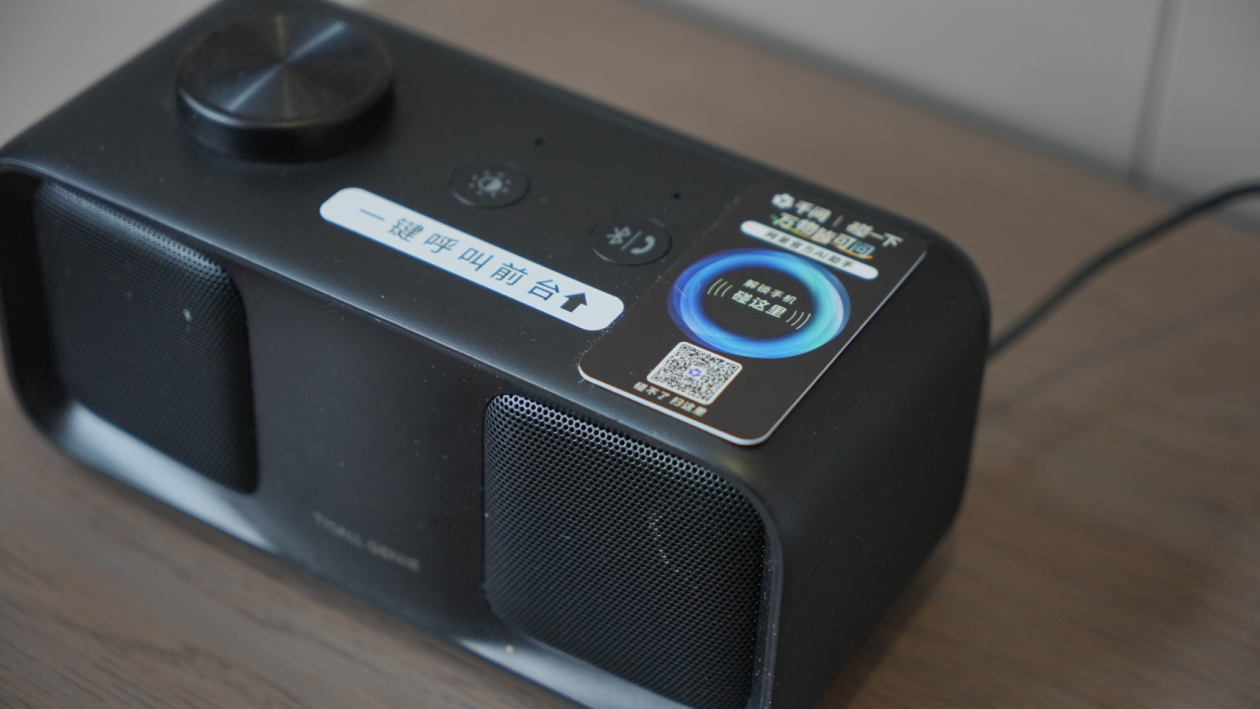
Core Insights - Alibaba's Qianwen APP has been deployed in hotel settings, utilizing NFC technology for a "tap-to-use" feature that provides personalized content based on location, including sightseeing guides, local dining options, and transportation routes [1][2] - The initial rollout targets popular tourist cities such as Hangzhou, Guangzhou, and Kunming, with plans to cover over 10,000 hotel rooms before the Spring Festival [1][2] Group 1 - The "tap-to-use" feature allows users to activate the Qianwen APP by tapping their phone on a sticker, enabling immediate access to personalized recommendations and discounts [1] - Users can ask voice questions like "What are some reputable local restaurants?" or "What are the must-visit attractions nearby?" and receive visually rich recommendations based on real data from platforms like Amap and Fliggy [1][2] Group 2 - The Qianwen APP can design customized travel itineraries based on user preferences and budget, facilitating a seamless transition from planning to execution by linking to Amap for route navigation, Fliggy for ticket bookings, and Taobao for local food purchases [2] - Additional features include AI-guided sightseeing explanations, the ability to remove bystanders from photos, and one-click generation of social media posts, enhancing the overall travel experience [2]
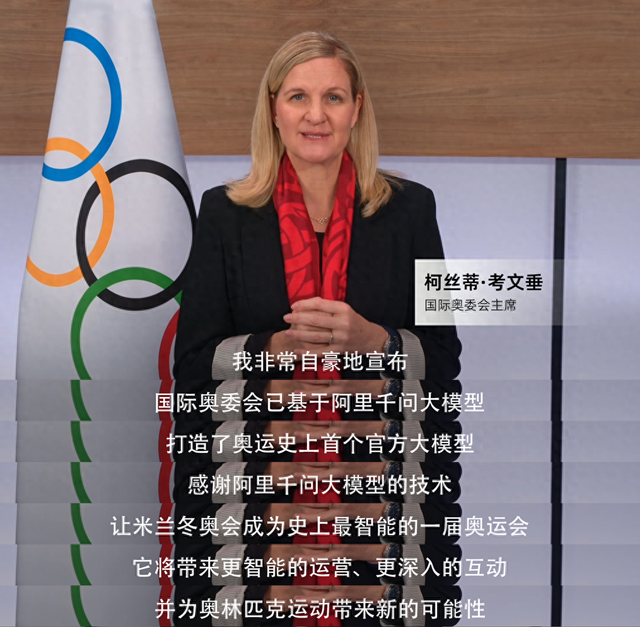
国际奥委会官宣:阿里千问成为史上首个奥运官方大模型
Bei Jing Ri Bao Ke Hu Duan· 2026-02-05 06:07
"过去,我们通过卫星连接世界。今天,我们通过阿里巴巴的云和AI技术连接世界。" 2月5日,2026米兰冬奥会开幕前夕。在米兰国际转播中心,国际奥委会(IOC)主席柯丝蒂·考文垂面对 全球媒体,说出了这句分量极重的话。随后,她正式宣布了一个注定将被载入奥林匹克史册的决定:国 际奥委会已基于阿里千问大模型打造了奥运史上首个官方大模型。 这一刻,中国AI技术,再次站在了世界舞台的中央。 这意味着,大模型技术首次进入奥运会最核心的业务流。从统筹百万条赛务指令的调度系统,到分发给 全球数十亿观众的转播信号,再到复杂的雪山交通指挥,中国AI将成为支撑这场全球盛会的"核心大 脑"。 考文垂在现场高度评价了这一历史性时刻:"得益于阿里千问的技术支撑,2026米兰冬奥会展现了奥林 匹克运动的智能化未来,将成为史上'最智能'的一届奥运会。" 01 为什么是阿里千问? 国际奥委会将奥运会"大脑"的重任交给中国模型,并非偶然。在过去三年里,以阿里云千问Qwen为代 表的中国开源模型,上演了一场惊心动魄的反超。 面对全球AI技术的激烈竞争,阿里坚持最大力度的全面开源策略,推动千问大模型在性能上一步步实 现了对美国顶级模型的追赶乃至反超 ...