SMIC(688981)

Search documents
芯片涨价潮,来了
半导体行业观察· 2025-11-23 03:37
Core Viewpoint - The storage chip industry is experiencing a significant price surge driven by unprecedented demand from AI applications and a supply reduction, marking a strong recovery in the sector [1][4][15]. Price Surge in Storage Chips - The price of DDR5 chips increased by 102% within a month, while DDR4 saw a rise of over 90% [1][3]. - Samsung's DDR5-5600 (16GB) DRAM price tripled from 69,000 KRW to 208,050 KRW in two months, with contract prices for server memory chips raised by 30% to 60% [3][4]. - NAND spot prices rose approximately 50% over six months, while DRAM spot prices surged by 300%, significantly exceeding the growth seen during the 2016-2018 storage cycle [3][4]. Supply and Demand Dynamics - The core reason for the price increase is the dual impact of surging demand and reduced supply, with major manufacturers reallocating capacity to higher-margin products like HBM and DDR5, resulting in a 25% reduction in traditional storage supply [4][12]. - AI server requirements are driving demand, with DRAM usage in AI servers being about eight times that of traditional servers, and NAND Flash usage three times higher [4][12]. Impact on the Semiconductor Industry - The price increase in storage chips is causing a ripple effect across the semiconductor industry, affecting GPUs, SoCs, and passive components [6][8]. - GPU prices are expected to rise as manufacturers like NVIDIA and AMD prepare to increase graphics card prices due to the rising costs of GDDR memory linked to storage chips [6][7]. - The cost of passive components is also rising, with companies like Fenghua High-Tech announcing price increases of 5% to 30% due to higher raw material costs [8][9]. Market Reactions and Adjustments - Smartphone manufacturers are delaying storage chip purchases due to soaring prices, with some companies reducing RAM specifications to manage costs [10][11]. - The low-end smartphone market may face significant challenges, potentially leading to production bottlenecks and increased losses for entry-level models [11][12]. Long-term Industry Outlook - Morgan Stanley predicts that the storage industry will enter a "super cycle" driven by AI, with global storage revenue expected to reach $200 billion by 2025 and nearly $300 billion by 2027 [15]. - The price surge is expected to create structural differentiation in the market, with high-end chips remaining in tight supply while mid-range chips may face price adjustments by 2026 [15][16].




1300+新材料深度报告下载:含半导体材料/显示材料/新材料能源等
材料汇· 2025-11-22 15:11
Group 1: Investment Opportunities - The article emphasizes the importance of understanding the investment landscape in new materials, particularly in sectors like semiconductors, renewable energy, and advanced manufacturing [4][6][9]. - It highlights various investment strategies based on the maturity stage of companies, from seed rounds to pre-IPO stages, indicating that risk and potential returns vary significantly across these stages [8]. Group 2: Industry Trends - The document outlines key trends in the semiconductor industry, including advancements in materials and technologies such as FinFET and GAA architectures, which are crucial for future developments [13]. - It discusses the growing significance of new energy materials, particularly in lithium batteries and solid-state technologies, as the demand for sustainable energy solutions increases [4][5]. Group 3: Company Profiles - The article lists notable companies in the new materials sector, including ASML, TSMC, and Tesla, which are recognized for their innovation and market leadership [6]. - It mentions the role of companies in driving technological advancements and their contributions to achieving carbon neutrality and lightweight solutions in various industries [6][9].



破局与竞逐:中国高端CMP抛光液产业发展现状及氧化铈技术路径深度解析
材料汇· 2025-11-22 15:11
Core Viewpoint - The article emphasizes the strategic importance of Chemical Mechanical Polishing (CMP) slurries in the semiconductor manufacturing process, highlighting the risks associated with reliance on foreign suppliers and the need for domestic alternatives in China [2][4][19]. Group 1: Market Overview - The global CMP slurry market has surpassed $2 billion, growing at a compound annual growth rate (CAGR) of approximately 8%, yet domestic market share in China for high-end slurries (14nm and below) is less than 10% [4]. - Major players in the global CMP slurry market include Cabot, Versum Materials, Hitachi, Fujimi, and Dow, which collectively hold nearly 80% of the market share, with Cabot alone accounting for about 33% [8][11]. Group 2: Domestic Market Dynamics - By 2025, China's 12-inch wafer production capacity is expected to account for approximately 25% of the global total, leading to a CMP slurry market projected to exceed 6 billion RMB [16]. - Currently, foreign brands dominate the high-end CMP slurry market in China, holding over 90% market share, which poses significant supply chain risks, cost pressures, and service response challenges [17][19]. Group 3: Technological Insights - Cerium oxide-based slurries are crucial for advanced CMP processes, providing a competitive edge in semiconductor manufacturing [14][22]. - The transition from traditional mechanical grinding to chemical etching in cerium oxide slurries enhances material removal efficiency and reduces defect rates, making it essential for high-performance applications [22][23]. Group 4: Future Outlook - To break through in the high-end CMP slurry market, collaboration among material companies, wafer manufacturers, and equipment suppliers is essential, alongside sustained investment and focus on key materials like nanosphere cerium oxide [26][27][28].



科技行业重磅!国家大基金持仓+融资客大幅加仓的滞涨股出炉 仅12只
Zheng Quan Shi Bao Wang· 2025-11-22 05:56
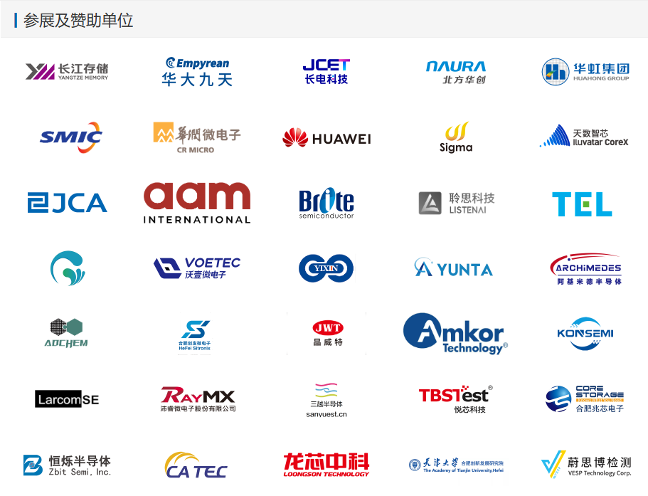
Core Viewpoint - The 22nd China International Semiconductor Expo (IC China 2025) will be held from November 23 to 25, 2025, at the National Convention Center in Beijing, showcasing advancements in the semiconductor industry, particularly in AI chips and advanced manufacturing processes [2][3]. Industry Overview - IC China has been a significant event in the semiconductor industry since 2003, establishing itself as a top-tier industry brand and benchmark [3]. - The expo will focus on the entire integrated circuit industry chain, highlighting the latest technologies, products, and applications, with a theme of "Gathering Strength in Chips, Driving the Future" [4]. Exhibition Details - The expo will feature seven major exhibition areas, including IC design, industry chain, innovative applications, and components, with over 600 exhibitors expected [5]. - Notable companies participating include Yangtze Memory Technologies, Huada Jiutian, and Tongfu Microelectronics, among others [5]. Market Trends - China's semiconductor industry is projected to exceed $180 billion in sales by 2024, with a significant portion of this growth driven by domestic innovation and reduced reliance on imports [6]. - In the first ten months of this year, China's integrated circuit exports reached approximately $161.7 billion, indicating a year-on-year increase of over 23% [6][7]. Growth Projections - The semiconductor industry is expected to experience a dual breakthrough in technology and scale, with a compound annual growth rate (CAGR) of 19.6% in chip design from 2006 to 2025 [13]. - By 2026, the semiconductor industry is anticipated to maintain a CAGR of over 10% [14]. R&D Investments - A-share semiconductor companies are projected to invest over $80 billion in R&D in 2024, with a research intensity exceeding 13% [15]. - The highest growth in revenue from 2021 to 2024 is expected in semiconductor equipment, integrated circuit manufacturing, and discrete devices [15]. Investment Insights - The National Integrated Circuit Industry Investment Fund has significant holdings in 32 companies within the semiconductor industry, with many experiencing substantial increases in financing [17]. - Companies like Shengke Communication and Jiangbolong have seen financing balances increase by over 400% and 350%, respectively, indicating strong investor interest [18]. Stock Performance - Among the 32 companies with National Fund holdings, 12 have seen stock price increases of less than 30% this year, despite significant increases in financing [19]. - Notable companies include Hu Silicon Industry and Tai Ling Microelectronics, with financing balances increasing by over 85% and 187%, respectively [19][20].


流动性担忧叠加科技股波动 亚太股市遭遇“黑色星期五”
Shang Hai Zheng Quan Bao· 2025-11-21 18:43
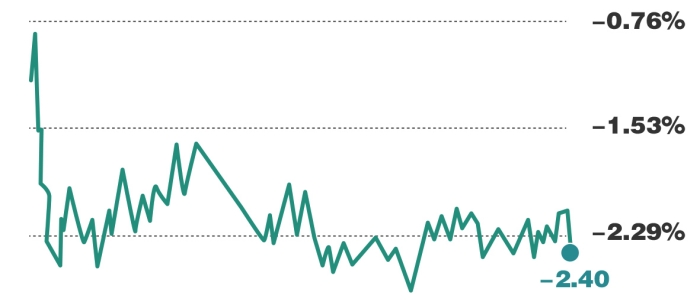
Market Overview - The Asia-Pacific stock market experienced a significant decline on November 21, with the Korean Composite Index dropping by 3.79% and major indices like the Shanghai Composite, Hong Kong Hang Seng, and Nikkei 225 all falling over 2% [3][4] - Major tech stocks faced substantial losses, including SoftBank Group down over 10%, SK Hynix down over 8%, and Semiconductor Manufacturing International Corporation (SMIC) down over 6% in H-shares and over 3% in A-shares [3][4] Macro Factors - The primary macro factor for the recent adjustment in the Asia-Pacific stock market is the uncertainty surrounding the Federal Reserve's interest rate decisions, particularly following conflicting employment data released by the U.S. Labor Department [4][5] - The employment report indicated a significant increase in non-farm payrolls, with 119,000 jobs added in September, far exceeding the expected 50,000, while the unemployment rate rose to 4.4%, the highest since 2021 [4] AI Sector Concerns - The ongoing debate regarding the "AI bubble" has contributed to the decline in high-valued tech stocks, with major companies like Nvidia, Apple, and Microsoft experiencing notable drops [5][6] - Despite Nvidia's strong quarterly performance, its stock price fell, leading to a broader sell-off in tech stocks across Asia, particularly affecting companies in the supply chain [5][6] Investment Outlook - Long-term prospects for Chinese assets remain positive, driven by structural opportunities in overseas expansion and technological innovation [6][7] - Barclays Research has expressed optimism about Chinese stocks, predicting strong performance through 2025, with the Hong Kong market being one of the best-performing globally this year [6][7] - UBS forecasts a favorable year for the Chinese stock market, supported by factors such as internet, hardware technology, and brokerage sectors, alongside resilience in trade amidst uncertainties [7]
11月21日科创板主力资金净流出129.25亿元
Zheng Quan Shi Bao Wang· 2025-11-21 13:49
Core Insights - The main point of the articles is the significant net outflow of capital from the Shanghai and Shenzhen stock markets, totaling 128.99 billion yuan, with a notable outflow from the Sci-Tech Innovation Board [1] Group 1: Market Overview - The total net outflow of capital from the Shanghai and Shenzhen markets was 128.99 billion yuan, with the Sci-Tech Innovation Board experiencing a net outflow of 12.93 billion yuan [1] - A total of 98 stocks on the Sci-Tech Innovation Board saw net inflows, while 495 stocks experienced net outflows [1] - Among the stocks that saw net inflows, the top three were 德科立 (1.10 billion yuan), 晶晨股份 (1.07 billion yuan), and 沃尔德 (959.27 million yuan) [1][2] Group 2: Stock Performance - On the Sci-Tech Innovation Board, 33 stocks rose, with two stocks, 禾信仪器 and 品高股份, hitting the daily limit [1] - The stock C恒坤 had the highest decline, dropping 11.47% [1] - The stock with the largest net outflow was 寒武纪-U, which saw a net outflow of 1.14 billion yuan and a decline of 5.54% [1] Group 3: Continuous Capital Flow - There were 24 stocks with continuous net inflows for more than three trading days, with 伟创电气 leading at nine consecutive days of inflow [2] - The stock with the longest continuous net outflow was 智翔金泰, which experienced 19 consecutive days of outflow [2]


存储非理性“疯狂”:明年手机会更贵了?
经济观察报· 2025-11-21 13:02
Core Viewpoint - The shortage and price increase of storage chips may continue for another two to three years, driven by the surge in AI demand, ultimately impacting consumers who will face higher prices for electronic devices like smartphones [1][24]. Market Dynamics - The storage chip market is currently experiencing significant price increases, with DDR5 memory prices rising by 307% in just over two months, and NAND Flash prices also seeing substantial weekly increases [5][6]. - The market is characterized by instability, with manufacturers often not providing clear pricing, leading to panic and confusion among buyers [6][12]. Supply and Demand Imbalance - Despite the price surges, the growth in end-user demand for devices like smartphones and PCs has not kept pace, with global smartphone shipments only increasing by 2.6% year-on-year [7][8]. - The current price increases are primarily driven by supply-side adjustments, as manufacturers are cautious about expanding production capacity after previous overproduction led to price drops [9][12]. AI Demand Impact - The explosion of demand for AI servers from major cloud service providers has redirected production capacity away from consumer electronics, leading to a scarcity of chips for smartphones and PCs [9][10]. - Major manufacturers like Samsung and SK Hynix are prioritizing high-bandwidth memory (HBM) and enterprise solid-state drives (eSSD) for AI applications, which are more profitable than traditional memory products [10][11]. Price Transmission to Consumers - The rising costs of memory components are expected to lead to significant price increases for smartphones and PCs, with manufacturers indicating that they cannot fully absorb the costs [16][18]. - Xiaomi and Lenovo have both acknowledged that the surge in memory prices will necessitate higher retail prices for their products in the coming year [16][19]. Market Segmentation - The storage market is becoming increasingly divided, with large clients having priority access to supply, while smaller brands face severe shortages and higher prices [12][19]. - The shift in focus towards AI has left many smaller players in the consumer electronics space struggling to secure necessary components, leading to a potential reshaping of the market landscape [19][22]. Long-term Outlook - The current supply constraints are expected to persist, with predictions indicating a 40%-50% increase in server storage demand against a supply growth of only 20%-30% [14]. - The ongoing supply-demand imbalance suggests that the price increases for storage chips will not revert to previous levels, making higher prices a new norm for consumers [20][24].
科创板平均股价37.48元,6股股价超300元
Zheng Quan Shi Bao Wang· 2025-11-21 12:25
Core Insights - The average stock price of the Sci-Tech Innovation Board is 37.48 yuan, with 61 stocks priced over 100 yuan, and the highest being Cambricon Technologies at 1249.00 yuan, which fell by 5.54% today [1][2] Price Movements - Among the Sci-Tech Innovation Board stocks, 33 increased in price while 559 decreased today [1] - The average decline for stocks priced over 100 yuan was 2.97%, with notable gainers including HeXin Instruments, DeKeLi, and PinMing Technology [1] - The highest premium relative to the issue price for stocks over 100 yuan is 500.46%, with leading stocks being Shangwei New Materials, Cambricon Technologies, and Baile Tianheng [1] Industry Distribution - The majority of stocks priced over 100 yuan are concentrated in the electronics, pharmaceutical, and computer sectors, with 30, 9, and 8 stocks respectively [1] Capital Flow - A total net outflow of 5.399 billion yuan was observed in the main funds for stocks priced over 100 yuan today, with net inflows led by DeKeLi, Source Technology, and HeXin Instruments [2] - The total margin balance for stocks priced over 100 yuan is 86.507 billion yuan, with Cambricon Technologies, SMIC, and Haiguang Information having the highest margin balances [2] Stock Performance Overview - The table lists various stocks priced over 100 yuan, including their latest closing prices, daily percentage changes, turnover rates, and industry classifications [2][3][4]

存储非理性“疯狂”:明年手机会更贵了?
Jing Ji Guan Cha Wang· 2025-11-21 09:34
Core Insights - The memory market is experiencing unprecedented price increases, with DDR5 memory prices rising by 307% in just over two months, while NAND Flash prices have also surged significantly [2][6] - The current market dynamics are characterized by a supply-demand imbalance, primarily driven by the explosive demand for AI server storage, which has led to a scarcity of conventional memory products for consumer electronics [6][10] - Major memory manufacturers are prioritizing production for AI applications, resulting in a strategic shift that leaves consumer electronics facing higher costs and potential shortages [11][16] Market Dynamics - Memory prices have skyrocketed, with DDR4 memory prices doubling from earlier this year, reflecting a significant shift from a year ago when the market was struggling with excess inventory [1][2] - The supply chain is under pressure, as manufacturers are cautious about expanding production capacity after previous overproduction led to price declines [5][10] - The demand for high-bandwidth memory (HBM) and enterprise solid-state drives (eSSD) from major cloud service providers is driving the current price increases, with traditional consumer memory products being deprioritized [6][8] Consumer Electronics Impact - The rising costs of memory components are expected to lead to higher retail prices for smartphones and PCs, with manufacturers indicating that they cannot fully absorb the increased costs [11][13] - Companies like Xiaomi and Lenovo have acknowledged that the surge in memory prices will necessitate price increases for their products in the coming year [11][12] - The trend of "downgrading" specifications, such as reducing standard memory from 12GB to 8GB in new smartphone models, is emerging as a strategy to manage costs [12][13] Future Outlook - The supply-demand gap is projected to persist, with global server storage demand expected to grow by 40%-50% while supply increases only by 20%-30% [10][18] - The current market conditions suggest that the memory chip shortage and price increases could last for two to three more years, fundamentally altering the pricing landscape for consumer electronics [18] - Domestic manufacturers are beginning to fill the gaps left by major suppliers focusing on AI, indicating a potential shift in market dynamics and opportunities for smaller players [16][17]


港股科技股下跌,华虹半导体跌超6%,比特币跌破8.2万美元
2 1 Shi Ji Jing Ji Bao Dao· 2025-11-21 09:18
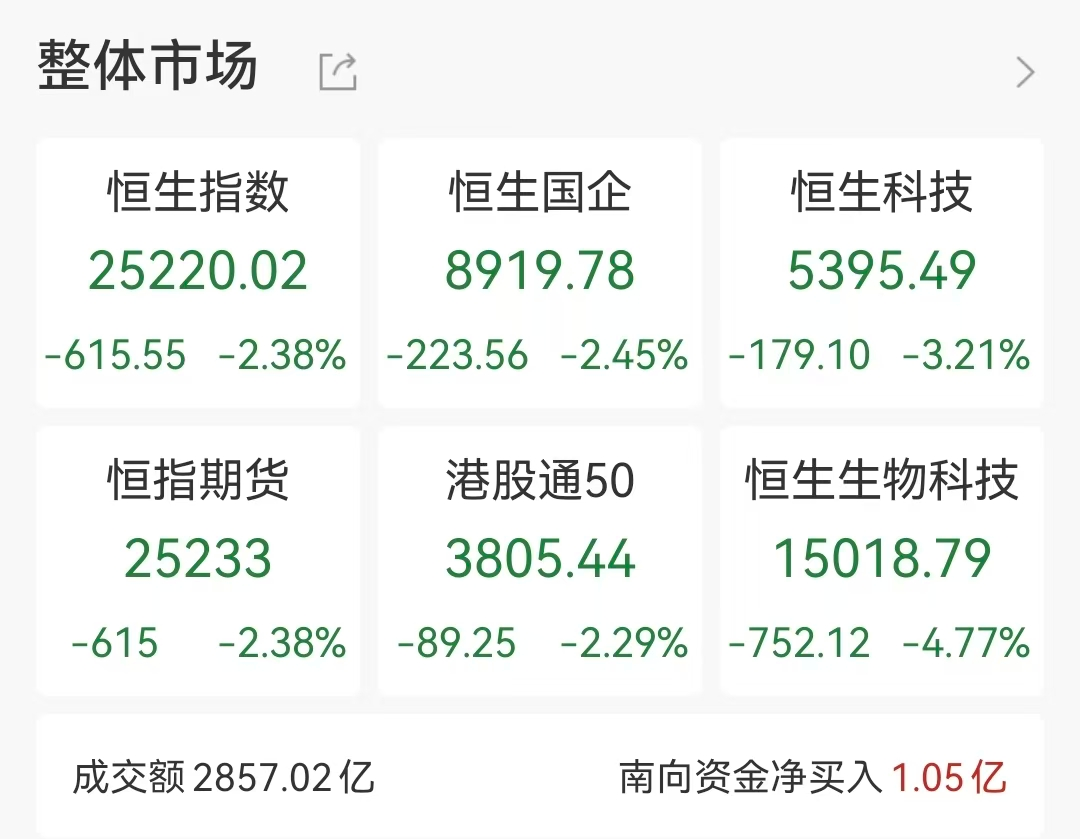
Market Overview - The Hong Kong stock market experienced significant declines, with the Hang Seng Index dropping by 2.38%, the Hang Seng China Enterprises Index falling by 2.45%, and the Hang Seng Tech Index decreasing by 3.21%. This week marked a cumulative decline of 7.18%, resulting in four consecutive weeks of losses [1][2]. - The market turnover increased to 285.70 billion HKD, up from 245.14 billion HKD in the previous trading session [1]. Sector Performance - The technology and semiconductor sectors faced the largest declines, with JD Health falling over 8%, SMIC and Hua Hong Semiconductor dropping more than 6%, and Tencent Music and Baidu Group declining over 5%. Other notable declines included NIO, Alibaba, and Alibaba Health, which fell over 4%, while NetEase and BYD Electronic dropped over 3% [2]. - In contrast, Xiaomi Group saw an increase of over 1%, and Kingsoft experienced a slight rise [2]. Global Market Context - European stock indices opened lower, with the Euro Stoxx 50 down by 1.57%, the FTSE 100 down by 1.04%, the CAC 40 down by 1.29%, and the DAX 30 down by 1.48% [3]. - The cryptocurrency market faced a sharp decline, with Bitcoin dropping over 9% to below 82,000 USD, Ethereum falling nearly 11%, and BNB down over 8%. The total market capitalization of cryptocurrencies fell below 3 trillion USD [3].