
Rnm(600259)

Search documents
稀土永磁板块集体大涨 八大概念股盘点(名单)
Zheng Quan Zhi Xing· 2025-07-11 07:50
Group 1 - The rare earth permanent magnet sector showed significant activity, with the sector index rising by 5.64% and several stocks, including Northern Rare Earth (600111) and China Rare Earth (000831), hitting the daily limit [1] - Northern Rare Earth announced a projected net profit increase of 1882.54% to 2014.71 million by the first half of 2025, driven by market stabilization, increased production and sales, and cost reduction efforts [1] - The global market size for rare earth permanent magnets is expected to reach approximately $17 billion in 2024 and $27 billion in 2025, indicating substantial growth potential for the industry [1] Group 2 - Northern Rare Earth is the largest supplier of light rare earth products in China and globally, focusing on rare earth raw materials, functional materials, and some end-use products [2] - China Rare Earth primarily engages in the production and operation of rare earth oxides and offers technology research and consulting services [3] - Shenghe Resources has a diverse range of rare earth products, including both light and heavy rare earths [4] - Jiuwu Hi-Tech specializes in the development of membrane separation technology for ion-type rare earth mining and the research of rare earth leachate pretreatment processes [4] - Baotou Steel's main products include rare earth concentrates and fluorite [5] - Jinchuan Magnetics is a leading supplier of high-performance rare earth permanent magnet materials in the new energy and energy-saving sectors [6] - Guangsheng Nonferrous Metals focuses on rare earth mining, smelting separation, deep processing, and non-ferrous metal trading [7] - China Nonferrous Metal Industry's Technology is a leader in lead-zinc smelting and rare earth separation technologies in China [8]




中稀有色(600259) - 2025 Q2 - 季度业绩预告
2025-07-11 07:50
证券代码:600259 证券简称:广晟有色 公告编号:临 2025-035 广晟有色金属股份有限公司 2025 年半年度业绩预告 (二)业绩预告情况 1.经财务部门初步测算,预计 2025 年半年度实现归属于上市公司 股东的净利润为 7,000 万元至 8,500 万元,与上年同期相比,将增加 37,158.82 万元到 38,658.82 万元。 2.预计 2025 年半年度实现归属于上市公司股东的扣除非经常性损 益的净利润为 8,818.16 万元至 10,318.16 万元,与上年同期相比,将 1 本公司董事会及全体董事保证本公告内容不存在任何虚假记载、 误导性陈述或者重大遗漏,并对其内容的真实性、准确性和完整性承 担法律责任。 重要内容提示: 公司预计 2025 年半年度实现归属于上市公司股东的净利润为 7,000 万元至 8,500 万元,与上年同期相比,将增加 37,158.82 万元到 38,658.82 万元。 公司预计 2025 年半年度实现归属于上市公司股东的扣除非经常 性损益的净利润为 8,818.16 万元至 10,318.16 万元,与上年同期相比, 将增加 39,174.67 万元 ...
广晟有色:预计2025年上半年净利润7000万元-8500万元
news flash· 2025-07-11 07:36
广晟有色(600259)公告,公司预计2025年半年度实现归属于上市公司股东的净利润为7000万元至8500 万元,与上年同期相比,将增加3.72亿元到3.87亿元。预计2025年半年度实现归属于上市公司股东的扣 除非经常性损益的净利润为8818.16万元至1.03亿元,与上年同期相比,将增加3.92亿元到4.07亿元。 ...
有色金属板块震荡走强,卧龙新能、华阳新材涨停


news flash· 2025-07-11 01:46
Group 1 - The non-ferrous metal sector is experiencing a strong upward trend, with stocks such as Wolong New Energy (600173) and Huayang New Materials (600281) hitting the daily limit [1] - Hunan Silver (002716) has seen an increase of over 4%, while Guangsheng Nonferrous (600259), Dongfang Zirconium (002167), and Xingye Silver Tin (000426) have also risen [1] - There is a disclosure of dark pool fund flows, indicating signals for early detection of major investors' stock accumulation [1]
长夜渐明,星图已显——能源金属行业2025年度中期策略报告
2025-07-07 16:32
Summary of Key Points from the Energy Metals Industry Mid-Year Strategy Report 2025 Industry Overview - The report focuses on the energy metals industry, particularly strategic metals such as rare earths, tungsten, cobalt, and nickel, highlighting the impact of geopolitical factors and supply chain dynamics on these markets [1][2]. Core Insights and Arguments - **Supply Constraints**: China's export controls on rare earths and tungsten, along with the Democratic Republic of Congo's (DRC) cobalt export ban, have led to a tightening of global strategic metal supplies, prompting a reevaluation of their value [1][2]. - **Rare Earths Demand**: The demand for rare earths is expected to remain strong due to growth in humanoid robots and overseas air conditioning needs, leading to a long-term supply-demand imbalance and potential price increases [1][6]. - **Tungsten Market Dynamics**: The tungsten industry is experiencing supply tightness due to a decrease in mining permits and declining ore grades, resulting in record-high tungsten prices despite weak downstream demand [1][8]. - **Cobalt Supply Shortages**: The DRC's export ban aims to improve mining profitability and government revenue, with expectations of a significant supply shortage as inventories are depleted, likely driving cobalt prices higher [1][10]. - **Nickel Market Positioning**: Indonesian policies have enhanced nickel's profitability within the industry, with prices fluctuating between $15,000 and $17,000. Companies are shifting focus to electric motors and plating to maximize profits amid weak stainless steel and ternary demand [1][12][14]. Additional Important Insights - **Investment Strategy**: The core investment strategy for 2025 centers on the revaluation of strategic metals, with a focus on supply-side dynamics due to a lack of significant demand catalysts [2][18]. - **Rare Earths Pricing Trends**: The rare earths market is influenced by U.S.-China trade tensions, with export controls affecting pricing and demand dynamics, particularly in high-end magnetic materials [3][5]. - **Consolidation in Rare Earths**: The integration of major rare earth groups has strengthened state control over smelting and separation assets, which is expected to enhance price stability and growth in the long term [4][6]. - **Tungsten Price Outlook**: Despite a lack of robust demand in core sectors, tungsten prices are expected to continue rising due to supply-side constraints, with potential growth in sectors like construction and aerospace [8][9]. - **Cobalt Market Dynamics**: The DRC's export ban is anticipated to create a significant supply gap, benefiting companies with nickel production capabilities unaffected by the ban [10][11]. - **Nickel's Role in the Market**: Nickel's price is closely tied to macroeconomic recovery and demand from stainless steel and battery sectors, with companies adapting to maximize profitability in a challenging environment [12][13][15]. Conclusion - The energy metals industry is poised for significant changes driven by geopolitical factors, supply constraints, and evolving demand dynamics. Investors are advised to focus on strategic metals with strong pricing power and to monitor developments in supply chains and market conditions closely [2][18].

有色金属板块持续走弱,精艺股份跌停


news flash· 2025-07-04 06:38
Group 1 - The non-ferrous metal sector continues to weaken, with significant declines in stock prices [1] - Precision Instrument Co., Ltd. (002295) hit the daily limit down [1] - Northern Copper Industry (000737) fell over 7% [1] Group 2 - Guangsheng Nonferrous Metals (600259) and Feinan Resources (301500) both dropped over 5% [1] - Tengyuan Cobalt Industry (301219) and Tibet Mining (000762) also experienced declines [1]
国泰海通:稀土板块反转向第三阶段过渡 人形机器人远期或成需求爆点
智通财经网· 2025-07-03 06:48
Core Viewpoint - Since 2020, the demand for new energy vehicles has become the core driving force for rare earth downstream, with terminal growth closely related to rare earth prices [1] Supply Side - Domestic integration of rare earth resources is ongoing, forming two major groups and optimizing the supply structure [2] - The import of rare earth ore from Myanmar is expected to marginally decrease due to inventory consumption and seasonal factors [2] Demand Side - The demand for rare earth magnetic materials from new energy vehicles and wind power is projected to reach 6.3 million tons in 2024, accounting for 24% of total domestic demand [3] - By 2025-2026, the demand for magnetic materials from new energy vehicles and wind power is expected to rise to 6.9/8.5 million tons and 1.1/1.5 million tons respectively, reaching 28%/31% of total demand [3] - Humanoid robots are anticipated to become a significant demand driver, with a potential requirement of 20,000 tons of neodymium-iron-boron for 5 million units [3] Market Transition - The rare earth sector is transitioning from the second phase (excess profit digestion) to the third phase (explosive growth in prosperity) [4] - The overall rare earth prices have seen slow upward movement since February 2025, with expectations of further increases due to overseas replenishment demand and the peak season for domestic new energy vehicles [4] - Recommended stocks include Northern Rare Earth, China Rare Earth, Guangsheng Nonferrous, Shenghe Resources, and Jieli Permanent Magnet, with related stocks being Ningbo Yunsheng and Zhenghai Magnetic Materials [4]


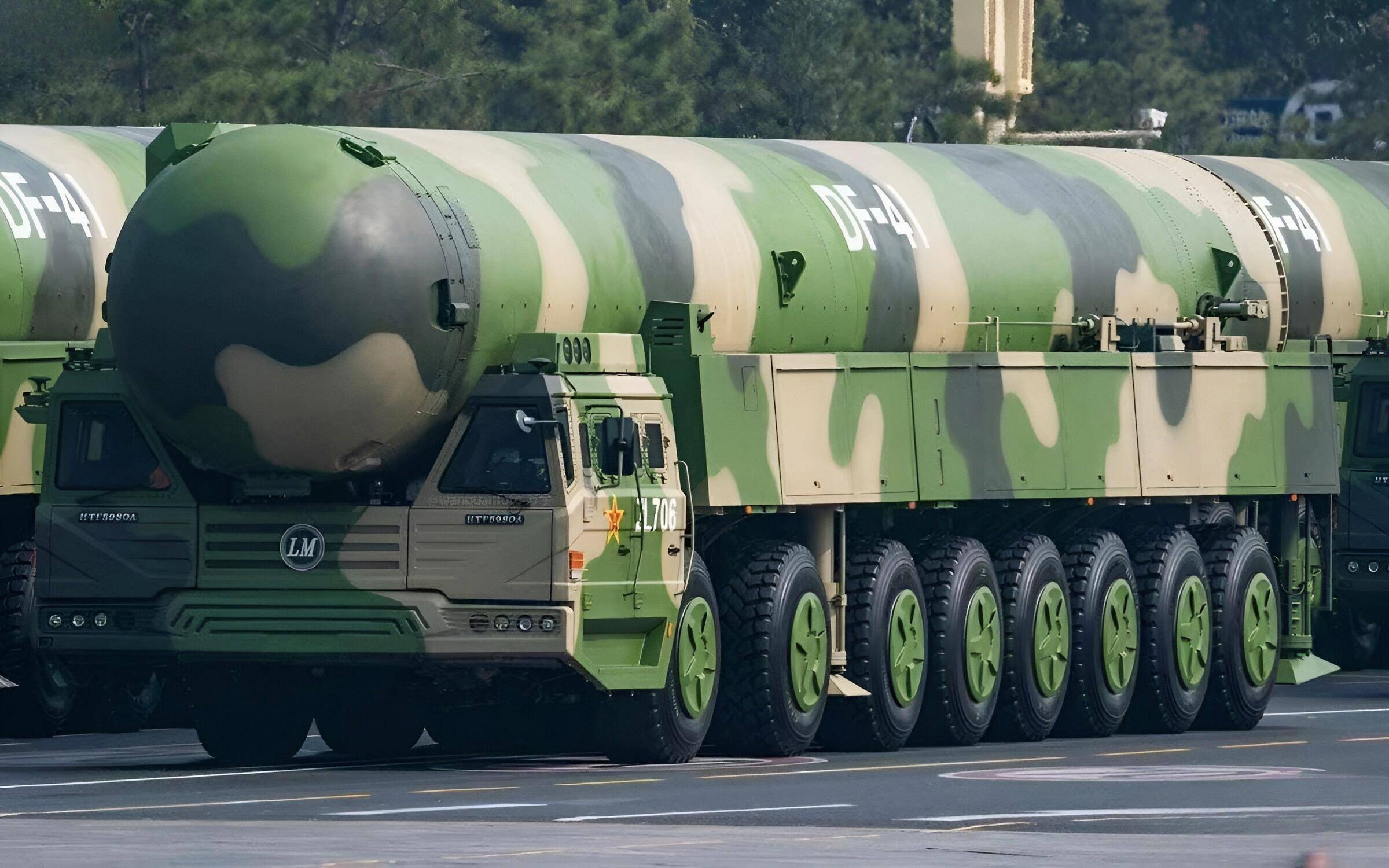
稀土矿藏破纪录!高超音速剑指苍穹,美教授疾呼:灯塔国优势崩塌
Sou Hu Cai Jing· 2025-07-02 08:51
Group 1: Rare Earth Industry - A significant rare earth deposit with a reserve of 1.15 million tons has been discovered in Yunnan, China, with over 40% of the reserve consisting of critical elements like praseodymium, neodymium, dysprosium, and terbium, which are essential for electric motors in electric vehicles for the next decade [2][3] - The extraction method for this ion-adsorption rare earth ore is unique to China, requiring only salt solution soaking, which reduces pollution by 70% compared to traditional mining methods, and is currently under international patent application [2][3] - The Chinese rare earth industry has turned from losses to profits in the first quarter of this year, with Northern Rare Earth's profits increasing sevenfold and Guangsheng Nonferrous successfully overcoming its losses [3] Group 2: Technological Advancements - China has made significant strides in high-speed missile technology, successfully testing a new scramjet engine that allows missiles to exceed Mach 7, with implications for military capabilities [5][9] - The integration of advanced technologies in military systems has been demonstrated, with the J-20 fighter jet effectively coordinating with ground launchers and high-speed missiles, making it difficult for U.S. defense systems to track targets [7] - The establishment of national standards for the recycling of rare earth materials from old electric motors has been led by China Rare Earth Group, enhancing the purity of praseodymium-neodymium alloys and reducing costs by 40% compared to primary ores [5] Group 3: Market Reactions and Global Implications - The rare earth price index has surged from a low of 153.3 points to nearly 180 points, reflecting a 19% increase within three months, indicating strong market demand and potential investment opportunities [3] - The U.S. military's high-speed missile projects are facing significant challenges, with substantial funding allocated but poor testing results, highlighting a growing concern over China's advancements in technology and materials [8][9] - The rapid transformation of technology into market-ready products in China is outpacing U.S. efforts, with the ability to quickly convert rare earth materials into components for robotics and military applications [8][11]

行业周报:有色金属周报:伦铜铝库存持续下行,关注基本金属机会-20250629
SINOLINK SECURITIES· 2025-06-29 15:08
Investment Rating - The report does not explicitly provide an investment rating for the industry Core Insights - The copper market shows a steady upward trend with LME copper prices increasing by 2.26% to $9,879.00 per ton, while domestic copper prices rose by 2.47% to 79,900 yuan per ton. Supply-side pressures are evident as the processing fee for imported copper concentrate has dropped to -$44.81 per ton, indicating potential supply constraints [1][13] - The aluminum market is stabilizing at the bottom, with LME aluminum prices up by 1.31% to $2,595.00 per ton. However, the operating rate of leading aluminum cable enterprises has decreased to 61.8%, reflecting ongoing demand challenges [2][14] - Gold prices have decreased by 2.90% to $3,286.10 per ounce, influenced by geopolitical tensions and a reduction in SPDR gold holdings, indicating a temporary decline in gold's safe-haven appeal [3][15] - The rare earth sector is experiencing upward momentum, driven by export controls and stable production levels, with expectations of improved supply-demand dynamics and potential price support [3][27][30] Summary by Sections 1. Overview of Bulk and Precious Metals Market - Copper prices are on the rise, with a slight increase in inventory and a decrease in processing fees indicating potential supply issues [1][13] - Aluminum prices are stabilizing, but demand remains weak as indicated by declining operating rates in the industry [2][14] - Precious metals, particularly gold, are facing downward pressure due to geopolitical factors and reduced investment interest [3][15] 2. Updates on Bulk and Precious Metals Fundamentals 2.1 Copper - The copper market is experiencing a robust demand outlook, with potential supply constraints due to declining processing fees and reduced operating rates in key sectors [1][13] 2.2 Aluminum - The aluminum market is stabilizing, but the demand outlook remains weak, as evidenced by declining operating rates in the aluminum cable sector [2][14] 2.3 Precious Metals - Gold prices are under pressure due to geopolitical tensions and a decrease in ETF holdings, reflecting a temporary decline in its safe-haven status [3][15] 3. Updates on Minor Metals and Rare Earths - The rare earth sector is expected to benefit from improved supply-demand dynamics and stable production levels, with potential price support anticipated [3][27][30] - The antimony market is facing downward price pressure, but upcoming regulatory changes may provide a demand boost [4][31] - Molybdenum prices are stabilizing, with low inventory levels and strong demand from the steel sector indicating a positive outlook [4][32] 4. Updates on Energy Metals - Lithium prices have shown slight declines, but production levels are increasing, indicating a stable supply outlook [5] - Cobalt prices have increased, reflecting strong demand in battery applications, while nickel prices are mixed with slight fluctuations [5]


中证国新央企小盘指数上涨1.86%,前十大权重包含广晟有色等
Jin Rong Jie· 2025-06-23 14:36
Group 1 - The China Securities Index of State-owned Enterprises Small Cap (CSI State-owned Enterprises Small Cap Index) rose by 1.86% to 1020.57 points, with a trading volume of 41.828 billion yuan [1] - Over the past month, the CSI State-owned Enterprises Small Cap Index has decreased by 2.66%, down 4.98% over the last three months, and has increased by 0.63% year-to-date [1] - The index consists of 200 smaller listed companies selected from state-owned enterprises under the State-owned Assets Supervision and Administration Commission, reflecting the overall performance of small-cap state-owned enterprises [1] Group 2 - The top ten holdings in the CSI State-owned Enterprises Small Cap Index include Aerospace Rainbow (1.75%), China Merchants Jinling (1.48%), Guangsheng Nonferrous Metals (1.4%), Inner Mongolia First Machinery (1.32%), Jidian Co., Ltd. (1.23%), Yuyuan New Materials (1.23%), Electric Science Cyber Security (1.2%), Zhongtung High-tech (1.19%), Taiji Co., Ltd. (1.1%), and Electric Science Digital (1.07%) [1] - The market capitalization distribution of the index shows that 50.18% of the holdings are from the Shenzhen Stock Exchange, while 49.82% are from the Shanghai Stock Exchange [1] Group 3 - The industry composition of the CSI State-owned Enterprises Small Cap Index includes 37.92% in industrials, 17.83% in materials, 13.83% in information technology, 8.56% in consumer discretionary, 5.74% in utilities, 5.64% in healthcare, 4.36% in communication services, 3.61% in consumer staples, 1.96% in energy, and 0.54% in real estate [2] - The index samples are adjusted biannually, with adjustments occurring on the next trading day after the second Friday of June and December each year [2] - In special circumstances, the index may undergo temporary adjustments, and companies that are delisted or undergo mergers, acquisitions, or splits will be handled according to the calculation and maintenance guidelines [2]