
JAC(600418)

Search documents
江淮汽车(600418) - 江淮汽车2025年11月产、销快报
2025-12-08 09:15
证券代码:600418 证券简称:江淮汽车 编号:2025-053 安徽江淮汽车集团股份有限公司 2025 年 11 月产、销快报 本公司董事会及全体董事保证本公司公告内容不存在任何虚假记载、误导性陈述或 者重大遗漏,并对其内容的真实性、准确性和完整性承担法律责任。 特此公告! 安徽江淮汽车集团股份有限公司截至 2025 年 11 月份产销快报数据如下: 安徽江淮汽车集团股份有限公司董事会 2025 年 12 月 9 日 本公告为快报数,具体数据以公司定期报告为准。 单位:辆 十一月份产销量明细 月度同比 年度同比 本月 去年 同期 增减 % 本年 累计 去年 累计 增减 % 产 量 乘 用 车 运动型多用途乘用车(SUV) 3854 4893 -21.23 63946 76125 -16.00 多功能乘用车(MPV) 958 1198 -20.03 16939 14703 15.21 基本型乘用车(轿车) 5227 2240 133.35 47167 59035 -20.10 商 用 车 货车 12152 10144 19.79 135658 131028 3.53 皮卡 4933 5600 -11.91 ...

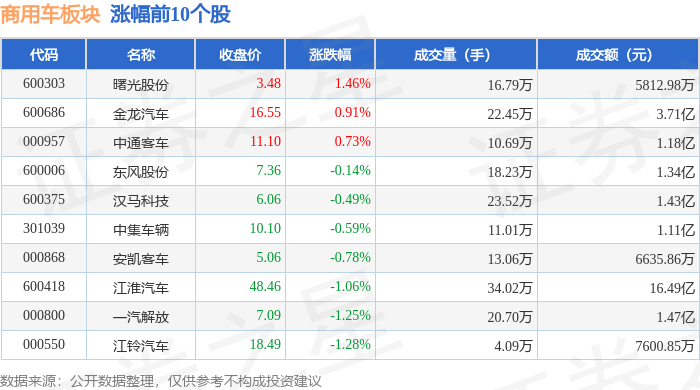
商用车板块12月8日跌1.18%,宇通客车领跌,主力资金净流出2.54亿元
Zheng Xing Xing Ye Ri Bao· 2025-12-08 09:05
Group 1 - The commercial vehicle sector experienced a decline of 1.18% on December 8, with Yutong Bus leading the drop [1] - The Shanghai Composite Index closed at 3924.08, up 0.54%, while the Shenzhen Component Index closed at 13329.99, up 1.39% [1] - Key stocks in the commercial vehicle sector showed varied performance, with Shuguang Co. increasing by 1.46% and Yutong Bus decreasing by 2.06% [3] Group 2 - The net outflow of main funds in the commercial vehicle sector was 254 million yuan, while retail investors saw a net inflow of 136 million yuan [3][4] - Individual stock fund flows indicated that major stocks like FAW Jiefang and Jiangling Motors experienced significant net outflows from main funds [4] - The trading volume and turnover for various stocks in the sector varied, with Jianghuai Automobile having a turnover of 1.649 billion yuan [1][3]


江淮汽车:11月汽车销量同比增5.94%
Xin Lang Cai Jing· 2025-12-08 09:03
江淮汽车公告,2025年11月汽车销量为33540辆,同比增加5.94%;本年累计销量为34.68万辆,同比减 少7.99%。其中,新能源乘用车11月销量为3299辆,同比增加8.66%;本年累计销量为22923辆,同比减 少18.32%。 ...
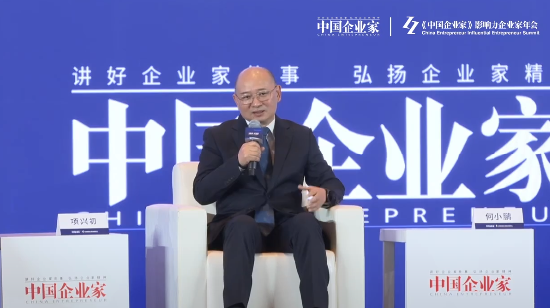
三年前做百万豪车被质疑资历浅,江淮汽车项兴初:要活100岁才开始做吗?
Xin Lang Cai Jing· 2025-12-08 07:01
Core Viewpoint - The chairman and general manager of Anhui Jianghuai Automobile Group emphasized the importance of storytelling and brand creation in entering the luxury car market, despite skepticism due to the long history of traditional luxury car brands [1][4]. Group 1: Company Strategy - The company aims to enter the million-dollar luxury car market, challenging the notion that only long-established brands can succeed in this space [1][4]. - The chairman highlighted that every action taken by the company, along with efforts from partners like Huawei and supply chain enterprises, contributes to building a compelling brand narrative [1][4]. Group 2: Brand Development - The concept of storytelling is crucial for the brand's legacy, as modern narratives will resonate with future generations [1][4]. - The involvement of car owners as co-creators of the brand is seen as a vital part of the brand's development and storytelling process [1][4].
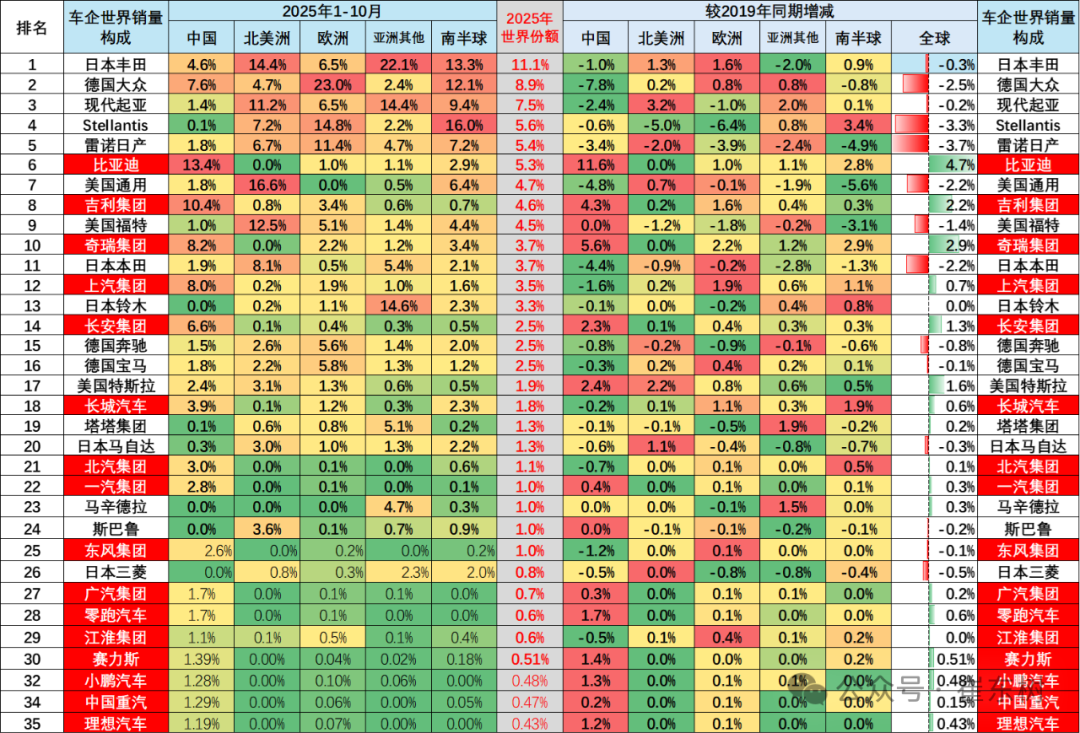
汽车行业周报:曹操出行发布Robotaxi战略目标,2025年前11个月汽车以旧换新超1120万辆-20251207
Guohai Securities· 2025-12-07 12:34
2025 年 12 月 07 日 行业研究 评级:推荐(维持) 研究所: 证券分析师: 戴畅 S0350523120004 daic@ghzq.com.cn 曹操出行发布 [Table_Title] Robotaxi 战略目标,2025 年前 11 个月汽车以旧换新超 1120 万辆 ——汽车行业周报 最近一年走势 | 行业相对表现 | | 2025/12/05 | | | --- | --- | --- | --- | | 表现 | 1M | 3M | 12M | | 汽车 | -2.0% | -1.2% | 17.4% | | 沪深 300 | -0.9% | 2.8% | 16.9% | 相关报告 《汽车行业周报:阿维塔递交港股 IPO 申请,"蔚 小理"相继披露三季度财报(推荐)*汽车*戴畅》 ——2025-12-01 《汽车行业周报:广州车展开幕,小鹏 X9 增程版/ 享界 S9 新款上市,华为举办乾崑大会(推荐)* 汽车*戴畅》——2025-11-24 《汽车行业周报:10 月乘用车批发同比增 7.5%, 上汽智己 LS9 上市(推荐)*汽车*戴畅》—— 2025-11-18 年底多家车企发布购车 ...




特朗普松绑油耗标准:全球车企抢跑“油电同强时代”
智通财经网· 2025-12-06 09:08
Core Viewpoint - The proposal by former President Trump to terminate strict fuel economy standards set by the Biden administration poses a significant challenge to Europe's aggressive policies on banning fuel vehicles, highlighting a shift in the automotive industry's dynamics towards a more sustainable and diversified future led by China's oil-electric hybrid strategy [1][9]. Group 1: Policy Changes and Impacts - Trump's proposal aims to reduce the average cost of purchasing new cars by $1,000, potentially saving Americans $109 billion over five years [3]. - The new fuel efficiency standard proposed by Trump's administration requires vehicles to achieve approximately 34 miles per gallon by 2031, compared to Biden's target of 50 miles per gallon [2]. Group 2: Industry Dynamics - The automotive industry's core profits are derived from fuel vehicles, and the transition to electric vehicles represents a significant restructuring of interests, with traditional automakers facing survival pressures due to lost profits from engine manufacturing and after-sales services [4]. - The shift in stance among U.S. automakers from supporting electric vehicle initiatives to opposing stringent regulations reflects the industry's struggle with profit erosion amid changing policies [4]. Group 3: European Market Challenges - European automakers are under severe pressure from the EU's legislation to ban fuel vehicles by 2035, which is seen as overly ambitious and detrimental to businesses [5]. - The EU's "Fit for 55" plan aims for a 55% reduction in new car carbon emissions by 2030, with a complete transition to zero emissions by 2035, but this has led to some companies planning to abandon engine development altogether [5]. Group 4: Global Automotive Trends - The trend of oil-electric hybrid strategies is gaining traction globally, with Asian automakers, particularly Chinese brands like BYD, Geely, and Chery, significantly increasing their market share [7][8]. - The global automotive market remains predominantly fuel-based, with 73% of vehicles still using fuel, indicating that a rapid transition to electric vehicles is unlikely in the short term [8]. Group 5: China's Strategic Position - China's oil-electric hybrid strategy is viewed as a successful model, with the recent release of the 3.0 roadmap emphasizing the continued importance of internal combustion engines alongside electric vehicles [10]. - By 2040, it is projected that 85% of new passenger vehicles in China will be electric, with a significant market still remaining for non-pure electric models, positioning Chinese automakers as key players in the global automotive technology landscape [10].



解放第一 徐工/三一争前二 11月新能源牵引车狂飙2万辆再创新高 | 头条
第一商用车网· 2025-12-05 08:03
Core Viewpoint - In November 2025, the sales of new energy heavy trucks and traction vehicles reached record highs, with significant year-on-year growth, indicating a robust market trend in the new energy commercial vehicle sector [1][4][22]. Group 1: Sales Performance - In November 2025, new energy traction vehicles sold 19,800 units, marking a year-on-year increase of 185% and a month-on-month increase of 48% [4][5]. - The total sales of new energy heavy trucks reached 24,000 units in November, reflecting a year-on-year increase of 176% [1]. - Cumulatively, from January to November 2025, new energy traction vehicle sales reached 129,600 units, representing a year-on-year increase of 230% [15]. Group 2: Market Dynamics - All 31 provincial-level administrative regions in China reported new energy traction vehicle sales in November, with 24 regions exceeding 100 units sold [6]. - The top-selling regions included Shanghai with over 3,000 units and Shanxi with over 2,000 units sold [6]. - The market for new energy traction vehicles has maintained strong momentum since 2025, with significant sales growth across various provinces [6][7]. Group 3: Company Performance - The leading companies in new energy traction vehicle sales for November included Jiefang with 3,313 units and Xugong with 3,236 units, both achieving substantial year-on-year growth [9][11]. - Notably, companies like Xugong, Heavy Truck, and Shaanxi Automobile saw year-on-year increases of 250%, 276%, and 220% respectively [13]. - Cumulatively, Jiefang and Xugong have each surpassed 20,000 units in sales, with figures of 21,500 and 20,600 units respectively [15][17]. Group 4: Market Share - The market share of the top five companies in new energy traction vehicles exceeds 10%, with Jiefang at 16.60% and Xugong at 15.93% [20]. - The overall market dynamics indicate that the leading companies are not only increasing their sales but also enhancing their market presence significantly [20]. Group 5: Future Outlook - The strong sales performance in November suggests that the new energy traction vehicle market may continue to grow in December 2025, potentially achieving even higher sales and growth rates [22].





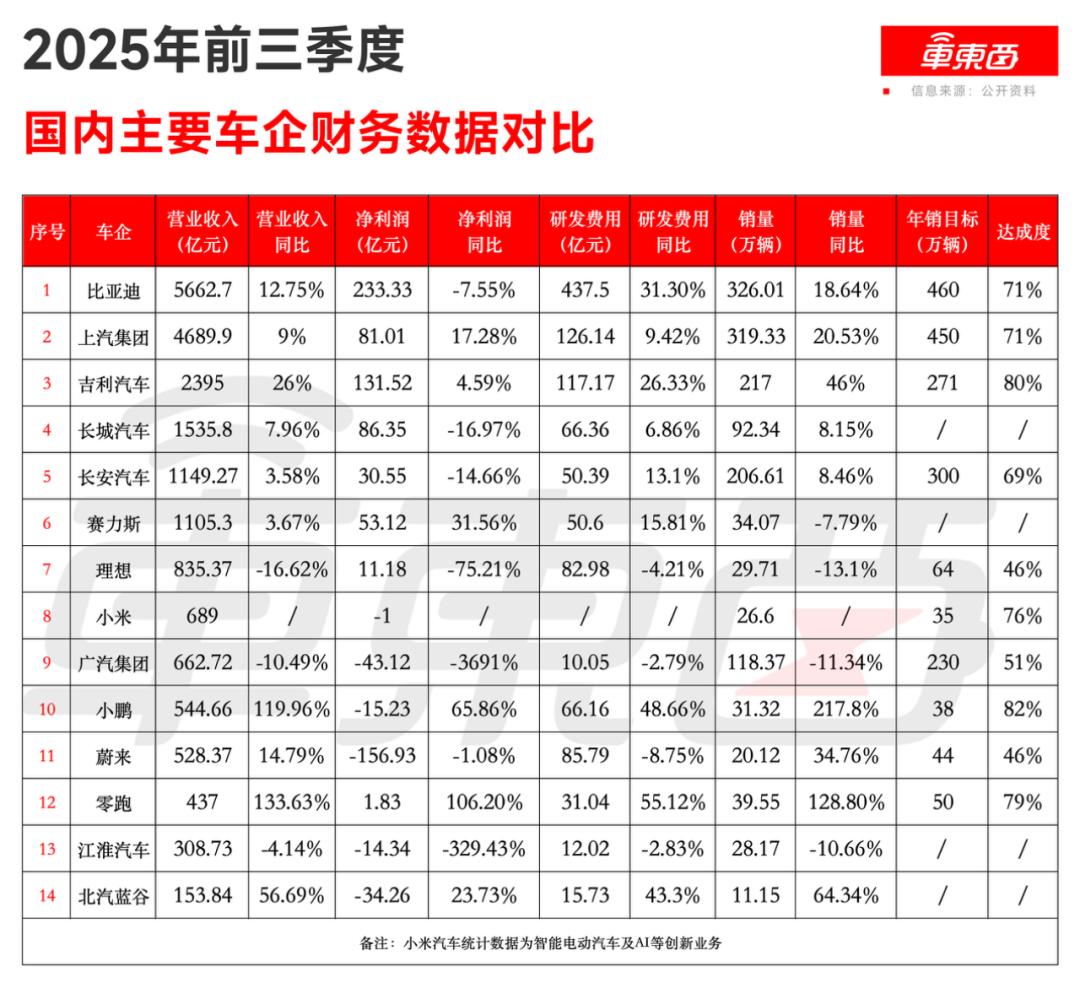
比亚迪赚走6成利润,6家新势力亏掉107亿,14大车企前三季度业绩锐评
3 6 Ke· 2025-12-05 02:56
Core Insights - The financial reports of 14 major domestic car manufacturers for the first three quarters of 2025 show a total revenue of 2.07 trillion yuan and a net profit of 364 billion yuan, resulting in a net profit margin of only 1.76% [2][6][22]. Group 1: Financial Performance - Among the traditional car manufacturers, eight companies reported a combined net profit exceeding 471 billion yuan, with BYD leading with a net profit of 233 billion yuan, accounting for 64% of the total net profit of the 14 companies [4][8]. - Geely's revenue reached 239.5 billion yuan, a 26% increase year-on-year, with a net profit of 131.52 billion yuan, benefiting from its accelerated transition to new energy vehicles [8][22]. - The new energy vehicle sector is experiencing significant losses, with six new entrants collectively losing 107 billion yuan, while only Seres, Li Auto, and Leap Motor reported profits [4][6][22]. Group 2: Revenue and Profit Comparison - BYD's revenue was 566.27 billion yuan, a 12.75% increase, while its net profit decreased by 7.55% [5][7]. - SAIC Group reported a revenue of 468.99 billion yuan and a net profit of 81.01 billion yuan, both showing growth [11][22]. - NIO's revenue was 528.37 billion yuan, with a significant net loss of 156.93 billion yuan, highlighting the challenges faced by the company [22][24]. Group 3: R&D Investment - BYD led in R&D investment with 437.5 billion yuan, a 31.3% increase, indicating a commitment to technological expansion despite a slight decline in net profit [25][29]. - Geely's R&D expenditure was 117 billion yuan, up 26%, reflecting its focus on innovation [29][32]. - NIO, despite its losses, invested 85.79 billion yuan in R&D, maintaining a strong commitment to technology development [32][36]. Group 4: Sales Performance - The total sales volume for the 14 companies reached 15 million units, with BYD, SAIC, Geely, and others achieving significant growth [37][41]. - BYD sold 3.26 million vehicles, a year-on-year increase of 18.64%, while SAIC's sales reached 3.19 million units, growing by 20.53% [38][45]. - New entrants like Leap Motor and Xpeng saw substantial sales increases, with Leap Motor's sales up 128.8% and Xpeng's up 217.8% [49][50]. Group 5: Market Dynamics - The competitive landscape in the automotive industry is intensifying, with companies facing pressures from supply chain costs, rapid technological changes, and the need for substantial R&D investments [52]. - The performance of these 14 companies reflects a growing divide in profitability, with only a few achieving a balance between revenue growth and profit margins [22][52].
“冠军”产业成长记——安徽何以登顶“汽车产量第一大省”
Shang Hai Zheng Quan Bao· 2025-12-04 19:24
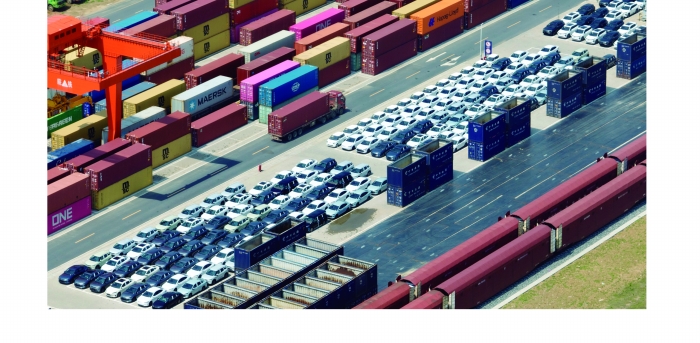
Core Insights - Anhui province is projected to become the top automobile production province in China by 2025, with an expected annual output of over 240.44 million vehicles in the first three quarters of 2025 [2][3] - The automotive industry in Anhui has evolved from a single-point focus to an ecosystem, with major companies like Chery, NIO, and JAC forming industrial clusters in Hefei and Wuhu [2][5] - The export model of Anhui's automotive sector is shifting from "product output" to "capability output," with companies establishing overseas R&D centers and production facilities [2][19] Industry Development - The automotive industry has become the leading industry in Anhui, with seven major vehicle manufacturers and a comprehensive supply chain covering all aspects of the automotive industry [5][10] - Chery has maintained its position as the top exporter of passenger cars in China for 22 consecutive years, with nearly 50% of its revenue coming from overseas markets [6][19] - JAC's collaboration with Huawei has led to the successful launch of the luxury model, the S800, which has received over 18,000 pre-orders [7][19] Technological Advancements - Anhui's automotive sector is focusing on smart and electric vehicles, with significant investments in R&D and innovative manufacturing processes [8][10] - NIO's new factory in Hefei is a model of digital and intelligent manufacturing, capable of producing vehicles with 359 million personalized configurations [8][9] - The province is also developing high-efficiency engines and solid-state battery technologies, with a focus on AI integration in automotive applications [16][20] Policy and Support - The Anhui government has implemented supportive policies for the automotive industry, including a 200 billion yuan fund to promote development in electric vehicles and related sectors [15][11] - The establishment of a strategic advisory committee aims to enhance innovation and collaboration within the automotive ecosystem [16][12] - Anhui's proactive approach to creating a favorable business environment has been crucial in attracting investment and fostering industry growth [10][11] Future Outlook - The automotive industry in Anhui is transitioning from a focus on production capacity to enhancing value through innovation and high-end products [18][20] - Companies are exploring cross-industry collaborations and new technologies, such as embodied intelligence and low-altitude economy, to drive future growth [19][20] - The goal is to cultivate globally competitive automotive brands and establish a robust international presence [20]

江淮汽车(600418) - 江淮汽车关于召开2025年第三季度业绩说明会的公告
2025-12-04 10:15
证券代码:600418 证券简称:江淮汽车 公告编号:2025-052 安徽江淮汽车集团股份有限公司 关于召开 2025 年第三季度业绩说明会的公告 本公司董事会及全体董事保证本公告内容不存在任何虚假记载、误导性陈述 或者重大遗漏,并对其内容的真实性、准确性和完整性承担法律责任。 重要内容提示: https://roadshow.sseinfo.com/) 会议召开方式:上证路演中心网络互动 投资者可于 2025 年 12 月 5 日(星期五)至 12 月 11 日(星期四)16:00 前登录上证路演中心网站首页点击"提问预征集"栏目或通过公司邮箱 jqgf@jac.com.cn 进行提问。公司将在说明会上对投资者普遍关注的问题进行回 答。 安徽江淮汽车集团股份有限公司(以下简称"公司")已于 2025 年 10 月 31 日发布公司 2025 年第三季度报告,为便于广大投资者更全面深入地了解公司 2025 年前三季度经营成果、财务状况,公司计划于 2025 年 12 月 12 日 (星期 五)下午 15:00-16:00 举行 2025 年第三季度业绩说明会,就投资者关心的问题 进行交流。 一、 说明会类型 ...