
TONGWEI CO.,LTD(600438)

Search documents
网传多晶硅收储平台成立:注册资本30亿元
Zhong Guo Jing Ying Bao· 2025-12-09 15:13
Core Viewpoint - The establishment of a polysilicon storage platform by Beijing Guanghe Qiancheng Technology Co., Ltd. is seen as a significant move to address overcapacity and intense competition in the photovoltaic industry, although the company's registration details remain unverified [1][2]. Group 1: Company Information - Beijing Guanghe Qiancheng Technology Co., Ltd. was registered on December 9, 2025, with a registered capital of 3 billion yuan, and its legal representative is Hou Yicong [1]. - The company's business scope includes technology services, development, consulting, exchange, transfer, and promotion [1]. Group 2: Industry Context - The polysilicon storage platform is intended to be a joint effort by leading polysilicon companies to purchase and eliminate outdated production capacity, thereby alleviating overcapacity and price competition in the industry [2]. - The initiative has been publicly acknowledged by GCL Group, with 17 companies reportedly agreeing to form a consortium, expected to be completed by 2025 [2]. - The current polysilicon production capacity is highly concentrated, with China accounting for 95% of global capacity, and the top five companies holding nearly 80% market share [3]. Group 3: Market Dynamics - The polysilicon segment's supply-demand fundamentals and price fluctuations directly impact the downstream industry [3]. - Despite weak supply and demand conditions, the actual shipment volumes and companies' commitment to maintaining price stability are expected to influence market prices more than basic supply-demand factors [3]. - As of December 9, 2023, shares of leading polysilicon companies such as GCL Technology, Tongwei Co., Daqo New Energy, and Xinte Energy showed active trading with respective price increases of 2.61%, 3.61%, 5.96%, and 1.75% [3].



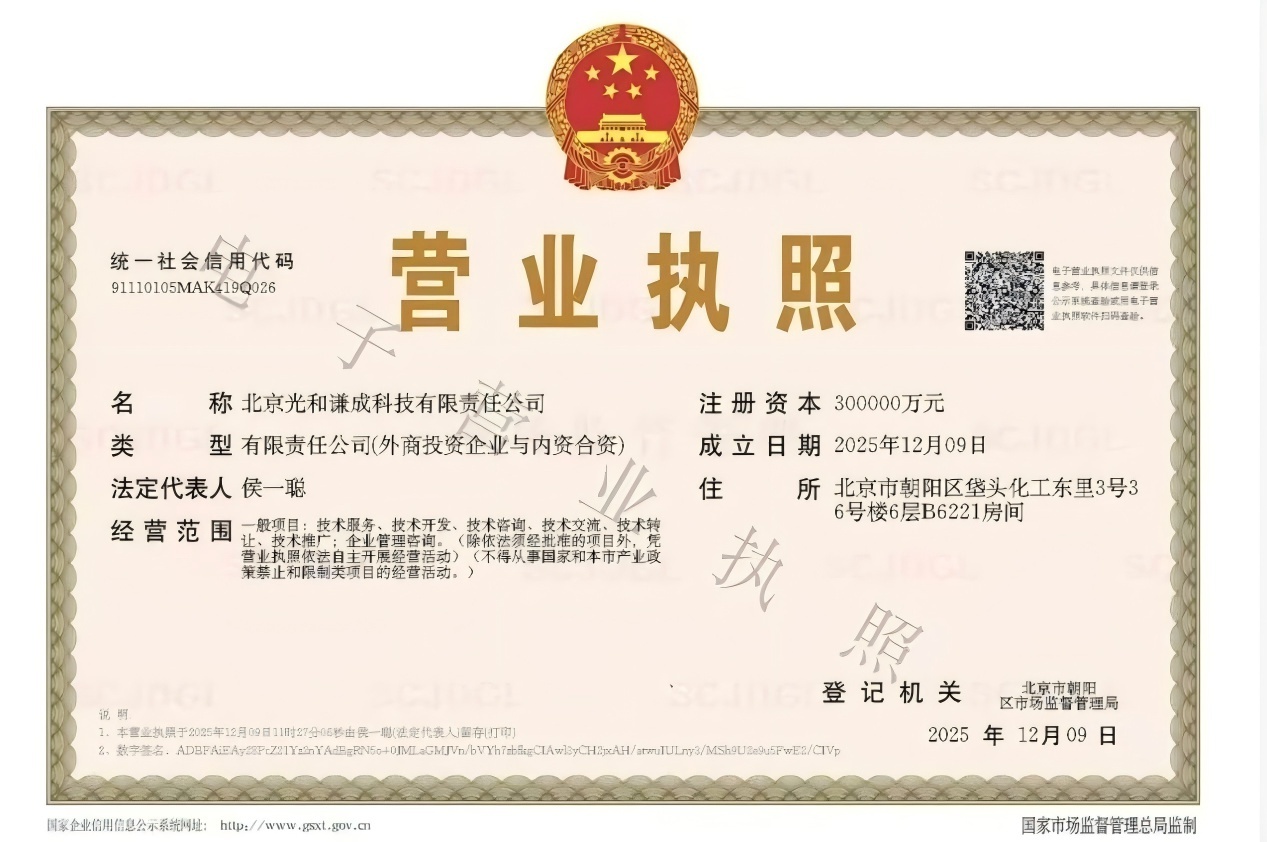
光伏圈大消息 业内人士回应 多只概念股强势涨停
2 1 Shi Ji Jing Ji Bao Dao· 2025-12-09 13:36
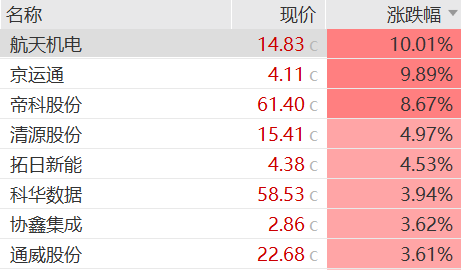
Core Viewpoint - The A-share market saw significant movements in the photovoltaic sector, with multiple stocks hitting the daily limit up, indicating strong investor interest and potential bullish sentiment in the industry [1]. Group 1: Stock Performance - Jingyuntong (601908.SH) and Aerospace Electromechanical (600151.SH) both reached the daily limit up, with Jingyuntong closing at 4.11 CNY, up 9.89%, and Aerospace Electromechanical at 14.83 CNY, up 10.01% [2]. - Other notable performers included Dike Co., Ltd. (300842.SZ) at 61.40 CNY, up 8.67%, and Qingyuan Co., Ltd. (603628.SH) at 15.41 CNY, up 4.97% [2]. Group 2: Industry Developments - A new company named Beijing Guanghe Qiancheng Technology Co., Ltd. was established as a "polysilicon capacity integration acquisition platform" with a registered capital of 3 billion CNY, indicating a strategic move within the industry [4]. - Industry insiders noted that Guanghe Qiancheng's main business will focus on exploring strategic cooperation opportunities for major enterprises in the polysilicon sector, including technology upgrades and market expansion [5]. - The establishment of this platform is seen as a significant step in addressing "internal competition" within the photovoltaic industry, with major companies reportedly signing agreements to collaborate on capacity storage [6].



光伏圈大消息,业内人士回应,多只概念股强势涨停
21世纪经济报道· 2025-12-09 13:24
Core Viewpoint - The article highlights a significant surge in the stock prices of solar energy companies in the A-share market, driven by the establishment of a new multi-crystalline silicon production integration and acquisition platform, which is seen as a strategic move to optimize the industry and reduce competition pressure [1][4][5]. Group 1: Stock Performance - A notable increase in stock prices was observed in several solar companies, with 京运通 (Jingyuntong) and 航天机电 (Aerospace Electromechanical) hitting their daily limit up, with price increases of 9.89% and 10.01% respectively [1][2]. - Other companies such as 竞科股份 (Jingke) and 清源股份 (Qingyuan) also experienced significant gains, with increases of 8.67% and 4.97% respectively [2]. Group 2: Industry Developments - The newly established company, 北京光和谦成科技有限责任公司 (Beijing Guanghe Qiancheng Technology Co., Ltd.), has a registered capital of 30 billion yuan and aims to explore strategic cooperation opportunities within the multi-crystalline silicon industry [4][5]. - This initiative is part of a broader effort to consolidate production capacity and optimize costs in the solar industry, as indicated by discussions among major industry players [5]. - Previous rumors regarding the failure of a storage platform for silicon materials were dismissed by industry representatives, emphasizing the ongoing efforts to stabilize and enhance the solar sector [5][6].

超1500亿元 四成以上为注销!A股年内回购大数据,出炉→
Zheng Quan Shi Bao· 2025-12-09 12:32
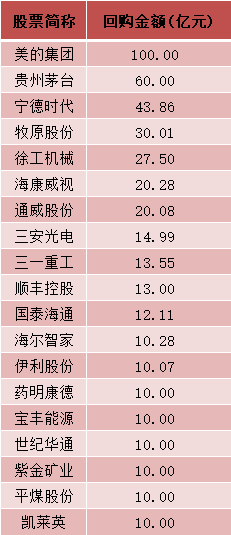
Group 1 - The core viewpoint of the articles highlights the increasing trend of stock buybacks among A-share listed companies, driven by policy guidance, valuation recovery needs, and shareholder return optimization [1][4] - Over 40% of stock buyback plans announced this year are aimed at complete or partial cancellation, indicating a rise from 38.33% in 2024 [1][4] - The total amount of stock buybacks in A-shares has exceeded 150 billion yuan, with leading companies actively participating in these buybacks [2][4] Group 2 - Midea Group has completed a significant buyback of approximately 1.35 million shares, totaling around 10 billion yuan, marking it as the only "billion-level" buyback in A-shares this year [2][4] - Other notable companies include Kweichow Moutai and CATL, which have also engaged in substantial buybacks of 6 billion yuan and 4.386 billion yuan, respectively [2][3] - The trend of buyback cancellations is seen as a response to policies like the "New Nine Articles," which encourage companies to optimize their capital structures and enhance shareholder value [4][5] Group 3 - The buyback and cancellation strategy is viewed as a means to improve earnings per share (EPS) and attract long-term capital inflow, thereby enhancing company competitiveness [5][6] - Companies are advised to balance shareholder returns with maintaining a robust capital structure to avoid excessive cash flow pressure [6] - The overall sentiment is that buyback cancellations can stabilize the market and promote healthy development within the capital market [6]





多晶硅整合平台有新进展?光和谦成公司今日注册成立,相关公司股价收涨
Di Yi Cai Jing· 2025-12-09 10:55
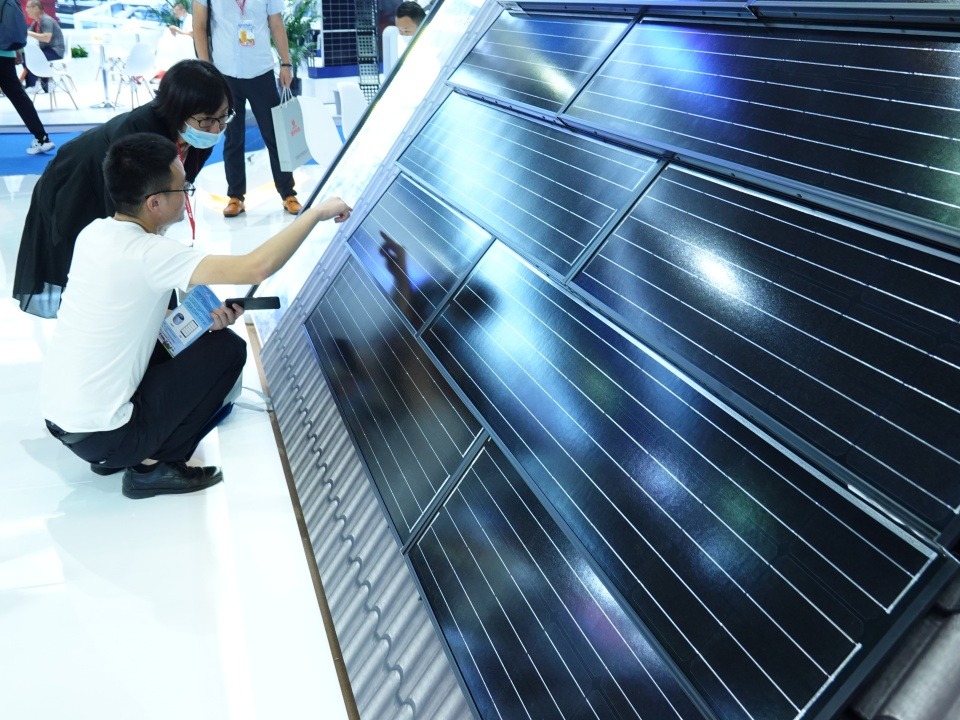
随着光伏"反内卷"的持续深入,今年第三季度多晶硅市场呈回暖趋势。 12月9日盘中,业内有消息称,光伏行业为推进"反内卷"筹备多时的"多晶硅平台公司"已注册成立,"平台公司"的名称为北京光和谦成科 技有限责任公司,注册资本30亿元,成立日期为2025年12月9日,公司住所在北京市朝阳区。 或受此消息影响,多家多晶硅企业尾盘领涨光伏板块,通威股份(600438.SH)收涨3.61%至22.68元/股,协鑫科技(03800.HK)收涨 2.61%至1.180港元/股。 中国光伏行业协会相关负责人今日回复第一财经记者称:"暂不方便回应相关消息。"但记者另从知情人士处了解到,注册企业主要为探 索行业内潜在战略合作机会,如技术升级、市场拓展、产能与成本优化。 作为这轮光伏行业"反内卷"的重要抓手,多晶硅环节的产能整合进展一直备受产业与资本关注。 第一财经记者注意到,大半年前,通威股份(600438.SH)、协鑫科技(03800.HK)等硅料头部厂商及行业协会已开始牵头推进业内简 称为"收储"的产能整合计划,拟通过筹集资金、承债式收购等方式,整合并淘汰行业过剩及落后产能,进而稳定多晶硅市场供需结构。 近几个月,关于多晶硅头 ...
突然!“救市”
Xin Lang Cai Jing· 2025-12-09 08:19
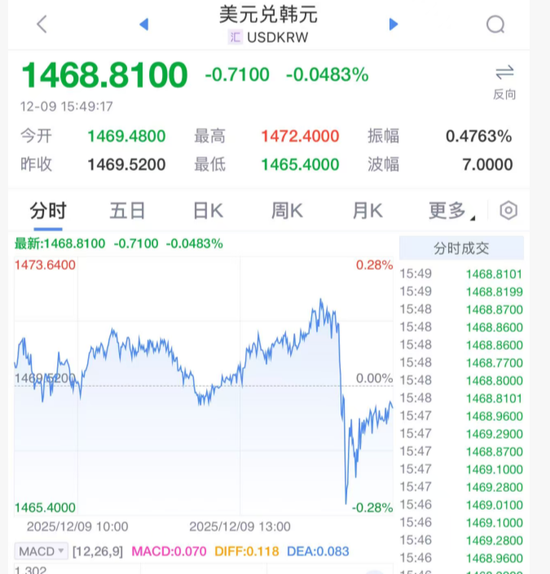
Core Viewpoint - The A-share market is experiencing fluctuations, with the Fujian sector showing strength and the Korean National Pension Service selling US dollars to support the Korean won [1][2]. Group 1: Market Performance - On December 9, the A-share market showed mixed results, with the Shanghai Composite Index down by 0.37%, the Shenzhen Component Index down by 0.39%, and the ChiNext Index up by 0.61% [5][20]. - The computing hardware stocks continued to perform strongly, with companies like Dekeli and Yueling shares hitting the daily limit [6][21]. Group 2: Fujian Sector - The Fujian sector is gaining momentum, with over ten stocks, including Anji Food and Longzhou Co., hitting the daily limit. This is driven by the release of the 15th Five-Year Plan for economic and social development in Quanzhou, which emphasizes the construction of new infrastructure and digital transformation [20][22]. - The plan includes initiatives to optimize the layout of new infrastructure related to networks, computing power, and data, aiming to create a modern, efficient information network [22][23]. Group 3: Korean National Pension Service - The Korean National Pension Service (NPS) has been selling US dollars as part of a tactical foreign exchange hedging strategy to counter the recent depreciation of the Korean won. As of the end of September, NPS held approximately $542 billion in overseas assets [2][18]. - The maximum hedging ratio for NPS is about 15%, equivalent to approximately $81.3 billion, with tactical foreign exchange hedging allowing for adjustments within a ±5% range of its overseas asset portfolio [2][18]. Group 4: Polysilicon Market - On December 9, polysilicon futures contracts saw a significant increase, indicating a bullish trend in the market [26][28]. - The establishment of Beijing Guanghe Qiancheng Technology Co., Ltd., with a registered capital of 3 billion yuan, aims to explore strategic cooperation opportunities within the industry, potentially impacting polysilicon supply and pricing dynamics [29].


突然!“救市”
中国基金报· 2025-12-09 08:14
Group 1: Market Overview - The A-share market experienced fluctuations, with the Shanghai Composite Index down by 0.37% and the Shenzhen Component Index down by 0.39%, while the ChiNext Index rose by 0.61% [3] - The Korean National Pension Service (NPS) has been selling US dollars to support the weakening Korean won, holding approximately $542 billion in overseas assets as of September 30 [1] Group 2: Sector Performance - The Fujian sector showed strong performance, with multiple stocks such as Anji Food and Longzhou Co. hitting the upper limit [4][5] - The proposal from the Quanzhou Municipal Committee emphasizes the construction of new infrastructure and digital transformation, which is expected to boost local economic development [4] - The commercial aerospace concept stocks remained active, with companies like Shaanxi Huada and Aerospace Changfeng reaching their daily limit [6][7] Group 3: Solar Industry Insights - The multi-crystalline silicon market saw significant price increases, indicating a potential recovery in the sector [10][21] - A new platform for multi-crystalline silicon capacity integration has been established, with a registered capital of 3 billion RMB, aimed at exploring strategic cooperation opportunities within the industry [21] - Analysts suggest that if capacity is cleared and price transmission is smooth, integrated companies may see a bottom reversal in profitability, with a focus on companies like Longi, Trina, and JA Solar [21]

A股异动丨光伏股拉升,光和谦成据报正式注册成立
Ge Long Hui A P P· 2025-12-09 07:18
Group 1 - The core viewpoint of the article highlights a significant surge in solar stocks within the A-share market, particularly with companies like Aerospace Machinery and Jingyuntong hitting the daily limit, while others such as Qingyuan and Tongwei also experienced gains [1] - A new multi-crystalline silicon capacity integration acquisition platform, Beijing Guanghe Qiancheng Technology Co., Ltd., was officially registered on December 9, 2025, with a registered capital of 3 billion RMB [1] - Industry insiders suggest that Guanghe Qiancheng will explore potential strategic cooperation opportunities within the sector, including technology upgrades, market expansion, and optimization of capacity and costs, although it remains unclear if this company is the long-anticipated multi-crystalline silicon storage platform [1]

听说光伏企业,提前放假了
投中网· 2025-12-08 03:01
Core Viewpoint - The photovoltaic (PV) industry is experiencing significant challenges, with many companies announcing extended holidays and layoffs due to market volatility and demand uncertainty, raising concerns about the industry's recovery timeline [5][6][12]. Group 1: Industry Challenges - Several major PV companies have announced early holidays, with some employees encouraged to leave, indicating a severe response to market fluctuations [5][8]. - Reports indicate that production has drastically reduced, with some factories operating only a few days a month, leading to high employee turnover and dissatisfaction [8][12]. - The industry is facing a deep adjustment cycle, with over one-third of listed PV companies reporting losses, totaling over 26.9 billion yuan among major players [18][19]. Group 2: Financial Strain - The total debt of 140 listed PV companies reached 2.32 trillion yuan, with an overall debt ratio of 63.20%, suggesting severe financial pressure across the sector [18][19]. - At least 70 PV companies have filed for bankruptcy since the beginning of 2024, highlighting the financial distress within the industry [19]. Group 3: Market Dynamics - Despite recent price increases in the PV supply chain, the supply-demand imbalance remains unresolved, contributing to ongoing industry struggles [18]. - The industry has seen a significant increase in installed solar capacity, with a 43.8% year-on-year growth in domestic solar power generation capacity from January to October [17]. Group 4: Strategic Responses - Companies are increasingly competing on product innovation, with many launching new high-capacity modules to capture market share [20]. - Financial strategies are being employed to optimize cash flow, such as reducing material costs and extending payment cycles, even amidst ongoing losses [21]. Group 5: Future Outlook - There are signs of potential recovery, with government policies aimed at reducing market competition and improving industry conditions [23]. - The shift from price competition to value competition is being encouraged through changes in procurement standards by state-owned enterprises [23].






电力设备行业跟踪周报:储能锂电淡季不淡、AIDC和人形加速-20251207
Soochow Securities· 2025-12-07 14:47
Investment Rating - The report maintains an "Overweight" rating for the power equipment industry [1] Core Insights - The energy storage lithium battery sector is experiencing strong demand even in the off-season, with significant growth expected in 2025. The report highlights advancements in humanoid robotics and artificial intelligence-driven automation (AIDC) as key growth areas [1][3] Industry Trends - The electric equipment sector saw a slight increase of 0.22%, underperforming compared to the broader market. Wind power rose by 3.48%, while solar energy saw a decline of 1.61% [3] - The humanoid robot sector is gaining momentum, with significant developments such as the establishment of a national training base for humanoid robots in Beijing and the launch of emotional companion robots by companies like UBTECH [3] - In energy storage, there is a push for virtual power plant models in photovoltaic projects, and integrated "source-grid-load-storage" systems are being promoted in pilot areas [3] Market Data - In November, the wholesale sales of new energy vehicles in China reached 1.72 million units, a year-on-year increase of 20% [3] - The average price of cobalt increased by 2.6% to 413,500 CNY per ton, while lithium carbonate prices saw a slight decrease of 0.5% [3] - The report notes that the total investment in the power grid is projected to be 23.1 billion CNY, with the approval of a high-voltage AC project expected to commence next year [3] Investment Strategy - The report emphasizes the expected 60%+ growth in large-scale energy storage demand in China, driven by new pricing policies and robust market conditions. It forecasts a global energy storage installation growth of 50-60% in the coming year [3] - The report recommends several companies for investment, including CATL, Sungrow Power, and BYD, highlighting their strong market positions and growth potential [6]

