Tsingtao Brewery(600600)

Search documents
让啤酒不止于啤酒:青岛啤酒瞄上了“欢聚”场景的触达共生
Di Yi Cai Jing· 2025-06-19 03:15
Core Insights - Qingdao Beer has successfully created a unique consumer experience with its giant intelligent beer pillar, attracting over 10,000 visitors daily and achieving a sales volume of 1.2 million milliliters per day, equivalent to 2,400 cups of beer [1][4] - The brand has been recognized for its value of 280.355 billion yuan, maintaining its position as the industry leader, driven by consumer appreciation and engagement [3][5] - Qingdao Beer is actively redefining its brand presence through various events and partnerships, aiming to connect with consumers in a more meaningful way in the new consumption era [3][7] Consumer Engagement - The Qingdao Beer Trading Center features an automated sales system and a stock trading pricing model, enhancing the consumer experience and making it a popular social media spot [4][5] - During the Dragon Boat Festival, the foot traffic at the trading center reached 2.245 million visitors, with significant online engagement on platforms like Douyin [5][6] - The brand's innovative approach to consumer interaction is seen as a successful attempt to create social value and fun experiences in beer consumption [4][7] Strategic Marketing - Qingdao Beer is leveraging various cultural and sporting events to enhance its brand visibility, including partnerships with the Chinese Super League and participation in major film awards [7][8] - The brand is focusing on creating immersive experiences for consumers, such as beer-themed carnivals and collaborations with popular events, to deepen emotional connections [8][11] - The introduction of new products targeting emerging consumer demographics, such as women, reflects the brand's adaptability to changing market trends [8][12] Market Trends - The beer industry is witnessing a shift towards more diverse and fragmented consumption patterns, with younger consumers seeking emotional and experiential value [13][14] - Qingdao Beer is responding to these changes by creating new consumption scenarios, such as cruise experiences and sports events, to meet evolving consumer demands [14][15] - The brand's strategy emphasizes the integration of technology and innovative marketing to enhance consumer engagement and satisfaction [15]

啤酒花园、微醺街区……青岛啤酒节老城会场主打“主店+外摆”复合消费场景
Sou Hu Cai Jing· 2025-06-18 10:56
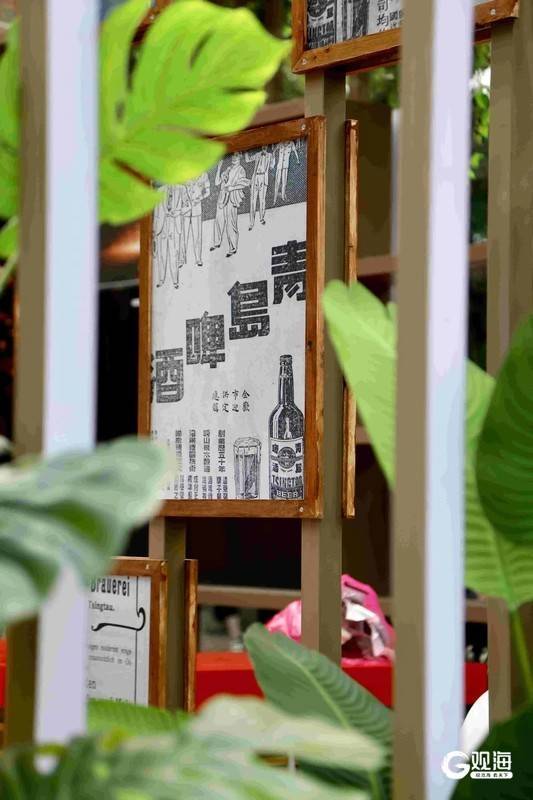
Group 1 - The 35th Qingdao International Beer Festival will take place from July 18 to August 16, featuring various themed activities to enhance the experience and atmosphere for visitors [1] - The event will utilize historical sites like Zhongshan Road and food streets, promoting a "main store + outdoor display" consumption model, offering both popular local dining options and unique beverage areas [3] - The festival will collaborate with nearby businesses and hotels to provide affordable packages and promotions, enhancing value and attractiveness for visitors [5] Group 2 - The festival site is located in Qingdao's old town, integrating beer culture with historical scenery, allowing visitors to enjoy drinks while exploring the charming old streets [7] - An immersive "All-Region Immersive Drama Street" will be created, encouraging visitor participation through various interactive activities, transforming them from spectators to protagonists [9]
产品、场景、渠道三箭齐发:青岛啤酒的年轻化升级之路
Zhong Guo Jing Ying Bao· 2025-06-18 09:35
Group 1: Brand Value and Market Position - Qingdao Beer has a brand value of 280.355 billion RMB, retaining its position as the number one beer brand in China [2] - The company is actively engaging with consumers through sports marketing, leveraging the connection between beer and football to enhance brand visibility and consumer interaction [2] Group 2: Non-Alcoholic Beer Market - The non-alcoholic beer market is experiencing significant growth, with a market value exceeding 13 billion USD in 2023, projected to reach nearly 4% of the overall alcohol market by 2027 [3] - Qingdao Beer is at the forefront of non-alcoholic beer innovation, having launched the first non-alcoholic beer in China in 2012 and achieving breakthroughs in production technology [4][5] Group 3: Product Innovation and Consumer Engagement - Qingdao Beer is committed to product innovation, launching a variety of new products, including flavored beers and non-alcoholic options, to meet diverse consumer preferences [6][12] - The company has successfully integrated consumer creativity into product design, exemplified by the "Sakura Can" project that involved consumer participation [6] Group 4: Cultural and Experiential Marketing - Qingdao Beer is enhancing consumer experiences by creating diverse consumption scenarios, such as beer-themed cultural tourism and immersive events [8][9] - The brand is leveraging its historical and cultural heritage to connect with modern consumers, establishing itself as a cultural symbol in urban life [12] Group 5: Digital and Instant Retail Strategies - The company has introduced a "Fresh Delivery" service, allowing consumers to order fresh beer products through digital platforms, enhancing the immediacy of consumption [11] - This initiative reflects a shift in consumer demand towards fresh experiences and convenience, aligning with the evolving retail landscape [11] Group 6: Financial Performance - In Q1 2025, Qingdao Beer reported a 7.08% increase in net profit, achieving sales of 2.261 million kiloliters and revenue of 10.446 billion RMB [12]
积极推进提振消费专项行动,消费ETF嘉实(512600)红盘蓄势
Sou Hu Cai Jing· 2025-06-18 02:46
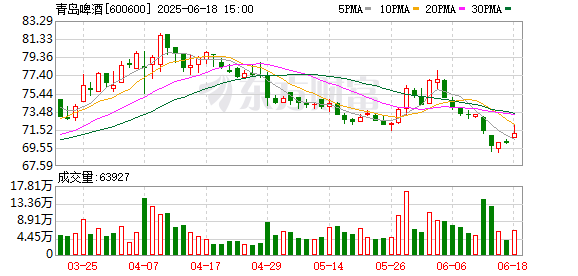
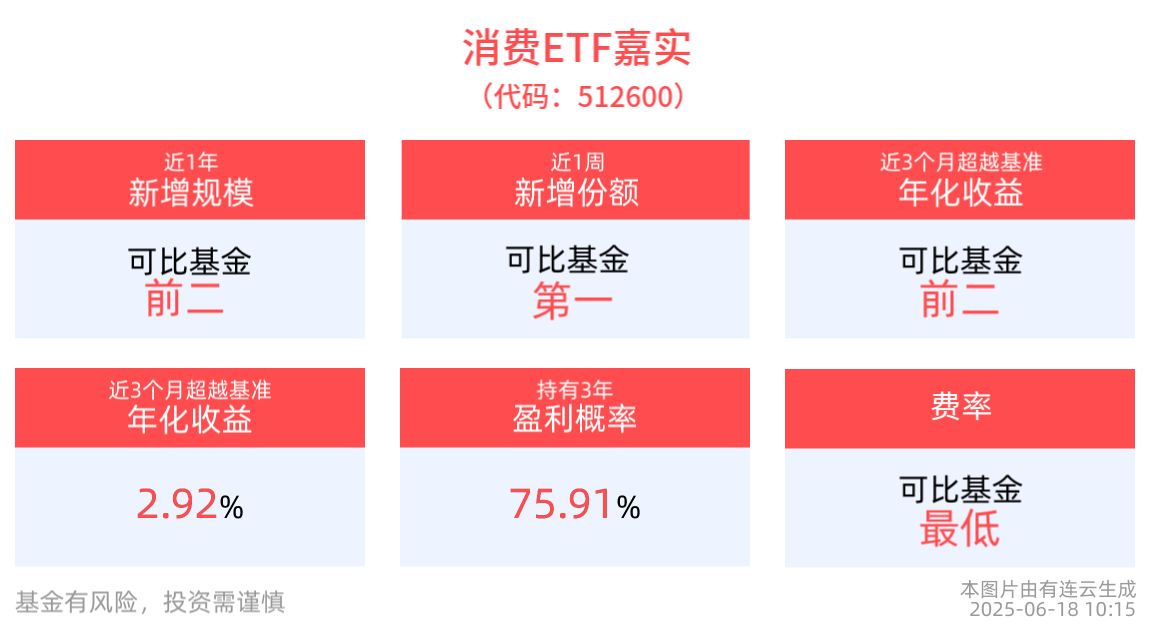
Group 1: Market Performance - The consumption ETF managed by Jiashi recorded a trading volume of 982,300 yuan on the trading day, with an average daily trading volume of 10.1366 million yuan over the past year [2] - The consumption ETF's scale increased by 12.4 million yuan over the past year, with a recent weekly share increase of 3.9 million shares [2] - The latest price-to-earnings ratio (PE-TTM) of the index tracked by the consumption ETF is 18.76, which is in the 0.4% percentile over the past year, indicating a valuation lower than 99.6% of the time in the past year, suggesting historical low valuations [2] Group 2: Economic Indicators - In May, the total retail sales of consumer goods reached 41,326 billion yuan, showing a year-on-year growth of 6.4%, marking the highest growth rate in 2024 [2] - The retail sales of goods in May amounted to 36,748 billion yuan, with a year-on-year increase of 6.5%, also the highest growth rate in 2024 [2] - The catering revenue in May was 4,578 billion yuan, growing by 5.9%, the highest growth rate since April 2024 [2] Group 3: Industry Composition - The consumption ETF tracks the CSI Major Consumption Index, which includes leading consumer stocks in A-shares, covering various sectors from liquor, pork, dairy, condiments to food processing [3] - The liquor industry is the largest sector within the index, accounting for 45% of the total weight, indicating a significant focus on alcoholic beverages [3] Group 4: Investment Opportunities - Investors can also access the consumption recovery trend through the Jiashi Consumption ETF linked fund (009180) [5]



青岛啤酒节在菏泽首次“免门票” 华瑞集团打造全民共享狂欢盛宴
Sou Hu Cai Jing· 2025-06-16 10:57
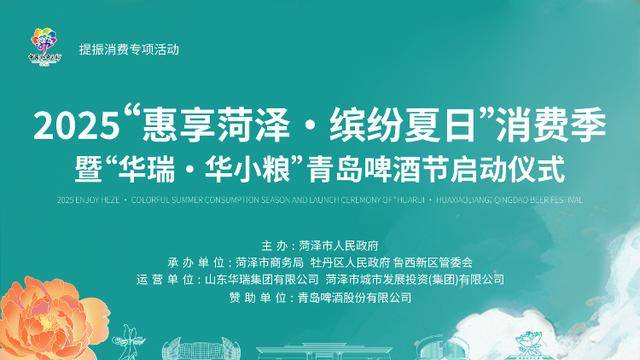
为深入实施促消费政策,丰富市民文化生活,激发城市消费潜力,2025惠享菏泽·缤纷夏日消费季暨"华 瑞·华小粮"青岛啤酒节活动将于6月20日至29日在菏泽国际会展中心举办。本次消费季由菏泽市人民政 府主办,市商务局、牡丹区人民政府、鲁西新区管委会承办,山东华瑞集团有限公司、菏泽市城市发展 投资集团有限公司运营,青岛啤酒股份有限公司赞助。 本次消费季活动内容丰富多彩,将同时举办七大主题活动,包括:青岛啤酒节、幸福家博会、茶博会、 美食街区、后备箱集市、外贸优品专区以及游乐嘉年华。其中,令人兴奋的是,本届青岛啤酒节在菏泽 首次推出"零门槛"惠民政策,市民和游客可以免费入场,山东华瑞集团作为本次活动运营单位,以国企 担当践行惠民承诺,与百万菏泽市民共享城市文化发展成果。 大众网记者 苏鑫 菏泽报道 本次活动以"促消费、惠民生、展形象"为宗旨,通过"政府引导、市场运作、社会参与"模式,打造集消 费促进、文化展示、休闲娱乐于一体的综合性城市盛会。 惠民消费激活夜间经济 本次活动创新性地设置了五大主题功能区:激情四射的主舞台区、品牌荟萃的展销区、食客向往的美食 街区、趣味横生的互动体验区以及轻松愉悦的休闲娱乐区,全方位满足 ...
第九届中华老字号(山东)博览会青岛啤酒时尚“出圈”
Qi Lu Wan Bao· 2025-06-16 08:12
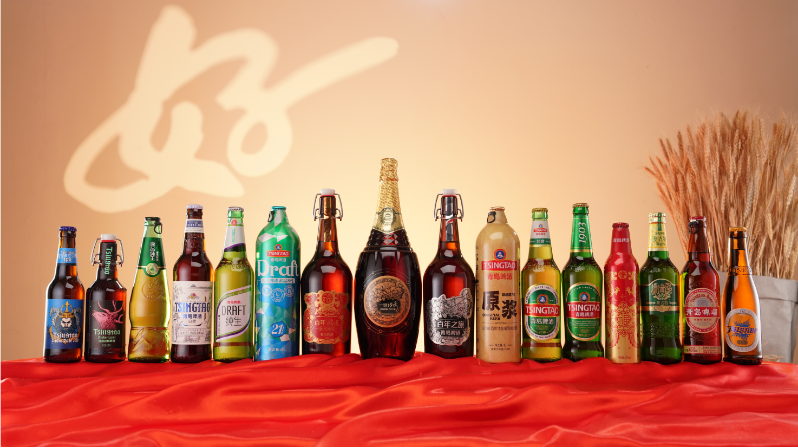
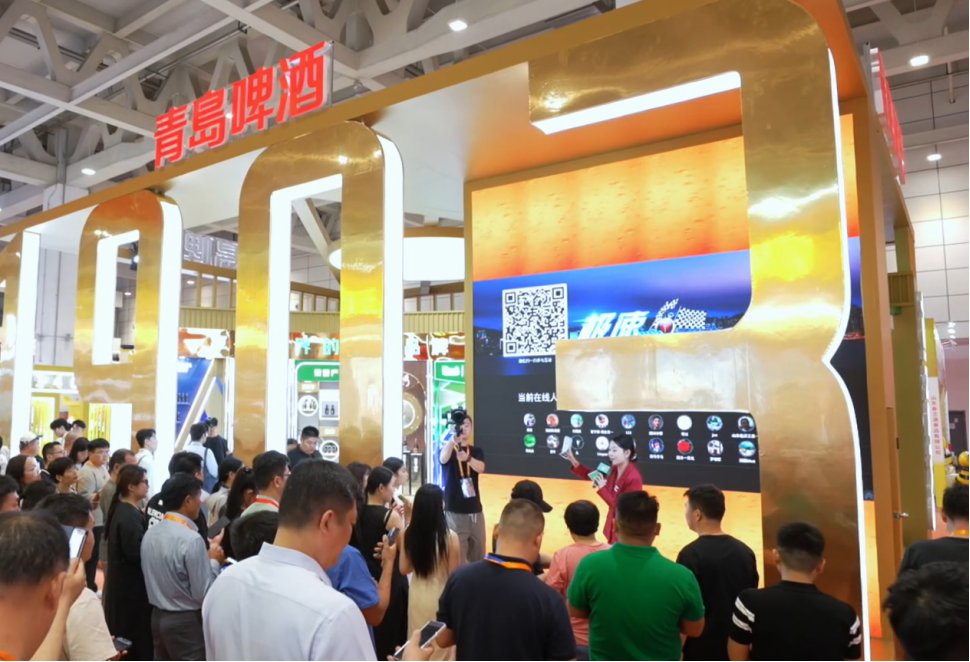
Core Viewpoint - The 9th China Time-honored Brand (Shandong) Expo showcases the rich heritage and innovative achievements of time-honored brands, with Qingdao Beer, a 122-year-old brand, prominently featured, attracting attention from domestic and international distributors and visitors [1] Group 1: Qingdao Beer Presentation - Qingdao Beer presented its full range of products, including Classic 1903, Pure Draft, White Beer, and others, at the expo, drawing significant visitor interest and engagement [5][9] - The beer's unique flavors and styles were well-received, with attendees expressing pride in the brand and sharing personal connections to it [3][5] Group 2: Product Innovation and Technology - Qingdao Beer has leveraged technology to enhance its distribution, ensuring that fresh raw beer can reach consumers across various regions, including remote areas [7] - The company maintains strict brewing standards and utilizes data-driven approaches to ensure product quality, with nearly 400 beer flavor compounds standardized [10][12] Group 3: Brand Evolution - Qingdao Beer exemplifies the balance of tradition and innovation, continuously evolving while adhering to its century-old quality standards [10][12] - The brand has received national recognition for its technological advancements, positioning itself as a leader in the future of manufacturing [12]
食品饮料行业2025年中期投资策略:结构分化,聚焦景气
Dongguan Securities· 2025-06-13 09:21
Group 1 - The food and beverage industry outperformed the CSI 300 index from January to May 2025, with a decline of 1.52%, surpassing the index by approximately 0.89 percentage points [6][15][16] - The industry valuation has decreased, with a current PE (TTM) of about 21 times, below the five-year average of 34 times [20][24] - Positive consumer policy signals have been established, with significant government initiatives aimed at boosting consumption and expanding domestic demand [24][27] Group 2 - The liquor sector is experiencing weak demand and internal differentiation, with a notable decline in sales during the Dragon Boat Festival [28] - Liquor companies are controlling supply to maintain prices, with several major brands implementing stock control measures [29][31] - Companies like Kweichow Moutai and Wuliangye are engaging in share buybacks to boost market confidence [34][36] Group 3 - The beer sector is showing stable performance with expectations for marginal improvement in 2025, driven by a recovery in demand [4][14] - The condiment sector is anticipated to benefit from the recovery in the restaurant industry, leading to increased demand for condiments [5][18] - The dairy sector is expected to see improved supply-demand dynamics due to favorable fertility policies [22][24] Group 4 - The snack sector is experiencing steady growth, with a focus on multi-channel penetration to enhance brand influence [25][27] - The overall performance of the snack sector is mixed, with some brands outperforming others [27][45]



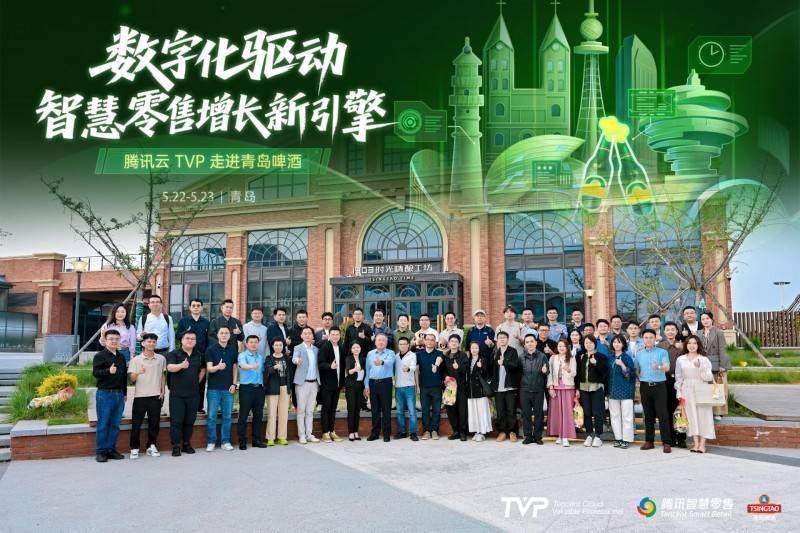
腾讯云 TVP 走进青岛啤酒,解码数字化驱动智慧零售增长引擎
Sou Hu Cai Jing· 2025-06-13 03:31
Core Insights - The retail industry is undergoing significant transformation driven by the integration of digital technologies, focusing on building intelligent operational systems to promote smart retail growth [1] Group 1: Event Overview - The event "Digitalization Drives Smart Retail Growth New Engine - Tencent Cloud TVP Visits Tsingtao Brewery" was successfully held on May 22-23, featuring experts sharing industry dynamics, technological advancements, and case studies [3] - The event included a visit to Tsingtao Brewery, allowing participants to experience the blend of traditional craftsmanship with modern digital management and production technologies [3] Group 2: Tencent's Role - Tencent Smart Retail aims to assist retailers in achieving digital transformation and comprehensive business growth, providing a platform for open and equal communication among industry partners [6][9] - Tencent's investment in technology and product capabilities is evident, with R&D expenditures reaching 18.9 billion yuan, a 21% year-on-year increase, indicating a strategic move towards the next generation of technology ecosystems [12] Group 3: Tsingtao Brewery's Digital Transformation - Tsingtao Brewery, established in 1903, is the fifth-largest brewery globally and is focusing on digital solutions for the fast-moving consumer goods sector through its subsidiary, Jiuyuan Technology [9] - The digital transformation journey of Tsingtao Brewery includes comprehensive coverage of the end-to-end business chain, utilizing technologies like "one code for one item" for data collection and sharing [15] - The brewery's digital marketing strategy involves creating an integrated service platform for distributors and leveraging a multi-code interconnected data ecosystem to enhance consumer engagement [15] Group 4: Smart Manufacturing and Sustainability - Tsingtao Brewery's smart manufacturing project aims to evolve into a sustainable lighthouse factory by 2024, focusing on personalized cloud customization and end-to-end demand management [24][25] - The brewery has implemented advanced technologies such as supply planning platforms and manufacturing execution systems to support its sustainable development goals [25] Group 5: Industry Trends and Future Outlook - The exploration of AI in retail is shifting from isolated tool applications to a comprehensive reconstruction of the entire supply chain, emphasizing the importance of embracing change and innovation [12] - The concept of "smart enterprises" is evolving, with a focus on replacing repetitive tasks with intelligent systems, allowing human resources to concentrate on higher-value activities [19][20]

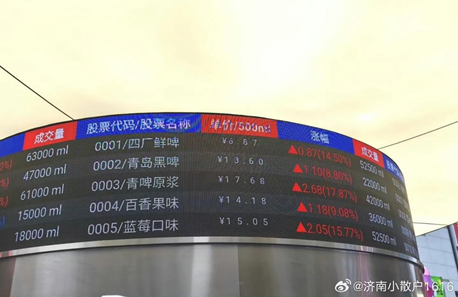
“像极了交易中心的数据大屏”,买啤酒当“股”炒!被挤爆的“青岛啤酒交易所”能否形成长久消费模式?
Mei Ri Jing Ji Xin Wen· 2025-06-12 12:59
Core Viewpoint - The "Qingdao Beer Exchange" has become a popular attraction, merging the experience of drinking beer with stock trading, creating a unique consumer experience that drives sales and engagement during the beer season [2][4][10]. Group 1: Business Model and Consumer Engagement - The "Qingdao Beer Exchange" allows consumers to buy various types of beer, such as Qingdao Pure Draft and Qingdao White Beer, using a stock-like trading mechanism where prices fluctuate based on real-time demand [2][4]. - The exchange has seen significant foot traffic, with daily visitor numbers exceeding 10,000 during the Dragon Boat Festival, and beer sales reaching 120,000 milliliters in a single day [4][5]. - This innovative model combines elements of financial trading with consumer behavior, creating a social and engaging atmosphere that enhances the overall drinking experience [4][10]. Group 2: Market Trends and Consumer Preferences - The trend of "dopamine consumption" is emerging in the beverage market, with consumers seeking new and exciting experiences, such as the interactive nature of the beer exchange [6][10]. - A report indicates that diverse flavors, including tea and floral-infused beers, are gaining popularity among consumers, reflecting a shift towards more varied taste preferences [6]. - The beer industry is increasingly focused on attracting younger consumers by providing emotionally engaging experiences, which is essential for driving sales in a competitive market [8][10]. Group 3: Future Implications and Innovations - Experts suggest that the "Qingdao Beer Exchange" represents a new marketing model that could lead to a transformation in consumer experiences, moving from traditional consumption to emotionally-driven engagement [10]. - The concept of integrating trading-like experiences into beverage consumption could be replicated in various settings, potentially changing how consumers interact with beer and other alcoholic beverages [10].
2025年啤酒行业趋势洞察报告-艺恩数据
Sou Hu Cai Jing· 2025-06-11 07:16
Group 1: Current Status of the Beer Industry - The retail sales of tobacco and alcohol increased by 6.1% year-on-year from January to October 2024, indicating stable consumer demand [2][14] - China's beer production has shown steady growth since 2021, with low industry inventory levels in 2023 and strong confidence among distributors [2][17] - The market is highly concentrated, with five major brands (China Resources, Tsingtao, Yanjing, Chongqing, and Zhujiang) holding 70% of the market share, and Yanjing Beer reported a remarkable net profit growth of 94.3% in 2023 [2][17] Group 2: Trends in Beer Consumption Demand - Beer has gained significant popularity on social media, with a 260% year-on-year increase in social media mentions, leading the beverage industry [3][24] - The flavor profile of beer is diversifying, with white beer and fruit-flavored beers gaining traction, and the integration of tea flavors becoming a new trend [3][27] - The market for non-alcoholic and low-alcohol beers is rapidly growing, with a market value of 94.07 billion yuan in 2023, expected to increase its market share by 4% by 2027 [3][19] Group 3: Future Development Trends in the Beer Industry - Product innovation is on the rise, with a focus on integrating Chinese tea culture into beer, and packaging trends leaning towards functionality and sustainability [4][17] - Health-conscious products are emerging, such as zero-sugar and zero-alcohol beers, with brands like Suntory introducing vitamin D-infused non-alcoholic options [4][19] - Marketing strategies are evolving, with platforms like Douyin and Xiaohongshu being key for brand promotion, and live-streaming sales gaining traction [4][30]