FYG,FUYAO GLASS(600660)

Search documents
招揽新人才挖掘新岗位培训新技能 稳岗扩岗,企业持续发力
Ren Min Ri Bao· 2025-06-06 21:32
Group 1: Employment Opportunities - Huawei plans to recruit over 10,000 fresh graduates this year, expecting a double-digit growth compared to last year [1] - JD.com aims to provide over 18,000 positions for the 2025 graduates, building on the 50,000 positions offered to students over the past three years [1] - The platform economy is creating more digital, personalized, and specialized new jobs, providing diverse employment options for workers [4] Group 2: Talent Acquisition and Development - Alibaba is increasing its recruitment efforts in the artificial intelligence sector, with nearly 50% of over 3,000 spring internship positions for the 2026 graduates related to AI [2] - Huawei is building a diversified talent acquisition system focusing on key areas like AI models and high-performance computing [2] - Fuyao Group is exploring a model of "technological innovation driving job expansion" and is collaborating with vocational schools to enhance talent training [5][6] Group 3: New Business Models and Job Creation - New business models, such as live-streaming e-commerce, are fostering new job roles like online anchors and user growth operators [3] - JD.com has launched a recruitment plan to hire 100,000 cleaners across various counties and towns, expanding its logistics network and creating job opportunities [3] - The company has also started providing social insurance for full-time delivery riders and plans to expand their workforce to 150,000 [3]


机构:预计二季度汽车公司业绩表现逐步回暖
Zheng Quan Shi Bao Wang· 2025-06-04 00:45
Group 1 - The Ministry of Industry and Information Technology and other departments have launched the 2025 New Energy Vehicle (NEV) initiative to promote NEV usage in rural areas, focusing on quality and reliable models [1] - The initiative includes exhibitions, test drives, and collaboration with after-sales service, charging service, insurance, and financial service companies to enhance the NEV ecosystem in rural regions [1] - Policies such as tax reductions and incentives for vehicle trade-ins will encourage manufacturers to expand their product offerings and improve service levels in rural markets [1] Group 2 - Dongxing Securities notes that the automotive industry is experiencing intensified competition, impacting profitability and cash flow, but leading companies are still showing improvements in net profit and operating cash flow [2] - The release of new vehicles during auto shows and the ongoing effects of new policies are expected to gradually improve the performance of automotive companies in the second quarter [2] - Recommended companies for investment include SAIC Motor, Jianghuai Automobile, BYD, Changan Automobile, and others within the automotive and related sectors [2]



福耀玻璃(600660) - 福耀玻璃H股公告
2025-06-03 08:30
股份發行人及根據《上市規則》第十九B章上市的香港預託證券發行人的證券變動月報表 截至月份: 2025年5月31日 狀態: 新提交 致:香港交易及結算所有限公司 公司名稱: 福耀玻璃工業集團股份有限公司 呈交日期: 2025年6月3日 I. 法定/註冊股本變動 | 1. 股份分類 | 普通股 | 股份類別 | H | | 於香港聯交所上市 (註1) | | 是 | | | --- | --- | --- | --- | --- | --- | --- | --- | --- | | 證券代號 (如上市) | 03606 | 說明 | H股 | | | | | | | | | 法定/註冊股份數目 | | | 面值 | | 法定/註冊股本 | | | 上月底結存 | | | 606,757,200 | RMB | | 1 RMB | | 606,757,200 | | 增加 / 減少 (-) | | | 0 | | | RMB | | 0 | | 本月底結存 | | | 606,757,200 | RMB | | 1 RMB | | 606,757,200 | | 2. 股份分類 | 普通股 | 股份類別 | A ...
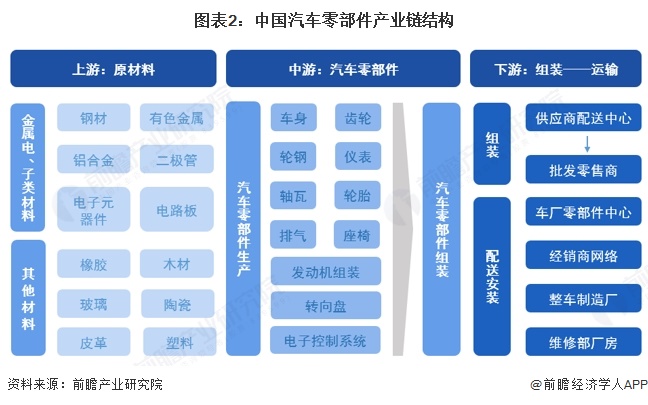
汽车零部件产业招商清单:宁德时代、福耀玻璃、华域汽车等最新投资动向【附关键企业名录】
Qian Zhan Wang· 2025-05-31 06:05
Core Insights - The rapid growth of the new energy vehicle (NEV) industry in China has provided a historical opportunity for the automotive sector, breaking the long-standing foreign brand monopoly in traditional fuel vehicles and fostering competitive domestic enterprises [1][3] - The NEV industry has driven the development of key components such as batteries, motors, and electronic control systems, as well as infrastructure like charging stations, contributing to technological innovation and industrial upgrades in related fields [1] - China has established a comprehensive automotive parts supply chain, making it the largest and most complete in the world [1] Industry Development - Major cities in China, including Shenzhen, Shanghai, and Beijing, are actively building their NEV industries to create world-class "NEV capitals" [3] - Local governments prioritize attracting automotive parts manufacturers to enhance regional economic competitiveness and sustainability [3] - The clustering effect from these initiatives reduces operational costs and promotes technological exchange and innovation among companies [3] Key Players in Automotive Parts Industry - The automotive parts industry in China includes numerous key players across various segments: - Engine systems: Weichai Power, Huayu Automotive - Body components: Fuyao Glass, Zhongce Rubber - Driving systems: Zhongce Rubber (tires), Huawei (autonomous driving systems) - Electronic systems: CATL, Joyson Electronics [3] Market Size and Trends - The automotive parts manufacturing industry in China generated revenues of 3.63 trillion yuan in 2020, with the market size surpassing 4.5 trillion yuan in 2023 [21] - The domestic automotive parts industry is expected to see significant growth due to the push for localization and the increasing demand for core components like automotive electronics and semiconductor chips [23][25] Leading Companies - CATL, founded in 2011, is a leading player in the automotive parts industry, specializing in battery systems and holding a significant market share in both power and energy storage batteries [9][12] - CATL's market share in the power battery sector exceeds 5%, while in the energy storage battery sector, it dominates with over 30% market share [15][17] - The company has invested heavily in R&D, with over 700 billion yuan in cumulative investment over the past decade, and 186 billion yuan in 2024 alone [19]

中证民企成长指数报1993.41点,前十大权重包含中际旭创等
Jin Rong Jie· 2025-05-30 15:59
Group 1 - The core viewpoint of the news is that the China Securities Index for Growth Enterprises (000939) has shown mixed performance, with a recent increase of 1.48% over the past month but a decline of 3.72% over the last three months, and a year-to-date increase of 0.26% [1] - The index consists of 300 listed companies that are characterized by strong external financing needs, growth potential, and low valuation, providing investors with a diversified investment option [1] - The index was established on December 13, 2013, with a base point of 1000.0 [1] Group 2 - The top ten weighted companies in the index include BYD (6.32%), Midea Group (5.44%), Gree Electric Appliances (4.3%), Luxshare Precision (3.18%), Huichuan Technology (2.93%), Sany Heavy Industry (2.31%), SF Express (2.3%), Fuyao Glass (1.92%), Zhongji Xuchuang (1.74%), and Industrial Fulian (1.56%) [1] - The market capitalization distribution of the index shows that 66.55% of the holdings are from the Shenzhen Stock Exchange, while 33.45% are from the Shanghai Stock Exchange [1] Group 3 - The industry composition of the index includes Consumer Discretionary (26.98%), Industrials (23.03%), Information Technology (16.10%), Materials (11.03%), Healthcare (8.54%), Consumer Staples (6.12%), Communication Services (5.33%), Energy (1.38%), Utilities (0.96%), and Financials (0.52%) [2] - The index samples are adjusted biannually, with adjustments occurring on the next trading day after the second Friday of June and December each year [2] - In special circumstances, the index may undergo temporary adjustments, and companies that are delisted or undergo mergers, acquisitions, or splits will be handled according to the maintenance guidelines [2]






沪深300汽车与零部件指数报10259.58点,前十大权重包含赛轮轮胎等
Jin Rong Jie· 2025-05-28 07:38
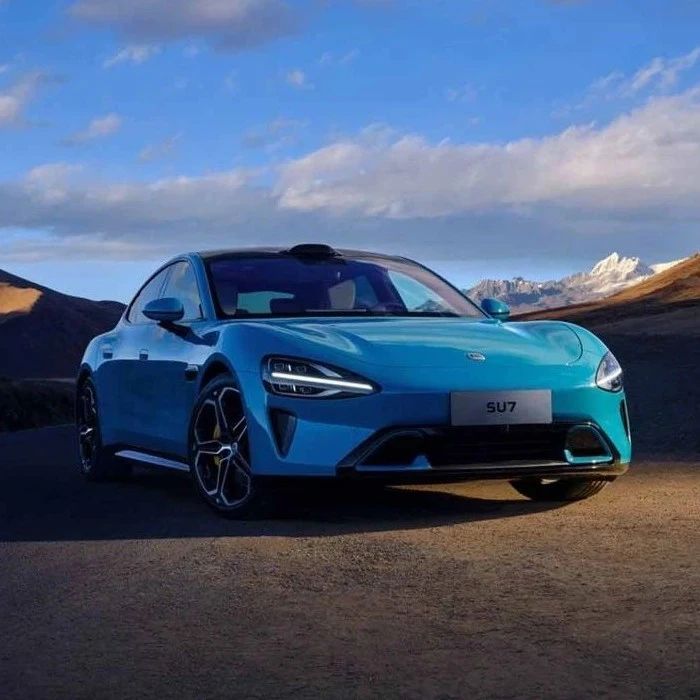
Group 1 - The Shanghai Composite Index opened high and fluctuated, with the CSI 300 Automotive and Parts Index reported at 10,259.58 points [1] - The CSI 300 Automotive and Parts Index has increased by 1.85% in the past month, decreased by 3.70% in the past three months, and increased by 4.84% year-to-date [1] - The CSI 300 Index is categorized into 11 primary industries, 35 secondary industries, over 90 tertiary industries, and more than 200 quaternary industries [1] Group 2 - The top ten weights in the CSI 300 Automotive and Parts Index are: BYD (38.8%), Seres (12.98%), Fuyao Glass (10.8%), SAIC Motor (8.68%), Changan Automobile (7.05%), Top Group (3.81%), Sailun Tire (3.78%), Desay SV (3.3%), Huayu Automotive (3.27%), and Great Wall Motors (3.25%) [1] - The market segments of the CSI 300 Automotive and Parts Index are composed of 50.84% from the Shanghai Stock Exchange and 49.16% from the Shenzhen Stock Exchange [2] - The industry composition of the CSI 300 Automotive and Parts Index includes 72.76% from passenger cars, 16.35% from automotive interior and exterior parts, 3.81% from automotive system components, 3.78% from tires, and 3.30% from automotive electronics [2] Group 3 - The index sample is adjusted every six months, with adjustments implemented on the next trading day after the second Friday of June and December each year [2] - Weight factors are generally fixed until the next scheduled adjustment, with temporary adjustments made when the CSI 300 Index samples are modified [2] - Special events affecting sample companies may lead to adjustments in the CSI 300 industry index samples, including delisting, mergers, acquisitions, and spin-offs [2]



一张PPT看懂汽车玻璃在智能化浪潮下的新机遇
材料汇· 2025-05-27 15:12
Core Viewpoint - The automotive glass industry is a high-quality component sector with continuous upgrade capabilities, driven by factors such as global automotive sales, market share, vehicle glass area, and price per square meter [4][5][7]. Group 1: Revenue Growth Drivers - The revenue growth of Fuyao Glass's automotive glass business is influenced by four main factors: global automotive sales and ownership, Fuyao's global market share, the area of glass per vehicle, and the price per square meter of automotive glass [4][5]. - The current global automotive production and sales are experiencing slow growth, while the vehicle ownership continues to rise, contributing positively to automotive glass sales [5]. - Fuyao's global market share in automotive glass is expected to continue increasing as competitors show low expansion willingness [5][13]. - The upgrade from small sunroofs to panoramic sunroofs has significantly contributed to the increase in the area of automotive glass per vehicle [5][12]. Group 2: Product Functionality Upgrades - The automotive glass industry is witnessing continuous upgrades in functionality, including heat insulation, sound insulation, heating, hydrophobic properties, dimming, antennas, lightweight designs, HUD (Heads-Up Display) windshields, and panoramic roofs [7][10]. - The value of automotive glass per vehicle is increasing due to the integration of these advanced functionalities, with specific upgrades leading to substantial increases in average selling prices (ASP) [10][12]. Group 3: ASP Trends - Fuyao's automotive glass ASP has been steadily increasing, with the price per square meter rising from 131.06 yuan in 2012 to an estimated 229.11 yuan in 2024, reflecting the ongoing functional upgrades [13][14]. - The proportion of high-value-added products in Fuyao's automotive glass revenue is also on the rise, with a 5.02 percentage point increase expected in 2024 compared to the previous year [13][14]. Group 4: Electric and Intelligent Trends - The electric vehicle (EV) trend is driving the adoption of panoramic glass roofs, which are becoming a standard feature in many new models, enhancing aesthetics and cost-effectiveness [19][24]. - The penetration rate of panoramic glass roofs in domestic passenger vehicles has rapidly increased since 2020, reaching over 14% by December 2024 [24][25]. - HUD technology is becoming more prevalent, with the penetration rate of W/AR-HUD in domestic passenger vehicles surpassing 10% in 2023, projected to exceed 45% by 2027 [33][34]. Group 5: Smart Glass Innovations - Smart dimming glass is emerging as a key feature in automotive glass, enhancing comfort by adjusting transparency based on lighting conditions [40][44]. - The integration of glass antennas is gaining traction, as glass serves as an ideal medium for modern communication needs, allowing for better signal reception without compromising vehicle aesthetics [50][51]. - Glass displays are anticipated to be a significant trend in smart cockpits, with solutions including integrated displays and projection technologies [53].
广东诚招百万英才,机械等专业“一技之长”也很有市场
Di Yi Cai Jing· 2025-05-25 11:52
Group 1 - High-skilled talent is a crucial support for Guangdong's "manufacturing powerhouse" strategy, focusing on adapting to market demands, technological innovation, and the new landscape brought by artificial intelligence [1][6] - Guangdong has implemented various talent policies, including online and offline job fairs, free accommodation for job seekers, and talent subsidies to enhance its attractiveness to talent [1][2] - The "Million Talents Gather in South Guangdong" action plan aims to recruit 1 million college graduates for employment and entrepreneurship in Guangdong, offering competitive salaries and positions [2][3] Group 2 - In May, a specialized recruitment event attracted over 250 quality enterprises from advanced manufacturing sectors, providing more than 1,600 quality positions and aiming to recruit 5,560 individuals [1][2] - The action plan includes a "2+N" recruitment strategy, featuring two large-scale comprehensive job fairs in Guangzhou and Shenzhen, along with multiple city-specific recruitment events [2][3] - The action plan will also organize specialized recruitment activities targeting talent needed in artificial intelligence, robotics, and key industries such as new electronic information and advanced materials [3][6] Group 3 - The demand for high-skilled talent has peaked, with companies like Midea, Xpeng Motors, and Fuyao Glass participating in recruitment events, offering around 6,000 positions [4][5] - Graduates from mechanical and related fields are showing strong competitiveness in job markets, with many receiving multiple job offers and attractive salary packages ranging from 6,000 to 12,000 yuan after formal employment [4][5] - Guangdong's vocational institutions are increasingly collaborating with quality enterprises for specialized recruitment, enhancing the employability of their graduates [5][6]

行业ETF风向标丨汽车板块强势反弹,汽车ETF半日涨幅近4%
Mei Ri Jing Ji Xin Wen· 2025-05-23 07:02
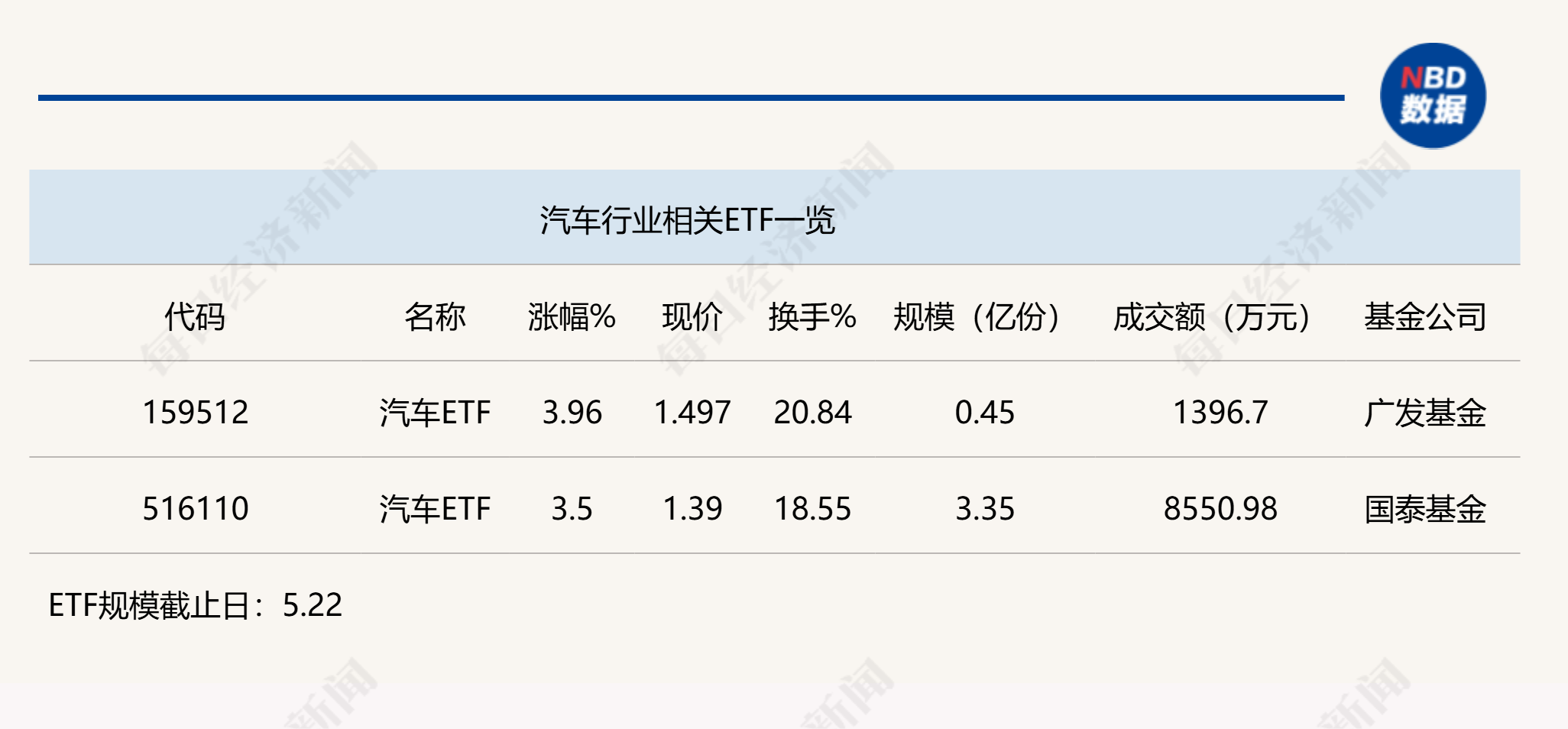
Core Viewpoint - The automotive sector experienced a significant surge, driven by the strong performance of Seres, with automotive ETFs showing notable gains in the market [1][2]. Group 1: ETF Performance - Automotive ETF (159512) achieved a half-day increase of 3.96%, leading the ETF market, with a total scale of 0.45 billion shares and a transaction amount of 13.97 million yuan [1][3]. - Automotive ETF (516110) also saw a half-day increase of 3.5%, with a scale of 3.35 billion shares and a transaction amount of 85.51 million yuan [1][6]. Group 2: Market Trends - The automotive market showed stable growth in production and sales compared to the same period last year, supported by the accelerated release of domestic demand [2]. - Exports remained stable despite drastic changes in the external environment, and the new energy vehicle sector continued to grow rapidly [2]. - National policies aimed at stabilizing employment and the economy are expected to further boost domestic demand in the automotive market, helping to mitigate negative impacts on exports [2]. Group 3: ETF Share Changes - Year-to-date, the share of Automotive ETF (516110) decreased by 78 million shares, representing a change of -18.9%, while Automotive ETF (159512) saw a reduction of 34 million shares, with a change of -43% [2]. Group 4: Major Holdings - Major stocks in the CSI Automotive Index include BYD (20.05% weight), Seres (14.01%), and SAIC Motor (11.01%) [4][5]. - Major stocks in the CSI 800 Automotive and Parts Index include BYD (20.03% weight), Seres (10.67%), and Fuyao Glass (9.32%) [7].

出口、并购、合资…5种出海模式全解析,哪种适合你的企业
吴晓波频道· 2025-05-23 00:41
Core Insights - The article discusses the challenges and lessons learned from Chinese companies' overseas expansion efforts, highlighting the importance of understanding cultural differences and choosing the right entry mode for international markets [3][6]. Group 1: Case Studies of Failed Overseas Expansion - SAIC Motor's acquisition of a stake in South Korea's SsangYong Motor in 2004 faced significant challenges due to cultural differences and management conflicts, leading to a complete withdrawal by SAIC in 2009 after incurring substantial losses [4]. - JD.com's joint ventures in Southeast Asia, including JD.ID in Indonesia and JD Central in Thailand, initially showed promise but ultimately faced structural conflicts and market challenges, resulting in the termination of services in early 2023 [5][6]. Group 2: Overview of Overseas Expansion Modes - Companies can choose between "light" and "heavy" modes of overseas expansion, with the former being lower risk and faster to implement, while the latter offers higher control but comes with greater challenges [8]. - Light modes include export and franchising, which allow for quick market penetration but may yield limited returns. For example, Mixue Ice Cream rapidly expanded in Vietnam through franchising, while Heytea's direct approach in Singapore was slower [9][10]. - Heavy modes involve strategic alliances, joint ventures, mergers, and acquisitions, which can provide efficiency and resource sharing but are often complicated by cultural differences and management conflicts [11][12]. Group 3: Strategic Adaptation in Overseas Markets - Successful overseas expansion requires companies to adapt their strategies based on local market conditions and cultural contexts. For instance, Fuyao Glass adjusted its approach in the U.S. by bypassing traditional distributors to improve profitability [15][17]. - Xiaomi's entry into Europe involved establishing a wholly-owned subsidiary and forming strategic alliances to navigate the diverse market landscape effectively, demonstrating the need for tailored strategies in different regions [18][19]. Group 4: Conclusion and Learning Opportunities - The article emphasizes the importance of understanding the complexities of international markets and the necessity for companies to carefully plan their overseas strategies to avoid pitfalls [19][20]. - It encourages businesses interested in international expansion to engage in educational programs that provide insights into global market dynamics and operational strategies [19][21].