Shanxi Xinghuacun Fen Wine Factory (600809)

Search documents
山西汾酒(600809) - 独立董事提名人声明与承诺(樊燕萍)
2025-09-10 10:15
一、被提名人具备上市公司运作的基本知识,熟悉相关法律、行 政法规、规章及其他规范性文件,具有 5 年以上法律、经济、会计、 财务、管理或者其他履行独立董事职责所必需的工作经验。 山西杏花村汾酒厂股份有限公司 独立董事提名人声明与承诺 提名人山西杏花村汾酒集团有限责任公司,现提名樊燕萍为山西 杏花村汾酒厂股份有限公司第九届董事会独立董事候选人,并已充分 了解被提名人职业、学历、职称、详细的工作经历、全部兼职、有无 重大失信等不良记录等情况。被提名人已同意出任山西杏花村汾酒厂 股份有限公司第九届董事会独立董事候选人(参见该独立董事候选人 声明)。提名人认为,被提名人具备独立董事任职资格,与山西杏花 村汾酒厂股份有限公司之间不存在任何影响其独立性的关系,具体声 明并承诺如下: 被提名人于 2014 年 7 月在上海国家会计学院进行了管理会计课 程学习并取得证书;于 2019 年 7 月在上海证券交易所学习并取得独 立董事资格证明;于 2021 年 12 月、2022 年 12 月、2023 年 12 月在 上海证券交易所学习独立董事后续培训课程;于 2024 年 12 月在上海 证券交易所学习"上市公司独立董事反舞 ...

山西汾酒(600809) - 2025年第二次临时股东大会会议资料
2025-09-10 10:15
山西汾酒 2025 年第二次临时股东大会资料 山西杏花村汾酒厂股份有限公司 2025 年第二次临时股东大会 资料目录 | 一、会议须知 2 | | --- | | 二、会议议程 3 | | 三、关于修订公司《章程》及其附件的议案 4 | | 四、关于修订公司其他治理制度的议案 110 | | 五、关于选举非独立董事的议案 121 | | 六、关于选举独立董事的议案 125 | — 1 — 山西汾酒 2025 年第二次临时股东大会资料 2025 年第二次临时股东大会会议须知 为确保公司股东大会的正常秩序和议事效率,维护投资 者的合法权益,根据《公司法》《证券法》以及中国证监会 《上市公司股东会规则》的相关规定,制定以下会议须知, 请出席股东大会的全体人员严格遵守。 1.本次会议会务组设在公司董事会办公室,具体负责会 议期间的组织及相关会务工作。 6.股东或股东代理人在会议召开期间临时要求发言的, 须向会务组登记,经大会主持人许可方能发言或质询。股东 发言要简明扼要,每次发言原则上不超过 2 分钟。发言或质 询内容应与本次股东大会相关议题有关。 7.大会主持人应当指定公司董事、监事或高级管理人员 认真负责且有针对 ...
酒业观察:白酒上半年业绩加剧下滑 “低度化”恐难成破局“良药”
Xin Hua Cai Jing· 2025-09-10 09:40
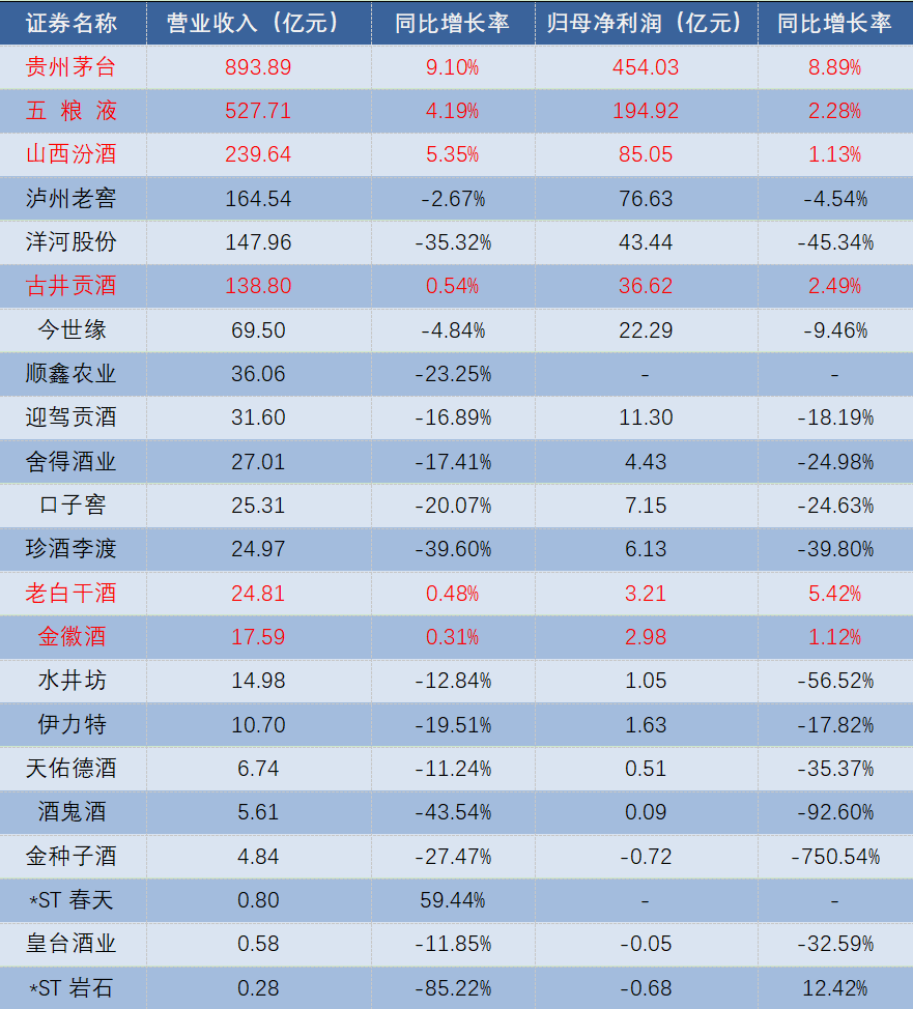
Core Viewpoint - The white liquor industry is experiencing a significant slowdown, with only 6 out of 22 listed companies reporting positive growth in revenue and net profit, indicating a shift from "volume decline with profit increase" to "volume shrinkage with profit reduction" [1][2]. Group 1: Financial Performance - Among the 22 listed white liquor companies, only 6 achieved positive revenue and net profit growth [1]. - Guizhou Moutai reported a revenue of 89.39 billion with a year-on-year growth rate of 9.10%, and a net profit of 45.40 billion, growing by 8.89% [2]. - Other notable companies include Wuliangye with a revenue of 52.77 billion (4.19% growth) and Shanxi Fenjiu with 23.96 billion (5.35% growth) [2]. Group 2: Inventory and Cash Flow - The industry is facing high inventory levels and cash flow pressures, with over half of the distributors experiencing increased inventory pressure [2][3]. - Guizhou Moutai has an inventory turnover rate of 0.14, indicating a long inventory turnover period of approximately 1265 days [3]. - The overall trend shows a significant increase in inventory turnover days across various companies, reflecting the challenges in managing stock levels [3]. Group 3: Market Trends and Strategies - The industry is shifting from supply-driven growth to demand-driven growth, focusing on product structure optimization and channel efficiency [3]. - Companies are exploring online channels and digital transformation to enhance operational efficiency and sales capabilities [2][3]. - There is a notable trend towards "lower alcohol content" and "younger demographics" in product offerings, although this has raised concerns about homogenization and cultural fit within the industry [2][3].





11只白酒股下跌 贵州茅台1522.01元/股收盘
Bei Jing Shang Bao· 2025-09-10 08:53
从个股来看,贵州茅台收盘价达1522.01元/股,上涨1.13%;五粮液收盘价达128.06元/股,下跌0.57%; 山西汾酒收盘价达205.92元/股,上涨0.06%;泸州老窖收盘价达139.58元/股,下跌0.52%;洋河股份收 盘价达73.31元/股,下跌0.62%。 北京商报讯(记者 刘一博 冯若男)9月10日尾盘,沪指3812.22点上涨0.13%。白酒板块2364.85点收盘 上涨0.14%,其中11只白酒股下跌,贵州茅台1522.01元/股收盘。 开源证券在公告中指出:"酒企轻装上阵后,有望与后续行业回暖同频共振,资金布局意愿逐步提升。 部分白酒开瓶率已有向好迹象,我们判断基本面底部区间已渐行渐近。" ...
山西汾酒涨2.05%,成交额7.33亿元,主力资金净流入3029.71万元
Xin Lang Cai Jing· 2025-09-08 03:31
Core Viewpoint - Shanxi Fenjiu's stock price has shown a positive trend, with significant increases in both revenue and net profit year-on-year, indicating strong business performance and investor interest [1][2]. Group 1: Stock Performance - On September 8, Shanxi Fenjiu's stock rose by 2.05%, reaching 204.13 CNY per share, with a trading volume of 733 million CNY and a turnover rate of 0.30%, resulting in a total market capitalization of 249.03 billion CNY [1]. - Year-to-date, Shanxi Fenjiu's stock price has increased by 14.58%, with a 1.76% rise over the last five trading days, 9.38% over the last 20 days, and 21.06% over the last 60 days [1]. Group 2: Financial Performance - For the first half of 2025, Shanxi Fenjiu reported a revenue of 23.964 billion CNY, reflecting a year-on-year growth of 5.35%, and a net profit attributable to shareholders of 8.505 billion CNY, which is a 1.13% increase compared to the previous year [2]. - Since its A-share listing, Shanxi Fenjiu has distributed a total of 24.325 billion CNY in dividends, with 16.775 billion CNY distributed over the past three years [2]. Group 3: Shareholder Structure - As of June 30, 2025, the number of shareholders for Shanxi Fenjiu reached 104,400, an increase of 52.38% from the previous period, while the average number of circulating shares per person decreased by 34.38% to 11,687 shares [2]. - Among the top ten circulating shareholders, Hong Kong Central Clearing Limited holds 48.999 million shares, an increase of 2.0136 million shares from the previous period [3].
禁酒令下,白酒惨烈
虎嗅APP· 2025-09-07 23:52
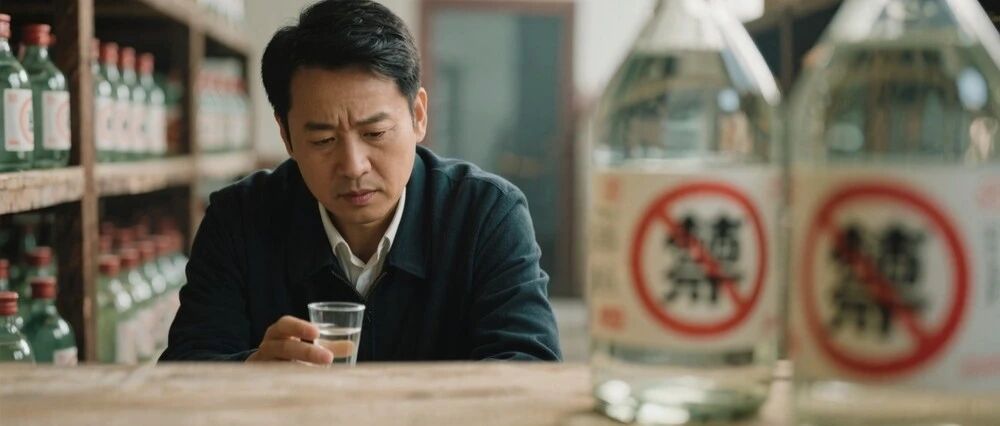
Core Viewpoint - The Chinese liquor industry is undergoing significant challenges due to the impact of the alcohol ban, leading to declining production, sales, and profits across various companies [4][6][10]. Group 1: Industry Overview - Liquor consumption has decreased, with production falling nearly 6% after eight consecutive years of decline [5]. - The average price range for main consumer segments has shifted from 300-500 RMB to 100-300 RMB [6]. - The total profit for the industry has decreased by 10% compared to the same period last year, with over 100 companies shutting down [6]. Group 2: Impact of the Alcohol Ban - The alcohol ban has particularly affected high-end liquor sales, with sales in regions like Henan dropping by 50% during June and July [9][10]. - The ban has altered the underlying logic of the liquor industry, affecting over 10% of the national workforce and potentially impacting consumption worth hundreds of billions [10][11]. - The relationship between central and local governments is complex, with national policies like the alcohol ban reshaping the competitive landscape and local economies [11]. Group 3: Company Performance - Among 20 listed liquor companies, only 6 reported positive revenue growth in their mid-year reports [14]. - Major players like Moutai and Wuliangye are experiencing pressure, with Wuliangye's net profit declining by 7.58% and Shanxi Fenjiu by 13.5% in Q2 [15][17]. - The average net profit decline for many companies in Q2 is around 60%, with some companies like Shendao experiencing a staggering 62.66% drop [15][16]. Group 4: Market Dynamics - Moutai's revenue from its flagship product grew by 10.99%, while its series liquor saw a decline of 6.53% [20]. - Wuliangye's sales volume increased by 12.7%, but the average price fell by 7.2%, indicating a reliance on volume to maintain revenue [25][28]. - The market for low-alcohol products is projected to grow significantly, with a compound annual growth rate of 25% expected to reach 74 billion RMB by 2025 [38]. Group 5: Future Outlook - The alcohol ban has accelerated changes in consumer habits, with a notable decline in high-end dining and business-related alcohol consumption [34][35]. - Companies are adapting by introducing lower-alcohol products to attract younger consumers, although the effectiveness of this strategy remains uncertain [39][40]. - The liquor industry is heavily reliant on local economies, with companies like Moutai contributing significantly to local tax revenues and economic stability [48][50].

行业周报:白酒筑底,新消费领航-20250907
KAIYUAN SECURITIES· 2025-09-07 10:41
Investment Rating - The industry investment rating is "Positive" (maintained) [1] Core Viewpoints - The bottom of the liquor market is gradually emerging, and growth in new consumption is expected. The food and beverage index experienced a decline of 1.0% from September 1 to September 5, ranking 14th among 28 sub-industries, underperforming the CSI 300 by approximately 0.2 percentage points. The sub-industries of processed foods (+1.0%), meat products (+0.5%), and other foods (0.0%) performed relatively well. Individual stocks such as Huanlejia, Qianwei Yangchun, and Huifa Foods saw significant gains, while Aipu Co., Youyou Foods, and New Dairy experienced notable declines. Despite market consolidation, a more proactive investment approach in the food and beverage sector is recommended to seize undervalued rotation opportunities. The liquor sector is facing demand decline due to alcohol bans, but the current fundamental situation is already reflected in the market, and the risk is reduced. As companies streamline operations, they are expected to resonate with the subsequent industry recovery, leading to increased investment interest. Some liquor brands are showing signs of improvement in opening rates, indicating that the fundamental bottom is approaching. The food and beverage sector has undergone a prolonged adjustment, and current valuations are relatively low, providing a high safety margin. Public fund positions have continued to decrease, optimizing the chip structure. Liquor companies, represented by liquor stocks, are showing a continuous increase in dividends, aligning with the stock selection criteria of certain funds, making them attractive to conservative investors. Additionally, new consumption is expected to continue attracting funds in the second half of the year. From the mid-year performance reports, new consumption targets exhibit rapid growth and strong growth potential, with high growth expected for the entire year. Investors are advised to focus on new channels, new categories, and new markets to identify new consumption targets that align with industry development trends. Specific recommended stocks include Weilong Delicious, Yanjinpuzi, Ximai Foods, Dongpeng Beverage, Youyou Foods, Wancheng Group, and Bairun Co. [3][11][12] Market Performance - From September 1 to September 5, the food and beverage index declined by 1.0%, ranking 14th out of 28, underperforming the CSI 300 by approximately 0.2 percentage points. The sub-industries of processed foods (+1.0%), meat products (+0.5%), and other foods (0.0%) performed relatively well. Individual stocks such as Huanlejia, Qianwei Yangchun, and Huifa Foods saw significant gains, while Aipu Co., Youyou Foods, and New Dairy experienced notable declines [12][13]. Upstream Data - On September 2, the GDT auction price for whole milk powder was $3,809 per ton, down 5.6% month-on-month but up 12.2% year-on-year. The domestic fresh milk price was 3.0 yuan per kilogram on August 28, remaining stable month-on-month but down 4.7% year-on-year. In the short to medium term, domestic milk prices are still on a downward trend [16][17]. Liquor Industry News - Recently, Guizhou Province announced two liquor projects with a total investment of 5.2 billion yuan. The projects include a 50,000-ton annual production facility for sauce-flavored liquor and an intelligent storage center for sauce-flavored liquor. The total investment for the production facility is 5 billion yuan, while the intelligent storage center has an investment of 200 million yuan [38][39].

鹰眼观酒 丨白酒进入调整期,从“二八”向“一九”演进
Da Zhong Ri Bao· 2025-09-07 05:48
Core Insights - The Chinese liquor industry is experiencing a dual drive of consumption recovery and structural upgrades, leading to a pronounced trend of "the strong getting stronger and increased differentiation" [2][3] Group 1: Financial Performance - In the first half of the year, 19 A-share listed liquor companies reported a total revenue of 235.21 billion yuan, a year-on-year decrease of 0.5%, and a total net profit of 94.39 billion yuan, down 0.92% [2] - The top six liquor companies, including Kweichow Moutai and Wuliangye, accounted for 89.82% of the total revenue of A-share listed liquor companies, with a combined revenue of 211.25 billion yuan [2][3] - Kweichow Moutai achieved a main revenue of 89.39 billion yuan, while Wuliangye reported 52.77 billion yuan, and Shanxi Fenjiu reached 23.96 billion yuan in the first half of 2025 [3] Group 2: Market Dynamics - The market share of the top six liquor brands increased from 86.82% in 2022 to 89.82% in mid-2025, indicating a shift from the "80/20 rule" to the "90/10 rule" [4] - Kweichow Moutai's revenue share of the industry increased from 36.37% in 2022 to 38% in the first half of 2025, showcasing its strong brand moat and pricing power [4] - Shanxi Fenjiu has become a notable disruptor in the industry, achieving double-digit growth in revenue and net profit for eight consecutive years, increasing its market share from 7.68% in 2022 to 10.19% in the first half of 2025 [4] Group 3: Industry Challenges and Strategies - The liquor industry is entering a deep adjustment period characterized by policy adjustments, consumption changes, and intensified competition, where stability is deemed more important than growth [5] - Many liquor companies are enhancing promotional efforts, such as Shanxi Fenjiu's strategic branding initiatives through high-profile media appearances and cultural events [5] - The industry is shifting focus towards providing genuine value to consumers, particularly the younger generation, as blind expansion and price increases pose increasing risks [6] Group 4: Consumer Complaints - Consumer complaints in the liquor industry are primarily concentrated in three areas: product quality, marketing irregularities, and consumer experience [8] - Issues related to product quality include the prevalence of counterfeit high-end liquor and deceptive practices surrounding "vintage liquor" [8] - Marketing concerns involve false advertising in live-streaming sales and misleading pricing strategies during promotional events [8]

国有企业杏系品牌管理(山西)有限公司,为清香型白酒赛道注入国企力量!
Sou Hu Cai Jing· 2025-09-06 23:45
Core Viewpoint - The company aims to promote high-quality development in the liquor industry while integrating traditional practices with innovative approaches [1][3]. Group 1: Company Operations - The company operates as a state-owned enterprise under Shanxi Xinghuacun Fenjiu Distillery Co., Ltd., focusing on the national brand operation center for Xinghuacun liquor [1]. - It has established a comprehensive compliance system that adheres to national liquor industry regulations, including product traceability and quality control [3]. - A digital traceability platform has been developed, allowing consumers to check product brewing batches and logistics information in real-time [3]. Group 2: Industry Contribution - The company is actively involved in promoting the cultural value of Qingxiang liquor by organizing forums and releasing consumption trend reports [3]. - It is exploring digital transformation in the liquor industry through a dual-track model of online brand operation and offline experience services, targeting younger consumers [3]. - The "Xinghuacun Liquor Digital Marketing Plan" is expected to drive a 45% year-on-year increase in online sales for 2024, providing replicable practices for traditional liquor enterprises [3]. Group 3: Market Impact - The company has built an operational network covering over 30 provinces and cities nationwide, contributing to the steady increase in market share for Xinghuacun liquor [5]. - By sharing operational experiences and management standards, the company supports the growth of regional liquor distributors [5]. - The company will continue to act as an "industry promoter," focusing on quality, cultural dissemination, and innovative models to contribute to the high-quality development of the liquor industry [5].
山西汾酒百亿存货高悬,经销商锐减500户,中高端酒遇冷
Sou Hu Cai Jing· 2025-09-06 03:10
Core Viewpoint - Shanxi Fenjiu is facing significant challenges due to high inventory levels of 13.2 billion, which is impacting its performance and future growth prospects [2][5]. Inventory Pressure - As of mid-2025, Shanxi Fenjiu's inventory stood at 131.98 billion, a notable increase from 96.50 billion at the end of 2022, reflecting a growing inventory pressure [3]. - The company's inventory composition shows that finished goods account for 44% of total inventory, compared to only 4.77% for Kweichow Moutai, indicating a higher sales pressure and cash flow challenges for Shanxi Fenjiu [2]. Sales Performance - In the first half of 2025, Shanxi Fenjiu's revenue and net profit growth slowed significantly, with increases of only 5.35% and 1.13% respectively, contrasting sharply with previous years' double-digit growth [2]. - The company has seen a net reduction of over 500 distributors, which may be due to intense market competition and reduced profit margins, leading to a lack of confidence in future market prospects [3]. Sales Channel Structure - Shanxi Fenjiu heavily relies on its agency channel, which accounted for 93.97% of total revenue in the first half of 2025, while direct sales through group buying and e-commerce only made up 5.66% [3]. - This over-reliance on a single sales channel makes the company vulnerable to market fluctuations and distributor issues [3]. Product Pricing and Market Trends - The mid-to-high price segment of Shanxi Fenjiu's products has been a significant revenue contributor, generating 189.33 billion, 232.03 billion, and 265.32 billion from 2022 to 2024, respectively [4]. - However, the industry is experiencing a downward trend in price segments, with the mid-range (100 to 300 yuan) becoming the main sales driver, potentially affecting the sales of Shanxi Fenjiu's higher-priced products [4]. Strategic Investments and Dividends - To address inventory pressure, Shanxi Fenjiu is investing approximately 9.102 billion in the Fenjiu 2030 technical transformation project, aimed at increasing production capacity [4]. - The company has also been distributing substantial dividends, with cash dividends of 5.331 billion and 7.393 billion in 2023 and 2024, respectively, which accounted for over 50% of net profits, potentially impacting its financial reserves [4]. Conclusion - Shanxi Fenjiu's significant inventory pressure, slowing growth, reliance on a single sales channel, and market challenges necessitate immediate strategic actions to enhance product structure and market competitiveness [5].