Shanxi Xinghuacun Fen Wine Factory (600809)

Search documents
食品饮料行业周报:节后需求稳健格局优化,健康功能饮品长期向好
KAIYUAN SECURITIES· 2026-03-01 08:24
Investment Rating - The industry investment rating is "Positive" (maintained) [1] Core Viewpoints - The food and beverage industry is experiencing a recovery in sales during the Spring Festival, with structural differentiation observed. The demand for high-end liquor remains strong, particularly for brands like Moutai and Wuliangye, which have shown year-on-year sales growth. The market's resilience and channel confidence are being restored, with the price bottoming out due to continuous supply-side contraction. The current valuation of the food and beverage sector is low, with institutional holdings being relatively low, indicating high allocation value. Investment strategies suggest focusing on leading companies with strong brands and channel barriers in the liquor sector, while in the mass market, three core lines are recommended: the snack sector benefiting from channel changes, dairy and ranch sectors with potential profit elasticity, and the frozen and compound seasoning sectors linked to the recovery of the catering chain [4][11][12]. Summary by Sections Weekly Insights - The food and beverage index declined by 1.5% from February 23 to February 27, ranking 26th among 28 sectors, underperforming the CSI 300 by approximately 2.6 percentage points. The sub-sectors of prepared foods (+6.7%), beer (+2.6%), and health products (+1.2%) performed relatively well [11][13]. Market Performance - The food and beverage sector underperformed the broader market, with a 1.5% decline in the index. Notable individual stock performances included Sanquan Foods, Anjuke Foods, and Jinhwa Industrial showing significant gains, while Gujing Gong B, Dongpeng Beverage, and Gujing Gongjiu faced declines [11][13][17]. Upstream Data - Some upstream raw material prices have decreased. For instance, the price of whole milk powder in GDT auctions was $3,706 per ton, down 10.8% year-on-year. The price of fresh milk was 3.04 yuan per kilogram, down 2.3% year-on-year [15][18]. Liquor Industry Data - In mid-February, the national liquor price index fell by 0.07%. The wholesale price index for famous liquors increased by 7.26% year-on-year, indicating a stable demand for premium products [37]. Recommendations - Recommended stocks include Moutai, Shanxi Fenjiu, Ximai Foods, Weilong Delicious, and Ganyuan Foods. Moutai is focusing on sustainable development amidst shifting demand, while Shanxi Fenjiu is expected to see medium-term growth despite short-term pressures. Ximai Foods is expanding its channels, and Ganyuan Foods is anticipated to rebound after adjustments [6][40].




食品饮料行业周报:节后需求稳健格局优化,健康功能饮品长期向好-20260301
KAIYUAN SECURITIES· 2026-03-01 08:13
Investment Rating - The industry investment rating is "Positive" (maintained) [1] Core Views - The sales performance of the food and beverage industry is recovering during the Spring Festival, with structural differentiation observed. The high-end liquor segment shows strong demand, particularly for brands like Moutai and Wuliangye, which have seen year-on-year sales growth. The market demonstrates resilience and confidence in distribution channels [4][11] - The food and beverage index declined by 1.5%, ranking 26th among 28 sub-industries, underperforming the CSI 300 by approximately 2.6 percentage points. Sub-industries such as processed foods (+6.7%), beer (+2.6%), and health products (+1.2%) performed relatively well [4][11][13] - The current valuation of the food and beverage sector is low, with institutional holdings being relatively low, indicating high allocation value. Investment strategies suggest focusing on leading companies with strong brands and channel barriers in the liquor sector, while in the mass market, three core lines are recommended: snack foods benefiting from channel changes, dairy and livestock sectors with potential profit elasticity, and frozen and compound seasoning products linked to the recovery of the catering supply chain [4][11] Summary by Sections Market Performance - The food and beverage index experienced a decline of 1.5%, ranking 26th out of 28 sectors, and underperformed the CSI 300 by about 2.6 percentage points. Leading stocks included Sanquan Foods, Anjuke Foods, and Jinhui Industrial, while Gujing Gongjiu, Dongpeng Beverage, and Gujing Gongjiu saw significant declines [4][11][13] Upstream Data - As of February 17, 2026, the price of whole milk powder was $3,706 per ton, down 10.8% year-on-year. The price of fresh milk was 3.04 yuan per kilogram, down 2.3% year-on-year. The domestic milk price is expected to continue its downward trend in the short to medium term [19][35] Liquor Industry Data - In mid-February, the national liquor price index decreased by 0.07%. The wholesale price index for liquor increased by 6.13% year-on-year, indicating a stable long-term outlook for premium liquor brands [40][41] Recommended Stocks - Recommended stocks include Moutai, Shanxi Fenjiu, Ximai Foods, Weilong Delicious, and Ganyuan Foods, with each company showing strong growth potential and market positioning [6][45]
食品饮料行业研究:预期逐步筑底,关注顺周期&餐饮链配置契机
SINOLINK SECURITIES· 2026-03-01 07:50
Investment Rating - The report maintains a positive outlook on the current white liquor sector, suggesting it has configuration value and a favorable win rate under low expectations [2][11] Core Insights - The overall sales performance of white liquor during the Spring Festival met market expectations, with a projected year-on-year decline in total channel sales of 10-15%. Notably, the price of Feitian Moutai remained stable, and there were signs of replenishment for some mass-market products [1][10] - The report indicates that the white liquor industry is currently in a price stabilization phase, with companies actively working on inventory reduction. The strong sales performance of Feitian Moutai during the Spring Festival has helped stabilize market expectations and ease industry pressures [1][10] - The report highlights a gradual transition towards a bottoming phase for the white liquor industry, with expectations of improved consumer sentiment and spending as macroeconomic policies evolve [2][11] Summary by Sections White Liquor - The report suggests that the white liquor sector is experiencing a stabilization in pricing, with Feitian Moutai's current price around 1690 RMB, showing a slight decline [1][10] - Recommendations include focusing on high-end brands with strong market positions, such as Guizhou Moutai and Wuliangye, as well as regional leaders benefiting from robust demand [2][11] Beer - The beer sector is showing signs of recovery in on-premise consumption, with companies expanding into non-drink channels and diversifying their product offerings. The report suggests continued attention to beer companies due to their solid performance and dividend levels [2][11] Yellow Wine - The yellow wine industry is witnessing price increases among leading brands, indicating a potential for improved competitive dynamics. The report notes the importance of marketing and product innovation to attract younger consumers [2][12] Snacks - The snack sector is expected to maintain high growth due to strong sales during the Spring Festival, with recommendations for companies like Wancheng Group and Weilian Meishi, which are well-positioned for growth in Q1 [3][13] Soft Drinks - The soft drink sector is entering a sales lull, facing challenges from the rise of ready-to-drink tea beverages. However, the report remains optimistic about brands like Dongpeng Beverage and Nongfu Spring, which have strong brand potential [3][13] Condiments - The condiment sector is currently stabilizing after a challenging period, with recommendations for companies like Angel Yeast and Qianhe Flavor, which are expected to benefit from improving fundamentals and dividend yields [3][14]


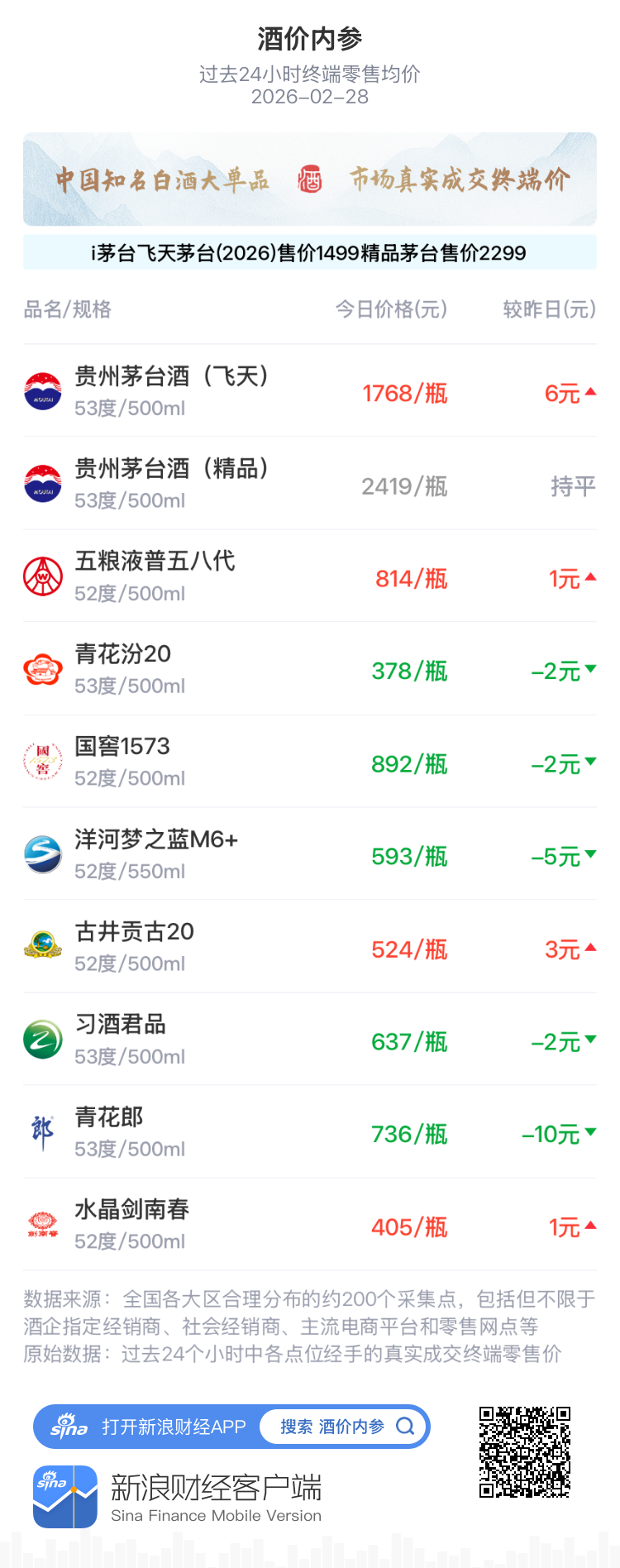
酒价内参2月28日价格发布 总价承压整理回落至2月初低位
Xin Lang Cai Jing· 2026-02-28 01:11
Core Insights - The Chinese white liquor market is experiencing a price adjustment, with the average retail price of the top ten products dropping to 9,166 yuan, a decrease of 10 yuan from the previous day, marking a new low since early February [1] - The market shows a mixed performance with four products increasing in price, five decreasing, and one remaining stable, indicating a structural adjustment rather than a uniform trend [1] Price Movements - Among the products that increased in price, Feitian Moutai rose by 6 yuan per bottle, supported by solid demand and tight supply [1][3] - Other products with price increases include Gujing Gonggu 20, which went up by 3 yuan, and Wuliangye Pu 58 and Shuijing Jianan Chun, both of which saw a slight increase of 1 yuan [1] - Conversely, products that decreased in price include Qinghua Lang, which fell by 10 yuan, and Yanghe Dream Blue M6+, which decreased by 5 yuan [1][4] - The price of the stable product, Jingpin Moutai, remains at 2,419 yuan per bottle, showing resilience in its pricing [1] Market Dynamics - The overall market is characterized by a continued differentiation among products, with core products showing resilience while others face downward pressure [1] - The data is sourced from approximately 200 collection points across major regions, including designated distributors, social distributors, mainstream e-commerce platforms, and retail outlets [4]



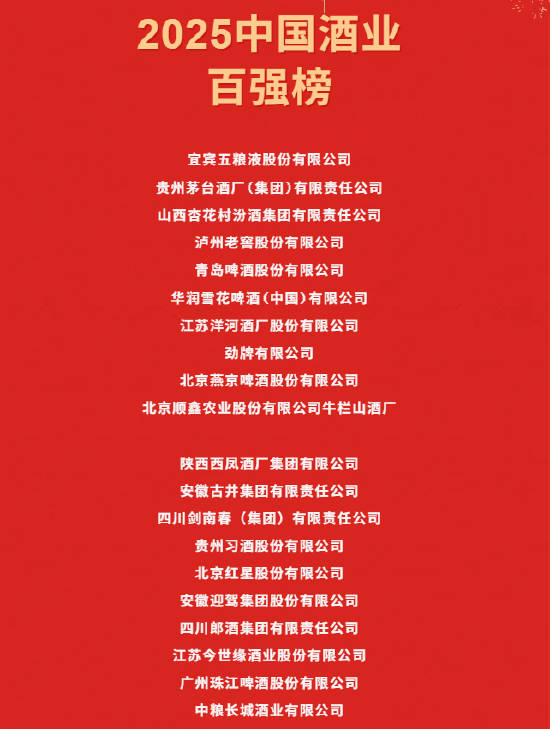
2025中国酒业百强榜发布,五粮液反超茅台登顶
Xin Lang Cai Jing· 2026-02-27 09:59
Core Insights - The "Top 100 Chinese Liquor Producers 2025" list was recently released by Jiutong Society in collaboration with "China Alcohol Industry," with Wuliangye surpassing Moutai to take the top position, while Moutai ranks second [1][6] - The rankings from third to tenth place include Fenjiu, Luzhou Laojiao, Qingdao Beer, China Resources Snow Beer, Jiangsu Yanghe, Jinjiu, Yanjing Beer, and Shunxin Agriculture [1][6] Company Rankings - The top ten companies in the liquor industry are as follows: 1. Wuliangye 2. Moutai 3. Fenjiu 4. Luzhou Laojiao 5. Qingdao Beer 6. China Resources Snow Beer 7. Jiangsu Yanghe 8. Jinjiu 9. Yanjing Beer 10. Shunxin Agriculture [1][6] Additional Companies Listed - Other notable companies in the rankings include: - Yantai Changyu Pioneer Wine Co., Ltd. - Sijiu Liquor Co., Ltd. - Hubei Daohua Xiang Liquor Co., Ltd. - Taishan Liquor Group Co., Ltd. - Guizhou Guotai Intelligent Liquor Group Co., Ltd. - Henan Yangshao Liquor Co., Ltd. - Guangxi Danquan Liquor Co., Ltd. - Budweiser Investment (China) Co., Ltd. - Guangdong Jiujiang Distillery Co., Ltd. - Chongqing Beer Co., Ltd. [2][8]

汾酒文化奠基人、著名书法家文景明艺术人生回顾展在汾阳博物馆启幕
Xin Lang Cai Jing· 2026-02-27 06:02
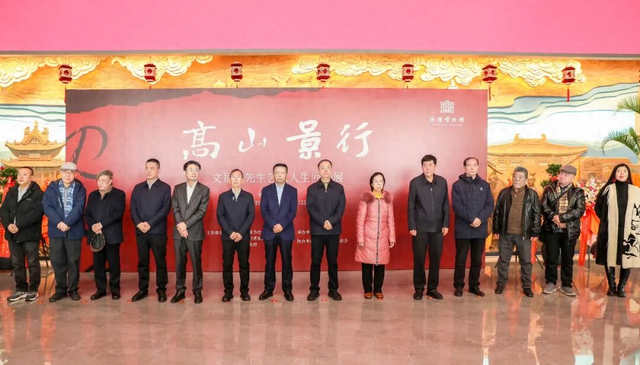
来源:环球网 2月26日,"高山景行——文景明先生艺术人生回顾展"在山西汾阳博物馆正式启幕。本次展览由山西省 书法家协会、汾酒集团、汾阳市人民政府联合主办,通过百余件书法作品、文稿信札及珍贵文献资料, 系统展现文景明先生的艺术造诣与人文贡献,为晋地中华优秀传统文化传承与发展注入新动能。山西省 书法界、汾酒集团及汾阳市相关负责人,国内高校专家、文化学者等共同出席本次活动。 汾阳市委常委、副市长王宝启在致辞中表示,本次以"高山景行"为主题的回顾展,既是对文景明先生艺 术成就的系统展示与集中梳理,更是对其高尚品格的深切致敬,也是对汾阳本土文化脉络的一次重要梳 理与传承。汾阳市政府及相关部门将切实做好展览藏品的保存、研究与利用工作,让这份珍贵的文化遗 产在新时代绽放光彩,以传统文化赋能城市高质量发展,为本土文化自信注入新活力。 开幕式上,文景明先生家属代表向汾阳博物馆捐赠了隋代成府君墓志等珍贵文物,以及文景明先生创作 的《汾州八景》书法条屏等共计33件作品。汾阳市政府市长李冰峰代表汾阳市政府接受捐赠,并为家属 颁发收藏证书。随后,汾酒集团党委副书记、副董事长、总经理武跃飞宣布展览开幕。 文景明先生深耕汾酒事业多年,是 ...
酒价内参2月27日价格发布,五粮液普五八代下跌7元
Xin Lang Cai Jing· 2026-02-27 01:12
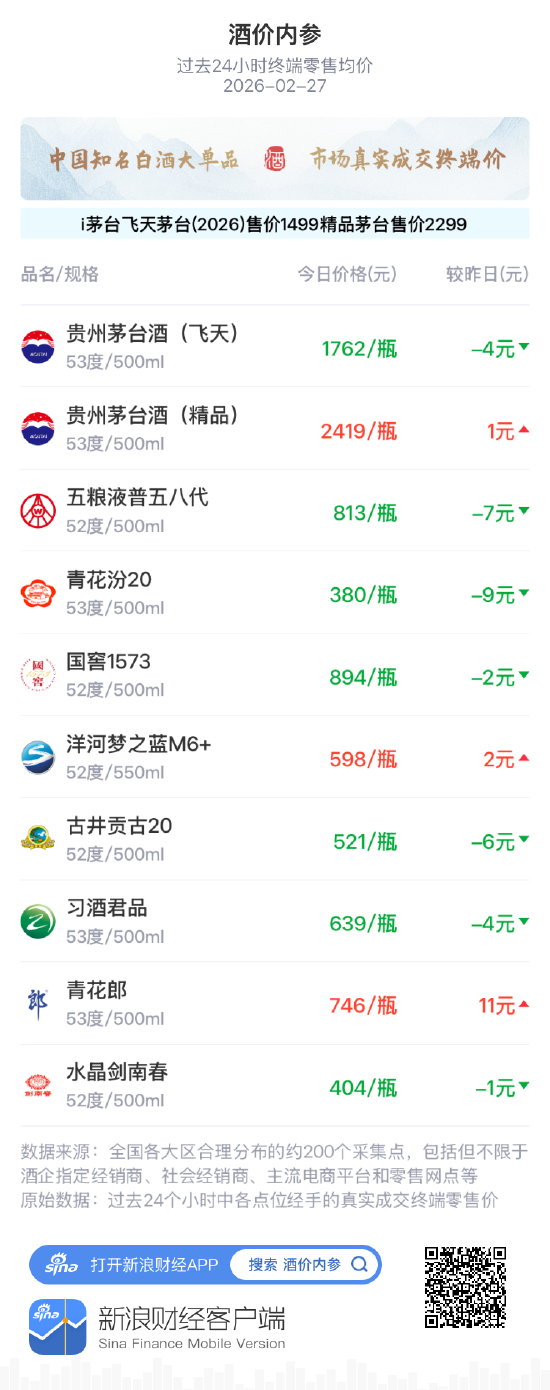
Core Viewpoint - The Chinese liquor market is experiencing a price adjustment, with the average retail price of the top ten liquor products reaching a new low of 9,176 yuan, down 19 yuan from the previous day, marking the lowest point in the last 12 days [1][6]. Price Trends - Among the top ten liquor products, seven saw price declines while three experienced price increases, indicating a continued downward trend in price focus [1][6]. - The price changes include: - Qinghua Lang increased by 11 yuan per bottle due to inventory digestion [1][6]. - Yanghe Dream Blue M6+ rose by 2 yuan per bottle, maintaining a narrow fluctuation [1][6]. - Premium Moutai saw a slight increase of 1 yuan per bottle, achieving four consecutive days of growth [1][6]. - Qinghua Fen 20 decreased by 9 yuan per bottle, showing signs of price correction after previous increases [1][7]. - Wuliangye Pu 58th generation fell by 7 yuan per bottle [1][7]. - Gujing Gong Gu 20 dropped by 6 yuan per bottle, marking its fifth consecutive day of decline [1][7]. - Feitian Moutai and Xijiu Junpin both decreased by 4 yuan per bottle [1][7]. - Guojiao 1573 fell by 2 yuan per bottle [1][7]. - Shuijing Jian Nan Chun saw a minor drop of 1 yuan per bottle [1][7]. Data Collection Methodology - The daily data for liquor prices is sourced from approximately 200 collection points across various regions, including designated distributors, social distributors, e-commerce platforms, and retail outlets, aiming to provide an objective and traceable overview of the liquor market [2][7]. - The pricing data is calculated based on real transaction volumes, gradually incorporating measurable prices for Feitian Moutai and Premium Moutai into the average retail price calculations [2][7]. Industry News - An important update from the liquor industry includes the announcement from "Xiao Moutai" on February 26, 2026, regarding the option to select lunar production dates for Guizhou Moutai wine purchases through the i Moutai APP [2][7].
19只白酒股下跌 贵州茅台1466.21元/股收盘
Bei Jing Shang Bao· 2026-02-26 09:00
Group 1 - The core point of the article indicates that the liquor sector, particularly the baijiu stocks, experienced a decline, with the Shanghai Composite Index closing at 4146.63 points, down 0.01% [1] - The baijiu sector index closed at 2223.89 points, down 1.17%, with 19 out of 19 baijiu stocks declining [1] - Specific stock performances include Kweichow Moutai closing at 1466.21 CNY per share, down 1.71%; Wuliangye at 103.88 CNY, down 1.23%; Shanxi Fenjiu at 161.38 CNY, down 1.55%; Luzhou Laojiao at 111.00 CNY, down 1.70%; and Yanghe Distillery at 53.25 CNY, down 1.39% [1] Group 2 - Tianfeng Securities' report suggests that the baijiu sector may be in the final stage of fundamental clearing, with the stabilization of Moutai's wholesale price being a positive signal for marginal improvement [1] - The report also indicates that the valuation recovery of the sector may precede the recovery of performance [1]
中国必选消费品2月价格报告:高端白酒批价环比回升,液态奶与调味品折扣减小
Haitong Securities International· 2026-02-26 03:03
Investment Rating - The investment rating for the consumer staples sector in China is "Outperform" for multiple companies including Moutai, Wuliangye, and others [1]. Core Insights - Premium baijiu wholesale prices have rebounded month-on-month, while discounts on liquid milk and condiments have narrowed [1][11]. - The report highlights the resilience of consumer stocks amidst a volatile market, emphasizing their value [3]. Summary by Relevant Sections Baijiu Pricing - Moutai's wholesale prices for Feitian (case and single bottle) are 1700 and 1650 yuan respectively, with month-on-month increases of +100 and +70 yuan. Year-to-date changes are +100 and +60 yuan, but year-on-year changes are -530 and -560 yuan [10][40]. - Wuliangye's eighth-generation price remains stable at 830 yuan, with a year-to-date increase of +10 yuan and a year-on-year decrease of -105 yuan [4][40]. - Luzhou Laojiao's Guojiao 1573 price is 870 yuan, up by +20 yuan month-on-month and +20 yuan year-to-date, with a year-on-year increase of +10 yuan [4][40]. - Other notable prices include Shanxi Fenjiu and various products from Yanghe and Gujing Gongjiu, showing mixed trends in pricing [10][40]. Discounts on Consumer Products - Discounts on liquid milk products have decreased from an average of 62.8% to 61.4% and from 63.4% to 61.7% for median values [19][37]. - Discounts on condiments have also narrowed from 87.1% to 85.0% (average) and from 88.2% to 84.9% (median) [19][37]. - Conversely, discounts on convenience foods have slightly increased, with average discounts moving from 94.8% to 94.6% [20][37]. - Beer, soft drinks, and infant formula discounts have remained stable, with slight variations in average and median rates [21][38].



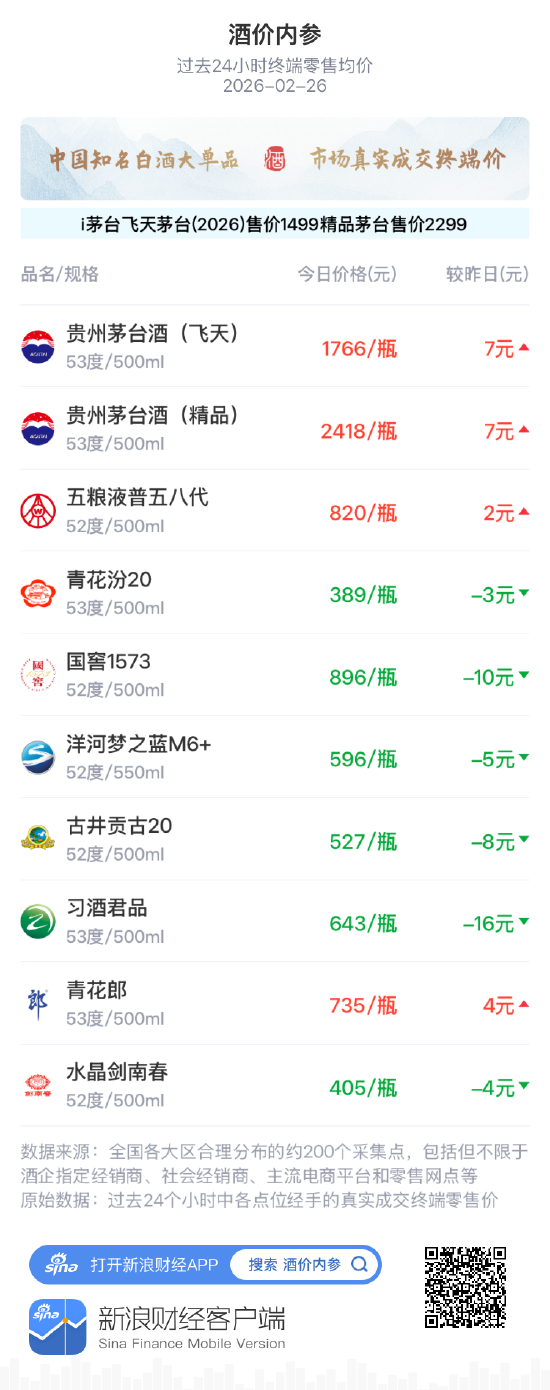
酒价内参2月26日价格发布,青花郎上涨4元
Xin Lang Cai Jing· 2026-02-26 01:13
Core Insights - The Chinese liquor market is experiencing significant price fluctuations, with the average retail price of the top ten liquor products dropping to 9195 yuan, a decrease of 26 yuan from the previous day, marking a new low in the past ten days [1][6]. Price Movements - Among the top ten products, four saw price increases while six experienced declines. The price support is mainly concentrated on leading brands, while mid-tier products are under pressure [1][7]. - Notable price increases include: - Feitian Moutai and Jingpin Moutai, both up by 7 yuan per bottle [1][7]. - Qinghualang, which increased by 4 yuan per bottle [1][7]. - Wuliangye Pu Wubai, which saw a slight increase of 2 yuan per bottle [1][7]. - Products that declined in price include: - Xijiu Junpin, down by 16 yuan per bottle [1][7]. - Guojiao 1573, which fell by 10 yuan per bottle, marking two consecutive days of significant declines [1][7]. - Gujinggong 20, down by 8 yuan per bottle, and Yanghe Dream Blue M6+ decreased by 5 yuan per bottle [1][7]. - Shuangjiao Jian Nan Chun and Qinghua Fen 20 dropped by 4 yuan and 3 yuan per bottle, respectively [1][7]. Market Data Collection - The daily data for liquor prices is sourced from approximately 200 collection points across various regions, including designated distributors, social distributors, e-commerce platforms, and retail outlets, aiming to provide an objective and traceable overview of the market [2][7]. Pricing Strategy and Market Response - Moutai officially denied rumors of a price increase for Feitian Moutai, which was speculated to rise from 1169 yuan to 1299 yuan per bottle. The official suggested retail price remains at 1499 yuan [2][8]. - Analysts suggest that current market conditions do not support a price increase for Moutai in the short term, with the last price adjustment occurring in November 2023, when the factory price was raised by approximately 20% [2][8].