
GAC GROUP(601238)

Search documents
“听见炮火”、拥抱华为,汽车央国企如何蹚过转型深水区
第一财经· 2025-08-15 06:15
Core Viewpoint - The article discusses the recent reforms and integration efforts among China's state-owned automotive enterprises, particularly in response to the rapid growth of the new energy vehicle (NEV) market, highlighting the need for efficiency and collaboration with technology companies like Huawei [3][4][6]. Group 1: Industry Trends - The penetration rate of new energy vehicles in the market increased to 45% from January to July 2025, indicating a significant shift in consumer preferences towards NEVs [3]. - The automotive industry is undergoing a transformation where traditional competition dynamics are shifting from "big fish eating small fish" to "fast fish eating slow fish," necessitating quicker adaptation by enterprises [4]. Group 2: Reform Initiatives - Major state-owned automotive companies are focusing on three key reform characteristics: enhancing efficiency by integrating R&D, product, and marketing; increasing collaboration with ICT companies; and maintaining a dual approach of independent R&D and joint ventures [3][4][6]. - The State-owned Assets Supervision and Administration Commission (SASAC) plans to implement separate assessments for NEV businesses of major state-owned automotive companies, emphasizing technology, market share, and future development [6]. Group 3: Company-Specific Developments - Dongfeng Motor Group has integrated its brands into Dongfeng Yipai Technology, aiming to streamline operations and improve decision-making efficiency [7]. - GAC Group is restructuring its marketing and R&D processes to enhance product development and align with user demands, while also focusing on reducing operational costs [8]. - Changan Automobile is pursuing a dual strategy of independent innovation and collaboration with global automotive firms, while also investing in smart technology solutions [9]. Group 4: Collaboration with Technology Firms - State-owned automotive companies are increasingly collaborating with Huawei and other ICT firms to enhance their technological capabilities, with projects focusing on joint development and marketing strategies [10][11]. - GAC Group has established a new company, Huawang Automotive, in partnership with Huawei, aiming to create high-end smart NEVs, with the first model expected to launch in 2026 [10][11]. Group 5: Future Outlook - The ongoing reforms and collaborations are expected to enhance the competitiveness and profitability of state-owned automotive enterprises, leading to improved operational efficiency and market positioning [13].




“含华量”接近问界们,广汽华为联手打造“华望”,有何阳谋?
3 6 Ke· 2025-08-15 03:22
Core Viewpoint - GAC Group sees Huawei as a potential savior after continuous sales decline, with a recent investment in Huawang Automotive to enhance collaboration in the high-end electric vehicle market [1][4][10]. Investment and Ownership - GAC Aion has invested 600 million yuan in Huawang Automotive, acquiring a 71.43% stake, while GAC Group indirectly holds 28.57% [1]. Strategic Collaboration - The partnership aims to leverage both companies' strengths in smart technology and product development to create innovative products targeting the 300,000 yuan high-end market [1][10]. Market Performance - GAC Aion's sales have dropped 16% year-on-year, with total sales of 129,800 units in the first seven months of the year [4][20]. - GAC's other brands, such as Hohbo and Chuanqi, have also struggled, with limited market success for their high-end models [5][20]. Product Development - The first model from Huawang Automotive is expected to be either an SUV or a sedan, as these segments have higher market demand compared to MPVs [7][20]. - GAC's current product lineup includes several models in the 300,000 yuan range, but their market performance has been underwhelming [5][20]. Competitive Landscape - The domestic electric vehicle market is highly competitive, with consumers increasingly familiar with existing high-end models from brands like Tesla and Li Auto [7][20]. - GAC's reliance on Huawei's technology may not guarantee success, as many competitors are also integrating advanced technologies into their vehicles [11][17]. Financial Performance - GAC Group reported a total revenue of 19.65 billion yuan in Q1, a 7.95% decline year-on-year, with a net loss of approximately 732 million yuan [20]. Challenges Ahead - GAC must overcome significant hurdles to establish a foothold in the high-end electric vehicle market, including changing consumer perceptions and improving product appeal [20][21].
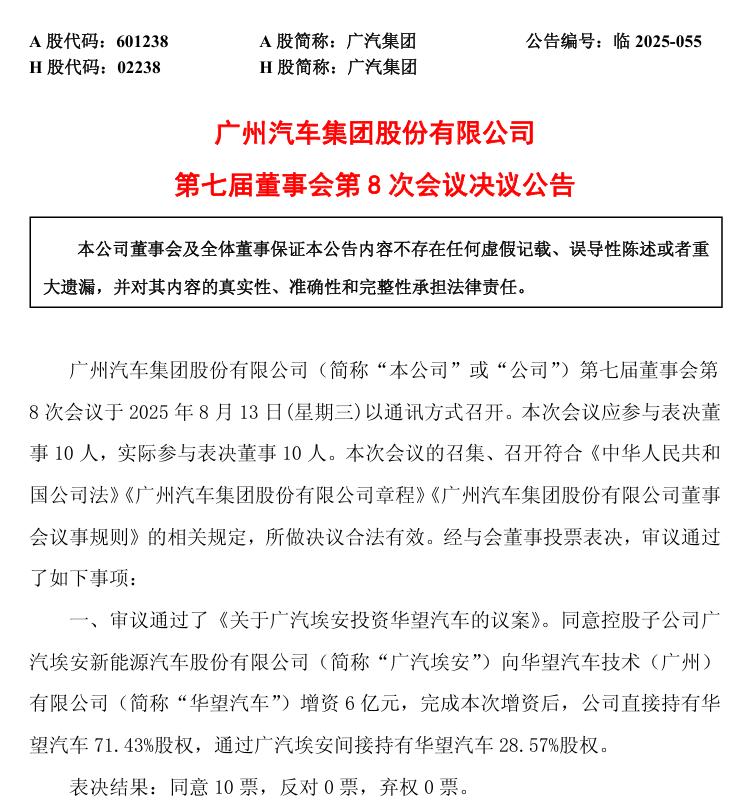
广汽与华为合作新进展:审议通过对华望汽车增资6亿元
Zhong Guo Jing Ji Wang· 2025-08-15 01:56
Core Viewpoint - GAC Group has agreed to increase its investment in Huawei-backed Huawang Automotive, indicating a strategic partnership aimed at enhancing market presence and operational efficiency in the automotive sector [1] Group 1: Investment and Ownership - GAC Group's subsidiary, GAC Aion, will invest 600 million yuan in Huawang Automotive, resulting in GAC Aion holding a 28.57% stake in the company [1] Group 2: Strategic Expansion - Huawang Automotive has initiated a city recruitment plan, targeting 40 cities with a "1+N" agency model, where "1" represents user centers and "N" represents experience centers, aimed at expanding coverage through a light-asset approach [1]
广汽集团销量降12.89%仅完成目标38% 华望汽车获6亿增资将建独立高端品牌
Chang Jiang Shang Bao· 2025-08-15 00:02
Core Viewpoint - GAC Group is significantly supporting Huawang Automotive with a capital increase of 600 million yuan to establish a high-end independent brand, which will feature new models equipped with Huawei's intelligent driving software and solutions [2][5][9] Group 1: Investment and Strategic Development - GAC Group's subsidiary, GAC Aion, will increase its stake in Huawang Automotive to 71.43% following the capital injection [4] - The establishment of Huawang Automotive is a key move in GAC Group's collaboration with Huawei, aiming to create innovative products for the high-end market [5][9] - The first model from Huawang Automotive is expected to launch in 2026, with two new models planned, including a sedan and an SUV, featuring both pure electric and extended-range powertrains [8][9] Group 2: Sales Performance and Challenges - GAC Group's total sales for the first seven months of 2025 reached 874,800 units, a decrease of 12.89% year-on-year, with GAC Aion's sales dropping by 16.05% to 129,800 units [12][10] - The company has only achieved approximately 38% of its annual sales target of 2,303,500 units for 2025 by the end of July [3][14] - GAC Group's sales figures from 2020 to 2024 show a declining trend, with 2024 sales falling to 2,003,100 units, a 20.04% decrease compared to the previous year [10][11] Group 3: Financial Performance - GAC Group's revenue for 2023 was 129.7 billion yuan, with a projected loss of 1.82 billion to 2.6 billion yuan for the first half of 2025 [14][16] - The company reported a significant decline in net profit, with 2024 net profit dropping to 824 million yuan, down 81.40% year-on-year [14][15] - The financial challenges are attributed to several factors, including the slow ramp-up of new energy vehicle sales and structural mismatches in the sales system [15]
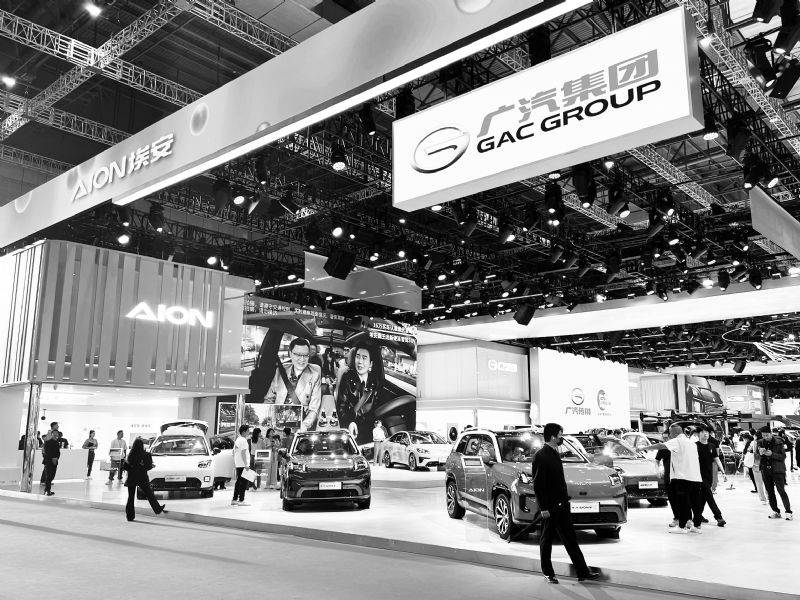
车企接连拜访任正非 背后有何深意
Nan Fang Du Shi Bao· 2025-08-14 23:09
Group 1 - GAC Group's Aion has invested 600 million yuan in Huawang Automotive, resulting in GAC holding 100% of Huawang's equity after the investment [6][7] - The investment aims to enhance collaboration among GAC's brands and improve resource utilization efficiency, positioning Huawang as a key player in GAC's high-end smart electric vehicle strategy [6][7] - Aion's role in the investment reflects its independent operational capabilities and potential for future valuation growth, leveraging Huawei's technology for competitive advantage [7] Group 2 - Huawang Automotive has launched a city recruitment plan covering 40 cities, including major urban centers like Guangzhou, Beijing, and Shanghai, with a focus on innovative sales channel models [3][4] - The recruitment targets top 100 and regionally recognized dealers, emphasizing qualifications and experience in luxury or new energy vehicle operations [3][5] - The sales model employs a "1+N" agency system, aiming to reduce costs associated with traditional dealership models and enhance market coverage [3][4] Group 3 - Changan Automobile's chairman visited Huawei's CEO to discuss industry competition and future strategies, indicating a strategic alignment between the two companies [8][10] - Changan aims to produce 5 million vehicles by 2030, with 60% being new energy vehicles and 30% from overseas markets, highlighting the importance of collaboration with Huawei [11] - The partnership with Huawei is expected to facilitate technological integration and global expansion for Changan's Avita brand, with plans to launch 17 new models by 2030 [12][14]
广州超级独角兽 增资6个亿联手华为造车
2 1 Shi Ji Jing Ji Bao Dao· 2025-08-14 22:33
Core Viewpoint - GAC Group announced that GAC Aion plans to invest 600 million yuan in Huawang Automotive, indicating a strategic move towards high-end market positioning [1] Company Summary - GAC Aion is taking steps to enhance its market presence by increasing its stake in Huawang Automotive through a significant capital injection of 600 million yuan [1] Industry Summary - The investment reflects a broader trend in the automotive industry where companies are focusing on high-end product offerings to capture more market share and improve profitability [1]
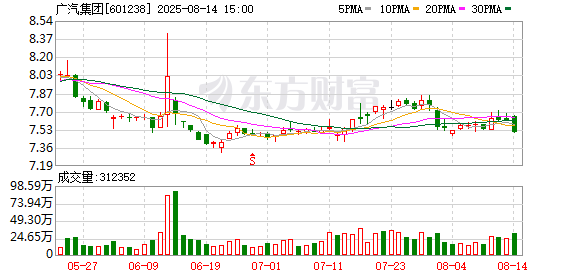
把握用户需求 直击核心痛点 广汽集团启动IPD及数字化变革二期项目
Zhong Guo Chan Ye Jing Ji Xin Xi Wang· 2025-08-14 22:10
Core Viewpoint - GAC Group has officially launched the second phase of its Integrated Product Development (IPD) and digital transformation project, marking a new stage in addressing user needs and core pain points in the automotive industry [1] Group 1: User Demand and Product Development - User demand is evolving rapidly towards personalization and diversification, driving changes in product development and marketing logic within the automotive industry [1] - The traditional serial model of vehicle product development often leads to information transmission gaps and process bottlenecks, resulting in lost product demand and misaligned marketing [1] - The IPD approach promotes a parallel co-creation model, involving cross-organizational teams from the outset to ensure unified understanding of user needs and cohesive product development [1] Group 2: User Demand Management - Accurate definition of user demand is critical for product success, with user demand management elevated to a central role in GAC Group's IPD process [2] - GAC Group employs a "three-year planning and five-year outlook" strategy for product planning, aligning product and technology planning to create a systematic and forward-looking technical reserve path [2] - The IPD emphasizes managing product development as an investment, prioritizing investment opportunities and evaluating products from a commercial perspective to ensure return on investment [2] Group 3: Organizational Mechanism and Implementation - The transformation of IPD involves not only a change in philosophy but also the establishment of new organizational mechanisms, including cross-departmental teams for product and demand management [3] - GAC Group has introduced new assessment metrics to drive high-quality execution across processes, aiming to eliminate bottlenecks and gaps in the IPD core processes by the end of the year [3]
招募经销商 广汽想借华望挽颓势
Bei Jing Shang Bao· 2025-08-14 16:38
Group 1 - GAC Group officially launched the Huawang Automotive city recruitment plan, targeting major cities across five regions in China [1] - The recruitment emphasizes a "few dealers, many stores" strategy, utilizing a "1+N" channel model for user engagement [1] - GAC Group announced a capital increase of 600 million yuan for Huawang Automotive, resulting in a 71.43% direct ownership stake [1] Group 2 - Huawang Automotive is a new company established by GAC Group with support from Huawei, aimed at creating a high-end smart electric vehicle brand [2] - The first model from Huawang Automotive is expected to be launched next year, targeting the 300,000 yuan high-end market segment [2] - GAC Group and Huawei have a history of collaboration, including a strategic partnership for developing smart automotive solutions [2][3] Group 3 - GAC Group's Aion brand has seen a decline in sales, with a 13.97% year-on-year drop in the first half of 2023, indicating market challenges [3] - Aion's sales in June 2023 were reported at 19,900 units, down 22.6% year-on-year, reflecting increased competition in the market [3] - GAC Group's high-end brand, Haobo, has also struggled to penetrate the high-end market effectively [3] Group 4 - Huawei has expanded its influence in the automotive sector, with its "Huawei Smart" branding gaining recognition through partnerships with various car manufacturers [4] - GAC Group aims to leverage Huawei's technology to enhance product intelligence and marketing efforts in the competitive automotive landscape [4] - The collaboration between GAC and Huawei is seen as a crucial step in GAC's strategy to penetrate the high-end smart electric vehicle market [4]
招募经销商、增资6亿元,广汽想借华望挽颓势
Bei Jing Shang Bao· 2025-08-14 12:57
Core Viewpoint - GAC Group has officially launched the Huawang Automotive urban recruitment plan, aiming to establish a new high-end intelligent electric vehicle brand in collaboration with Huawei, amidst challenges in the current market environment [3][4][6]. Group 1: Company Strategy - Huawang Automotive will adopt a "few dealers, many stores" approach, utilizing a "1+N" channel model that includes a user center and multiple experience centers for diversified user engagement [4]. - GAC Group has agreed to increase its investment in Huawang Automotive by 600 million yuan, resulting in a direct ownership of 71.43% in the company [4]. Group 2: Market Context - GAC Aion, a key player in GAC Group's transformation, achieved over 480,000 annual sales but faced a decline in sales in the first half of 2023, with a 13.97% year-on-year drop to 108,700 units [6]. - The high-end brand Haobo has also struggled, with July sales for its models being significantly low, indicating challenges in penetrating the high-end market [6]. Group 3: Collaboration with Huawei - GAC Group's partnership with Huawei is not new; previous collaborations included the development of the AH8 model, which has since shifted to independent development due to resource allocation issues [5]. - The collaboration with Huawei is seen as a strategic move to enhance product intelligence and leverage Huawei's market presence to improve GAC's competitive position in the high-end intelligent electric vehicle sector [7].
固态电池专题(一):全固态电池:锂电池的下一代解决方案
Minsheng Securities· 2025-08-14 09:51
Investment Rating - The report suggests a positive outlook on solid-state batteries as the next-generation solution for lithium batteries, indicating significant investment opportunities in this sector [5]. Core Insights - Solid-state batteries offer substantial advantages over traditional lithium-ion batteries, including higher energy density and improved safety due to the use of solid electrolytes [5][6]. - The report identifies sulfide solid electrolytes as the future mainstream route for solid-state batteries, highlighting their high ionic conductivity despite challenges in chemical and air stability [24][41]. - Key challenges for solid-state batteries include interfacial wetting issues, which can lead to lithium dendrite growth and reduced cycle life [50][57]. - The industry is supported by favorable policies, with significant investments expected in solid-state battery research and development, particularly in the consumer and automotive sectors [82]. Summary by Sections 1. Advantages of Solid-State Batteries - Solid-state batteries can achieve energy densities exceeding 500 Wh/kg by utilizing high-silicon or lithium metal anodes, significantly surpassing traditional lithium-ion batteries [5][17]. - The solid electrolyte's mechanical strength helps suppress lithium dendrite growth, enhancing safety by preventing short circuits [23][41]. 2. Types of Solid Electrolytes - Solid electrolytes are categorized into four main types: polymer, oxide, sulfide, and halide, with sulfides showing the highest ionic conductivity [26][41]. - Sulfide electrolytes are currently the focus of major companies like Toyota and CATL, indicating a strong industry trend towards this technology [42][47]. 3. Core Issues: Interfacial Wetting - The report discusses the critical issue of solid-solid interfacial wetting, which affects lithium ion transport and can lead to dendrite formation and reduced battery life [50][57]. - Both chemical/electrochemical and physical interface problems contribute to these challenges, necessitating advancements in material compatibility and processing techniques [51][55]. 4. Changes in Key Components - The report emphasizes the importance of dry electrode processes and the use of isostatic pressing to enhance the performance and manufacturability of solid-state batteries [63][71]. - Current collectors made from nickel-iron alloys are highlighted as a promising alternative to traditional copper collectors, addressing corrosion issues associated with sulfide electrolytes [78][81]. 5. Industry Development and Policy Support - The report outlines a clear industrialization timeline for solid-state batteries, with significant government support expected to accelerate development in the consumer and automotive markets [82].



