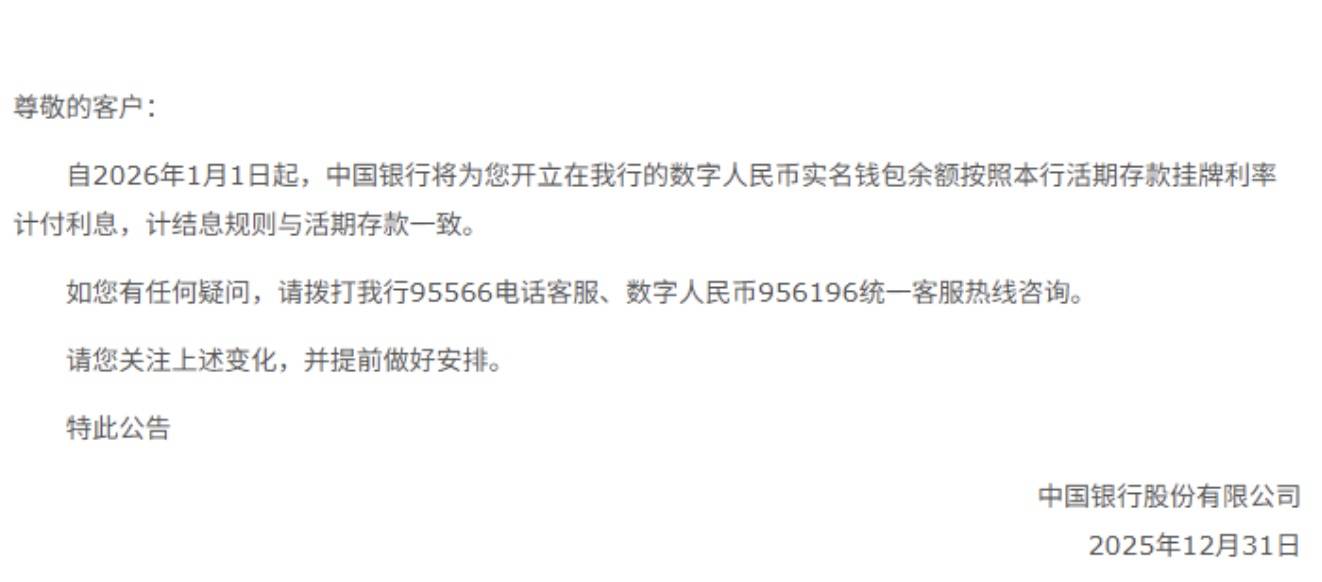
BANK OF CHINA(601988)
Search documents
银行净息差专题报告:负债管理能力成为业绩分化的关键
GUOTAI HAITONG SECURITIES· 2025-12-11 08:03
Investment Rating - The report assigns an "Overweight" rating for the banking sector [7]. Core Insights - The report emphasizes the significant improvement in the cost of liabilities for banks in 2025, with a notable decrease of 28 basis points (bp) in the first half of the year, compared to only 4 bp in the same period last year. This improvement is primarily driven by reductions in deposit and interbank liabilities costs, contributing 19 bp and 7 bp respectively [3][11]. - The net interest margin (NIM) is expected to decline by approximately 5 bp in 2026, with the downward pressure on margins continuing to ease marginally, suggesting that some banks may stabilize their NIMs [2][10]. Summary by Sections 1. Liability Cost Improvement in 2025 - The first half of 2025 saw a significant reduction in the cost of interest-bearing liabilities, with the cost rate dropping to 1.70%, a decrease of 28 bp from 2024. This was supported by improvements in both deposit and interbank liability costs [11]. 2. Liability Side: Deposit Maturity and Repricing Benefits 1) **Term Structure**: The proportion of long-term deposits entering the repricing cycle has increased, with the share of deposits with a remaining maturity of 1-5 years declining by 1.5 percentage points (pct) to 22.6% by the end of Q2 2025. Some banks, such as those in Ningbo and Chongqing, experienced declines exceeding 10 pct [4]. 2) **Price Factors**: Regulatory focus on maintaining reasonable NIM levels has increased, with expectations of further interest rate cuts. The maximum reduction for three-year deposits could exceed 100 bp, indicating substantial room for cost improvement [5]. 3. Asset Side: Yield Pressure Expected to be Better than 2025 1) **Loans**: The repricing pressure on loans is expected to ease, with the five-year Loan Prime Rate (LPR) declining by only 10 bp in 2025, significantly less than the 50 bp drop the previous year [6]. 2) **Debt Replacement**: The shift from high-interest to low-interest debt is anticipated to have a limited impact on net interest margins, estimated to drag down margins by about 4 bp [6]. 3) **Bond Maturity**: The widening gap between new bond issuance rates and existing bond yields is expected to exert downward pressure on investment yields, with an estimated drag of 6 bp on margins from the reallocation of bonds maturing within one year [6]. 4. NIM Projections - The report forecasts a 5 bp decline in NIM for 2026, with the downward trend continuing to converge. The asset yield is expected to decrease by 17 bp, while the cost of liabilities is projected to improve by 13 bp, with deposit costs improving by 17 bp [7][10].
中期分红潮来了,上市公司年内分红有望首破2.6万亿元!红利主题ETF同步官宣分红
Sou Hu Cai Jing· 2025-12-11 03:43
Group 1 - A total of 3,762 A-share listed companies in China have distributed dividends amounting to 2.46 trillion yuan this year, setting a new historical record [1] - 36 companies have announced real-time dividend distributions, with a total proposed dividend amount of 151.8 billion yuan, indicating that the total annual dividend is expected to exceed 2.6 trillion yuan for the first time [1] - Major companies such as China Mobile and Industrial and Commercial Bank of China have distributed over 50 billion yuan in mid-term dividends, while several others, including China Construction Bank and Kweichow Moutai, have distributed over 30 billion yuan [1] Group 2 - The Hong Kong Dividend Low Volatility ETF (520550) has announced a dividend of 0.04 yuan per ten shares, with a distribution ratio of 0.32%, marking its eighth dividend distribution since inception [2] - The China Securities Dividend Quality ETF (159209) has a distribution ratio of 0.26% for its sixth dividend distribution, with both ETFs having a dividend rights registration date of December 12 [1][2] - Recent data shows that the Hong Kong Dividend Low Volatility ETF has seen a net subscription of 119 million yuan in the last ten days and 186 million yuan in the last twenty days, while the China Securities Dividend Quality ETF has experienced a net inflow of 64 million yuan in the last twenty days [2] Group 3 - Huachuang Securities anticipates a rebound in industry rotation strength, with a shift from technology to dividend and anti-involution assets, indicating a recovery in rotation intensity to the 52nd percentile since 2021 [3] - The Producer Price Index (PPI) has shown a narrowing of inflation levels from -3.6% to -2.1% in October, suggesting that cyclical assets with high weight in dividend stocks may benefit from this trend [3] - Recent policies have focused on capital market and consumption, with an emphasis on domestic demand and new industries, indicating a favorable environment for dividend sectors as traditional investment windows for insurance funds approach [3]
超2600亿元!四大行即将派发中期“红包” 有望强化估值修复
Zhong Guo Jin Rong Xin Xi Wang· 2025-12-10 23:50
Core Viewpoint - The mid-term dividend distribution by major state-owned banks in 2025 is characterized by an increase in quantity, faster pace, and stable strength, which may serve as a catalyst for the valuation recovery of the banking sector [1][5][6]. Group 1: Dividend Distribution Characteristics - The timing of mid-term dividends has advanced by nearly a month compared to last year, with 26 A-share listed banks announcing dividend plans totaling over 260 billion yuan, reflecting a 2.55% increase from last year [2][3]. - The total cash dividend amount from the six major state-owned banks is expected to exceed 200 billion yuan, maintaining a payout ratio of 30% of net profit attributable to shareholders [1][2]. - Industrial and Commercial Bank of China leads with a cash dividend of 1.414 yuan per 10 shares, totaling 50.396 billion yuan [1][2]. Group 2: Participation of Other Banks - Several joint-stock banks and regional banks have joined the dividend distribution, with notable participation from banks like Industrial Bank and China CITIC Bank, which have increased their dividend amounts compared to last year [4]. - A total of 32 listed banks have announced mid-term dividends, with 9 banks planning to implement dividends for the first time [2][4]. Group 3: Market Impact and Investor Sentiment - The stable dividend policies of state-owned banks are closely linked to regulatory guidance, and the implementation of mid-term dividends is expected to enhance the valuation recovery of bank stocks [3][6]. - The average dividend yield for listed banks is 4.48%, with 12 banks yielding over 5%, indicating strong investor interest in high-dividend stocks [2][6]. - Recent stock buybacks by major shareholders and executives signal positive market sentiment and confidence in the long-term investment value of certain banks [8].
信用债异常成交跟踪:12月10日信用债异常成交跟踪
SINOLINK SECURITIES· 2025-12-10 15:27
Report Summary 1. Industry Investment Rating No information about the industry investment rating is provided in the report. 2. Core Viewpoints - Among the bonds with discounted transactions, "25 Yungang Y4" had a large deviation in the valuation price. Among the bonds with rising net prices, "25 Datong C3" had a relatively high deviation in the valuation price. Among the Tier 2 and perpetual bonds with rising net prices, "22 Bank of Communications Tier 2 Capital Bond 02B" had a large deviation in the valuation price; among the commercial financial bonds with rising net prices, "25 Agricultural Bank of China TLAC Non - capital Bond 02C(BC)" had a relatively high deviation in the valuation price. Among the bonds with a transaction yield higher than 5%, real - estate bonds ranked high [2]. - The changes in the valuation yield of credit bonds were mainly distributed in the [-5,0) interval. The transaction terms of non - financial credit bonds were mainly distributed between 2 and 3 years, with the highest proportion of discounted transactions for varieties within 0.5 years. The transaction terms of Tier 2 and perpetual bonds were mainly distributed between 4 and 5 years, with the highest proportion of discounted transactions for varieties within 1 year. In terms of industries, bonds in the national defense and military industry had the largest average deviation in valuation prices [2]. 3. Summary by Relevant Charts Chart 1: Discounted Transaction Tracking - The table listed 30 bonds with large discounts, including "25 Yungang Y4", "25 Dongfang K1", etc., with information on the remaining term, valuation price deviation, valuation net price, valuation yield deviation, and transaction scale. The industries involved included transportation, non - financial finance, and urban investment [4]. Chart 2: Tracking of Bonds with Rising Net Prices - The table showed 43 bonds with large positive deviations, such as "25 Datong C3", "25 Raofa 02", etc. It provided details on the remaining term, valuation price deviation, valuation net price, valuation yield deviation, and transaction scale. The industries included non - financial finance, comprehensive, and public utilities [6]. Chart 3: Tracking of Tier 2 and Perpetual Bond Transactions - The table presented 40 Tier 2 and perpetual bonds, including "22 Bank of Communications Tier 2 Capital Bond 02B", "22 Industrial and Commercial Bank of China Tier 2 Capital Bond 04B", etc., with information on the remaining term, valuation price deviation, valuation net price, valuation yield deviation, bank classification, and transaction scale [7]. Chart 4: Tracking of Commercial Financial Bond Transactions - The table listed 29 commercial financial bonds, such as "25 Agricultural Bank of China TLAC Non - capital Bond 02C(BC)", "24 Agricultural Bank of China TLAC Non - capital Bond 01B(BC)", etc., providing details on the remaining term, valuation price deviation, valuation net price, valuation yield deviation, bank classification, and transaction scale [8]. Chart 5: Bonds with a Transaction Yield Higher than 5% - The table showed 20 bonds with a high - yield transaction, including "21 Vanke 06", "23 Vanke 01", etc., with information on the remaining term, valuation price deviation, valuation net price, valuation yield deviation, and transaction scale. The industries involved included real estate, steel, and non - financial finance [10]. Chart 6: Distribution of Valuation Deviations in Credit Bond Transactions on the Day - The chart showed the distribution of changes in the valuation yield of credit bonds on the day, with the intervals [-10,-5), [-5,0), (0,5], and (5,10], and the number of bonds and transaction scale in each interval [13]. Chart 7: Distribution of Transaction Terms of Non - financial Credit Bonds on the Day - The chart presented the distribution of transaction terms of non - financial credit bonds on the day, including intervals such as within 0.5 years, 0.5 - 1 year, etc., and the corresponding transaction scale [15]. Chart 8: Distribution of Transaction Terms of Tier 2 and Perpetual Bonds on the Day - The chart showed the distribution of transaction terms of Tier 2 and perpetual bonds on the day, including intervals such as within 1 year, 1 - 1.5 years, etc., and the corresponding transaction scale [18]. Chart 9: Discounted Transaction Ratio and Transaction Scale of Non - financial Credit Bonds in Each Industry - The chart displayed the average valuation price deviation and transaction scale of non - financial credit bonds in various industries, including petroleum and petrochemicals, real estate, etc. The national defense and military industry had the largest average valuation price deviation [20].
大连文体旅产业“烟火升腾”!“金融+体育”深度融合释放乘数效应
Xin Lang Cai Jing· 2025-12-10 13:56
真 / 知 / 引 / 导 / 生 / 活 | 大连新闻传媒集团记者邵海峰 | 近日,浦发银行首家足球生态主题支行——大连梭鱼湾支行正式开门迎客,这也是大连首家足球生态主题银行,标志着大连,这座有着浓厚足球和体育氛 围的城市,正以"金融+体育"的深度融合模式,奏响体育经济高质量发展和城市文体旅融合的新乐章。 金融力量,如涓涓细流渗透到体育产业的每一个脉络,成为撬动城市消费升级、提升城市品牌影响力的新引擎。 媒集团记者邵海峰 摄 梭鱼湾足球场中超比赛场景。大连新闻传 $$\Leftrightarrow\exists i,j,l$$ 让"足球城"金字招牌 愈发闪亮 足球是大连鲜明的城市标签。 "足球是镌刻在大连这座城市基因里的荣耀,支持大连足球就是支持城市的未来。"我市一位金融业人士表示。 浦发银行首家足球生态主题支行——大连梭鱼湾支行的正式营业,是浦发银行大连分行深化"金融+体育"战略的关键举措。该支行不仅承接了原大连甘井 子浦发村镇银行的全部业务,更力求打破传统银行服务边界,打造集金融服务、球迷体验、产业链支持于一体的特色服务体系。 浦发银行大连分行与大连英博足球俱乐部的战略合作正在持续深化。双方将共同推出联 ...
五年新坐标|多措并举 助力打造科技创新 “硬实力”
Zhong Guo Xin Wen Wang· 2025-12-10 13:53
Core Insights - The article emphasizes the commitment of the Bank of China to enhance financial support for technological innovation during the 14th Five-Year Plan period, aiming to foster new momentum and advantages in the economy [1] Group 1: Financial Support for Technology Innovation - As of September 2025, the Bank of China's technology loan balance reached 4.7 trillion yuan, with 166,000 credit accounts established, and a cumulative supply of comprehensive services exceeding 830 billion yuan [1] - The establishment of a multi-level organizational system for technology finance, including a central technology finance center and 317 specialized outlets, aims to respond quickly to market demands [2] Group 2: Focus on Emerging Industries - The Bank of China has launched an action plan to support the development of the artificial intelligence industry chain, collaborating with over 2,300 core enterprises in this sector and providing a credit balance of approximately 410 billion yuan [2] - The introduction of the "bond-loan linkage" model and the "Zhongyin Sci-Tech Computing Loan" service in major innovation hubs like Beijing, Shanghai, and Shenzhen has facilitated connections with 773 supply-demand enterprises in the computing sector [2] Group 3: Product and Service Innovation - The Bank of China has innovated financial products to meet the diverse needs of technology enterprises, achieving multiple market firsts, including the launch of a stock repurchase loan policy and the issuance of 200 billion yuan in technology innovation bonds [3] - The "Innovation Credit Loan" has been developed to assess enterprise credit levels and growth potential, enhancing the credit service experience for small and micro technology enterprises [3] Group 4: Building a Financial Ecosystem - The "Zhongyin Sci-Tech Ecological Partner Program" aims to create a collaborative platform for technology innovation, injecting "patient capital" into the primary market for technology [4] - The establishment of 16 AIC equity investment funds, with a total subscription of 11.76 billion yuan, has facilitated investments in sectors such as commercial aerospace and artificial intelligence [4] - The Bank of China plans to continue enhancing its financial services for technology innovation, utilizing various financial tools to support major national technology tasks and small and medium-sized technology enterprises [4]
工行、农行、中行、建行、交行、汇丰中国、花旗中国等率先落地!
Jin Rong Shi Bao· 2025-12-10 13:41
Core Viewpoint - The implementation of the "Shanghai Free Trade Zone Free Trade Account Function Upgrade Implementation Measures (Trial)" on December 5 aims to enhance the cross-border trade and investment liberalization and facilitation levels in the Shanghai Free Trade Zone [1] Group 1: Bank Participation - Major Chinese banks including Industrial and Commercial Bank of China, Agricultural Bank of China, Bank of China, China Construction Bank, and Bank of Communications, along with foreign banks like HSBC China and Citibank China, successfully completed business operations on the same day the trial measures were implemented [1] - Industrial and Commercial Bank of China processed its first cross-border RMB loan for an advanced manufacturing enterprise using the upgraded free trade account, facilitating cross-border fund flow [2] - Agricultural Bank of China completed two upgraded free trade account transactions for a leading semiconductor manufacturing enterprise, significantly improving fund transfer efficiency by allowing transactions based solely on payment instructions [3] Group 2: Business Operations - Bank of China assisted five enterprises in directly processing various transactions under the upgraded free trade account, covering industries such as semiconductor, petrochemical, and automotive [4] - China Construction Bank enabled multiple key enterprises to upgrade their free trade account functions, enhancing cross-border payment efficiency and supporting global operations [5] - Bank of Communications focused on selecting multinational corporate groups for the trial, ensuring compliance and assessing the overall operational capabilities of the enterprises involved [6] Group 3: Foreign Bank Initiatives - HSBC China opened an upgraded free trade account for a multinational enterprise in the Shanghai Free Trade Zone, emphasizing the multiplier effect of the new policy on cross-border trade and investment [8] - Citibank China established upgraded free trade accounts for four corporate clients, highlighting its commitment to supporting China's financial market opening [8]
探寻利率方向(4):从M2看2026年债市流动性
GF SECURITIES· 2025-12-10 11:48
Investment Rating - The report assigns a "Buy" rating for the banking sector, indicating an expectation that stock prices will outperform the market by more than 10% over the next 12 months [40]. Core Insights - The growth of M2 is primarily driven by government and corporate leverage, with government leverage's contribution increasing from 23.9% in 2015 to 45.5% in 2025, while corporate leverage is expected to contribute 63.6% to M2 growth in 2025 [5][14]. - The report highlights a divergence between the social financing (社融) and M2 growth rates, indicating a liquidity accumulation in the financial system when the demand for financing from the real economy is insufficient, which can lead to a decline in bond yields [5][19]. - The expected social financing-M2 differential for 2026 is projected to be 0.56%, with a quarter-on-quarter increase of 33 basis points [32]. Summary by Sections M2 and Liquidity Analysis - M2 includes cash, personal deposits, corporate deposits, non-bank deposits, and deposits from non-deposit financial institutions. The main contributors to M2 growth are government and corporate leverage [5][13]. - The report discusses the relationship between the social financing-M2 differential and bond market performance, noting a shift in correlation since the second half of 2022 [5][19]. Social Financing Projections - For 2026, the report forecasts a total of 16.3 trillion yuan in new loans under the social financing framework, with a growth rate of 8.11% [32][34]. - The report anticipates that the net issuance of government bonds will reach 14.8 trillion yuan in 2026, with a focus on maintaining a proactive fiscal policy [34]. M2 Growth Forecast - The M2 growth rate for 2026 is projected at 7.55%, influenced by factors such as net fiscal deposits, the strengthening of the equity market, and cross-border capital flows [32][36].
中行、建行相继公告!资本补充工作迎来关键进展
Xin Lang Cai Jing· 2025-12-10 10:55
Core Viewpoint - The recent announcements from major state-owned banks regarding capital replenishment reflect a broader trend of capital enhancement among these institutions, with China Construction Bank (CCB) completing a significant issuance of A-shares to increase its registered capital [1][7]. Group 1: Capital Increase Details - China Construction Bank announced on December 9 that it completed the issuance of approximately 11.589 billion A-shares, raising its registered capital from RMB 2500.11 billion to RMB 2616.00 billion [1][4][7]. - The issuance was approved by the National Financial Regulatory Administration, allowing CCB to increase its registered capital by RMB 115.89 billion [4][7]. Group 2: Context of Capital Replenishment - The capital increase is part of a collective effort by major state-owned banks to enhance their capital bases, as highlighted in the government's work report which proposed issuing special government bonds worth RMB 500 billion to support these banks [7][15]. - In March, four major banks, including CCB, announced plans to issue A-shares to raise a total of RMB 4.1 trillion, with CCB aiming to raise up to RMB 1650 billion [7][15]. Group 3: Implications for Capital Adequacy - The capital increase is expected to directly improve the core Tier 1 capital adequacy ratio of CCB and other banks, which is crucial for risk management and supporting the real economy [7][16]. - While the increase in share capital may dilute earnings per share in the short term, it is anticipated to enhance the banks' competitive edge and long-term return expectations for investors [8][16].
中行、建行相继公告!
Jin Rong Shi Bao· 2025-12-10 10:41
近日,国有大行资本补充工作陆续迎来关键进展。 12月9日,建设银行(601939)发布公告称,该行于2025年6月完成向特定对象发行约115.89亿股A股股票,该行注册资本由人民币2500.11亿元增加至人 民币2616.00亿元。 公告显示,近日该行收到国家金融监督管理总局行政批复,同意该行注册资本增加115.89亿元人民币,由2500.11亿元增加至人民币2616.00亿元。 股票代码:601939 公告编号:临 2025-069 山国 长 前 : China Construction Bank 中国建设银行股份有限公司 关于注册资本变更获 国家金融监督管理总局核准的公告 本行董事会及全体董事保证本公告内容不存在任何虚假记载、误导性陈述或 者重大遗漏,并对其内容的真实性、准确性和完整性承担法律责任。 中国建设银行股份有限公司(以下简称本行)于2025年6月完 成向特定对象发行 11.589.403.973 股 A 股股票,本行注册资本由人民 币 250.010.977.486 元增加至人民币 261.600.381.459 元,详情请参见 登载于上海证券交易所网站(www.sse.com.cn)的相关内容 ...