Eastroc Beverage(605499)

Search documents
东鹏饮料华中总部邀各界直击“透明工厂” AI质检每分钟800瓶饮料一“眼”识瑕疵
Chang Sha Wan Bao· 2025-12-09 10:35
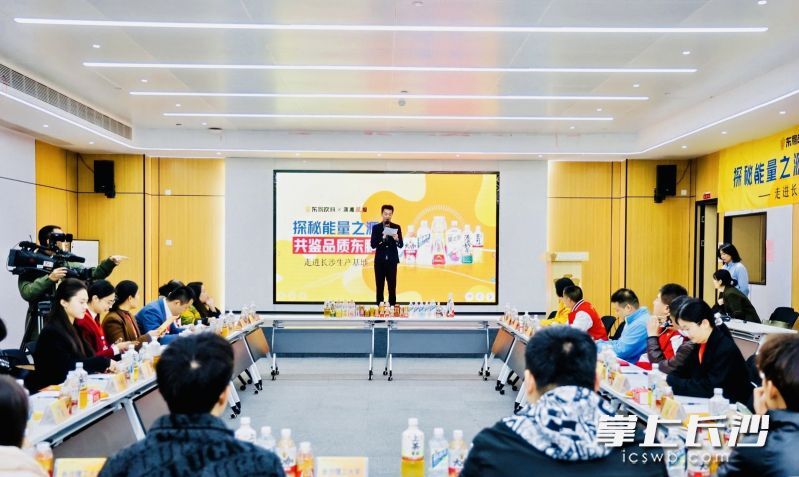
Core Insights - Dongpeng Beverage has made significant investments in its new production base in Changsha, which features advanced technology and automation to enhance production efficiency and product quality [1][3]. Group 1: Investment and Production - Dongpeng Beverage's new headquarters project in the Jinsha Economic Development Zone was completed rapidly, with only three months from signing to construction [1]. - The company has six fully operational intelligent production lines as of February this year, showcasing its commitment to modern manufacturing [1]. Group 2: Product Quality and Technology - The company employs AI quality inspection technology capable of detecting up to 800 bottles per minute, ensuring high standards in product quality control [3]. - A digital product traceability system has been established, covering 11 key processes and approximately 20 stages, ensuring 100% compliance in product quality checks for three consecutive years [7][8]. Group 3: Warehouse and Logistics - The intelligent warehouse design features a nine-layer storage structure with over 25,000 storage locations, increasing space utilization by more than three times compared to traditional warehouses [5]. - Automated systems, including RGV vehicles and stackers, work in coordination to enhance the efficiency and precision of warehouse operations [5].


困在“舒适区”的日系饮料,如何错失中国饮料市场?
Xin Lang Cai Jing· 2025-12-09 05:39
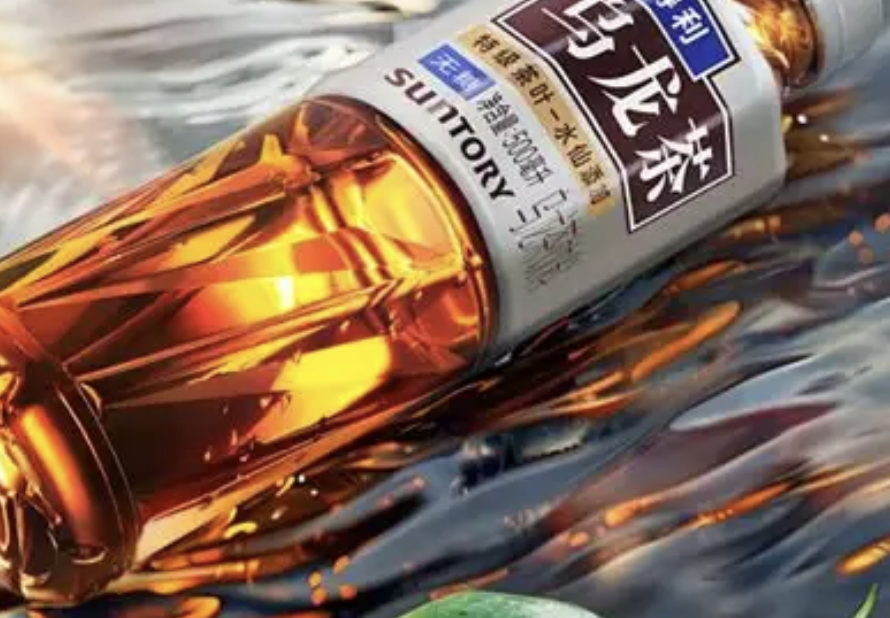
Core Insights - Japanese beverage brands are facing stagnation in growth and declining market share in China due to the rise of local brands that leverage rapid innovation and targeted marketing strategies [1][5][11] Group 1: Market Dynamics - Japanese beverages like Suntory's Oolong tea and Yakult have dominated niche categories in China but are now losing ground to local brands [1] - The Chinese beverage market has become highly competitive, with local brands rapidly innovating and expanding their distribution channels [1][5] Group 2: Localization Strategies - Japanese brands initially adopted localization strategies to resonate with Chinese consumers, incorporating cultural symbols and local language in branding [2][4] - However, the superficial approach to localization has led to consumer skepticism, as many now perceive these brands as "disguised" rather than genuinely integrated [4] Group 3: Product Innovation - Japanese brands have been slow to innovate, with Yakult only introducing a few product variations since its entry into China in 2002, while local brands rapidly launch new products [5][6] - The average R&D investment for Japanese beverage brands is less than 2%, compared to 5.8% and 3.5% for local brands like Yuanqi Forest and Nongfu Spring, respectively [6] Group 4: Supply Chain Efficiency - Japanese brands face higher production costs, estimated to be 15%-20% more than local competitors, due to reliance on imported materials and inefficient supply chain management [11][12] - Local brands have developed efficient supply chains that allow for lower prices and faster market response, further eroding the competitive edge of Japanese brands [12] Group 5: Channel Strategy - Japanese brands have become overly reliant on convenience stores, which has limited their market reach and adaptability to changing consumer preferences [8][9] - Local brands are adopting a multi-channel strategy, expanding into various retail formats and rural markets, which has proven more effective in capturing market share [8][9] Group 6: Consumer Trust and Health Narratives - Japanese brands have struggled to maintain consumer trust as health narratives based on scientific claims have been challenged by consumers' increasing focus on ingredient transparency [10][13] - Instances of product quality issues have further damaged the reputation of Japanese brands, leading to a decline in perceived quality and trust [15][16] Group 7: Future Outlook - For Japanese brands to regain growth in China, they must either fully localize their operations or focus on creating unique value propositions in niche markets [17]

东鹏饮料(集团)股份有限公司 关于使用部分闲置自有资金进行现金管理的进展公告
Zhong Guo Zheng Quan Bao - Zhong Zheng Wang· 2025-12-09 03:14
Core Viewpoint - The company plans to utilize idle self-owned funds for cash management through various financial products, aiming to enhance fund efficiency and increase returns while ensuring operational liquidity and safety [4][11]. Group 1: Overview of Entrusted Financial Management - The entrusted financial management involves a total amount of RMB 1,252 million [2]. - The types of financial products include wealth management, large deposits, and private equity funds [2]. - The duration for these financial products varies, with options for no fixed term, 6 months, and 12 months [2]. Group 2: Purpose and Source of Funds - The purpose of the entrusted financial management is to improve fund efficiency and increase company returns while ensuring the daily operational funding needs and safety [4]. - The funds used for this investment are legally compliant idle self-owned funds, ensuring normal operational liquidity [5]. Group 3: Risk Control Measures - The company has established a comprehensive internal control system to manage risks associated with entrusted financial products, focusing on safety and liquidity [6][9]. - The management team will analyze and evaluate financial products, and if adverse factors are identified, appropriate protective measures will be taken [9]. Group 4: Specifics of Financial Products - The financial products include various offerings from different financial institutions, such as large deposits from Industrial Bank and wealth management products from multiple companies [10]. - The investment will be directed by the entrusted parties, ensuring targeted management of the funds [8]. Group 5: Impact on the Company - The total payment for the entrusted financial management is RMB 1,252 million, with RMB 1,200 million allocated to flexible redemption products and RMB 52 million to capital-protected products [11]. - This investment is not expected to significantly impact the company's main business, financial status, or cash flow, and aims to maximize shareholder value [11].
东鹏饮料(605499) - 东鹏饮料(集团)股份有限公司关于使用部分闲置自有资金进行现金管理的进展公告
2025-12-08 09:15
证券代码:605499 证券简称:东鹏饮料 公告编号:2025-069 东鹏饮料(集团)股份有限公司 关于使用部分闲置自有资金进行现金管理的进展公告 具体内容详见公司于 2025 年 3 月 8 日披露的《公司关于 2025 年度使用闲置 自有资金进行现金管理的公告》(公告编号:2025-014)。 一、本次委托理财概况 本公司董事会及全体董事保证本公告内容不存在任何虚假记载、误导性陈述 或者重大遗漏,并对其内容的真实性、准确性和完整性承担法律责任。 重要内容提示: 1.委托理财受托方:兴业银行股份有限公司、北银理财有限责任公司、珠海 横琴万方私募基金管理合伙企业(有限合伙)、中邮理财有限责任公司、民生理 财有限责任公司、华夏银行股份有限公司; 2.本次委托理财金额:合计 125,200.00 万元; 3.委托理财产品类型:理财、大额存单、私募基金; 4.委托理财期限:无固定期限、6 个月、12 个月; 5.履行的审议程序:东鹏饮料(集团)股份有限公司(以下简称"公司") 于 2025 年 3 月 7 日召开第三届董事会第十三次会议和第三届监事会第十二次会 议及 2025 年 4 月 2 日召开 2024 年 ...
2025年1-10月中国饮料产量为15550.1万吨 累计增长3.4%
Chan Ye Xin Xi Wang· 2025-12-06 02:48
Core Viewpoint - The Chinese beverage industry is experiencing a slight decline in production, with a reported decrease of 1.3% in October 2025 compared to the previous year, while cumulative production from January to October 2025 shows a growth of 3.4% [1]. Group 1: Industry Overview - In October 2025, China's beverage production reached 10.96 million tons, marking a year-on-year decrease of 1.3% [1]. - From January to October 2025, the total beverage production in China was 155.5 million tons, reflecting a cumulative growth of 3.4% [1]. Group 2: Companies Mentioned - The companies listed in the beverage sector include Yangyuan Beverage (603156), Chengde Lolo (000848), Dongpeng Beverage (605499), and Junyao Health (605388) [1].


前11月易方达消费行业股票基金牛市没赚钱?规模169亿
Zhong Guo Jing Ji Wang· 2025-12-05 12:11
Group 1 - The core point of the article highlights that among 970 ordinary equity funds, only 29 funds experienced a decline in value, including the E Fund Consumer Industry Stock managed by renowned fund manager Xiao Nan, which saw a decrease of 0.14% in return for the first 11 months of 2025 [1][2] - The E Fund Consumer Industry Stock primarily invests in the consumer sector, with a significant portion of its top ten holdings being in the liquor industry, including major stocks like Kweichow Moutai, Shanxi Fenjiu, and Wuliangye [1] - As of December 4, 2025, the cumulative return of the E Fund Consumer Industry Stock since its inception on August 20, 2010, is 254.2%, with a total asset size of 16.949 billion yuan as of the end of the third quarter of this year [1][2]







一线饮料品牌释放“价格战”信号,2026饮料行业或将再迎来降价潮
Xin Lang Cai Jing· 2025-12-05 11:37
Core Insights - A leading beverage company in China has proactively lowered its growth target for 2026, indicating a significant reduction compared to its historical growth rates, while simultaneously pursuing aggressive expansion plans, suggesting the initiation of a "price war" [1][3] - Another major beverage player has announced a clear and aggressive strategy for the coming year, focusing on expanding market share through "internal competition" and seeking breakthroughs in new categories via price wars [1][3] Price War Dynamics - Historical trends show that when industry giants initiate internal competition, it often compels other players to follow suit, leading to a downward spiral into price wars [3] - The price decline in the beverage market has already begun to manifest, with average prices for sugar-free tea and "health water" dropping from approximately 5.6 yuan and 0.9 yuan per 100ml in 2023 to about 5.15 yuan and 0.86 yuan in 2025 [4][6] Pricing Strategies - New products in the health beverage category launched in the first half of the year have an average price of about 5 yuan per bottle, a 12% decrease from the 2024 average of 5.7 yuan [6] - Promotions such as "second bottle for 1 yuan" have led to actual transaction prices for health beverages dropping to between 3 and 5.5 yuan per bottle, representing a decline of over 40% [6] - The bottled water sector is also experiencing price reductions, with major brands like Nongfu Spring and Wahaha temporarily pausing before second-tier brands like Master Kong and Yili continue to push low-price strategies [8] Market Sentiment and Consumer Behavior - Distributors are feeling the impact of price reductions directly, with reports indicating that previously popular beverages priced at 6-8 yuan are now generally below 5 yuan [10] - The shift in pricing power from distributors to brand owners is evident, as brands are forced to lower prices to maintain market share and relationships with distributors amid high inventory levels [10][12] Promotional Tactics - Brands are employing sophisticated pricing strategies, including large packaging and "one yuan exchange" promotions, to capture market share without directly undermining existing price structures [12][15] - Some companies have officially announced price reductions by launching newly priced products, such as a major international cola brand introducing a 400ml product priced lower than its previous 500ml offerings [15] Industry Outlook - The signals from industry giants indicate that the beverage sector will become increasingly competitive in 2026, with price wars expected to be a primary battleground [16][20] - The ongoing price war is likely to impact all segments of the supply chain, including small brands, distributors, and consumers, with potential negative consequences for profit margins and product quality [20][22]



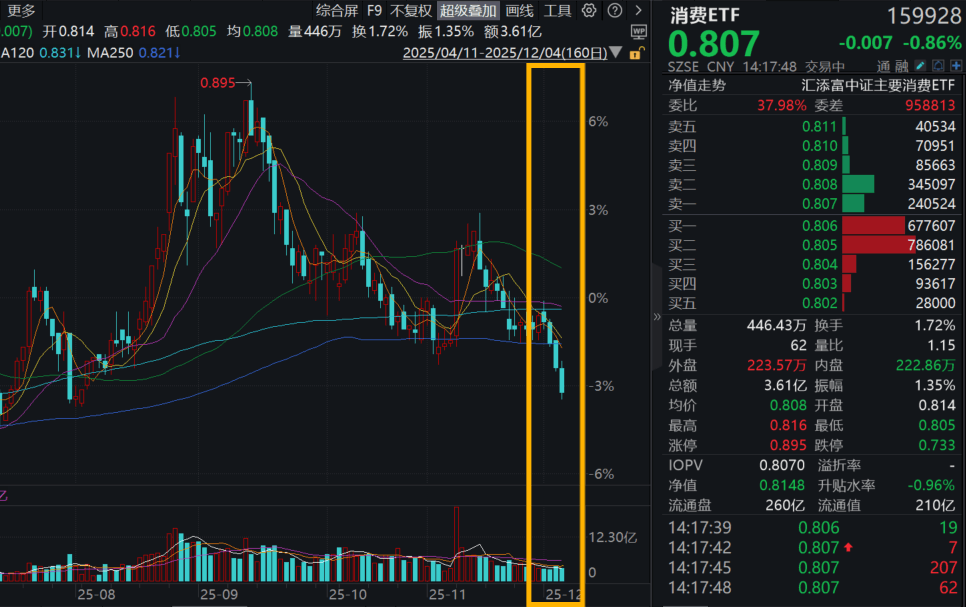
飞天茅台电商价低至1399元?消费ETF(159928)跌近1%弱势四连阴!机构评12月消费:市场风格继续有利!
Xin Lang Cai Jing· 2025-12-04 07:04
Group 1: Market Performance - The consumer sector continues to experience a pullback, with the Consumer ETF (159928) declining nearly 1% for the fourth consecutive day, with a trading volume exceeding 450 million yuan [1] - The Consumer ETF (159928) has accumulated over 420 million yuan in inflows over the past 20 days, and as of December 3, its latest scale exceeds 21.1 billion yuan, leading its peers significantly [1] - The Hong Kong Stock Connect Consumer 50 ETF (159268) also fell nearly 1%, with a trading volume exceeding 24 million yuan, and it received a net subscription of 2 million shares during the day, accumulating over 67 million yuan in inflows over the past 20 days [3] Group 2: Valuation and Investment Strategy - As of December 3, the TTM price-to-earnings ratio of the Consumer ETF (159928) is 19.74, which is at the 3.99% percentile over the past 10 years, indicating a higher valuation attractiveness [5] - Market style is expected to favor low valuations as the year-end approaches, with seasonal patterns suggesting a shift in investor allocation strategies [5] - High dividend and stable performance stocks are recommended for long-term attention in the context of insufficient growth and declining interest rates [7] Group 3: Alcohol Industry Insights - The white liquor sector is currently in a deep adjustment phase, with the demand and pricing strategies of leading brands like Moutai remaining uncertain [8] - Moutai's pricing strategy includes maintaining high-quality development and focusing on market-oriented marketing transformations, with an emphasis on digital and green transitions [8] - The white liquor sector is expected to see a recovery in demand, particularly with the upcoming long holiday period, which may support valuation recovery [8][9]


东鹏饮料(605499):公告点评:H股发行获证监会备案,步入长线价值区间
Yin He Zheng Quan· 2025-12-03 14:06
Investment Rating - The report maintains a "Recommended" rating for Dongpeng Beverage [2][5] Core Insights - The company has received approval from the China Securities Regulatory Commission for the issuance of up to 66.44 million H shares, which is expected to enhance its long-term value [5] - The issuance is projected to have a manageable dilution effect on earnings per share (EPS), estimated at around 11% post-issuance, with a projected price-to-earnings (PE) ratio of approximately 26X for 2026, indicating a reasonable valuation [5] - The funds raised from the H share issuance will be utilized for enhancing overseas market supply chain infrastructure, brand promotion, and exploring investment opportunities in foreign markets [5] Financial Performance Forecast - Revenue is projected to grow from 15,839 million yuan in 2024 to 32,658 million yuan in 2027, reflecting a compound annual growth rate (CAGR) of approximately 22.67% [2][7] - Net profit is expected to increase from 3,327 million yuan in 2024 to 7,096 million yuan in 2027, with a growth rate of 22.90% [2][7] - The gross margin is forecasted to remain stable around 45%, indicating strong operational efficiency [2][7] Market Position and Growth Potential - Dongpeng Beverage is positioned to benefit from the expanding functional beverage market in China, with significant growth potential compared to competitors like Nongfu Spring and Master Kong [5] - The company is focusing on diversifying its product offerings and expanding into international markets, particularly Southeast Asia, with plans to establish a presence in the U.S. and Middle East in the long term [5] - The report emphasizes the importance of monitoring inventory dynamics and sales performance as the new fiscal year begins, particularly around the Chinese New Year [5]
东鹏把“补水啦”卖火后还没找到下一个爆款
Xin Lang Cai Jing· 2025-12-03 11:16
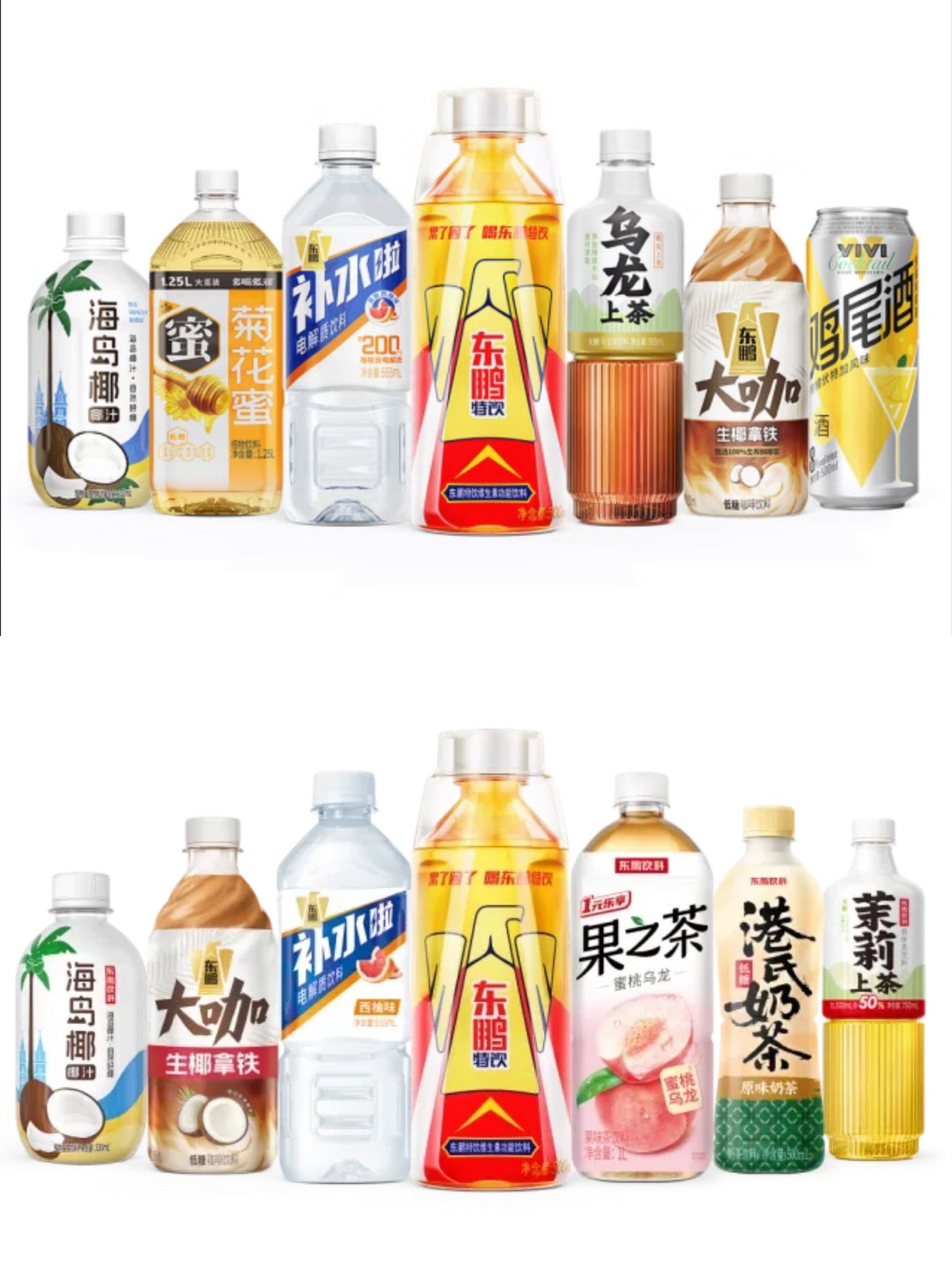
Core Viewpoint - Dongpeng Beverage is attempting to diversify its product offerings with a new "1+6" product matrix for 2026, focusing on energy drinks, electrolyte drinks, and various tea and coffee beverages, while phasing out less successful products [1][4]. Product Matrix Strategy - The "1+6" product matrix includes the core energy drink "Dongpeng Special Drink" and six new potential categories: electrolyte drink "Bushuila," sugary tea "Guozhi Tea," coconut drink "Haidao Coconut," ready-to-drink milk tea "Gangshi Milk Tea," unsweetened tea "Shangcha," and coffee drink "Daka" [1][4]. - "Guozhi Tea" and "Gangshi Milk Tea" have quickly become central products in the matrix, replacing "Chrysanthemum Honey" and "VIVI" pre-mixed cocktails [1][4]. Sales Performance - For the first three quarters of 2025, Dongpeng Special Drink, Bushuila, and other beverages generated revenues of 12.563 billion, 2.847 billion, and 1.424 billion yuan respectively, with year-on-year growth rates of 19.4%, 134.8%, and 76.4% [4]. - The rapid growth of Bushuila and other beverages indicates a shift in consumer preferences, with Dongpeng Special Drink remaining a key revenue driver but showing slower growth [4]. Market Share and Competition - "Guozhi Tea" has gained significant market traction, with its market share increasing from 0.02% in February 2025 to 1.20% by November 2025, ranking among the top 10 brands in the ready-to-drink tea category [6][8]. - The product's success is attributed to its high cost-performance ratio and effective promotional strategies, such as the "1 Yuan Enjoyment" campaign, which incentivizes retailers to promote the product [9]. New Product Developments - Dongpeng is also investing in unsweetened tea products, with plans to launch a new unsweetened tea called "Beihai Tea," featuring flavors like Jasmine Oolong and Phoenix Dan Cong [12]. - The company is facing challenges in the unsweetened tea segment, as sales growth has slowed significantly compared to previous years [12]. Distribution and Market Strategy - Dongpeng Beverage has a robust distribution network, with 3,200 distributors and 4.2 million active retail points, which facilitates rapid product rollout across various market segments [15]. - The company plans to enhance its presence in the market by deploying 300,000 freezers in schools, factories, and service areas, with an additional 100,000 to 200,000 planned for 2025 [15]. Future Outlook - While "Guozhi Tea" shows potential for becoming a third growth curve for the company, it has not yet demonstrated the explosive growth seen with Bushuila [16]. - Dongpeng's strategy of diversifying its product matrix and transitioning to a platform-based company has garnered positive recognition from the capital markets, as evidenced by its recent plans for overseas listing [17].