TRINA(688599)

Search documents
天合储能1.7GWh亚太项目交付
鑫椤储能· 2026-01-13 06:37
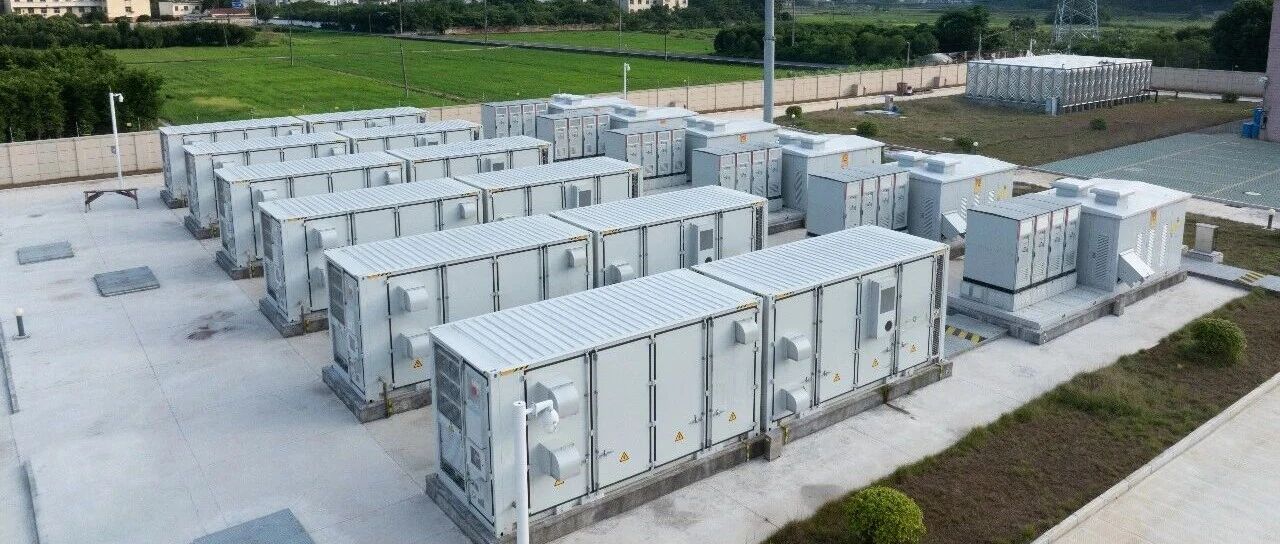
关注公众号,点击公众号主页右上角" ··· ",设置星标 "⭐" ,关注 鑫椤储能 资讯~ 近日,天合储能顺利完成向亚太地区 1.7GWh 储能项目的发货交付。该项目为公司目前 规模最大的海外储能项目出货 ,标志着天合储能在超大 规模储能项目交付能力上的又一次突破,也进一步彰显了公司在海外储能市场的持续拓展与全球项目交付能力的领先优势。 本次交付项目采用天合储能 Elementa 2 储能系统。该系统搭载天合自研电芯,并配备 AI 仿生液冷技术,可将系统内部电芯温差精准控制在 2.5℃ 以内,在 –30°C 至 55°C 的宽温区间内保持稳定运行,充分适应高温、高负荷等复杂工况,为超大规模储能项目的长期安全与可靠运行 提供坚实保障。 鑫椤报告预售: 2025-2029年全球储能市场运行趋势及竞争策略研究报告 预订电话:18964001371(微信同) 凭借高可靠性与快速部署优势, Elementa 系列储能产品正持续服务于不同区域、不同应用场景的能源需求,在效率、灵活性与系统稳定性之间 实现良好平衡,满足海外市场对储能系统 规模化、工程化、可复制落地 的实际需求。 截至 2025 年底,天合储能全球储能系统累 ...


天合光能分布式光伏组件最新报价上调3分/W
Bei Jing Shang Bao· 2026-01-13 06:29
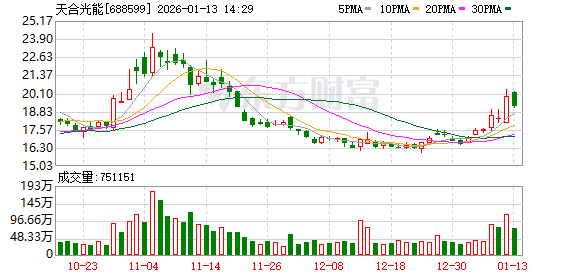
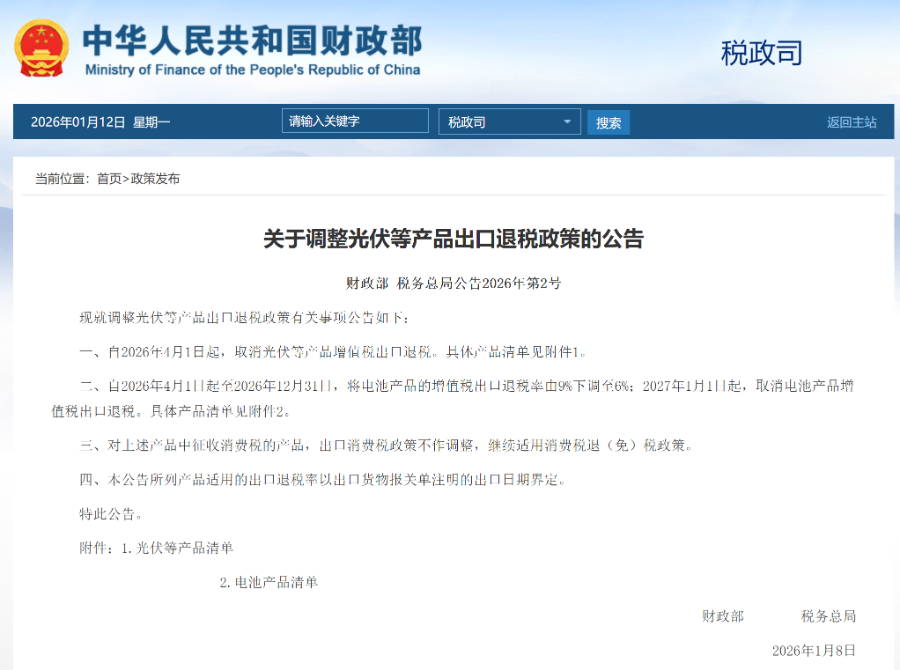
Core Insights - Trina Solar (688599) announced its distributed market guidance price through its WeChat account "Trina Solar Distributed" on January 13, with the lowest component price reaching 0.85 CNY/W, an increase of 0.03 CNY/W compared to the price on January 1 [2] - The Ministry of Finance and the State Administration of Taxation released an announcement on January 9 regarding adjustments to the export tax rebate policy for photovoltaic products, stating that the VAT export rebate for photovoltaic products will be canceled starting April 1 [2] Company Summary - Trina Solar's component pricing reflects a positive trend, with a notable increase in the lowest price per watt [2] - The company's pricing strategy may be influenced by recent policy changes regarding export tax rebates [2] Industry Summary - The cancellation of VAT export rebates for photovoltaic products could impact the overall market dynamics and pricing strategies within the solar industry [2] - The adjustment in export tax policy may lead to increased costs for manufacturers, potentially affecting their competitiveness in international markets [2]
今亮点!天合光能成立光伏技术公司
Zheng Quan Shi Bao Wang· 2026-01-13 04:57
(相关资料图) 人民财讯1月13日电,企查查APP显示,近日,淮安群创光伏技术有限公司成立,法定代表人为陈奕 峰,注册资本为1000万元,经营范围包含:工业设计服务;新材料技术研发;新材料技术推广服务;机 械设备研发;光伏设备及元器件销售等。企查查股权穿透显示,该公司由天合光能旗下江苏群创光伏技 术有限公司全资持股。 ...

取消退税谁突围 谁出清?A股光伏龙头企业核心财务数据拆解
Nan Fang Du Shi Bao· 2026-01-13 03:37
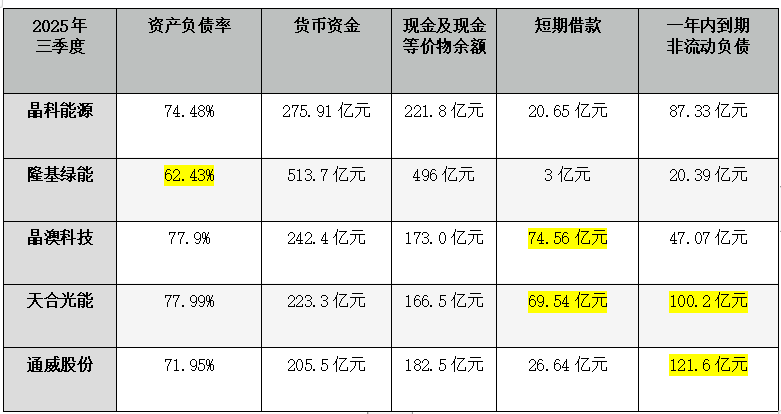
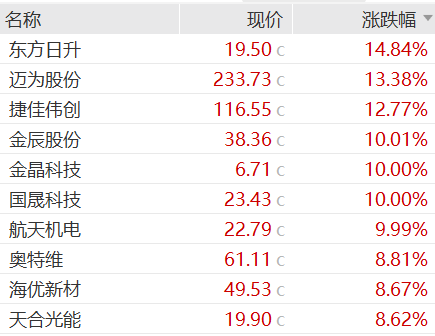
Core Viewpoint - The Ministry of Finance announced the cancellation of export VAT rebates for photovoltaic products starting April 1, 2026, affecting 249 products, which may accelerate the exit of weaker companies and optimize industry capacity structure [1] Group 1: Market Reaction - The A-share "photovoltaic equipment" sector surged by 2.72% following the announcement, with notable increases in stock prices for major companies such as JinkoSolar (3.56%), LONGi Green Energy (4.57%), JA Solar (3.4%), Trina Solar (8.62%), and Tongwei Co. (2.11%) [1] Group 2: Financial Health of Leading Companies - Leading photovoltaic companies exhibit high asset-liability ratios, with JinkoSolar, JA Solar, Trina Solar, and Tongwei Co. all exceeding 70%, and JA Solar and Trina Solar nearing 78% [2] - As of Q3 2025, JinkoSolar reported an asset-liability ratio of 74.48%, LONGi Green Energy at 62.43%, JA Solar at 77.9%, Trina Solar at 77.99%, and Tongwei Co. at 71.95% [3] - JinkoSolar had cash and cash equivalents of 22.18 billion, with 5 billion restricted for guarantees, while LONGi Green Energy maintained a lower short-term borrowing of 300 million [5] Group 3: Accounts Receivable and Payable - The five leading companies collectively had accounts payable nearing 200 billion, with accounts receivable totaling approximately 72.3 billion, resulting in a significant payment demand [8] - The accounts receivable turnover days increased for several companies, with LONGi Green Energy at 69.31 days, JA Solar at 67.02 days, and Trina Solar at 82.38 days [7] Group 4: Profitability Challenges - All leading companies faced significant losses in the first three quarters of 2025, with JinkoSolar, LONGi Green Energy, JA Solar, Trina Solar, and Tongwei Co. reporting net losses of 4.543 billion, 4.454 billion, 3.453 billion, 4.315 billion, and 5.471 billion respectively [10] - The gross profit margins varied, with Trina Solar at 5.09% and JA Solar at -2.6%, indicating a wide disparity in profitability [11] Group 5: Debt Structure and Financing - Tongwei Co. had a notably high long-term debt of 53.78 billion, while JinkoSolar's financial expenses were relatively low due to favorable foreign exchange gains [12] - The actual controllers of LONGi Green Energy and Tongwei Co. had some share pledges, with LONGi at 14.62% and Tongwei at 28.36%, indicating potential financial constraints [14]




光伏“淡季不淡”背后: 出口退税取消 推升抢出口行情
Sou Hu Cai Jing· 2026-01-12 16:34
Core Viewpoint - The photovoltaic industry is experiencing an unexpected surge in demand during the traditionally slow first quarter due to the cancellation of export tax rebates, prompting overseas buyers to place orders in advance to avoid higher costs after April 2026 [1] Group 1: Policy Changes and Market Reactions - The Ministry of Finance and the State Taxation Administration announced the cancellation of the value-added tax export rebate for photovoltaic products starting April 1, 2026, marking a shift to a "no rebate subsidy" phase for the industry [1] - The cancellation of the rebate is expected to increase export costs, leading to a rush in orders from overseas buyers before the policy takes effect, thus boosting first-quarter export demand [1] - Major photovoltaic companies, such as Dongfang Risen and Trina Solar, saw significant stock price increases, with Dongfang Risen hitting a new high since September 2023 [1] Group 2: Industry Dynamics and Price Trends - The photovoltaic supply chain is showing a divergence, with upstream silicon material companies experiencing relatively low performance, while leading component manufacturers are raising prices to capitalize on the export window [2] - The price increase in components is expected to enhance profit margins for component manufacturers in the first quarter, while silicon material prices will depend on the self-regulation of the industry and profit margins [2] - There is a concern that the rush for exports may preemptively exhaust overseas demand for the second quarter, potentially leading to a sharp decline in demand similar to previous years [2][3] Group 3: Future Outlook and Demand Stability - Analysts suggest that after the export rush, there may be a significant drop in demand, which could put pressure on silicon prices again [3] - The stability of the photovoltaic industry's supply and demand dynamics will rely heavily on self-regulation within the industry and the actual trends in production control [3] - The domestic photovoltaic installation is expected to grow steadily under policy guidance, with leading companies that have integrated overseas production and sales likely to be less affected by the cancellation of the rebate [3]


光伏“淡季不淡”背后:出口退税取消 推升抢出口行情
Sou Hu Cai Jing· 2026-01-12 15:30
Group 1 - The core viewpoint of the articles indicates that the cancellation of export tax rebates for photovoltaic products has led to an unexpected increase in demand during the traditionally slow first quarter, as companies rush to secure orders before costs rise [1][2] - The Ministry of Finance and the State Taxation Administration announced that the export tax rebate for photovoltaic products will be canceled starting April 1, 2026, marking a shift to a "no rebate subsidy" phase for the industry [1] - As a result of this policy change, companies are experiencing increased export demand, with major photovoltaic component companies seeing significant stock price increases, such as Dongfang Risheng rising over 14% and Trina Solar increasing by over 8% [1] Group 2 - The photovoltaic supply chain is showing signs of differentiation, with upstream silicon material companies experiencing relatively low growth, while component manufacturers are raising prices to capitalize on the export window [2] - The phenomenon of rushing to export may lead to a potential overshoot of overseas demand in the second quarter, reminiscent of previous demand fluctuations caused by policy changes [2][3] - Analysts suggest that while the current rush to export may temporarily alleviate supply-demand imbalances, it could also lead to a sharp decline in demand later, with the stability of industry prices relying heavily on self-discipline within the industry [3]
光伏锂电出口退税新政出台 一季度产能释放“淡季不淡”
2 1 Shi Ji Jing Ji Bao Dao· 2026-01-12 14:40
Core Viewpoint - The recent announcement by the Ministry of Finance and the State Taxation Administration to cancel export VAT rebates for photovoltaic and battery products is seen as a significant measure in the "anti-involution" actions within the new energy sectors, aimed at addressing the industry's profitability issues and promoting higher value-added products [5][6][8]. Industry Overview - The new energy photovoltaic and lithium battery industries have been facing challenges due to mismatched supply and demand and intense price competition, leading to weak profitability across the sector [3]. - Since 2025, there have been ongoing calls within the lithium battery sector to resist vicious competition, control capacity growth, and enhance technological innovation [3]. Policy Changes - Starting from April 1, 2026, the export VAT rebate for photovoltaic products will be canceled, and the rebate rate for battery products will be reduced from 9% to 6% until the end of 2026, after which it will be completely eliminated [1][5]. - The Ministry of Industry and Information Technology and other regulatory bodies have proposed 20 measures to regulate industry competition, including tightening approvals for low-capacity projects and establishing a cost-based price monitoring mechanism [4]. Market Reactions - Following the announcement, the stock performance of key players in the lithium battery sector showed significant volatility, with leading companies like CATL experiencing declines, while some photovoltaic companies saw substantial gains [1]. - The cancellation of export VAT rebates is expected to lead to an increase in the cost and price of Chinese photovoltaic components in overseas markets, which may help clear out low-end production capacity [8]. Price Trends - The prices of lithium carbonate futures have surged to over 160,000 yuan per ton, compared to 60,000 yuan per ton in June 2025, indicating a significant recovery in the battery materials market [6]. - The demand for upstream materials remains strong, with companies reporting full production capacity and no immediate adjustments in order volumes from downstream clients [7]. Future Outlook - The upcoming policy changes are anticipated to drive a surge in orders for photovoltaic components before the new VAT regulations take effect, although this demand may be temporary [7]. - Long-term, the cancellation of export VAT rebates is expected to facilitate industry consolidation and price normalization, benefiting the overall market structure [8].





光伏锂电出口退税将取消 ,有代理商称现货5分钟被抢光
2 1 Shi Ji Jing Ji Bao Dao· 2026-01-12 14:28
Core Viewpoint - The recent changes in export tax policies for photovoltaic and lithium battery products are seen as a significant move to combat excessive competition and improve profitability in the renewable energy sectors [4][8][9]. Group 1: Market Performance - On January 12, the opening saw fluctuations in the new energy photovoltaic and lithium battery sectors, with notable divergences in individual stock performances [1]. - Leading lithium battery company CATL (宁德时代) saw its H-shares drop by 3% and A-shares decline by over 4%, while companies like Deyang Nano (德方纳米) and Hunan Youneng (湖南裕能) experienced mixed results [1]. - In the photovoltaic sector, companies such as Maiwei (迈为股份) and Jiejia Weichuang (捷佳伟创) surged over 10%, while Trina Solar (天合光能) and Haiyou New Materials (海优新材) rose over 8% [1]. Group 2: Export Tax Policy Changes - Starting April 1, 2026, the export tax rebate for photovoltaic products will be eliminated, and the rebate rate for battery products will be reduced from 9% to 6% until the end of 2026, after which it will be completely removed [2]. - This policy change is part of a broader "anti-involution" initiative aimed at addressing the supply-demand mismatch and intense price competition that have weakened profitability in the photovoltaic and lithium battery industries [4][5][8]. Group 3: Industry Response and Measures - Since 2025, there have been ongoing calls within the lithium battery sector to resist harmful competition and control capacity growth, with various industry meetings held to discuss these issues [7]. - The Ministry of Industry and Information Technology has organized discussions with leading battery companies to establish measures for regulating competition and ensuring sustainable growth [7]. - A total of 20 measures were proposed, including monitoring production capacity and implementing penalties for non-compliant companies, which may affect financing and tax rebates [8]. Group 4: Market Dynamics and Future Outlook - Despite the seasonal downturn typically seen in the first quarter, demand for power and energy storage batteries remains strong, with companies reporting full order books and saturated production capacity [11]. - The anticipated increase in costs due to the export tax policy is prompting overseas buyers to adjust their purchasing schedules, potentially leading to a robust first quarter for lithium battery sales [11][12]. - Analysts predict that the cancellation of export tax rebates will ultimately raise the costs and prices of Chinese photovoltaic components in overseas markets, which could help clear out excess capacity and stabilize prices in the long run [13].
光伏锂电出口退税将取消 ,有代理商称现货5分钟被抢光
21世纪经济报道· 2026-01-12 14:21
Core Viewpoint - The article discusses the recent fluctuations in the new energy photovoltaic and lithium battery sectors, highlighting the impact of changes in export tax policies on these industries and the ongoing "anti-involution" actions aimed at stabilizing prices and production capacity [1][5][6]. Summary by Sections Market Performance - On January 12, the lithium battery leader CATL saw its H-shares drop by 3% and A-shares fall over 4%, while companies like Deyang Nano and Hunan Yueneng experienced mixed results with increases and decreases in their stock prices [1]. Export Tax Policy Changes - The Ministry of Finance announced that starting April 1, 2026, the export VAT refund for photovoltaic products will be canceled, and the VAT refund rate for battery products will be reduced from 9% to 6% until the end of 2026, after which it will be completely eliminated [2][3]. Industry Response and Actions - The lithium battery and photovoltaic industries have been facing challenges due to mismatched supply and demand and intense price competition, leading to a series of "anti-involution" initiatives aimed at expanding demand, adjusting prices, and controlling production capacity [3][5]. - Since 2025, there have been calls within the lithium battery sector to resist vicious competition and control the disorderly growth of production capacity, with various companies announcing price adjustments to stabilize the market [5][6]. Price Trends and Market Dynamics - Despite the seasonal downturn typically seen in the first quarter, the demand for power and energy storage batteries remains strong, with companies reporting sufficient orders and saturated production capacity [8]. - The export tax policy changes are expected to lead to an increase in battery prices, as overseas buyers adjust their purchasing strategies to avoid higher costs after the policy takes effect [8][10]. Future Outlook - Analysts predict that the cancellation of export tax refunds will increase the costs and prices of Chinese photovoltaic components in overseas markets, which may lead to industry consolidation and a return to more rational pricing in the long term [7][10].
光伏“淡季不淡”背后:出口退税取消,推升抢出口行情
第一财经· 2026-01-12 10:49
Core Viewpoint - The cancellation of the export VAT rebate for photovoltaic products starting April 1, 2026, is a significant policy shift that has led to an unexpected surge in demand during the traditionally slow first quarter, as companies rush to secure orders before costs rise [3][4]. Group 1: Policy Impact - The Ministry of Finance and the State Taxation Administration announced the cancellation of the VAT export rebate for photovoltaic products, marking the industry’s transition into a "no rebate subsidy" phase, which will increase export costs [3][4]. - This policy change has prompted overseas buyers to place orders in advance to avoid higher costs, resulting in a spike in export demand during the first quarter [3][4]. Group 2: Market Reactions - Major photovoltaic companies such as Dongfang Risen, Trina Solar, and Longi Green Energy saw significant stock price increases, with Dongfang Risen hitting a new high since September 2023, closing up over 14% [3]. - The market has reacted to the antitrust situation in the silicon material sector, leading to a divergence in the photovoltaic industry chain, with upstream silicon material companies experiencing relatively low growth [4]. Group 3: Price Dynamics - Leading component manufacturers have begun raising component prices in response to the export rush, indicating a strong willingness to increase prices downstream, which may lead to improved profit margins for component manufacturers in the first quarter [4]. - The price dynamics in the silicon material sector will depend on the self-regulation of the industry alliance and the profit margins of the companies involved [4]. Group 4: Future Outlook - While the current export rush has temporarily alleviated the "double weakness" in supply and demand within the photovoltaic industry, there is a risk of preemptively exhausting overseas demand for the second quarter [4][5]. - Analysts suggest that the potential for a sharp decline in demand following the export rush could mirror past experiences, emphasizing the need for self-regulation within the industry to stabilize prices [5].