TCL TECH.(000100)

Search documents
TCL科技(000100) - 2024年面向专业投资者公开发行科技创新公司债券(数字经济)(第一期)兑付暨摘牌公告
2026-01-29 11:46
2024年面向专业投资者公开发行科技创新公司债券(数字经济) (第一期)兑付暨摘牌公告 TCL 科技集团股份有限公司及董事会全体成员保证公告内容的真实、准确 和完整,没有虚假记载、误导性陈述或者重大遗漏。 重要提示: 债券简称:24TCLK1 债券代码:148600 证券代码:000100 证券简称:TCL 科技 公告编号:2026-008 债券代码:148600 债券简称:24TCLK1 TCL 科技集团股份有限公司 债权登记日:2026 年 1 月 30 日 最后交易日:2026 年 1 月 30 日 兑付日:2026 年 2 月 2 日(2026 年 2 月 1 日非交易日,顺延至其后的 第 1 个交易日,下同) 摘牌日:2026 年 2 月 2 日 计息期间:2025 年 2 月 1 日-2026 年 1 月 31 日 TCL 科技集团股份有限公司 2024 年面向专业投资者公开发行科技创新 公司债券(数字经济)(第一期)将于 2026 年 2 月 2 日支付自 2025 年 2 月 1 日至 2026 年 1 月 31 日期间的利息和本期债券的本金。 为保证还本付息工作的顺利进行,现将有关事项公告如 ...

索尼电视卖身TCL,“中产白月光”还能卖上万块吗?
3 6 Ke· 2026-01-29 01:07
Core Viewpoint - The collaboration between TCL and Sony marks the end of the Japanese television era and signifies the rise of the Chinese television industry on a global scale [2][3][10]. Group 1: Company Collaboration - TCL and Sony have signed a memorandum of understanding to establish a joint venture, with TCL holding 51% and Sony 49%, focusing on global operations of Sony's television and home audio businesses [2][3]. - The joint venture is expected to begin operations in April 2027, pending regulatory approvals [3][4]. - This partnership aims to leverage Sony's expertise in audio-visual technology and TCL's strengths in display technology and cost control to create innovative products [6][11]. Group 2: Market Dynamics - The global television market is projected to see a total shipment of 220 million units in 2025, with TCL expected to ship approximately 30.4 million units, capturing a market share of 13.8% [6][11]. - Sony's television market share has significantly declined to about 1.25% in China, indicating a shift in consumer preferences and market dynamics [10][11]. - The competition in the television market is increasingly dominated by Chinese brands, with TCL and Hisense gaining substantial market shares, particularly in Japan [18][19]. Group 3: Industry Trends - The Japanese television giants have been gradually exiting the market, with significant sales and transfers of their businesses to Chinese companies over the past decade [17][19]. - The shift from traditional television to smart home integration is evident, as consumers increasingly seek multifunctional and aesthetically pleasing devices [27][30]. - The future of television is evolving towards becoming a central hub for smart home technology, with a focus on user experience and integration into daily life [29][30].


语音空调 “社交厨房” AI重塑广货基因
Nan Fang Du Shi Bao· 2026-01-28 23:12
Core Insights - Guangdong is transitioning from "scale manufacturing" to "smart creation" in the consumer electronics and home appliance sectors, driven by AI technology [2][3] - Leading companies like Huawei, Gree, and Midea are integrating advanced AI technologies into product innovation, production processes, and business models to enhance consumer experiences [3][4] Industry Trends - The "Guangdong Goods Going Global" event showcased over 400 AI smart hardware products, with 80% featuring AI capabilities, highlighting the competitive edge of Guangdong's products in meeting diverse consumer needs [4] - The smartphone market is facing growth challenges, prompting Guangdong mobile companies to embrace AI and launch innovative products that redefine consumer perceptions of smartphones [5][6] Product Innovations - Huawei's latest devices, equipped with the HarmonyOS, demonstrate full-stack independent innovation, enhancing connectivity in extreme environments through AI algorithms [4] - Vivo and OPPO are leading in mobile imaging, with products like the Vivo X300 Pro and OPPO Find X9 Pro utilizing AI for superior image quality and user experience [5] Smart Home Solutions - AI is transforming home appliances from mere functional tools to proactive lifestyle partners, creating new consumer demands for smart home solutions [6][7] - Companies like Midea and TCL are developing comprehensive smart home ecosystems, enhancing user interaction and convenience through AI technologies [6][7] Manufacturing Advancements - Guangdong's manufacturing sector benefits from a complete supply chain, enabling rapid product development and market responsiveness, exemplified by the "design today, product tomorrow" capability [8][9] - Gree's intelligent manufacturing factory has achieved a 200% increase in production efficiency and 100% digital coverage, showcasing the potential of AI in manufacturing [10] Strategic Vision - The Guangdong government emphasizes continuous innovation and adaptation in traditional industries to maintain competitiveness and create new value [6][10] - The integration of AI into manufacturing and product development is positioning Guangdong as a leader in the transition from a manufacturing province to an innovation hub [10]



日企想在消费电子赛道继续挣扎,但意义不大了
3 6 Ke· 2026-01-28 09:06
Group 1 - Sony's collaboration with TCL has sparked discussions, marking a shift as the company plans to establish a joint venture while divesting its television business [2] - Sony has a history of divesting consumer electronics, having sold its VAIO business in 2014 and subsequently exiting the computer market, with its mobile division also facing layoffs [2][3] - By FY2024, Sony's entertainment segments—film, music, and gaming—account for over 60% of the group's revenue, indicating a strategic shift away from its identity as a consumer electronics giant [3] Group 2 - The global television market is projected to see a slight decline in shipments, with Sony's television sales significantly lagging behind competitors like TCL, which shipped 20.8 million units compared to Sony's 2.6 million in the first three quarters of 2025 [5][6] - Sony's display business revenue, including TVs and projectors, is expected to decline by approximately 10% year-on-year, reflecting ongoing challenges in profitability within the television sector [5][6] - The company aims to focus on high-value areas such as gaming, music, and film, which have proven to be more profitable, as evidenced by an increase in profit margins from 2.78% in FY2010 to 10.9% in FY2024 [6] Group 3 - Sony's partnership with TCL may leverage the latter's supply chain and cost efficiency to enhance global competitiveness in the consumer electronics market, with projections suggesting a combined market share of 16.7% by 2027 [7] - The global consumer electronics market is expected to grow, with a projected sales figure of $1.3 trillion in 2025, indicating a potential opportunity for companies like Sony to adapt and thrive [6][7] - Sony's venture into the electric vehicle market, with plans to launch its Afeela brand, reflects its ambition to diversify beyond traditional consumer electronics [8][9] Group 4 - The Japanese consumer electronics industry, including Sony, faces challenges as it struggles to maintain its position in a rapidly evolving global market, with many companies experiencing declines in market share [11][12] - The shift in focus from hardware to software and services is becoming increasingly important, with predictions that over 65% of future value in consumer electronics will come from software and subscription services [20][21] - Japanese companies, including Sony, are recognizing the need for innovation and adaptation in response to competitive pressures from global players, particularly in the areas of AI and smart technology [21][25]
中国企业出海的三种制胜路径
Di Yi Cai Jing· 2026-01-28 02:25
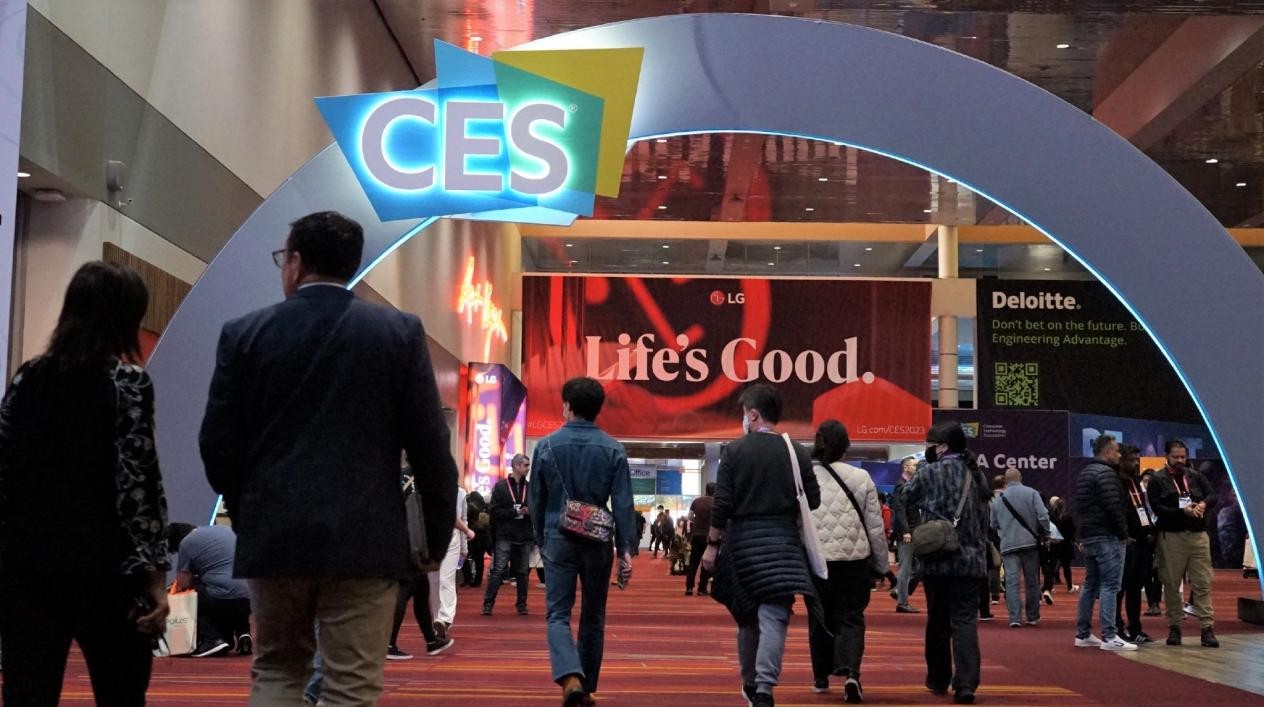
Core Insights - China's GDP reached 140,187.9 billion yuan in the previous year, marking a 5.0% year-on-year growth at constant prices, with overseas contributions from Chinese enterprises accounting for approximately 10% to 15% of GDP [1] - The trend of Chinese companies going global is becoming a necessity, with a shift from merely exporting goods to providing services [3][15] - The CES event showcased a significant presence of Chinese brands, with TCL and Hisense leading in various product categories, indicating a shift in the global consumer electronics landscape [2][8] Industry Trends - The CES attracted over 4,000 companies and 140,000 attendees, highlighting the importance of networking and collaboration among Chinese enterprises [3] - Chinese brands are increasingly dominating the CES, with TCL and Hisense occupying key exhibition spaces, showcasing a range of products from AI robots to home appliances [3][8] - The AI sector is witnessing rapid advancements, with Chinese companies leading in robotics and AI applications, as evidenced by the positive reception of their products at CES [4][5] Market Dynamics - Shenzhen's startups are focusing on understanding Western consumer needs and leveraging local hardware advantages to penetrate overseas markets [7] - The food industry is adopting a different approach, with established products being introduced directly to the U.S. market, emphasizing local production to meet regulatory standards [12] - The overall participation of Chinese companies at CES reflects a strategic long-term investment in global branding and market presence [14] Future Directions - There is a growing emphasis on service capabilities alongside product exports, with companies like Xcotton providing cross-border e-commerce insurance services [15] - The U.S. manufacturing revival presents significant opportunities for Chinese enterprises, with many already establishing local operations to enhance competitiveness [13][15] - The disparity in innovation mechanisms between the U.S. and China highlights the need for improved support for scientific research and commercialization in China [16]

家电消费新主张,要大美好,更要“真智能”|世研消费指数品牌榜Vol.100
3 6 Ke· 2026-01-27 09:48
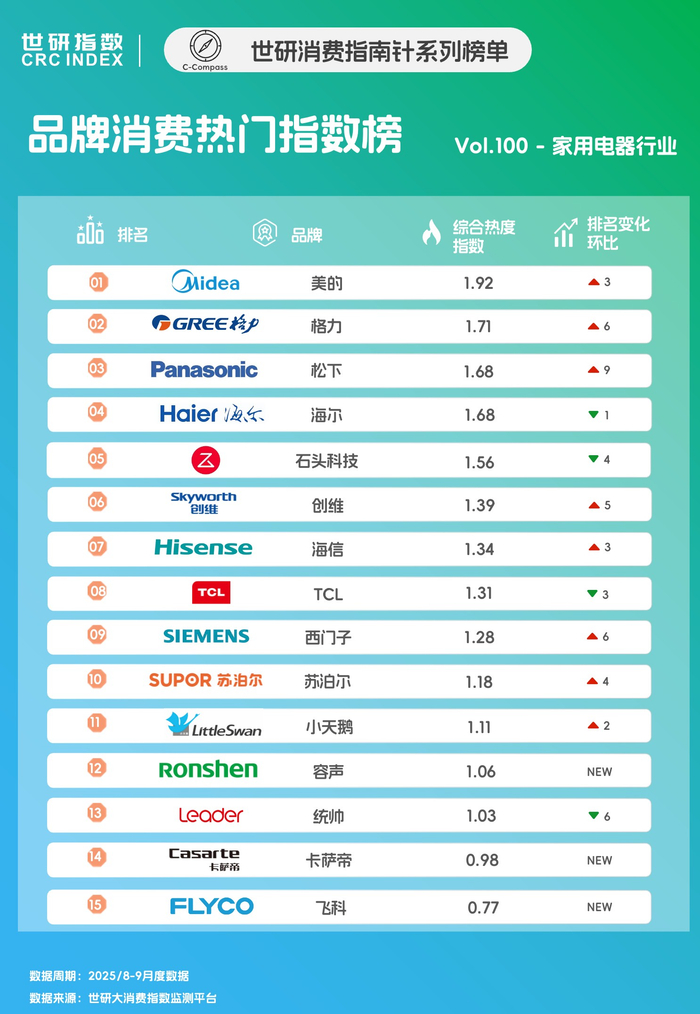
Core Insights - The traditional growth logic of "price for volume" is becoming unsustainable as market growth slows and consumer behavior becomes more rational, prompting leading brands to focus on technological innovation and strategic transformation in the home appliance industry [1] Group 1: Industry Trends - Key trends reshaping the home appliance industry include AI empowerment, health concepts, high-end positioning, and cross-industry integration [1] - The current monitoring period shows that Midea, GREE, and Panasonic lead the heat index rankings with scores of 1.92, 1.71, and 1.68 respectively [2][3] Group 2: Technological Innovations - Midea has launched a new dual-air outlet central air conditioning system aimed at providing a revolutionary user experience, while GREE focuses on AI and energy-saving technologies with its new product lines [4] - Haier emphasizes comprehensive air solutions and has introduced several innovative products, including the industry's first AI air conditioning group standard [4] Group 3: Strategic Transformations - The slowdown in industry growth has led brands to pursue high-end and cross-industry strategies for counter-cyclical growth, as seen with Skyworth's significant revenue increase driven by its new energy business [5] - High-end brands like Casarte have shown resilience, achieving positive growth in a challenging market, highlighting the importance of differentiated competitive strategies [5]



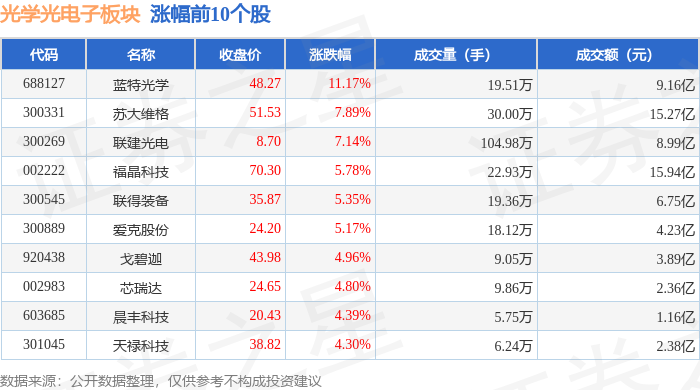
光学光电子板块1月27日涨1.5%,蓝特光学领涨,主力资金净流入9.2亿元
Zheng Xing Xing Ye Ri Bao· 2026-01-27 08:49
Core Viewpoint - The optical and optoelectronic sector experienced a 1.5% increase on January 27, with notable gains from companies like Bente Optics, while the overall market indices showed modest growth [1]. Group 1: Market Performance - The Shanghai Composite Index closed at 4139.9, up 0.18%, and the Shenzhen Component Index closed at 14329.91, up 0.09% [1]. - The optical and optoelectronic sector saw significant individual stock movements, with Bente Optics leading with a closing price of 48.27, reflecting an increase of 11.17% [1]. Group 2: Stock Performance - Key performers in the optical and optoelectronic sector included: - Bente Optics (688127) with a closing price of 48.27 and a rise of 11.17% on a trading volume of 195,100 shares [1]. - Su Dawei Ge (300331) closed at 51.53, up 7.89% with a trading volume of 300,000 shares [1]. - Lianjian Optoelectronics (300269) closed at 8.70, up 7.14% with a trading volume of 1,049,800 shares [1]. - Fuzheng Technology (002222) closed at 70.30, up 5.78% with a trading volume of 229,300 shares [1]. Group 3: Capital Flow - The optical and optoelectronic sector saw a net inflow of 920 million yuan from institutional investors, while retail investors experienced a net outflow of 445 million yuan [2]. - Major stocks with significant capital inflows included: - TCL Technology (000100) with a net inflow of 501 million yuan, accounting for 14.84% of the total [3]. - BOE Technology (000725) with a net inflow of 403 million yuan, representing 8.10% [3]. - Sanan Optoelectronics (600703) with a net inflow of 361 million yuan, making up 8.56% [3].



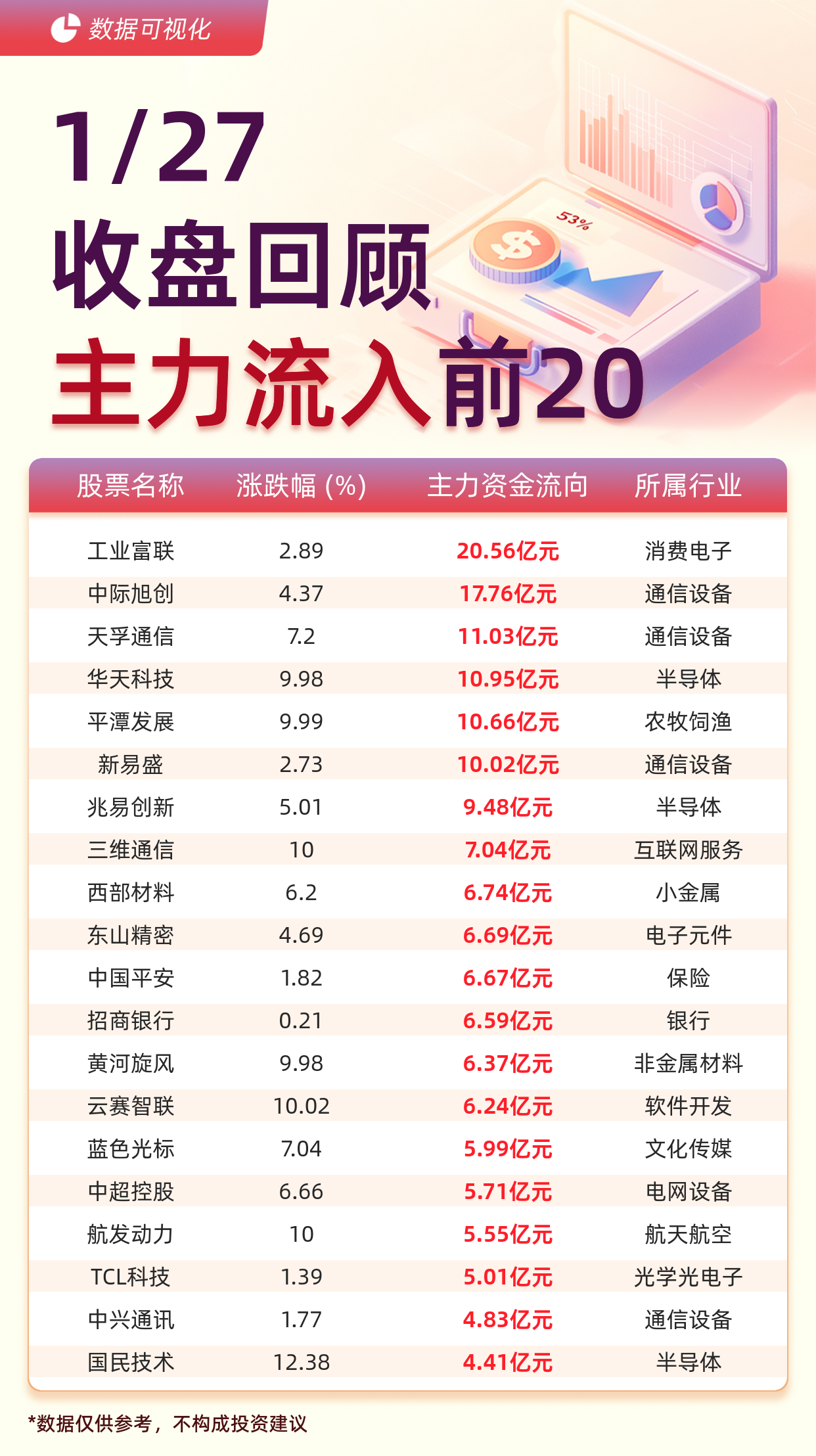
主力资金流入前20:工业富联流入20.56亿元、中际旭创流入17.76亿元
Jin Rong Jie· 2026-01-27 07:30
Group 1 - The top 20 stocks with the highest main capital inflow as of January 27 include Industrial Fulian (20.56 billion), Zhongji Xuchuang (17.76 billion), and Tianfu Communication (11.03 billion) [1][2] - The sectors represented among the top inflow stocks include consumer electronics, communication equipment, semiconductors, agriculture, and banking [2][3] - Industrial Fulian leads with a capital inflow of 20.56 billion, followed by Zhongji Xuchuang with 17.76 billion, and Tianfu Communication with 11.03 billion [1][2] Group 2 - Other notable stocks include Huada Technology (10.95 billion), Pingtan Development (10.66 billion), and Xinyi Technology (10.02 billion) [1][2] - The banking sector is represented by China Ping An with 6.67 billion and China Merchants Bank with 6.59 billion [2][3] - The data indicates a significant interest in technology and communication sectors, with multiple companies in these fields receiving substantial capital inflows [1][2][3]






联想拯救者平板Y700四代:TCL华星与联想共塑“好屏”制造协同范式
WitsView睿智显示· 2026-01-27 03:54
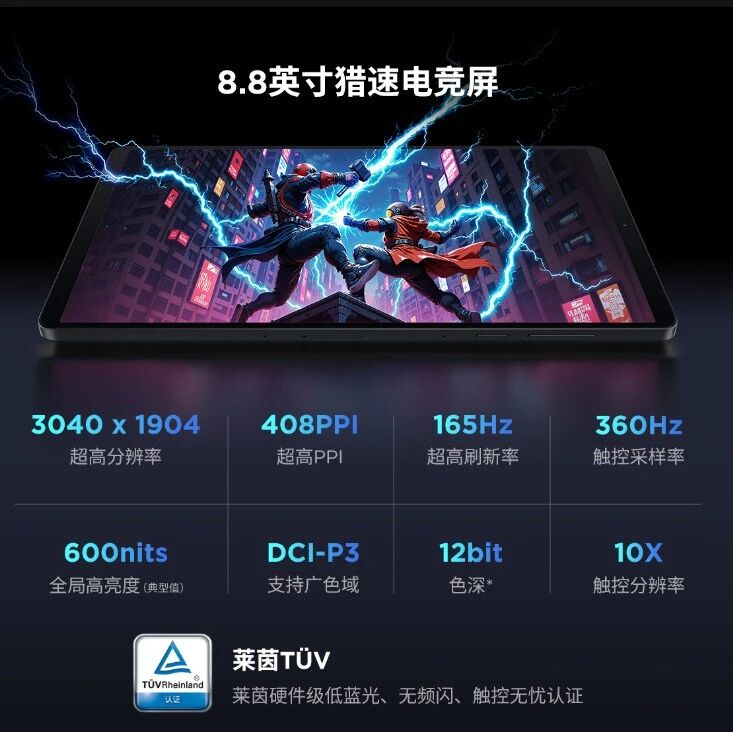
联想拯救者平板Y700四代自上市以来,游戏操控与画质体验的双重优势迅速出圈,斩获市场广泛 关注。知名科技内容创作者"影视飓风"更是对其给出"小尺寸大能量"的高度评价。 这款产品的核心竞争力,源于搭载了TCL华星独家供应的8.8英寸电竞显示屏。这块定制化屏幕以 更贴合手游场景的显示效果与跟手触控体验,重新定义了消费者对电竞平板"好屏"的认知,也成 为联想与TCL华星近年来深化协同创新、打造硬核科技产品的又一标杆成果。 先进显示赋能,塑造电竞平板"好屏标杆" 针对拯救者平板Y700四代小尺寸、高性能的使用场景,TCL华星为其定制8.8英寸LTPS电竞显示 屏, 在有限尺寸内实现了显示性能的系统性提升。 画质表现上 ,这块屏幕 拥有 3040×1904 超 高 分辨率与408PPI超高像素密度,在小尺寸下显著降低像素颗粒感, 让高速游戏的动态画面、 复杂场景的精细细节都能清晰锐利呈现 ;同时支持DCI-P3广色域与12bit色深显示,在色彩覆盖 与过渡细腻度上进一步提升,兼顾游戏画面的冲击力与影音内容的真实还原。 在亮度与能效表现上,该屏幕全局最高亮度达600nits(典型值),不仅 有效 提升画面 的 对比 度和 ...

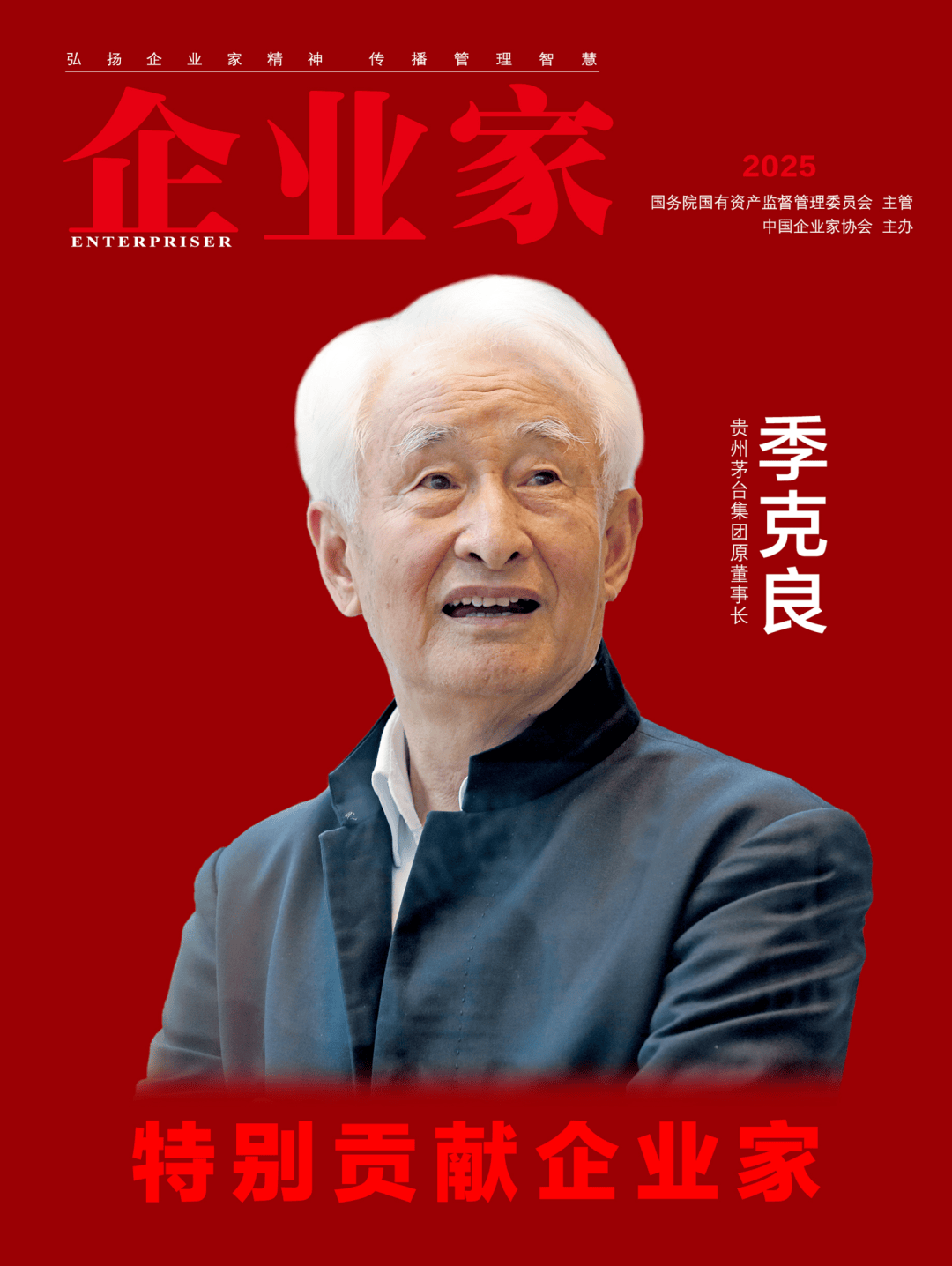
穿越周期的力量:2025中国企业家年度榜单
Sou Hu Cai Jing· 2026-01-26 15:59
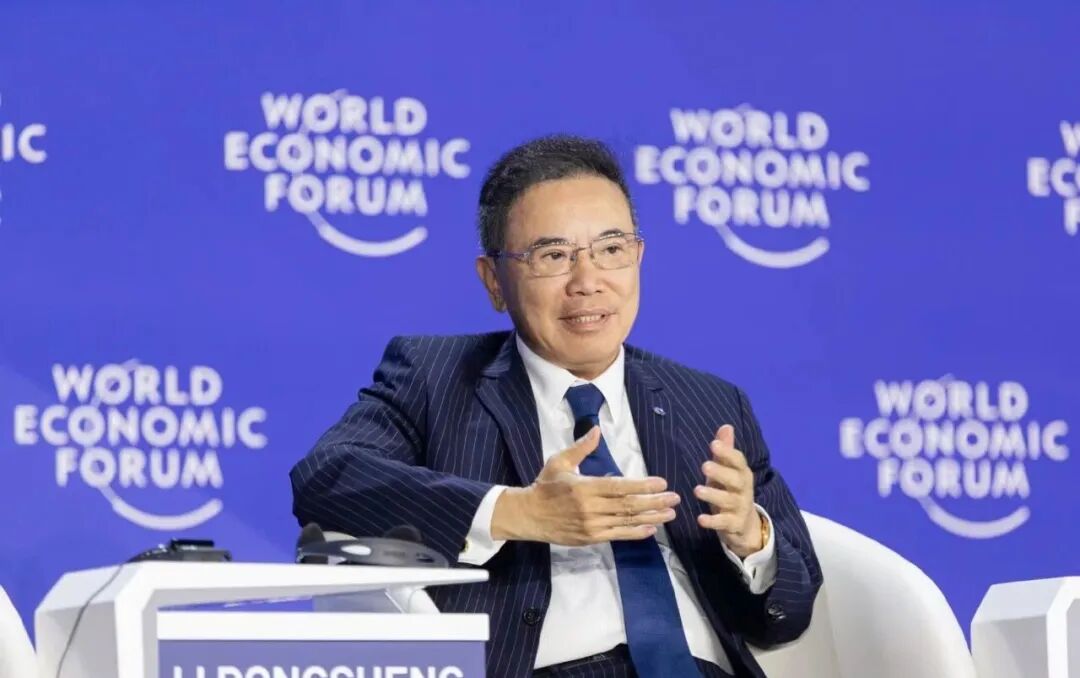
Core Insights - The article highlights the recognition of 3 "Special Contribution Entrepreneurs" and 20 "2025 Entrepreneurs" who exemplify long-termism and innovation across various industries in China, including liquor, manufacturing, energy, agriculture, internet, AI, and new consumption [1][2]. Group 1: Special Contribution Entrepreneurs - Ji Keliang, former chairman of Kweichow Moutai Group, transformed traditional brewing techniques into scientific data over 60 years, emphasizing quality over speed, which laid the foundation for Moutai's billion-dollar brand value [4][10][12]. - Zhang Ruimin, founder of Haier Group, is known for his continuous self-disruption and innovation, leading Haier from a struggling factory to a global leader in home appliances with over 400 billion yuan in revenue [18][20][21]. - Jiang Baoquan, founder of Nanjing Gold Foil Holdings, turned a failing workshop into the world's largest gold foil producer, emphasizing resilience and innovative management theories [25][27][29]. Group 2: 2025 Entrepreneurs - Ma Huateng, chairman of Tencent, focuses on "technology for good," committing to social responsibility and innovation in digital technology to drive high-quality economic development [31][34][41]. - Wang Ning, founder of Pop Mart, capitalizes on emotional value and consumer psychology, creating a successful business model around collectible toys that resonate with young consumers [43][45][46]. - Wang Xingxing, founder of Yushutech, leads advancements in humanoid robotics, achieving significant market presence and profitability while promoting technological innovation [48][49][51]. - Fang Hongbo, chairman of Midea Group, has successfully transformed Midea into a global technology group through strategic restructuring and a focus on efficiency and innovation [54][56]. - Liu Yonghao, chairman of New Hope Group, maintains a long-term vision in agriculture, achieving growth even during economic downturns by embracing new technologies [67][69][70]. - Liu Qiangdong, founder of JD.com, integrates the concept of "common prosperity" into business practices, ensuring fair profit distribution among stakeholders while enhancing supply chain efficiency [73][75][78]. - Li Dongsheng, founder of TCL, exemplifies global leadership in semiconductor display and photovoltaic sectors, driving innovation and sustainable growth through strategic partnerships [110][111].