
ZGXT(000831)

Search documents
长夜渐明,星图已显——能源金属行业2025年度中期策略报告
2025-07-07 16:32
Summary of Key Points from the Energy Metals Industry Mid-Year Strategy Report 2025 Industry Overview - The report focuses on the energy metals industry, particularly strategic metals such as rare earths, tungsten, cobalt, and nickel, highlighting the impact of geopolitical factors and supply chain dynamics on these markets [1][2]. Core Insights and Arguments - **Supply Constraints**: China's export controls on rare earths and tungsten, along with the Democratic Republic of Congo's (DRC) cobalt export ban, have led to a tightening of global strategic metal supplies, prompting a reevaluation of their value [1][2]. - **Rare Earths Demand**: The demand for rare earths is expected to remain strong due to growth in humanoid robots and overseas air conditioning needs, leading to a long-term supply-demand imbalance and potential price increases [1][6]. - **Tungsten Market Dynamics**: The tungsten industry is experiencing supply tightness due to a decrease in mining permits and declining ore grades, resulting in record-high tungsten prices despite weak downstream demand [1][8]. - **Cobalt Supply Shortages**: The DRC's export ban aims to improve mining profitability and government revenue, with expectations of a significant supply shortage as inventories are depleted, likely driving cobalt prices higher [1][10]. - **Nickel Market Positioning**: Indonesian policies have enhanced nickel's profitability within the industry, with prices fluctuating between $15,000 and $17,000. Companies are shifting focus to electric motors and plating to maximize profits amid weak stainless steel and ternary demand [1][12][14]. Additional Important Insights - **Investment Strategy**: The core investment strategy for 2025 centers on the revaluation of strategic metals, with a focus on supply-side dynamics due to a lack of significant demand catalysts [2][18]. - **Rare Earths Pricing Trends**: The rare earths market is influenced by U.S.-China trade tensions, with export controls affecting pricing and demand dynamics, particularly in high-end magnetic materials [3][5]. - **Consolidation in Rare Earths**: The integration of major rare earth groups has strengthened state control over smelting and separation assets, which is expected to enhance price stability and growth in the long term [4][6]. - **Tungsten Price Outlook**: Despite a lack of robust demand in core sectors, tungsten prices are expected to continue rising due to supply-side constraints, with potential growth in sectors like construction and aerospace [8][9]. - **Cobalt Market Dynamics**: The DRC's export ban is anticipated to create a significant supply gap, benefiting companies with nickel production capabilities unaffected by the ban [10][11]. - **Nickel's Role in the Market**: Nickel's price is closely tied to macroeconomic recovery and demand from stainless steel and battery sectors, with companies adapting to maximize profitability in a challenging environment [12][13][15]. Conclusion - The energy metals industry is poised for significant changes driven by geopolitical factors, supply constraints, and evolving demand dynamics. Investors are advised to focus on strategic metals with strong pricing power and to monitor developments in supply chains and market conditions closely [2][18].




中国稀土(00769.HK):成立独立调查委员会
Ge Long Hui· 2025-07-06 11:59
Core Viewpoint - China Rare Earth (00769.HK) is facing serious allegations of potential asset misappropriation and accumulating debts, leading to frequent visits from banks and suppliers, prompting the board to initiate an independent investigation [1][2] Group 1: Allegations and Investigations - The company received a complaint from an employee of its subsidiary in mainland China, alleging potential asset misappropriation [1] - An independent investigation has been commissioned to verify the allegations against two subsidiaries, Yixing Xinweili Refractory Materials Co., Ltd. and Yixing Xinweili Rare Earth Co., Ltd. [1] - The investigation revealed multiple lawsuits and enforcement cases involving the subsidiaries, with overdue debts exceeding their registered capital [1] - The subsidiaries have been listed as defendants and restricted from high consumption in China [1] Group 2: Board Actions and Responses - The board has decided to establish an independent investigation committee to address the complaint and verify the allegations [2] - The committee will consist of independent non-executive directors and will investigate asset misappropriation, internal controls, and compliance issues [2] - The committee is tasked with evaluating the impact on business operations and providing recommendations to the board [2] - The validity of a recent acquisition of 1,600 kilograms of tungsten bars is also under scrutiny, with board members asserting that the acquisition was authorized and agreed upon in a prior meeting [2]
绕不开的中国稀土
首席商业评论· 2025-07-06 03:40
Core Viewpoint - The article discusses the critical role of rare earth elements in the automotive industry, particularly in electric vehicles, highlighting the supply chain challenges and geopolitical implications of rare earth dependency, especially for countries like the United States and Japan [3][4][5]. Group 1: Supply Chain and Dependency - Suzuki Motors announced production halts for its Swift model due to delays in parts procurement linked to rare earth export controls [3]. - European and American automotive suppliers are also facing production interruptions, with Ford pausing its Explorer model production [3]. - Rare earth elements are essential for various components in electric vehicles, including motors, sensors, and other electronic parts [3][4]. Group 2: Market Dynamics and Historical Context - China controls approximately 65% of global heavy rare earth mining and 88% of refining, making it a dominant player in the market [4]. - The previous rare earth crisis in 2010 led to significant price increases, prompting countries like the US and Japan to initiate plans to reduce dependency on Chinese supplies [5]. - The US Department of Energy estimates that rebuilding a complete rare earth supply chain could take another 10 years [5]. Group 3: Technological Implications - The use of neodymium in electric motors significantly enhances performance, with Tesla's Model 3 and Model S benefiting from this technology [7][10]. - Neodymium-iron-boron magnets, known for their high magnetic strength, are crucial for achieving high efficiency in electric motors [12][16]. Group 4: Industry Structure and Challenges - The processing of rare earth elements presents a significant barrier, with most countries lacking the necessary production and processing capabilities [22][24]. - China's strategic policies have focused on limiting the export of raw materials while promoting high-value-added products, leading to a significant advantage in the global market [23][27]. - The Mountain Pass mine in California, once a major supplier, has struggled to compete due to China's processing capabilities and market dynamics [20][30]. Group 5: Future Outlook and Innovations - Tesla aims to reduce its reliance on rare earth materials by developing alternative technologies, reflecting a broader trend in the industry to seek independence from rare earth supply chains [32][34]. - The increasing demand for electric vehicles is expected to further elevate the strategic importance of rare earth elements, solidifying their role in the automotive supply chain [37].


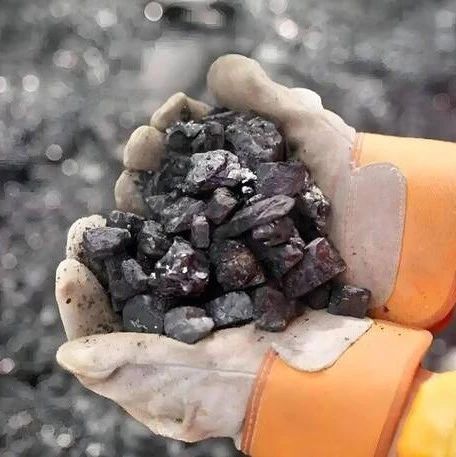
中国稀土出口管制备受关注,稀土ETF(516780)持续吸引资金流入
Mei Ri Jing Ji Xin Wen· 2025-07-04 06:13
Group 1 - The recent export control policy on rare earths in China has garnered global attention, leading to increased market interest in the rare earth sector and related products [1] - The Huatai-PB Fund's rare earth ETF (516780) has seen significant inflows, with its scale growing by 22.3 million yuan since May, reaching a total of 1.107 billion yuan, and an average daily trading volume of nearly 70 million yuan [1] - According to Guotai Junan Securities, since February 2025, the price of rare earth commodities has not seen significant increases, but with upcoming overseas replenishment demand and the domestic electric vehicle peak season, rare earth prices are expected to rise [1] Group 2 - The Huatai-PB Fund, which manages the rare earth ETF (516780), has over 18 years of experience in ETF operations and is recognized for its industry-leading index investment management and tracking error levels [2] - As of the end of the second quarter of 2025, the total scale of ETFs managed by Huatai-PB Fund reached 499.5 billion yuan, with the Hu-Shen 300 ETF (510300) being the largest in the market, having distributed over 16.5 billion yuan in dividends since its inception [2]
差距断崖!美国稀土储量180万吨,再看中国稀土资源,差距太大!
Sou Hu Cai Jing· 2025-07-03 23:03
Group 1 - The U.S. has a rare earth reserve of 1.8 million tons, but having resources does not equate to usability [1] - China holds a dominant position in the rare earth sector with 44 million tons of reserves, accounting for 37% of global supply, and possesses advanced technology [3][5] - The U.S. previously outsourced its rare earth processing, which has led to a significant technological gap that is difficult to bridge [3][5] Group 2 - China's export restrictions on rare earths are driven by environmental concerns and the need for sustainable long-term development [5] - The U.S. reserve of 1.8 million tons could pose a threat if new technologies are developed to reduce costs and if allies assist in the effort [5] - The ongoing "rare earth competition" reflects deeper issues related to resource scarcity and historical conflicts over limited resources [7]
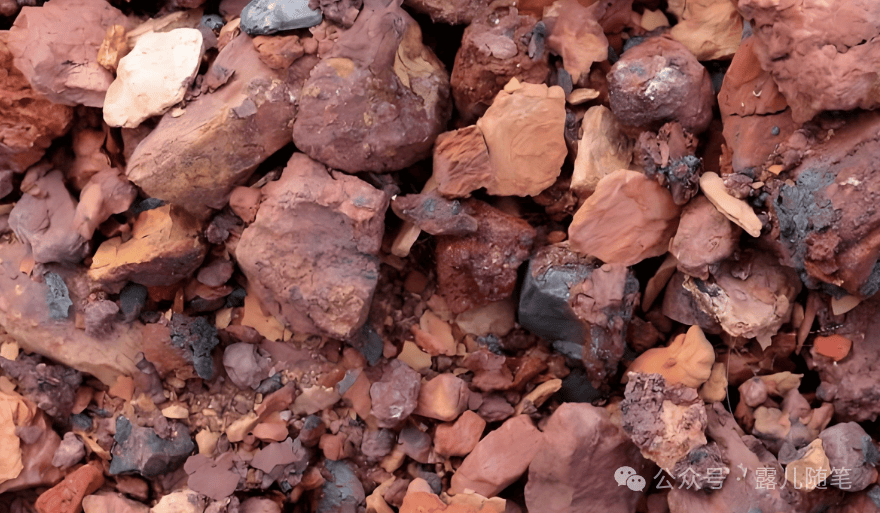
中美激烈博弈,欧洲感受恐慌,中国稀土优势为何能经久不衰?
Sou Hu Cai Jing· 2025-07-03 22:51
Core Insights - The global rare earth market is experiencing significant turmoil due to China's export restrictions, which are seen as a response to the U.S. tariff war, leading to production halts in the automotive sector and factory closures in Europe [1][3] - China currently controls approximately 70% of global rare earth mining and 90% of refining capacity, giving it a dominant position in geopolitical negotiations [1][3] - The U.S. is considering concessions in semiconductor export controls if China relaxes its rare earth export restrictions, indicating the strategic importance of rare earths in trade negotiations [3] Group 1: China's Dominance in Rare Earths - China's rare earth hegemony is the result of decades of strategic planning, characterized by high technical barriers in mining and processing, which have allowed it to establish a leading position in the industry [3][5] - The country has invested heavily in research and development since the 1980s, resulting in nearly 26,000 patents related to rare earths, far surpassing Japan and the U.S. [3][5] - Environmental regulations in Western countries have led to a gradual exit from the rare earth processing industry, allowing China to dominate due to its historically more lenient policies [5][6] Group 2: Industry Structure and Control - The Chinese government has consolidated over 100 rare earth companies into six state-owned enterprises, further centralizing control over 30-40% of global rare earth supply [5][9] - These state-owned enterprises are directly regulated by the State Council, using production quotas and export restrictions to manage global rare earth prices effectively [5][9] - China's strategy includes providing generous credit support to rare earth companies, leading to oversupply and lower global prices, which hinders competition from other countries [5][9] Group 3: Challenges for Competitors - Despite significant investments from the U.S., Japan, and Australia to break China's rare earth monopoly, progress has been limited due to China's competitive pricing and technological advantages [6][8] - The U.S. currently has only one operational rare earth mine, and the lengthy approval process for new mines, combined with potential price manipulation by China, complicates efforts to establish a sustainable supply chain [8][9] - The challenges faced by competitors highlight the difficulty of overcoming China's entrenched position in the rare earth market, which has implications for future geopolitical competition [9]
绕不开的中国稀土
远川研究所· 2025-07-03 12:53
Core Viewpoint - The article discusses the critical role of rare earth elements, particularly neodymium, in the automotive industry, especially in electric vehicles, and highlights the supply chain challenges and geopolitical implications surrounding these materials [3][4][20]. Group 1: Supply Chain and Market Dynamics - Suzuki Motors announced production halts for its Swift model due to delays in parts procurement linked to rare earth export controls [3]. - European and American automotive suppliers are also facing production challenges, with Ford pausing its Explorer model production [3]. - Rare earth elements are essential for various components in electric vehicles, including motors, sensors, and other electronic parts [3][4]. Group 2: Historical Context and Current Crisis - China controls approximately 65% of global heavy rare earth mining and 88% of refining, leading to a supply crisis reminiscent of the semiconductor shortage [4]. - The previous rare earth crisis in 2010, triggered by geopolitical tensions, saw prices for certain rare earth oxides surge over five times [4][5]. - The U.S. Department of Energy estimates that rebuilding a complete rare earth supply chain will take about 10 years, indicating a recurring historical pattern [5]. Group 3: Technological and Material Insights - Neodymium is crucial for the performance of permanent magnet motors used in electric vehicles, with a typical electric vehicle using 1.5 to 3 kg of rare earth materials [17]. - The efficiency of permanent magnet motors can reach nearly 99%, largely due to the use of neodymium-iron-boron magnets [12][17]. - Tesla's Model 3 and Model S utilize neodymium for their electric motors, showcasing the importance of this rare earth element in achieving performance goals [7][9]. Group 4: Geopolitical Implications - CNN refers to rare earths as a "powerful card" for China, emphasizing the strategic importance of these materials in global automotive production [20]. - The U.S. once dominated rare earth production but has since lost its competitive edge, relying heavily on Chinese processing capabilities [20][27]. - The Mountain Pass mine in California, once a major supplier, has struggled to regain its former status due to processing challenges and market dynamics [24][35]. Group 5: Industry Consolidation and Future Outlook - China's rare earth industry has undergone significant consolidation, with major companies merging to enhance scale and bargaining power [31]. - The U.S. is attempting to revitalize its rare earth industry through initiatives like the acquisition of the Mountain Pass mine by MP Materials, aiming for vertical integration [34]. - Despite technological advancements, the U.S. still relies on China for processing rare earth materials, highlighting the ongoing challenges in establishing a self-sufficient supply chain [27][35].

国泰海通:稀土板块反转向第三阶段过渡 人形机器人远期或成需求爆点
智通财经网· 2025-07-03 06:48
Core Viewpoint - Since 2020, the demand for new energy vehicles has become the core driving force for rare earth downstream, with terminal growth closely related to rare earth prices [1] Supply Side - Domestic integration of rare earth resources is ongoing, forming two major groups and optimizing the supply structure [2] - The import of rare earth ore from Myanmar is expected to marginally decrease due to inventory consumption and seasonal factors [2] Demand Side - The demand for rare earth magnetic materials from new energy vehicles and wind power is projected to reach 6.3 million tons in 2024, accounting for 24% of total domestic demand [3] - By 2025-2026, the demand for magnetic materials from new energy vehicles and wind power is expected to rise to 6.9/8.5 million tons and 1.1/1.5 million tons respectively, reaching 28%/31% of total demand [3] - Humanoid robots are anticipated to become a significant demand driver, with a potential requirement of 20,000 tons of neodymium-iron-boron for 5 million units [3] Market Transition - The rare earth sector is transitioning from the second phase (excess profit digestion) to the third phase (explosive growth in prosperity) [4] - The overall rare earth prices have seen slow upward movement since February 2025, with expectations of further increases due to overseas replenishment demand and the peak season for domestic new energy vehicles [4] - Recommended stocks include Northern Rare Earth, China Rare Earth, Guangsheng Nonferrous, Shenghe Resources, and Jieli Permanent Magnet, with related stocks being Ningbo Yunsheng and Zhenghai Magnetic Materials [4]


中国稀土: 关于召开2025年第二临时股东大会的提示性公告
Zheng Quan Zhi Xing· 2025-07-02 16:15
Meeting Information - The company will hold its second extraordinary general meeting of shareholders in 2025 on July 9, 2025, at 14:50 [1] - Shareholders registered by the close of business on July 2, 2025, are entitled to attend and vote at the meeting [1][3] - The meeting will include both on-site and online voting options [1][5] Voting Procedures - The voting will utilize a cumulative voting system, allowing shareholders to allocate their votes among candidates [3][8] - Specific voting times for online participation are set for July 9, 2025, from 9:15 to 9:25, 9:30 to 11:30, and 13:00 to 15:00 [7] - Detailed instructions for online voting and registration requirements for both individual and corporate shareholders are provided [6][7] Documentation and Contact Information - Relevant documents for the meeting, including the board meeting resolution and voting instructions, are available for review [5][6] - Contact details for inquiries are provided, including phone and fax numbers [4]
中国稀土(000831) - 关于召开2025年第二临时股东大会的提示性公告
2025-07-02 09:00
证券代码:000831 证券简称:中国稀土 公告编号:2025-041 中国稀土集团资源科技股份有限公司 关于召开 2025 年第二次临时股东大会的提示性公告 本公司及董事会全体成员保证信息披露内容的真实、准确、完整, 没有虚假记载、误导性陈述或重大遗漏。 中国稀土集团资源科技股份有限公司(以下简称"公司")于 2025 年 6 月 24 日在《证券时报》《中国证券报》和巨潮资讯网(http://www.cninfo.com.cn) 发布了《关于召开 2025 年第二次临时股东大会的通知》。为保护投资者合法权 益,方便股东行使股东大会表决权,现发布关于召开公司 2025 年第二次临时股 东大会的提示性公告: 一、召开会议的基本情况 1、会议届次:2025 年第二次临时股东大会 2、召集人:中国稀土集团资源科技股份有限公司董事会 3、本次股东大会会议召开符合有关法律、行政法规、部门规章、规范性文 件和《公司章程》的规定。 4、召开时间: 现场会议召开时间:2025 年 7 月 9 日(星期三)14:50。 网络投票时间:2025 年 7 月 9 日(星期三)。其中,通过深交所交易系统 进行网络投票的具体时间为 ...