Boeing(BA)

Search documents
中美都出了王牌,中国升级对稀土管控,美国威胁限制飞机零件出口
Sou Hu Cai Jing· 2025-10-13 10:49
Group 1: Trade Tensions and Responses - The trade friction between China and the U.S. has escalated, with China imposing stricter export controls on rare earth elements, including lanthanum, cerium, praseodymium, neodymium, and samarium, effective October 9, 2025 [1][3] - The U.S. responded swiftly, with Trump threatening to restrict the export of Boeing aircraft parts to China, highlighting the reliance of Chinese airlines on Boeing models, which account for a significant portion of Boeing's global market [1][3][5] Group 2: Impact on Companies - The announcement of China's export controls led to immediate market reactions, with Boeing's stock dropping by 2.4% and General Electric's by 2.6% on October 11, 2025 [5] - Analysts noted that while the impact on Boeing may be limited in the short term due to China's development of its domestic C919 aircraft, the potential for supply chain disruptions remains significant [5][8] - The export controls affect a wide range of products, from jet engines to smartphones, requiring foreign companies to obtain approval for exports containing rare earth elements [7][8] Group 3: Global Supply Chain Reactions - European manufacturers and Japan's electronics sector quickly convened to discuss stockpiling rare earth materials in response to China's announcement [3][8] - Australian mining companies saw stock price increases as they are viewed as alternative sources for rare earth materials [3][8] - The situation highlights the vulnerabilities in the global supply chain, with potential risks for various industries reliant on rare earth elements [7][8]


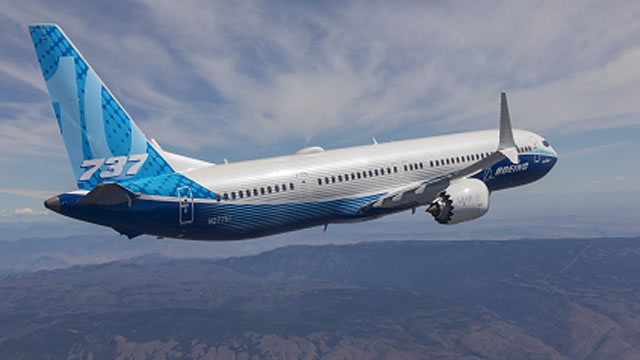
Aviation experts say Boeing should be dreaming up its next clean-sheet jet — even if it's a decade away
Business Insider· 2025-10-13 09:07
Core Viewpoint - Boeing has not developed a new commercial airplane since the 787 Dreamliner in 2004 and is now considering a clean-sheet design to replace the aging 737, which has undergone four generations of modifications since 1967 [1][3][5]. Group 1: Current Developments - Boeing's 737 narrowbody aircraft is crucial for short and mid-range flights, capable of carrying up to 220 passengers depending on the model [2]. - At a recent conference, Boeing leadership downplayed the imminent launch of a new aircraft design, indicating that while they are exploring new technologies, they are not close to launching a new airplane [3][4]. - Analysts suggest that Boeing's long-term competitiveness relies on developing a new narrowbody aircraft and securing a next-generation engine [3][5]. Group 2: Leadership and Strategy - Boeing's CEO Kelly Ortberg, who took over in August 2024, is seen as a catalyst for positive changes within the company, focusing on quality and operational improvements [6][11]. - Analysts have upgraded Boeing's rating to "buy," citing improvements in operational performance and a renewed focus on quality under Ortberg's leadership [11]. Group 3: Production and Certification Challenges - Boeing faces immediate challenges, including the certification of three unfinished aircraft models and the need to rebuild investor confidence through enhanced production and cash flow [4][19]. - The company has a backlog of over 6,000 jets to deliver, and it is currently focused on certifying its 777X and Max models [21]. Group 4: Future Aircraft Development - A new Boeing aircraft is unlikely to be operational for at least a decade, with industry experts suggesting that a new design announcement could occur within the next three years [5][6]. - The development of a new engine is critical for any new aircraft, with Rolls-Royce pitching a new powerplant to Boeing, which may signal a shift from its long-standing partnership with CFM International [16][17]. - The introduction of new engine technologies is essential to achieve the expected 15-20% fuel efficiency improvements for next-generation single-aisle aircraft [18]. Group 5: Competitive Landscape - Boeing's competitors, including Airbus and emerging startups like Natilus, are also eyeing the narrowbody market, which is projected to see significant demand in the coming decades [14][15].
中美都打出了王牌,中国升级稀土管控,美国威胁限制飞机零件出口
Sou Hu Cai Jing· 2025-10-13 02:48
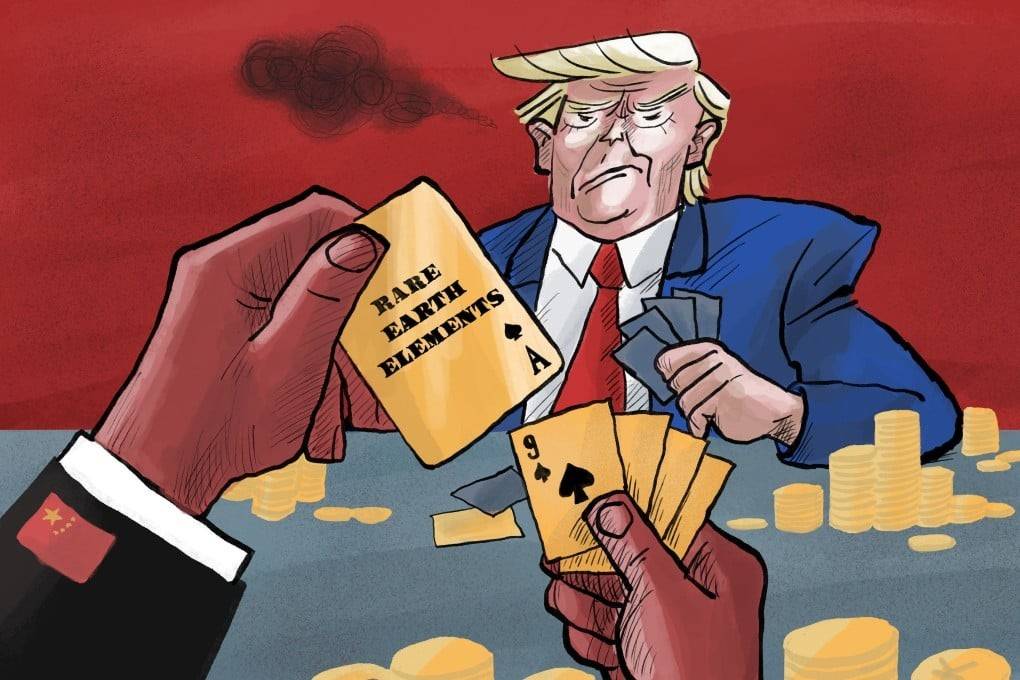
Group 1 - The core of the current conflict revolves around the potential U.S. restrictions on the export of Boeing aircraft parts to China, which could severely disrupt China's aviation operations and maintenance capabilities [3][5] - China currently operates over 1,800 Boeing aircraft, with an additional 220 new orders pending delivery from Chinese airlines, highlighting the significant reliance on Boeing for its aviation needs [3] - If the U.S. imposes a ban on Boeing parts exports, over 1,000 aircraft could face maintenance challenges, leading to increased repair costs and extended downtime, which would disrupt normal operations in China's aviation industry [3][5] Group 2 - Trump's strategy appears to leverage Boeing parts as a bargaining chip to compel China to retract its recent rare earth export controls, but this approach may have unintended consequences [5][6] - Boeing's position is complex; while it is a major player in both military and civilian sectors, it also has significant stakes in the Chinese market and would likely oppose actions that could harm its business there [5][6] - The potential U.S. export restrictions could backfire, as Boeing's dependence on the Chinese market may lead to substantial pressure on the U.S. government to reconsider such measures [6] Group 3 - China's rare earth export controls and the U.S. potential restrictions on Boeing parts represent two critical cards in their ongoing strategic game, with both sides preparing for possible retaliatory actions [6] - The situation underscores the importance of mutual respect and cooperation, as both countries navigate the complexities of their economic interdependence [6]
全球多资产大跌,周期如何看?
2025-10-13 01:00
Summary of Key Points from Conference Call Records Industry Overview - **Global Market Impact**: The global multi-asset market has experienced significant declines due to rising risk aversion stemming from U.S. export controls on Boeing aircraft parts and increased tariffs on Chinese goods, leading to the largest single-day and weekly drops in the Nasdaq and S&P 500 indices since April [1][2][4]. - **Oil Price Decline**: Oil prices have plummeted, with Brent crude and WTI reaching their lowest levels since May, at $62 and $58 respectively, primarily due to improved expectations of oil supply stability following a ceasefire agreement between Israel and Hamas [1][5][4]. Company-Specific Insights - **Boeing and Chinese Airlines**: The U.S.-China trade war may position Boeing aircraft and parts as key negotiation points, potentially leading to delays in deliveries to Chinese airlines, which currently hold at least 222 Boeing aircraft orders [1][6][7]. - **Airline Sector Performance**: The increase in passenger load factors during the National Day holiday and the drop in oil prices are favorable for airline stocks, with recommendations for Huaxia Airlines and major Hong Kong banks [1][6][7]. - **Shipping Industry**: The initial impacts of the U.S.-China trade war on goods trade may paradoxically benefit shipping rates due to potential stockpiling after a short-term decline in imports, with COSCO Shipping recommended as a core investment [1][8]. Sector Analysis - **Express Delivery Industry**: A price increase in express delivery services in Henan signals the start of a second wave of price hikes, with expectations for similar increases in other regions ahead of the Double Eleven shopping festival. Companies like YTO Express and Shentong Express are recommended [3][10]. - **Chemical Industry**: Chemical product prices have slightly decreased due to the trade war, with a focus on resource-based fertilizers and agricultural chemicals for growth opportunities. Berkshire Hathaway's acquisition of a chemical division indicates investment potential in leading chemical firms [3][11]. - **Coal Industry**: Coal demand has exceeded expectations, with long-term contracts priced higher than spot prices, indicating strong winter replenishment demand. Companies like China Shenhua and Shaanxi Coal are highlighted for their high dividend yields [3][19]. Additional Insights - **Trade War Effects on Logistics**: The trade war's impact on logistics and shipping may create volatility, but it also presents opportunities for investment in companies less affected by U.S.-China tensions, such as JIAYOU International and Jitu Express [1][9]. - **Chemical Sector Recovery**: The chemical sector is expected to see a recovery in profitability, with price increases anticipated in October. Key players like Sanyou Chemical and Zhongtai Chemical are recommended for investment [11][13][17]. - **Agricultural Chemicals**: The market for agricultural chemicals is showing signs of recovery, with price increases expected for glyphosate and potassium fertilizers, suggesting investment in leading firms like Xingfa Group and Jiangshan Chemical [15]. This summary encapsulates the critical insights and recommendations from the conference call records, providing a comprehensive overview of the current market dynamics and investment opportunities across various sectors.




特朗普扬言限制波音飞机零部件对华出口,民航专家:此举对波音是毁灭性的
Guan Cha Zhe Wang· 2025-10-12 02:02
Core Viewpoint - The article discusses the escalating trade tensions between the U.S. and China, particularly focusing on President Trump's threats regarding export controls on Boeing aircraft parts in response to China's new rare earth regulations. This situation highlights the deteriorating relationship and the potential long-term impacts on both countries' aviation industries. Group 1: U.S.-China Trade Relations - President Trump has threatened to impose export controls on Boeing aircraft parts as a reaction to China's recent rare earth export regulations [1] - The trade dispute has led to a significant decline in Boeing's orders from China, dropping from 25% to less than 5% of total orders [1] - The situation is characterized as Trump having "no good cards to play" against China, leading to reckless decisions that could harm Boeing's reputation [1] Group 2: Impact on Boeing and the Aviation Industry - Boeing has faced challenges in the Chinese market, with Chinese airlines having ordered at least 222 Boeing aircraft, while currently operating 1,855 [4] - The potential export controls could also impact CFM International, a major manufacturer of commercial aircraft engines used in Boeing's 737 MAX [4] - The article notes that Airbus holds 185 orders from Chinese customers and has a production base in Tianjin, producing about four A320 aircraft monthly [4] Group 3: Domestic Aviation Developments in China - China is actively promoting its domestic commercial aircraft industry, with the C919 aircraft competing against Boeing's 737 and Airbus's A320 [4] - Chinese airlines have ordered 365 domestic aircraft, indicating a shift towards local production [4] - The article mentions that while Trump's threats may not directly affect domestic aircraft manufacturing, they could disrupt the maintenance and operation of existing Boeing fleets in China [6]
特朗普或将限制波音飞机零部件对华出口
Guan Cha Zhe Wang· 2025-10-11 07:43
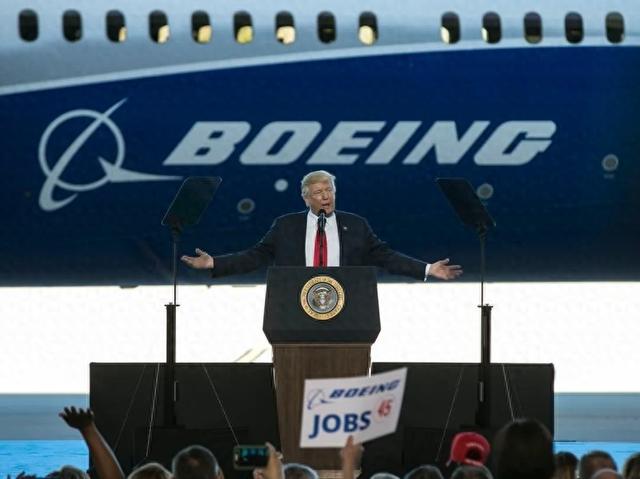
Core Viewpoint - The U.S. may impose export controls on Boeing aircraft parts in response to China's rare earth export restrictions, which could significantly impact Chinese airlines and related U.S. suppliers [1][2]. Group 1: U.S.-China Trade Relations - Trump's administration has utilized Boeing as a strategic tool in trade negotiations, emphasizing the importance of aircraft as high-value trade items [2][3]. - The U.S. and China have historically been significant trade partners, with China projected to be the third-largest goods trading partner for the U.S. in 2024 [2]. Group 2: Boeing's Strategic Importance - Boeing's aircraft, particularly the 737 model, have been a major part of China's aviation market, with approximately 1,855 active Boeing aircraft and at least 222 on order [1]. - The long delivery cycles of aircraft orders allow countries to announce purchases without immediate financial burdens, aligning with Trump's negotiation strategies [2][3]. Group 3: Impact on Suppliers - U.S. suppliers, such as General Electric Aviation, may face challenges if export controls are enacted, particularly concerning engines used in Boeing's 737 MAX and other aircraft [1].
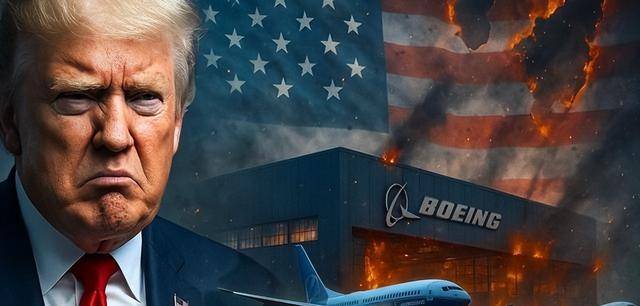
Trump threatens export controls on Boeing parts in response to China
Reuters· 2025-10-10 23:48
Core Viewpoint - The United States is considering imposing export controls on Boeing plane parts in response to China's export restrictions on rare earth minerals [1] Group 1 - The potential export controls on Boeing parts are part of a broader strategy by the U.S. government to counteract China's trade practices [1] - President Donald Trump indicated that these measures are a direct response to China's limitations on rare earth mineral exports [1]
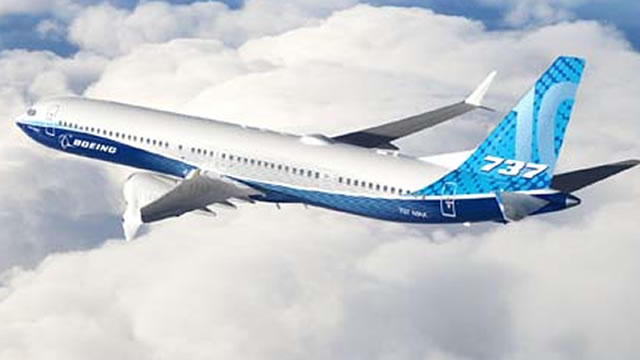
波音(BA.US)跌逾3% 空客A320累计交付量超越波音737
Zhi Tong Cai Jing· 2025-10-09 23:00
Core Points - Boeing's stock fell over 3% to $217.29 amid competitive pressures from Airbus [1] - Airbus announced that its A320 series has surpassed Boeing's 737 series in total deliveries, marking a significant milestone in aviation history [1] - Turkish Airlines may convert its recent Boeing 737 MAX orders to Airbus aircraft if engine negotiations fail [1]
美股异动|波音股价下挫4.14%逆风而行挑战重重
Xin Lang Cai Jing· 2025-10-09 22:49
Core Insights - Boeing's stock price dropped by 4.14% on October 9, despite securing a contract worth over $173 million from the U.S. Air Force for eight MH-139A "Grey Wolf" helicopters and related services, indicating market concerns about Boeing's future commercial partnerships [1][2] - Airbus has surpassed Boeing in cumulative deliveries of the A320 series aircraft compared to the Boeing 737 series, highlighting intensified competition in the narrow-body aircraft market [1] - Turkish Airlines has warned of potential order losses for Boeing if negotiations with engine supplier CFM International do not yield favorable terms, suggesting increasing bargaining power for airlines in the global aviation market [1] Industry Challenges - Boeing faces pressure from technological innovation and future development, with its digital transformation platform encountering challenges in data security and global adaptation, which may impact its competitiveness in the high-tech aviation market [2] - Investors should monitor Boeing's competitive position in the global market and its investment strategies in new technologies and products, as short-term market confidence appears to be lacking [2] - Despite current market challenges, Boeing's long-term potential as a manufacturing giant remains, with ongoing defense contract revenues and potential strategic adjustments offering opportunities for long-term investors [2]
[DowJonesToday]Dow Jones Pauses Amid Data Void and Earnings Anticipation
Stock Market News· 2025-10-09 18:08
Market Overview - The Dow Jones Industrial Average decreased by 292.77 points, or 0.63%, indicating a cautious sentiment in the U.S. stock market [1] - Dow Futures also showed weakness, down 276.00 points, or 0.59% [1] - This decline follows a period of record-setting gains for indices like the S&P 500 and Nasdaq [1] Economic Context - The market is influenced by the ongoing U.S. government shutdown, which has delayed important economic data [2] - Investors are anticipating the upcoming third-quarter earnings season, creating a "wait and see" environment [2] - The absence of new economic reports on inflation and employment has left investors looking for direction from corporate performance [2] - Federal Reserve Chair Jerome Powell's recent comments did not provide new insights into monetary policy, although previous Fed minutes suggested potential rate cuts this year [2] Individual Stock Performance - Nvidia (NVDA) was a notable gainer, rising by 1.93% due to optimism around artificial intelligence demand [3] - Other gainers included Salesforce (CRM) up 1.83% and Merck (MRK) up 1.38% [3] - Boeing (BA) was the largest loser, falling by 3.48%, followed by 3M (MMM) down 2.57% and Honeywell (HON) down 2.42% [3] - Strong early earnings reports from Delta Air Lines and PepsiCo provided some positive momentum for individual stocks but did not prevent the overall market decline [3]