BABA(BABA)

Search documents
阿里巴巴平头哥上线自研AI芯片“真武810E”
Zhi Tong Cai Jing· 2026-01-29 02:44
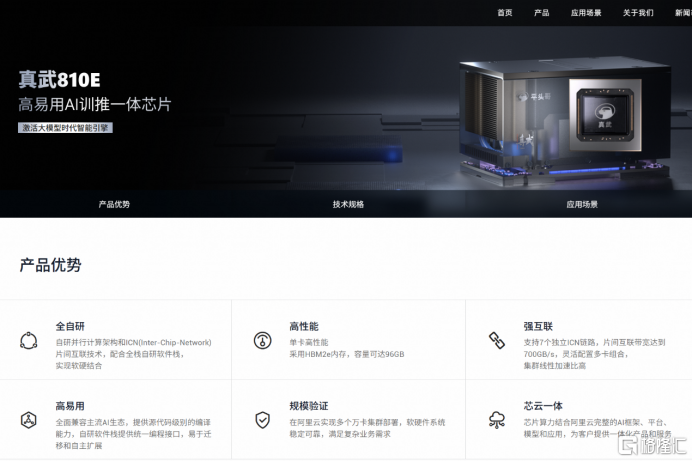
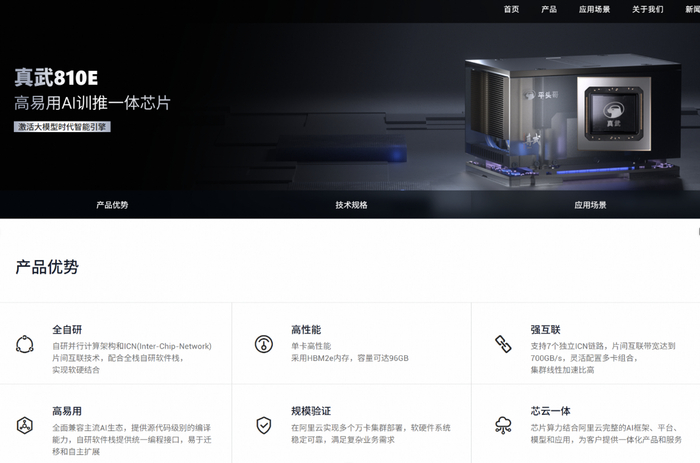
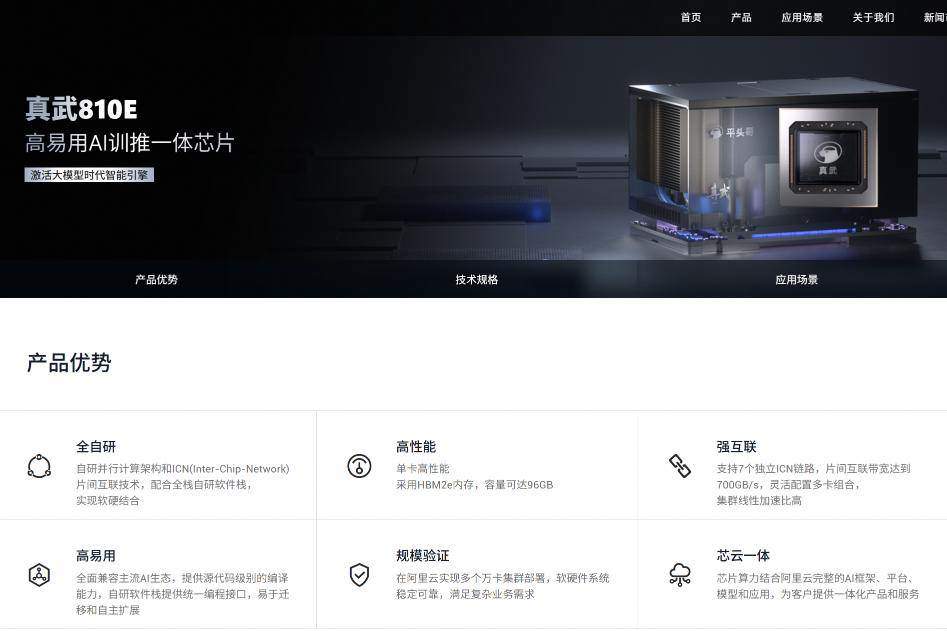
此前媒体传出阿里巴巴(09988)正准备推进旗下AI芯片制造企业"平头哥"(T-Head)独立上市。阿里计划将 其重组为一个部分由员工持股的业务实体,随后再寻求进行首次公开募股(IPO)。 公开资料显示,平头哥半导体有限公司成立于2018年9月,作为阿里巴巴集团的全资半导体芯片业务主 体,其拥有端云一体全栈产品系列(涵盖数据中心芯片、IoT芯片等),实现芯片端到端设计链路全覆 盖。平头哥已推出多款数据中心及物联网芯片,包括AI芯片"PPU"、推理芯片"含光800"、CPU"倚天 710"、SSD主控芯片"镇岳510"及IoT芯片"羽阵"。 据介绍,"真武"PPU采用自研并行计算架构和片间互联技术,配合全栈自研软件栈。其内存为96G HBM2e,片间互联带宽达到700GB/s,可应用于AI训练、AI推理和自动驾驶。 阿里巴巴已将"真武"PPU大规模用于千问大模型的训练和推理,并结合阿里云完整的AI软件栈进行深度 优化,为客户提供一体化产品和服务。 阿里巴巴(09988)平头哥官网上线高端AI芯片"真武810E"产品,该芯片实现软硬件全自研,已在阿里云 实现多个万卡集群部署。每颗真武810E芯片配备7个ICN片间 ...

Chip涨价-Cdn涨价-Cloud涨价-迎接科技的全面通胀行情
2026-01-29 02:43
Chip 涨价!Cdn 涨价!Cloud 涨价!迎接科技的全面通 胀行情 20260128 摘要 AI 驱动算力需求激增,英伟达显卡价格反弹,国际云服务商如谷歌云和 AWS 宣布涨价,预示云计算行业定价逻辑转变,从扩张转向盈利,对计 算机板块产生深远影响。 云计算行业涨价受益者包括金山云、优刻得等困境反转型公司,以及 CDN 领域企业。谷歌 CDN 价格翻倍带来巨大空间,政府项目相关企业、 青云科技及租赁服务公司也将受益。 海外市场普遍认为涨价源于 AI 强劲需求,商业租赁和硬件设备价格上涨 验证了这一点。谷歌云涨价及 B 端 AI 应用崛起预示海外云服务商涨价将 带动国内同行业公司联动。 国内市场关注阿里云、腾讯云和百度等大厂。阿里巴巴业绩超预期,腾 讯 AI 领域值得重视,百度昆仑芯片 IPO 及萝卜快跑业务提供增长动力, 金山云、新浪网科及租赁服务公司受益于需求爆发。 通信领域重点关注光芯片板块,2025-2028 年中游封装行业优势显著, 硅光子技术紧缺带来全球替代机遇。元杰科技有望采用 STP 光源方案保 持高利润,EML 仍有市场空间。 国内光芯片行业前景良好,磷酸锂体系国产光芯片值得关注。光纤光 ...


-TMTB 早间摘要 - TMT 突破 --- TMTB Morning Wrap - TMT Breakout
2026-01-29 02:43
Summary of Earnings Call Company and Industry - **Companies Mentioned**: STX (Seagate Technology), ASML, TXN (Texas Instruments), QRVO (Qorvo) - **Industry**: Technology, specifically focusing on data storage, semiconductors, and electronics Key Points and Arguments STX (Seagate Technology) - **Earnings Performance**: - Revenue of $2.83 billion, up 22% year-over-year, compared to a previous quarter's growth of 21% and market expectations of $2.74 billion, which was approximately 18% growth [7][6] - EPS of $3.11, exceeding market expectations of $2.83; Non-GAAP gross margin at 42.2% vs. expected 40.8% [7] - **Market Commentary**: - Management described an "exceptionally strong" data center environment, expecting demand to offset typical seasonal declines [9] - Nearline capacity fully allocated through CY26, with plans to accept orders for 1H27 [12] - **Pricing Trends**: - Revenue per TB remains stable with a modest increase in $/TB expected to continue, indicating a potential shift in pricing dynamics [12] - **Growth Drivers**: - Incremental storage-server demand linked to AI workloads, with data centers remaining the core driver of growth [9] TXN (Texas Instruments) - **Earnings Performance**: - Q4 revenue of $4.423 billion, up 10.4% year-over-year, aligning with market expectations [24][26] - Q1 guidance midpoint of $4.50 billion, indicating a 2% quarter-over-quarter increase and 10.6% year-over-year growth [24] - **Market Commentary**: - Management expressed optimism about industrial recovery and data center strength, with improving orders and backlog [23] - Data center business expected to grow approximately 70% year-over-year [26] - **Pricing Trends**: - Management anticipates low single-digit price declines (~2-3%) in 2026, emphasizing the impact of annual negotiations [26] QRVO (Qorvo) - **Earnings Performance**: - Q4 revenue and EPS were better than expected, but Q1 guidance was approximately 12% below market expectations [32][35] - **Market Commentary**: - Management attributed revenue gaps to weakness in Android and planned exits from lower-margin models [35] - Concerns about the sustainability of profitability amidst declining Android sales and competition [41] - **Growth Drivers**: - Focus on transitioning to higher-quality, more durable programs, with expectations of gross margins above 50% despite revenue declines [42] ASML - **Earnings Performance**: - Stock price increased by 5% due to bookings of €13 billion, significantly exceeding expectations [45] - **Market Commentary**: - Management highlighted strong progress with customers and revenue guidance implying 4-20% year-over-year growth for 2026 [46] - **Growth Drivers**: - Continued demand in semiconductor capital expenditures, with a focus on high-volume manufacturing tools [46] Additional Important Insights - **Market Sentiment**: - The overall sentiment in the technology sector appears positive, driven by strong earnings reports and optimistic guidance from key players [1][2] - **Investment Considerations**: - The discussions around pricing stability and growth in data center demand suggest potential investment opportunities in companies like STX and TXN, while QRVO faces challenges that may impact its valuation [18][22][42]





被传独立上市后,阿里旗下平头哥发布自研AI芯片“真武810E”
Jin Rong Jie· 2026-01-29 02:31
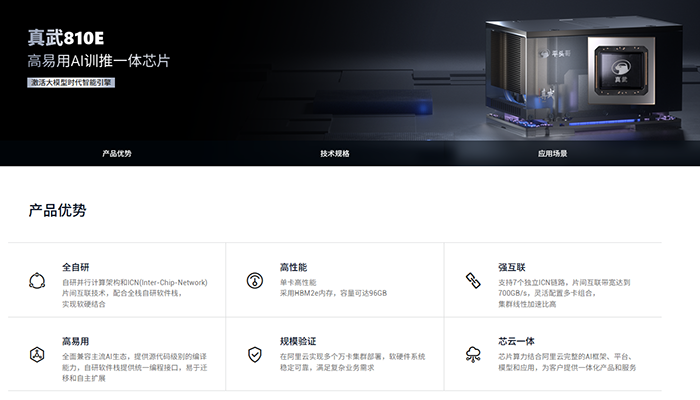
1月29日上午,阿里巴巴(NYSE:BABA,09988.HK)旗下平头哥半导体(T-Head)官网公布高端AI芯 片"真武810E"产品信息。 官网介绍显示,该芯片搭载自研并行计算架构和ICN(Inter-Chip-Network)片间互联技术,配合全栈自 研软件栈,实现软硬件结合。 平头哥自研的ICN片间互联技术具备高性能、高带宽、低延迟等优势,适用于大模型训练和推理应用。 每颗真武810E芯片配备7个ICN片间互联端口,配合平头哥自研互联加速库,实现多卡协同工作,从而 高效支持大模型训练及推理需求。其主要应用场景包括自动驾驶、AI训练、AI推理及多模态模型。 1月22日,据多家媒体报道,阿里巴巴正计划重组旗下芯片公司平头哥半导体,并支持其未来独立上 市。截至目前,公司尚未对此事作出正式回应。 财经频道更多独家策划、专家专栏,免费查阅>> 责任编辑:栎树 目前,真武810E已在阿里云落地多个万卡集群,并服务了国家电网、小鹏汽车等400多家客户。其正式 上线,意味着由通义实验室、阿里云和平头哥组成的阿里AI黄金三角"通云哥"完整浮出水面。阿里成为 继谷歌之后全球第二家具备"大模型+云+芯片"全栈自研实力的科 ...

追平英伟达 H20!阿里真武 810E 芯片亮王牌
是说芯语· 2026-01-29 02:29
今日,阿里巴巴集团全资半导体业务主体平头哥,于官网正式发布高端AI训推一体芯片真武810E。与此同时,阿里全栈AI战略阵型"通云哥"首度揭开神 秘面纱,而这款真武810E,正是此前被央视《新闻联播》报道过的阿里自研PPU芯片,标志着阿里在AI芯片领域的布局迎来关键落地。 针对具体应用场景,真武810E覆盖四大核心领域,展现出广泛的适配能力。在自动驾驶领域,芯片已兼容超过50个自动驾驶常见模型,全面支持感知、 预测、端到端等多种模型架构的训推需求,且已实现万卡级别集群部署;在AI训练领域,原生支持多类框架,依托高速片间互联技术实现优异的集群线 性加速比,为用户提供高性能、高易用的训练算力;在AI推理领域,兼容主流推理引擎,搭配自研专用推理框架与算子库及大容量内存,实现大模型推 理针对性优化;在多模态模型领域,该芯片在文生视频、图文生视频、图文生文等场景的训推实测中表现突出,为多模态应用提供高性价比算力支撑。 从2009年创建阿里云,到2018年成立平头哥布局芯片,再到2019年启动大模型研究,阿里巴巴历经17年的战略投入与垂直整合,最终完成"通云哥"全栈AI 生态的完整布局。据平头哥官网介绍,公司核心定位为AI ...
刚刚,阿里AI芯片“真武810E”来了,已实现多个万卡集群部署
3 6 Ke· 2026-01-29 02:28
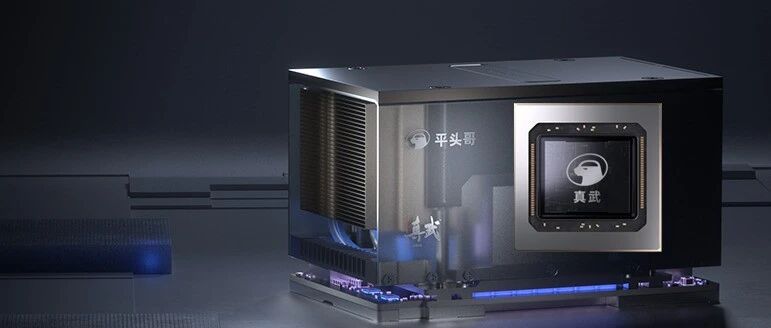
芯东西1月29日报道,今日,阿里巴巴集团全资半导体芯片业务主体平头哥官网上线高端AI训推一体芯片真武810E,阿里全栈AI阵型"通云 哥"也首度曝光。 这就是此前被央视《新闻联播》曝光的阿里自研芯片PPU。据悉,"真武"PPU已在阿里云实现多个万卡集群部署,服务了国家电网、中科院、 小鹏汽车、新浪微博等400多家客户。(阿里自研AI芯片曝光!) 至此,由通义实验室、阿里云、平头哥组成的阿里巴巴AI黄金三角"通云哥"首次浮出水面。 平头哥成立于2018年11月,注册地址在上海,已推出AI推理芯片含光800、训推一体AI加速芯片真武810E、Arm服务器CPU倚天710、高性能 SSD主控芯片镇岳510、超高频RFID电子标签芯片羽阵611和羽阵600等芯片,并不断丰富产品线。 阿里巴巴已将"真武"PPU大规模用于千问大模型的训练和推理,并结合阿里云完整的AI软件栈进行深度优化,为客户提供一体化产品和服务。 据业内人士透露,对比关键参数,"真武"PPU的整体性能超过英伟达A800和主流国产GPU,与英伟达H20相当。 另据外媒最新报道,升级版"真武"PPU的性能强于英伟达A100。 多位行业从业者称,"真武"PP ...
恒生科技ETF易方达(513010)规模突破300亿元,关注港股科技产业链阶段性配置价值
Mei Ri Jing Ji Xin Wen· 2026-01-29 02:15
Group 1 - The core viewpoint of the news highlights the resilience of the Hong Kong technology sector, which showed a rebound after a significant drop, with the Hang Seng Technology Index down by 0.7% as of 9:47 AM on January 29 [1] - Recent data indicates a recovery in overall trading volume in the Hong Kong market, with both the amount and proportion of southbound capital increasing, suggesting a rise in market participation [1] - Foreign active funds have turned to net inflows for two consecutive weeks, indicating a positive change in the funding structure of the Hong Kong technology sector, which supports market recovery [1] Group 2 - The current earnings season for U.S. tech stocks is a focal point, with AI, cloud computing, and commercialization of applications being key areas of market interest [1] - If the performance and future guidance of overseas tech leaders exceed expectations, it could catalyze trends in related industries, positively impacting the Hong Kong technology sector through valuation and risk appetite transmission [1] - The Hang Seng Technology Index consists of the 30 largest stocks related to technology themes listed in Hong Kong, focusing on sectors such as semiconductors, robotics, software, internet, and smart driving, with major weights including Tencent Holdings, Alibaba, and SMIC [1] Group 3 - The Hang Seng Technology ETF managed by E Fund has seen a cumulative net inflow of over 1.5 billion yuan since January, with its latest scale surpassing 30 billion yuan, marking a new high since its inception [2] - The ETF offers good liquidity and supports T+0 trading, which can help investors seize opportunities in the Hong Kong technology industry chain amid the convergence of capital inflow and industry catalysts [2]


阿里平哥头自研AI芯片“真武”正式上线
Xin Lang Cai Jing· 2026-01-29 02:13
智通财经记者 | 程璐 智通财经编辑 | 文姝琪 就在阿里旗下芯片设计业务单位平头哥被爆出考虑启动IPO后的一周里,1月29日上午,平头哥官网悄 然上线一款名为"真武810E"的高端AI芯片,此前被央视《新闻联播》曝光的阿里自研芯片PPU正式对 外。 此前智通财经曾报道,平头哥IPO信号释放的背后,关键推力在于其产品在外部市场取得的进展。其 中,新一代自研AI加速器芯片PPU"真武"扮演了关键角色。 智通财经了解到,"真武"PPU已在阿里云实现多个万卡集群部署,并服务了国家电网、中科院、小鹏汽 车、新浪微博等400多家客户。 不过,这也意味着在商业模式上,平头哥多通过AI云服务来提供算力,其营收与阿里云深度捆绑,外 界难以清晰辨识其独立的盈利能力。未来要如随着上市规划的启动,平头哥也要加速走出去,拓展外部 销售市场,同时与母公司阿里巴巴确立更清晰的关联交易定价机制,让外界得以评估平头哥独立盈利能 力。 "真武"PPU的正式上线,是平头哥在芯片领域积累多年的能力集中输出。阿里巴巴2009年创建阿里云, 2018年成立平头哥芯片公司,2019年启动大模型研究,经过长达17年的战略投入和垂直整合,实现 了"通云哥" ...
阿里自研AI芯片“真武”亮相,黄金三角浮出水面!成谷歌之后全球第二家具备“大模型+云+芯片”全栈自研实力的科技公司
Ge Long Hui· 2026-01-29 01:52
Core Viewpoint - Alibaba's high-end AI chip "Zhenwu 810E" has been launched, marking a significant advancement in its AI capabilities and positioning in the tech industry [1] Group 1: Product Launch - The "Zhenwu 810E" chip is now available on Alibaba's official website [1] - This chip has been deployed in multiple large-scale clusters on Alibaba Cloud, serving over 400 clients including State Grid and Xpeng Motors [1] Group 2: Strategic Positioning - Alibaba has established a comprehensive AI ecosystem, referred to as the "Tongyun Ge," which consists of Tongyi Laboratory, Alibaba Cloud, and Pingtouge [1] - With this development, Alibaba becomes the second technology company globally, after Google, to possess full-stack self-research capabilities in "large models + cloud + chips" [1]
阿里自研AI芯片"真武"亮相 "通云哥"黄金三角浮出水面
Ge Long Hui· 2026-01-29 01:45
Core Insights - Alibaba has launched the "Zhenwu 810E" high-end AI chip, marking the debut of its self-developed PPU, which is part of the AI supercomputer initiative "Tongyun Ge" [1][3] - The "Tongyun Ge" initiative combines Alibaba's self-developed chips, leading cloud services, and advanced open-source models to achieve high efficiency in AI model training and deployment [1] - The "Zhenwu" PPU has been deployed in multiple clusters on Alibaba Cloud, serving over 400 clients including major organizations like State Grid and Xpeng Motors [1][3] Group 1 - The "Zhenwu" PPU features a self-developed parallel computing architecture with 96G HBM2e memory and an inter-chip bandwidth of 700 GB/s, suitable for AI training, inference, and autonomous driving [3] - The performance of the "Zhenwu" PPU surpasses that of NVIDIA's A800 and is comparable to the H20, with an upgraded version reportedly outperforming the A100 [3] - The successful launch of the "Zhenwu" PPU reflects years of strategic investment and vertical integration by Alibaba in the chip sector, culminating in a comprehensive AI stack [3] Group 2 - The Tongyi Laboratory has released the Qwen3-Max-Thinking flagship inference model, achieving multiple global records and performance levels comparable to GPT-5.2 and Gemini 3 Pro [4] - The number of derivative models from the Qwen open-source model has exceeded 200,000, with download counts surpassing 1 billion, maintaining its position as the largest in the world [5]